Cryptocoryne lingua
Cryptocoryne lingua
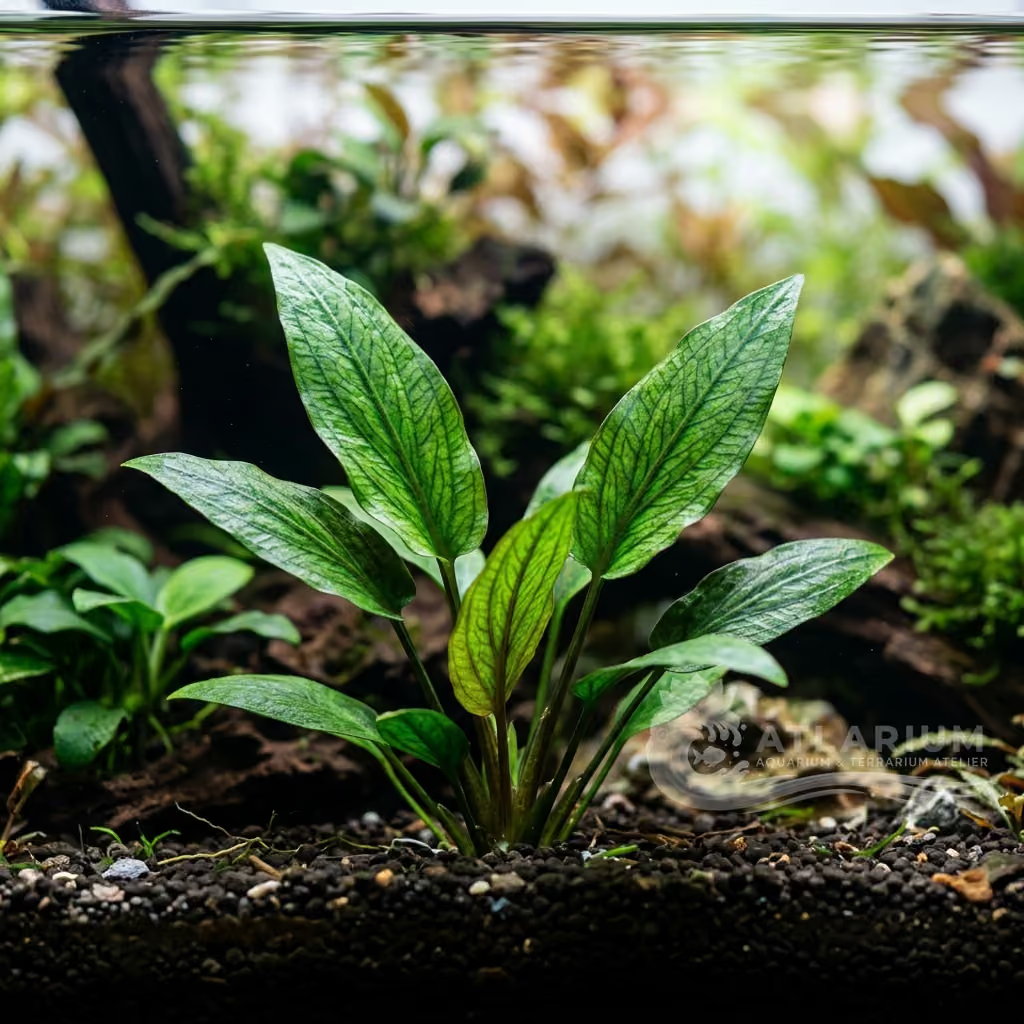
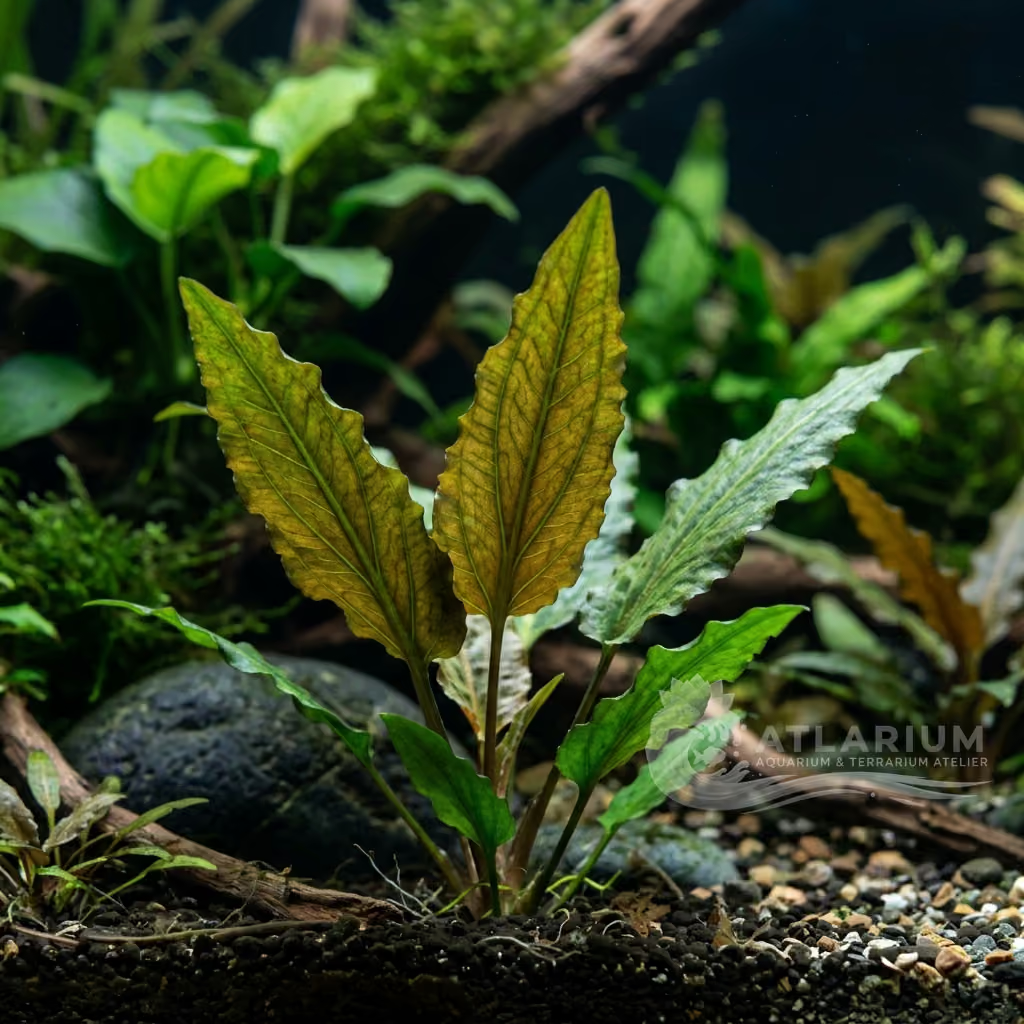
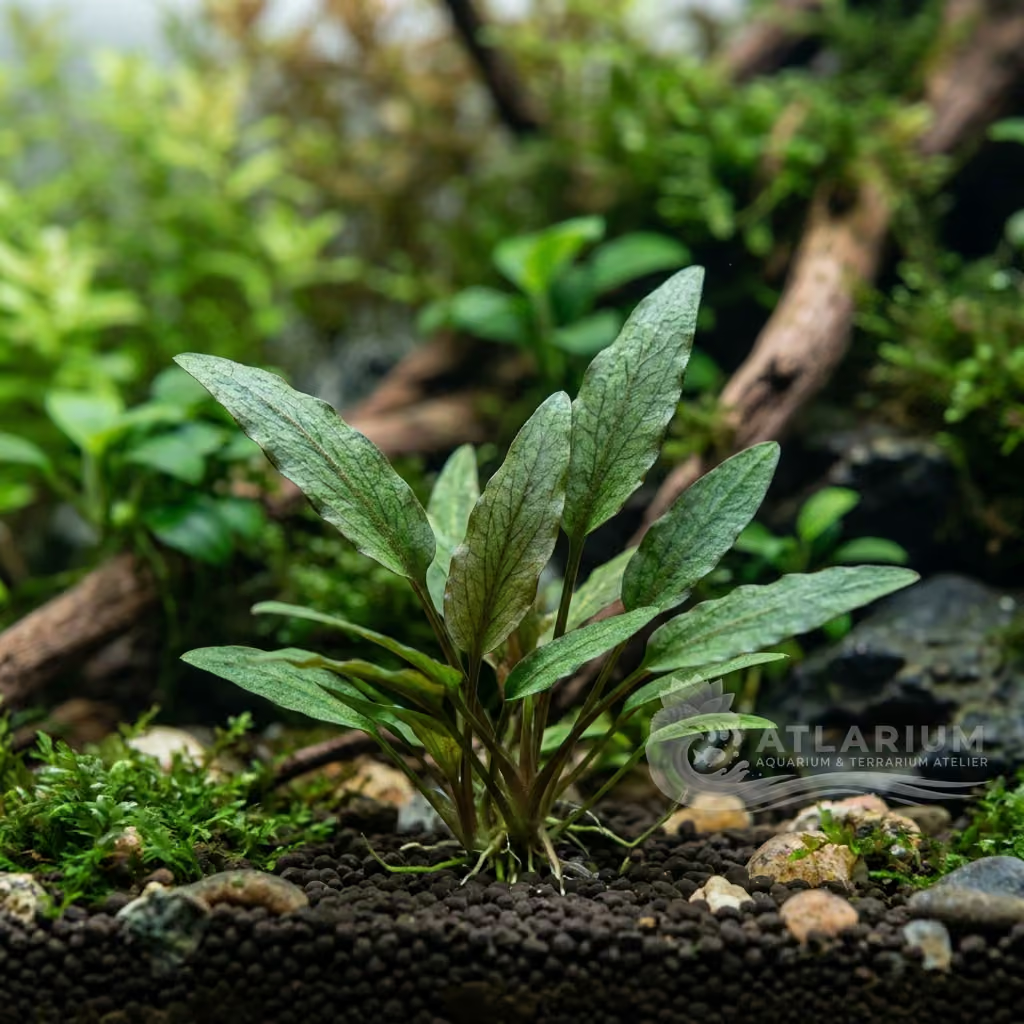
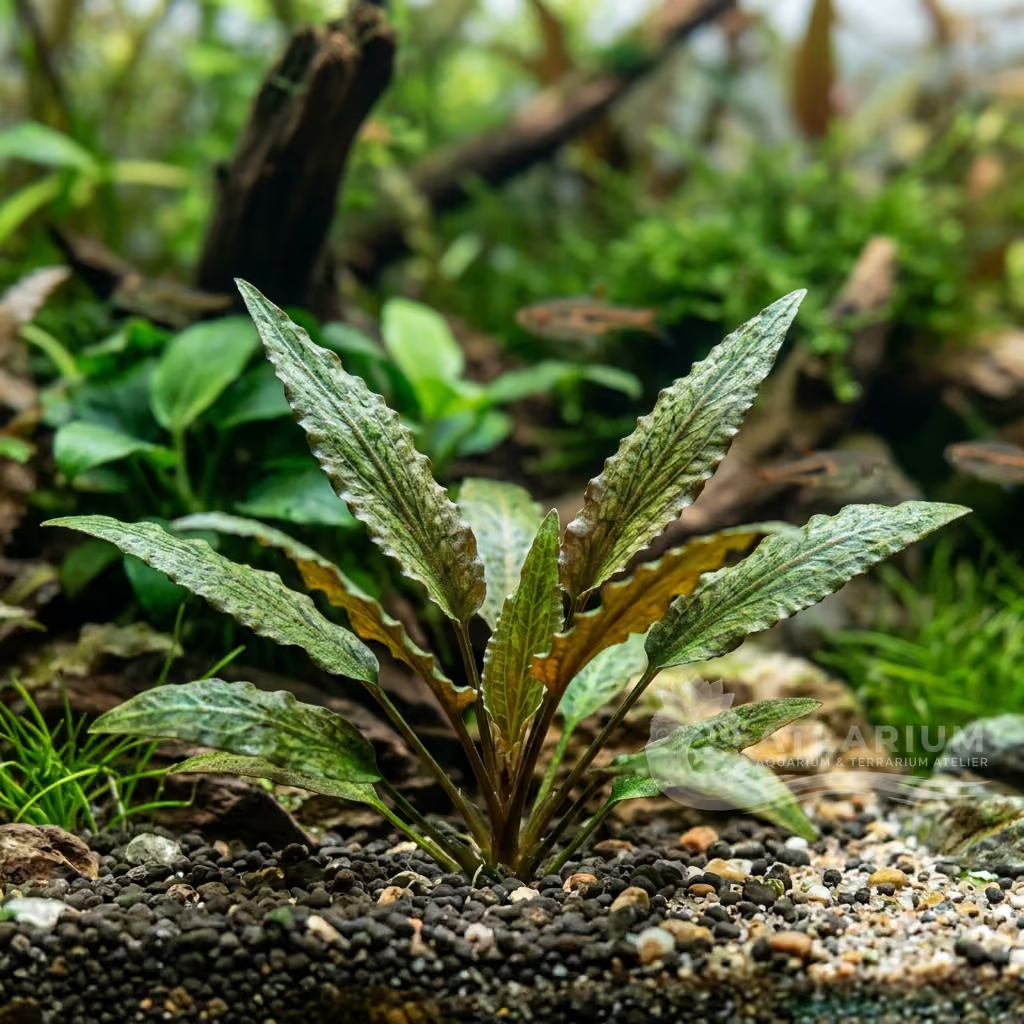
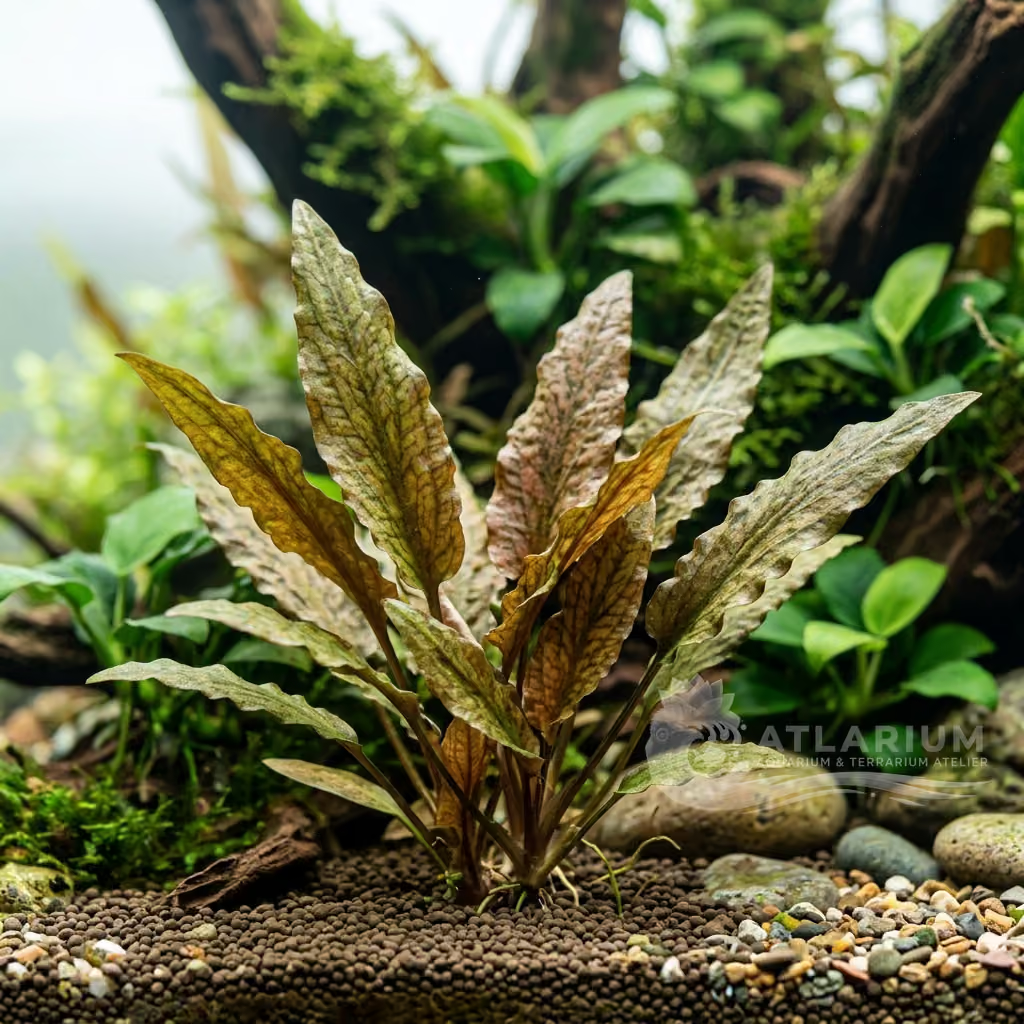
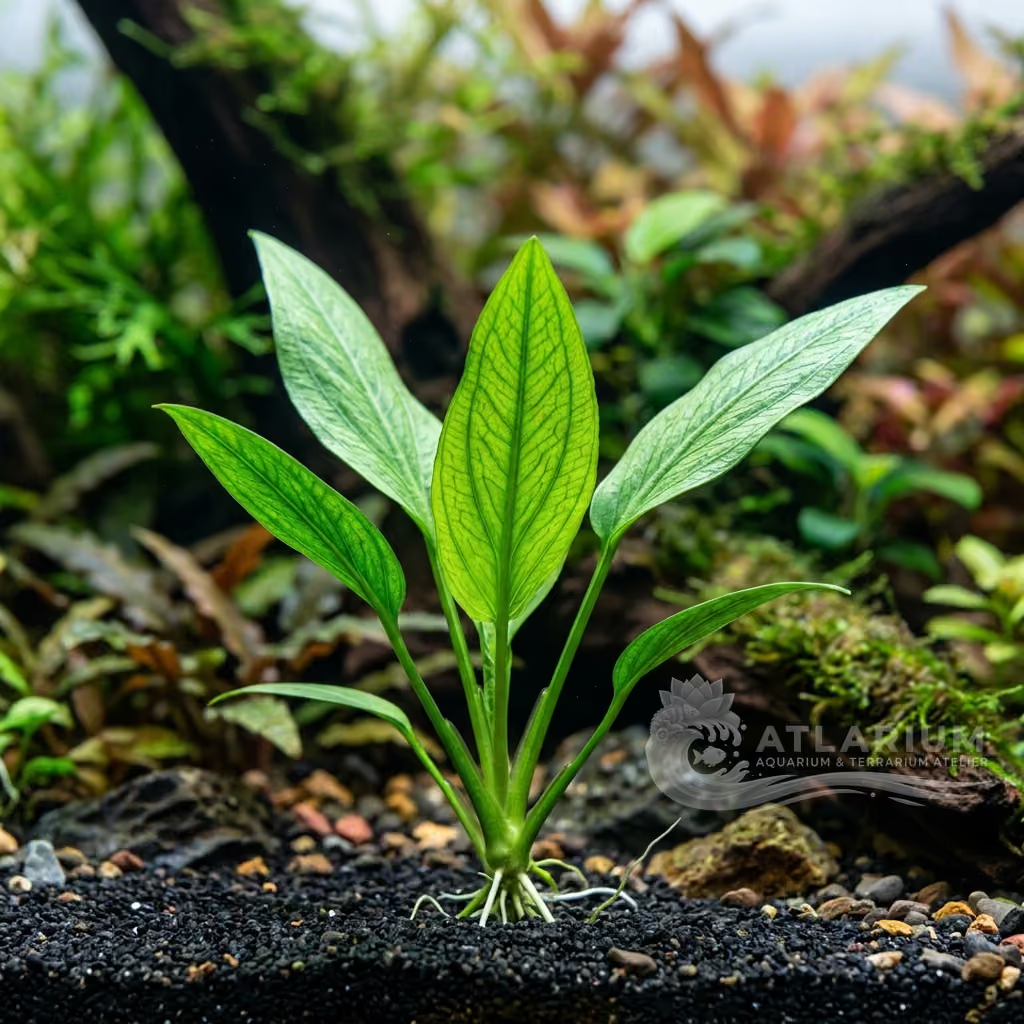
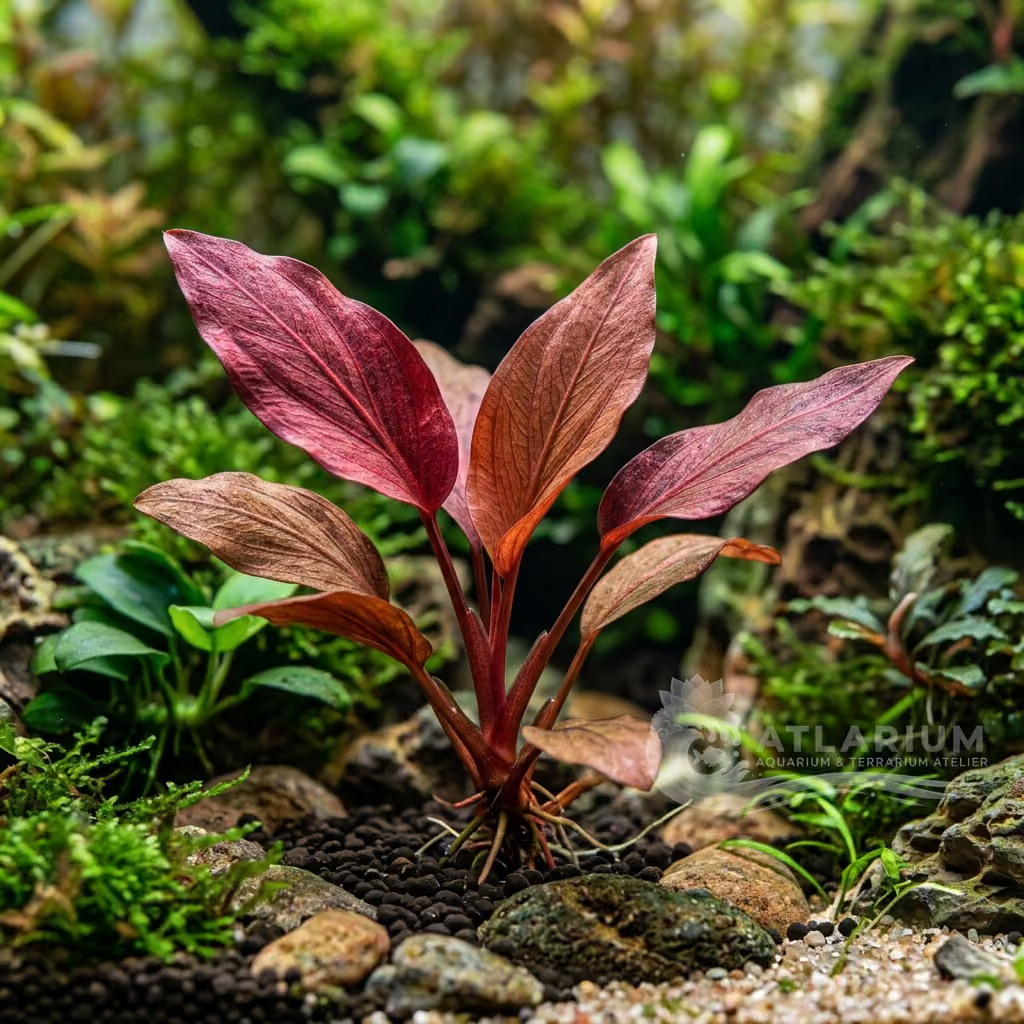
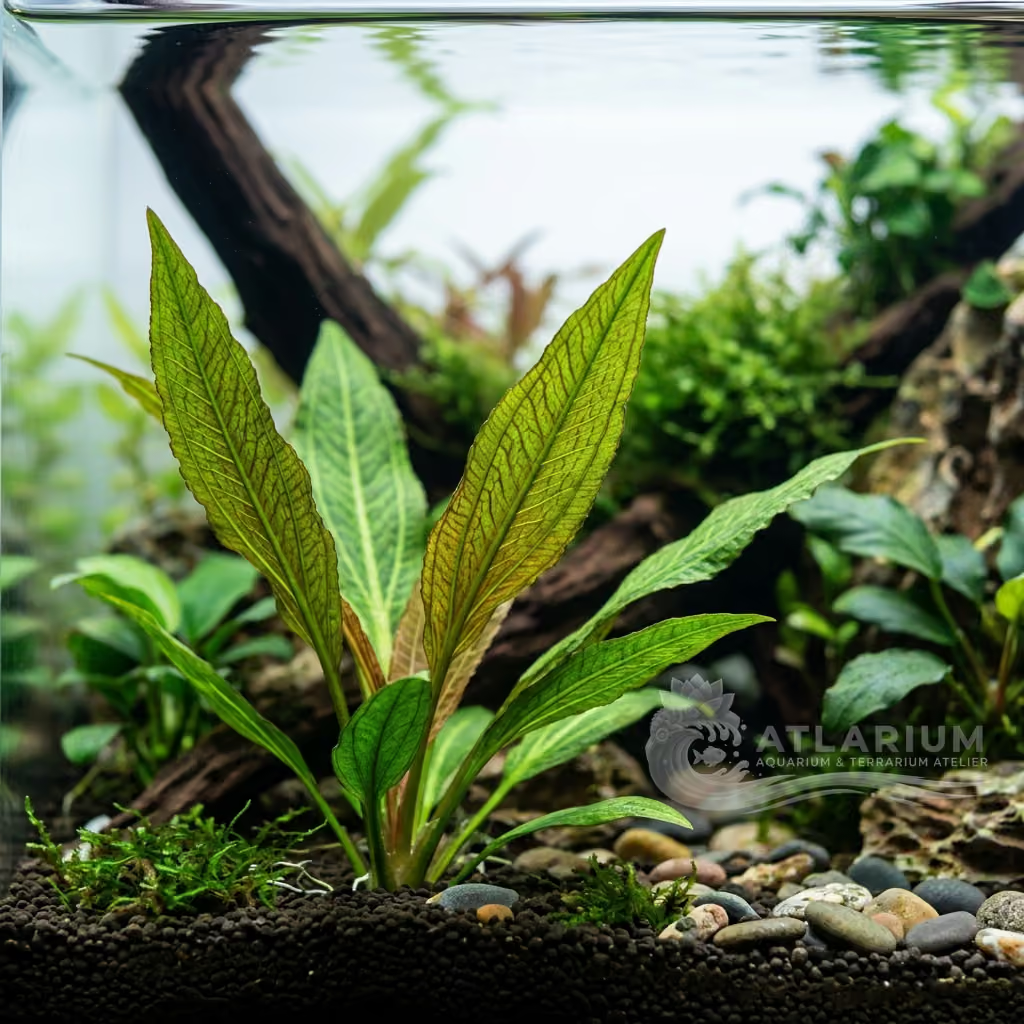
Native to Borneo, Cryptocoryne lingua is a unique, slow-growing species. Its thick, fleshy, spoon-shaped green leaves bring a solid, minimalist aesthetic to the foreground of your planted aquarium.
Water Temperature
18 - 30 °C
pH Value
5.5 - 7.5
Water type
Freshwater
Light
Medium - High
CO2
Low - High
Expected height
15 cm
Expected width
10 cm
KH
2 - 12 dKH

Species description
Geographical Origin and Habitat: Cryptocoryne lingua is native to Borneo (principally Sarawak). It inhabits tidal estuarine zones and muddy riverbanks subject to daily brackish influences. It grows in heavy, clayey, muddy soils, often in emersed conditions during low tide and fully submerged during high tide. This unique ecology makes the plant extremely resistant to fluctuations in salinity and water levels, although it is accustomed to warm and fertile substrates.
Taxonomy & Genetics: It belongs to the Araceae family, genus Cryptocoryne. Taxonomically, it stands out from almost all other Cryptocorynes due to its peculiar leaf shape resembling a tongue. Genetically, it has an incredibly low metabolic rate, resulting in a growth rate that is among the slowest in the entire genus. This genetic slowness requires patience but ensures a stable layout over time.
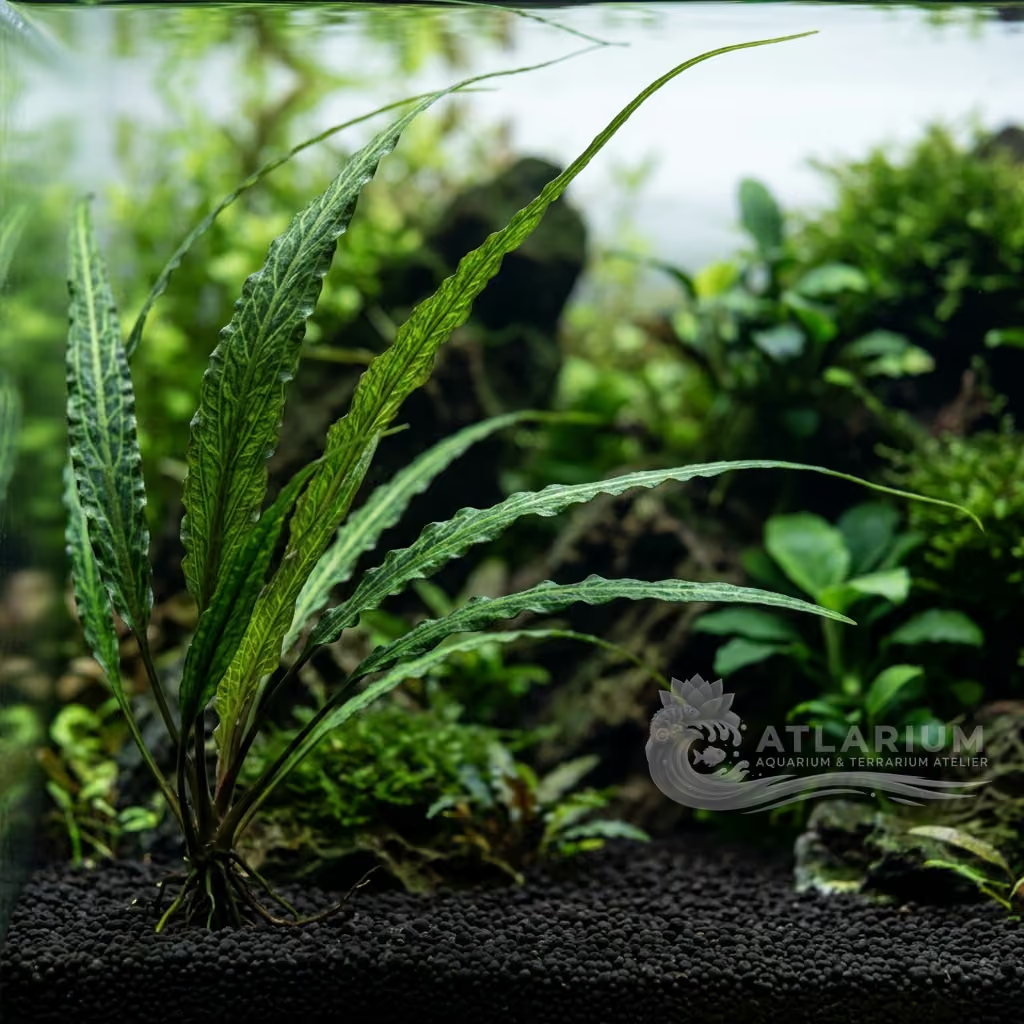
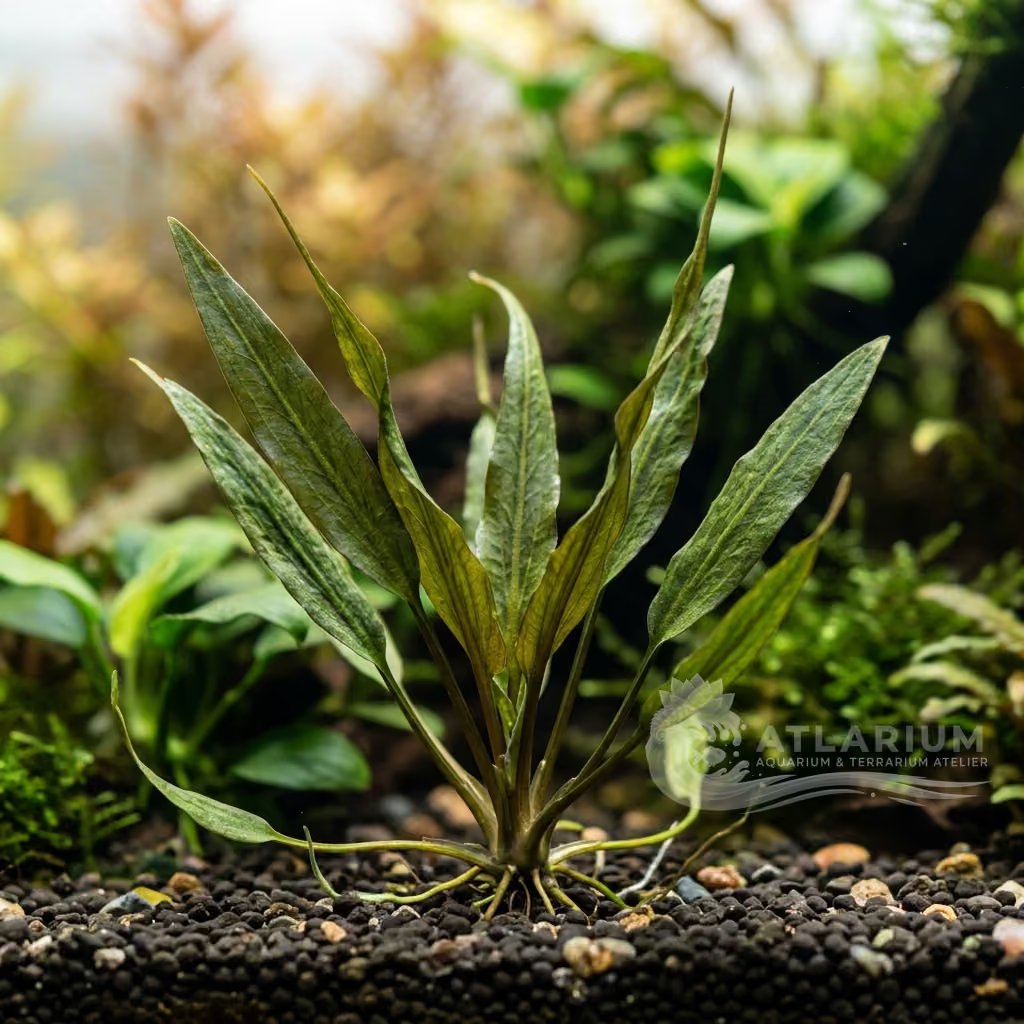
Physical Structure: It presents a very low and compact rosette, about 5-15 cm high. The leaves are supported by rigid and thick vertical petioles. The leaf blade has a characteristic spatulate or spoon-like shape, widened and rounded at the end. It develops thick creeping rhizomes and robust roots suited to make their way in muddy, compact soils.
Color & Texture: The leaves have an unusually thick, almost succulent or fleshy texture. The color is a pure green, matte or slightly glossy, without decorative veins or purple shades. The leaf surface is completely smooth and waxy to the touch, giving the plant a solid and minimalist appearance.

Care, breeding and tankmates
Lighting & CO2: Prefers moderate to intense lighting. Due to its very slow metabolism, good light prevents stagnation and stimulates photosynthesis. CO2 integration is highly recommended to support leaf development and prevent older leaves from becoming covered with algae before new ones emerge.
Nutrition & Substrate: A clayey substrate rich in iron and organic nutrients is crucial for this species used to estuarine mud. The use of fertilizer tabs placed deep under the roots is recommended. Column fertilization is useful but secondary to root feeding.
Water Chemistry: Tolerant of a wide range of parameters, it prefers soft to moderately hard water with a KH between 2 and 12 dKH and a pH between 5.5 and 7.5. It is one of the few Cryptocorynes capable of tolerating slight salinity. Optimal temperature is between 18°C and 30°C.
Space Management & Placement: Place exclusively in the foreground due to its reduced height and horizontal growth. Plant individual crowns spaced about 3 cm apart. Given the extremely slow growth rate, it should not be disturbed or shaded by fast-growing plants nearby.
Pruning: Pruning is rarely necessary and is limited to removing older leaves showing signs of aging or necrosis. Cut the leaf at the base of the petiole near the rhizome using appropriate scissors.
Risks & Diseases: Although the leathery leaves are resistant to fish and shrimp grazing, the plant is sensitive to "Cryptocoryne melt" in case of sudden changes in water parameters. Once planted, it is strongly advised to leave it undisturbed.

Geographic origin and distribution
Cryptocoryne lingua is native to Borneo (principally Sarawak). It inhabits tidal estuarine zones and muddy riverbanks subject to daily brackish influences. It grows in heavy, clayey, muddy soils, often in emersed conditions during low tide and fully submerged during high tide. This unique ecology makes the plant extremely resistant to fluctuations in salinity and water levels, although it is accustomed to warm and fertile substrates.
Origin
South and Southeast Asia

Plant profile
- Placement
- Foreground
- In the aquarium, it is strictly a foreground plant due to its very short stature and unique leaf shape. It should be placed in an area with extremely high light and excellent flow to ensure CO2 is distributed directly to its leaves. It is much better suited for ripariums, paludariums, or Wabi-Kusa setups where its leaves can grow emersed. When grown emersed, it forms a striking, low-lying carpet of spatulate leaves.
- Botanical form
- Rosette
- This Cryptocoryne is highly distinct, featuring spatulate (spoon-shaped) to ovate, thick, fleshy leaves that are a bright, almost glossy green. The leaves grow in a tight rosette and sit very close to the substrate, resembling small green paddles. The stems are incredibly short, giving it a unique, squat profile unlike any other plant in the genus. It is truly a marsh plant and its thick leaves are designed to resist desiccation in the air.
- Growth
- Very slow
- Submerged, its growth rate is agonizingly slow, often completely stalling out as it struggles to adapt to aquatic life. Emersed, it grows much more reliably, steadily producing new leaves and runners in high humidity. Patience and perfect conditions are required to coax even a single new leaf when grown underwater. It requires no trimming, only the careful removal of the frequently decaying older leaves.
- Substrate
- High
- A very rich, finely grained substrate is non-negotiable for this species, particularly when attempting to grow it submerged. Pure aquasoils rich in organics and iron are required to support its delicate root system. It struggles immensely in inert sand or gravel, even with the addition of root tabs. The substrate must provide a constant, robust supply of nutrients to compensate for the stress of submerged growth.
- Column fertilization
- Recommended
- When grown submerged, water column fertilization must be meticulously managed to provide high nutrients without triggering algae. Daily dosing of a comprehensive liquid fertilizer, combined with high CO2, is usually necessary to keep it alive. Emersed plants can be lightly misted with dilute foliar fertilizers. Submerged, it is highly susceptible to algae, which will quickly smother its slow-growing leaves.
- Root fertilization
- Recommended
- Robust root fertilization is the only way to successfully maintain this plant underwater for any extended period. Deeply embedding strong, iron-rich root tabs directly beneath its crown helps sustain its high metabolic demands. This heavy root feeding must be maintained constantly to prevent the plant from deteriorating. Emersed setups also require a deeply fertile soil base for the roots to access.
- Trimming
- Occasional
- Trimming is rarely needed due to its incredibly slow growth rate. When necessary, use sharp scissors to cleanly remove only the oldest, deteriorating, or algae-covered leaves at the base of the stem. Never trim the healthy central leaves, as this will severely stunt the plant. Always avoid uprooting or disturbing the substrate during maintenance.
- Propagation
- Runners
- Propagation occurs via runners, but this is an extremely rare occurrence when the plant is grown submerged due to its slow metabolism. In an emersed, high-humidity setup, it will much more readily send out runners that develop into new rosettes. Once an emersed daughter plant is established, it can be separated and replanted. Submerged propagation is essentially impossible for the average aquarist.
- Sensitivity
- Moderate
- Like other species in the genus, Cryptocoryne lingua is prone to melting if subjected to sudden shifts in water chemistry, temperature, or lighting. It demands stability and should be planted in a permanent location and left undisturbed. Its thick leaves are slightly more resilient than thinner-leaved species, but root disturbance remains a major trigger for melting. Gradual acclimation is crucial when introducing it to a new tank.
- Layout role
- Foreground, group
- Its broad, spoon-shaped leaves offer a striking textural contrast when planted next to fine-leaved or grassy species. It functions perfectly as an accent plant in the midground, drawing the eye with its unique structural form. In minimalist or Iwagumi-style layouts, it can be used sparingly to soften hardscape edges. Its robust appearance adds a sense of maturity and permanence to the aquarium design.

Related species
Recommendations grouped by close relatives, companion choices, and similar care.