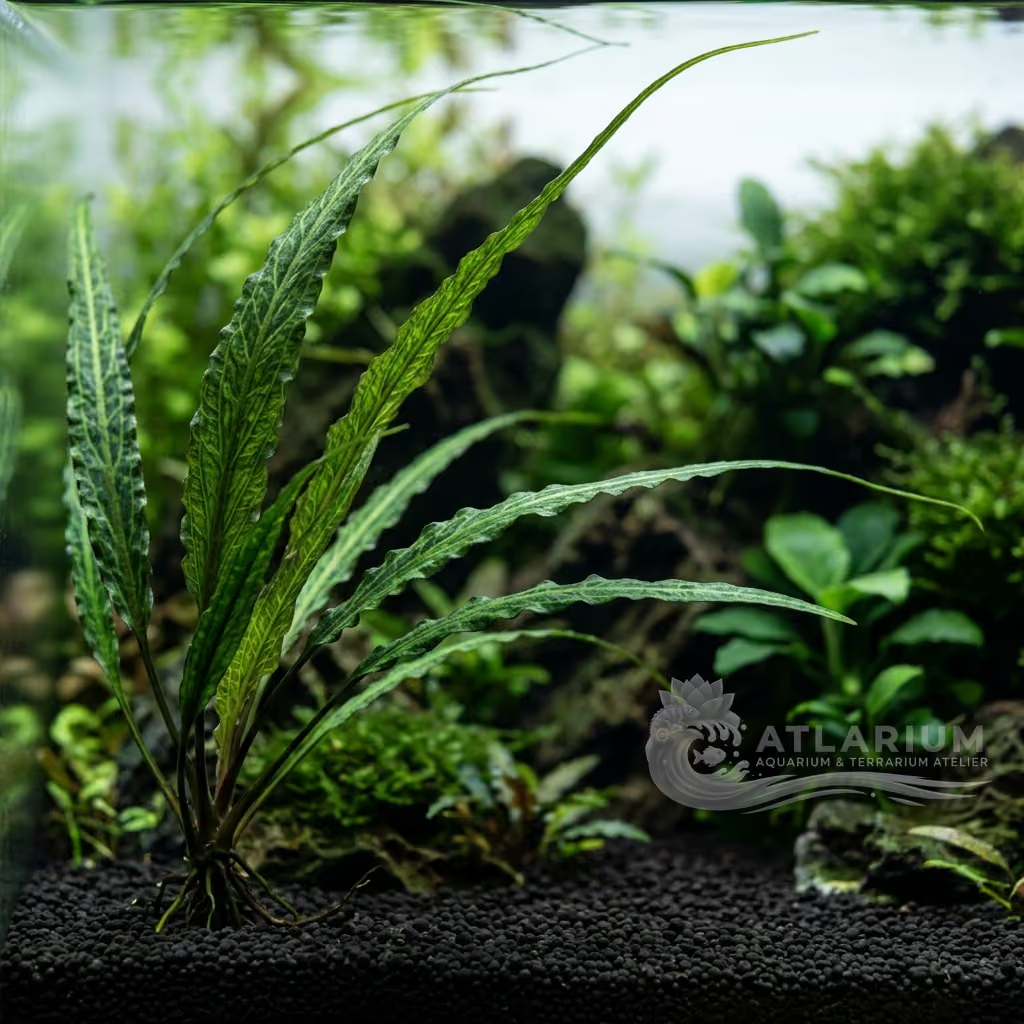
Cryptocoryne crispatula var. balansae
Cryptocoryne crispatula var. balansae
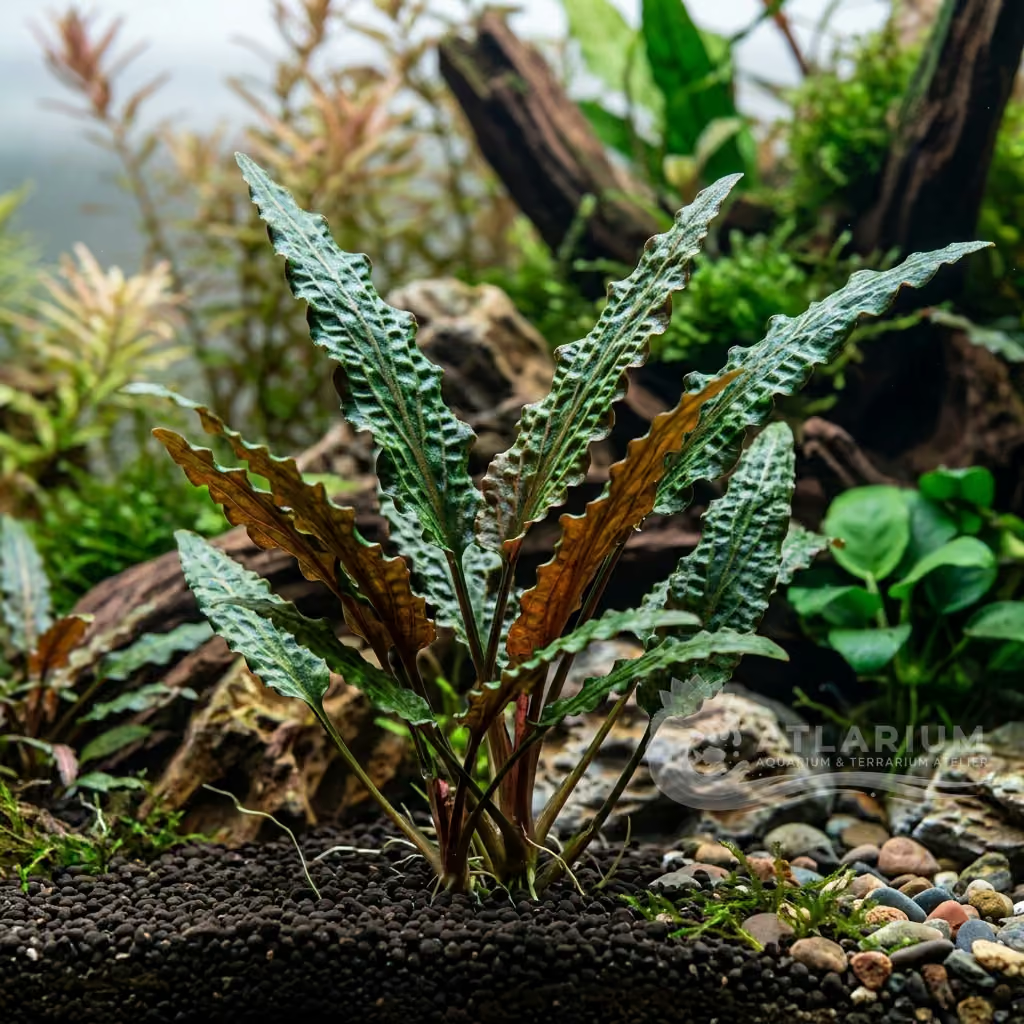
A legendary flow-loving giant from Thailand with profoundly blistered, hammered ribbon leaves. Exceptionally forgiving, it survives in shade but develops stunning textures and bronze hues in bright, hard water.
Water Temperature
20 - 28 °C
pH Value
6.5 - 8
Water type
Freshwater
Light
Low
CO2
Low
Expected height
40 cm
Expected width
15 cm
GH
4 - 20 dGH
KH
5 - 21 dKH

Species description
Geographical Origin and Habitat: Endemic primarily to the fast-flowing, highly oxygenated, and heavily mineralized limestone rivers of southern Thailand, Laos, and Vietnam. Cryptocoryne crispatula var. balansae is a legendary, strictly rheophytic (flow-loving) aquatic plant. It thrives in an extreme amphibious lifestyle, violently anchoring its massive root system directly into hard, rocky riverbeds. During the brutal dry season, it survives completely emersed, baking on the dry gravel banks. When the monsoon returns, it is instantly submerged by torrential, rushing waters.
Taxonomy & Genetics: Scientifically classified within the Araceae family, it is the most famous and highly prized botanical variant within the highly complex Cryptocoryne crispatula group. Taxonomically, its genetics strictly dictate the production of extremely long, narrow leaves with a highly specific, intense structural mutation. The specific variant name "balansae" denotes its unique genetic predisposition to develop a heavily hammered (bullate), deeply crinkled leaf surface that differentiates it entirely from the smooth-leaved variants of the crispatula complex.
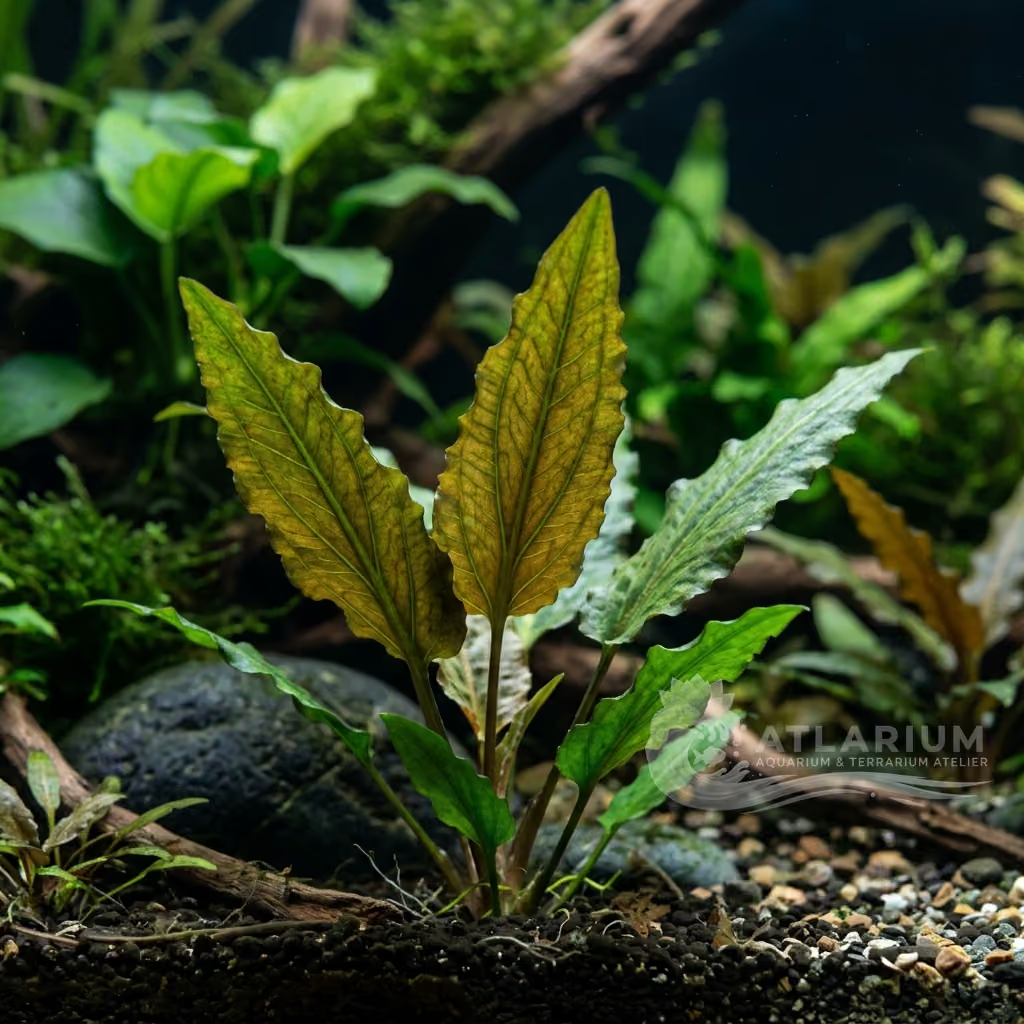
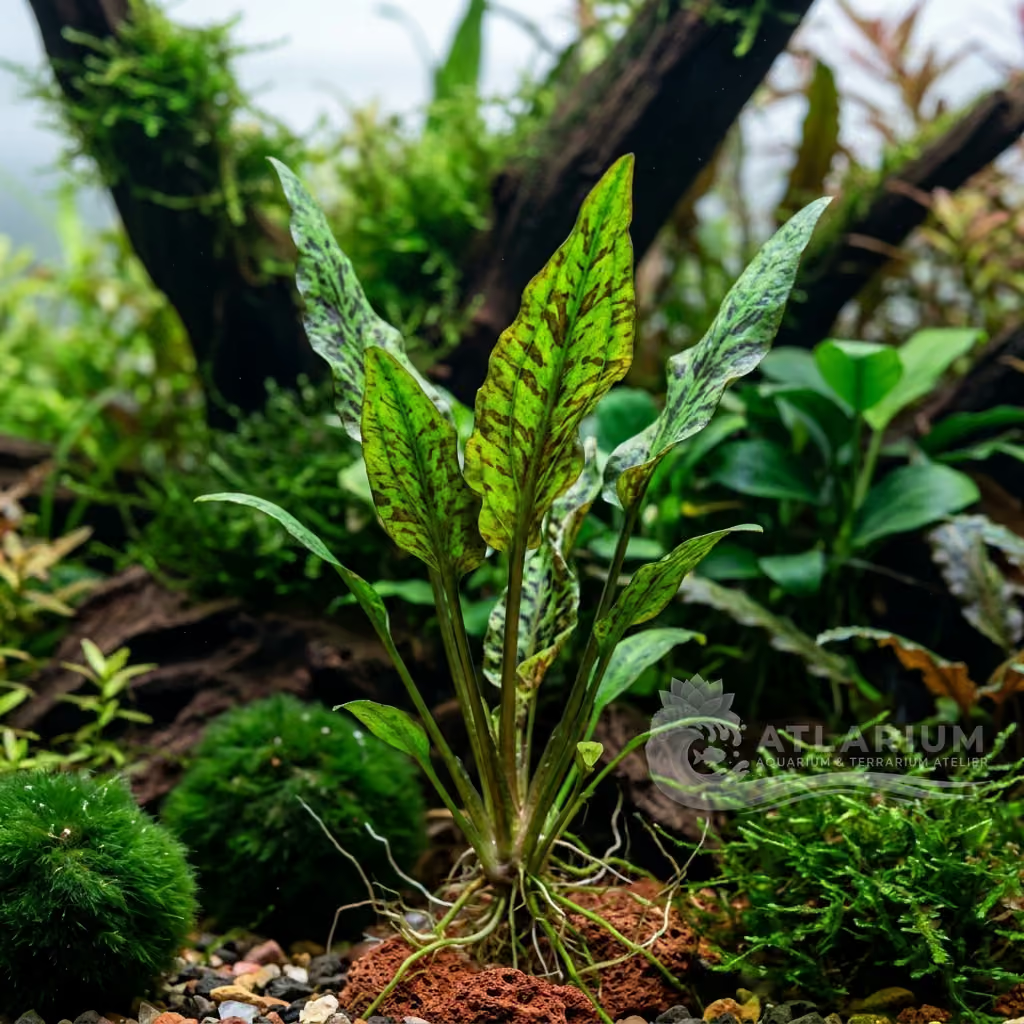
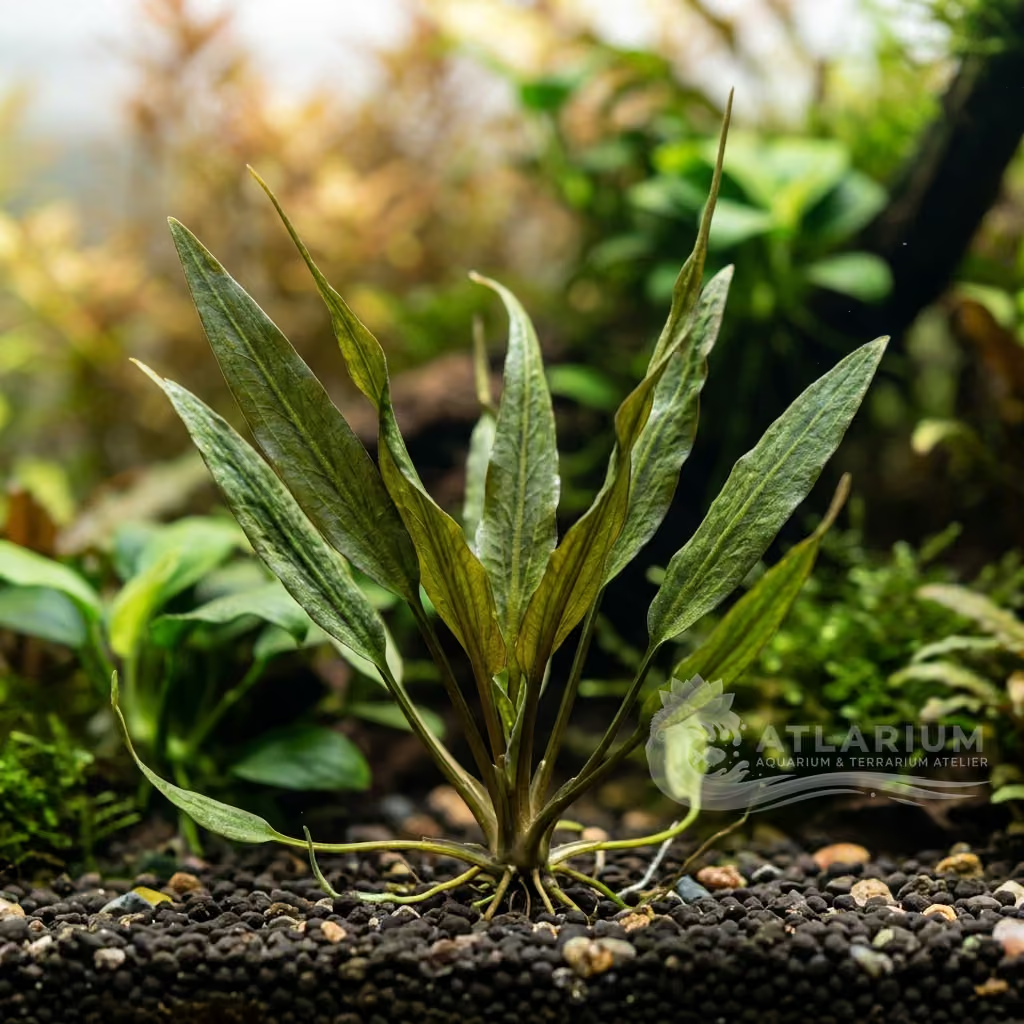
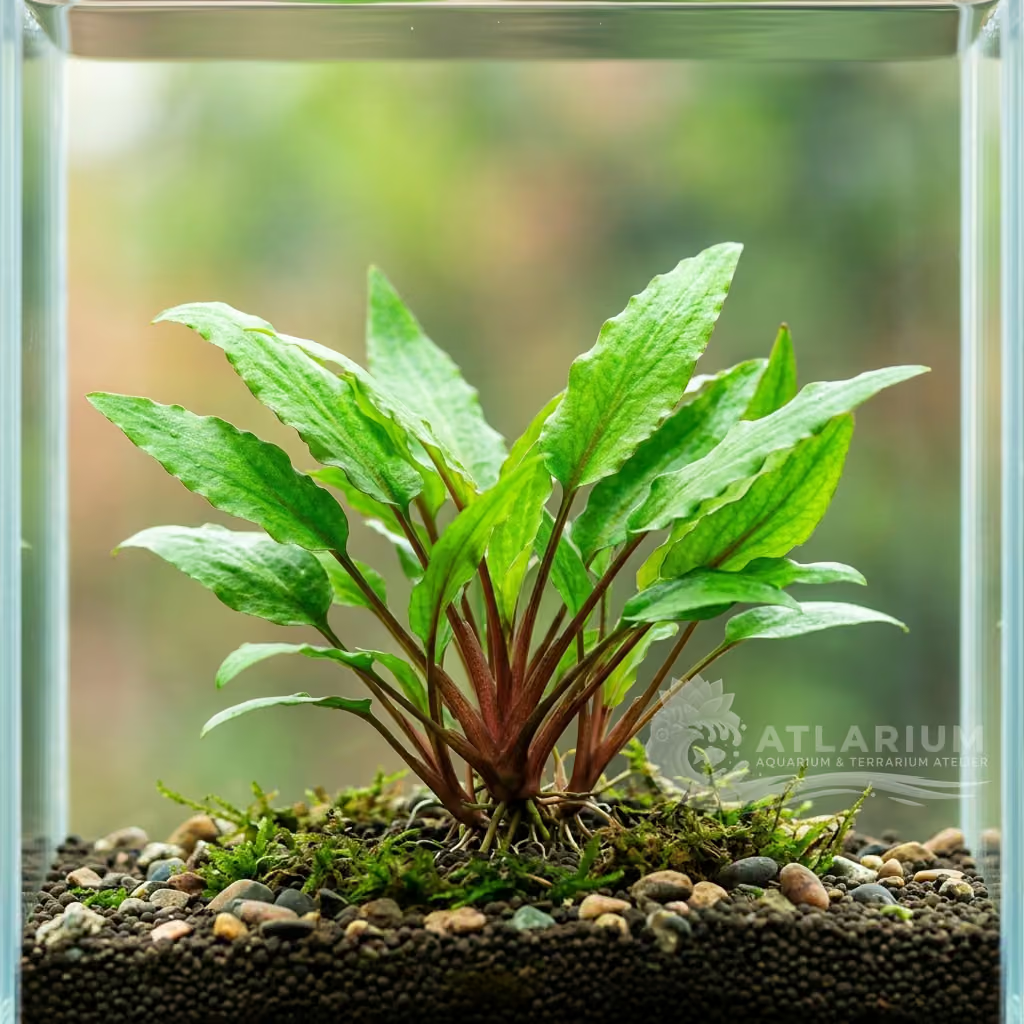
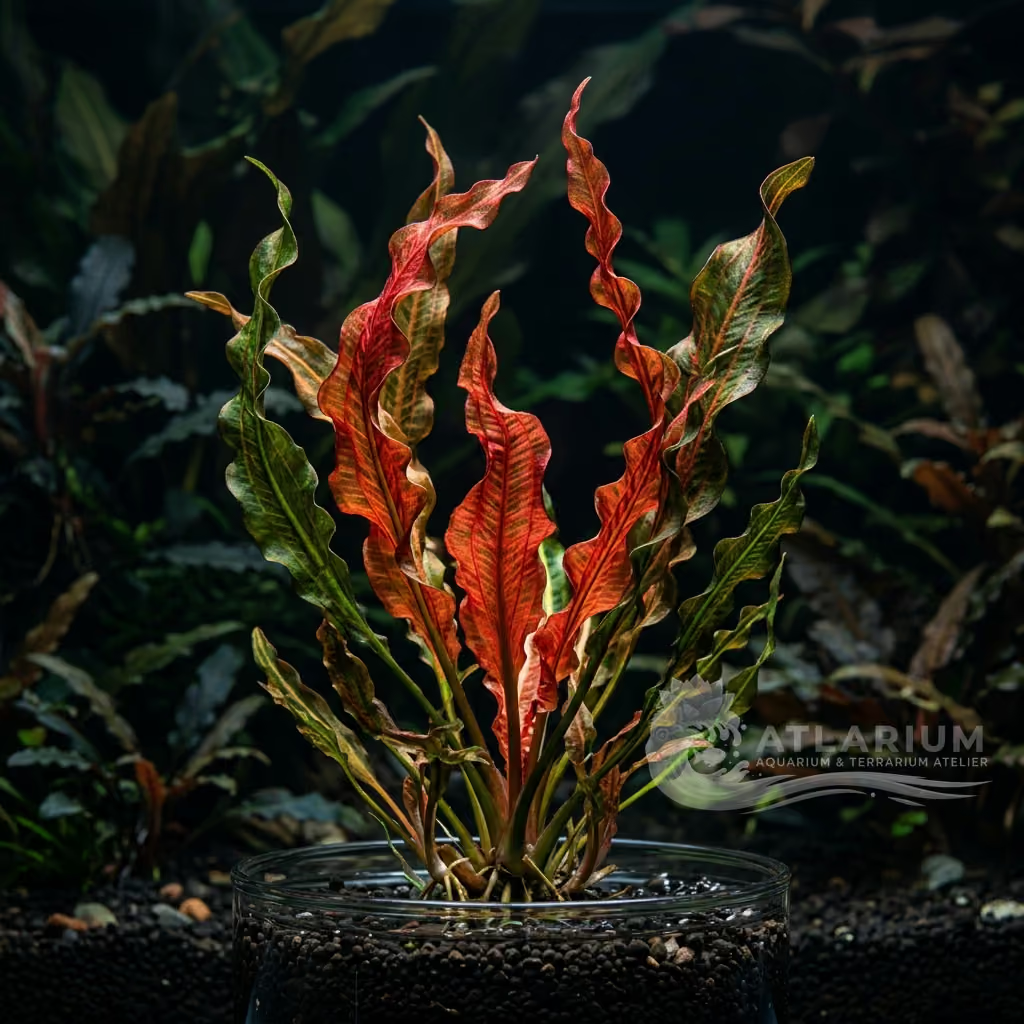
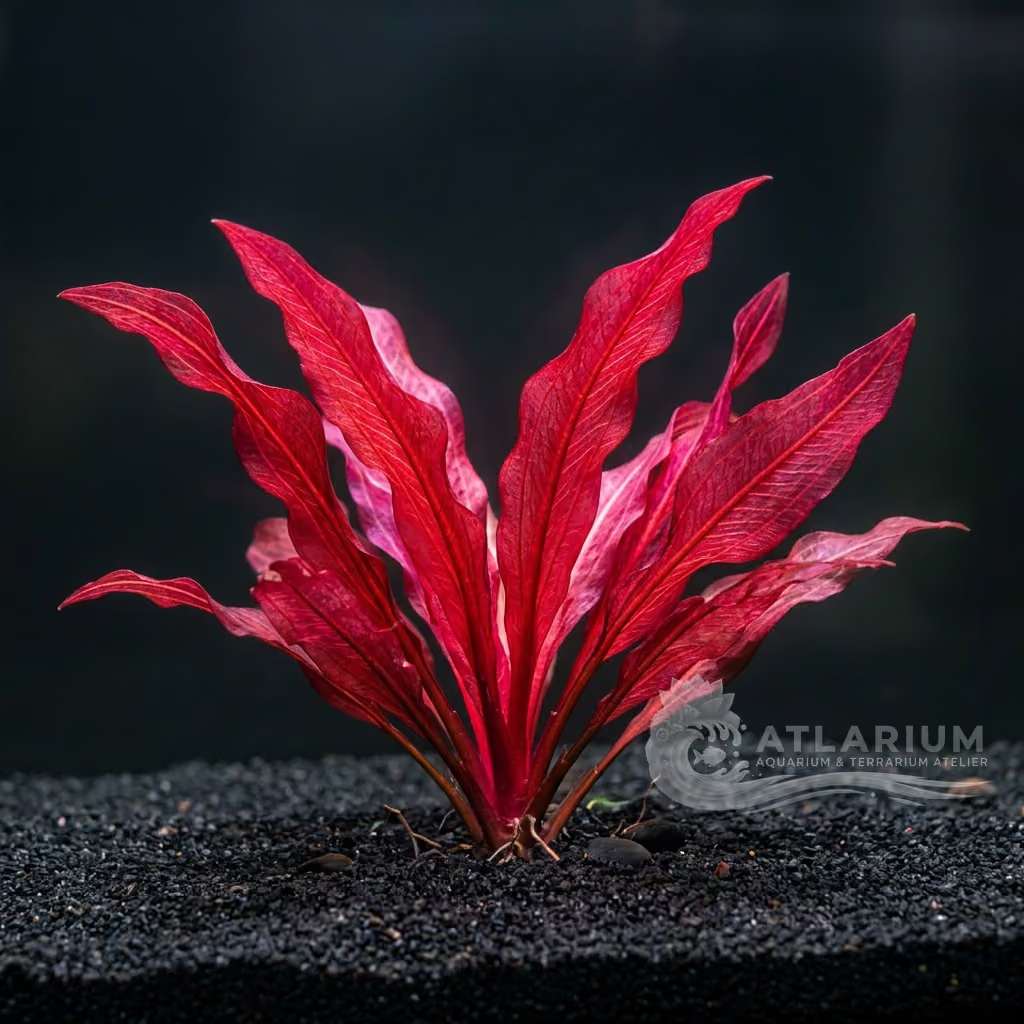
Physical Structure: The architectural structure of C. crispatula var. balansae is dominant, elegant, and intensely flowing. It is a massive rosette plant that completely lacks vertical stems. The foundation is a thick, woody subterranean rhizome that deploys an incredibly aggressive, deep-reaching root system. The leaves erupt directly from the crown on distinct petioles. The leaves themselves are the defining feature: they are strictly linear, incredibly long (capable of exceeding 60 cm / 24 inches), narrow (approx. 2 cm wide), and completely covered in deep, intense hammering.
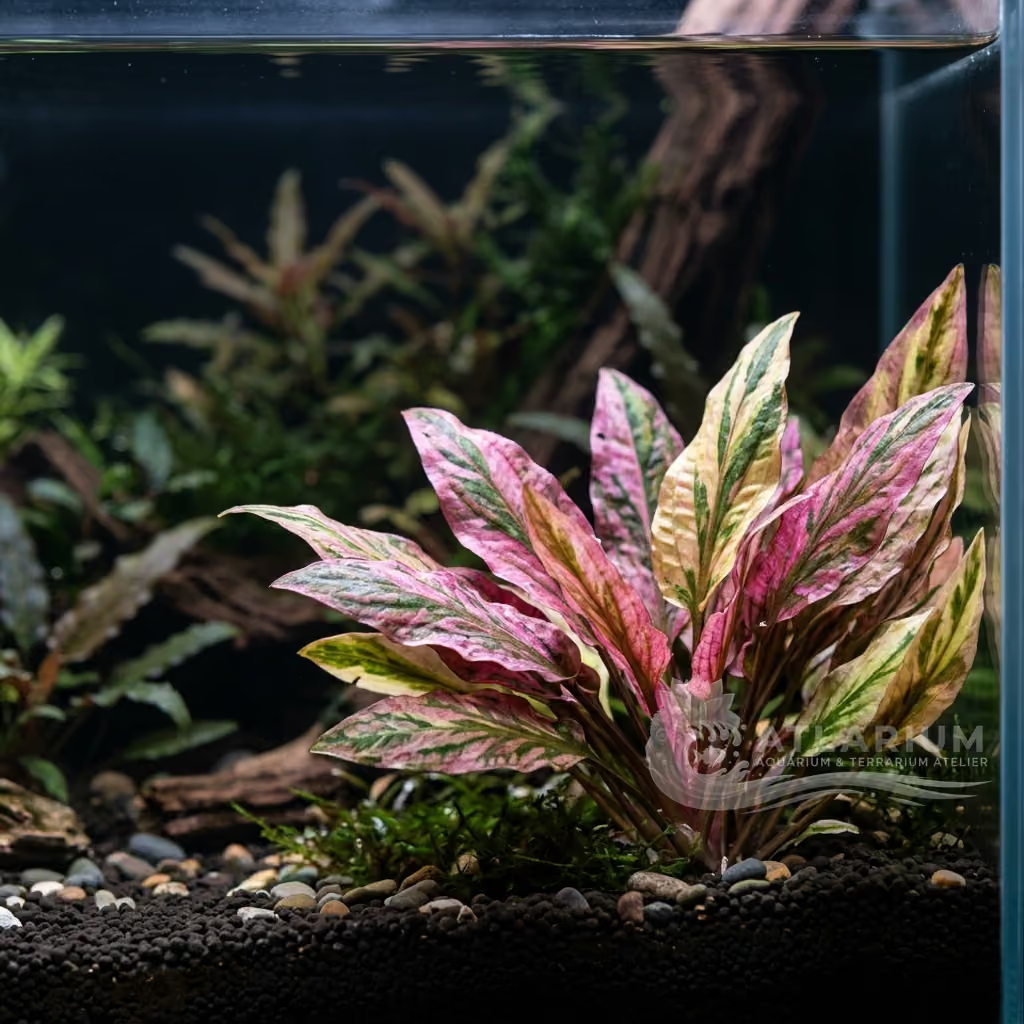
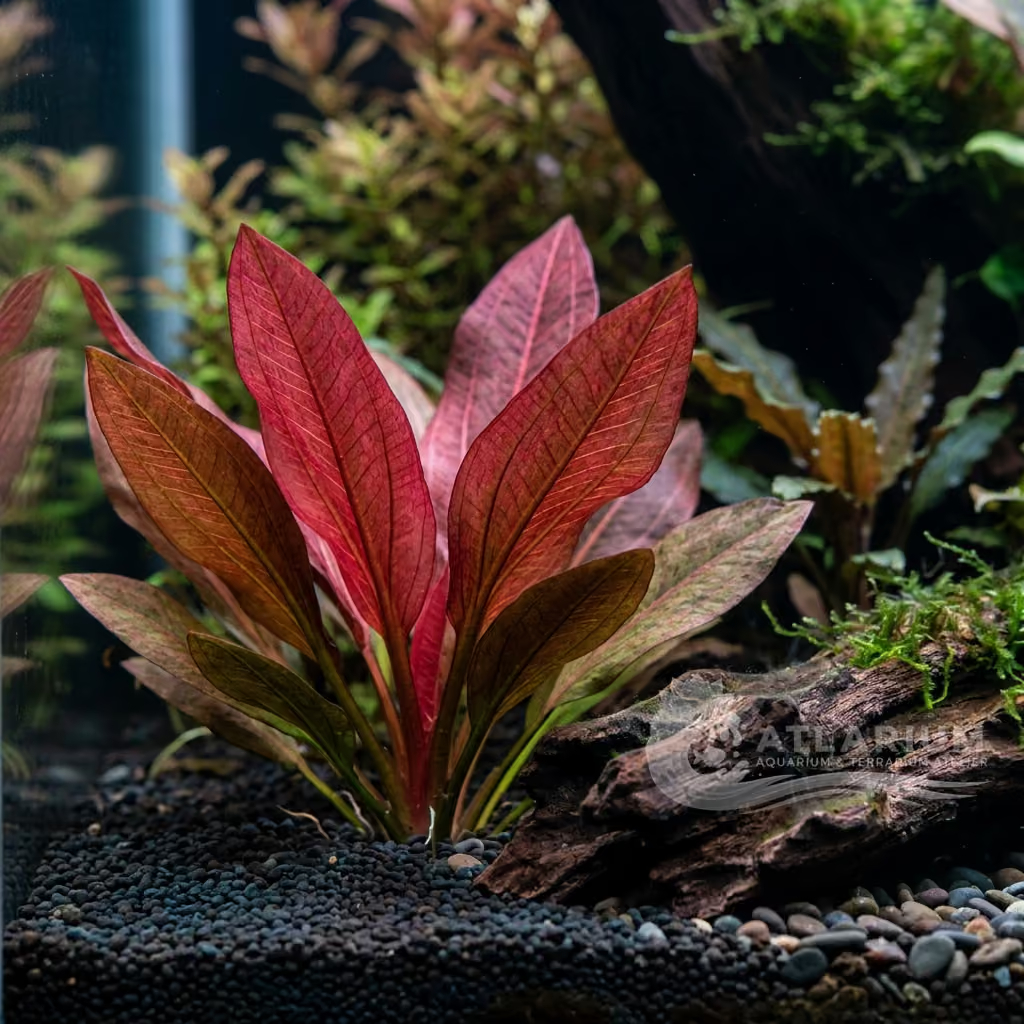
Color & Texture: The coloration is simple, exceptionally vibrant, and solid. Grown submerged under standard lighting, the deeply hammered leaves are a brilliant, uniformly bright apple-green to mid-green. Under extremely intense lighting, older leaves may develop a subtle, highly sought-after bronze or copper tint near the surface. The texture is notoriously rigid, intensely leathery, and feels exactly like thick, heavily rippled plastic. Because the heavily hammered leaves are so tough, they are virtually immune to damage from aggressive, herbivorous fish.

Care, breeding and tankmates
Lighting & CO2: It is an extremely forgiving, resilient giant that adapts perfectly to low-tech setups. It will comfortably survive in deeply shaded aquariums, though the leaves will grow very slowly and the "hammered" texture will be significantly less pronounced. To force the massive rhizome to rapidly deploy its 60-cm-long leaves and to maximize the deep, crinkled texture, medium to high-intensity LED lighting is heavily recommended. While injected CO2 is not required for survival, pressurized CO2 drastically accelerates its slow metabolism and intensifies the leaf crinkling.
Nutrition & Substrate: As a colossal true rosette plant, 'balansae' is an extremely aggressive, obligate root feeder. It MUST be planted in a very deep (minimum 7 cm / 3 inches), mature substrate. Because it evolved in limestone rivers, it absolutely demands a heavy, nutrient-dense gravel or aquasoil bed heavily enriched with iron-rich root tabs. It will rapidly deploy a massive root system that spreads across the tank. If the substrate is depleted of nutrients, the giant hammered leaves will quickly turn yellow and melt away. It absorbs zero nutrition from the water.
Water Chemistry: This is its defining biological advantage: 'balansae' is an absolute champion of hard water. It thrives in standard heated tropical aquariums (22-28°C) but strongly prefers extremely hard, highly alkaline tap water (pH 7.2 - 8.5) loaded with calcium and magnesium. It is a premier background plant for African Cichlid tanks because it thrives in harsh, alkaline water chemistry. However, the absolute most critical environmental requirement is heavy, relentless water flow. It must be placed directly in the path of a powerful filter output.
Space Management & Placement: Due to its colossal 60-cm leaf length, heavily hammered texture, and flowing nature, this plant is strictly an architectural centerpiece for large aquariums (minimum 200 liters). It should be planted tightly in clusters in the extreme background. Its incredibly long, rippled green ribbons will gracefully breach the surface and drape across the water, beautifully blocking light to the areas below and creating a stunning jungle canopy effect. It spreads relentlessly via subterranean runners, eventually forming a massive, impenetrable wall.
Pruning: Pruning is a delicate procedure due to its slow growth rate. Because the narrow leaves emerge directly from the rhizome, you cannot cut a leaf in half; a severed leaf will never regrow its tip, and the cut edge will quickly turn black and rot. To prune dead, yellowing, or algae-covered leaves, you must reach down to the absolute base of the rosette and cleanly snap or slice the petiole directly at the gravel line. To manage its eventual spread, dig into the substrate and cleanly sever the thick subterranean runners.
Risks & Diseases: Like all Cryptocorynes, the absolute greatest threat to this indestructible titan is "Crypt Melt." A sudden, massive fluctuation in water chemistry—especially a sudden drop in pH or temperature—will cause the plant to panic and violently dissolve its massive green leaves into a foul, toxic mush overnight. The second major risk is Black Beard Algae (BBA). Because the huge, hammered leaves live for years and grow slowly near the water's surface, they act as massive landing pads for devastating algae if water flow is inadequate.

Geographic origin and distribution
Endemic primarily to the fast-flowing, highly oxygenated, and heavily mineralized limestone rivers of southern Thailand, Laos, and Vietnam. Cryptocoryne crispatula var. balansae is a legendary, strictly rheophytic (flow-loving) aquatic plant. It thrives in an extreme amphibious lifestyle, violently anchoring its massive root system directly into hard, rocky riverbeds. During the brutal dry season, it survives completely emersed, baking on the dry gravel banks. When the monsoon returns, it is instantly submerged by torrential, rushing waters.
Origin
East AsiaSouth and Southeast Asia

Plant profile
- Placement
- Background
- With leaves that can easily reach 60 cm in length, this variety is an iconic background plant for large aquariums. Its long, flowing foliage gracefully arcs across the water surface, creating a beautiful canopy effect. It is best placed in areas with moderate water flow, which helps keep the textured leaves free of detritus.
- Botanical form
- Rosette
- The 'balansae' variety is famous for its long, ribbon-like leaves that are strongly bullate, meaning they have a deeply hammered or puckered texture. The leaves are typically bright green to slightly olive and are somewhat stiff compared to other varieties. It grows in a rosette formation, sending up foliage that can dominate the vertical space of the tank.
- Growth
- Medium
- This variety exhibits a slow to moderate growth rate, taking several weeks to fully acclimate to a new environment. Once its root system is well established, it produces new leaves steadily and will send out runners. High lighting and CO2 injection are not strictly necessary but will encourage faster, more robust growth.
- Substrate
- High
- As a prominent root feeder, Cryptocoryne crispatula var. balansae thrives best in an established, nutrient-dense substrate such as commercial aqua soil. Its thick, fleshy roots demand a deep bed of at least 3 inches (7-8 cm) to firmly anchor its tall, puckered leaves and absorb vital minerals like iron and potassium. While it can adapt to coarser gravels or sand, these inert environments will quickly lead to stunted growth unless frequently supplemented with high-quality root fertilizer tabs. A mature substrate with a mild accumulation of organic mulm also highly benefits its long-term development.
- Column fertilization
- Recommended
- Liquid fertilization should be considered supplementary, focusing primarily on micronutrients and iron to enhance leaf coloration. It is important to avoid excessive macronutrient dosing in the water column, as this can encourage algae growth on its slow-growing leaves. A balanced liquid fertilizer given weekly is usually sufficient.
- Root fertilization
- None
- A fertile substrate is the most critical factor in cultivating robust specimens of var. balansae. Using a nutrient-rich aquasoil or regularly inserting root tabs near the base of the plant will yield the best results. Without adequate root nutrition, the plant may become stunted and lose its characteristic hammered texture.
- Trimming
- Occasional
- Trimming should be done sparingly, removing only the oldest or damaged outer leaves by cutting them near the base. Never cut the leaves in half, as the remaining tissue will simply rot away. Since it grows slowly, only occasional maintenance is required to keep the rosette looking tidy.
- Propagation
- Rhizome division, Runners
- This plant propagates naturally by sending out subterranean runners from the mother rosette. Over time, these runners will develop into independent daughter plants with their own root systems. Once the new plants have a few mature leaves, the runner can be cut and the plantlet relocated.
- Sensitivity
- Moderate
- Like most Cryptocorynes, var. balansae is prone to 'Crypt melt' when subjected to sudden shifts in water parameters or lighting. It prefers stable environments and can react poorly to being uprooted or moved. If melting occurs, leave the root system intact, as it will almost always recover and sprout new leaves.
- Layout role
- Midground, Background
- Its tall, highly textured leaves make it a perfect background accent that adds verticality and a natural, wild look to the aquascape. The hammered texture contrasts beautifully with both smooth-leaved plants and fine-stemmed species. It is excellent for concealing heaters and filter intakes in the back corners of the tank.

Image gallery
Licensed images linked to the species or, when marked, to the closest representative taxon.

Related species
Recommendations grouped by close relatives, companion choices, and similar care.