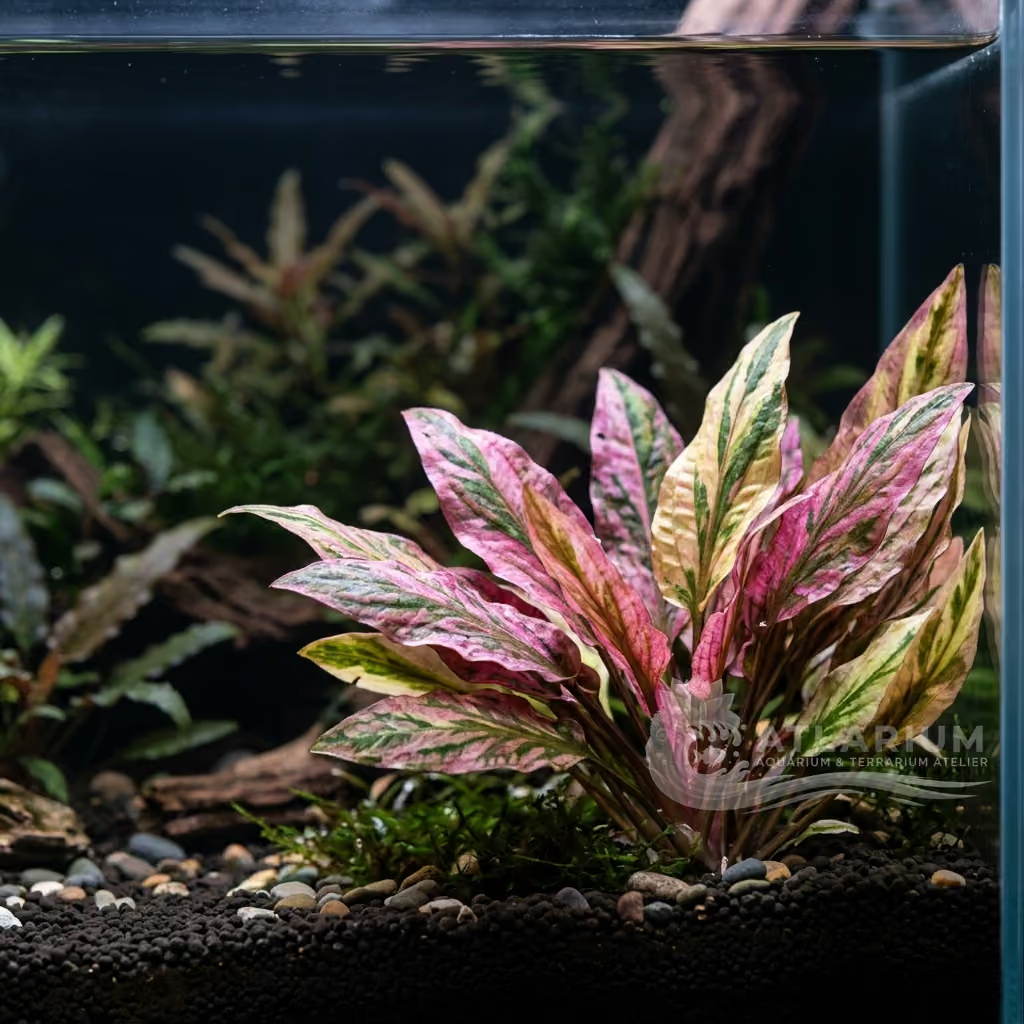
Cryptocoryne palawanensis
Cryptocoryne palawanensis
Hailing from the Philippines, Cryptocoryne palawanensis is a rare, rigid midground plant. Its intensely stiff, vertical bronze-green leaves create a deeply sophisticated and striking architectural focal point.
Water Temperature
24 - 28 °C
pH Value
6 - 7.5
Water type
Freshwater
Light
Low
CO2
Low
Expected height
10 cm
Expected width
10 cm
GH
4 - 20 dGH
KH
8 - 20 dKH

Species description
Geographical Origin and Habitat: Endemic strictly to a highly isolated, deeply shaded rainforest region on the Philippine island of Palawan. Cryptocoryne palawanensis is an exceedingly rare and scientifically fascinating aquatic rosette plant. It is a highly specialized amphibious survivor, perfectly adapted to rooting its tough rhizome directly into the dense, muddy, and rocky banks of slow-moving tropical jungle streams. It has evolved in absolute isolation from the mainland Cryptocorynes of Borneo and Sumatra, developing highly unique, rigid morphological traits to survive extreme monsoon flooding.
Taxonomy & Genetics: Scientifically classified within the Araceae family, C. palawanensis was only recently discovered and classified, making it a profound rarity and a highly prized "holy grail" for expert botanical collectors. Taxonomically, its genetics strictly dictate an unusual, highly rigid, vertically upright growth habit that drastically differentiates it from the sprawling, low-lying nature of common Cryptocorynes. It is so genetically distinct that it produces a completely unique, spiraled spathe (flower) unlike any other species in the entire genus.
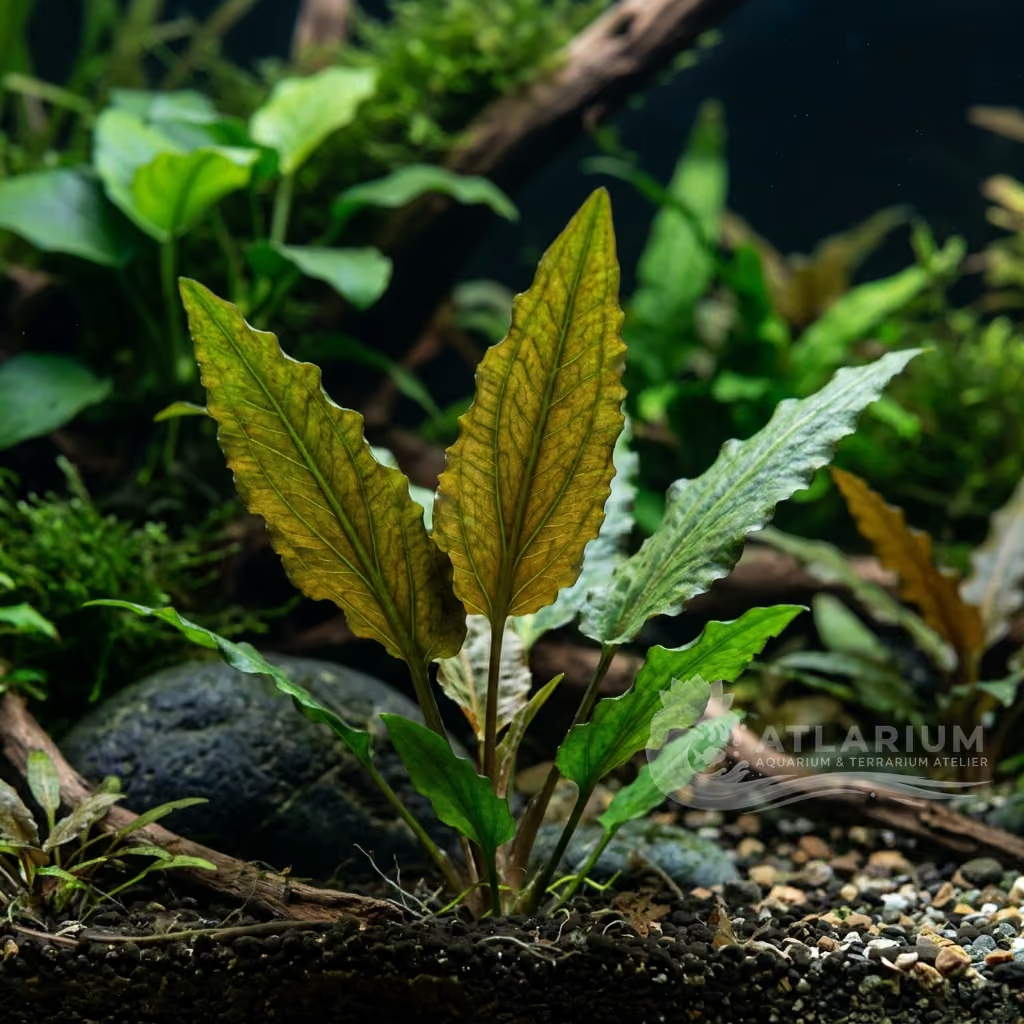
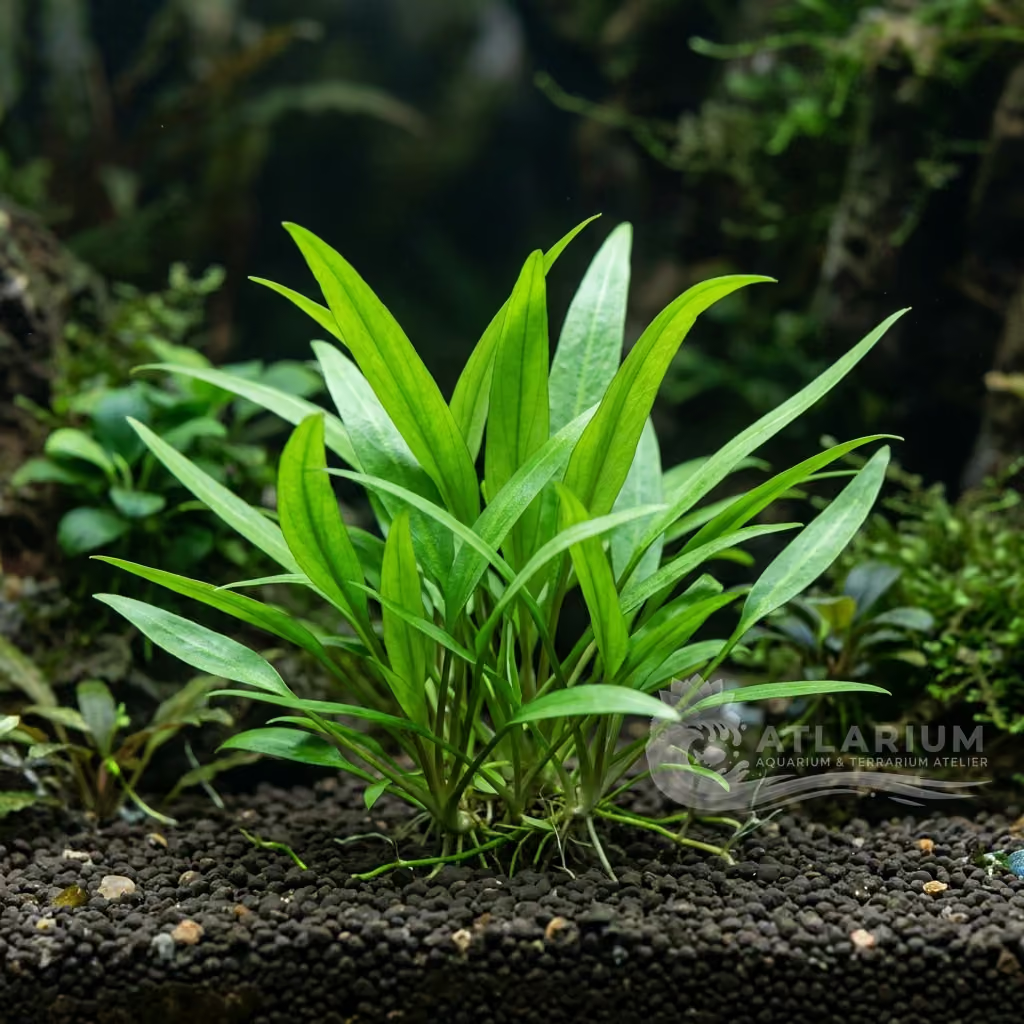
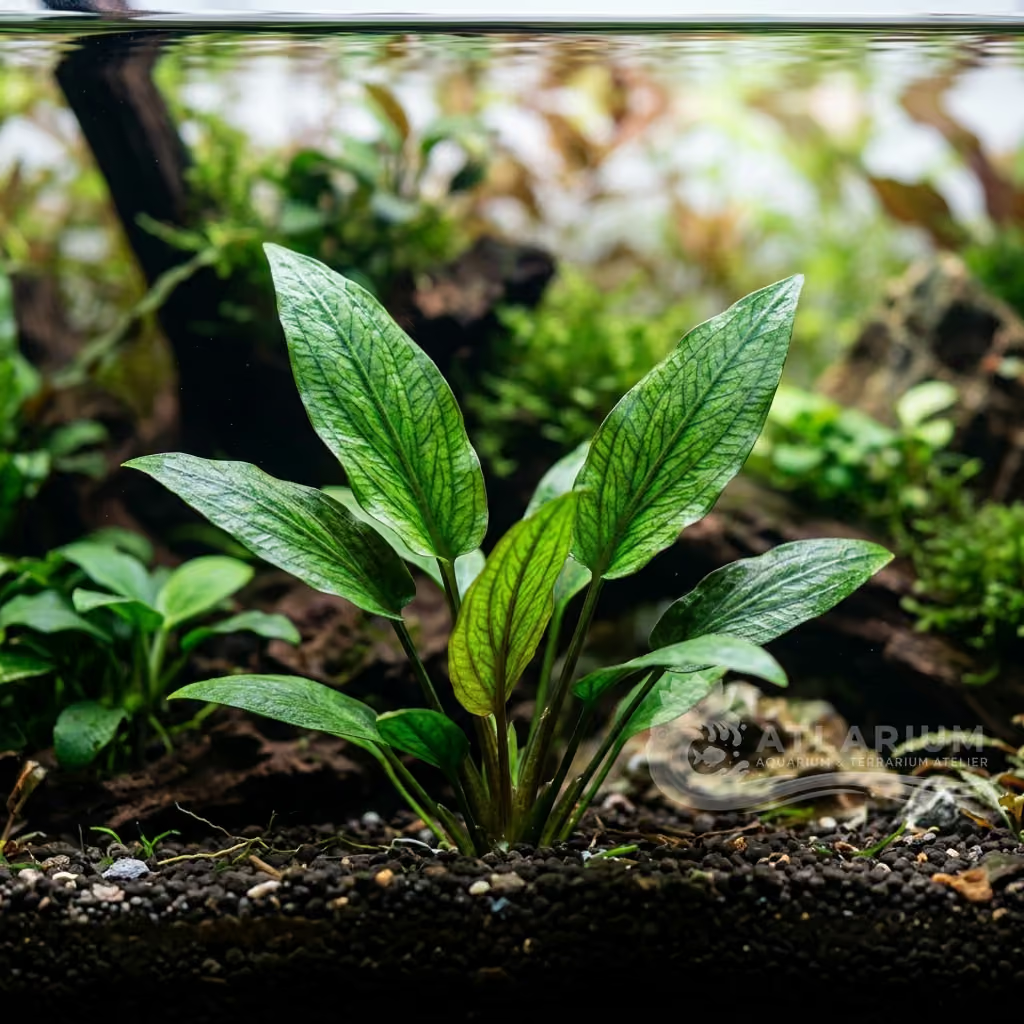
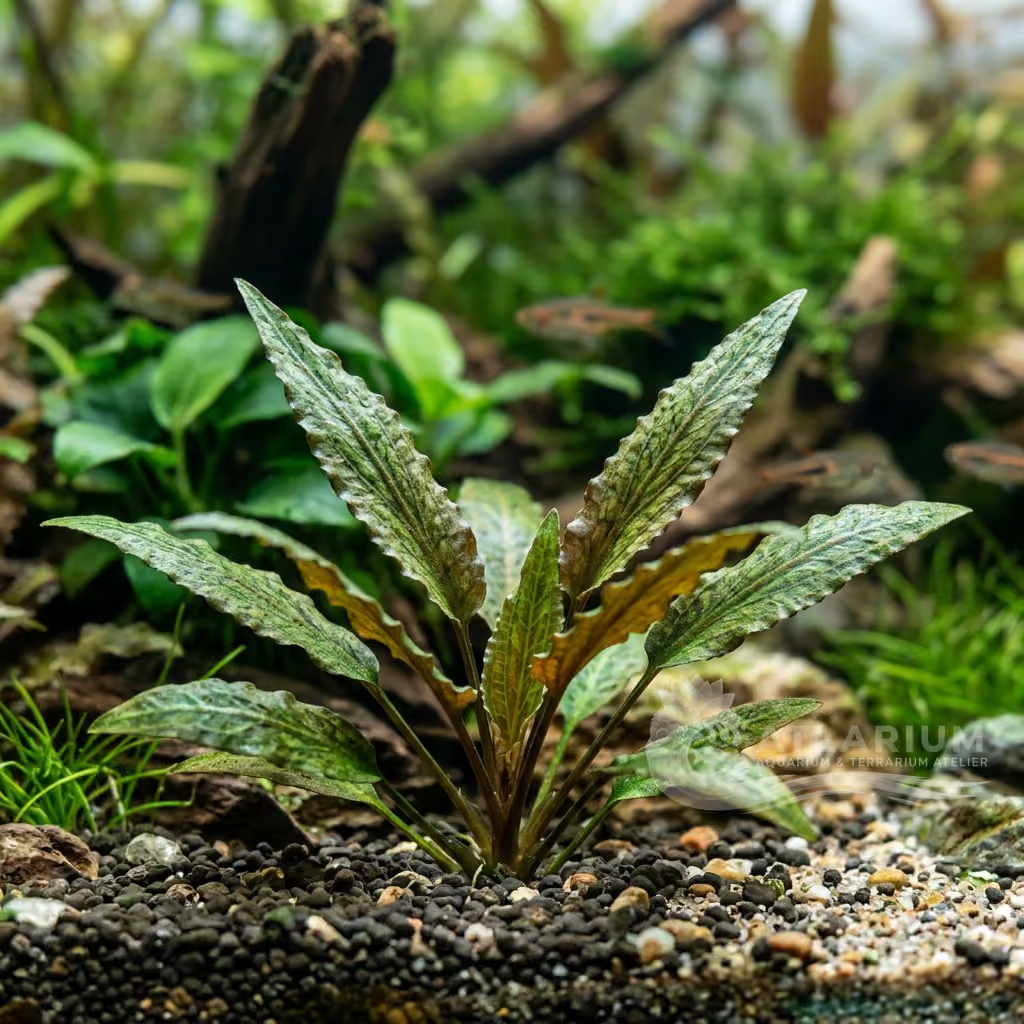
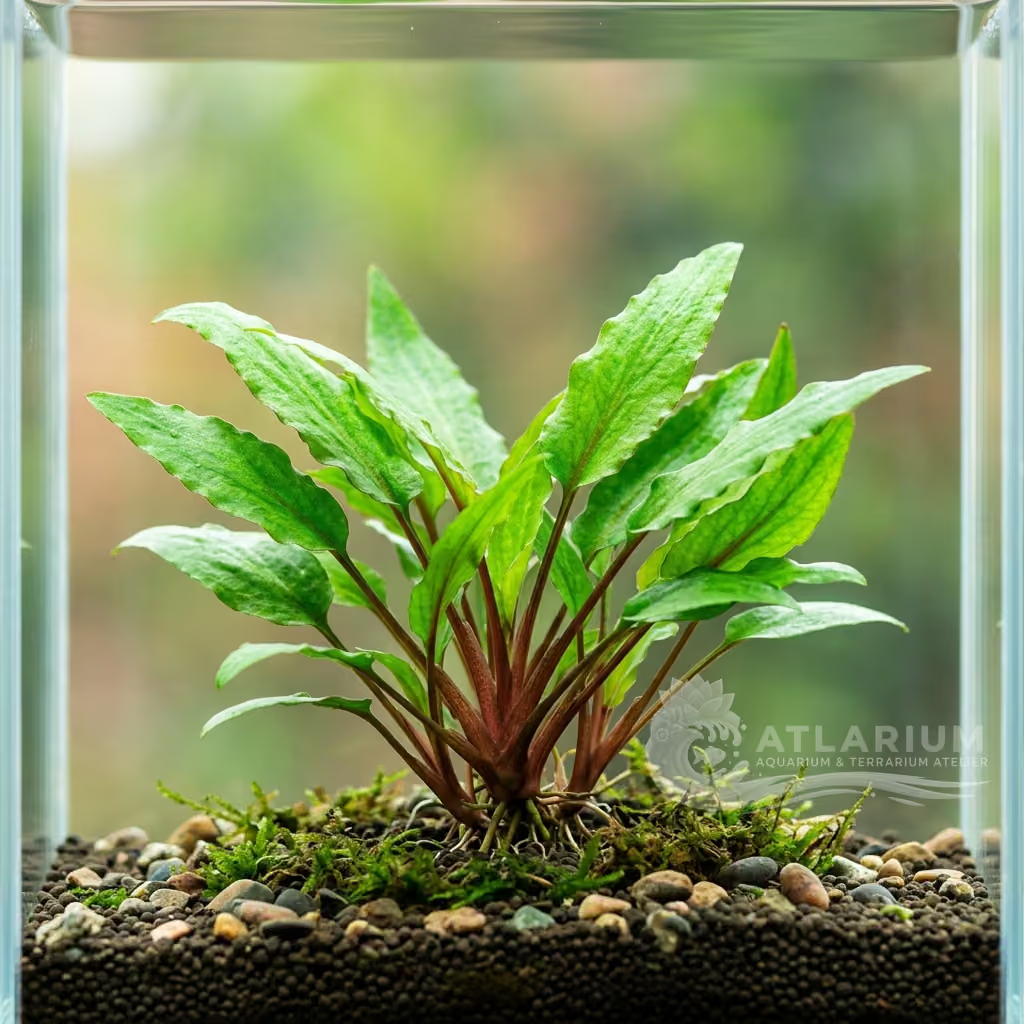
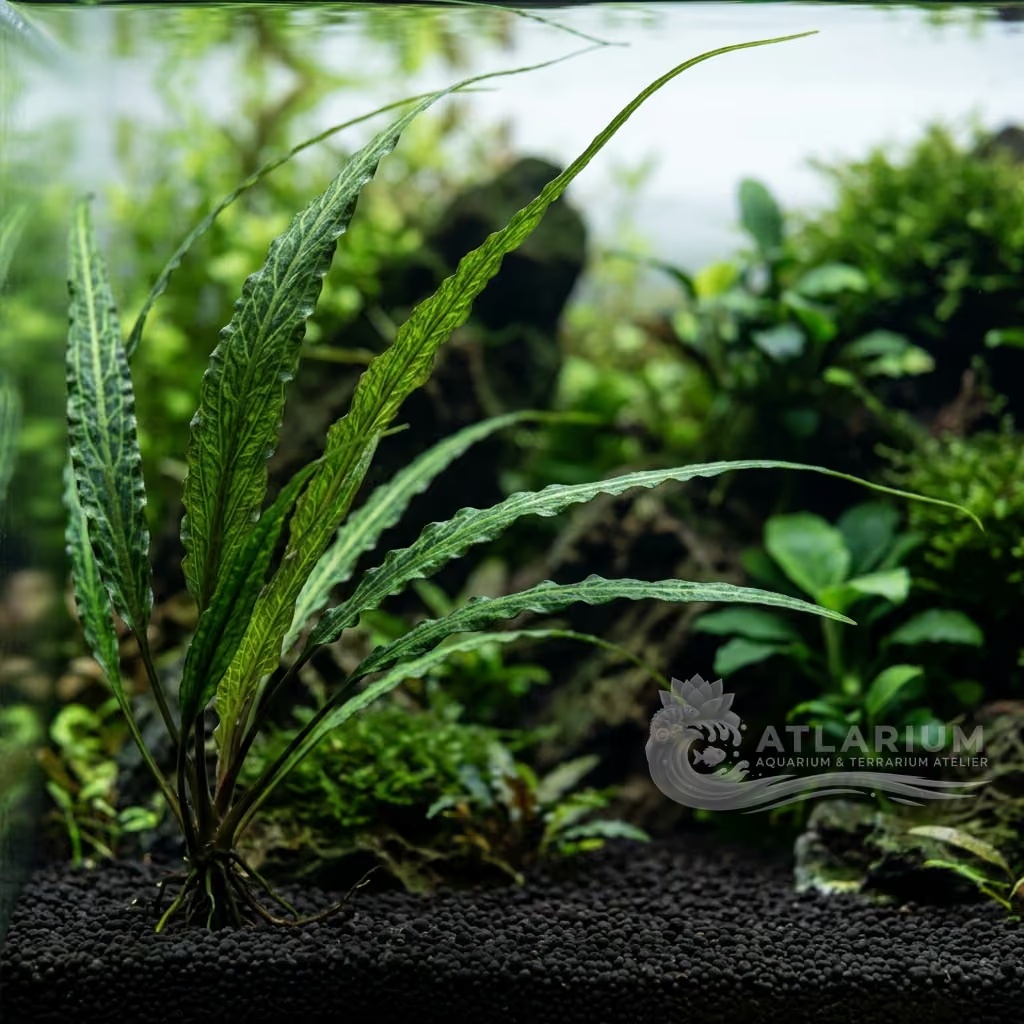
Physical Structure: The architectural structure of C. palawanensis is exceptionally rigid, strictly upright, and highly organized. It is a true rosette plant completely lacking vertical stems. The foundation is a thick, woody underground rhizome that deploys an aggressive white root system. The leaves emerge directly from the crown on exceptionally stiff, intensely rigid petioles that stand bolt upright. The defining feature is its foliage: the leaves are narrowly ovate to lanceolate, highly leathery, entirely smooth, and grow in a striking, vertical v-shape.
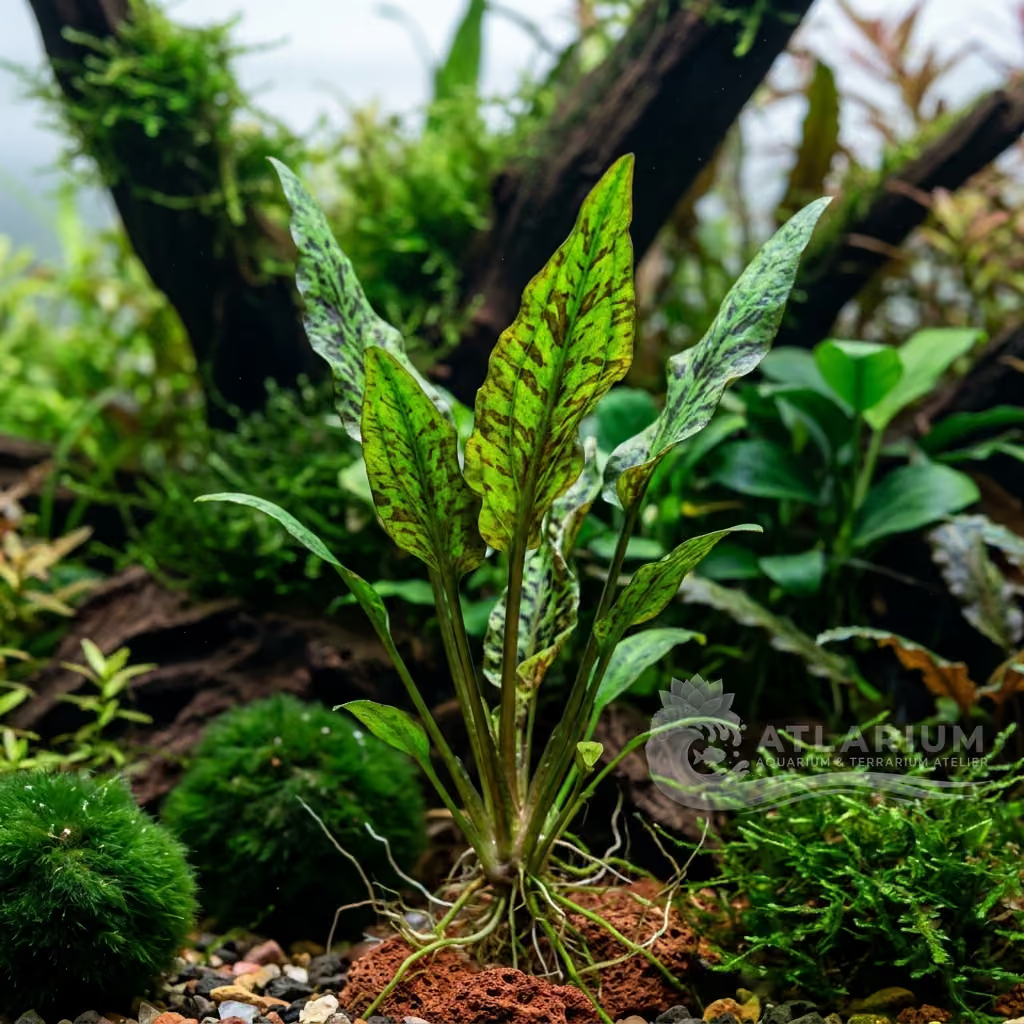
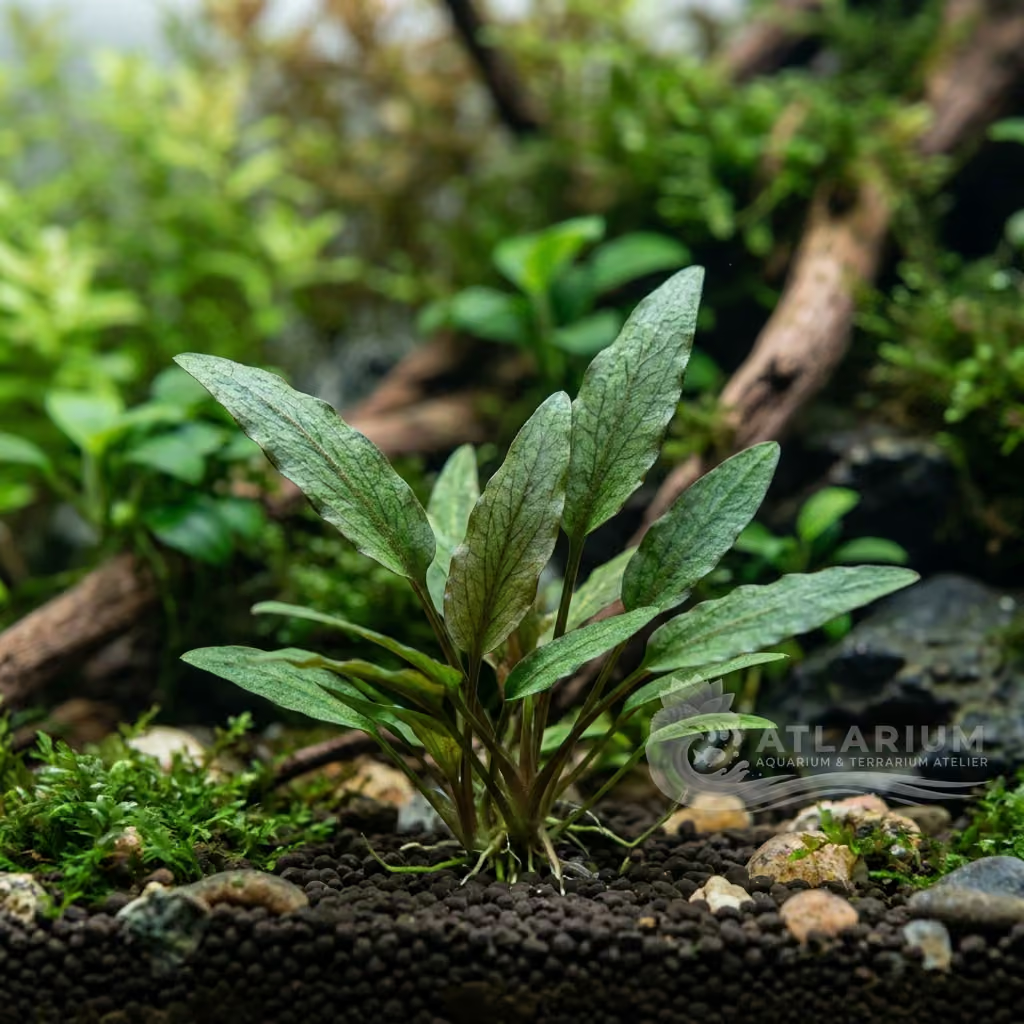
Color & Texture: The coloration is spectacular, moody, and deeply sophisticated. Grown submerged under standard lighting, the stiff, upright leaves exhibit a rich, mottled olive-green shifting to a profound brownish-bronze. The underside of the leaves frequently flashes a pale, dusty pink or subtle violet. The texture is its defining physical trait: it is notoriously rigid, intensely tough, and extremely leathery. The leaves are so incredibly stiff that they refuse to flutter in the current, standing motionless like thick, bronze-green spears.

Care, breeding and tankmates
Lighting & CO2: It is an agonizingly slow-growing plant that absolutely thrives in shade. In deeply shaded, low-light aquariums, it will comfortably survive, maintaining its rigid, upright structure while reverting to a solid olive-green. To unlock its highly prized, spectacular brownish-bronze and violet coloration, medium to high-intensity LED lighting is mandatory. While injected CO2 is entirely unnecessary for its survival, pressurized CO2 drastically accelerates its painfully slow metabolism and heavily intensifies its dark, sophisticated leaf pigmentation.
Nutrition & Substrate: As an elite, extremely rare Cryptocoryne, C. palawanensis is an absolute, obligate root feeder. Its aggressive root system absolutely demands a mature, highly stable, nutrient-dense substrate (minimum 5 cm / 2 inches deep). It heavily prefers premium aquasoil or a mature, long-established gravel bed heavily enriched with iron-rich root tabs. It absolutely despises sterile, inert, or newly established substrates and will immediately stunt and melt if planted in poor conditions. It absorbs virtually zero nutrition from the water column.
Water Chemistry: Originating from the isolated jungle streams of Palawan, it demands pristine water quality and extreme chemical stability. It thrives in standard tropical temperatures (22-26°C). It is moderately adaptable regarding pH but strongly prefers soft, slightly acidic blackwater (pH 6.0 - 6.8) to simulate its native rainforest habitat. The absolute most critical environmental requirement is biological maturity and stability. It must NEVER be planted in a newly cycled tank; it demands an old, mature, highly stable ecosystem to thrive.
Space Management & Placement: Due to its extreme rarity, high price, rigid vertical structure, and moderate size (10-20 cm height), C. palawanensis is a premium, undisputed focal point for the midground. It should be meticulously planted as a singular, standalone specimen directly amidst dark hardscape (wood or Seiryu stone) to create a striking architectural contrast. Because it grows agonizingly slowly and spreads via subterranean runners at a snail's pace, it must never be crowded or shaded by aggressive, fast-growing stem plants.
Pruning: Pruning is an extremely delicate, surgical procedure due to its slow growth rate and high value. Never attempt to trim a rigid leaf in half; the cut edge will instantly turn black, rot, and destroy the plant's aesthetic. To prune dead, yellowing, or algae-covered leaves, you must reach down to the absolute base of the rosette and cleanly snap or slice the stiff petiole directly at the gravel line. It is highly advised to avoid uprooting the mother plant at all costs to prevent catastrophic shock.
Risks & Diseases: The absolute greatest threat to this priceless rarity is the infamous "Crypt Melt." C. palawanensis is violently hyper-sensitive to any environmental instability. A rapid change in pH, a water change with cold water, or forcefully uprooting the established plant will trigger a massive biological panic, causing all the rigid bronze leaves to dissolve into a slimy mush within 24 hours. The second major risk is Black Beard Algae (BBA), which easily colonizes its motionless, slow-growing, highly rigid leaves.

Geographic origin and distribution
Endemic strictly to a highly isolated, deeply shaded rainforest region on the Philippine island of Palawan. Cryptocoryne palawanensis is an exceedingly rare and scientifically fascinating aquatic rosette plant. It is a highly specialized amphibious survivor, perfectly adapted to rooting its tough rhizome directly into the dense, muddy, and rocky banks of slow-moving tropical jungle streams. It has evolved in absolute isolation from the mainland Cryptocorynes of Borneo and Sumatra, developing highly unique, rigid morphological traits to survive extreme monsoon flooding.
Origin
South and Southeast Asia

Plant profile
- Placement
- Foreground
- Strategically placing Cryptocoryne palawanensis as a midground feature will maximize its aesthetic contribution to the tank. It possesses a rosette with gracefully arched leaves that naturally draws the eye and breaks up monotonous plant groupings. Ensure it is planted in an area with stable flow and unobstructed light penetration.
- Botanical form
- Rosette
- The physical structure of Cryptocoryne palawanensis is defined by its rosette with gracefully arched leaves. Submersed specimens often display a more delicate and colorful appearance compared to their emersed counterparts. Its unique structural traits make it highly sought after by dedicated planted tank enthusiasts.
- Growth
- Slow
- The growth rate of Cryptocoryne palawanensis is generally considered slow to moderate under standard aquarium conditions. With the addition of CO2 injection and optimal lighting, its development can be moderately accelerated. However, patience is required as it establishes its root system before producing significant new foliage.
- Substrate
- High
- The substrate plays a crucial role in cultivating Cryptocoryne palawanensis successfully in the aquarium. A soft, deep, and fertile soil layer allows its robust root network to expand properly. Providing supplemental root fertilization in inert substrates will drastically improve its stability and growth.
- Column fertilization
- Recommended
- While it relies heavily on its roots, Cryptocoryne palawanensis still benefits from a lean liquid fertilization regime. Trace elements and potassium delivered via the water column help prevent pinholes and yellowing. Regular water changes coupled with careful dosing will keep the plant pristine and algae-free.
- Root fertilization
- None
- Targeted root fertilization is critical for the enduring vitality of Cryptocoryne palawanensis. High-quality root tabs inserted deep into the substrate provide a steady, localized supply of essential elements. This practice significantly reduces the risk of the dreaded Cryptocoryne melt during its growth cycle.
- Trimming
- Occasional
- Trimming should be done only when necessary, focusing on the removal of damaged, decaying, or old leaves at the base. Use sharp aquascaping scissors to make clean cuts, being careful not to disturb the surrounding substrate or roots. Never pull leaves off by hand, as this can severely damage the rhizome. Minimal intervention is the best approach for keeping the plant healthy.
- Propagation
- Rhizome division, Runners
- Cryptocoryne palawanensis spreads across the aquarium substrate by sending out lateral stolons. Aquarists can propagate it by simply snipping the runner connection once the daughter plant is adequately sized. Relocating these clones helps create dense, natural-looking clusters within the aquascape.
- Sensitivity
- Moderate
- It is susceptible to 'Crypt melt' when introduced to a new environment or when faced with fluctuating water parameters. Maintaining stable CO2 levels, temperature, and water chemistry is paramount for its success. If the plant melts upon introduction, it is crucial to leave the roots undisturbed so it can eventually regenerate. It prefers an established, mature aquarium.
- Layout role
- Midground, Foreground
- Its slightly hammered texture and subtle olive-brown colors make it an exquisite accent plant for the midground. It contrasts wonderfully against both bright green carpeting plants and colorful red stem species. It works exceptionally well in nature aquariums or biotope setups seeking to replicate Southeast Asian streams. It adds a layer of depth and botanical authenticity to the aquascape.

Image gallery
Licensed images linked to the species or, when marked, to the closest representative taxon.

Related species
Recommendations grouped by close relatives, companion choices, and similar care.