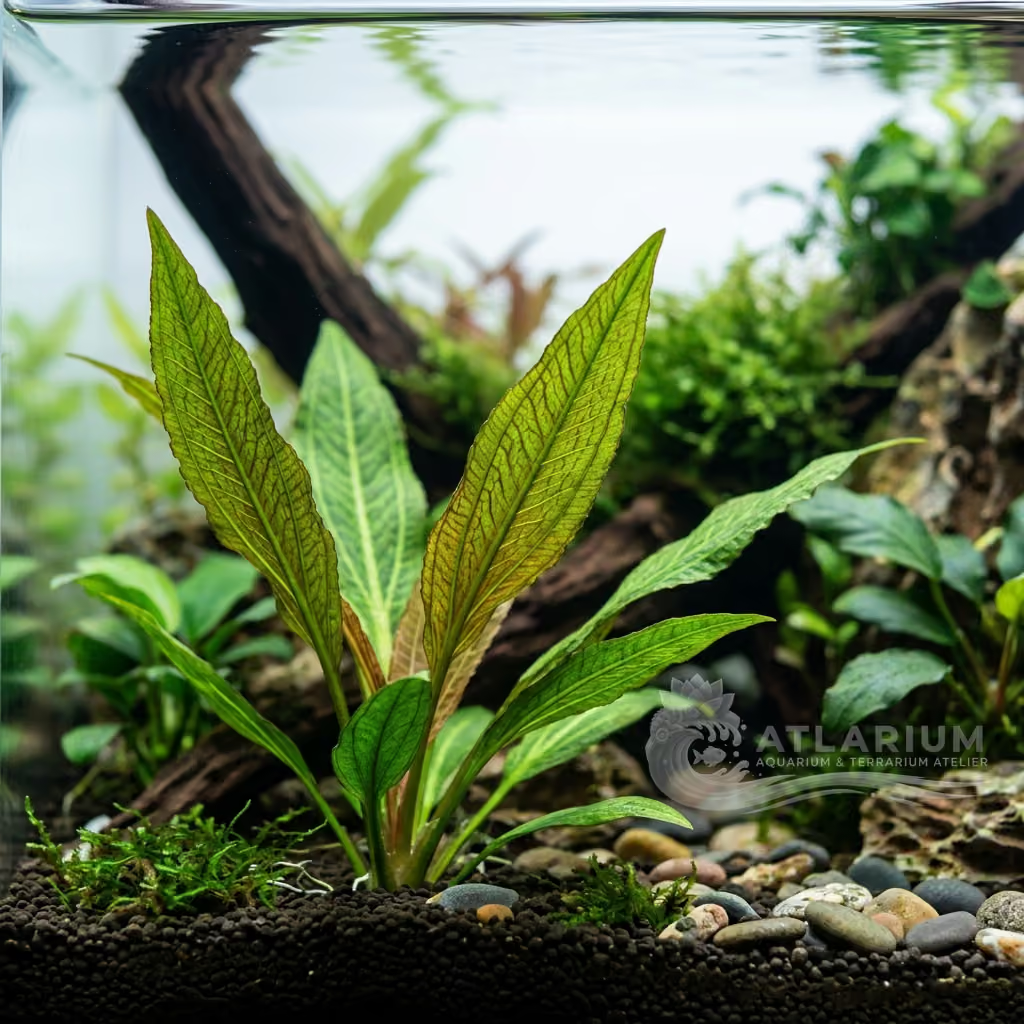
Cryptocoryne wendtii
Cryptocoryne wendtii
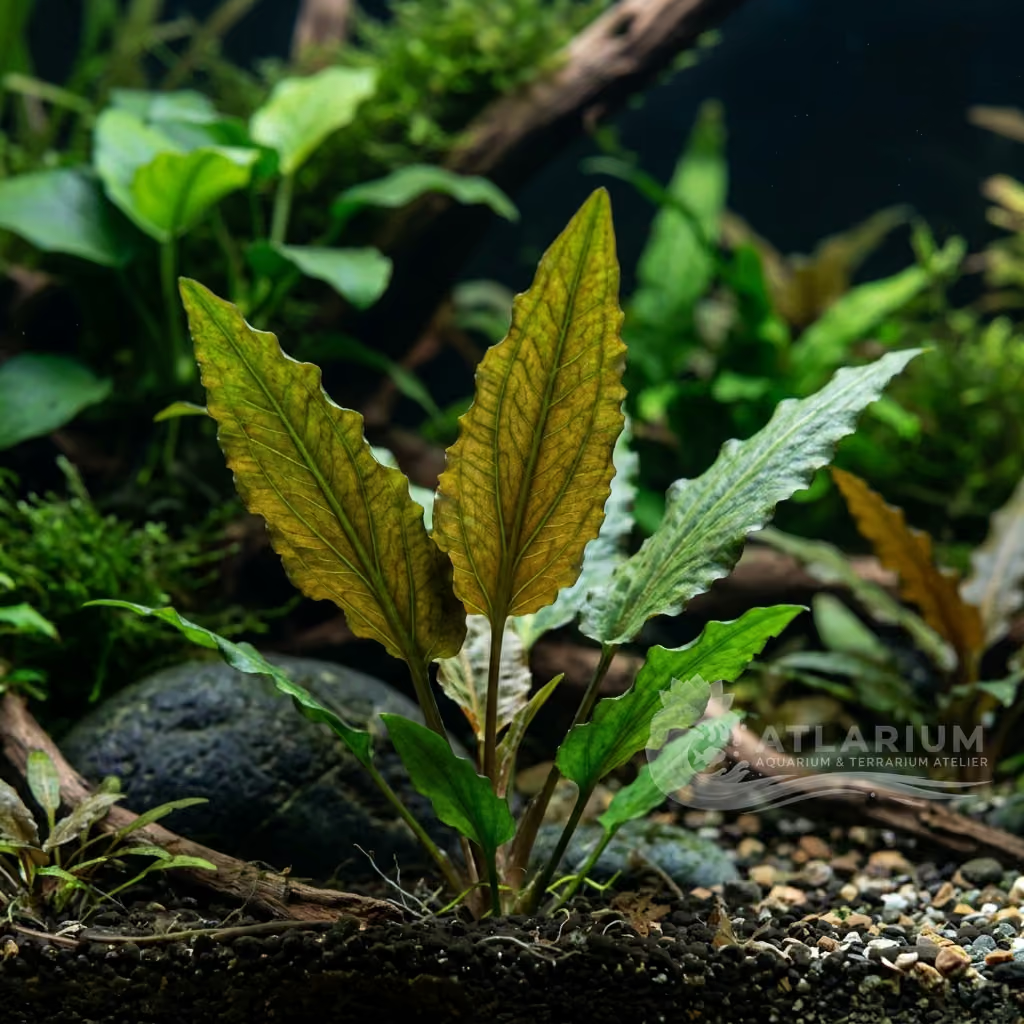
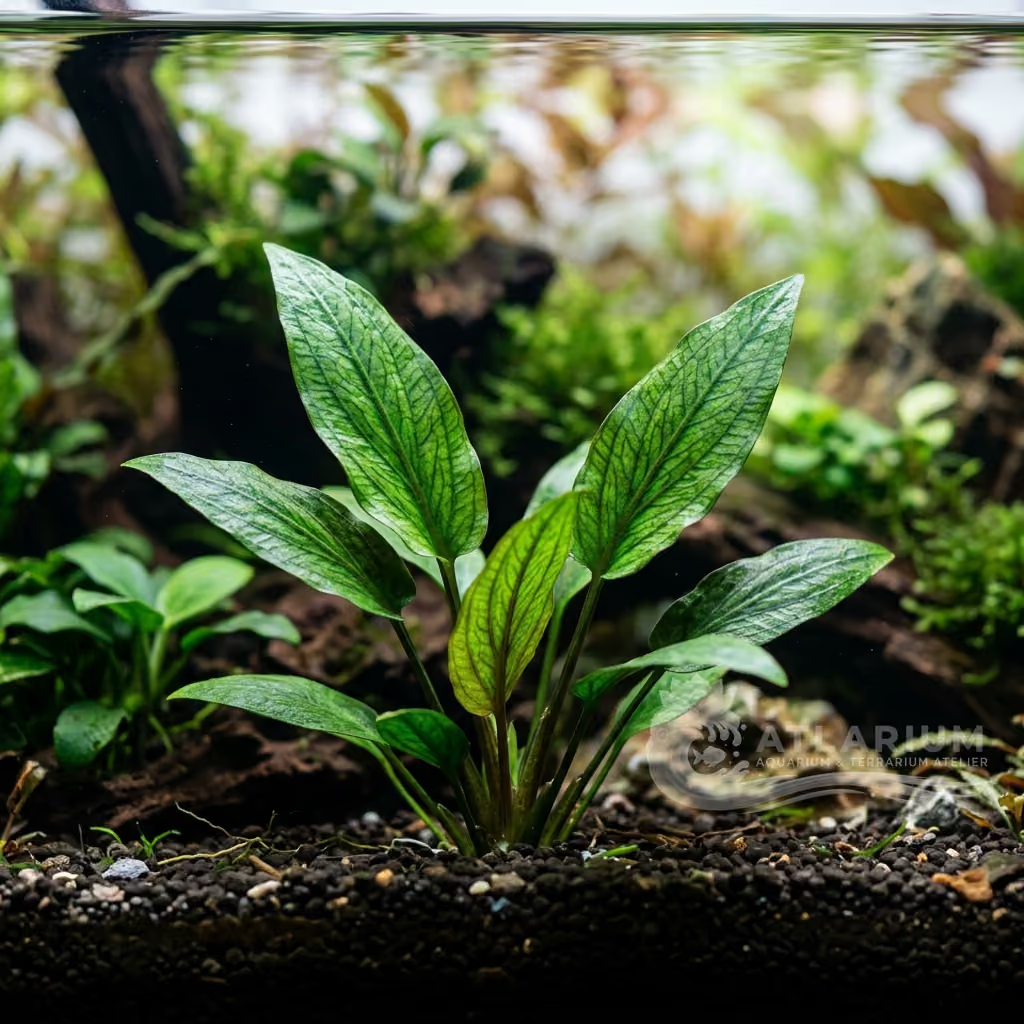
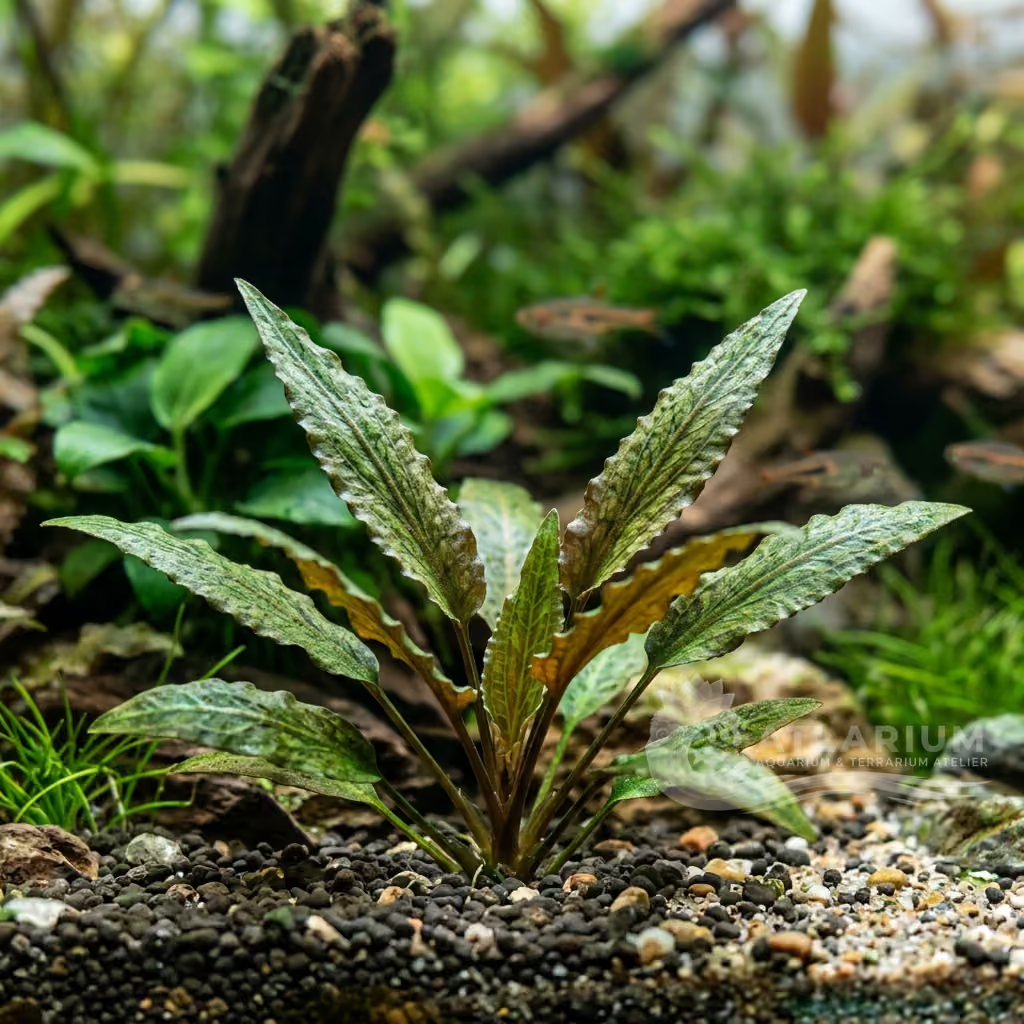
One of the most adaptable and widely kept aquarium plants. It forms dense, leafy bushes in the midground, with colors varying from green to bronze depending on light levels.
Water Temperature
20 - 28 °C
pH Value
5.5 - 8
Water type
Freshwater
Light
Bassa
CO2
Bassa
Expected height
15 cm
Expected width
15 cm
GH
4 - 20 dGH
KH
2 - 15 dKH

Species description
Geographical Origin and Habitat: Cryptocoryne wendtii is native to the tropical rainforests of Sri Lanka. It is one of the most adaptable Cryptocoryne species, widely distributed along the shaded beds and banks of forest streams and rivers. In the wild, it grows both submerged in flowing waters and emersed on muddy, wet soils during dry periods, under the dense tropical canopy.
Taxonomy & Genetics: Belonging to the Araceae family, this species is named after the botanist Albert Wendt. It is renowned for its incredible phenotypic plasticity, exhibiting changes in leaf color, size, and shape in response to environmental conditions like light and nutrients. Several stable commercial cultivars exist, such as 'Green', 'Brown', 'Mi Oya', and 'Tropica'. Genetically, it is a stable and hardy plant.
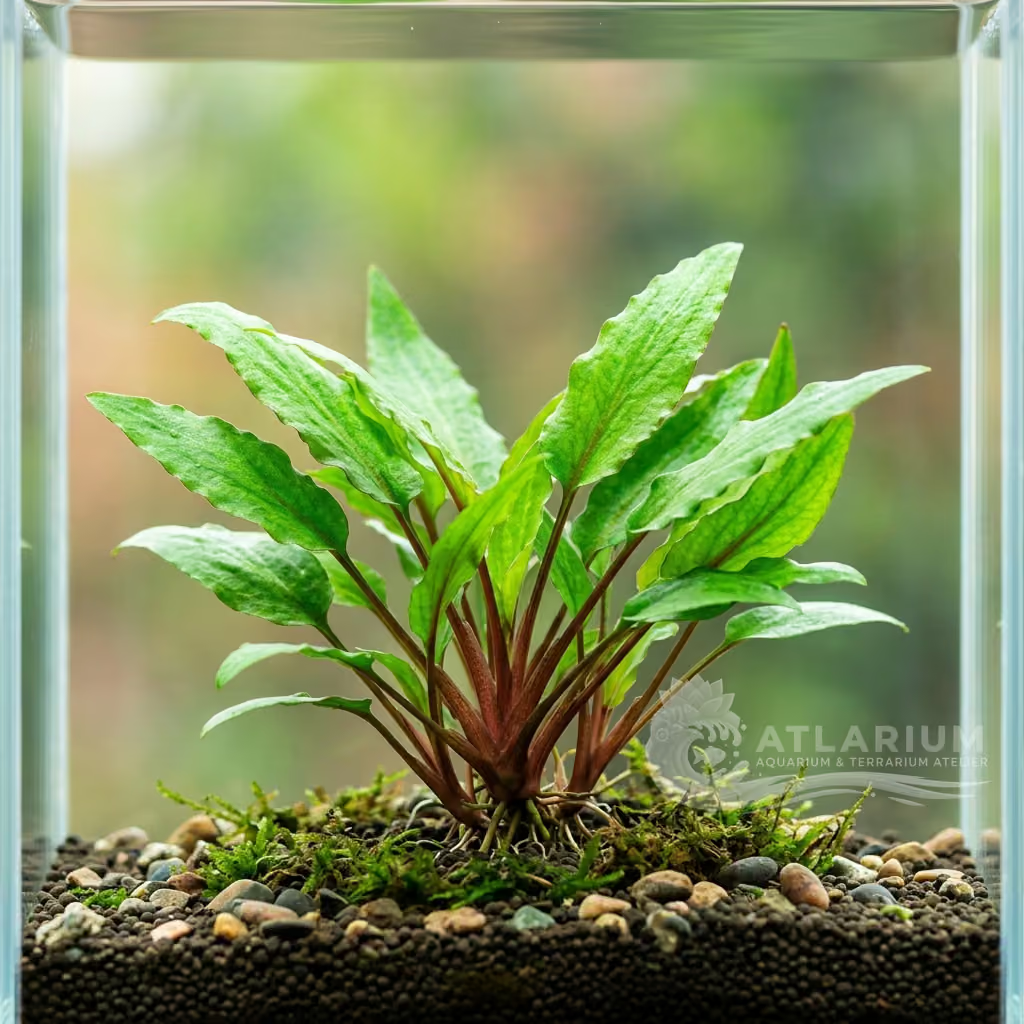
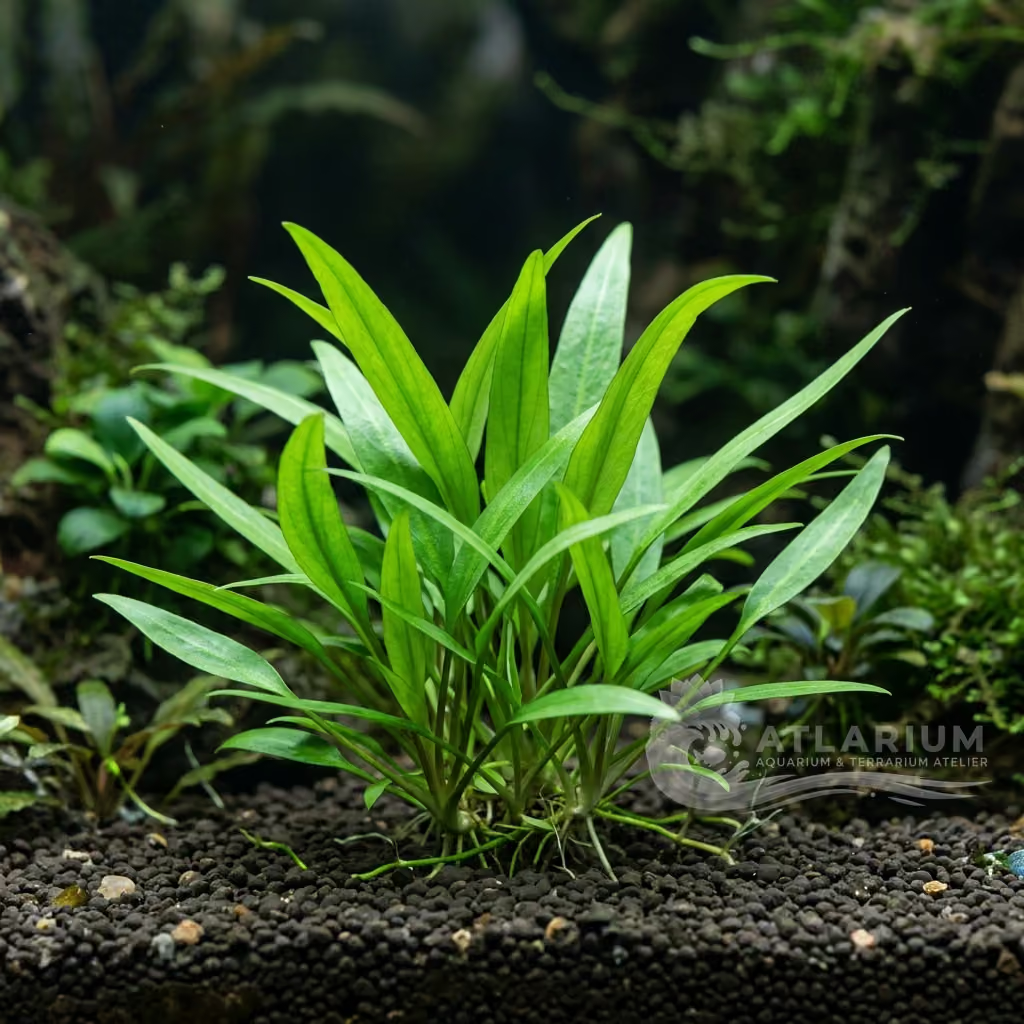
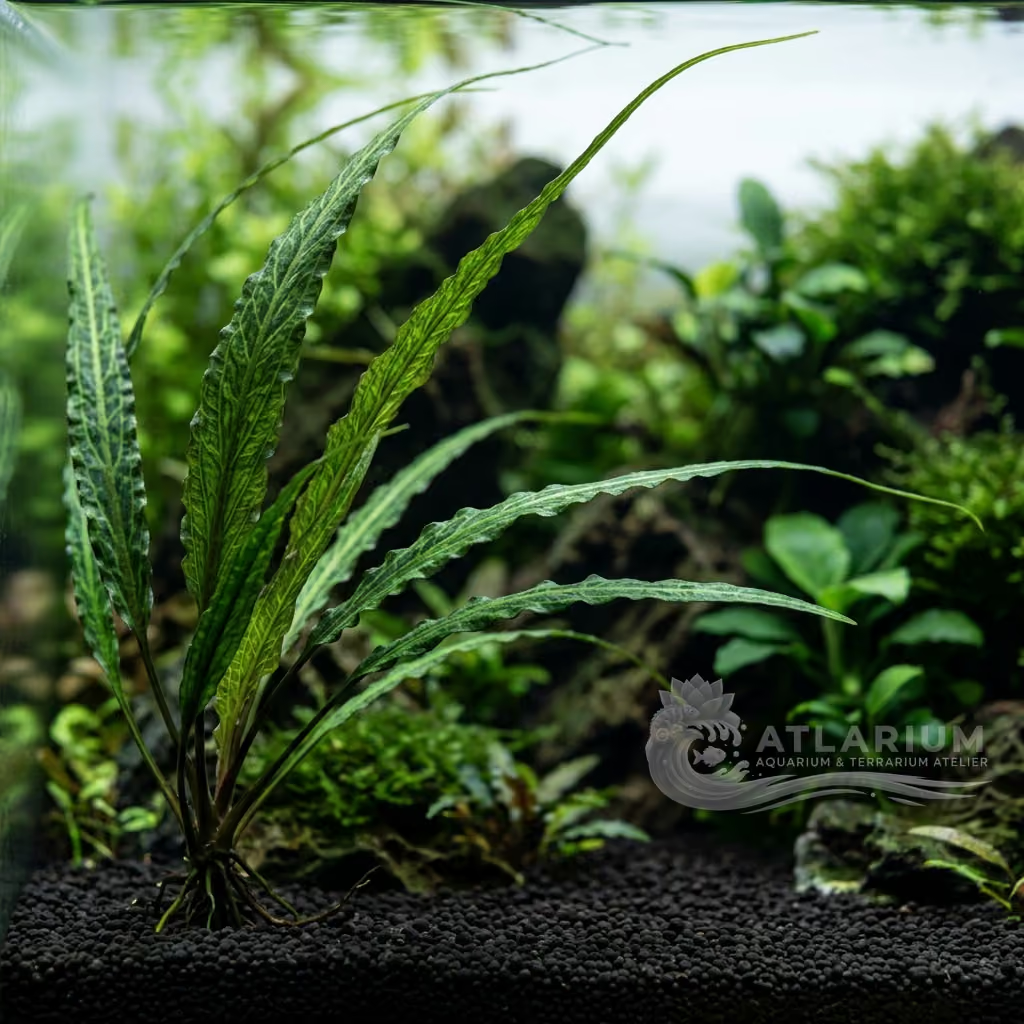
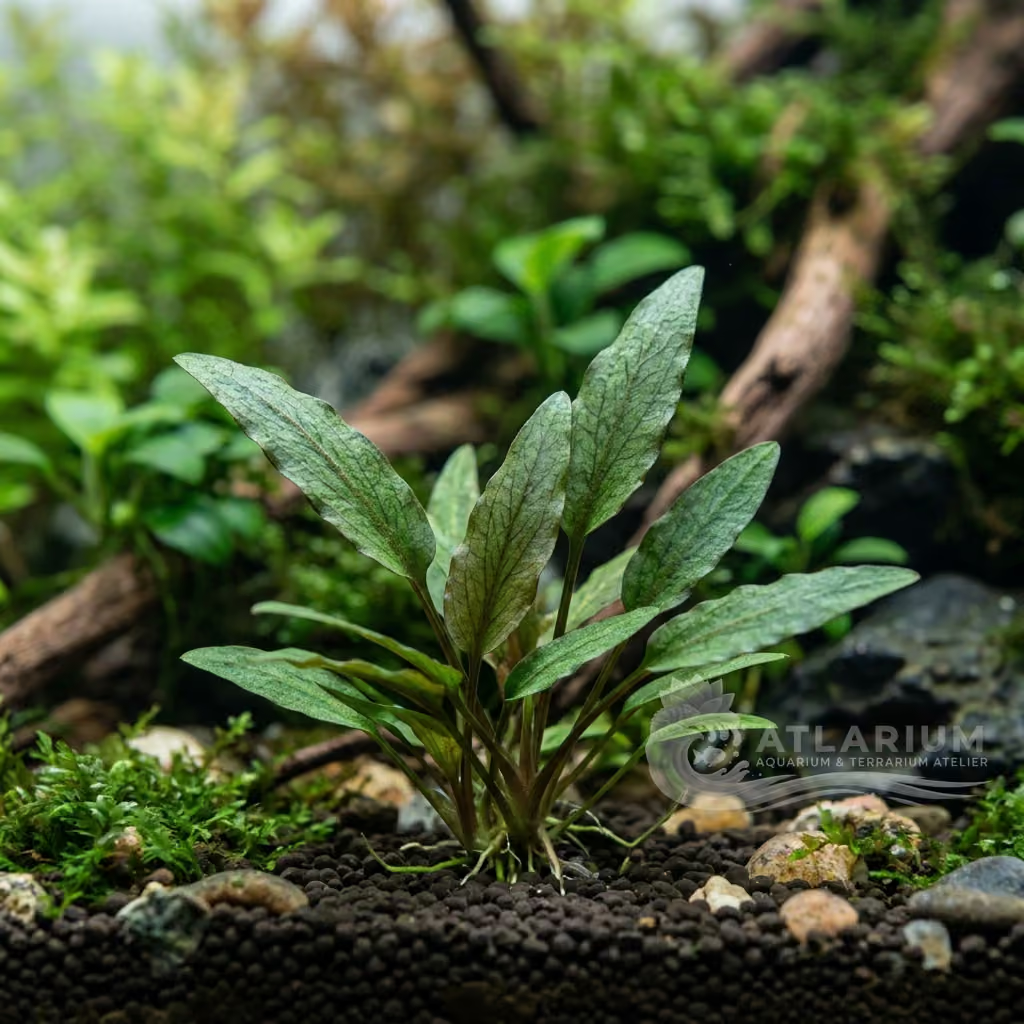
Physical Structure: It features a rosette growth habit with lanceolate leaves radiating from a short, stocky rhizome. The root system is extremely extensive and deep, enabling the plant to anchor securely in muddy or sandy substrates and efficiently absorb nutrients from the bottom.
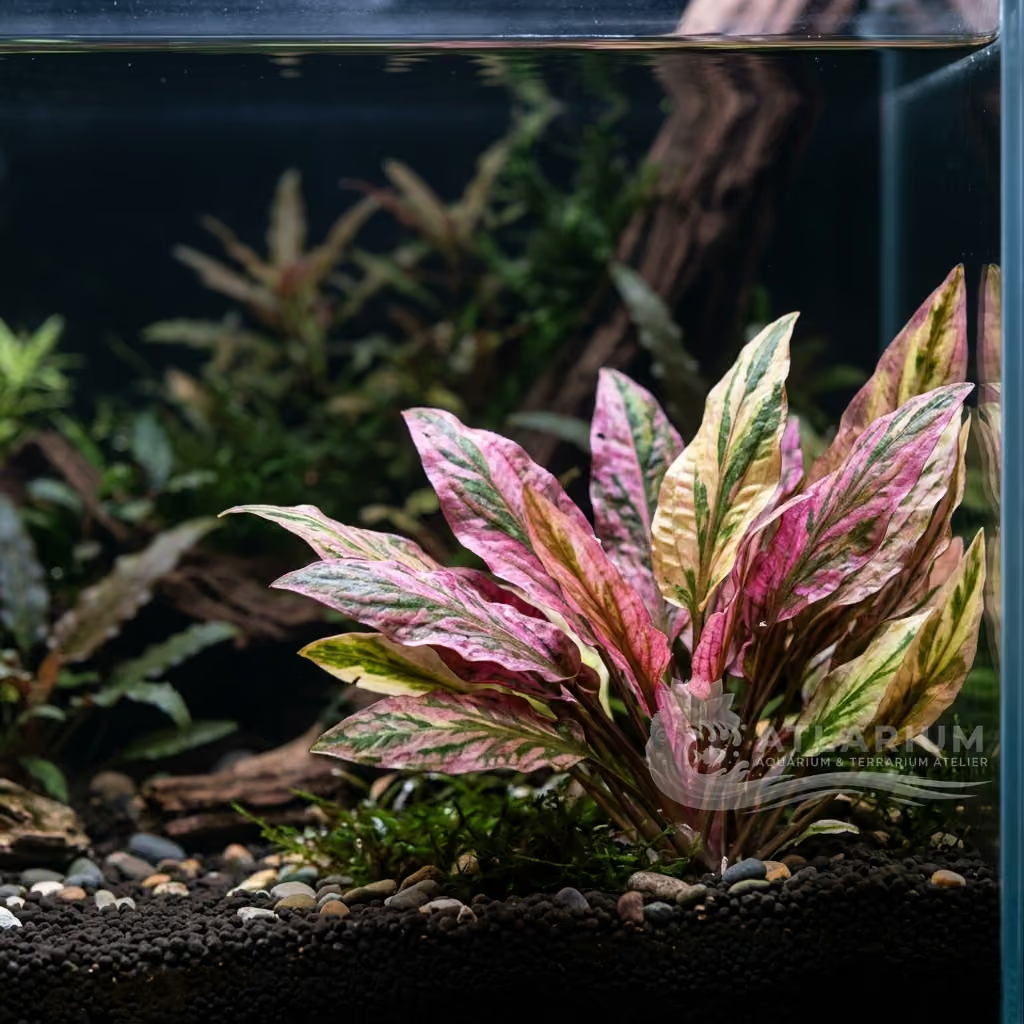
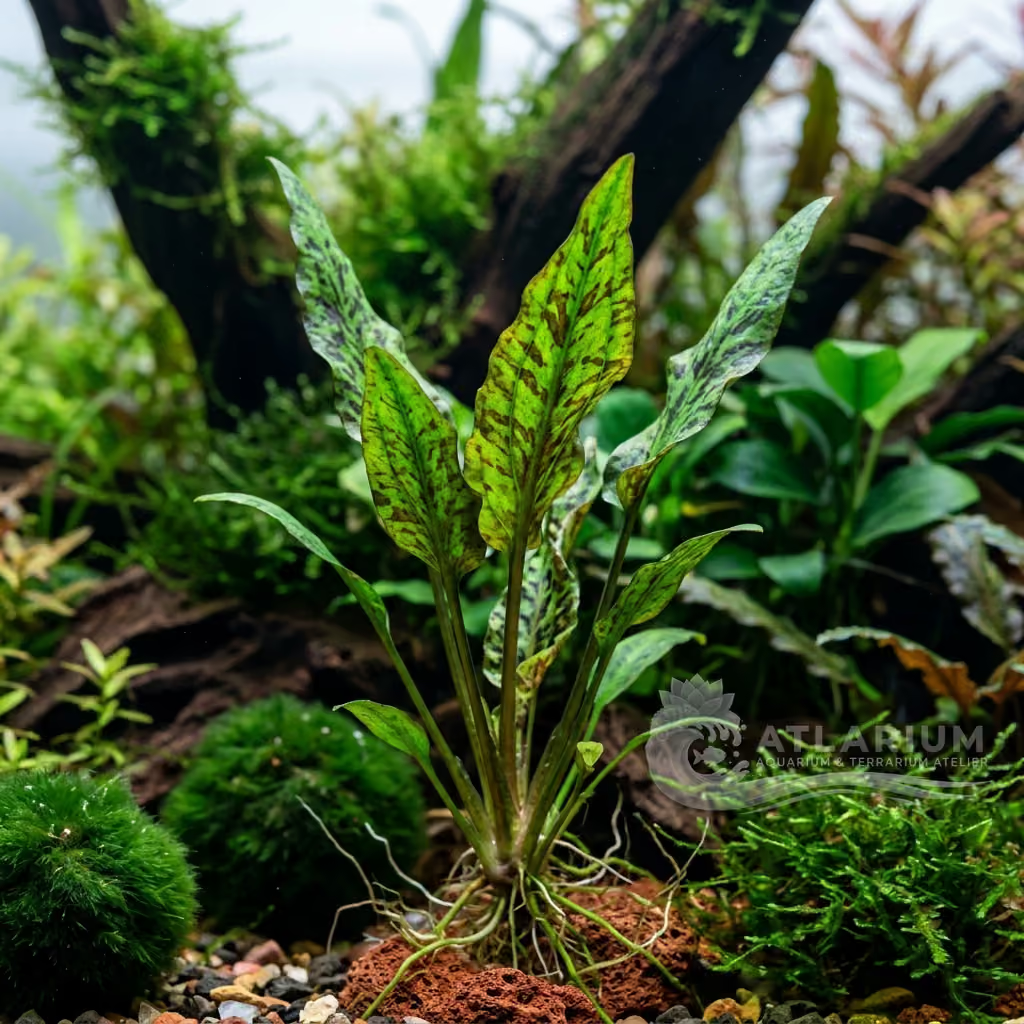
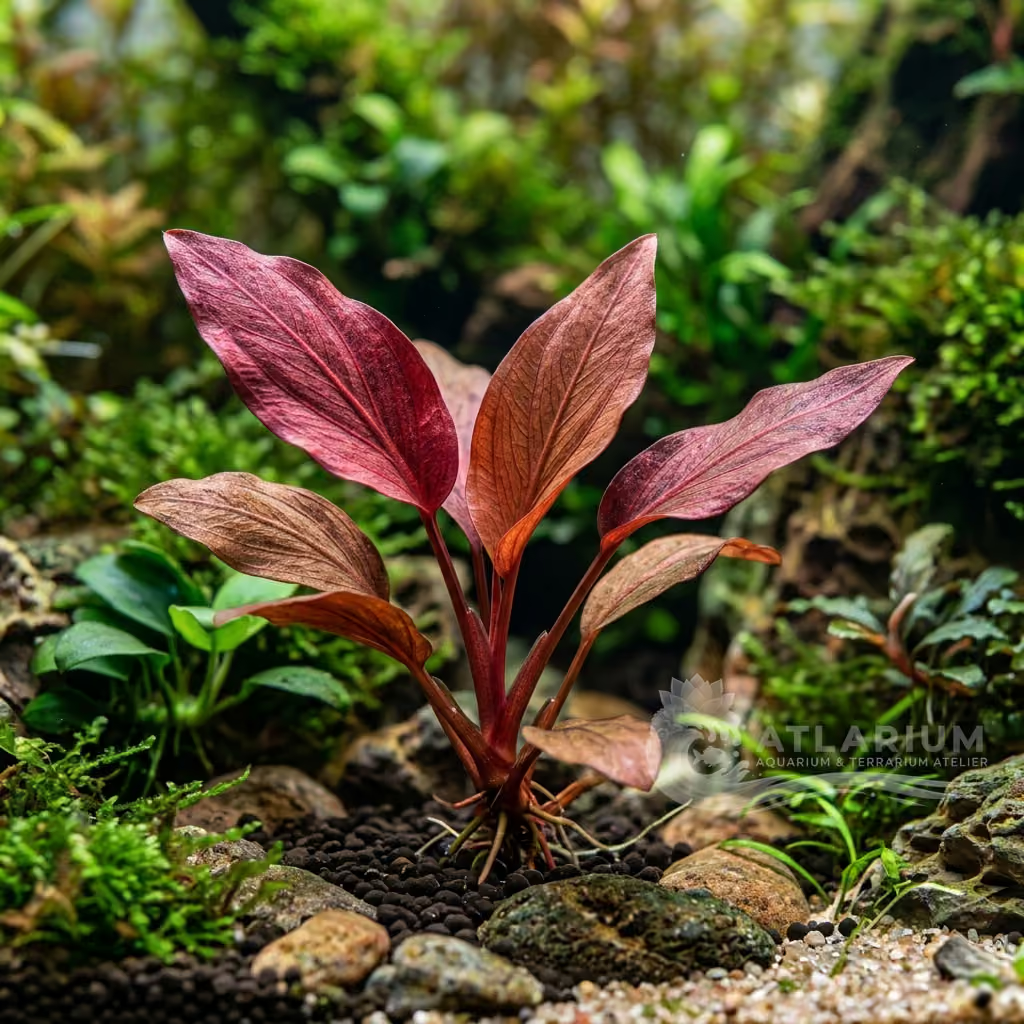
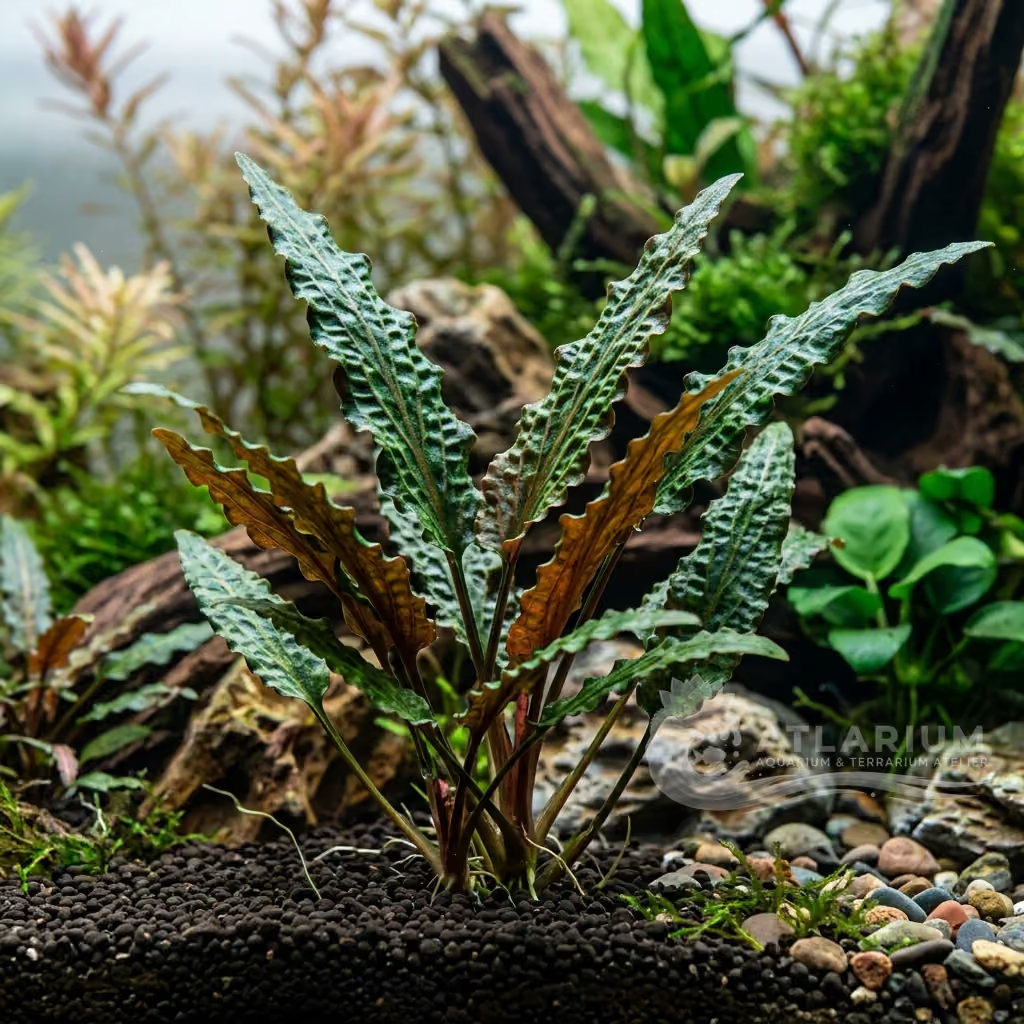
Color & Texture: Leaf coloration varies significantly depending on the cultivar and lighting, ranging from bright grass green to bronze-brown, red, and even purple hues. The leaves typically exhibit a hammered or puckered (bullate) surface texture, with leaf margins that range from smooth to slightly wavy.

Care, breeding and tankmates
Lighting & CO2: Adapts to a wide range of light intensities, from very low to high. Under low light, the leaves tend to grow longer and greener, while under high light, they adopt a flatter, more compact growth habit and assume bronze or brown colors. CO2 supplementation is beneficial but not required.
Nutrition & Substrate: Requires a rich, fertilized substrate (active soil or sand enriched with root tabs) because it absorbs most of its nutrients through its extensive root system. It responds exceptionally well to iron and potassium fertilization at the root zone.
Water Chemistry: Tolerates a wide variety of chemical parameters. It thrives in temperatures between 20 and 28°C (68-82°F), with a pH range of 6.0 to 8.0. It is suitable for both soft and hard water conditions, making it highly versatile.
Space Management & Placement: Placed mainly in the midground area of the aquarium. It can be used as a focal point or to fill the spaces between rocks and wood. It tends to form dense, bushy clumps over time through vegetative propagation.
Pruning: Pruning is limited to removing old, yellowing, or damaged outer leaves by cutting them at the base. It propagates easily by producing underground runners with new plantlets that can be separated and replanted.
Risks & Diseases: The main risk is "Cryptocoryne Meltdown," which causes the sudden decomposition of all leaves. This phenomenon occurs due to rapid changes in water parameters, sudden transplanting, or drastic alterations in lighting. Healthy leaves will usually regrow from the rhizome if it remains intact.

Geographic origin and distribution
Cryptocoryne wendtii is native to the tropical rainforests of Sri Lanka. It is one of the most adaptable Cryptocoryne species, widely distributed along the shaded beds and banks of forest streams and rivers. In the wild, it grows both submerged in flowing waters and emersed on muddy, wet soils during dry periods, under the dense tropical canopy.
Origin
South and Southeast Asia

Plant profile
- Placement
- Midground
- This versatile plant is typically placed in the midground or foreground of the aquarium depending on the tank size and lighting intensity. In smaller tanks, it serves well as a midground bushy focal point. In larger setups, multiple specimens can be planted together to form a dense, broad foreground carpet over time.
- Botanical form
- Rosette
- It grows as a classic rosette plant, sending up leaves from a central crown located at the substrate level. The leaves can vary widely in shape from lanceolate to ovate, with slightly undulate or hammered margins. The overall bushy appearance makes it ideal for filling gaps and softening hardscape lines.
- Growth
- Slow
- The growth rate is generally slow to moderate, which makes it an excellent choice for low-maintenance aquascapes. Under optimal conditions with CO2 and high light, it can grow somewhat faster and produce leaves more frequently. However, its steady and predictable growth means it requires infrequent pruning.
- Substrate
- High
- Cryptocoryne wendtii develops an extensive root system and heavily relies on the substrate for its nutritional needs. A nutrient-rich aqua soil or a base of sand and gravel supplemented with root tabs is highly recommended to support its robust growth. The substrate should be at least 2 to 3 inches (5-8 cm) deep to accommodate its roots and provide a stable anchor. Since this species is prone to melting when disturbed, providing a long-term, nutrient-dense bed minimizes the need for uprooting.
- Column fertilization
- Optional
- Although not strictly required, occasional additions of liquid fertilizer containing micronutrients and potassium will prevent leaf pinholes and yellowing. The plant can absorb water-column nutrients, but this is less critical than providing root nutrition. Too much liquid fertilizer without adequate CO2 might lead to algae on its slow-growing leaves.
- Root fertilization
- Recommended
- Root fertilization is highly recommended and constitutes the most effective way to feed this plant. A high-quality soil substrate or the regular insertion of root capsules will promote strong root development and larger, healthier leaves. Root feeding also helps the plant recover quickly from 'Crypt melt' if it occurs.
- Trimming
- Occasional
- Trimming is very straightforward and consists mostly of removing old, decaying, or algae-covered leaves. Simply snip the undesirable leaves as close to the crown as possible using sharp aquascaping scissors. Avoid cutting the leaves in half, as the remaining portion will only rot and degrade water quality.
- Propagation
- Runners
- Propagation naturally occurs through the production of runners radiating from the mother plant's crown. Once these daughter plants have developed several leaves and a decent root system of their own, they can be carefully separated. Replant the separated plantlets in the substrate, ensuring the crown remains slightly above the soil surface.
- Sensitivity
- HIGH
- This plant is notoriously prone to 'Crypt melt,' a condition where leaves rapidly disintegrate when the plant is introduced to new water parameters or moved. It is also sensitive to sudden fluctuations in temperature, pH, or light intensity. However, the root system usually survives, and new leaves adapted to the current conditions will soon sprout.
- Layout role
- Midground, accent, group
- In aquascaping, Cryptocoryne wendtii is prized for its ability to create seamless transitions between hardscape elements and carpeting plants. Its broad leaves provide excellent textural contrast against finer-leaved stem plants or grassy foregrounds. It can be used individually as a subtle accent or in groups to create natural-looking, dense thickets in the midground.

Related species
Recommendations grouped by close relatives, companion choices, and similar care.