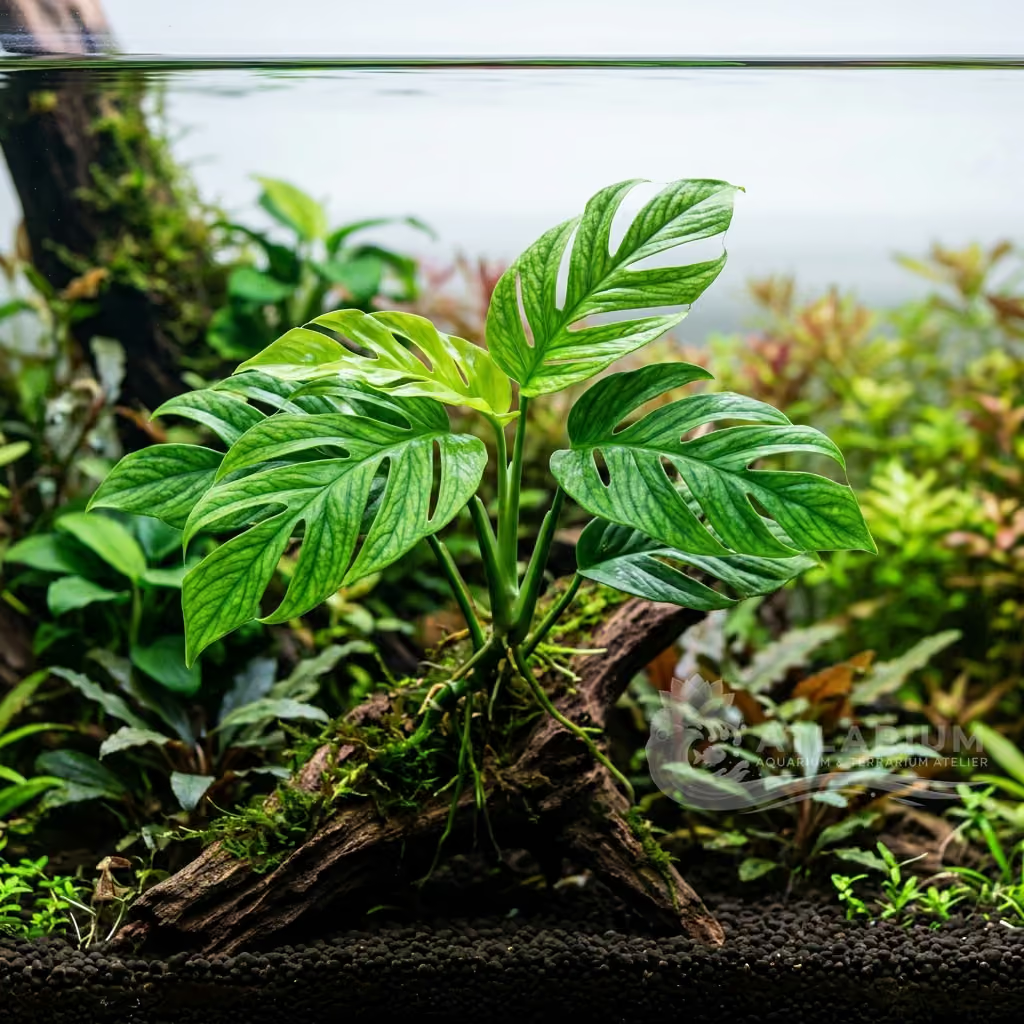
Pink Meebold's Lagenandra
Lagenandra meeboldii "Pink"
A striking Indian rosette plant that develops gorgeous pink, purple, and coppery leaves under good light. Slow-growing and perfect as a midground focal point.
Water Temperature
12 - 28 °C
pH Value
6 - 7.5
Water type
Freshwater
Light
Medium - High
CO2
Low - High
Expected height
25 cm
Expected width
25 cm
GH
4 - 15 dGH
KH
0 - 14 dKH

Species description
Geographical Origin and Habitat: Lagenandra meeboldii 'Pink' originates from the state of Kerala and other wet forest areas of southwestern India, situated along the shaded streams of the Western Ghats. It lives in amphibious environments along the muddy and rocky margins of slow-flowing rivers. During the monsoon season, it grows completely submerged by fast-flowing waters, whereas in the dry season it lives emersed on damp mud, flowering and spreading laterally.
Taxonomy & Genetics: It belongs to the Araceae family and the genus Lagenandra. The 'Pink' variety is a stabilized cultivar selected for its genetic ability to synthesize high levels of anthocyanin pigments under intense lighting, which gives the leaves their characteristic bright pink, magenta, and purple tones instead of the green
Color & Texture: ation of the wild type.
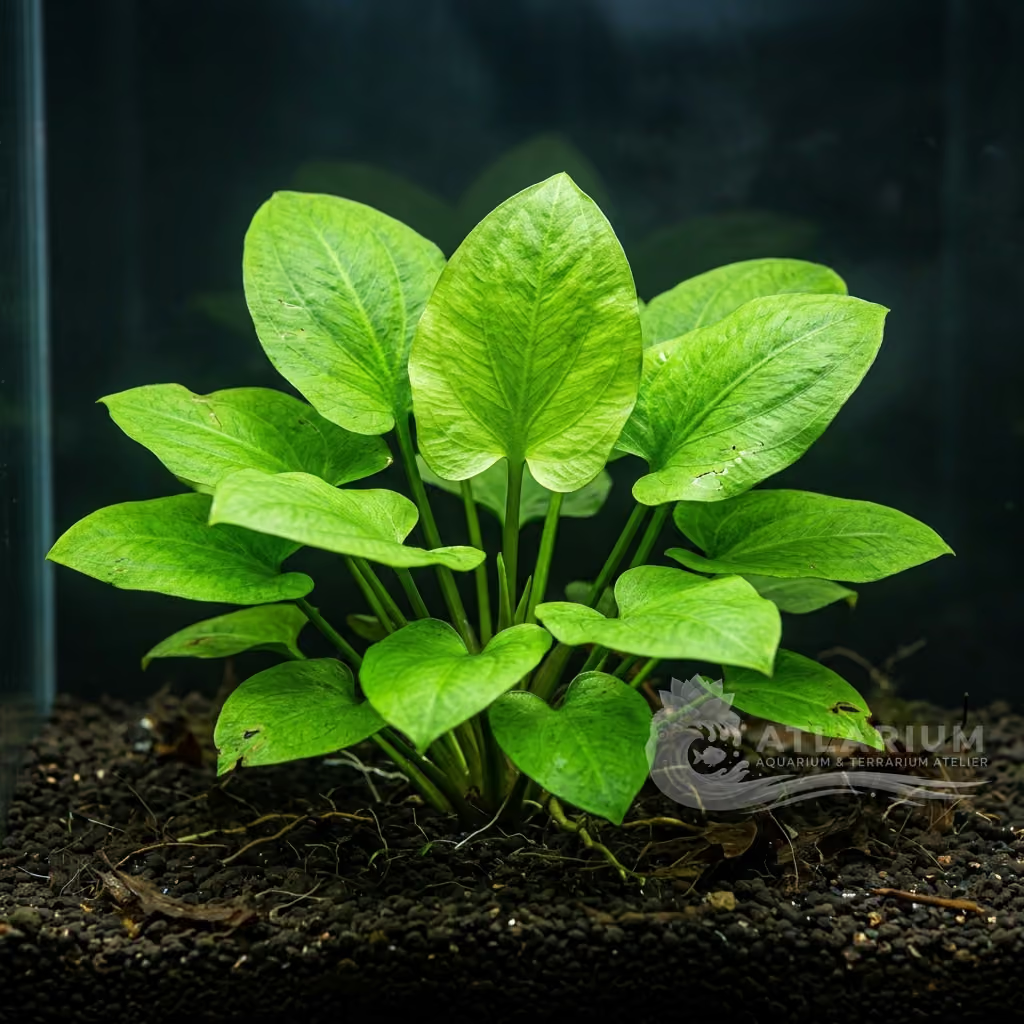
Physical Structure: The plant develops from a thick, creeping, and branching rhizome, from which sturdy petioles rise to support ovate or elliptical leaves with wavy margins. The root system is exceptionally robust, featuring thick anchoring roots that secure the plant in place against strong currents during seasonal flooding.
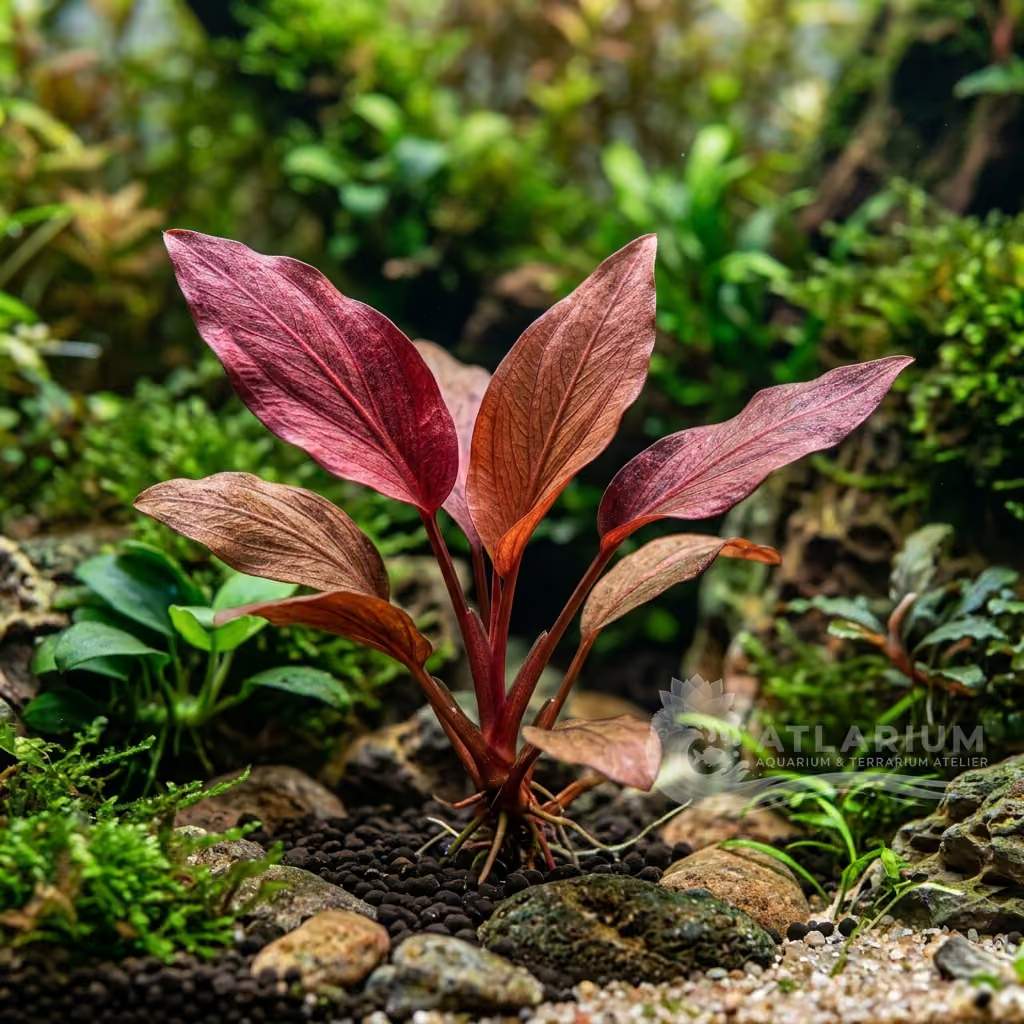
Color & Texture: It is one of the most colorful plants available in the hobby. New leaves display a bright pink or deep magenta hue, which gradually transitions into purple, bronze, and olive-green shades as they mature. The leaf surface has a waxy, semi-glossy texture with wavy edges that enhance color reflection under aquarium lights.

Care, breeding and tankmates
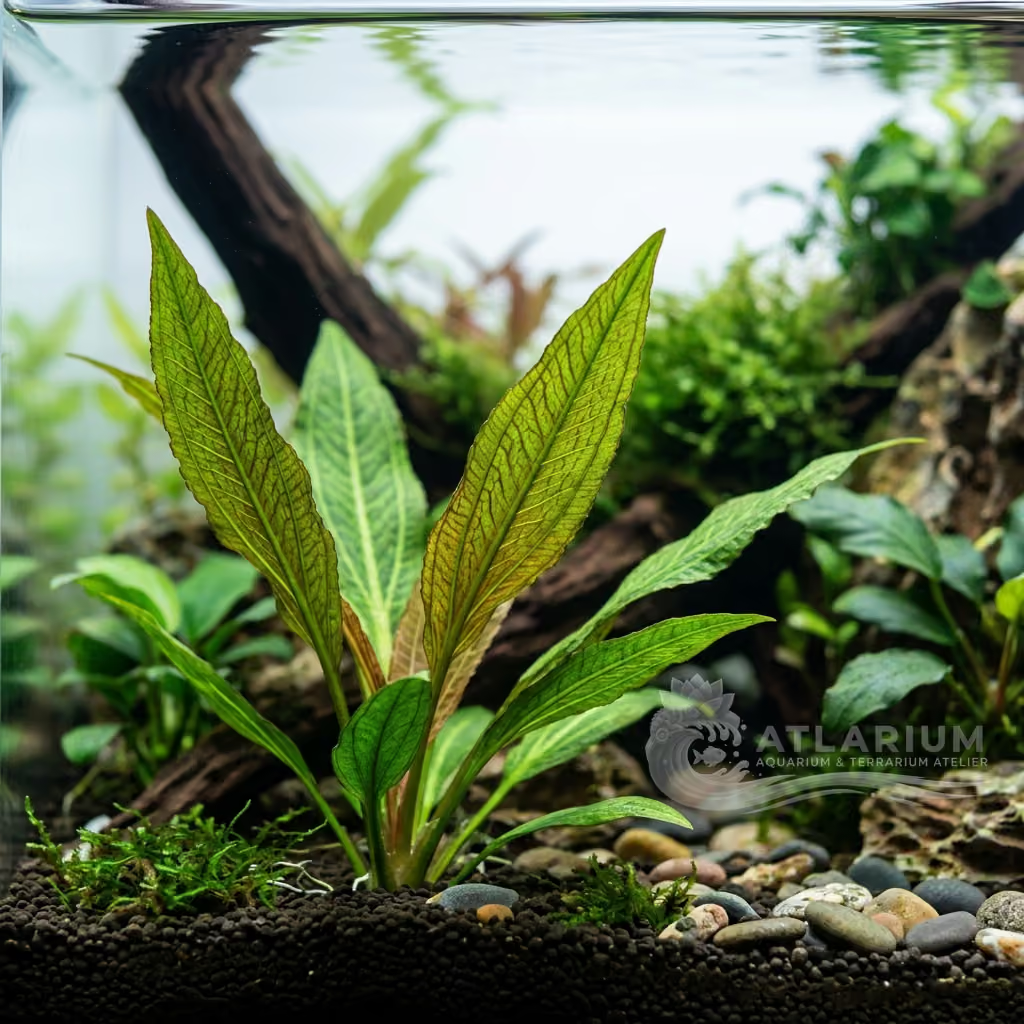
Lighting & CO2: To achieve the brightest pink coloration, this plant requires moderate to high lighting (at least 0.7 watt per liter or high PAR levels). In low-light conditions, the leaves tend to turn a dull, olive-green color. CO2 injection is highly recommended; although it can survive without it, CO2 significantly speeds up its otherwise very slow growth rate.
Nutrition & Substrate: It requires a nutrient-rich substrate containing iron and trace minerals. A fertile base soil or the regular placement of root tabs near the rhizome is essential to prevent leaf fading. Supplemental liquid fertilization with chelated iron will help maintain the bright magenta and pink tones of the newer leaves.
Water Chemistry: It prefers soft, slightly acidic to neutral water, with a pH range of 6.0 to 7.5 and a KH range of 0 to 14. The optimal water temperature is between 22 and 28 °C, although it can tolerate lower temperatures down to 12 °C for short periods. Avoid sudden shifts in water parameters to minimize leaf stress.
Space Management & Placement: Lagenandra meeboldii 'Pink' reaches a height of 20-30 cm and a similar diameter, making it an ideal focal point for the midground or foreground of large aquariums. Because of its slow growth, it should be placed where it will not be easily shaded or overgrown by fast-growing stem plants.
Pruning: Very little pruning is needed. Simply remove old or decaying leaves by cutting the petiole close to the rhizome base with sharp scissors. If the creeping rhizome grows too long, it can be cut into sections containing at least 3-4 leaves and replanted to create new plants.
Risks & Diseases: The main risk is leaf melt caused by transplant stress or sudden changes in water chemistry (similar to Cryptocoryne melt). Additionally, due to its slow growth and tough leaf texture, this variety is susceptible to Black Brush Algae (BBA) if there are water column nutrient imbalances or poor water circulation.

Geographic origin and distribution
Lagenandra meeboldii 'Pink' originates from the state of Kerala and other wet forest areas of southwestern India, situated along the shaded streams of the Western Ghats. It lives in amphibious environments along the muddy and rocky margins of slow-flowing rivers. During the monsoon season, it grows completely submerged by fast-flowing waters, whereas in the dry season it lives emersed on damp mud, flowering and spreading laterally.
Origin
South and Southeast Asia

Plant profile
- Placement
- Midground
- It is best positioned as a striking focal point in the midground of the aquarium. Its intense color contrasts dramatically with surrounding green plants and dark hardscape materials. Due to its sprawling growth habit, ensure it has plenty of horizontal room to expand without shading smaller plants.
- Botanical form
- Rosette
- The plant displays beautiful, broad, ovate leaves that range from dusty pink to deep purple depending on conditions. The leaf margins are often undulating, and the foliage emerges from a thick, creeping rhizome. The contrasting veins on the colored leaves add an intricate textural detail.
- Growth
- Slow
- This cultivar grows at a slow to moderate pace, taking time to establish an extensive root system before producing significant new foliage. The slow growth rate makes it easy to maintain once established, requiring very infrequent trimming. Higher light and CO2 can slightly accelerate its growth.
- Substrate
- High
- Lagenandra meeboldii "Pink" demands a fertile, nutrient-dense substrate like aqua soil to sustain its striking pinkish foliage and robust growth. Its root system is vigorous, reaching deep into the substrate to extract essential macro and micronutrients needed for optimal health. Care must be taken to ensure the thick rhizome rests comfortably on the substrate surface, with only the roots descending into a sufficiently deep soil bed to anchor the plant securely.
- Column fertilization
- Recommended
- Regular column fertilization, particularly with iron and trace elements, is crucial for expressing its best colors. While it relies heavily on root feeding, liquid dosing ensures the developing leaves have immediate access to necessary micro-nutrients. Maintain a balanced NPK ratio to prevent algae on its slow-growing leaves.
- Root fertilization
- Required
- A nutrient-rich substrate or the insertion of high-quality root tabs near the rhizome is highly beneficial. The plant develops a massive, deep root system that actively feeds from the soil. Rich soil significantly enhances the size, health, and color intensity of the foliage.
- Trimming
- Occasional
- Maintenance is minimal, consisting mainly of removing older, fading, or algae-covered leaves. Use sharp scissors to cut the petiole near the rhizome, taking care not to nick or cut the main rhizome body. Never bury the rhizome when replanting or maintaining, as this can induce rot.
- Propagation
- Division
- Propagation is done by separating mature side shoots or carefully dividing the main rhizome. Ensure each division has a healthy section of rhizome, several robust leaves, and established roots. Replant the divisions with the rhizome exposed above the substrate surface.
- Sensitivity
- Moderate
- It can be sensitive to dramatic shifts in water parameters, which might trigger 'crypt melt' where the leaves dissolve. Stable water chemistry, temperature, and CO2 levels are vital for long-term success. It requires moderate to high lighting to maintain its pink hue; low light will cause it to revert to green.
- Layout role
- Midground, accent
- It is highly prized as a spectacular, colorful midground focal point that draws the eye. The broad, pink leaves provide an incredible contrast against bright green stem plants or dark wood. It serves as an excellent anchor plant around which to build a complex aquascape design.

Related species
Recommendations grouped by close relatives, companion choices, and similar care.