Cryptocoryne × willisii "nevillii"
Cryptocoryne × willisii "nevillii"
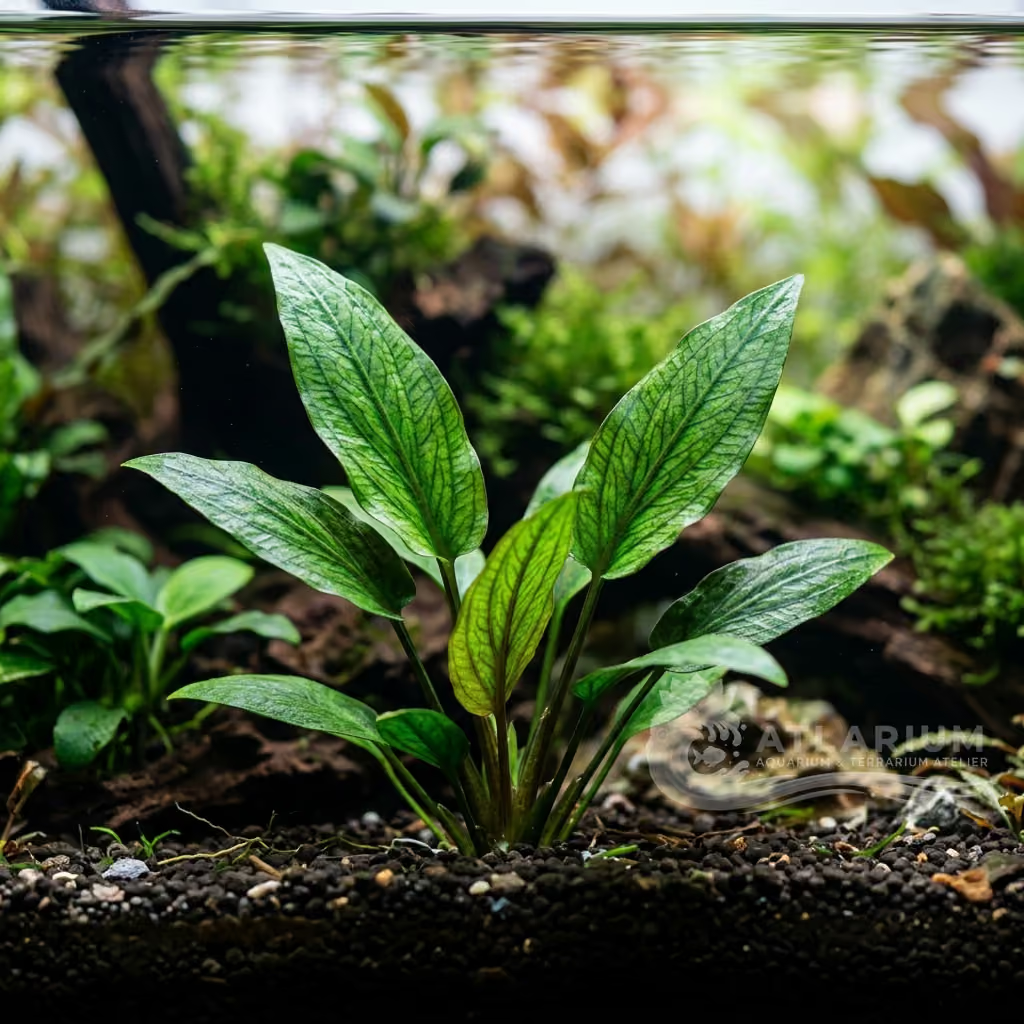
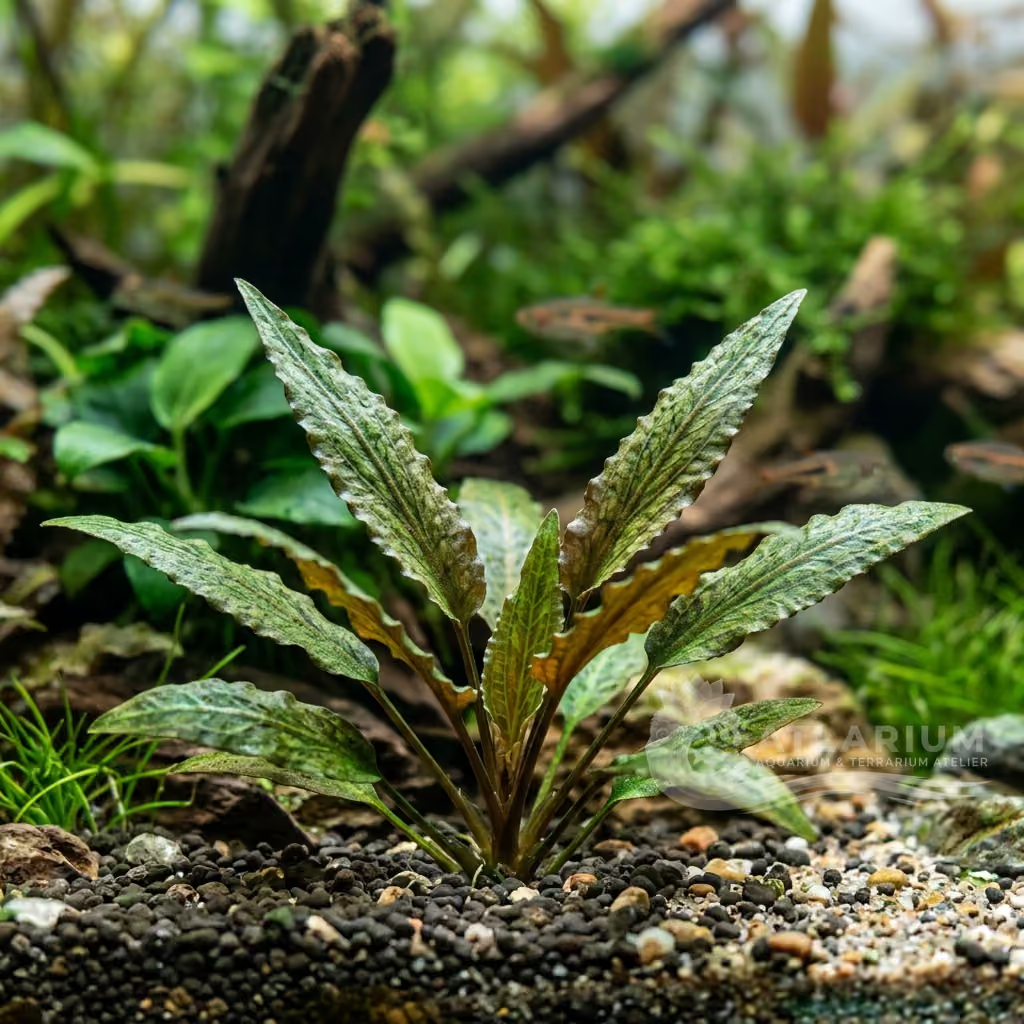
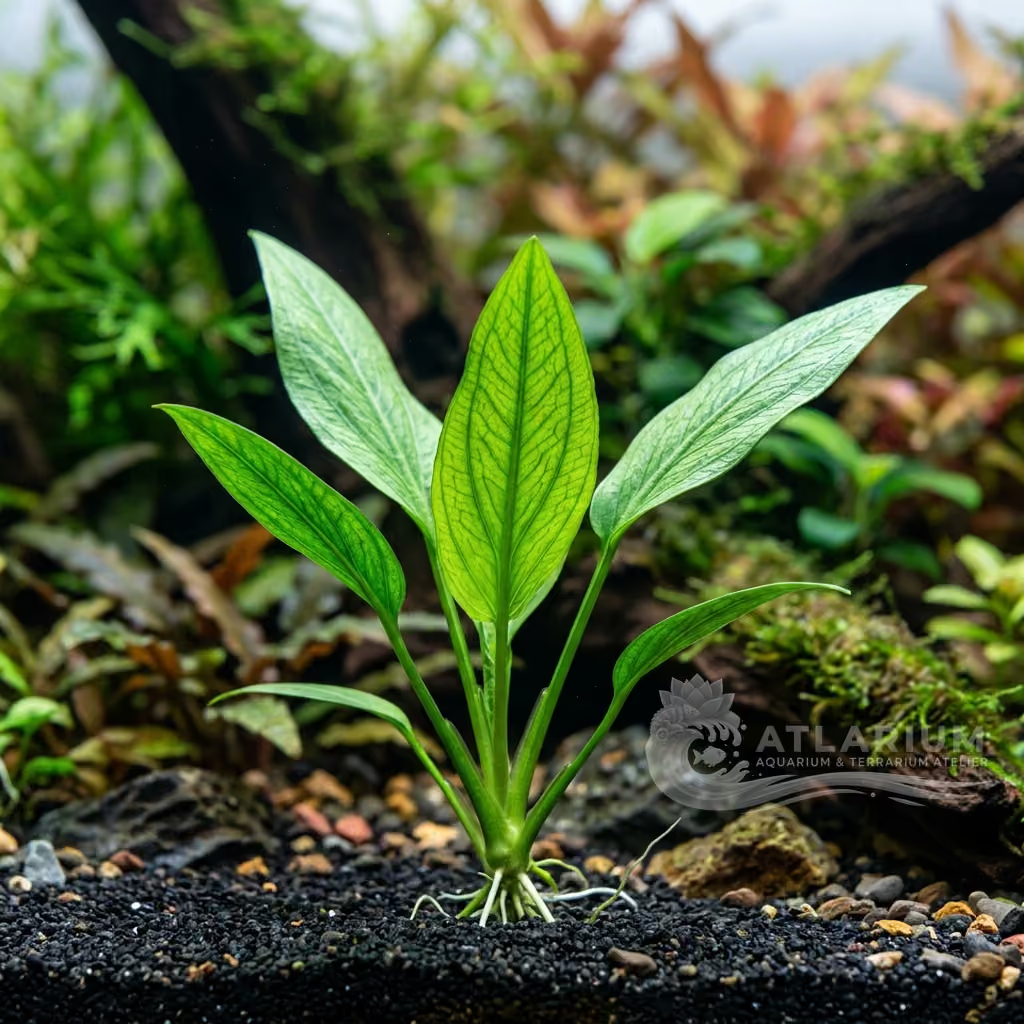
Cryptocoryne × willisii "nevillii" is an indestructible foreground carpet plant. With its stiff, bright green ovate leaves and short stature, it provides incredible stability and lush ground cover.
Water Temperature
20 - 28 °C
pH Value
6 - 8
Water type
Freshwater
Light
Low
CO2
Low
Expected height
10 cm
Expected width
10 cm
GH
4 - 20 dGH
KH
1 - 18 dKH

Species description
Geographical Origin and Habitat: Endemic strictly to the central, fast-flowing tropical rainforest streams of Sri Lanka. Cryptocoryne × willisii "nevillii" (often incorrectly sold under the invalid synonym C. nevillii) is an incredibly hardy, diminutive aquatic rosette plant. It thrives as a deeply resilient amphibious survivor, perfectly evolved to anchor its rapidly creeping rhizome into the dense mud and gravel banks of the river. It easily endures violent monsoonal floods by growing completely submerged, and easily survives emersed during seasonal droughts.
Taxonomy & Genetics: Scientifically classified within the Araceae family, the "×" in its name correctly denotes that it is a highly stable, naturally occurring wild hybrid species within the C. willisii complex. Taxonomically, it is the result of natural crossbreeding between the microscopic C. parva and C. beckettii. Genetically, "nevillii" perfectly splits the difference between its parents: it inherited the tiny, creeping nature of C. parva, but its genetics force the production of shorter, much wider, distinctively egg-shaped (ovate) green leaves.
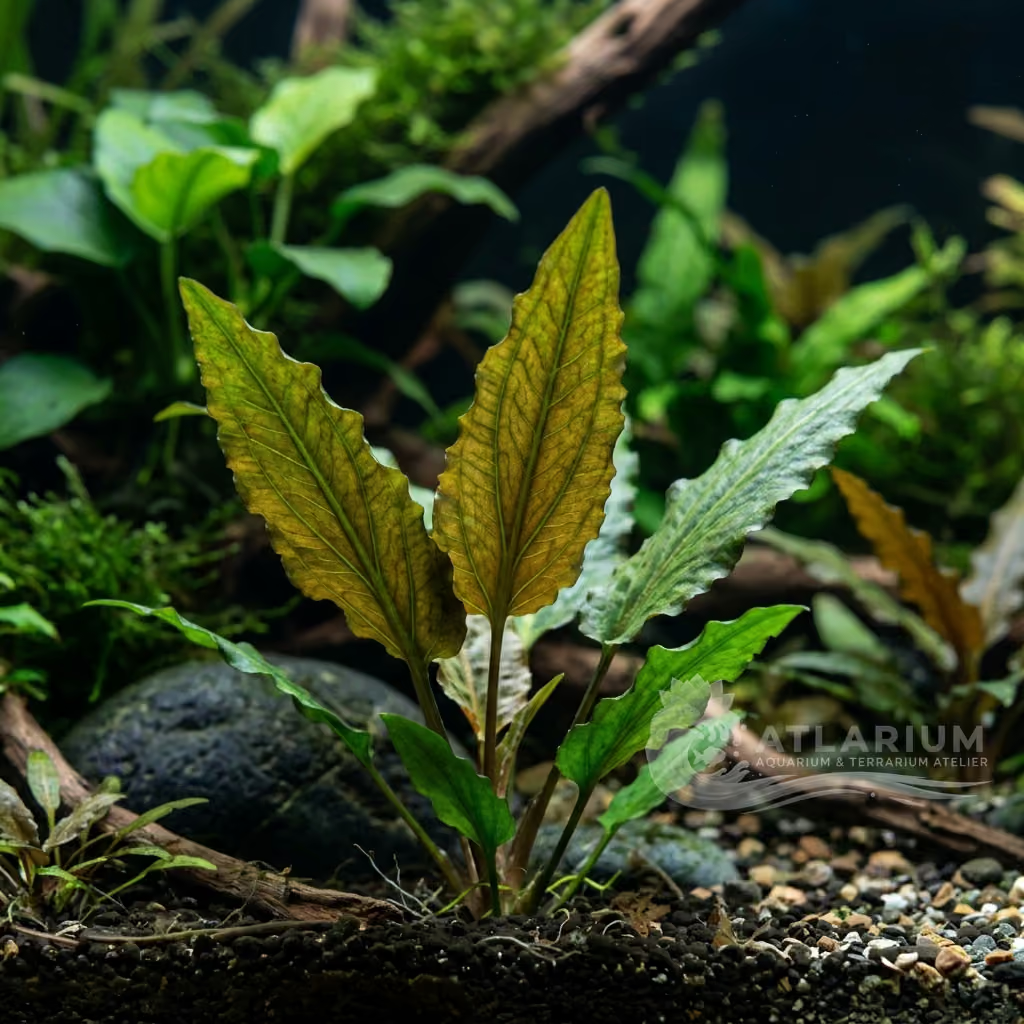
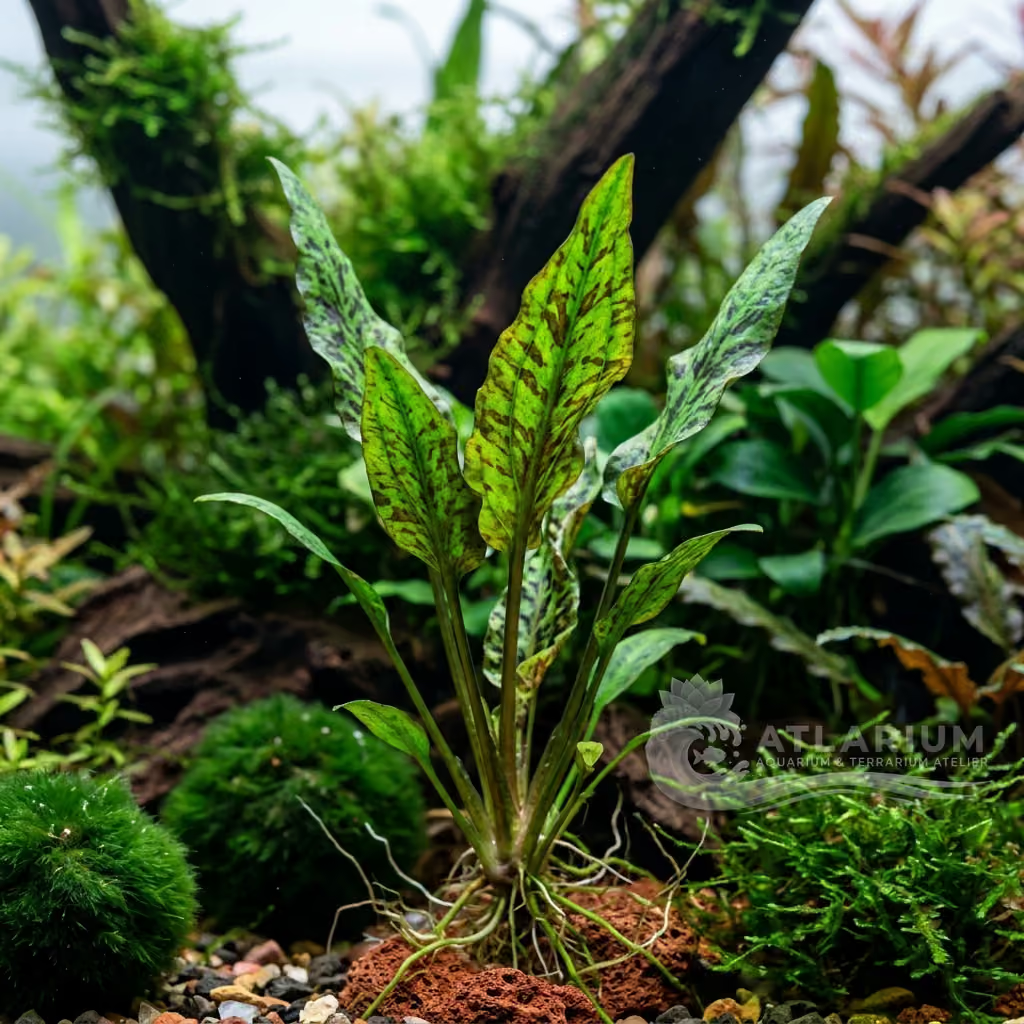
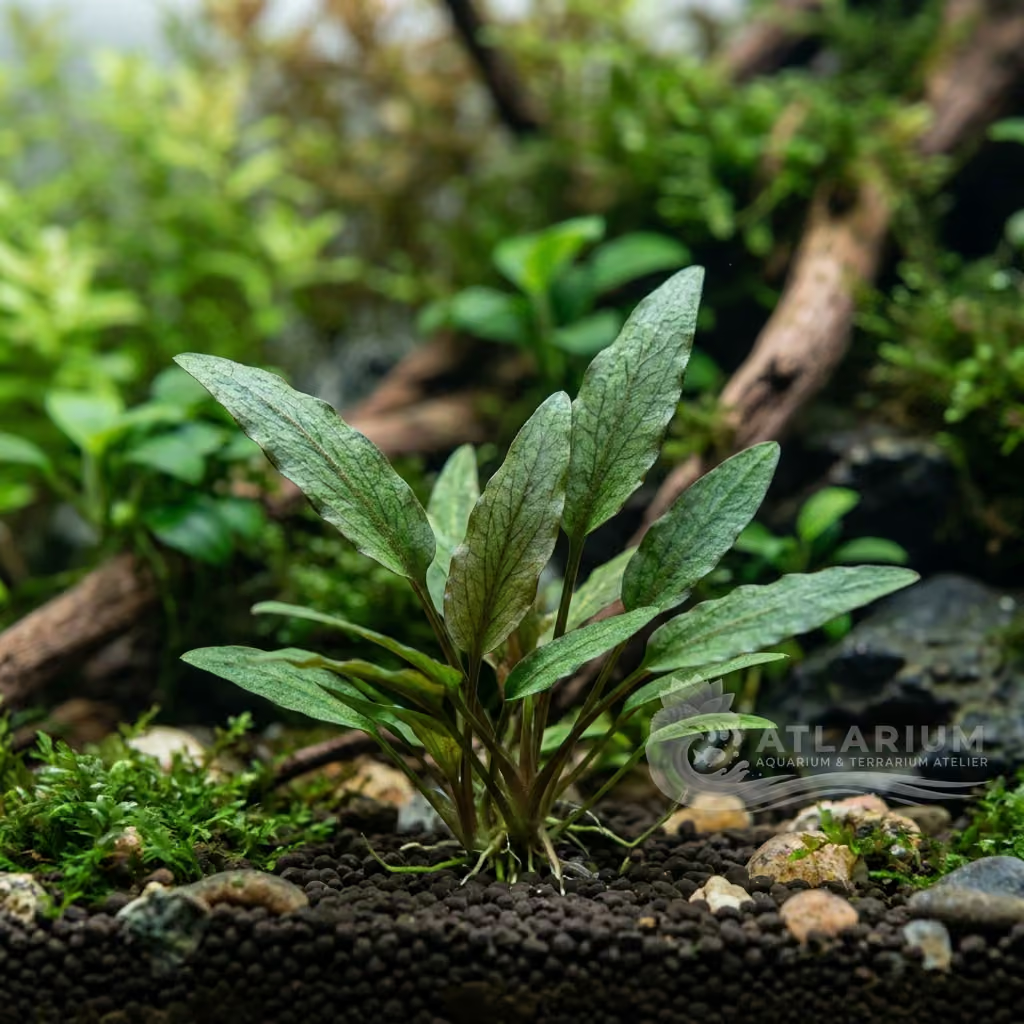
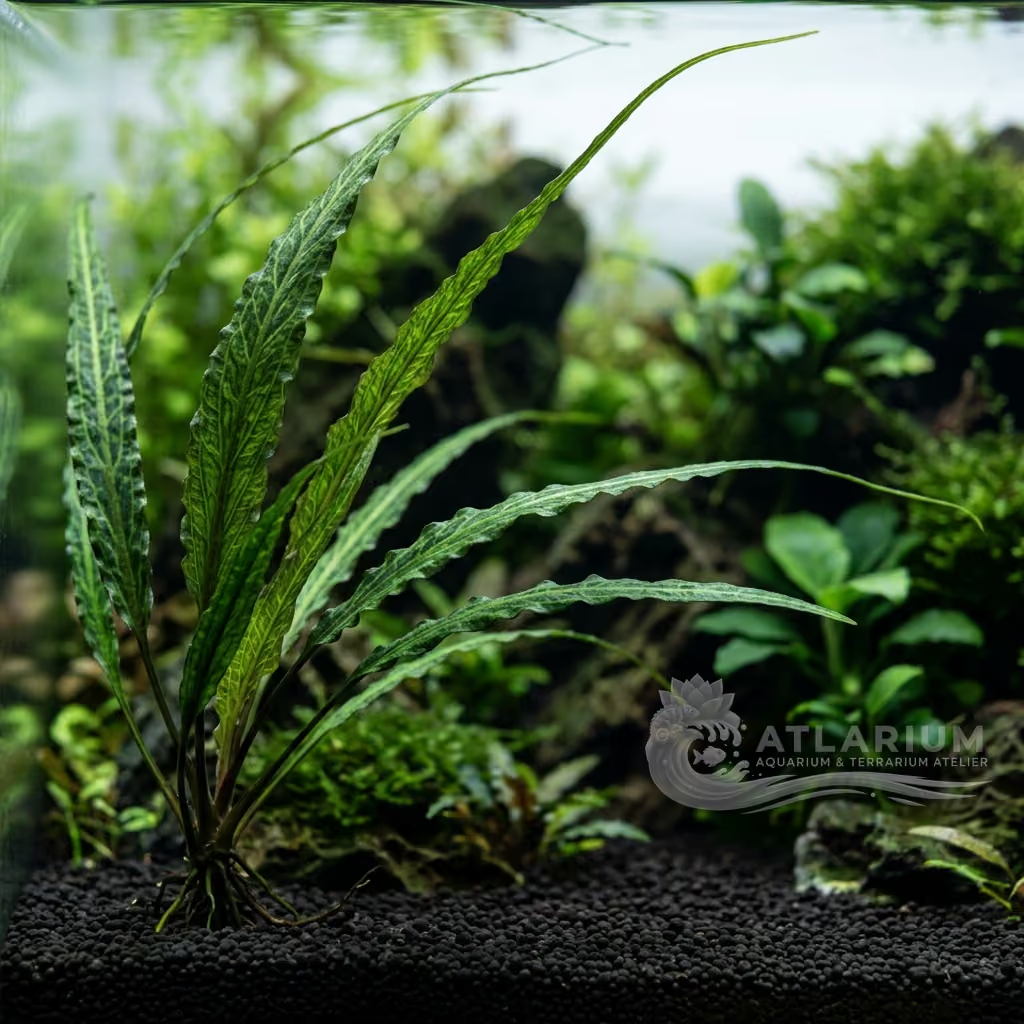
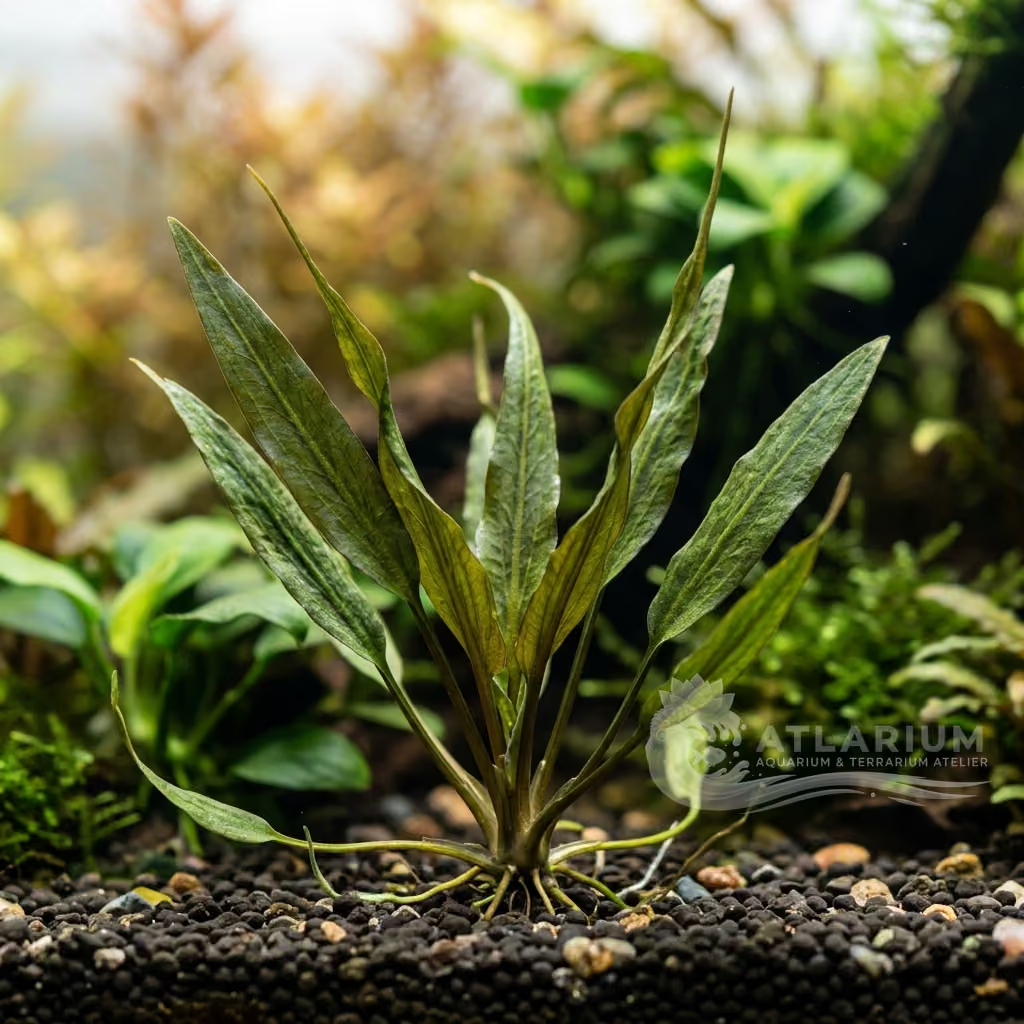
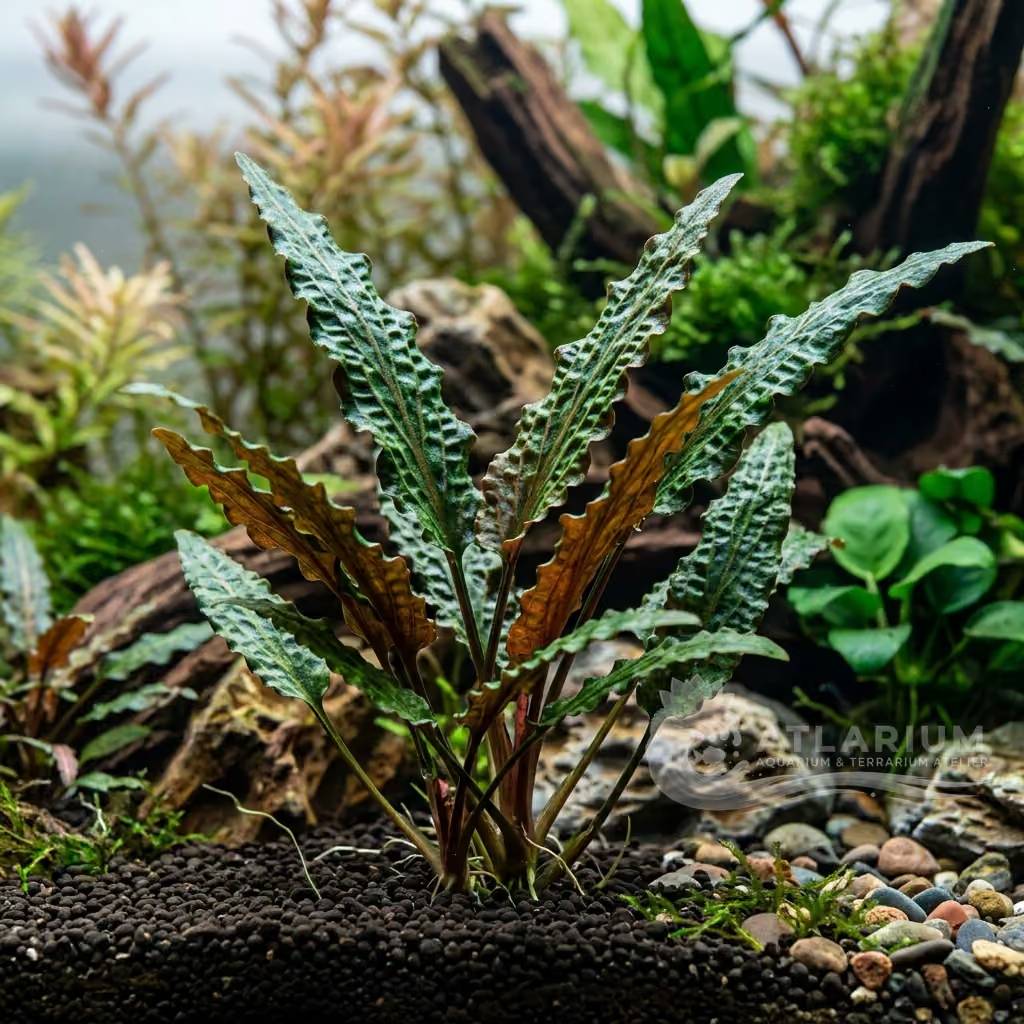
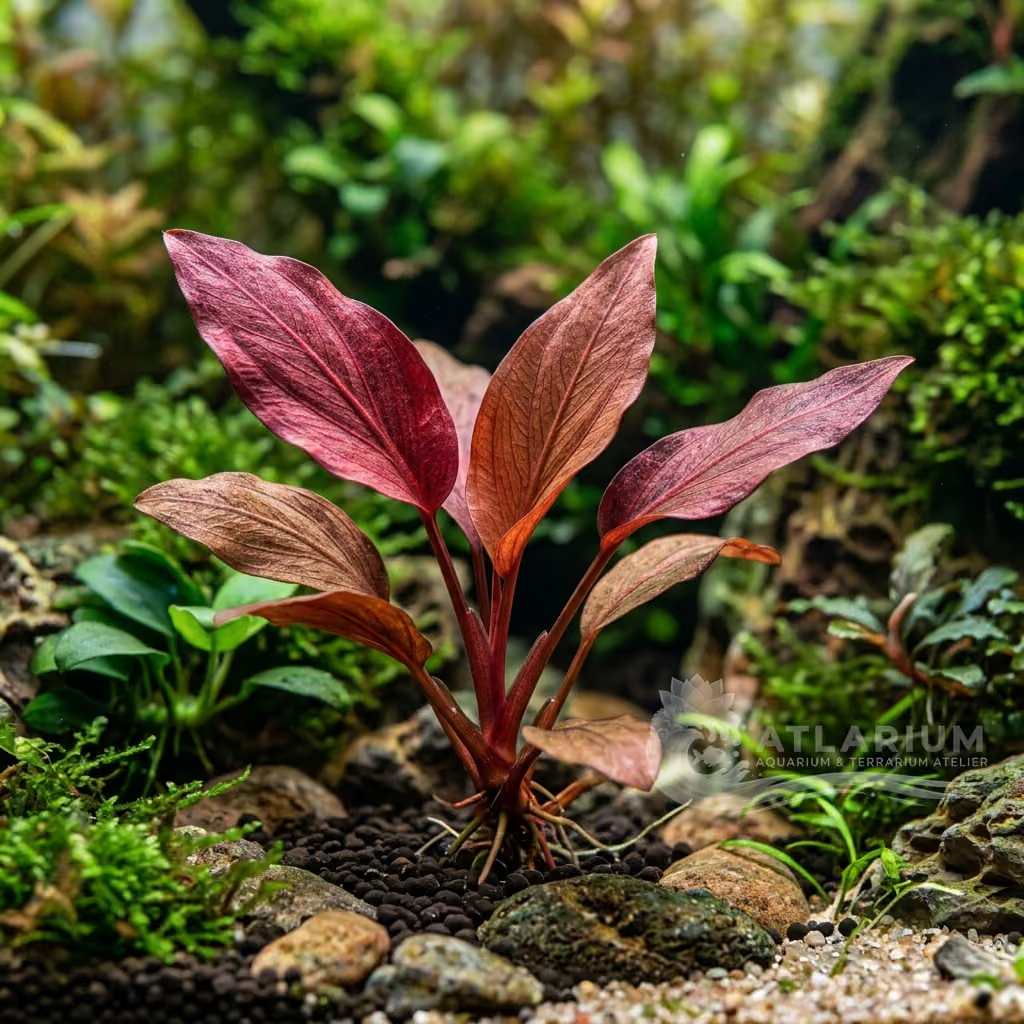
Physical Structure: The architectural structure of "nevillii" is deeply compact, highly diminutive, and intensely low-lying. It is a true rosette plant completely lacking vertical stems. The foundation is a massive, incredibly dense, creeping subterranean rhizome that deploys aggressive white roots deep into the substrate. The leaves emerge directly from the crown on distinct, stiff petioles. The defining feature is the foliage: strictly ovate (egg-shaped), remarkably short and blunt (rarely exceeding 5-8 cm), and perfectly flat, lacking any wavy margins.
Color & Texture: The coloration is distinctly pure, incredibly clean, and flawless. Grown submerged under standard lighting, the stiff, egg-shaped leaves are a solid, highly uniform apple-green to vivid bright emerald. Crucially, its hybrid genetics completely suppress the production of any brown or red anthocyanin pigments; the plant remains strictly pure green even under intense, blasting LED light. The texture is famously smooth, highly rigid, and noticeably thick, feeling exactly like a piece of heavy, cut green leather.

Care, breeding and tankmates
Lighting & CO2: It is an incredibly forgiving, highly adaptable plant universally prized as an indestructible foreground carpet. It effortlessly survives in deeply shaded environments, though its distinctively short, egg-shaped leaves will stretch upward to find light. To force the plant to grow tightly compact, stay brutally flat against the substrate, and rapidly spread laterally, medium to high LED lighting is strictly recommended. Pressurized CO2 is completely unnecessary for survival, but drastically accelerates its famously slow carpeting speed.
Nutrition & Substrate: As a highly specialized Sri Lankan Cryptocoryne hybrid, "nevillii" is an absolute, obligate root feeder. Its massive, aggressive root system strongly demands a mature, nutrient-dense substrate (minimum 5 cm / 2 inches deep). It absolutely demands premium fine aquasoil or a mature, sandy gravel bed heavily enriched with iron-rich root tabs directly beneath the rhizome. If planted in sterile, inert gravel without heavy root supplementation, it will instantly stunt, turn pale yellow, and melt away. It absorbs virtually zero nutrition from the water.
Water Chemistry: Originating from the fast-flowing streams of Sri Lanka, it is practically invincible regarding standard water parameters. It thrives effortlessly in heated tropical aquariums (22-26°C) and is exceptionally adaptable, comfortably tolerating both soft, acidic blackwater and moderately hard, highly alkaline tap water (pH 6.0 - 8.0). The single most critical environmental requirement is absolute chemical stability. It drastically prefers highly stable parameters over perfectly optimized ones. It prefers moderate water flow to keep its smooth leaves clean.
Space Management & Placement: Due to its microscopic size (5-8 cm height), aggressively rigid, blunt egg-shaped leaves, and relentless creeping habit, "nevillii" is the ultimate, bulletproof foreground carpeting plant. It is an elite alternative to demanding carpets like HC Cuba. It MUST be planted as individual nodes spaced exactly 2 cm apart directly against the front glass. Because it spreads via creeping subterranean runners, it will eventually merge to form a stunning, perfectly uniform, pure-green, heavily textured lawn that requires literally zero trimming.
Pruning: Pruning is virtually non-existent because the plant never grows tall. Never attempt to trim the thick, egg-shaped leaves in half; the cut edge will instantly turn black, rot, and destroy the clean aesthetic. To prune dead, yellowing, or algae-covered leaves, you must reach down to the absolute base of the rosette and cleanly snap or slice the stiff petiole directly at the gravel line. To manage its relentless, lateral carpeting spread, physically dig into the substrate and cleanly sever the subterranean runner connecting the clone to the mother rhizome.
Risks & Diseases: The absolute greatest threat to the "nevillii" hybrid is the infamous "Crypt Melt." This species is violently sensitive to sudden, extreme environmental instability. A rapid change in pH, a massive water change with cold water, or forcefully uprooting the established carpet will trigger a violent biological panic, causing all the beautiful green egg-shaped leaves to dissolve into a slimy mush within 24 hours. However, the thick creeping subterranean rhizome is completely indestructible; do not remove the roots, and the entire carpet will regrow.

Geographic origin and distribution
Endemic strictly to the central, fast-flowing tropical rainforest streams of Sri Lanka. Cryptocoryne × willisii "nevillii" (often incorrectly sold under the invalid synonym C. nevillii) is an incredibly hardy, diminutive aquatic rosette plant. It thrives as a deeply resilient amphibious survivor, perfectly evolved to anchor its rapidly creeping rhizome into the dense mud and gravel banks of the river. It easily endures violent monsoonal floods by growing completely submerged, and easily survives emersed during seasonal droughts.
Origin
South and Southeast Asia

Plant profile
- Placement
- Foreground
- Ideal for the foreground or midground depending on the tank size, forming dense and attractive clusters. Its compact size makes it perfect for filling gaps between rocks and wood. It can also be used as a carpeting plant in smaller aquariums.
- Botanical form
- Rosette
- Features small, lanceolate leaves with a bright green coloration and a slightly stiff texture. The plant forms compact rosettes that spread outward through subterranean runners. Its leaves remain relatively short, giving it a neat, bushy appearance.
- Growth
- Slow
- Exhibits a slow to moderate growth rate, common among Cryptocoryne species. The pace can be slightly accelerated with root tabs and CO2 injection. Once established, it steadily expands to form thick groupings.
- Substrate
- High
- Cryptocoryne × willisii "nevillii" develops a short, rigid root structure that extracts nearly all of its nutritional needs directly from the substrate. Planting it in a high-quality aqua soil or a 4 to 6 cm bed of gravel fortified with root tabs is critical for maintaining its compact, oval-shaped leaves. It utilizes its roots not only to absorb nutrients but also to securely anchor itself and slowly multiply through underground runners. To prevent transplant shock and melting, the root zone should be left undisturbed once the plant is situated.
- Column fertilization
- Recommended
- Does not require intensive liquid fertilization but benefits from a comprehensive column supplement. Supplying macronutrients and micronutrients occasionally will prevent deficiencies. However, it primarily relies on its root system for nutrient uptake.
- Root fertilization
- None
- A nutrient-rich substrate or the regular addition of root tabs is highly recommended for this species. Strong root feeding promotes lush growth and helps prevent 'Crypt melt.' Establish a healthy root zone to ensure long-term vitality.
- Trimming
- Occasional
- Requires minimal trimming due to its slow growth and compact nature. Dead or decaying leaves should be removed at the base to maintain plant health and appearance. Avoid uprooting the entire plant when pruning, as it dislikes root disturbance.
- Propagation
- Rhizome division, Runners
- Propagates naturally by sending out underground runners that develop into new plantlets. These plantlets can be separated from the mother plant once they have formed sufficient leaves and roots. Simply cut the runner and replant the new rosette in the desired location.
- Sensitivity
- Moderate
- Susceptible to 'Crypt melt' if environmental parameters undergo sudden changes or during transplantation. Stable water conditions are key to keeping this plant healthy. It generally adapts well once established and resents being moved frequently.
- Layout role
- Midground, Foreground, Nano
- Serves as an excellent foreground to midground accent, providing a lush, green transition zone. Its dense growth pattern is great for creating natural-looking borders around hardscape elements. It contrasts beautifully with finer-leaved or reddish background plants.

Image gallery
Licensed images linked to the species or, when marked, to the closest representative taxon.

Related species
Recommendations grouped by close relatives, companion choices, and similar care.