Dracaena sanderiana
Dracaena sanderiana
Dracaena sanderiana, commonly known as Lucky Bamboo, is an iconic semi-aquatic plant. With its tough, variegated foliage, it serves as a spectacular, low-maintenance vertical accent in paludariums.
Water Temperature
22 - 28 °C
pH Value
6 - 7.5
Water type
Freshwater
Light
Low
CO2
Medium - High
Expected height
70 cm
Expected width
15 cm
KH
2 - 10 dKH

Species description
Geographical Origin and Habitat: Dracaena sanderiana is native to the tropical rainforests of Central Africa, particularly in Cameroon, Congo, and Gabon. In its natural habitat, it grows as an understory plant in humid forests, rooting in constantly wet soils along riverbanks and swampy areas. It is a bog plant adapted to periodic flooding, but it is not a true submerged aquatic plant, as it requires its foliage to remain in the air to carry out normal life processes.
Taxonomy & Genetics: It belongs to the Asparagaceae family (subfamily Nolinoideae), genus Dracaena. It is commonly known worldwide by the trade name "Lucky Bamboo," despite having no genetic or taxonomic connection with true bamboos (family Poaceae). Stable genetics and marked hardiness allow it to tolerate extremely nutrient-poor environments and low-light conditions, surviving for long periods in plain water.
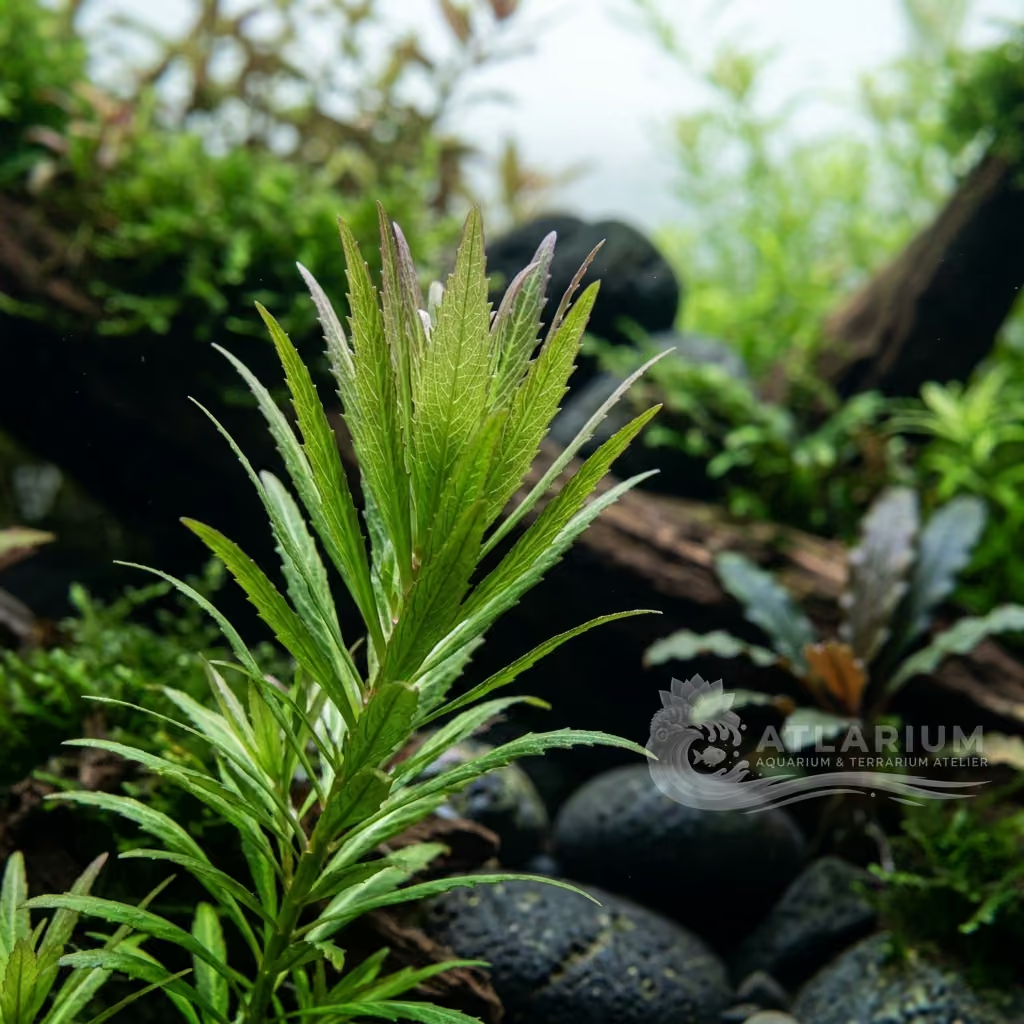
Physical Structure: It exhibits an erect growth habit with segmented, flexible woody stems that resemble small bamboo shoots. The leaves are arranged in a spiral along the stem, lanceolate-linear, pointed and slightly curved, with a leathery texture. The root system, when grown in water or wet substrates, is composed of fibrous roots of bright orange or reddish
Color & Texture: The stem and leaves present a uniform bright green coloration, sometimes with lighter or yellowish longitudinal stripes in response to variations in light exposure. The leaf surface is smooth, waxy, and glossy, while the segmented texture of the stem gives the plant a geometric, neat appearance, highly valued for decorative and ornamental purposes.

Care, breeding and tankmates
Lighting & CO2: Prefers low to moderate, diffused lighting. Avoid exposure to direct sunlight, which could burn the emersed leaves. CO2 has no utility in the aquarium for this plant, as the leaves must be kept emersed to absorb carbon dioxide directly from the air.
Nutrition & Substrate: Does not require a fertile substrate or specific soil; roots can be left bare in
Water Chemistry: Extremely adaptable to water chemistry, tolerating a wide pH range (6.0-8.0) and hardness. It is sensitive to high concentrations of chlorine and fluoride present in un-chlorinated tap water. The optimal water temperature ranges between 15°C and 30°C.
Space Management & Placement: In the aquarium, it must be positioned with the roots and the lower part of the stem submerged, while the foliage must remain emersed (above the water surface). It is ideal for use in paludariums, ripariums, or open-top aquariums. If grown completely submerged, the plant will decline and rot within a few months.
Pruning: Growth is moderate and regular. Pruning is done by cutting the main stem at the desired height with sharp, sanitized shears; the topped portion will quickly develop new roots if placed in water, while the original stem will produce new lateral shoots from the nodes below the cut.
Risks & Diseases: The main risk is stem rot due to completely submerged cultivation or stagnant water conditions. Leaves may turn yellow due to excess direct light or severe iron deficiency. It is advisable to keep the roots free of excessive organic debris.

Geographic origin and distribution
Dracaena sanderiana is native to the tropical rainforests of Central Africa, particularly in Cameroon, Congo, and Gabon. In its natural habitat, it grows as an understory plant in humid forests, rooting in constantly wet soils along riverbanks and swampy areas. It is a bog plant adapted to periodic flooding, but it is not a true submerged aquatic plant, as it requires its foliage to remain in the air to carry out normal life processes.
Origin
Africa and Madagascar

Plant profile
- Placement
- Midground
- This plant should be placed in the background or emersed sections of a paludarium or open-top aquarium. It is crucial that the leaves remain above the water surface to prevent rotting over time. The stems can be submerged, but fully submerging the entire plant will lead to its eventual demise. Position it where it can receive adequate light without shading smaller foreground species.
- Botanical form
- Stem
- Known commonly as Lucky Bamboo, it features strong, segmented green stalks that resemble bamboo, though it is not a true bamboo. The leaves are lanceolate, slightly glossy, and grow in an alternating pattern from the top of the stem. It has a rigid, upright architectural form that adds vertical interest. The roots are fibrous and form a dense mat at the base of the submerged stem.
- Growth
- Medium
- The growth rate of this species is relatively slow, especially when kept indoors or in aquatic setups. It will steadily produce new leaves from the top while the lower stem becomes bare and woody. You won't need to prune it often due to its slow-paced development. Patience is required, but its hardiness makes it a rewarding choice for patient hobbyists.
- Substrate
- None
- Dracaena sanderiana, commonly known as Lucky Bamboo, is not a true aquatic plant and should not be fully submerged in an aquarium. In a terrarium or paludarium setting, it prefers a well-draining, loose substrate such as gravel or a mix of soil and sand. The root system is tough and fibrous, anchoring best in 5-8 centimeters of substrate where it can stay damp but never fully waterlogged. It primarily absorbs water and dissolved nutrients directly from the moist environment rather than requiring a highly fertile soil.
- Column fertilization
- Optional
- Liquid fertilization is beneficial when the plant is rooted in the water column or a soilless setup. Use a comprehensive aquarium fertilizer sparingly to supply essential micronutrients and macronutrients. Since it is a slow grower, it does not consume nutrients rapidly, so over-dosing should be avoided. Water column dosing primarily benefits the submerged root system.
- Root fertilization
- None
- Root fertilization is very effective if the plant is potted or placed in a nutrient-rich substrate. Root tabs or a soil-based substrate will encourage strong root development and thicker stems. When grown in gravel or sand, targeted root feeding becomes more important for long-term vitality. Healthy roots will anchor the heavy upper portion of the plant securely.
- Trimming
- Occasional
- Trimming is rarely necessary due to its slow growth rate and upright habit. If the plant becomes too tall, you can cleanly cut the top section to control its height. The cut stem will often sprout new offshoots from the nodes just below the cut. Remove any yellowing or dead leaves at the base to maintain a tidy appearance.
- Propagation
- Cuttings
- Propagation is straightforward and is done by taking stem cuttings. Simply cut a healthy top portion of the stem and place it directly into water or moist substrate. The cutting will develop new roots from the submerged nodes within a few weeks. The original stem will also branch out, creating a fuller look.
- Sensitivity
- Moderate
- This plant is sensitive to fully submerged conditions; keeping its leaves underwater will cause them to decay. It is also sensitive to high levels of chlorine or fluoride in tap water, which can lead to brown leaf tips. Provide good air circulation around the emergent leaves to prevent fungal issues. Sudden drastic changes in water chemistry should be avoided.
- Layout role
- paludarium, riparium
- Dracaena sanderiana is perfect for adding height and a striking architectural element to open-top tanks or paludariums. Its bamboo-like appearance provides a distinct Asian aesthetic or a tropical jungle vibe. It bridges the gap between the aquatic and terrestrial zones beautifully. Use it as a focal point in the background where its stems can reach upwards toward the light.

Related species
Recommendations grouped by close relatives, companion choices, and similar care.