Sagittaria teres
Sagittaria teres
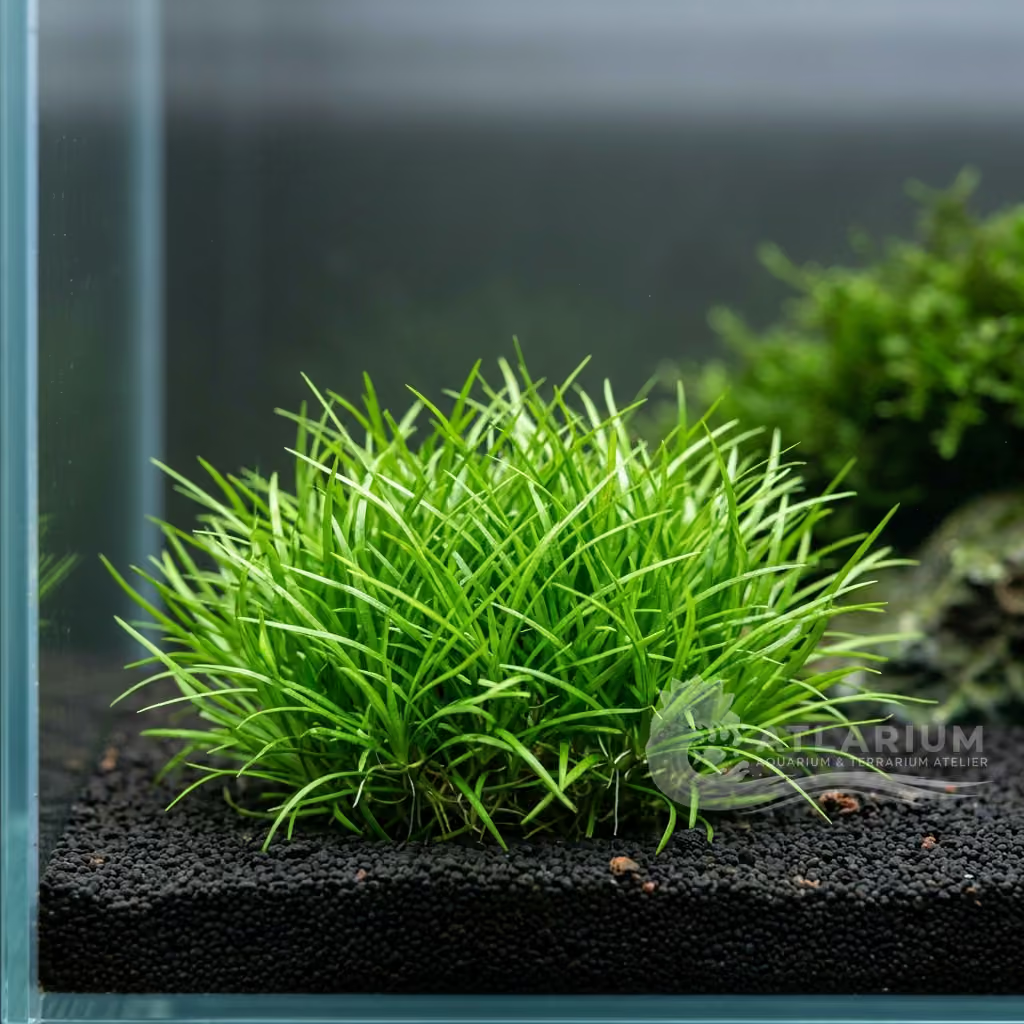
Sagittaria teres is a versatile aquatic plant, perfectly suited for the midground of an aquarium, forming dense carpets or bushy clumps. With a medium growth rate and ease of propagation via runners, it's an excellent choice for creating lush, green landscapes.
Water Temperature
15 - 28 °C
pH Value
5.5 - 7.5
Water type
Freshwater
Light
Medium - High
CO2
Low - High
Expected height
15 cm
KH
2 - 12 dKH

Species description
Geographical Origin and Habitat: Native to the eastern regions of North America, Sagittaria teres typically thrives in shallow aquatic habitats such as pond margins, lake edges, and slow-moving marshlands. It prefers mucky or sandy substrates rich in nutrients, where it can grow both submersed and emersed, demonstrating its remarkable adaptability to varying water levels. This natural resilience contributes significantly to its hardiness and versatility in the aquarium environment. Its presence in its native range often indicates healthy and balanced aquatic ecosystems, actively contributing to biodiversity by providing shelter and food for various aquatic species.
Taxonomy & Genetics: Sagittaria teres belongs to the Alismataceae family, a group of aquatic and wetland monocotyledonous plants widely distributed globally. Within the genus Sagittaria, famously known for its arrow-shaped leaves in many species, 'teres' is distinguished by its narrow, linear leaves, which give it a more grass-like appearance. Its phylogenetic classification places it as a close relative to other commonly aquascaped Sagittaria species, such as S. subulata, with which it can sometimes be confused due to similar leaf forms. However, S. teres typically remains smaller and exhibits more distinctly subulate or cylindrical leaves. Recent genetic studies continue to refine the understanding of precise relationships within the Sagittaria genus, highlighting their diverse adaptations to specific ecological niches.
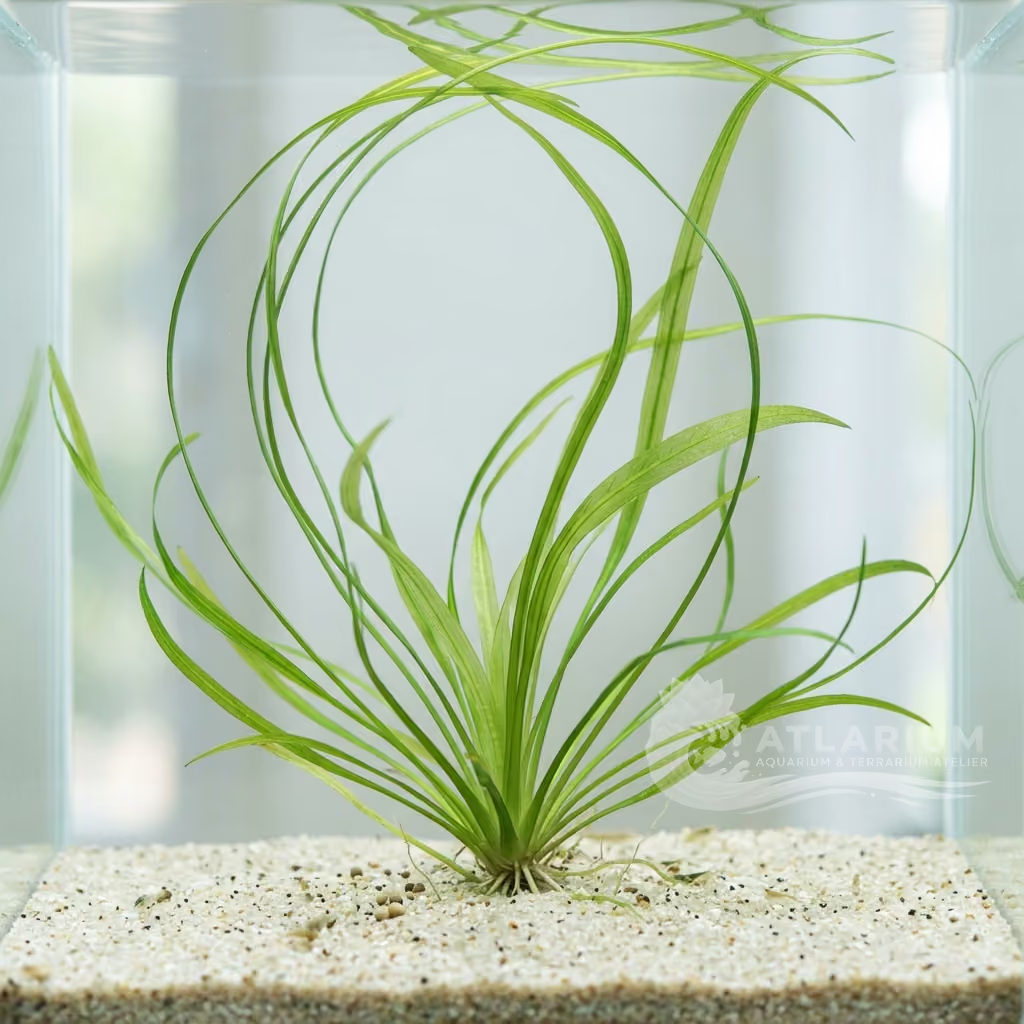
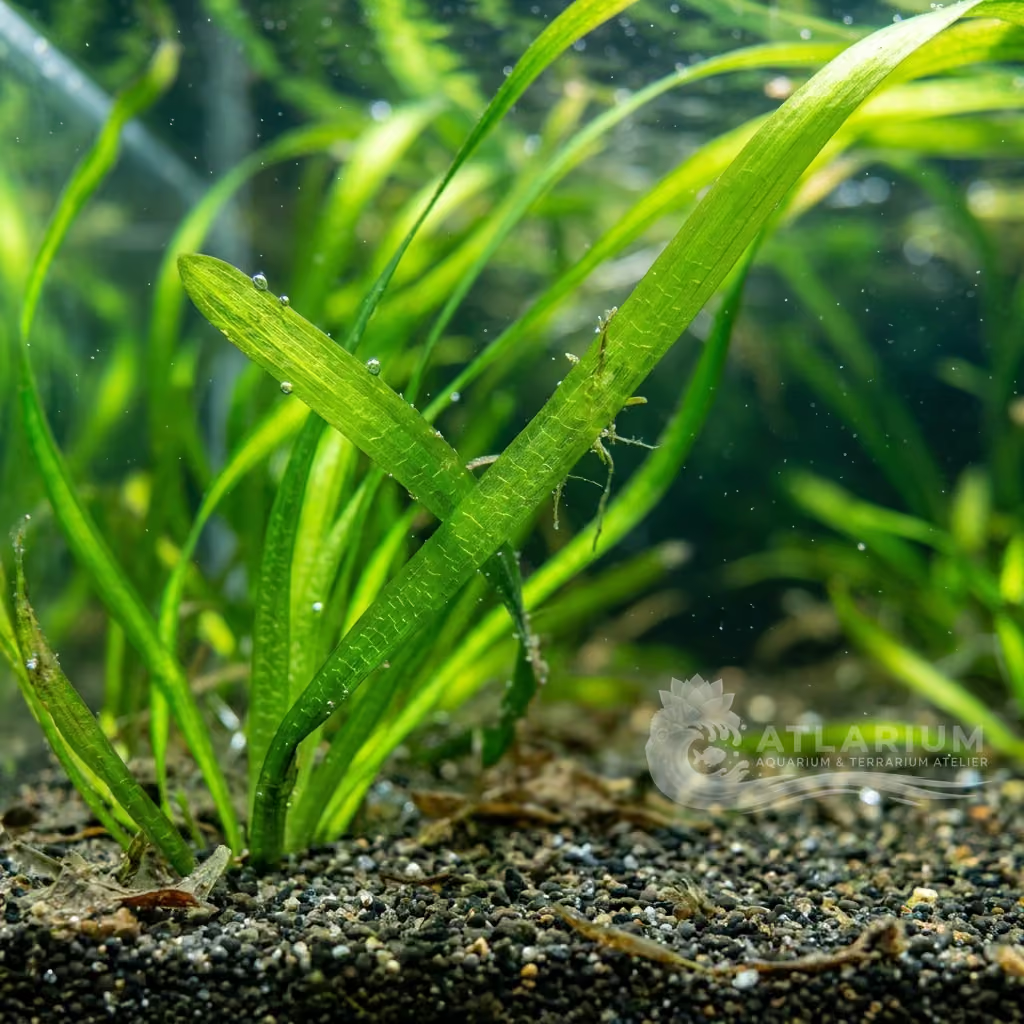
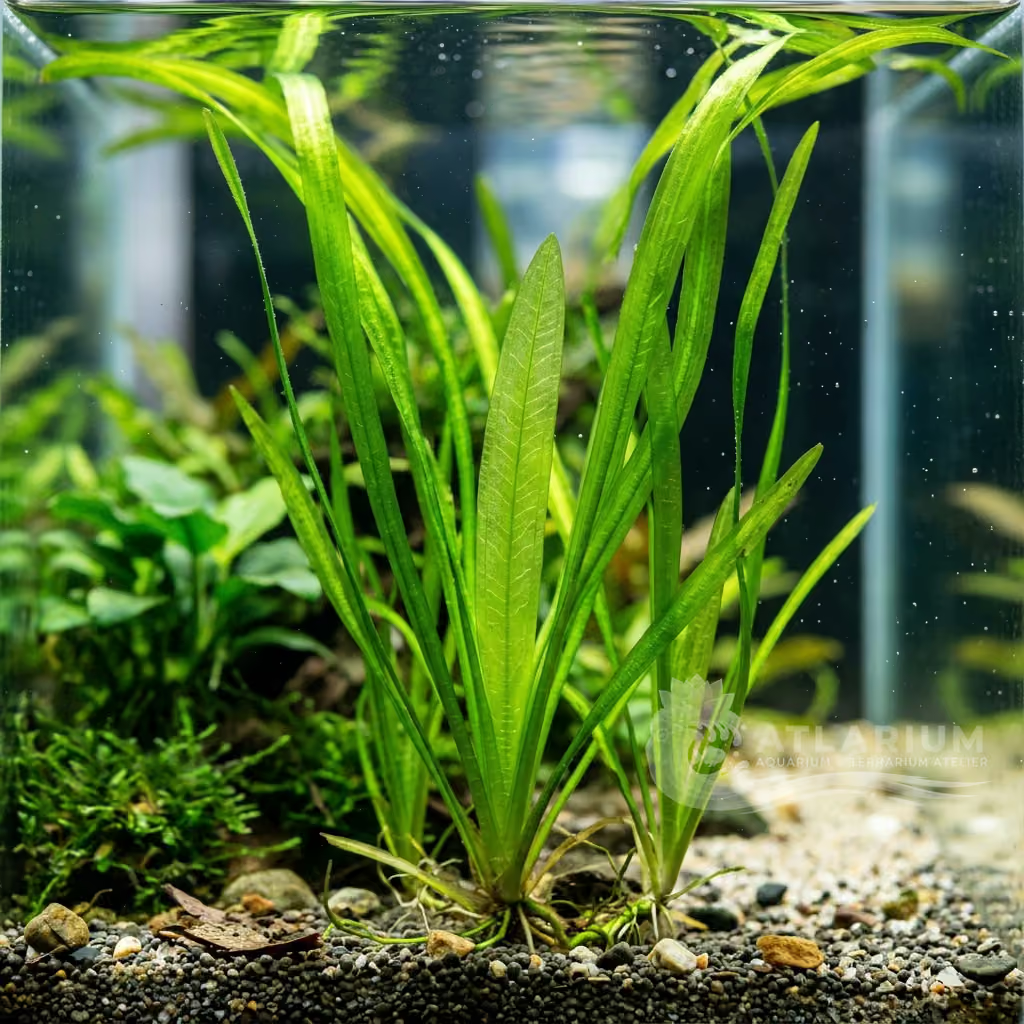
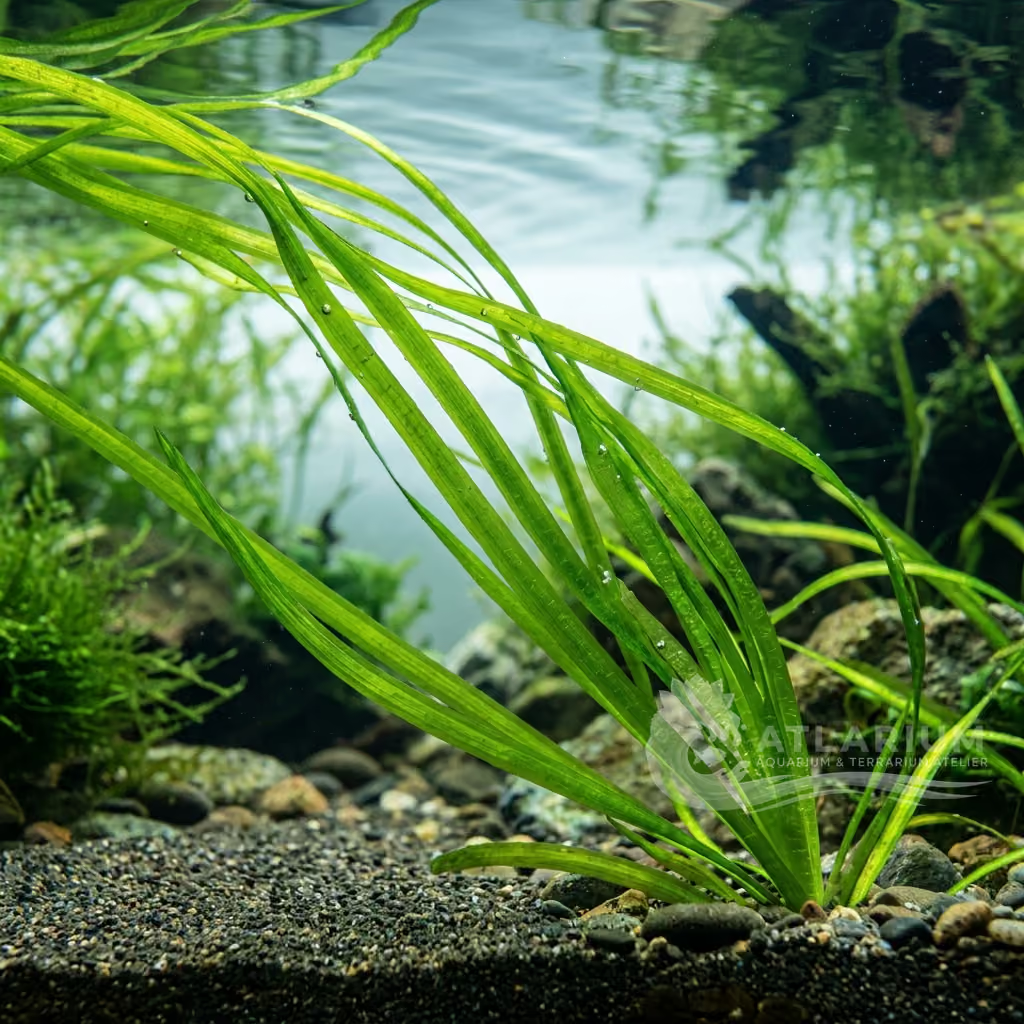
Physical Structure: Sagittaria teres features a compact and robust physical structure, characterized by a creeping rhizome that produces numerous runners, enabling the plant to spread horizontally and form dense carpets. Its leaves are narrow and linear, often described as subulate or subterete (partially cylindrical), typically reaching lengths of 5-15 cm in an aquarium, though they can grow longer under optimal conditions. These leaves emerge directly from a basal rosette, lending the plant a delicate, grassy appearance. The root system is well-developed and firmly anchored in the substrate, crucial for nutrient absorption and plant stability. The consistent production of new plantlets via runners makes this species exceptionally efficient at colonizing new areas and creating thick ground cover.
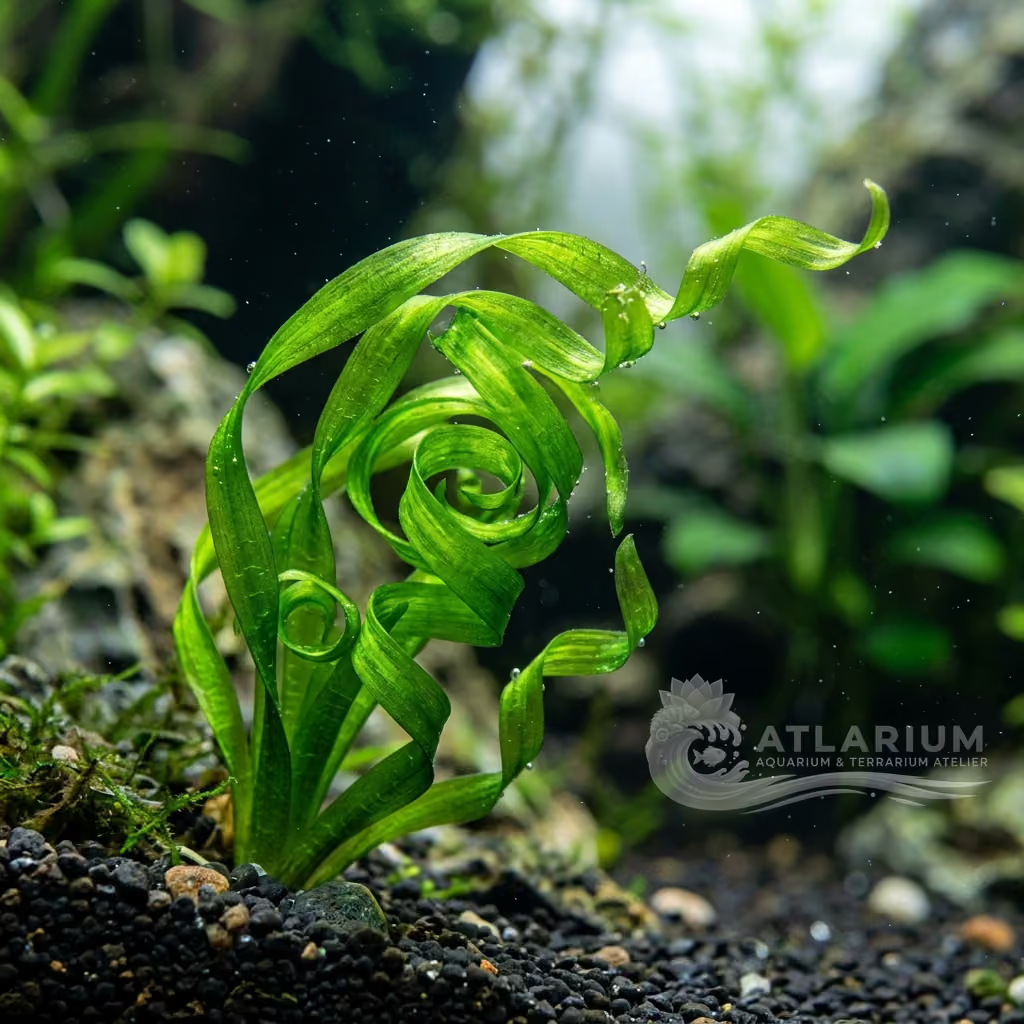
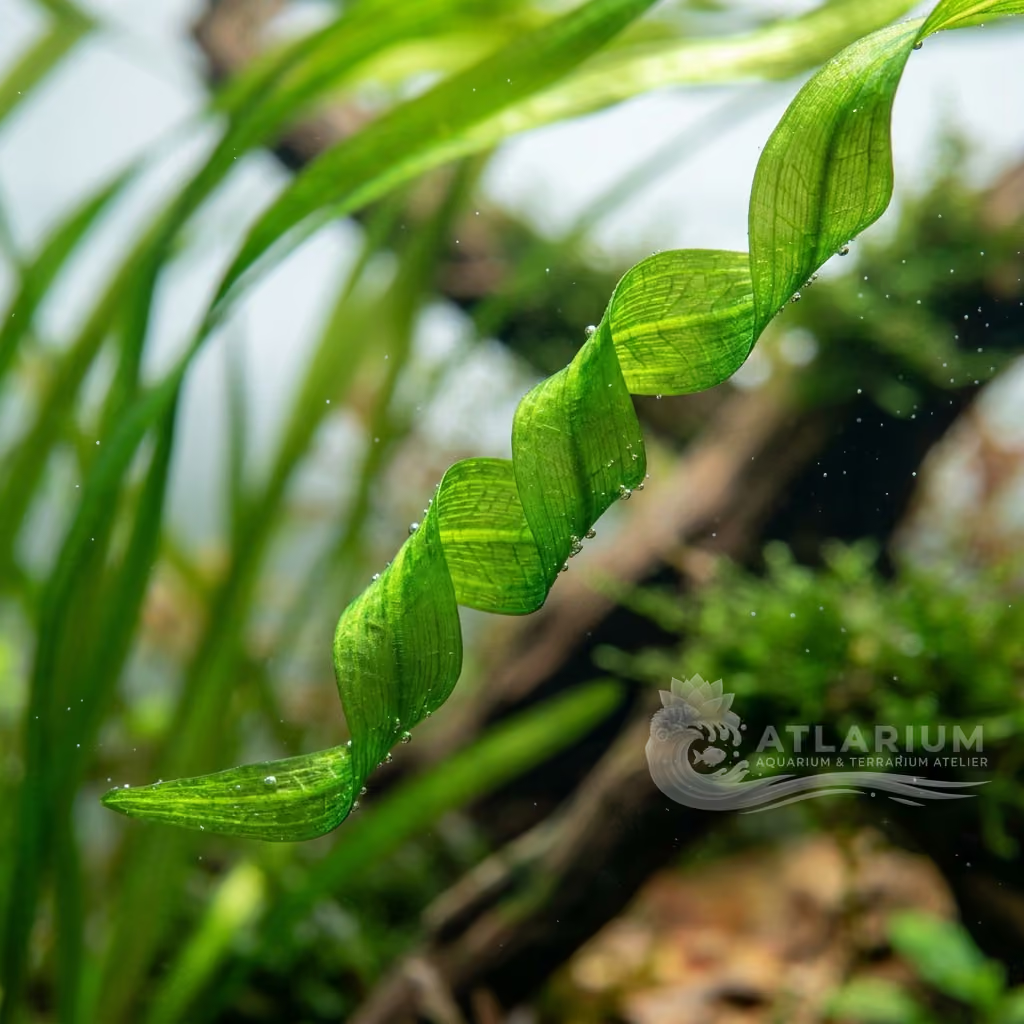
Color & Texture: The leaves of Sagittaria teres display a vibrant bright green hue, which can slightly vary in intensity depending on the lighting conditions and nutrient availability. Under more intense light and proper fertilization, the color can become more vivid and healthy, contributing to a lush appearance in the aquarium. The texture of the leaves is smooth and delicate yet resilient to water currents. This plant adds natural contrast and a sense of depth to aquascapes, especially when planted in groups. The overall impression is that of a vibrant underwater meadow, harmoniously integrating with other plants and decorative elements to create a visually balanced and attractive aquatic environment.

Care, breeding and tankmates
Lighting & CO2: Sagittaria teres thrives under medium light intensity, which is crucial for developing its best growth and vibrant color. An ideal photoperiod of 8-10 hours per day promotes healthy photosynthesis without excessively encouraging algal growth. While it can survive in lower light conditions, its growth will be slower, and its appearance less vigorous. CO2 injection, though not strictly essential, is highly recommended to stimulate faster, denser growth, facilitating the formation of a compact carpet and more robust leaves. CO2 levels between 15-25 ppm are generally optimal for this species. It is vital to carefully balance light and CO2 to prevent deficiencies or imbalances that could lead to unsightly algae growth.
Nutrition & Substrate: For optimal growth, Sagittaria teres greatly benefits from a nutrient-rich substrate, as it is primarily a root-feeding plant. The use of specialized planted aquarium substrates, enriched with clay and minerals, is highly recommended to provide a consistent nutritional base. Supplementing with root tabs, placed directly beneath the plant every 3-6 months, can further support its health and expansion. While it does absorb some nutrients from the
Water Chemistry: Water parameters for Sagittaria teres should be maintained within specific ranges to ensure its thriving health. The ideal temperature range is between 20 and 28 °C, providing a warm yet non-stressful environment. pH levels should be kept between 6.0 and 7.5, indicating a preference for slightly acidic to neutral waters, which are common in many tropical aquariums. Carbonate hardness (KH) between 2 and 12 dKH is acceptable, demonstrating tolerance to a rather wide range, but stable values are always preferable. General hardness (GH) should also be monitored, ideally between 3 and 15 dGH, to ensure the availability of calcium and magnesium. Maintaining these stable values through regular water changes and periodic testing is crucial for preventing stress and promoting healthy growth. Extreme fluctuations can lead to melting or slowed development.
Space Management & Placement: Sagittaria teres is an excellent plant for the midground of the aquarium, where its linear leaves can create a natural transition effect between shorter and taller plants, or effectively conceal the bases of driftwood and rocks. However, given its modest stature, it can also be successfully used as a foreground plant, especially in larger aquariums or to establish a dense, grassy carpet. Its tendency to spread via runners makes it ideal for covering significant areas. When planting, it's advisable to insert small groups of 3-5 stems approximately 2-3 cm apart to encourage rapid colonization and uniform growth. Ensure sufficient space between groups to allow runners to develop without immediate overcrowding. Its versatility makes it suitable for natural, Dutch, and Iwagumi layouts.
Pruning: Pruning Sagittaria teres is a relatively straightforward yet essential task for maintaining its desired form and preventing excessive overcrowding. When the plant expands excessively via its runners, encroaching into undesirable areas, you can trim and remove the runners that stray too far from the main clump. Older or damaged leaves, which may turn yellow or show signs of deterioration, should be carefully removed with sharp aquascaping scissors close to the base of the rosette. This process not only enhances the plant's aesthetic appeal but also redirects energy towards the growth of new, healthier leaves. Regular pruning helps maintain the carpet's compactness and prevents the overshadowing of other underlying plants, ensuring better water circulation and light penetration. The main rhizomes should not be pruned unless you intend to divide the mother plant.
Risks & Diseases: Sagittaria teres is generally a robust plant, but it can be susceptible to specific risks and diseases if aquarium conditions are not optimal. Nutritional deficiencies, particularly iron, can manifest as yellowing leaves (chlorosis) in younger foliage, while a potassium deficiency might cause holes or black edges on older leaves. Insufficient or excessively intense lighting can lead to algae growth on the leaves, effectively smothering them. Leaf decomposition and "melting" can occur due to drastic changes in water parameters or during an initial adaptation period after transplantation. It is crucial to regularly monitor water quality and plant health, promptly intervening with corrections to fertilization or lighting to prevent serious issues. A stable and well-balanced environment is the best defense against most problems.

Geographic origin and distribution
Native to the eastern regions of North America, Sagittaria teres typically thrives in shallow aquatic habitats such as pond margins, lake edges, and slow-moving marshlands. It prefers mucky or sandy substrates rich in nutrients, where it can grow both submersed and emersed, demonstrating its remarkable adaptability to varying water levels. This natural resilience contributes significantly to its hardiness and versatility in the aquarium environment. Its presence in its native range often indicates healthy and balanced aquatic ecosystems, actively contributing to biodiversity by providing shelter and food for various aquatic species.
Origin
North America

Plant profile
- Placement
- Midground
- This plant is best placed in the midground or as an accent in the foreground of larger aquariums. Its unique, quill-like leaves provide an excellent contrast against traditional broad-leaved or stem plants. Grouping several plants together creates a striking, grass-like focal point.
- Botanical form
- Rosette
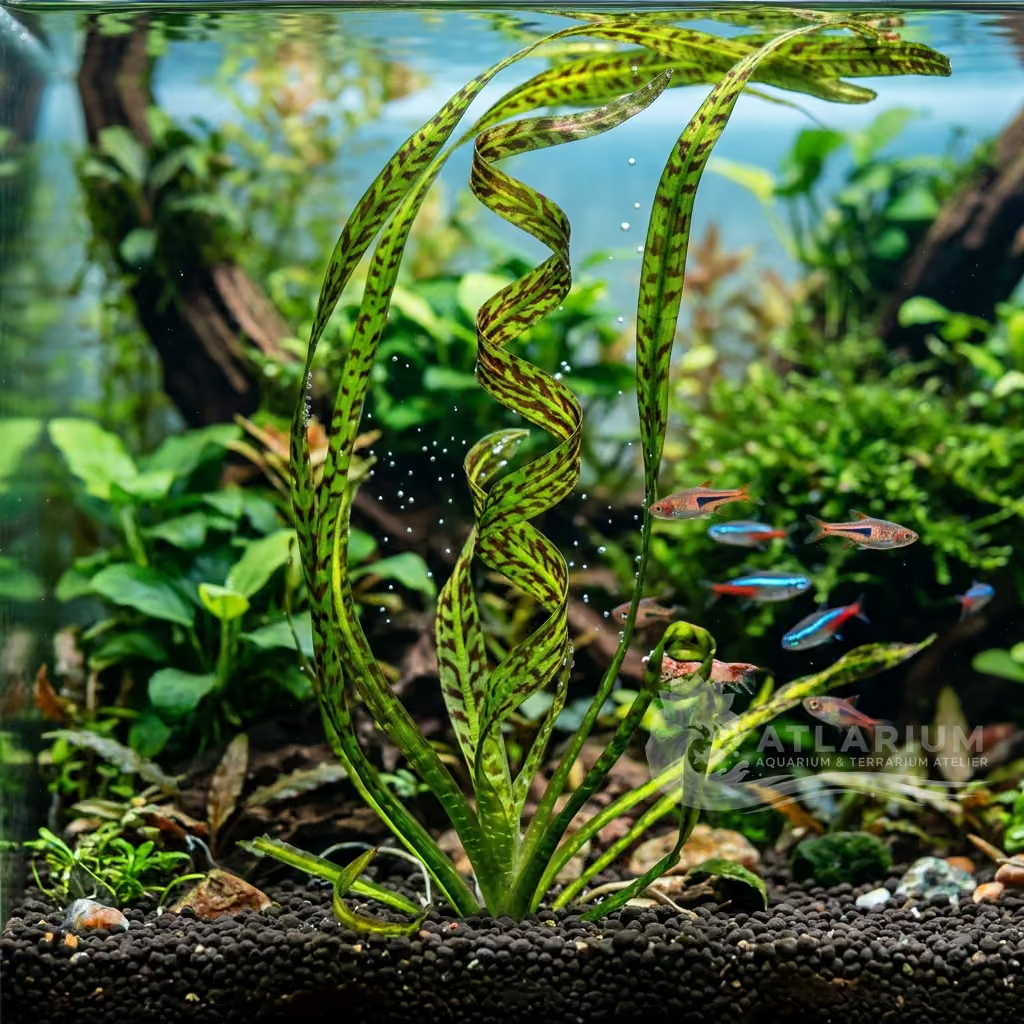
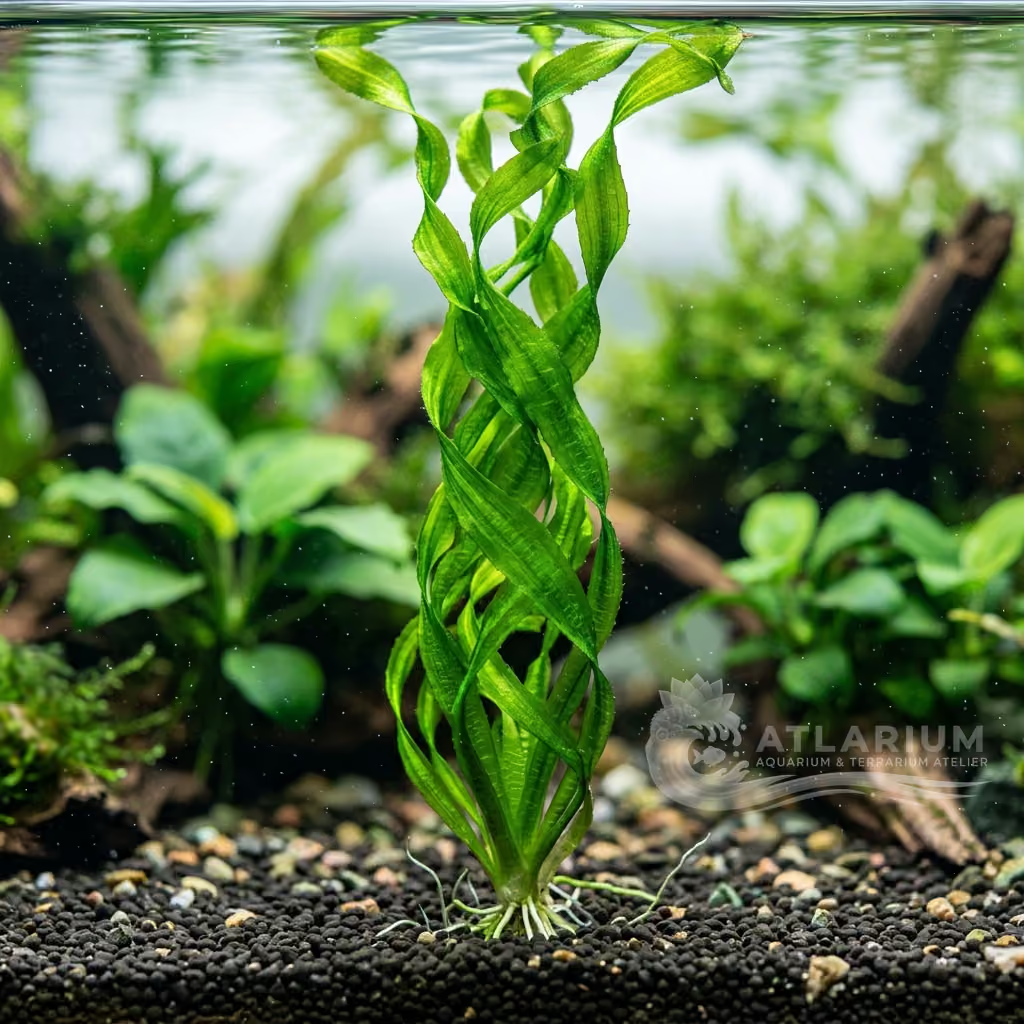
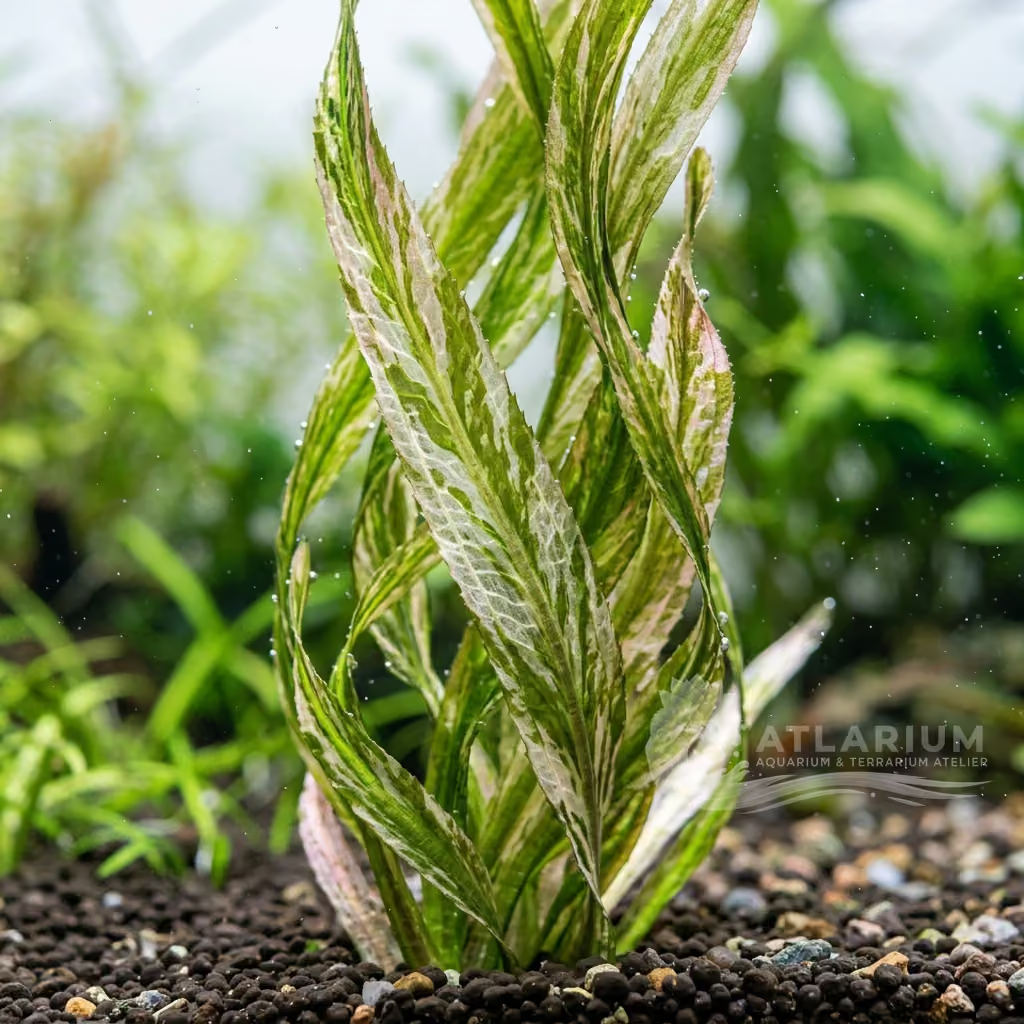
- Sagittaria teres is easily identified by its very narrow, nearly cylindrical leaves that lack a distinct blade. These quill-like leaves grow upward in a stiff, architectural rosette from the base. It is a highly unique structural plant that looks quite different from the common, flat-leaved Sagittaria species.
- Growth
- Medium
- The growth rate is generally moderate, accelerating slightly when provided with CO2 injection and strong lighting. It takes some time to acclimate and build a root system before sending out runners. Once established, it will slowly but steadily form a noticeable cluster.
- Substrate
- High
- A fine-grained, nutrient-rich substrate is highly recommended to accommodate its delicate root system. While it can grow in inert sand, using an active aqua soil significantly improves its growth rate and vitality. Root tabs are a great addition when growing it in older or inert substrates.
- Column fertilization
- Recommended
- Liquid fertilization is a helpful supplement, particularly in setups lacking a nutrient-rich substrate. Dosing a comprehensive fertilizer ensures that the plant does not suffer from micronutrient deficiencies. However, it should not be the sole method of feeding, as the plant relies heavily on its roots.
- Root fertilization
- None
- Root feeding is the most critical aspect of its nutritional care. Placing root fertilizer capsules deep near the plant's base will encourage the development of thicker, taller leaves. A well-fed root system is essential for the plant to begin producing runners for propagation.
- Trimming
- Occasional
- Trimming Sagittaria teres is straightforward; simply cut older or decaying leaves at the base to encourage new growth. If the plant spreads too far, runners can be snipped and replanted or removed. Regular maintenance prevents it from overshadowing smaller foreground plants. Ensure sharp scissors are used to make clean cuts and avoid damaging the plant.
- Propagation
- Runners
- Propagation occurs via runners that sprout from the base of the mature plant. These runners will travel a short distance under the substrate before producing a new rosette. The new plant can be separated from the mother plant once it has developed a sufficient root system of its own.
- Sensitivity
- Moderate
- This plant is generally hardy but can be sensitive to drastic changes in water parameters. It prefers stable temperatures and pH levels to avoid melting. Some chemical treatments, particularly copper-based medications, can negatively affect its health. Careful acclimation is required when introducing it to a new environment.
- Layout role
- Midground, Foreground
- In an aquascape, Sagittaria teres serves beautifully as a transitional plant between the foreground carpet and background stems. Its vibrant green hue draws the eye and softens the edges of rocks or driftwood. It provides excellent hiding spots for small fish and shrimp. Overall, it enhances the natural, layered aesthetic of the planted aquarium.

Related species
Recommendations grouped by close relatives, companion choices, and similar care.