Echinodorus tunicatus
Aquarius tunicatus
Echinodorus tunicatus is a rare tropical rainforest rosette plant featuring bright green oval leaves and a slow growth rate, ideal for medium to large aquariums.
Water Temperature
18 - 28 °C
pH Value
5 - 7
Water type
Freshwater
Light
Medium - High
CO2
Low
Expected height
28 cm
Expected width
20 cm
GH
0 - 20 dGH
KH
0 - 7 dKH

Species description
Geographical Origin and Habitat: This fascinating botanical species is native to the rainforests of Central and South America, with a distribution that includes Panama, Costa Rica, Colombia, and Ecuador. In its native habitat, it grows as an understory plant in extremely humid areas, river margins under the forest canopy shade, and temporary wetlands. It is adapted to filtered light conditions and seasonal fluctuations in water level, developing both in submerged and emersed forms during the rainy season.
Taxonomy & Genetics: It belongs to the family Alismataceae and is a pure botanical species of the genus Echinodorus. Its genetics are adapted to the stable and shaded conditions of the forest understory, which translates into a significantly slower growth rate compared to many horticultural hybrids created for commercial purposes. It retains primitive biological traits and propagates vegetatively in the aquarium, maintaining its wild genetic line unchanged.
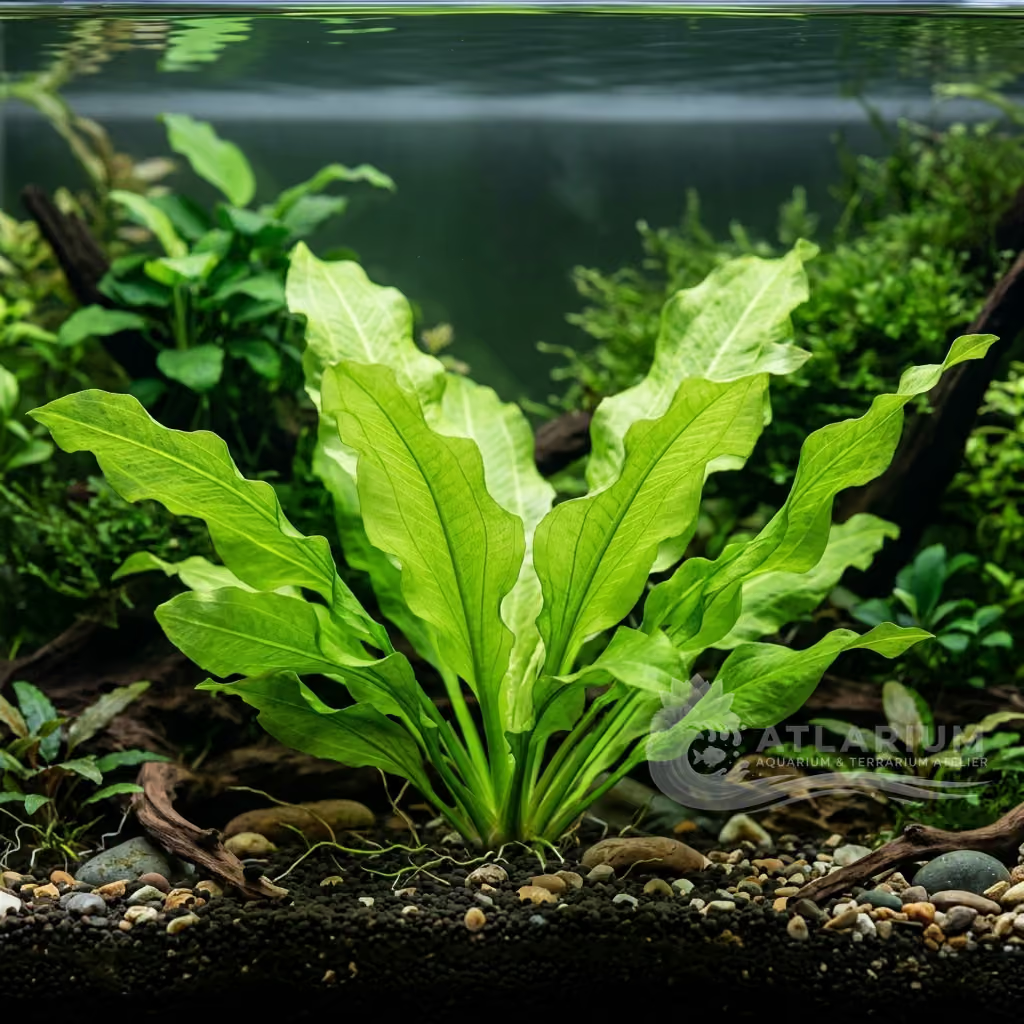
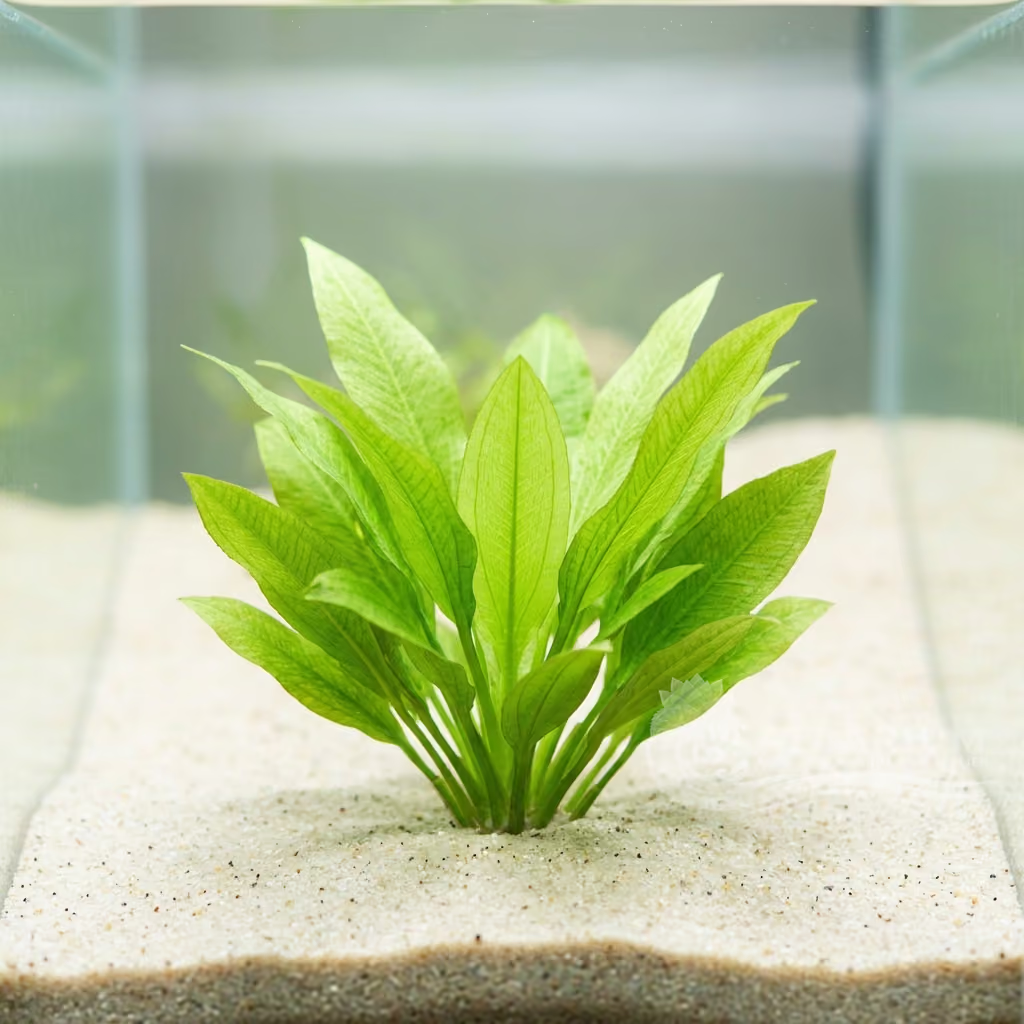
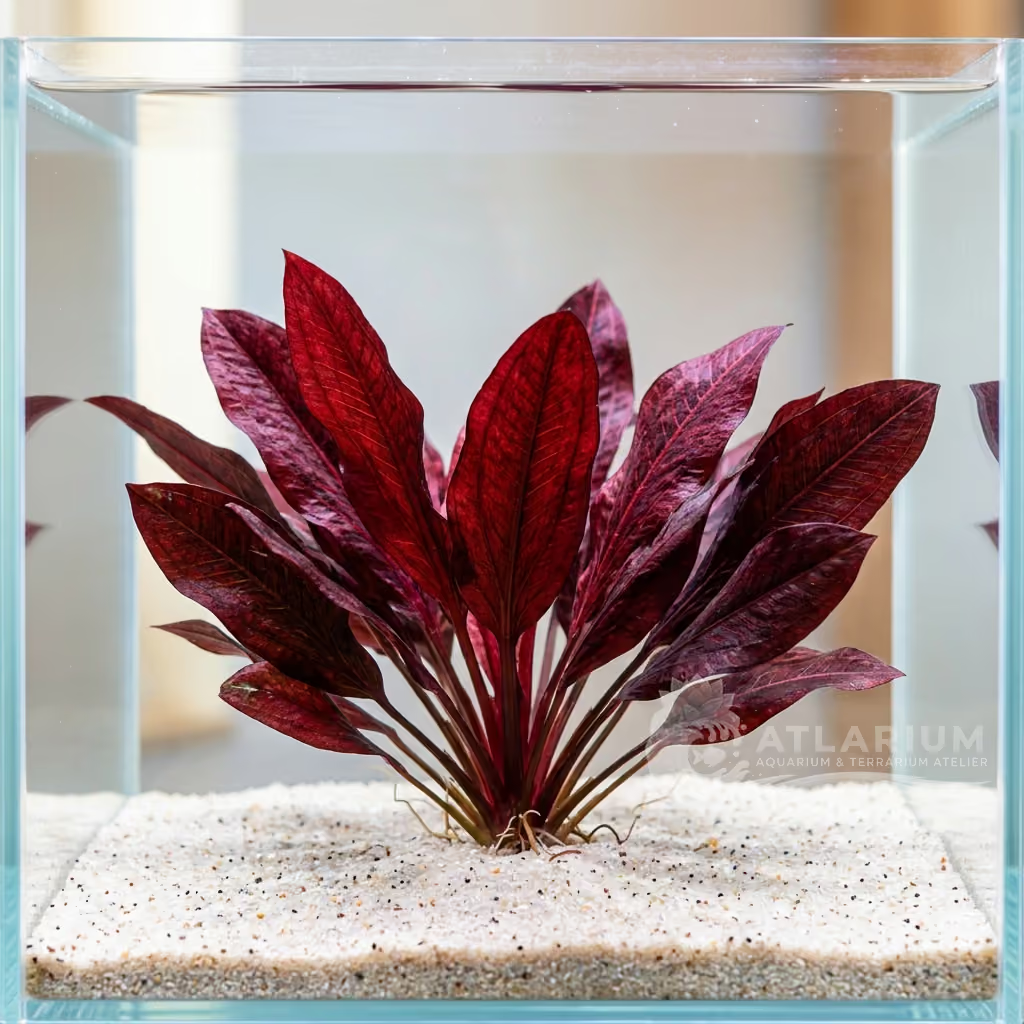
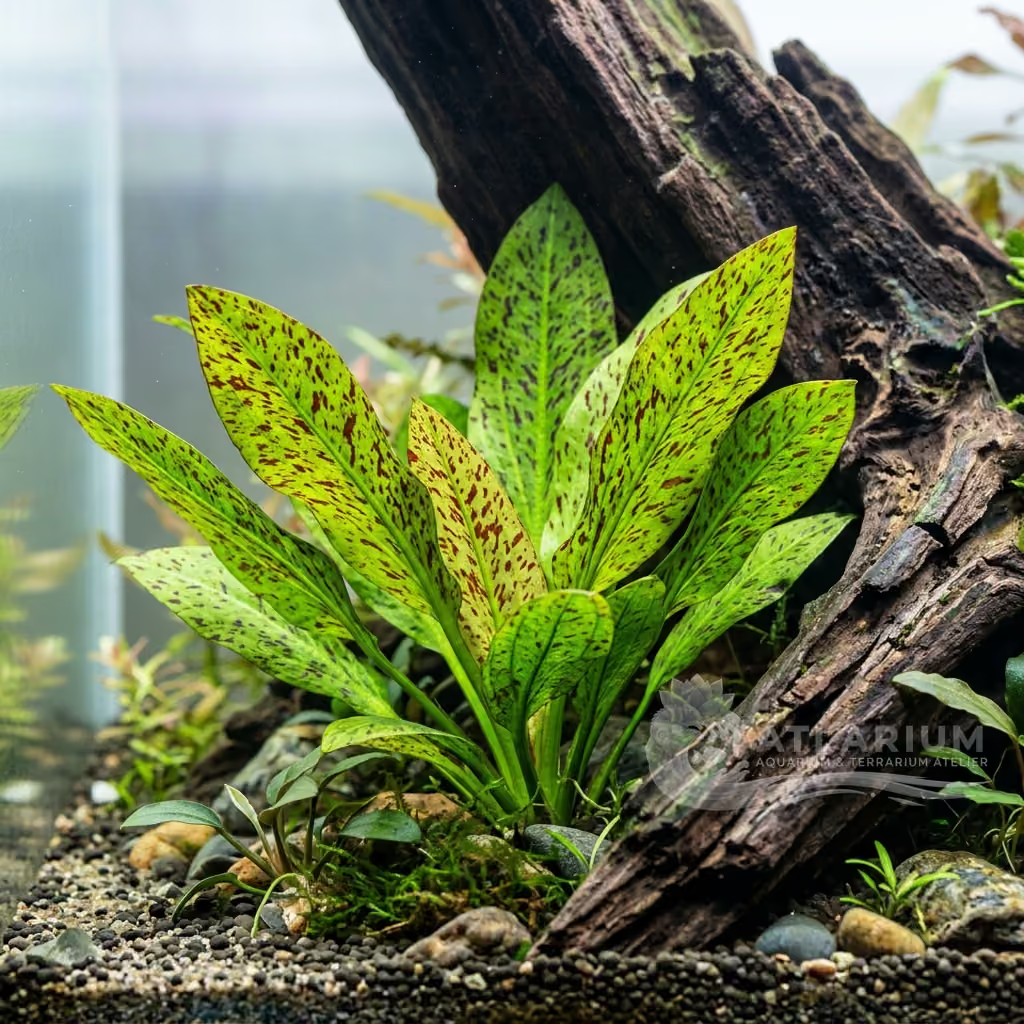
Physical Structure: It forms an elegant, upright rosette that reaches a height between 20 and 35 cm in the aquarium. Submerged leaves are broadly oval or cordate (heart-shaped), with wide blades supported by long and flexible petioles. The central rhizome is robust and produces a dense root system, capable of thoroughly exploring the substrate for nutrients. Unlike other species, its growth remains tidy and not overly sprawling.
Color & Texture: Submerged leaves present a uniform and fresh bright green or grass green coloration. The leaf texture is soft and flexible but durable, with a silky surface. A notable aesthetic detail is the veining: it features thick and well-marked longitudinal veins (5 to 7) running from the base to the apex, crossed by thin transverse veins that create a highly visible and decorative geometric grid pattern.

Care, breeding and tankmates
Lighting & CO2: Prefers moderate or filtered lighting, consistent with its forest understory habitat. It does not need intense light, which could instead promote the growth of algae on its slow-growing leaves. CO2 injection is recommended to support slow but steady growth, helping the plant produce healthy and robust leaves.
Nutrition & Substrate: It is a heavy root feeder, therefore requiring a rich and porous substrate. The use of a fertile soil or the regular insertion of fertilizer tabs rich in iron and micronutrients near the root system is highly recommended. Liquid fertilization of the
Water Chemistry: Requires temperatures between 18°C and 28°C. The ideal pH is acidic or weakly acidic, between 5.0 and 7.0, reflecting the salt-poor waters of its native habitats. Prefers soft water (KH 0-7 dKH). It is important to perform regular partial water changes to prevent the accumulation of harmful organic substances.
Space Management & Placement: Its optimal placement is in the midground of the aquarium. Thanks to the cordate shape of its leaves and elegant habit, it serves as a beautiful transition plant. It should be positioned in spots where it does not receive direct and violent light and away from very fast stem plants that could shade it excessively.
Pruning: Pruning consists of removing older or damaged outer leaves by cutting them near the base of the rhizome with sharp scissors. This maintenance promotes water circulation at the base of the clump and stimulates the emission of new leaves from the center of the rosette. Promptly remove any leaves affected by algae.
Risks & Diseases: The main risk for this slow-growing species is leaf colonization by black brush algae (BBA) or green spot algae if tank parameters are not balanced. Additionally, in case of iron and micronutrient deficiency in the substrate, it can manifest chlorosis, visible as yellowing and fragility of new leaves.

Geographic origin and distribution
This fascinating botanical species is native to the rainforests of Central and South America, with a distribution that includes Panama, Costa Rica, Colombia, and Ecuador. In its native habitat, it grows as an understory plant in extremely humid areas, river margins under the forest canopy shade, and temporary wetlands. It is adapted to filtered light conditions and seasonal fluctuations in water level, developing both in submerged and emersed forms during the rainy season.
Origin
Central America and CaribbeanAmazon, Orinoco, and Guianas

Plant profile
- Placement
- Midground
- Due to its enormous mature size and very broad leaves, it is strictly a background plant or a solitary centerpiece for very large aquariums. It can easily overshadow and outcompete smaller plants if not given enough space. It is often used to hide aquarium equipment or create a dense, jungle-like backdrop.
- Botanical form
- Rosette
- It presents a robust rosette form characterized by exceptionally broad, heart-shaped (cordate) to ovate leaves of a light to medium green color. The leaves are supported by thick, strong petioles capable of holding them upright in strong currents. Its sheer leaf volume makes it an imposing presence in the aquascape.
- Growth
- Slow
- It grows at a moderate to fast pace once fully acclimated and provided with rich substrate and good lighting. CO2 injection can cause it to grow exceptionally large very quickly, sometimes breaching the water surface. Regular removal of the largest outer leaves is required to manage its footprint in the tank.
- Substrate
- High
- Because of its significant size, it develops a massive, invasive root system that requires a very deep substrate bed. A rich laterite or soil-based substrate is highly recommended to provide long-lasting nutrition. In inert gravel, it will quickly exhaust the available nutrients unless frequently supplemented with root tabs.
- Column fertilization
- Recommended
- Liquid dosing of a complete fertilizer is recommended to support the large biomass of this plant. While it draws heavily from its roots, water column nutrients help prevent deficiencies in the rapidly expanding new leaves. Dosing potassium is particularly helpful in preventing necrotic holes.
- Root fertilization
- None
- Aggressive root fertilization is mandatory for long-term success with this species. Large nutrient capsules should be pushed deep beneath the crown every few months. Without strong root feeding, the plant will slowly stunt and its older leaves will die off prematurely.
- Trimming
- Occasional
- Maintenance involves selectively pruning the largest, oldest leaves near the base of the crown to prevent excessive shading. This also redirects energy to the production of fresh, flawless leaves from the center. Extreme care should be taken not to damage the delicate center rosette during pruning.
- Propagation
- Cuttings
- It typically propagates by sending out long, thick floral stalks that emerge above the water surface in open-top tanks. Along submerged portions of these stalks, adventitious plantlets will form. Once these plantlets establish a small root system, they can be detached and planted independently.
- Sensitivity
- Moderate
- Its broad, stationary leaves are prone to attracting spot algae if lighting is too intense and nutrients are unbalanced. It is also highly susceptible to grazing damage from large plecos or other herbivorous bottom-dwellers. Otherwise, it is quite forgiving regarding water hardness and temperature.
- Layout role
- Midground
- It functions perfectly as a massive, structural background element that can hide hardware and anchor the entire aquascape. Its sheer scale offers a dramatic contrast to small-leaved stem plants or delicate foreground carpets. It is particularly effective in creating a lush, Amazonian biotope aesthetic.

Related species
Recommendations grouped by close relatives, companion choices, and similar care.