Sagittaria pusilla
Sagittaria subulata
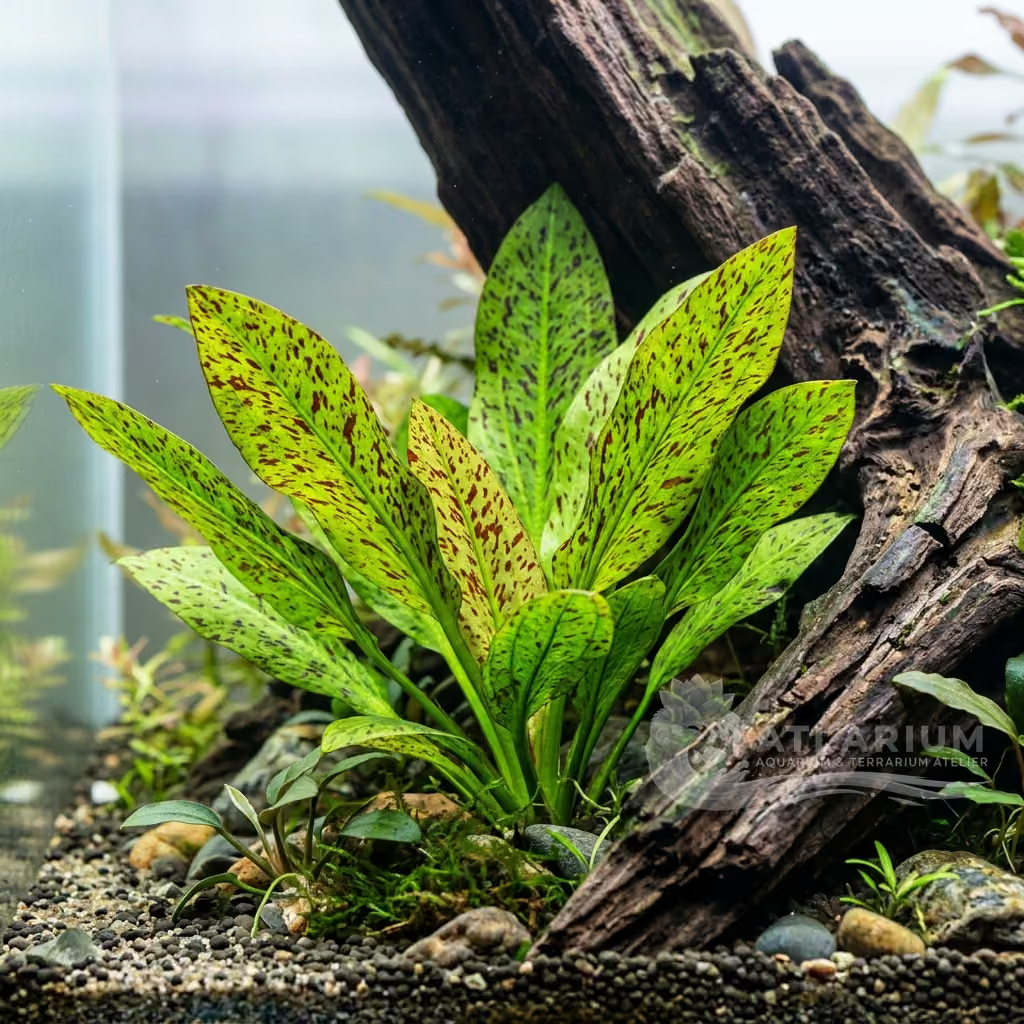
Sagittaria pusilla is a versatile and attractive midground aquatic plant known for its medium growth rate and grass-like appearance. It effectively forms dense green carpets, providing a naturalistic aesthetic to freshwater aquariums.
Water Temperature
15 - 28 °C
pH Value
6 - 8
Water type
Freshwater
Light
Low
CO2
Low - High
KH
2 - 15 dKH

Species description
Geographical Origin and Habitat: Sagittaria pusilla, often referred to as Dwarf Sagittaria, originates from the freshwaters of North America, where it thrives in diverse wetland environments. Its natural habitats include the edges of slow-moving streams, shallow ponds, and marshy areas, often found partially submerged or fully submersed. This adaptability to varying water levels and substrate types contributes to its robustness in the aquarium setting.
Taxonomy & Genetics: Belonging to the family Alismataceae, Sagittaria pusilla is part of a genus renowned for its aquatic and wetland species, commonly known as arrowhead plants due to the shape of some larger species' leaves. While its specific genetics distinguish it from other Sagittaria variants, it shares the characteristic rhizomatous growth pattern typical of many plants within this family. This classification underscores its evolutionary adaptation to aquatic life, enabling efficient nutrient uptake and propagation in watery environments.
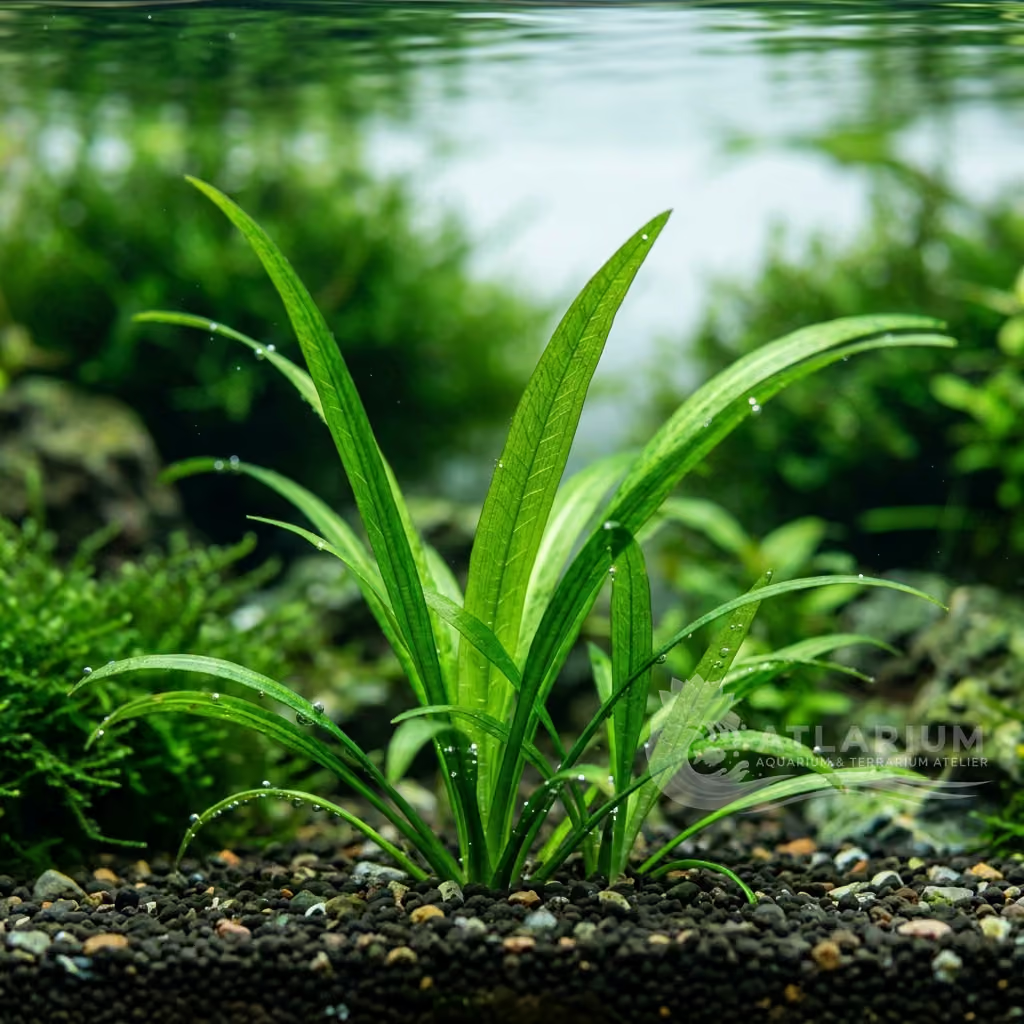
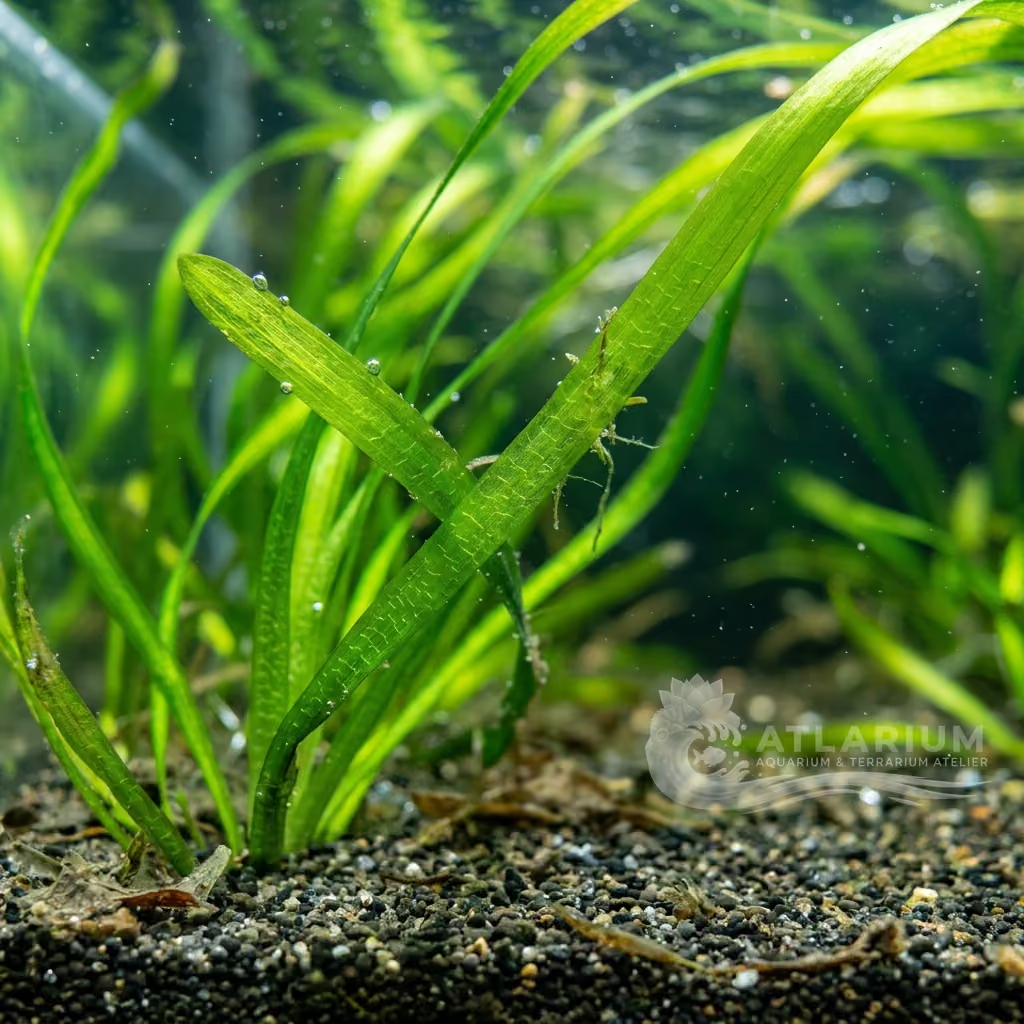
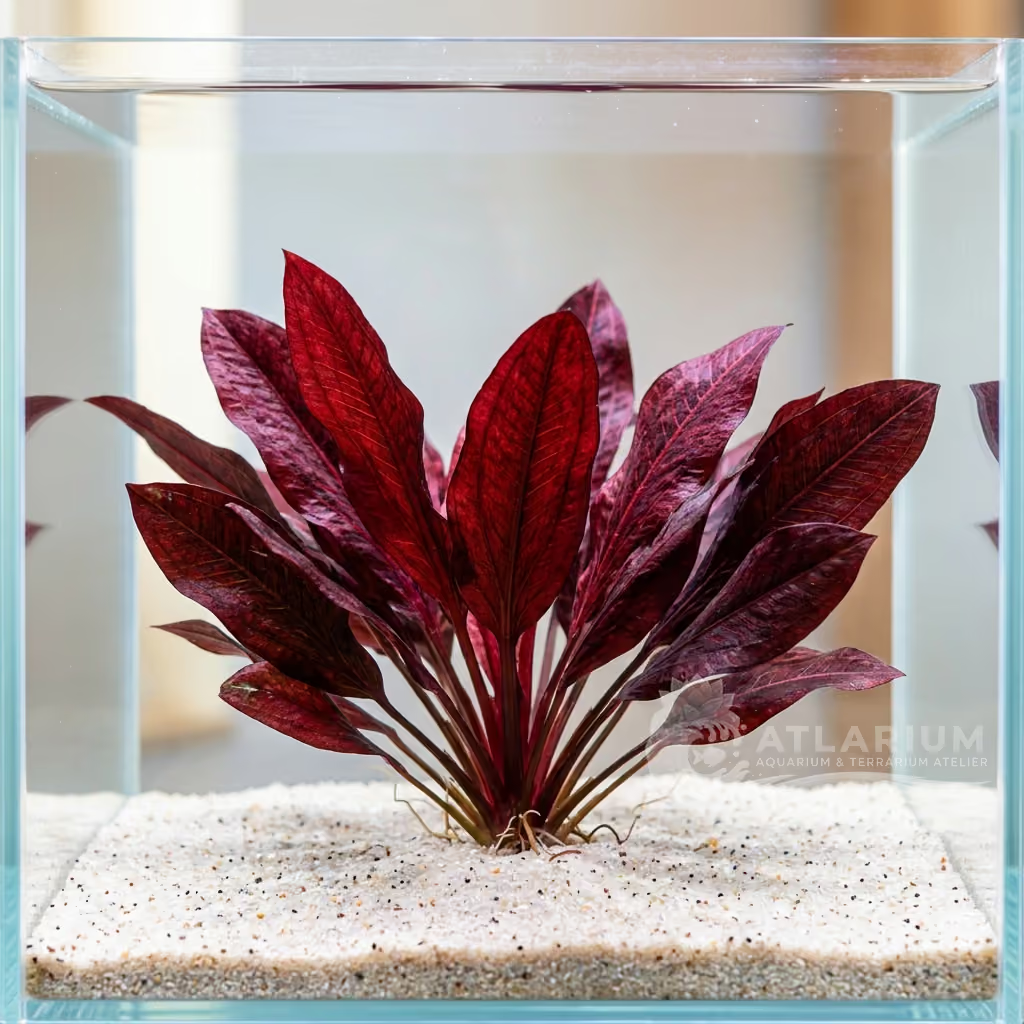
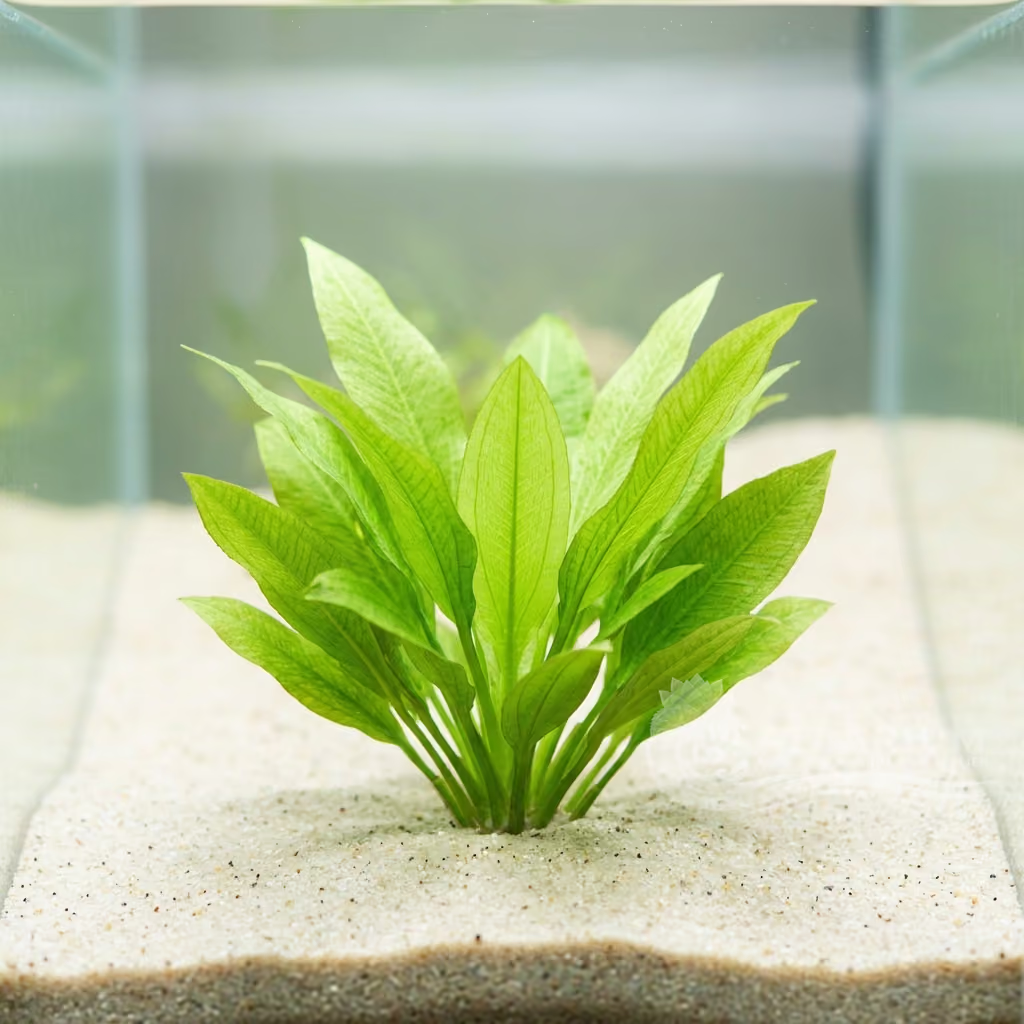
Physical Structure: This plant exhibits a compact, rosette-forming structure from which numerous narrow, strap-like leaves emerge, typically growing upwards towards the light. Its primary mode of propagation is through runners, which are horizontal stems that spread across the substrate, producing new plantlets at intervals. These runners allow Sagittaria pusilla to quickly colonize available space, forming dense, verdant mats that are highly valued in aquascaping.
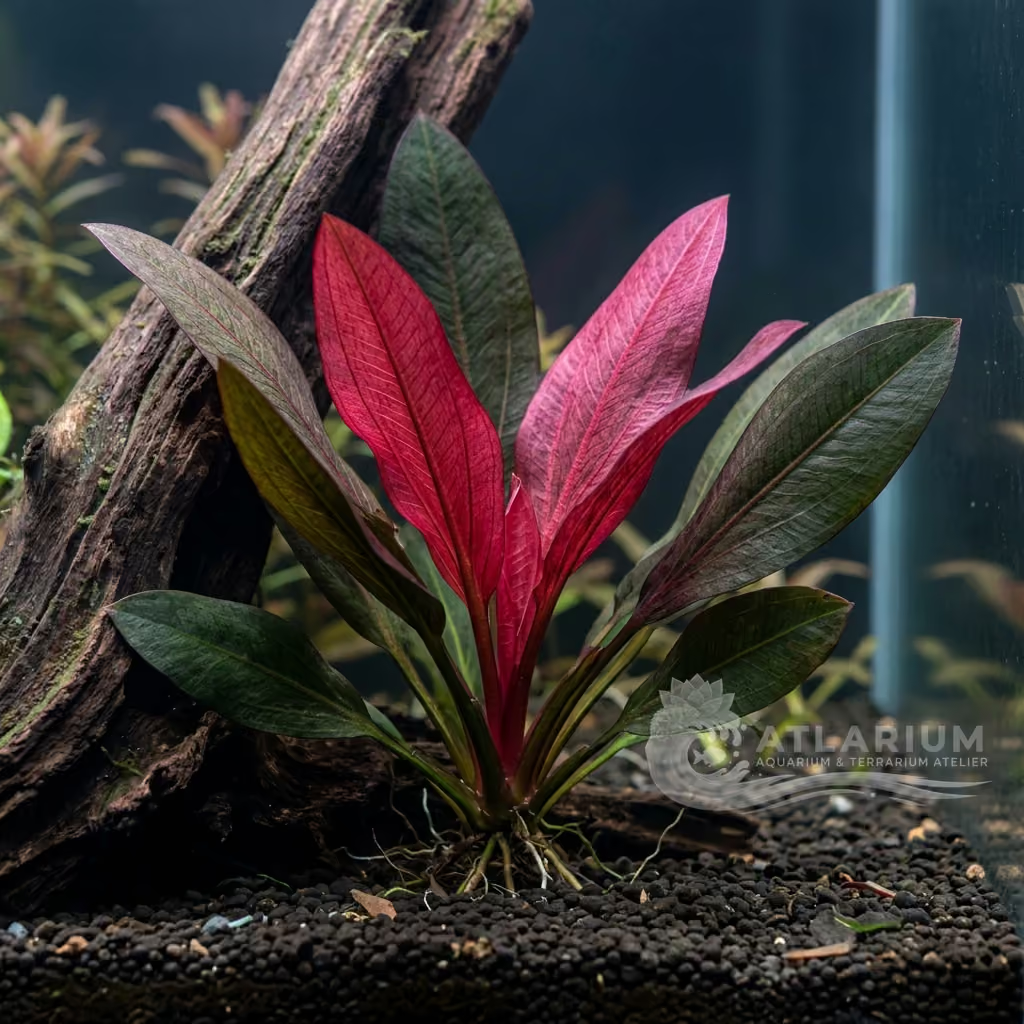
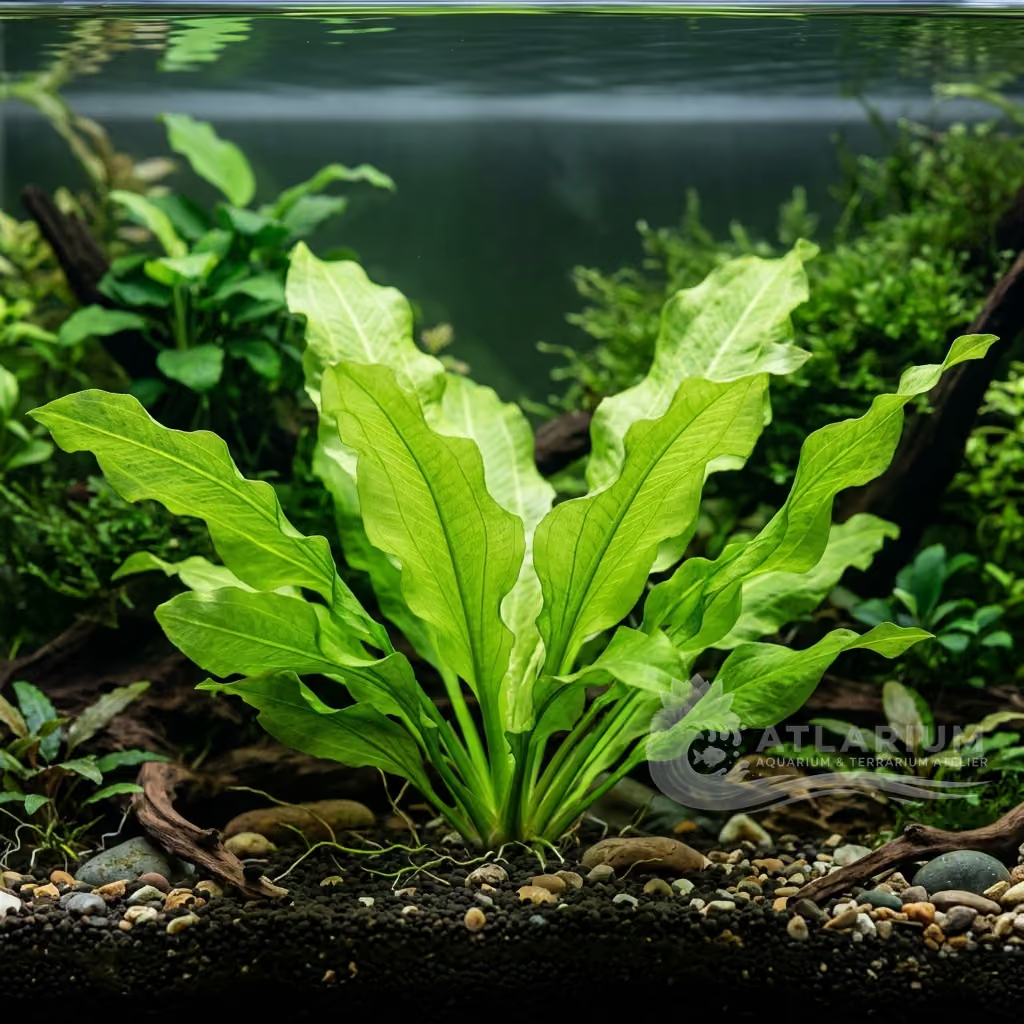
Color & Texture: Sagittaria pusilla is characterized by its vibrant green foliage, which can range from a bright, fresh green under optimal lighting to a deeper emerald hue in more subdued conditions. The leaves possess a smooth, somewhat firm texture, contributing to their resilience and ability to withstand gentle currents without easily tearing. This consistent coloration and sturdy texture make it an excellent choice for creating a natural, well-maintained appearance in the aquarium.

Care, breeding and tankmates
Lighting & CO2: Sagittaria pusilla flourishes under medium light conditions, which typically translate to a Photosynthetically Active Radiation (PAR) range of 30-50 µmol/m²/s at the substrate level for approximately 8-10 hours daily. While it can survive in lower light, medium illumination promotes denser growth and a more vibrant green color. CO2 injection, though not strictly mandatory, significantly enhances its growth rate and encourages a more compact, lush carpet formation, preventing leggy growth and ensuring robust health.
Nutrition & Substrate: As a primarily root-feeding plant, Sagittaria pusilla benefits immensely from a nutrient-rich substrate or the regular addition of root tabs placed near its rhizomes. A high-quality aquasoil or a gravel substrate supplemented with clay-based root fertilizers will provide essential macro and micronutrients directly to its root system. While root nutrition is paramount, a balanced liquid fertilizer regimen can also contribute to overall plant health, ensuring leaves receive necessary elements through
Water Chemistry: Sagittaria pusilla is quite adaptable to a range of water parameters, ideally thriving in temperatures between 20-28°C (68-82°F) which support its metabolic processes without stress. It prefers a pH range of 6.0-7.5, reflecting its natural habitat's slightly acidic to neutral waters, and tolerates a KH of 2-12, indicating a preference for soft to moderately hard water. Maintaining stable parameters within these ranges is crucial for consistent growth and preventing common stress-related issues.
Space Management & Placement: Ideal for midground placement, Sagittaria pusilla's moderate height and spreading habit make it perfect for transitioning between foreground carpets and taller background plants. Its vigorous runner production requires attentive management, as it can quickly spread to adjacent areas if left unchecked, potentially overrunning smaller plants. Regular trimming of runners and strategic planting can help define its boundaries and maintain the intended aquascape layout.
Pruning: Effective pruning of Sagittaria pusilla involves regularly thinning out older, yellowing leaves at their base to encourage new, healthy growth and improve light penetration to the plant's core. Additionally, runners that stray beyond the desired planting area should be snipped close to the main plant or parent plantlet. This systematic pruning not only maintains the aesthetic integrity of the aquascape but also prevents overcrowding, which can hinder circulation and nutrient distribution within the dense carpet.
Risks & Diseases: Sagittaria pusilla is generally hardy, but it can suffer from nutrient deficiencies, often evidenced by yellowing or stunted growth, particularly iron deficiency which impacts leaf coloration. Algae issues can arise if light and nutrient levels are imbalanced, especially during initial setup or when CO2 is insufficient. Furthermore, like many aquatic plants, it may experience a temporary 'melting' phase upon introduction to a new tank as it adapts from emersed farm-grown forms to submersed aquatic conditions.

Geographic origin and distribution
Sagittaria pusilla, often referred to as Dwarf Sagittaria, originates from the freshwaters of North America, where it thrives in diverse wetland environments. Its natural habitats include the edges of slow-moving streams, shallow ponds, and marshy areas, often found partially submerged or fully submersed. This adaptability to varying water levels and substrate types contributes to its robustness in the aquarium setting.
Origin
North America

Plant profile
- Placement
- Midground
- This compact species is perfect for the foreground of almost any aquarium. It is widely used to create dense, grassy carpets that mimic natural underwater meadows. It can also be placed in the midground of very small nano tanks where larger species would be too overwhelming.
- Botanical form
- Rosette
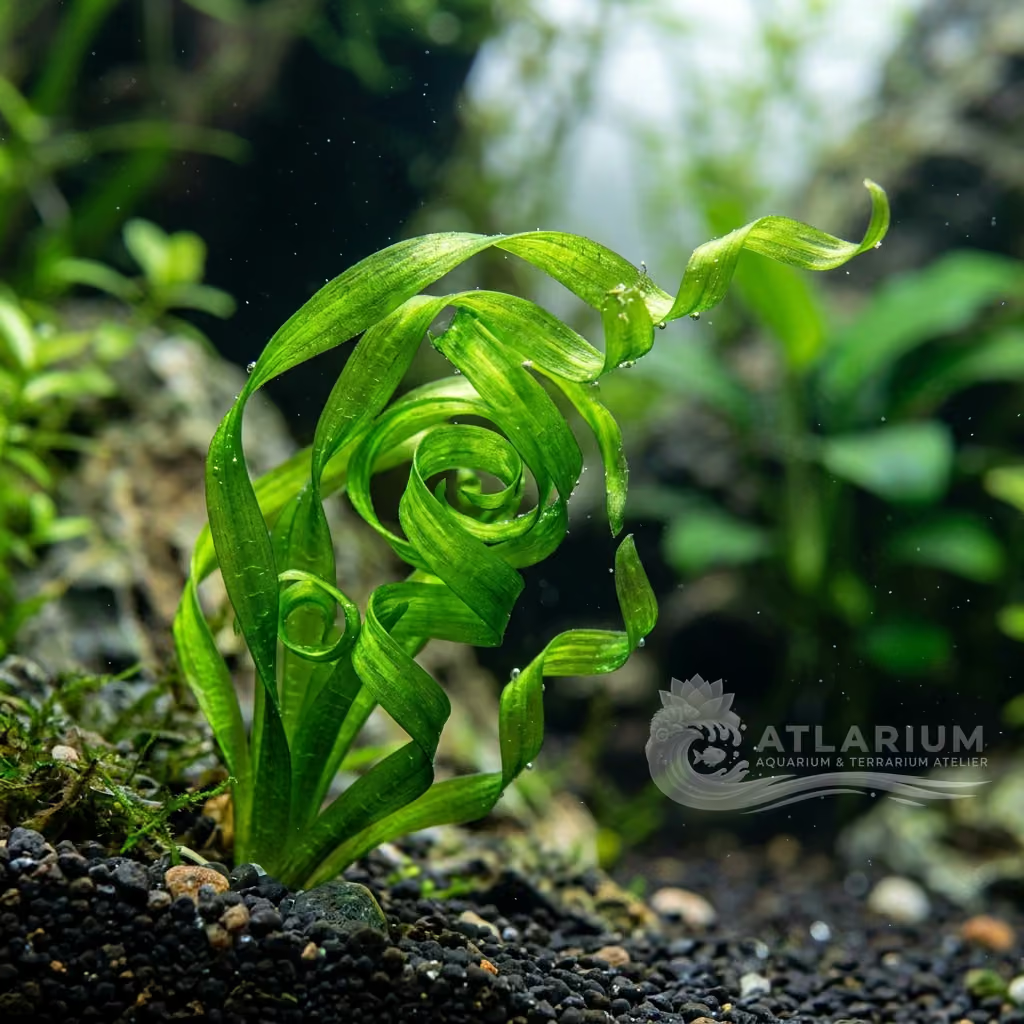
- Sagittaria pusilla forms small rosettes of narrow, grass-like leaves that gracefully curve outward. It is generally shorter and more compact than Sagittaria subulata, making it an ideal carpeting plant. The leaves are typically a bright, vibrant green that adds a fresh look to the aquascape.
- Growth
- Medium
- Under good lighting and with a nutrient-rich substrate, the growth rate is fast, allowing it to quickly form a dense carpet. In low-tech conditions without CO2 or strong light, it grows much slower but still survives quite well. Regular maintenance and thinning are required to prevent the carpet from becoming too thick and choking itself out.
- Substrate
- High
- It thrives in a variety of substrates, from nutrient-rich aqua soils to simple sand or gravel. Because it relies heavily on root feeding, an enriched substrate will significantly boost its growth and runner production. If planted in inert gravel, the addition of root tabs is highly recommended to prevent nutrient deficiencies.
- Column fertilization
- Recommended
- Liquid fertilizers can be used as a supplementary nutrient source, particularly for providing potassium and trace minerals. While it primarily feeds through its roots, column dosing ensures no micronutrient bottlenecks occur. Over-dosing the water column should be avoided as this plant does not absorb nutrients rapidly from the water.
- Root fertilization
- None
- Root fertilization is the most direct and effective way to nourish this plant. Pushing root tabs into the substrate near the densest patches of the carpet will yield rapid, robust growth. Consistent root feeding is the secret to achieving a thick, lush lawn in a relatively short amount of time.
- Trimming
- Occasional
- Requires very little maintenance. Simply pinch off any yellowing or decaying leaves at the base. To maintain boundaries, trim the runners that spread beyond the desired area.
- Propagation
- Runners
- Propagation is incredibly easy as the plant continuously produces horizontal runners just below the substrate surface. New plantlets form at the nodes of these runners and quickly establish themselves. To thin the carpet or start a new patch, simply snip the runner and uproot the daughter plant.
- Sensitivity
- Moderate
- Highly adaptable and robust, suitable for beginners and low-tech tanks. It tolerates varying water hardness and temperatures well. Iron deficiency may present as pale or yellowish new leaves.
- Layout role
- Midground, Foreground
- Perfect for creating a natural, grassy foreground meadow. It blends seamlessly with hardscape materials like rocks and driftwood. Provides an excellent grazing and hiding area for shrimp and bottom-dwelling fish.

Related species
Recommendations grouped by close relatives, companion choices, and similar care.