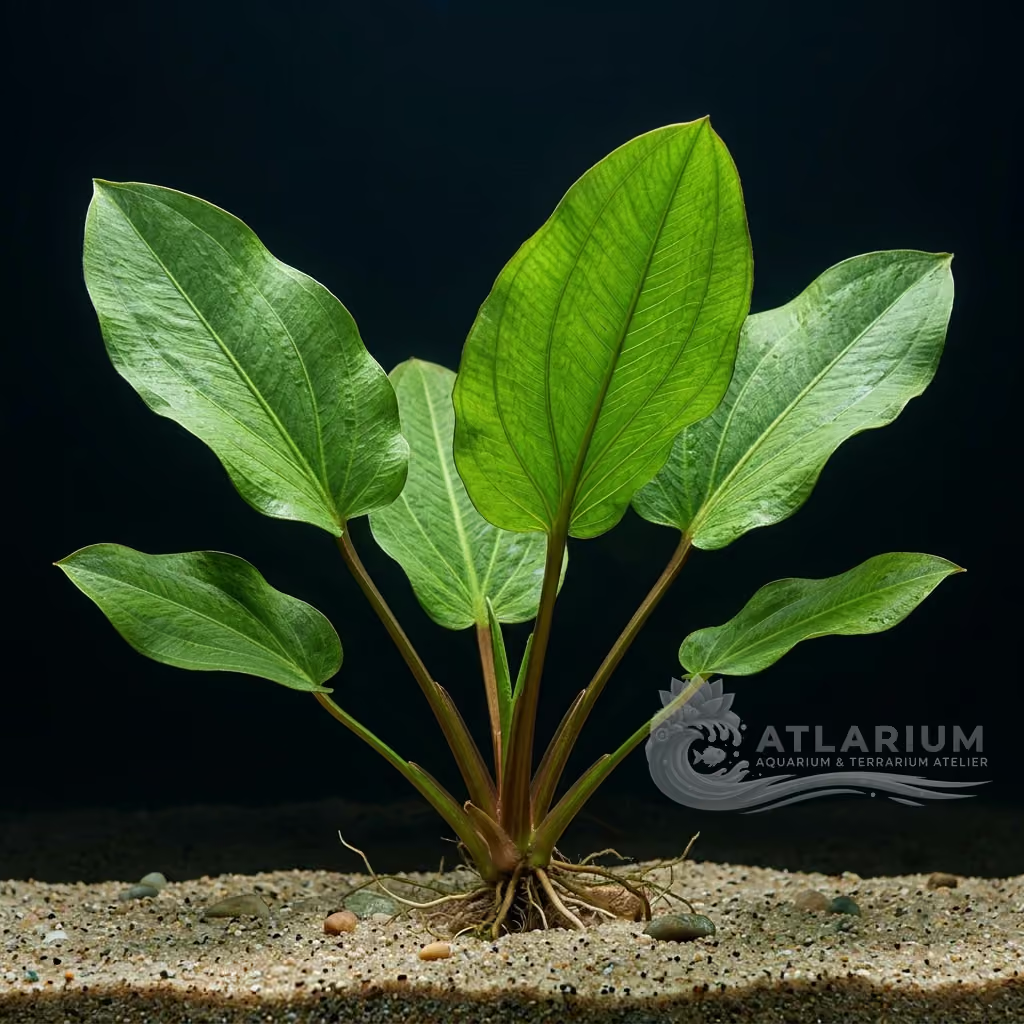
Echinodorus osiris
Aquarius uruguayensis
Echinodorus osiris is the legendary Melon Sword, an immortal, highly ruffled massive centerpiece famous for its striking reddish-gold new growth and green adult leaves.
Water Temperature
20 - 28 °C
pH Value
6 - 8
Water type
Freshwater
Light
Medium
CO2
Low
Expected height
40 cm
Expected width
25 cm
GH
4 - 20 dGH
KH
2 - 15 dKH

Species description
Geographical Origin and Habitat: Endemic to the cooler, highly specific river systems of southern Brazil. Echinodorus osiris, globally famed as the "Melon Sword," is a legendary, colossal true wild-type aquatic swamp plant. It completely dominates temporary ponds, heavily flooded marshlands, and slow-moving river margins. It is a wildly fast-growing, virtually indestructible survivor perfectly evolved to exploit both the deeply submerged wet season and the terrestrial dry season. It is globally recognized as the foundational parent for almost all red Echinodorus hybrids.
Taxonomy & Genetics: Scientifically classified within the Alismataceae family, E. osiris is a massive, true wild-type Echinodorus species. Taxonomically, it is an iconic staple of the global aquarium hobby. Genetically, it is completely hard-wired for extreme structural gigantism and rapid vegetative propagation via long runners. Crucially, its DNA possesses the natural, biological mechanism to aggressively produce dark-red and bronze anthocyanin pigments in its newly emerging leaves—a trait that breeders isolated to create the modern "red sword" market.
Physical Structure: The architectural structure of the wild "Melon Sword" is overwhelmingly dominant, violently fast-growing, and towering. It is a gigantic rosette plant completely lacking vertical stems. The foundation is a massive, incredibly thick, tuberous subterranean rhizome that deploys an aggressive, deep-reaching root system capable of shattering pots. The leaves emerge directly from the crown on distinct, stiff petioles. The foliage is the defining structural feature: strictly broadly ovate to elliptic, and monstrously large (reaching 40-50 cm).
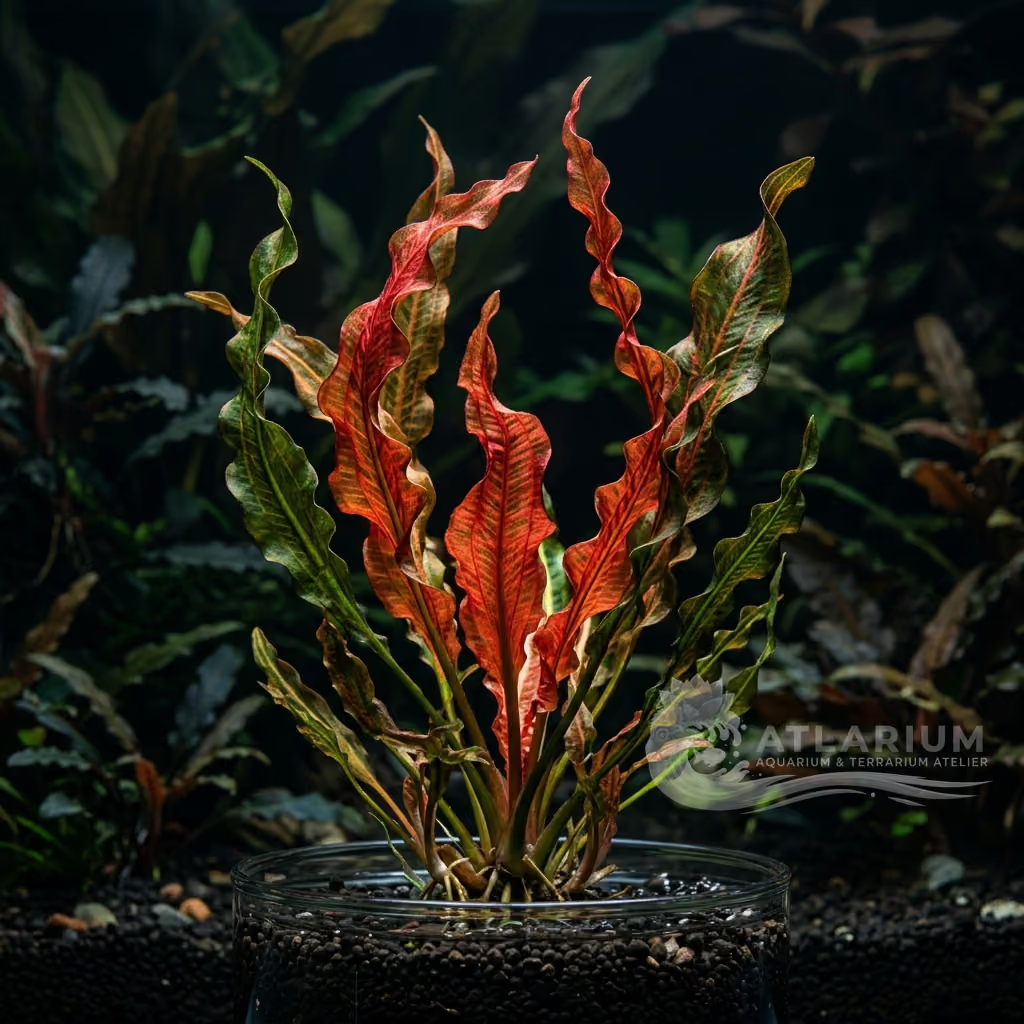
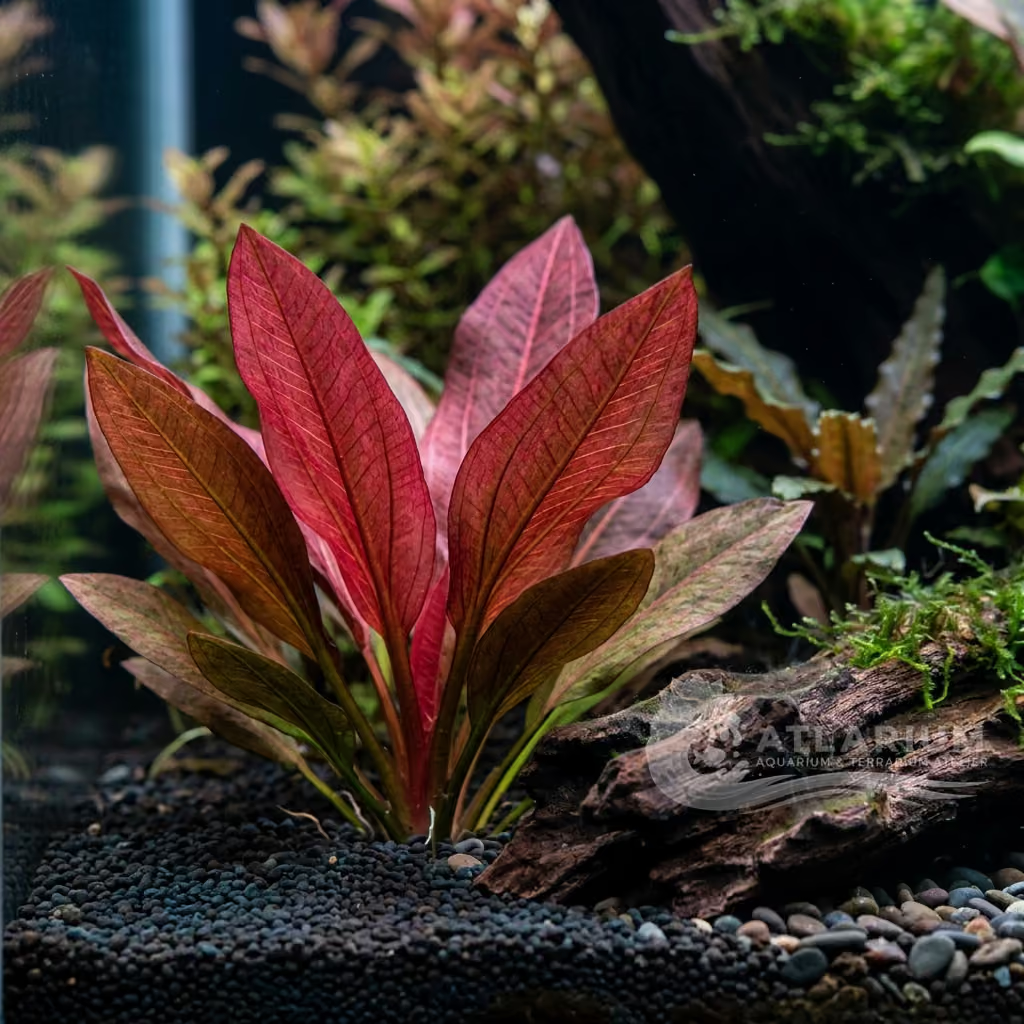
Color & Texture: The coloration is distinctly natural, highly dynamic, and beautifully robust. Grown submerged under standard lighting, the youngest, newly emerging leaves erupt as a stunning, glowing golden-red, rusty-bronze, or pale pinkish-red. As the massive leaves mature, they slowly lose the red pigments, transitioning into a solid, deep olive-green to bright apple-green. The texture is intensely rigid, extremely leathery, and deeply "bullate" (hammered/dimpled) across the entire massive leaf surface, feeling like heavy plastic.

Care, breeding and tankmates
Lighting & CO2: It is an incredibly resilient but highly demanding titan. To sustain its terrifyingly rapid, towering growth rate and force the vibrant reddish-bronze colors on new leaves, medium to high-intensity LED lighting is mandatory. If severely shaded, the massive leaves will emerge solid green, rot, and the plant will melt. Because it is biologically programmed to rapidly breach the surface, pressurized CO2 drastically accelerates its vertical race. Once it breaches the surface, the massive emerged leaves will completely shadow the aquarium.
Nutrition & Substrate: As a colossal, wild-type Amazon Sword, E. osiris is a terrifyingly aggressive, obligate root feeder. Its massive root system strictly demands a very deep (minimum 10 cm / 4 inches), heavily nutrient-dense substrate. It absolutely demands premium aquasoil heavily enriched with iron and macro-nutrient root tabs directly beneath the massive tuber to fuel the red pigments on new leaves. It will rapidly strip a standard gravel bed of all nutrients. If starved of root nutrients, it will quickly turn white and dissolve.
Water Chemistry: Originating from the cooler regions of southern Brazil, it is practically invincible regarding standard water parameters. It thrives effortlessly in heated tropical aquariums (22-28°C) but is uniquely adaptable to completely unheated or cold-water setups (down to 15°C). It is exceptionally adaptable, tolerating both soft, acidic blackwater and rock-hard, highly alkaline tap water (pH 6.0 - 8.5). The single most critical environmental requirement is intense root nutrient supplementation. It prefers moderate water flow.
Space Management & Placement: Due to its absolute monstrous size (capable of reaching 50+ cm in height and extreme width) and wildly dominant nature, this plant is strictly reserved as an extreme background centerpiece for very large, tall aquariums (minimum 300 liters). It MUST be planted singularly. If you allow it to mature, it will violently breach the surface, producing massive, rigid, broad emerged leaves that will aggressively block out all light to the tank below while sending out massive, towering flower stalks and incredibly thick runners.
Pruning: Pruning is a constant, brutal, and necessary procedure if you wish to keep the plant fully submerged. Because the plant naturally wants to breach the surface, you must constantly, aggressively prune off the taller, mature leaves before they reach the air. To prune, you must reach down to the absolute base of the massive rosette and cleanly slice the incredibly thick petiole directly at the crown. It throws out massive, thick runners covered in baby plants that must be aggressively severed to control its massive spread.
Risks & Diseases: The absolute greatest threat to this titan is nutrient starvation and self-shading. Because its growth rate is so violently fast, it will rapidly strip the substrate of all available nutrients. The moment it runs out of food, the massive green leaves will immediately turn translucent and melt into a massive amount of slimy organic waste. The second major risk is self-shading; once the massive, broad emerged leaves breach the surface, they completely block the light, causing all submerged leaves to rot and die off.

Geographic origin and distribution
Endemic to the cooler, highly specific river systems of southern Brazil. Echinodorus osiris, globally famed as the "Melon Sword," is a legendary, colossal true wild-type aquatic swamp plant. It completely dominates temporary ponds, heavily flooded marshlands, and slow-moving river margins. It is a wildly fast-growing, virtually indestructible survivor perfectly evolved to exploit both the deeply submerged wet season and the terrestrial dry season. It is globally recognized as the foundational parent for almost all red Echinodorus hybrids.
Origin
Extra-Amazon South America

Plant profile
- Placement
- Background
- This plant is best suited for the midground or background of the aquarium, depending on the tank size. Aquarius uruguayensis creates a stunning focal point with its broad leaves and striking appearance. Ensure it has enough space so it does not overshadow smaller neighboring plants.
- Botanical form
- Rosette
- Characterized by its strong rosette form, Aquarius uruguayensis produces sturdy stems and expansive leaves. Its foliage often features distinct veining and can vary in color depending on the specific lighting conditions. This architectural plant adds a sense of depth and structure to any aquascape.
- Growth
- Fast
- Aquarius uruguayensis exhibits a moderate growth rate when provided with optimal conditions. Under high light and CO2 supplementation, its growth can accelerate significantly. Consistent pruning may be required to keep its size manageable in smaller aquariums.
- Substrate
- High
- Echinodorus osiris demands a highly fertile substrate to fuel its rapid growth and large, striking leaves. It produces an extensive and powerful root system that anchors the plant firmly into the riverbed while extracting a significant amount of macronutrients. To accommodate these deep roots, a substrate depth of at least 7 centimeters, preferably rich in iron and clay, is necessary. The continuous addition of root tabs will ensure the plant does not deplete the surrounding substrate over time.
- Column fertilization
- Recommended
- While primarily a root feeder, Aquarius uruguayensis benefits greatly from water column fertilization. Dosing liquid fertilizers rich in trace elements will enhance leaf coloration and overall vitality. Careful balancing of nutrients in the water column helps prevent algae issues on its broad leaves.
- Root fertilization
- Required
- A nutrient-rich substrate is essential for the long-term health of Aquarius uruguayensis. The use of root tabs or a soil-based substrate will support its extensive root system. Deep root fertilization is the most effective way to ensure the plant receives adequate macronutrients.
- Trimming
- Regular
- Trimming Aquarius uruguayensis involves removing older or damaged leaves at the base of the rosette. This encourages the plant to direct its energy into producing fresh, healthy foliage. Avoid cutting the leaves halfway; always trim as close to the crown as possible.
- Propagation
- Rhizome division
- Propagation of Aquarius uruguayensis typically occurs through adventitious plants that develop on flower stalks. Once these plantlets have formed their own roots and a few leaves, they can be separated and replanted. Dividing a mature, healthy rhizome is another viable propagation method.
- Sensitivity
- Moderate
- This species is generally hardy, but Aquarius uruguayensis can be sensitive to sudden changes in water parameters. It may melt if transitioning between emersed and submersed forms, but will quickly recover. Ensure stable temperature and water chemistry to avoid stress.
- Layout role
- Background
- In an aquascape, Aquarius uruguayensis serves as a magnificent specimen plant that anchors the layout. Its broad foliage contrasts beautifully with delicate stem plants and carpeting species. It is ideal for creating a natural, wild look or providing shelter for aquatic fauna.

Image gallery
Licensed images linked to the species or, when marked, to the closest representative taxon.

Related species
Recommendations grouped by close relatives, companion choices, and similar care.