Sagittaria platyphylla
Sagittaria platyphylla
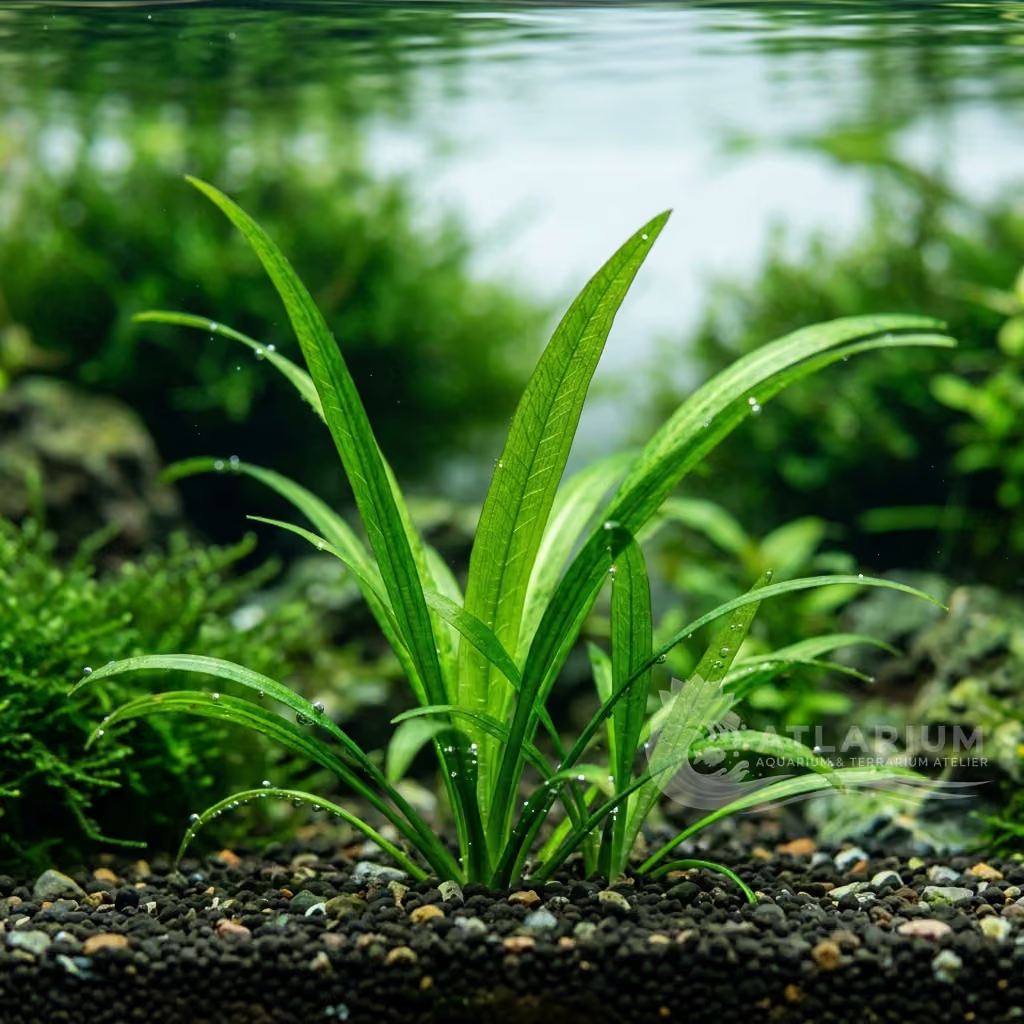
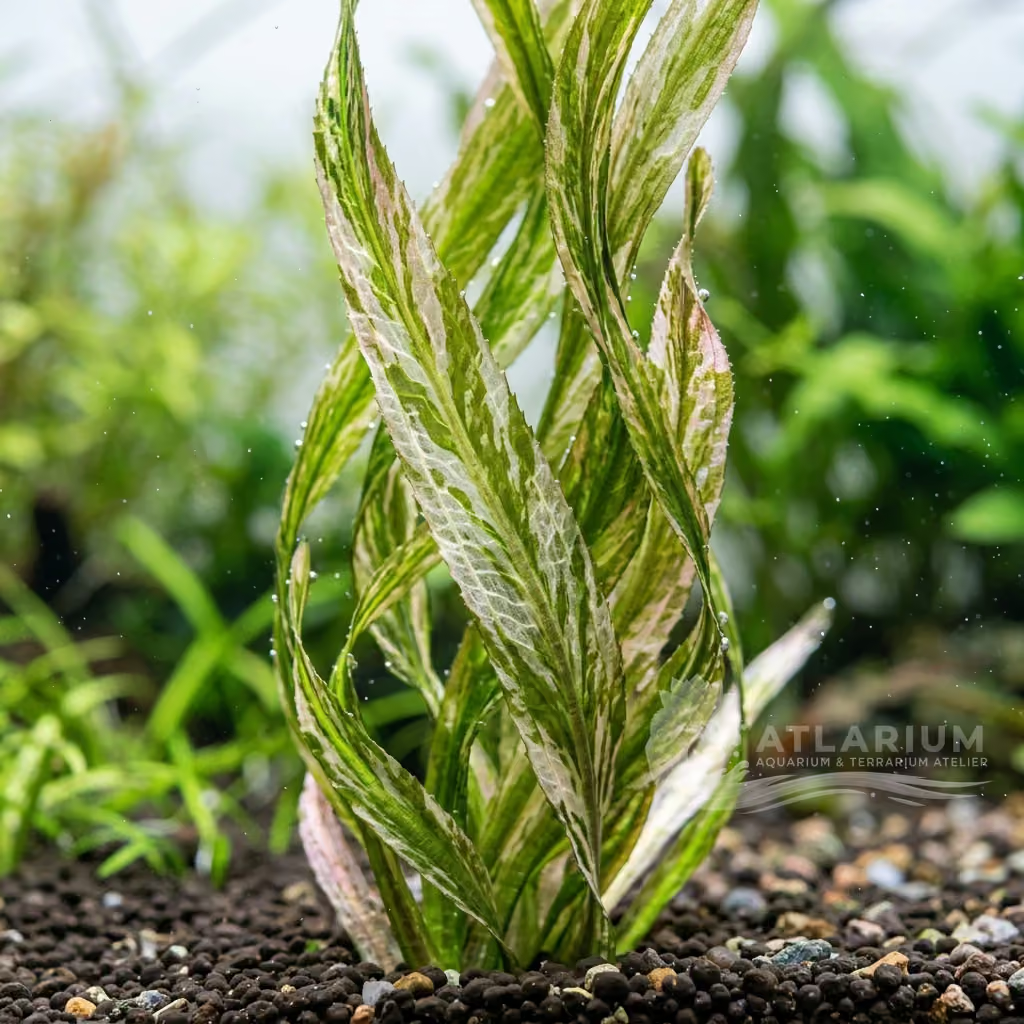
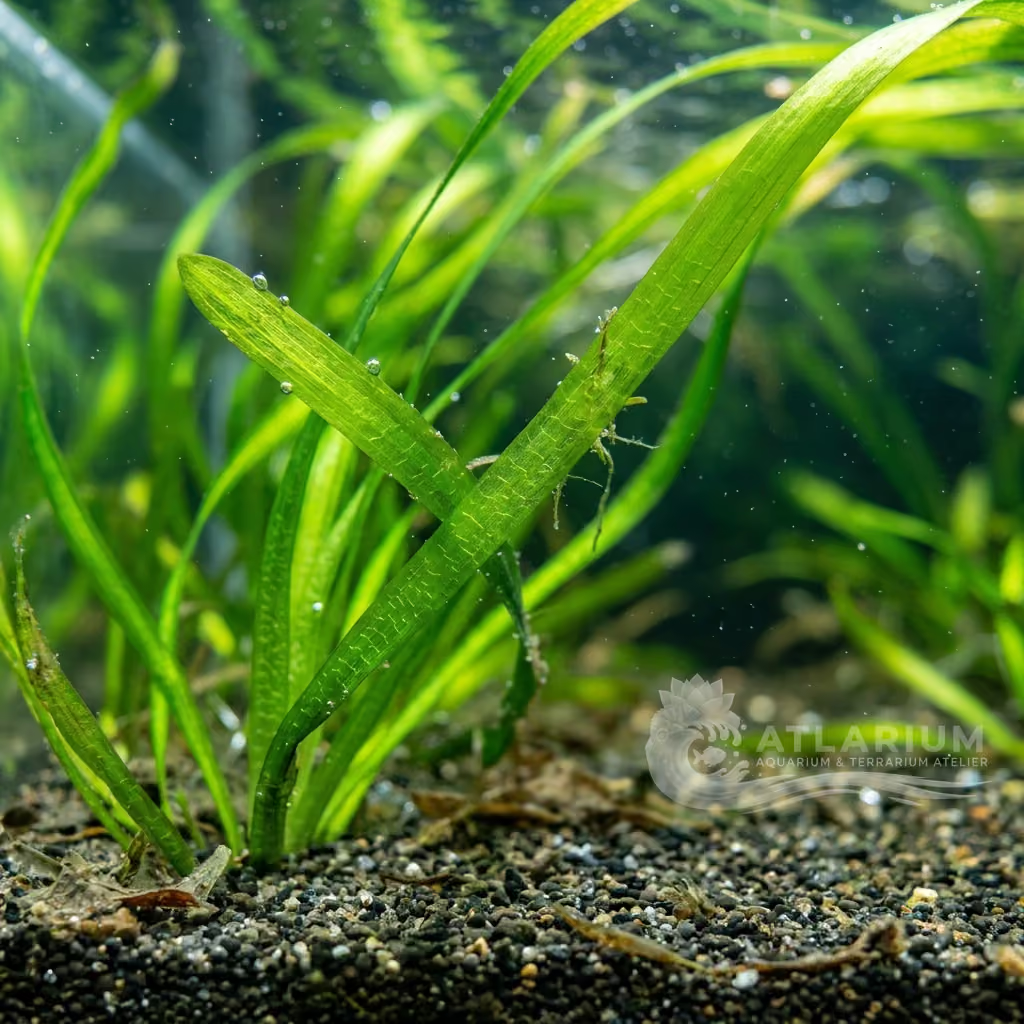
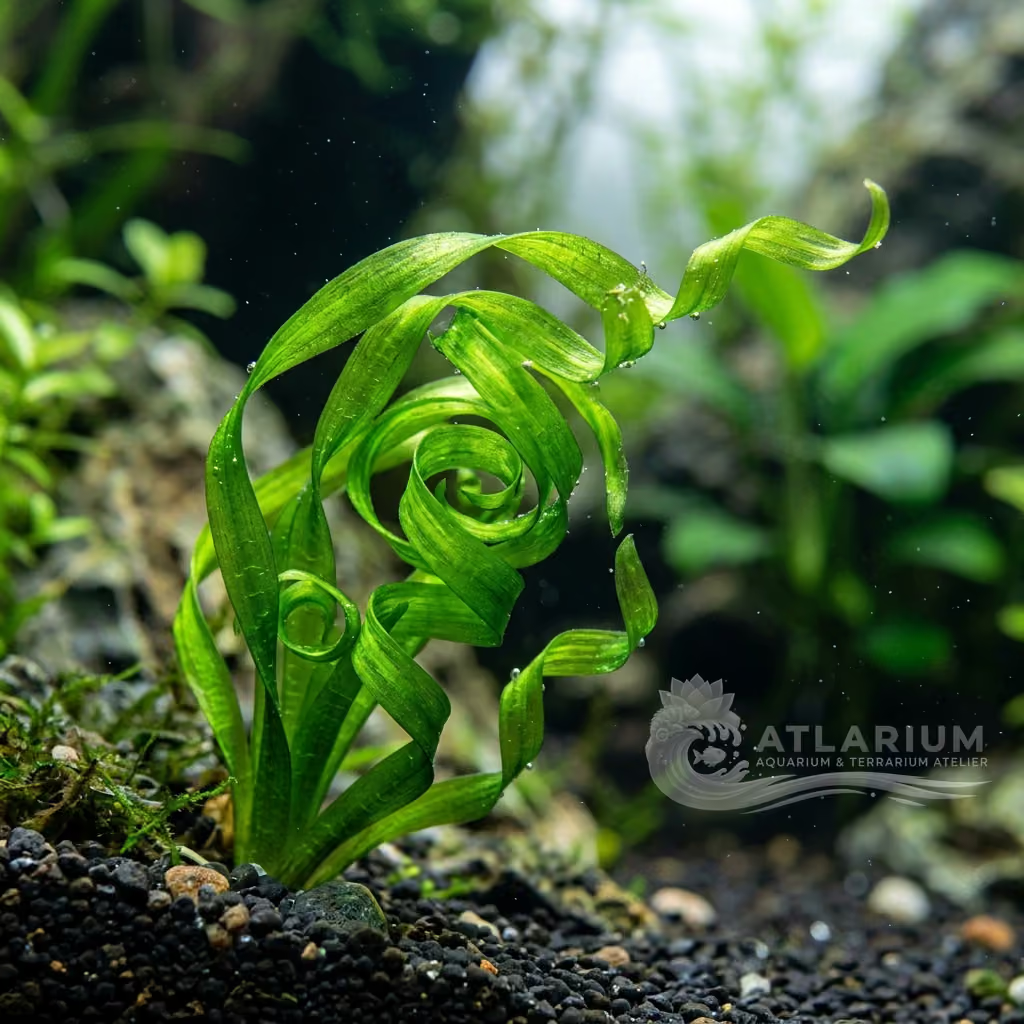
Sagittaria platyphylla is a versatile aquatic plant, perfectly suited for midground placement in aquariums, thanks to its moderate stature and bushy growth habit. With a medium growth rate, this species quickly develops a dense mass of foliage, creating a lush and natural effect within the aquascape.
Water Temperature
4 - 25 °C
pH Value
5 - 8
Water type
Freshwater
Light
Medium to High
CO2
High
KH
2 - 21 dKH

Species description
Geographical Origin and Habitat: Sagittaria platyphylla, like many species within the Sagittaria genus, originates from the temperate and subtropical regions of the American continent, preferring freshwater aquatic environments. It is typically found in marshes, riverbanks, and lake margins with calm or slow-moving waters, where it can thrive both submerged and emergent in shallow areas. Its adaptability to various environmental conditions has allowed for significant natural distribution, making it a robust choice for aquascaping.
Taxonomy & Genetics: Belonging to the Alismataceae family, Sagittaria platyphylla is an aquatic monocot that shares the genus Sagittaria with numerous other species known for their arrow-shaped or strap-like leaves. This family is characterized by aquatic or marsh plants often exhibiting heteromorphic leaves, adapting to different water depths. Its classification highlights its kinship with other wetland and aquatic plants extensively studied for their morphological and ecological properties.
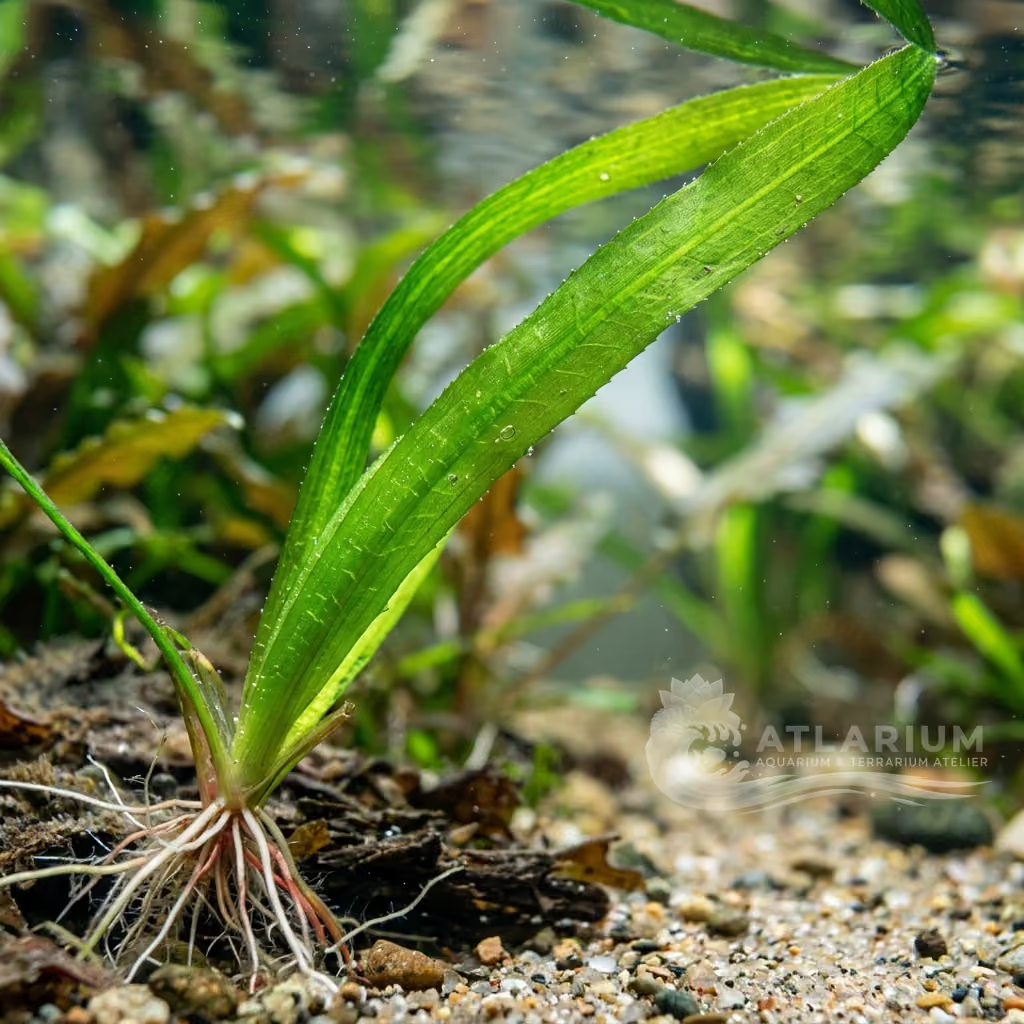
Physical Structure: Sagittaria platyphylla is distinguished by its linear or lanceolate leaves, which can vary in length and width depending on growth conditions and water depth. These leaves emerge from a creeping rhizome, forming dense and vigorous rosettes. Under optimal conditions, the plant develops a robust root system and produces lateral stolons, which give rise to new plantlets, allowing it to rapidly spread throughout the substrate. Its structure makes it excellent for creating a mass effect or as a filler plant in the midground.
Color & Texture: The predominant color of Sagittaria platyphylla leaves is a vibrant, bright green, which helps to illuminate the aquarium and provide an effective contrast with darker-toned plants. The leaf surface is generally smooth and slightly glossy, reflecting light attractively under aquarium illumination. While the texture is mostly uniform, growth conditions and plant health can subtly influence the turgidity and flexibility of the leaf blades.

Care, breeding and tankmates
Lighting & CO2: For optimal growth and intense coloration, Sagittaria platyphylla requires medium to high lighting; insufficient light can lead to excessive leaf elongation and stunted growth. Carbon dioxide (CO2) supplementation is highly recommended, especially in aquariums with intense lighting, as it supports vigorous photosynthesis and accelerates the growth rate, fostering the development of dense formations. An adequate photoperiod, typically 8-10 hours per day, is essential for its overall well-being.
Nutrition & Substrate: As a plant that primarily feeds through its roots, Sagittaria platyphylla greatly benefits from a nutrient-rich substrate, such as aquasoil or specific fertilized aquarium substrates. Supplementing with fertilizer tabs in the substrate is an effective method to ensure a constant supply of essential macro and micronutrients. Although foliar absorption is secondary, adding liquid fertilizers can complement any deficiencies, especially for trace elements.
Water Chemistry: This species exhibits remarkable tolerance to a wide range of water parameters, thriving in temperatures between 4.0 and 25.0 °C, though optimal growth typically occurs within more stable and warmer ranges. Regarding pH, it adapts from 5.0 to 8.0, and carbonate hardness (KH) can vary from 2.0 to 21.0. However, maintaining stability within the chosen parameters is crucial to prevent stress and promote robust growth, avoiding extreme fluctuations.
Space Management & Placement: Sagittaria platyphylla is ideally positioned in the midground of the aquarium, where its moderate height and dense growth habit can create a natural transition zone between foreground and background plants. Its tendency to produce stolons can lead to the formation of a carpet or a thick patch, which requires careful space management. To prevent it from overshadowing other plants, it is advisable to monitor and, if necessary, thin out its expansion.
Pruning: Pruning Sagittaria platyphylla is a relatively simple and necessary operation to maintain its desired shape and control its spread. Older or damaged leaves, which tend to yellow or show signs of deterioration, should be removed at the base to promote the growth of new blades and improve aesthetics. Stolons that extend too far can be cut and replanted to propagate the plant or simply discarded to contain growth.
Risks & Diseases: Sagittaria platyphylla is generally a robust plant, but it can be susceptible to nutritional deficiencies, manifested by leaf yellowing (iron deficiency) or general decline. Algal infestation can occur in the presence of nutrient imbalances or excessive lighting, suffocating leaves and inhibiting photosynthesis. A stable aquatic environment, correct fertilization, and good water circulation are essential to prevent most problems.

Geographic origin and distribution
Sagittaria platyphylla, like many species within the Sagittaria genus, originates from the temperate and subtropical regions of the American continent, preferring freshwater aquatic environments. It is typically found in marshes, riverbanks, and lake margins with calm or slow-moving waters, where it can thrive both submerged and emergent in shallow areas. Its adaptability to various environmental conditions has allowed for significant natural distribution, making it a robust choice for aquascaping.
Origin
North America

Plant profile
- Placement
- Midground
- This plant is best suited for the midground or background, depending on the height of the aquarium. Its broad, arching leaves make a strong structural statement and provide excellent contrast against fine-leaved stem plants. It should be given plenty of room, as it can grow quite large and overshadow smaller neighbors.
- Botanical form
- Rosette
- This species is distinguished by its relatively stiff, strap-like leaves that are notably wider than other common Sagittaria. It grows in a prominent rosette form, looking somewhat like a small Vallisneria but with much broader, more rigid foliage. Under high light, the leaves may develop a subtle reddish-brown tint.
- Growth
- Medium
- The growth rate is generally moderate, though it speeds up significantly with CO2 injection and strong lighting. It spends considerable energy building its extensive root system before producing rapid upward growth. In lower-tech setups, it is very slow-growing but remains a hardy and persistent addition.
- Substrate
- High
- A deep, mature, and nutrient-packed substrate is critical for this species. Its thick, fleshy roots require ample space to anchor the plant and extract essential minerals. While it can survive in gravel, an enriched aqua soil will dramatically improve its overall size and vigor.
- Column fertilization
- Recommended
- Liquid fertilization is beneficial, particularly for ensuring the plant has access to potassium and trace elements. While not the primary feeding method, column dosing helps support the plant's overall metabolic functions. It is especially useful in newly established tanks where substrate nutrients have not yet fully mineralized.
- Root fertilization
- None
- Root fertilization is the most crucial aspect of its care. Inserting high-quality root tabs directly under the main rosette is highly recommended to fuel its heavy feeding habits. A consistent supply of root nutrients results in significantly wider leaves and a much sturdier plant overall.
- Trimming
- Occasional
- Pruning involves removing older or damaged leaves at their base near the crown. Avoid cutting leaves mid-way, as the remaining portion will slowly decay. Thin out runners if the plant begins to encroach on unwanted areas.
- Propagation
- Runners
- Propagation occurs via subterranean runners that the mother plant sends out horizontally. Once a daughter plant forms and develops a few healthy leaves, the runner can be cut. The new plant can then be carefully uprooted and relocated to a new area of the aquascape.
- Sensitivity
- Moderate
- Very hardy and forgiving, making it an excellent choice for novice aquarists. It tolerates a wide range of water hardness and pH levels. Can be susceptible to spot algae on older leaves in high-light, slow-growth conditions.
- Layout role
- Midground
- Serves as a strong structural element in the midground, offering a contrast to finely textured plants. Its broad leaves create a bold, tropical look. Often used to provide hiding spots for fish and invertebrates.

Related species
Recommendations grouped by close relatives, companion choices, and similar care.