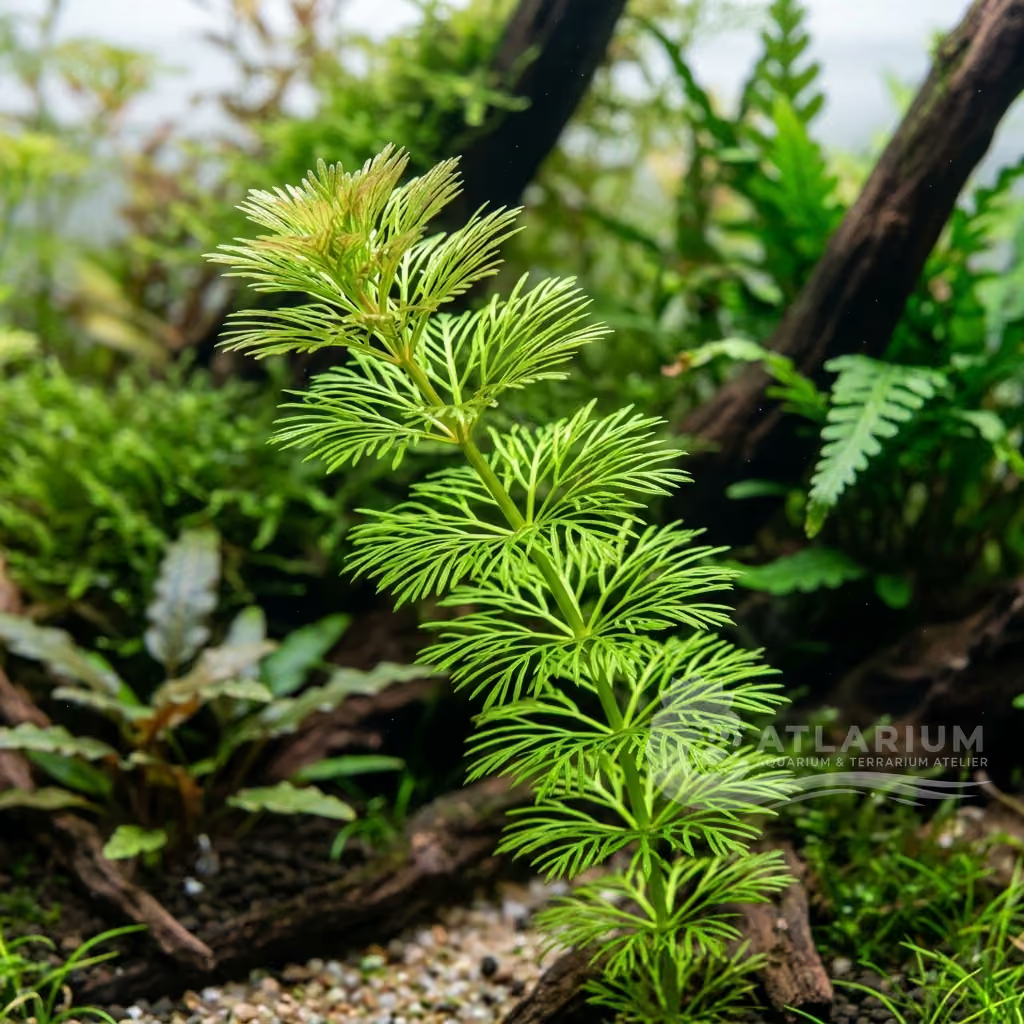
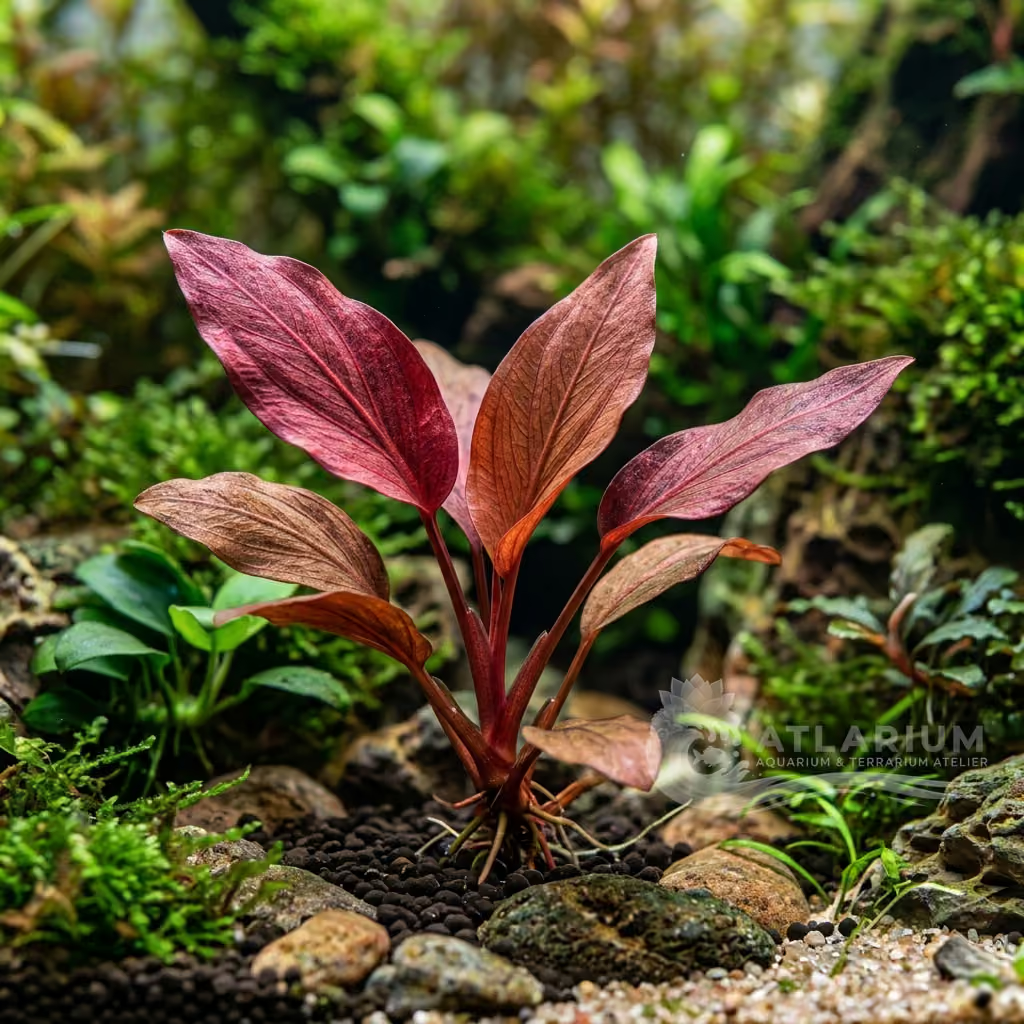
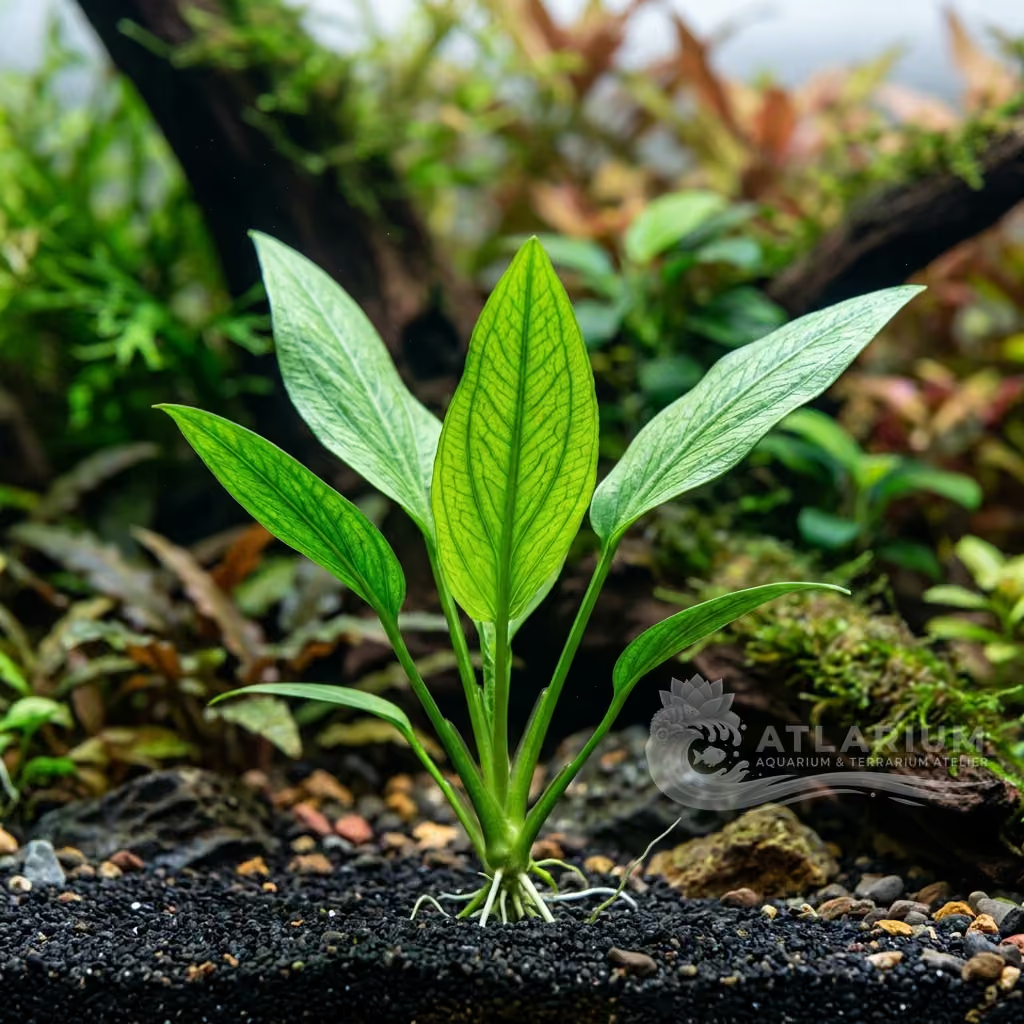
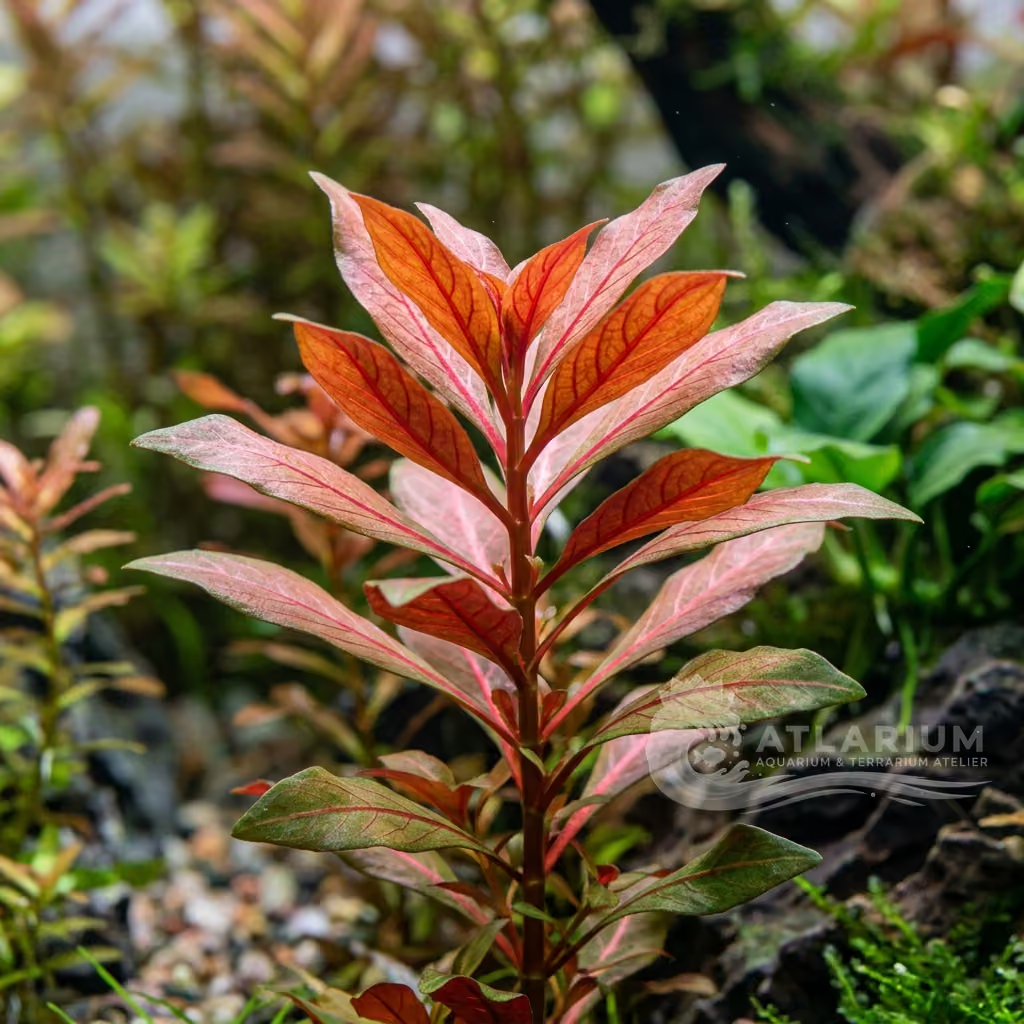
Isoetes velata var. sicula
Isoetes longissima subsp. longissima
An ancient Mediterranean quillwort featuring an underground bulb and stiff, vertical leaves. It thrives in fine, fertile substrates under medium to high light, forming distinctive tufts.
Water Temperature
5 - 28 °C
pH Value
5 - 8
Water type
Freshwater
Light
Medium - High
CO2
Low - High
Expected height
20 cm
GH
4 - 20 dGH
KH
0 - 15 dKH

Species description
Geographical Origin and Habitat: Isoetes velata var. sicula is a plant characteristic of Sicily and neighboring Mediterranean regions. It populates temporary pools and spring ponds that form during the rainy season and dry up completely in summer. The plant survives the dry period thanks to an underground bulb, reactivating quickly when the water returns.
Taxonomy & Genetics: It belongs to the family Isoetaceae. It is a very ancient vascular plant (pteridophyte), related to ferns. The genetics of the species are adapted to tolerate significant thermal fluctuations and summer drought through the underground lobed corm, which stores water and nutrients.
Physical Structure: It features a compact rosette of needle-like, rigid, and vertical leaves emerging from the central corm. The leaves are hollow and with a circular or triangular cross-section, resembling small rushes. Height in the aquarium is between 10 and 20 centimeters, with a robust root system anchoring the plant firmly.
Color & Texture: The leaves show a dark olive green or dull emerald green color. The texture is smooth, leathery, and elastic. The base of the leaves, near the underground bulb, widens, assuming whitish or light brown hues, making the base of the rosette very robust.

Care, breeding and tankmates
Lighting & CO2: Requires medium to intense lighting to keep leaves erect and prevent aesthetic deterioration. CO2 supplementation is not mandatory but significantly accelerates corm development and production of new vertical leaves.
Nutrition & Substrate: Developing strong roots from the bulb, it benefits greatly from a fertile and soft substrate (fine sand or gravel mixed with soil). Periodical root fertilization supports long-term healthy development, preventing root rot.
Water Chemistry: Tolerates a wide temperature range between 5°C and 28°C, making it suitable also for cold water or temperate aquariums. Optimal pH varies from 5.0 to 8.0, with a tolerated carbon hardness (KH) of 0 to 15 dKH.
Space Management & Placement: Its ideal placement is in the midground of the aquarium (midground) or in nano tanks as an accent plant. Thanks to its linear and erect shape, it creates an excellent visual contrast when placed next to broad-leaved plants.
Pruning: Pruning consists solely of manual removal of older, damaged, or yellowed outer leaves by cutting them near the bulb. It must not be trimmed or cut on the upper part so as not to compromise the leaf blade.
Risks & Diseases: The main risk is corm rot if it is completely buried in the substrate or in the presence of poor water circulation at the base. Having slow growth, the leathery leaves can accumulate brush algae or debris.

Geographic origin and distribution
Isoetes velata var. sicula is a plant characteristic of Sicily and neighboring Mediterranean regions. It populates temporary pools and spring ponds that form during the rainy season and dry up completely in summer. The plant survives the dry period thanks to an underground bulb, reactivating quickly when the water returns.
Origin
Europe, Mediterranean, and West Asia

Plant profile
- Placement
- Midground
- It is ideally suited for the foreground or midground of the aquarium, depending on the tank size. Its grassy appearance makes it a perfect transitional plant. It should be planted directly into the substrate in small tufts. Ensure it is not completely shaded by taller background species.
- Botanical form
- Rosette
- It features distinct, tubular, quill-like leaves that grow in a rosette pattern from a central base. The leaves are quite rigid compared to typical aquatic grasses. It maintains a very bright, almost neon green coloration. Its unique texture adds excellent contrast to broad-leaved plants.
- Growth
- Slow
- This plant exhibits a relatively slow to moderate growth rate under most conditions. It will not quickly take over the aquarium, making it easy to manage. Adding strong light and CO2 will only slightly increase its speed. Its manageable growth makes it ideal for smaller setups.
- Substrate
- High
- Isoetes velata var. sicula is a specialized, quillwort species that demands a soft, acidic aqua soil to flourish and establish a strong foothold. Its bulbous, corm-like base produces dense, downward-growing roots that heavily rely on the substrate's cation exchange capacity for essential mineral uptake. A fine-grained, deeply layered substrate of at least 5 centimeters is crucial to allow its delicate roots to penetrate easily and to support its unique rosette structure without disturbance.
- Column fertilization
- Recommended
- Liquid column fertilization can be used sparingly to supplement its needs. It does absorb some nutrients through its stiff leaves. A general-purpose liquid fertilizer applied weekly is usually sufficient. Over-fertilization in the water column is generally unnecessary.
- Root fertilization
- None
- As a rosette plant, it feeds heavily through its root system in the substrate. A nutrient-rich soil or the addition of root tabs is highly recommended for optimal health. The strong roots anchor the plant firmly and draw up essential macros. Providing a good substrate is the key to success with this species.
- Trimming
- Occasional
- Trimming is rarely needed as it does not grow rapidly or excessively tall. If leaves become damaged or algae-covered, cut them off cleanly near the base. Do not trim the tops of the leaves like lawn grass, as the cut ends may die back. Instead, remove whole leaves from the rosette.
- Propagation
- Cuttings
- Propagation occurs naturally but slowly through the development of side shoots or splitting at the base. You can carefully divide a mature, thick rosette into smaller plants. Replant the divided sections directly into the substrate, ensuring the roots are buried. It may take time for the new plants to establish.
- Sensitivity
- Moderate
- It is generally hardy but can be sensitive to very poor water quality or extreme shifts in parameters. The stiff leaves can attract spot algae if phosphates are unbalanced or light is too high without CO2. It requires a relatively clean substrate to prevent root rot. Maintain stable conditions.
- Layout role
- Nano, Midground, Background
- It serves excellently as a foreground accent or a midground filler. Its stiff, grassy texture provides a very natural, marsh-like appearance. It contrasts well with carpeting plants and adds vertical lines to the lower levels. It is perfect for creating natural borders around hardscape.

Related species
Recommendations grouped by close relatives, companion choices, and similar care.