Cryptocoryne × purpurea
Cryptocoryne × purpurea
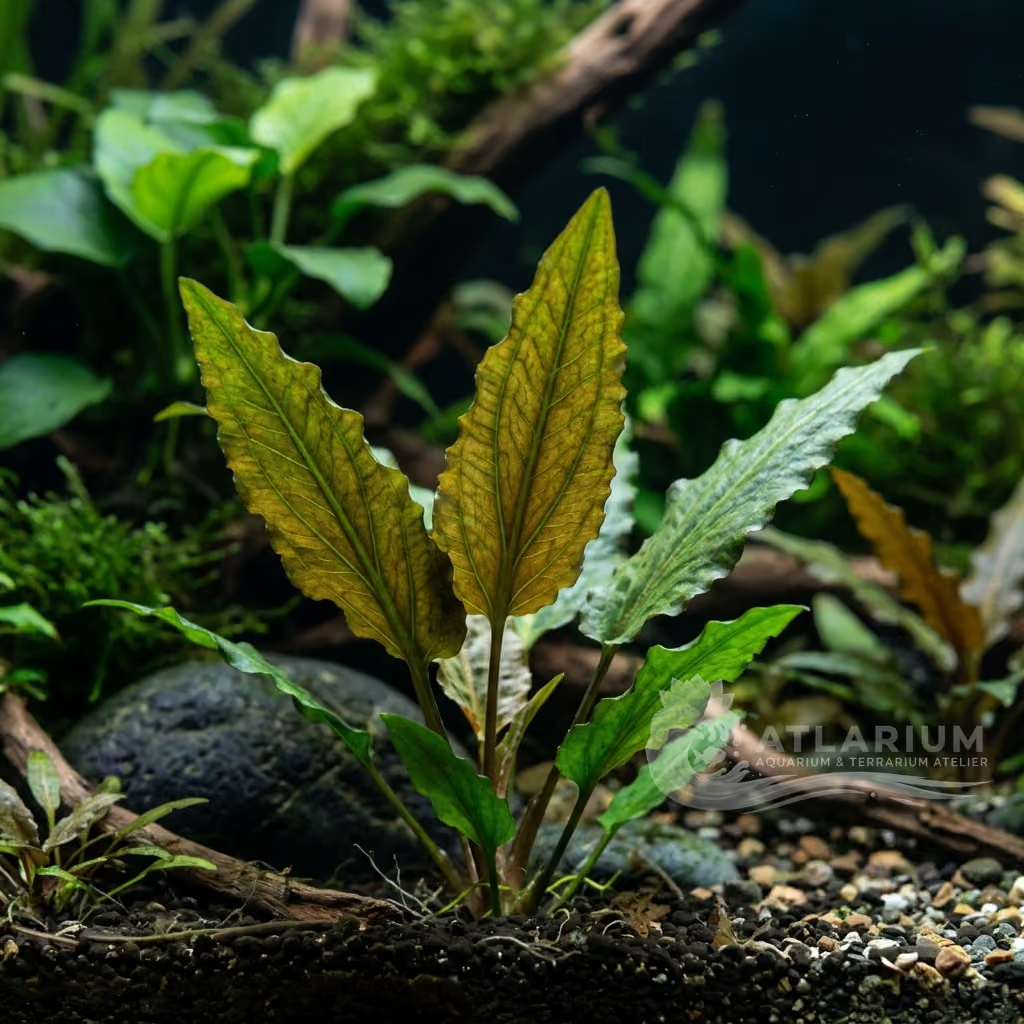
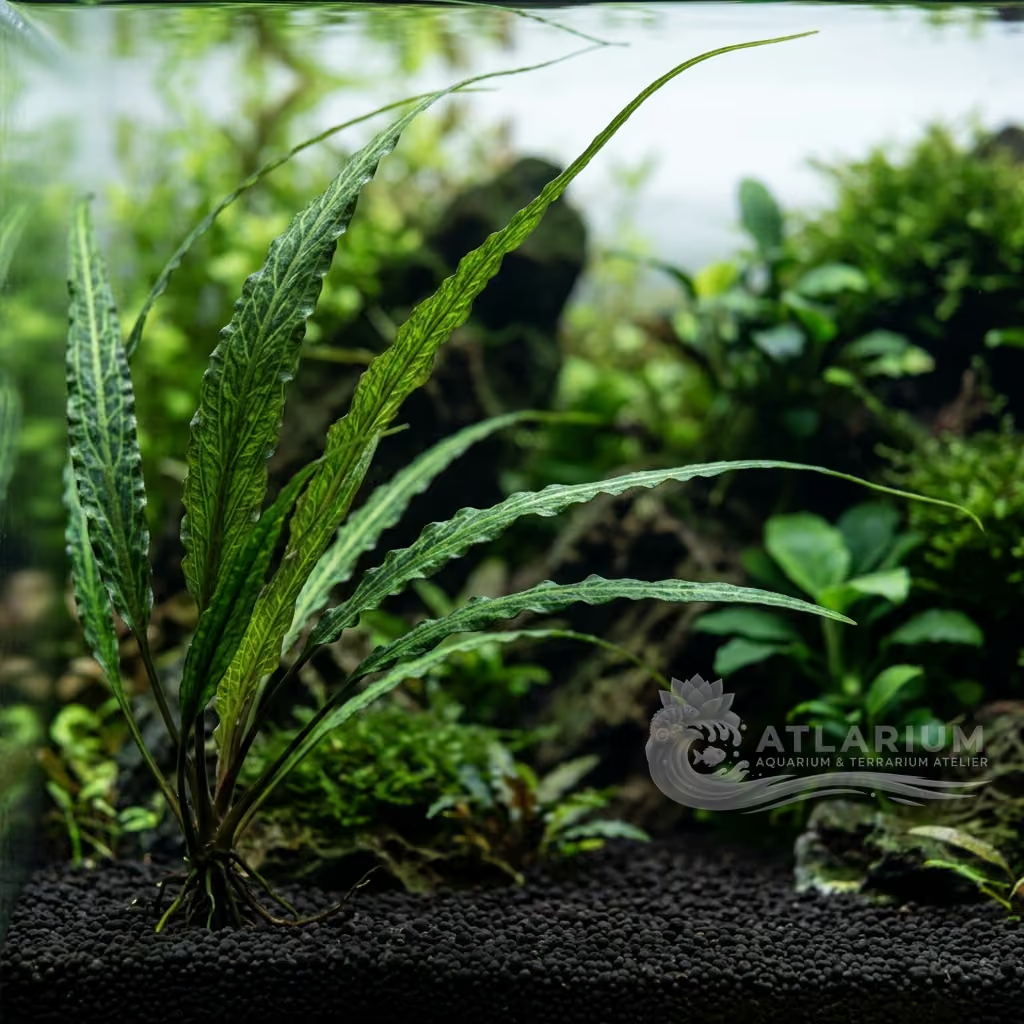
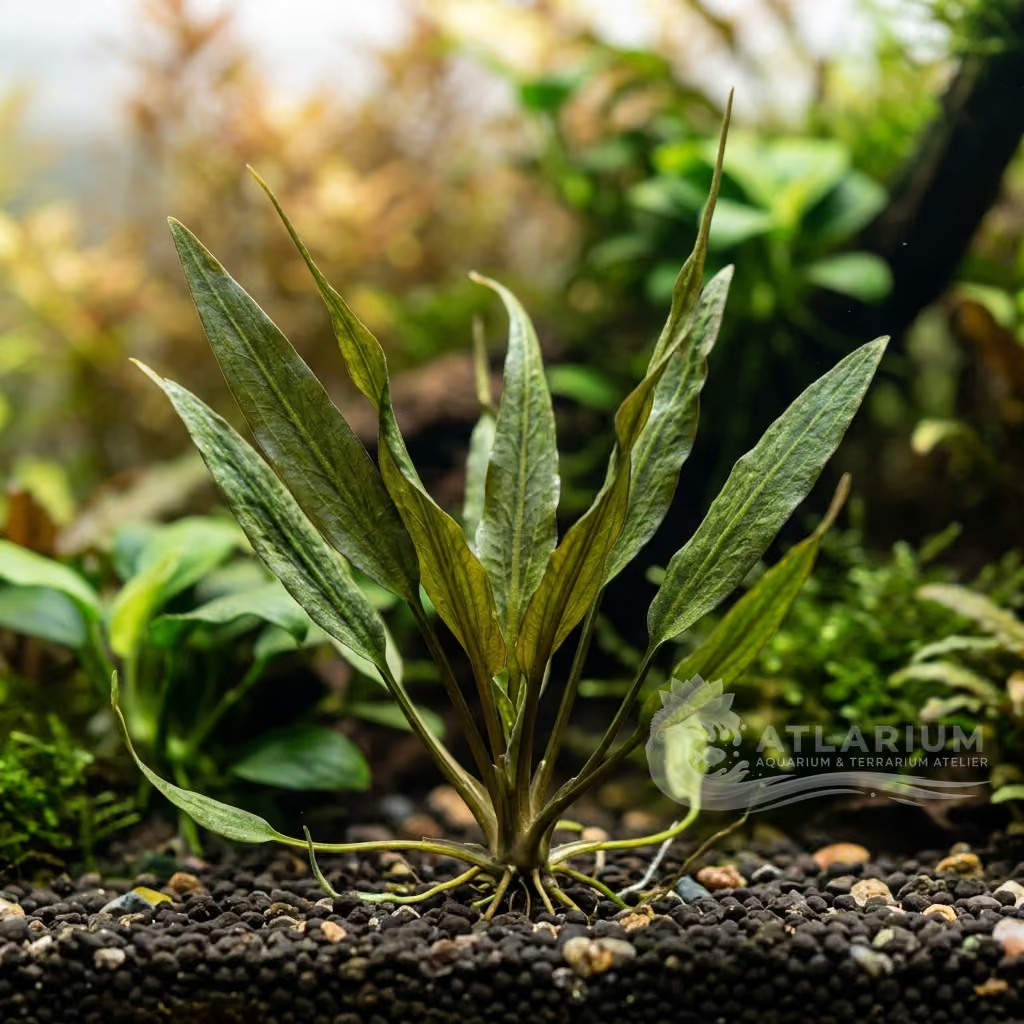
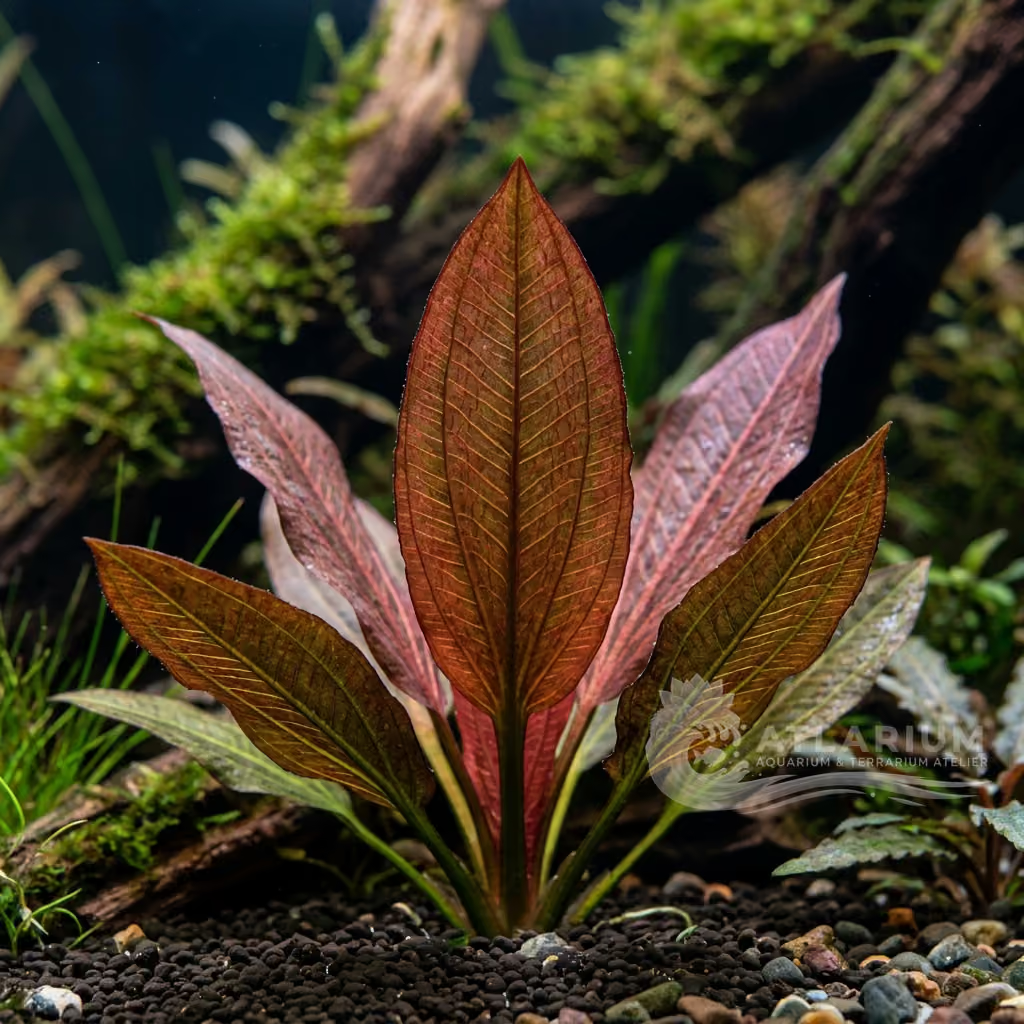
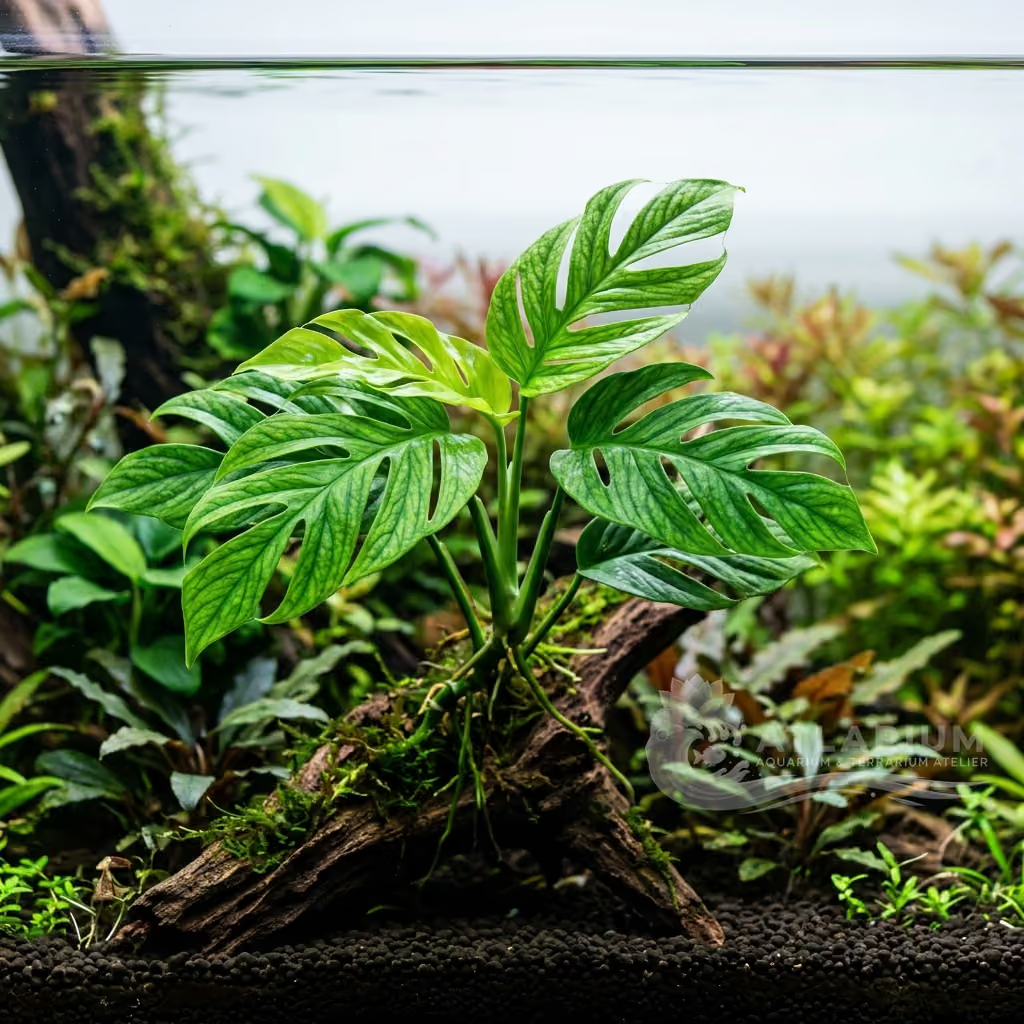
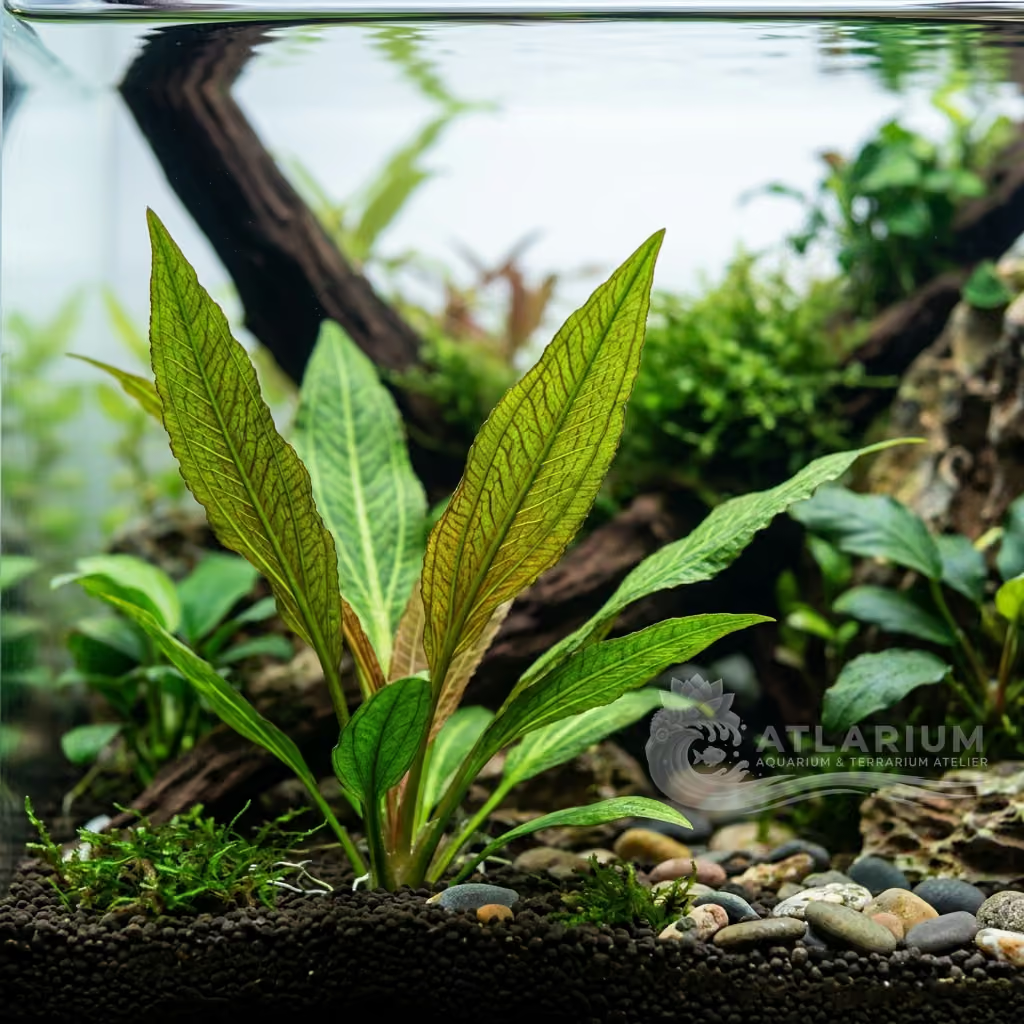
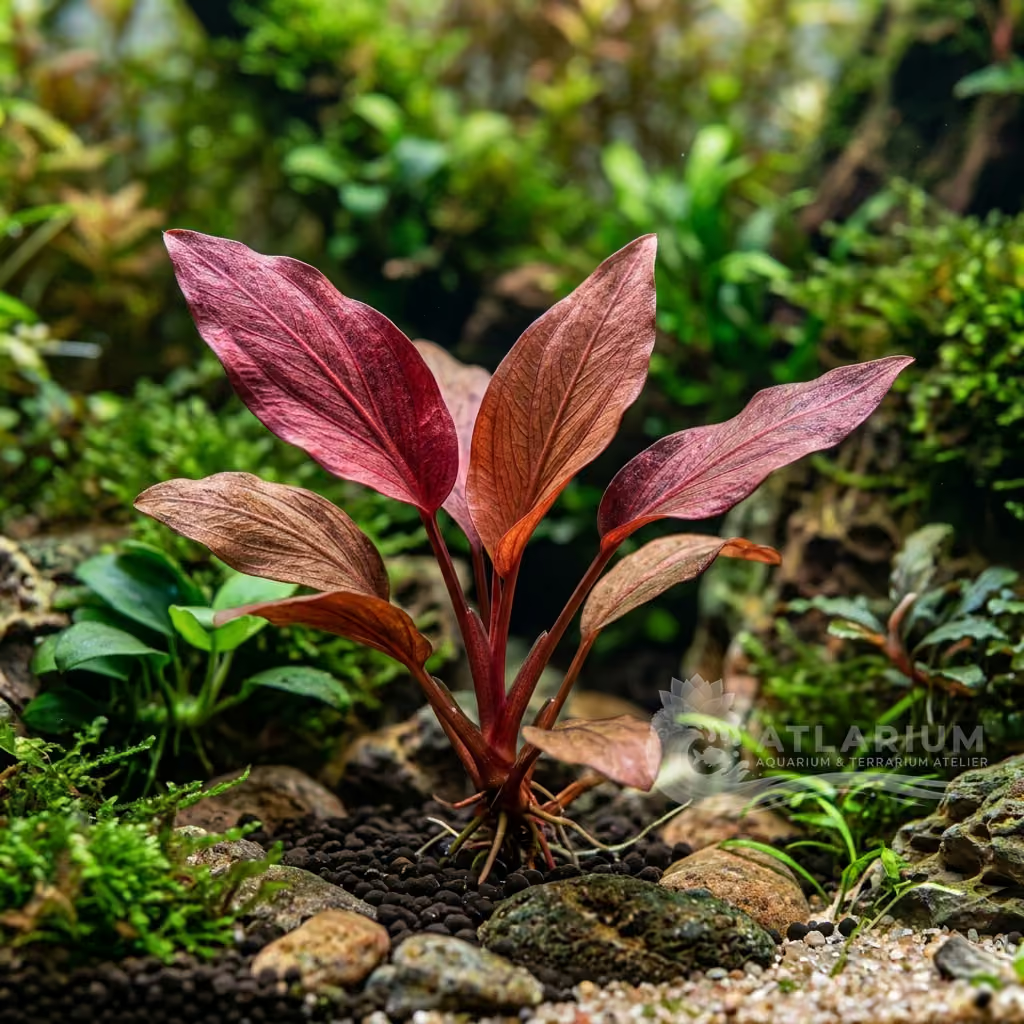
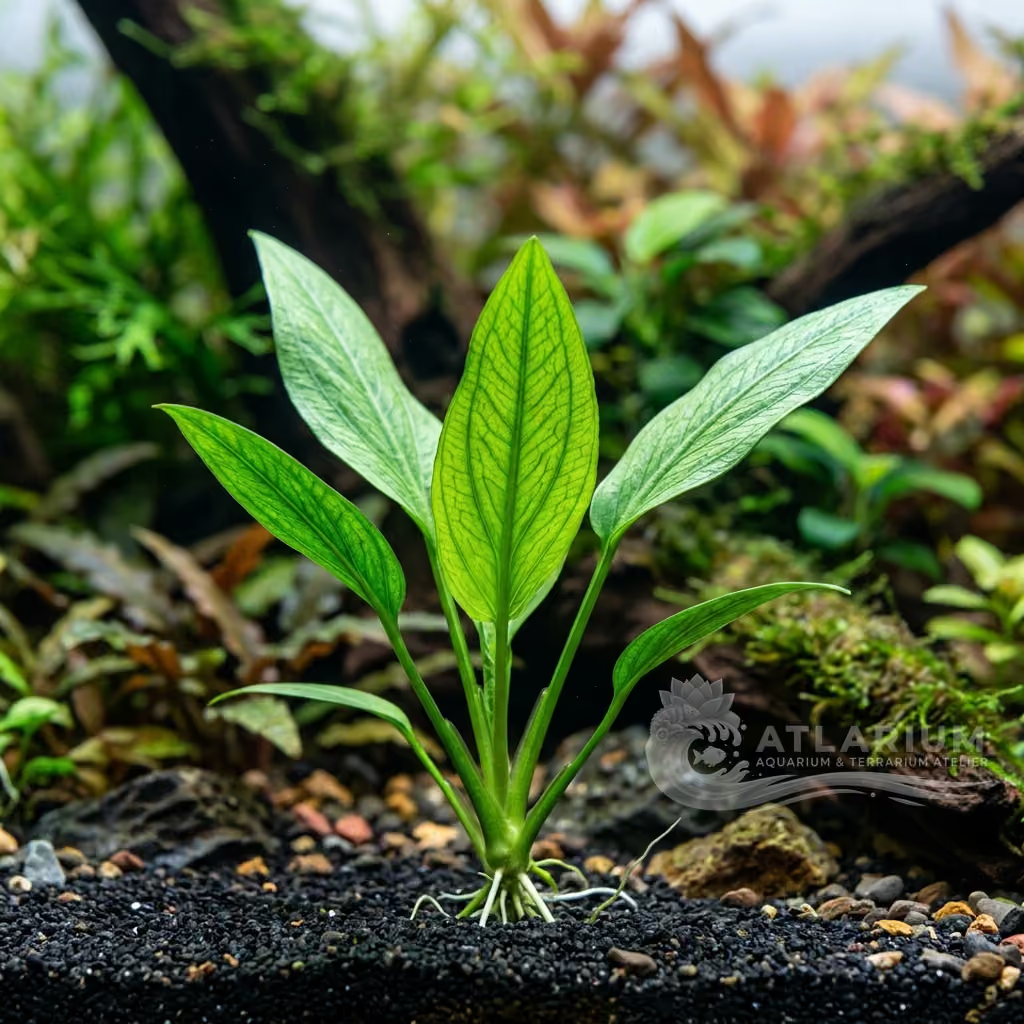
Cryptocoryne × purpurea is a rare, naturally occurring hybrid from the Malay Peninsula. Its deeply marbled, bronze to olive-green leaves add an incredibly exotic and sophisticated texture to any layout.
Water Temperature
17 - 30 °C
pH Value
5 - 6
Water type
Freshwater
Light
Low to Medium
CO2
Low - High
KH
2 - 16 dKH

Species description
Geographical Origin and Habitat: Cryptocoryne × purpurea is a rare natural hybrid native to the southern regions of the Malay Peninsula. It primarily inhabits blackwaters within swamp forests and channels associated with peat forests. Its habitat is characterized by warm, extremely soft, and acidic water, virtually free of conductivity, with a bed of decaying leaves and acidic organic mud providing a humid environment rich in humic acids.
Taxonomy & Genetics: It is a natural hybrid resulting from the cross between Cryptocoryne cordata and Cryptocoryne griffithii. This hybrid status has been confirmed by cytogenetic studies. Due to its hybrid nature, the plant is sterile and reproduces exclusively by vegetative means in the wild. It exhibits foliage with intermediate features between the two parent species, with an intense purple floral spathe that justifies its specific name.
Physical Structure: It features a compact and elegant rosette habit, with broad, heart-shaped or ovate leaves developing from a creeping, fleshy rhizome. The root system, while not the most extensive in the genus, is dense and robust, allowing a firm anchor in the soft mud typical of Malayan peat swamps.
Color & Texture: The leaves feature a dark olive-green or bronze upper side, embellished with dark purple or brown veins that create a highly decorative grid pattern. The underside varies from pale pink to deep purple-red. The leaf surface has a smooth, waxy, and semi-glossy texture that elegantly reflects the soft light of the aquatic understory.

Care, breeding and tankmates
Lighting & CO2: Prefers low to moderate lighting, simulating the shade of its native tropical forest. High light levels can inhibit growth and promote black beard algae on the leaves. CO2 injection is not essential, but a controlled and constant dosage (10-15 mg/L) helps stabilize the acidic pH and accelerates the development of this slow species.
Nutrition & Substrate: An acidic, iron-rich substrate is crucial. The use of a specific aquasoil for acidophilic plants, integrated with iron-based fertilizer tablets, is recommended. Avoid calcareous substrates that would increase
Water Chemistry: This species is demanding: it prefers very soft and acidic water, with an optimal pH between 5.0 and 6.0 and a preferably low KH hardness (2-6 dKH, though it tolerates up to 16 dKH). It is sensitive to high concentrations of dissolved salts and osmotic swings. The optimal temperature is between 22°C and 26°C, tolerating 17°C to 30°C.
Space Management & Placement: Place in the midground of the aquarium. Given its extremely slow growth and small size, it should be positioned away from the shade of larger stem plants, but not under direct light. Plant the rosettes leaving about 5 cm of space between each to encourage the expansion of its rare runners.
Pruning: Requires very little maintenance. Simply cut older or damaged leaves near the rhizome using sharp aquascaping scissors, taking care not to disturb nearby roots.
Risks & Diseases: Highly sensitive to Cryptocoryne melt. Any sudden change in water chemical parameters, especially rising pH or hardness, can cause the rapid dissolution of the entire leaf structure. It is recommended to introduce it only in mature and stable aquariums.

Geographic origin and distribution
Cryptocoryne × purpurea is a rare natural hybrid native to the southern regions of the Malay Peninsula. It primarily inhabits blackwaters within swamp forests and channels associated with peat forests. Its habitat is characterized by warm, extremely soft, and acidic water, virtually free of conductivity, with a bed of decaying leaves and acidic organic mud providing a humid environment rich in humic acids.
Origin
South and Southeast Asia

Plant profile
- Placement
- Midground
- Strategically placing Cryptocoryne × purpurea as a midground specimen plant will maximize its aesthetic contribution to the tank. It possesses a robust rosette with marbled, slightly bullated leaves that naturally draws the eye and breaks up monotonous plant groupings. Ensure it is planted in an area with stable flow and unobstructed light penetration.
- Botanical form
- Rosette
- The physical structure of Cryptocoryne × purpurea is defined by its robust rosette with marbled, slightly bullated leaves. Submersed specimens often display a more delicate and colorful appearance compared to their emersed counterparts. Its unique structural traits make it highly sought after by dedicated planted tank enthusiasts.
- Growth
- Slow
- The growth rate of Cryptocoryne × purpurea is generally considered slow under standard aquarium conditions. With the addition of CO2 injection and optimal lighting, its development can be moderately accelerated. However, patience is required as it establishes its root system before producing significant new foliage.
- Substrate
- High
- The substrate plays a crucial role in cultivating Cryptocoryne × purpurea successfully in the aquarium. A soft, deep, and fertile soil layer allows its robust root network to expand properly. Providing supplemental root fertilization in inert substrates will drastically improve its stability and growth.
- Column fertilization
- Recommended
- While it relies heavily on its roots, Cryptocoryne × purpurea still benefits from a lean liquid fertilization regime. Trace elements and potassium delivered via the water column help prevent pinholes and yellowing. Regular water changes coupled with careful dosing will keep the plant pristine and algae-free.
- Root fertilization
- None
- Targeted root fertilization is critical for the enduring vitality of Cryptocoryne × purpurea. High-quality root tabs inserted deep into the substrate provide a steady, localized supply of essential elements. This practice significantly reduces the risk of the dreaded Cryptocoryne melt during its growth cycle.
- Trimming
- Occasional
- Trimming should be done sparingly, removing only older or decaying leaves near the base. Cut the stems as close to the substrate as possible using sharp aquascaping scissors. Avoid cutting healthy foliage, as the slow growth rate means it will take time to recover.
- Propagation
- Cuttings
- Cryptocoryne × purpurea spreads across the aquarium substrate by sending out lateral stolons. Aquarists can propagate it by simply snipping the runner connection once the daughter plant is adequately sized. Relocating these clones helps create dense, natural-looking clusters within the aquascape.
- Sensitivity
- Moderate
- Cryptocoryne × purpurea is notoriously sensitive to sudden changes in water parameters, which can trigger 'Crypt melt'. If melting occurs, leave the root system intact as it will typically bounce back with new, adapted leaves. It prefers stable environments with consistent lighting and fertilization.
- Layout role
- Midground, Background
- In aquascaping, Cryptocoryne × purpurea serves as a fantastic structural element or accent plant. Its dark green with purple marbling tones provide great contrast against typical green aquatic plants. It works exceptionally well in Nature Aquarium styles and shaded areas beneath driftwood.

Related species
Recommendations grouped by close relatives, companion choices, and similar care.