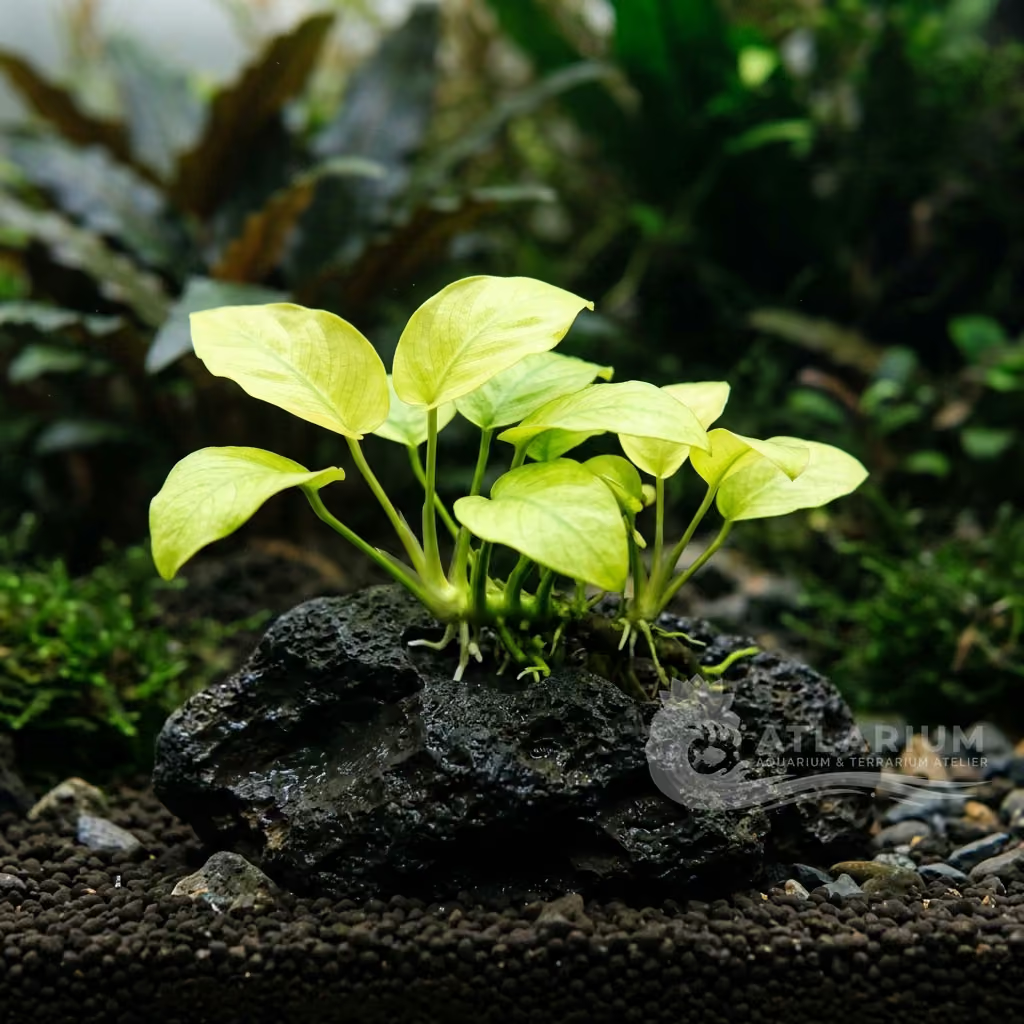
Utricularia aurea
Utricularia aurea
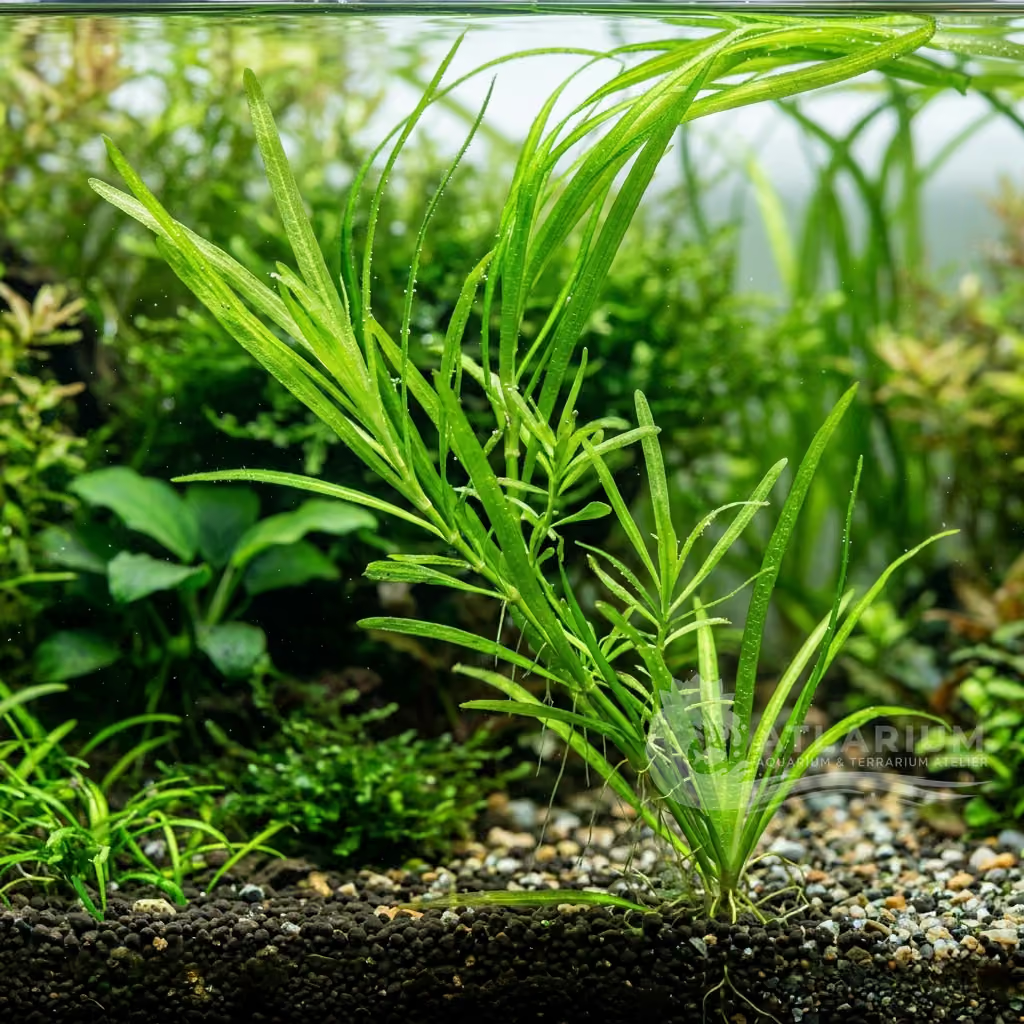
Utricularia aurea is a carnivorous aquatic plant, typically free-floating or submerged, characterized by an extremely fast growth rate. It is suitable for occupying the midground section of the aquarium, providing dense cover and an ethereal appearance. Its unique nature and ease of cultivation make it an interesting addition for aquarists of all levels.
Water Temperature
18 - 32 °C
pH Value
5 - 8
Water type
Freshwater
Light
Medium to High
CO2
Low - High
KH
0 - 14 dKH

Species description
Geographical Origin and Habitat: Utricularia aurea is a widely distributed species found in tropical and subtropical regions of Asia, from India to China, and extending to Australia and Southeast Asia. It thrives in calm or slow-moving freshwater habitats, such as ponds, swamps, ditches, rice paddies, and lake margins. This carnivorous aquatic plant can be found freely floating on the surface or submerged just below, often entangled among surrounding vegetation or loosely anchored to debris.
Taxonomy & Genetics: Belonging to the Lentibulariaceae family, the genus Utricularia comprises over 200 species of carnivorous aquatic, terrestrial, and epiphytic plants. Utricularia aurea shares the distinctive characteristics of the genus, particularly the absence of true roots and the presence of tiny bladder traps specialized in capturing small aquatic organisms. Its classification is based on morphological and genetic analyses that attest to its evolutionarily unique nature within the aquatic plant kingdom.
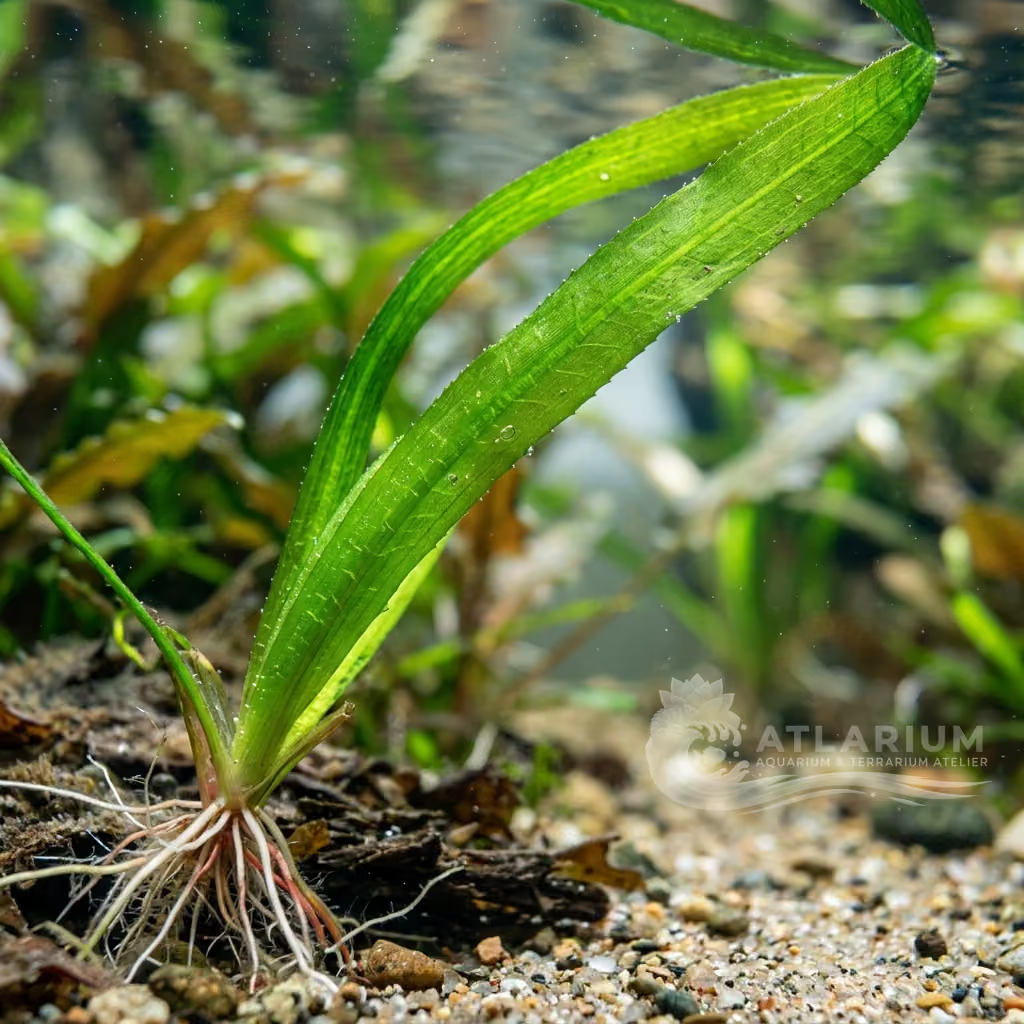
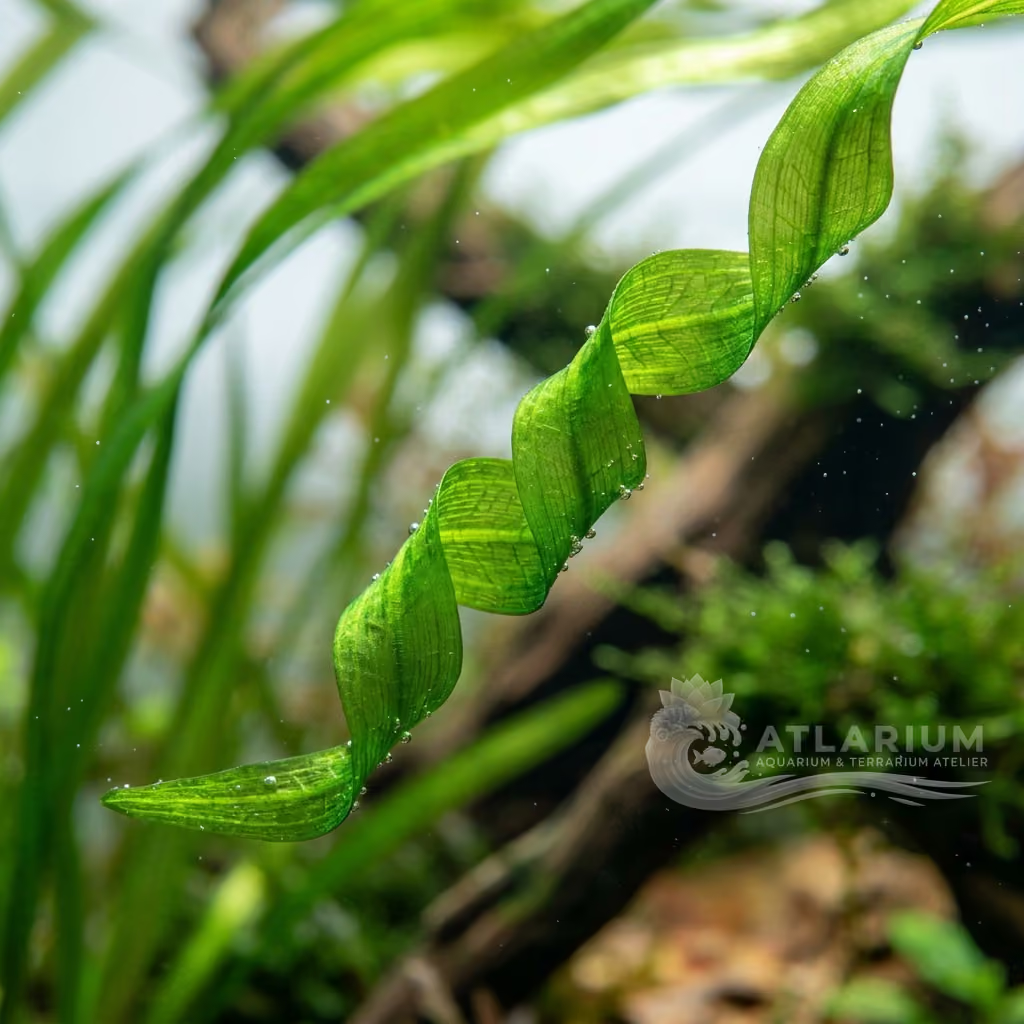
Physical Structure: Utricularia aurea exhibits a delicate, filamentous structure, composed of branching stems that can extend several decimeters underwater. The finely divided and highly branched leaves resemble threads or feathers, giving the plant an ethereal and airy appearance. Along these stems and modified leaves are the characteristic bladder traps, small transparent sacs used to ensnare microscopic organisms, showcasing its carnivorous nature.
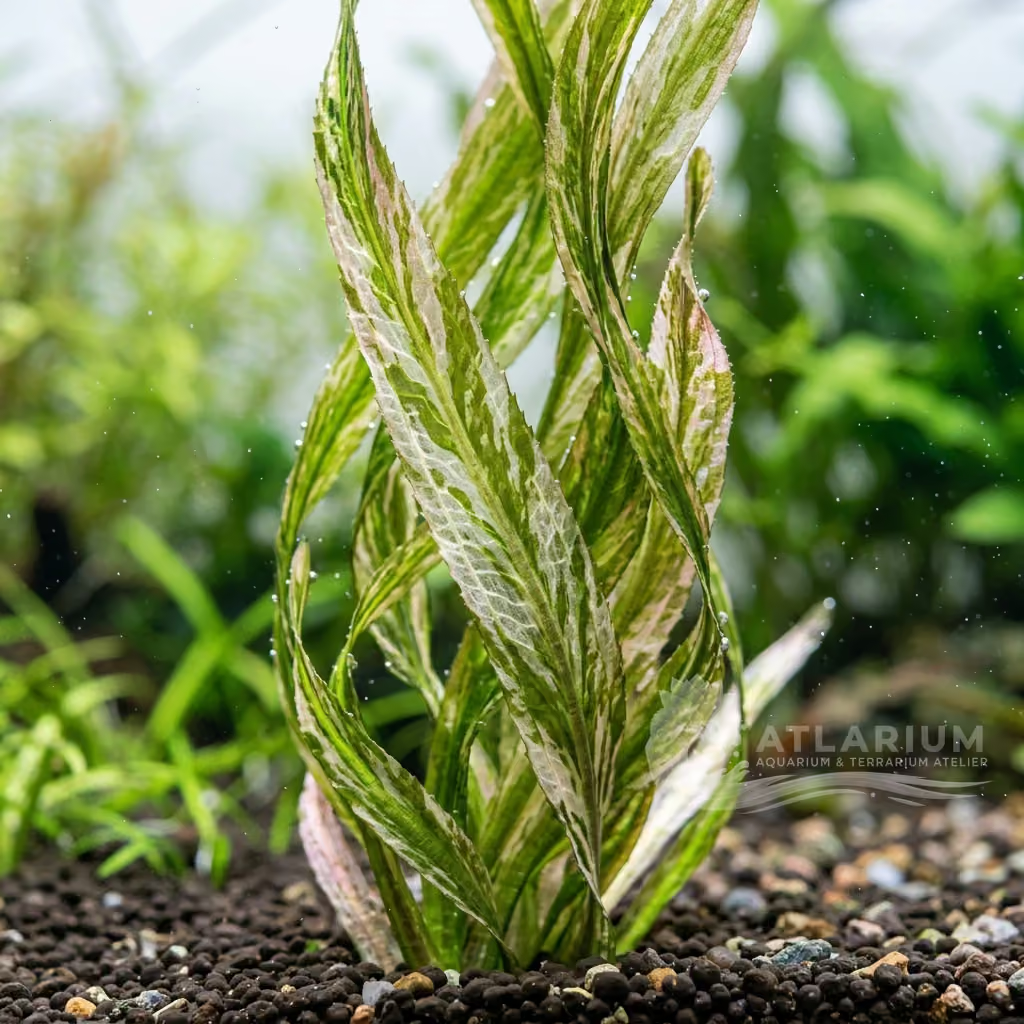
Color & Texture: The color of Utricularia aurea ranges from light green to golden-green, especially under optimal lighting conditions, which enhances its luminous hues. Its texture is extremely soft and velvety to the touch, almost impalpable in the water, due to its finely segmented leaves. Under favorable conditions, it can produce graceful yellow flowers that emerge above the water surface, adding a vibrant splash of color to the aquascape.

Care, breeding and tankmates
Lighting & CO2: Utricularia aurea requires medium to high lighting to thrive and exhibit its very fast growth and vibrant coloration. Insufficient light levels can slow growth and result in a less dense appearance. Although not strictly necessary, CO2 supplementation can promote even more lush and vigorous growth, encouraging the formation of stronger stems and greater plant density.
Nutrition & Substrate: As a rootless carnivorous aquatic plant, Utricularia aurea does not require a nutritious substrate; it absorbs nutrients directly from the
Water Chemistry: Utricularia aurea is extremely tolerant of a wide range of water parameters, adapting to temperatures between 18.0 and 32.0 C, pH from 5.0 to 8.0, and KH from 0.0 to 14.0. This flexibility makes it suitable for various aquatic setups, from soft and slightly acidic waters to harder and neutral ones. Maintaining clean and well-oxygenated water is crucial to prevent algal proliferation and ensure the plant's overall health.
Space Management & Placement: Despite being indicated for midground placement, Utricularia aurea is often a free-floating plant or can be allowed to entangle itself among other species or decorations. Its very fast growth means it can quickly occupy large spaces, forming dense mats that provide excellent refuge for fry and invertebrates. To maintain an aesthetic and functional balance, it is important to monitor its expansion and manage its density.
Pruning: Pruning Utricularia aurea is an essential operation given its very fast growth, which could otherwise smother other plants or limit space for fauna. It is simply done by manually or with scissors removing excess portions of the plant. This not only controls its spread but also stimulates denser, more compact growth, maintaining the desired appearance within the aquarium.
Risks & Diseases: Utricularia aurea is generally a robust and resilient plant, but it can be susceptible to problems if aquarium conditions are not optimal. Poor lighting or nutrient deficiencies can weaken it, making it more vulnerable to algal growth, which can compete for light and nutrients. Although carnivorous, it is not prone to specific diseases or pests, but water quality and parameter stability remain crucial for its health.

Geographic origin and distribution
Utricularia aurea is a widely distributed species found in tropical and subtropical regions of Asia, from India to China, and extending to Australia and Southeast Asia. It thrives in calm or slow-moving freshwater habitats, such as ponds, swamps, ditches, rice paddies, and lake margins. This carnivorous aquatic plant can be found freely floating on the surface or submerged just below, often entangled among surrounding vegetation or loosely anchored to debris.
Origin
South and Southeast AsiaEast AsiaAustralia, New Guinea, and Oceania

Plant profile
- Placement
- Midground
- It is best grown as a free-floating plant at the surface of the aquarium. It should be placed in areas with gentle to moderate water flow to ensure it doesn't get pushed underwater or tangled constantly in filter intakes. It can also provide excellent shaded areas for fish and fry near the surface.
- Botanical form
- Stem
- This rootless aquatic plant features long, trailing stems covered in finely divided, hair-like leaves. Interspersed among the leaves are tiny, specialized trap bladders (utricles) used to catch microscopic prey. During the blooming season, it may produce small, striking yellow flowers that emerge above the water surface.
- Growth
- VERY_FAST
- Its growth rate is incredibly fast when provided with strong light and abundant nutrients or prey (like infusoria or small nematodes). Under ideal conditions, it can quickly cover the entire surface of the aquarium. Regular removal of excess mass is required to prevent it from blocking light to underlying plants.
- Substrate
- None
- Utricularia aurea is a rootless, free-floating carnivorous plant that derives absolutely no benefit from a substrate. It lacks any structures for anchoring in soil and instead drifts near the surface or mid-water. The plant meets its nutritional needs by capturing tiny aquatic organisms using specialized bladder traps along its stems. Attempting to plant it in the substrate will typically lead to the decay of the submerged sections, as it is strictly adapted to a pelagic lifestyle.
- Column fertilization
- Recommended
- Because it completely lacks roots, all non-carnivorous nutrient absorption occurs directly through the leaves from the water column. Liquid fertilization is highly effective and necessary if the tank lacks a sufficient bioload to provide natural nitrates and phosphates. Adding liquid carbon is not strictly necessary but can promote faster growth.
- Root fertilization
- None
- Substrate fertilization is completely irrelevant for Utricularia aurea as it is an obligate floating plant without a root system. It will never root into the substrate. Nutrients must be available in the water column or through captured microorganisms.
- Trimming
- Occasional
- Trimming is simply a matter of pulling out handfuls of the plant and discarding them to keep the population in check. If you want to keep it looking tidy, you can pinch off the older, browner sections of the stem. Ensure you dispose of it properly, as it can become an invasive weed in local waterways.
- Propagation
- Cuttings
- Propagation is as simple as it gets: fragmentation. Breaking off any piece of the stem that contains a few leaves and bladders will result in a new plant. It naturally branches and fractures as it grows, rapidly increasing its numbers.
- Sensitivity
- Moderate
- It is quite hardy but can melt or slow down if the water lacks basic nutrients or if it gets heavily outcompeted by surface agitation (e.g., strong spray bars pushing it under). It may also struggle in extremely hard water, preferring softer, slightly acidic conditions.
- Layout role
- Midground
- It is primarily used as a floating plant to provide cover for labyrinth fish, shrimp, and fry. Its complex, messy structure isn't typically used in strict, manicured aquascapes but is highly valued in biotope or breeding setups for its naturalistic look and infusoria-harboring capabilities.

Related species
Recommendations grouped by close relatives, companion choices, and similar care.