Utricularia cf. vulgaris
Utricularia cf. vulgaris
Utricularia cf. vulgaris is a fascinating, fast-growing floating aquatic plant, perfect for creating dense and natural backgrounds in the aquarium. Its carnivorous nature and delicate structure make it a unique and botanically interesting addition.
Water Temperature
4 - 30 °C
pH Value
5 - 8
Water type
Freshwater
Light
Medium to High
CO2
Low - High
KH
0 - 14 dKH

Species description
Geographical Origin and Habitat: Utricularia cf. vulgaris, like many species within the genus Utricularia, is widely distributed across various regions globally, typically inhabiting still or slow-moving freshwater bodies. It thrives in oligotrophic environments such as ponds, lakes, ditches, and bogs, where low nutrient levels in the substrate compel it to develop its characteristic carnivorous traps to supplement nitrogen intake. It is often found in acidic to neutral waters, frequently associated with rich riparian or submerged vegetation.
Taxonomy & Genetics: Belonging to the Lentibulariaceae family, Utricularia cf. vulgaris is a bladderwort species, renowned for its unique carnivorous nature. The "cf." in its name stands for "confer" (compare with), indicating that this plant closely resembles Utricularia vulgaris but might be a variety, subspecies, or a closely related species requiring further taxonomic identification. Genetically, these plants have evolved a highly specialized hunting mechanism, featuring bladders that rapidly suction in small aquatic organisms.
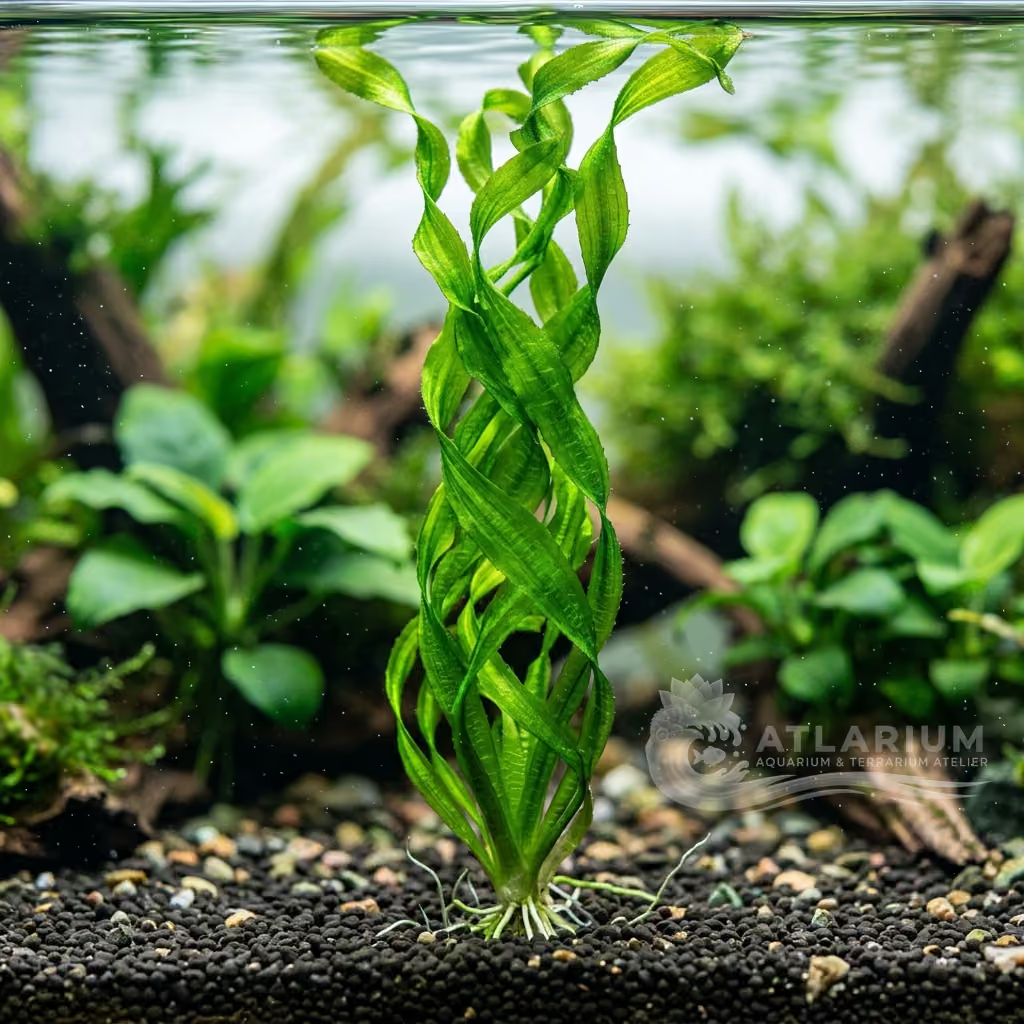
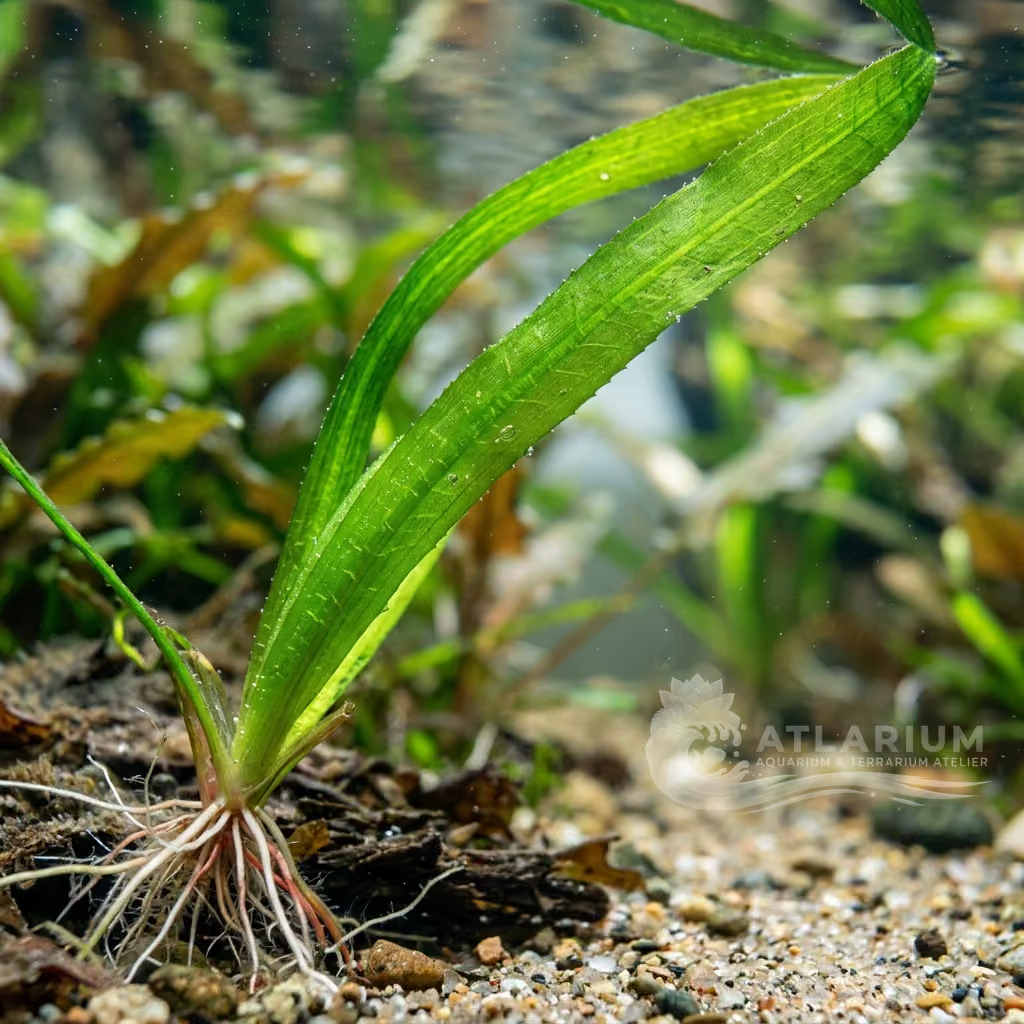
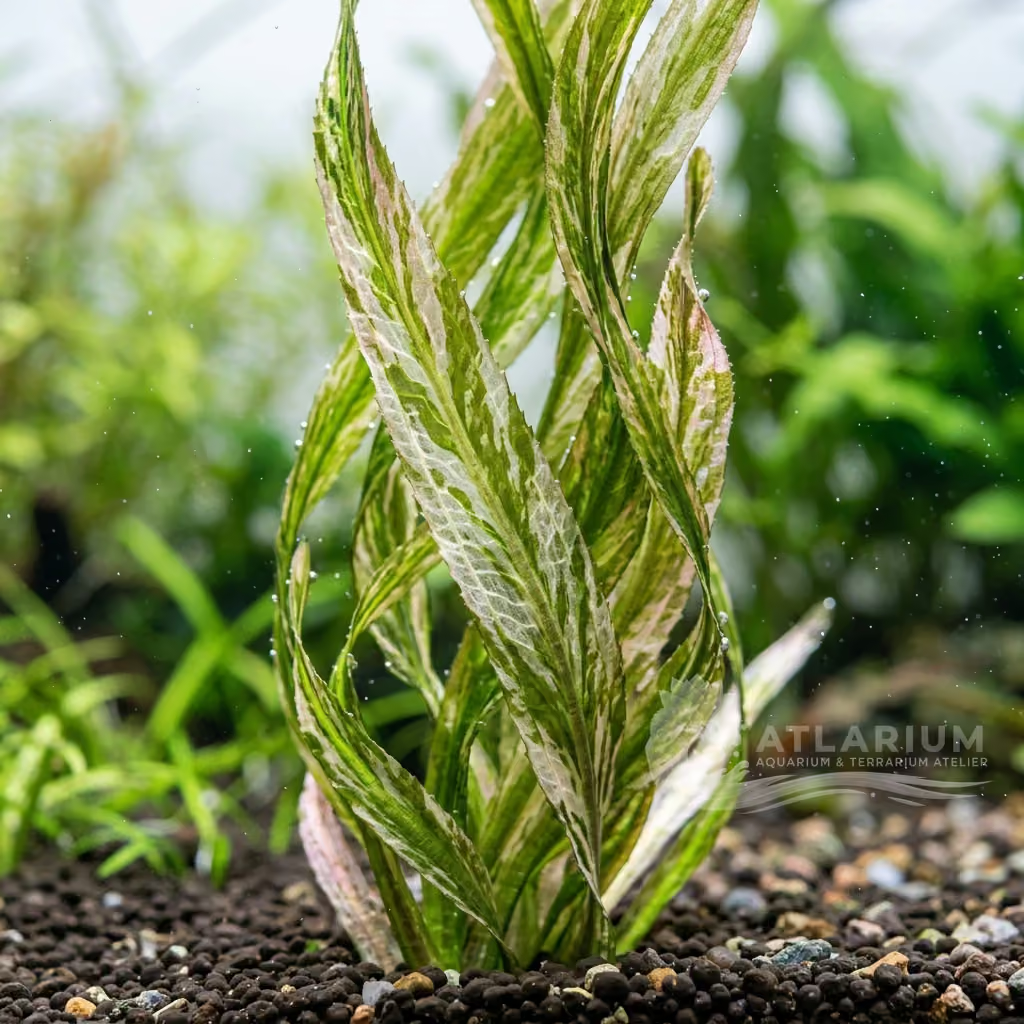
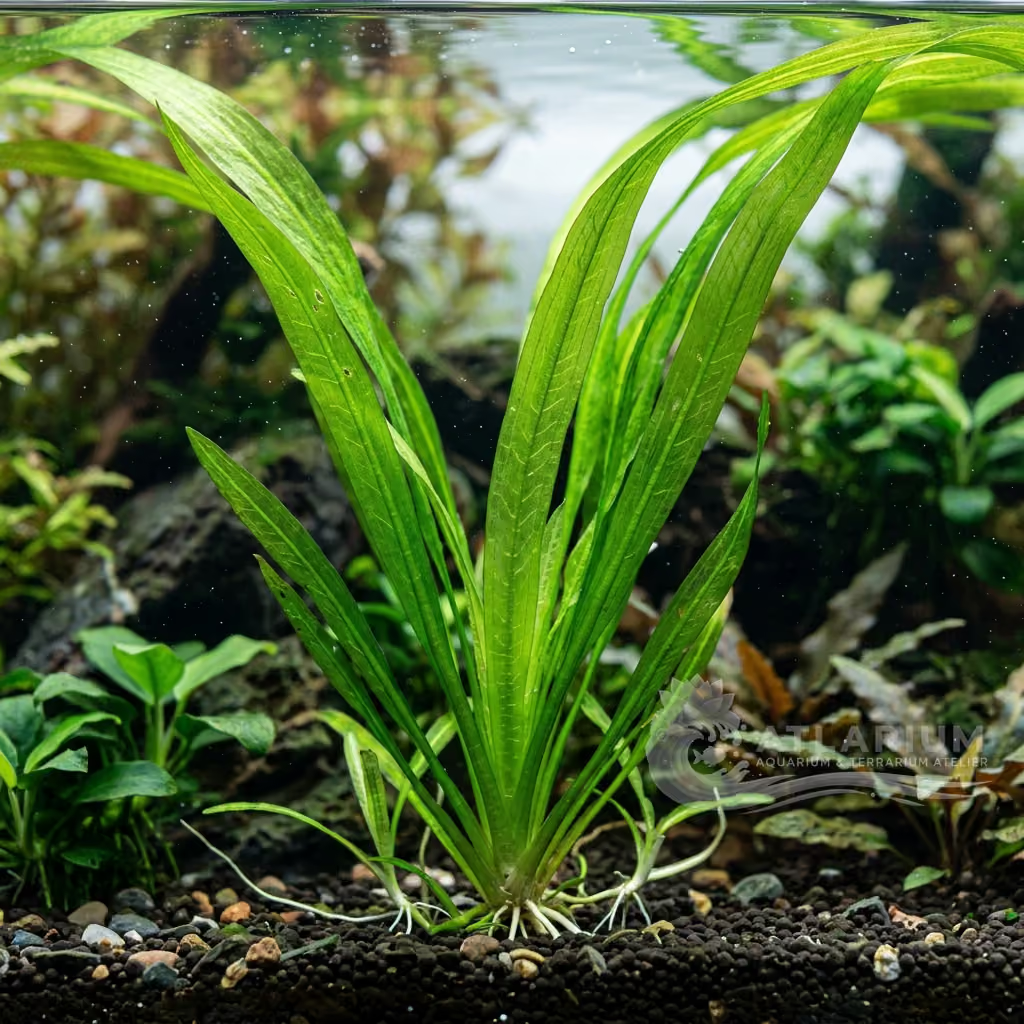
Physical Structure: This free-floating aquatic plant is characterized by slender, branching stems that can extend for several centimeters or even meters under optimal conditions. Its leaves are finely divided, filiform or pinnate, and alternately arranged along the stems, giving it an ethereal and delicate appearance. The most distinctive feature is the presence of small, air-filled bladders (traps) distributed along the leaves and stems, which are used to capture minute aquatic invertebrates.
Color & Texture: The predominant color of Utricularia cf. vulgaris is a bright, vibrant green, which can vary in intensity depending on light and nutrient conditions, tending towards lighter shades with intense illumination. Its texture is extremely fine and delicate, almost feathery, due to the highly segmented and thin leaves. These characteristics make it visually appealing, adding a contrast of fineness to more robust aquarium vegetation.

Care, breeding and tankmates
Lighting & CO2: Utricularia cf. vulgaris flourishes under medium to high lighting, which encourages dense and compact growth. With insufficient light, stems may become leggy, and the bladders might not develop optimally. CO2 supplementation is not strictly essential for the plant's survival but significantly accelerates its growth rate, promoting greater vigor and more intense coloration, especially in a high-tech setup.
Nutrition & Substrate: As a carnivorous, free-floating plant, Utricularia cf. vulgaris primarily absorbs nutrients from the surrounding
Water Chemistry: This species is remarkably tolerant of a wide range of water parameters, with an ideal temperature spanning from 4.0 to 30.0 °C. It prefers a pH between 5.0 and 8.0 and a carbonate hardness (KH) between 0.0 and 14.0, indicating its adaptability to both soft, acidic waters and harder, more neutral conditions. Maintaining clean and well-oxygenated water is nevertheless crucial for its overall health.
Space Management & Placement: Given its fast growth rate, Utricularia cf. vulgaris is ideal for the aquarium background, where it can form a dense, floating green mass. Although not rooted, it can be gently anchored to driftwood or rocks with fishing line to create specific effects or prevent widespread dispersion. It is important to monitor its expansion to prevent it from excessively shading underlying plants or obstructing water flow.
Pruning: Due to its rapid growth, regular pruning is essential to maintain the desired shape and prevent the plant from becoming overly dense or invasive. Simply cut away excess stems with sharp scissors, removing older or yellowing portions to encourage the growth of healthy new shoots. The trimmed portions can be reused for propagation or disposed of.
Risks & Diseases: Utricularia cf. vulgaris is generally robust and not prone to specific diseases, but it can be sensitive to aggressive algae that may smother it, especially under conditions of nutrient imbalance. The accumulation of organic debris can also negatively impact its health. Careful monitoring of water parameters and maintaining good aquarium hygiene significantly reduce these risks.

Geographic origin and distribution
Utricularia cf. vulgaris, like many species within the genus Utricularia, is widely distributed across various regions globally, typically inhabiting still or slow-moving freshwater bodies. It thrives in oligotrophic environments such as ponds, lakes, ditches, and bogs, where low nutrient levels in the substrate compel it to develop its characteristic carnivorous traps to supplement nitrogen intake. It is often found in acidic to neutral waters, frequently associated with rich riparian or submerged vegetation.
Origin
Europe, Mediterranean, and West AsiaNorth AmericaAfrica and MadagascarSouth and Southeast AsiaEast Asia

Plant profile
- Placement
- Background
- It naturally floats just below or at the water's surface, making it an excellent canopy plant for ponds or large aquariums. Avoid placing it near strong filter outflows, as turbulence can damage its delicate structure and hinder bladder function. It creates a superb floating thicket that shields light-sensitive species below.
- Botanical form
- Stem
- This species features a long, flexible main stem fringed with numerous thread-like, highly branched leaf segments. Interspersed among these segments are dark, pear-shaped trapping bladders. In the summer, it sends up tall stalks bearing vibrant, snapdragon-like yellow flowers above the water.
- Growth
- Fast
- With adequate light and warmth, the growth rate is aggressive and rapid. It produces long stolons that can quickly span the length of an aquarium, forming dense mats. In colder conditions, it may slow down significantly or form turions (winter resting buds).
- Substrate
- None
- Utricularia cf. vulgaris is a classic free-floating aquatic bladderwort that requires no substrate to thrive. Devoid of true roots, it relies entirely on its specialized underwater traps to catch zooplankton for essential nutrients like nitrogen and phosphorus. It thrives best when allowed to float loosely among other plants or at the water's surface, where it can access optimal light. Burying any part of its delicate stem structure in gravel or soil will cause the tissue to quickly rot.
- Column fertilization
- Recommended
- Liquid column fertilization is the primary method of providing non-organic nutrients to this rootless floater. A balanced comprehensive fertilizer supports its sprawling growth. High nitrate levels in the water column are rapidly absorbed and converted into biomass.
- Root fertilization
- None
- Substrate fertilization has no impact on this plant, as it completely lacks a root system. It derives all its sustenance directly from the water column and its carnivorous diet. Root tabs or rich soils are only useful for other plants sharing the tank.
- Trimming
- Occasional
- Because of its fast growth, regular manual removal is the best way to trim and manage it. Snapping the stems at any point is safe, as the remaining portions will continue to grow. Always discard excess plant material safely to prevent it from invading local habitats.
- Propagation
- Cuttings
- Vegetative propagation occurs naturally and effortlessly via fragmentation. Any broken piece of stem with a few leaf nodes and bladders will quickly develop into a new, independent plant. It requires no special effort to propagate, often multiplying faster than desired.
- Sensitivity
- Moderate
- It is generally hardy but resents very strong currents and excessive surface agitation, which can prevent it from settling and flowering. It is susceptible to being completely overgrown by blanket weed or hair algae if water flow is poor and light is excessively high. It tolerates a wide range of water hardness and pH.
- Layout role
- Background
- In the aquarium, its role is almost exclusively functional: providing shade, offering a breeding substrate for egg-scatterers, and sheltering fry. Its wild, tangled appearance suits naturalistic and biotope setups rather than highly structured aquascapes. It is also an excellent biological control for small waterborne pests.

Related species
Recommendations grouped by close relatives, companion choices, and similar care.