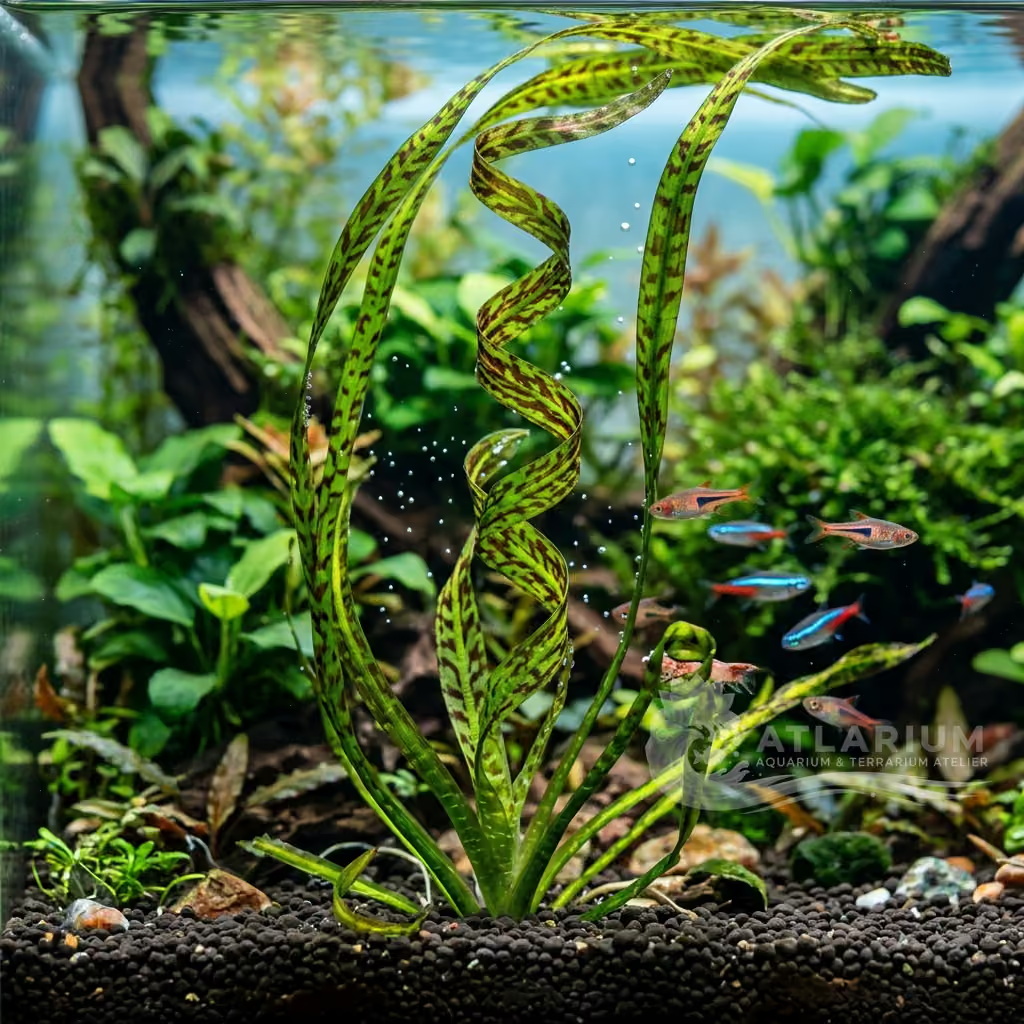
Utricularia graminifolia
Utricularia graminifolia
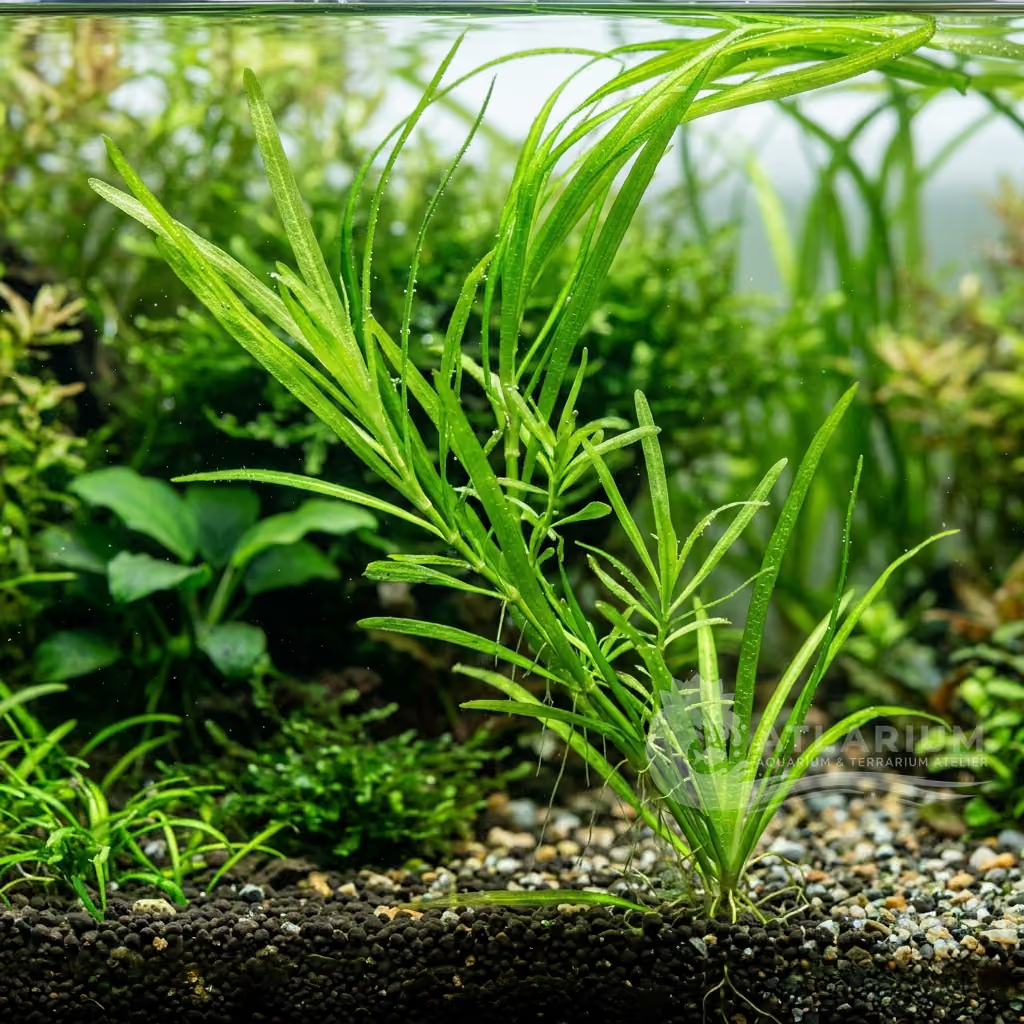
Utricularia graminifolia is a captivating and unique aquatic plant, ideally suited for the aquarium foreground where it forms a dense, bright green grassy carpet. With a medium growth rate, it demands stable conditions and meticulous care to thrive, offering a distinctive and lush presence to any aquascape.
Water Temperature
16 - 28 °C
pH Value
4.5 - 7.5
Water type
Freshwater
Light
Medium to High
CO2
Low - High
KH
0 - 12 dKH

Species description
Geographical Origin and Habitat: Originating from the tropical and subtropical regions of Asia, including countries like India, Thailand, and Myanmar, Utricularia graminifolia is typically found in aquatic or semi-aquatic habitats. It prefers shallow waters, ponds, rice paddies, and the edges of slow-moving streams, where it grows submerged or semi-submerged on damp soil. Its presence in these environments indicates a preference for silty, organic-rich substrates.
Taxonomy & Genetics: Belonging to the Lentibulariaceae family, Utricularia graminifolia is a carnivorous plant, a characteristic that distinctly sets it apart from many other ornamental aquatic species. This family is renowned for its predatory strategies, and UG is no exception, although its tiny, bladder-like traps for microorganisms are barely visible. Despite its carnivorous nature, it poses no threat to larger aquarium inhabitants or fry.
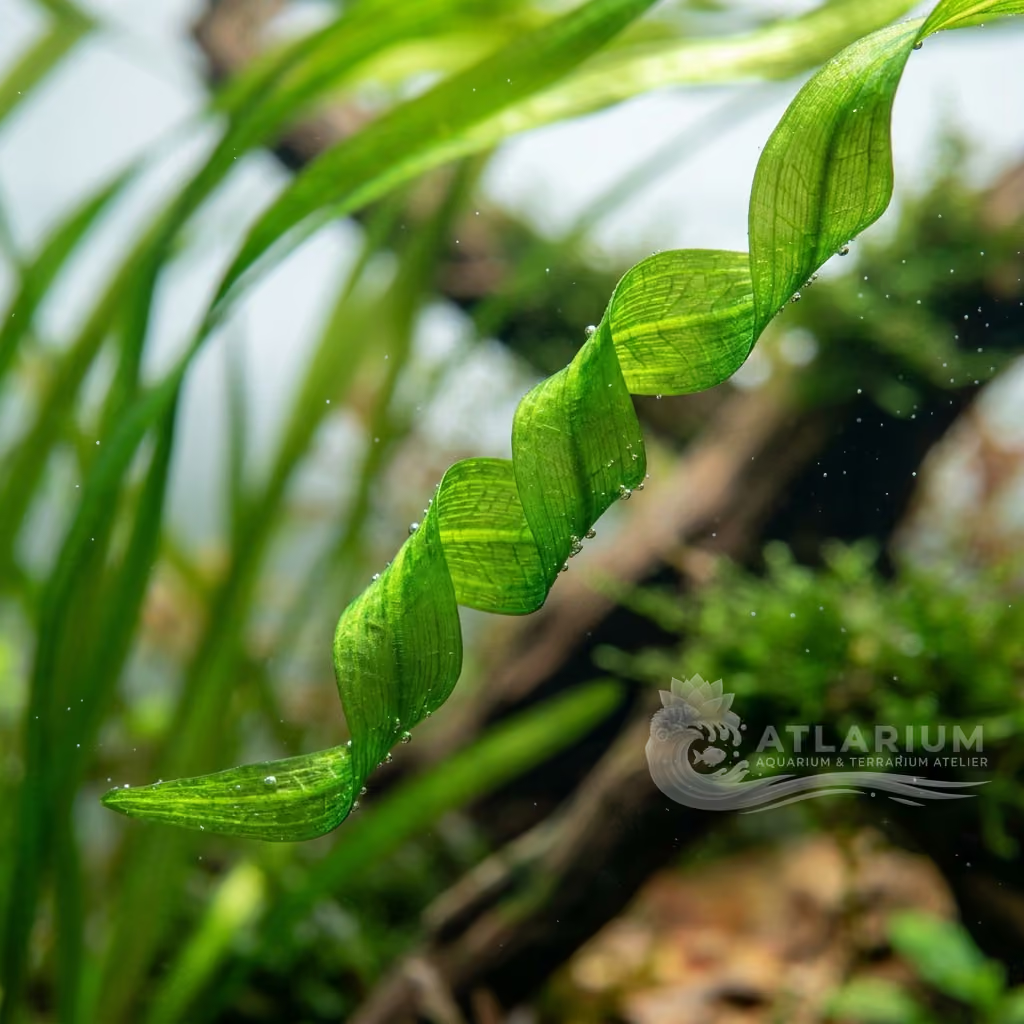
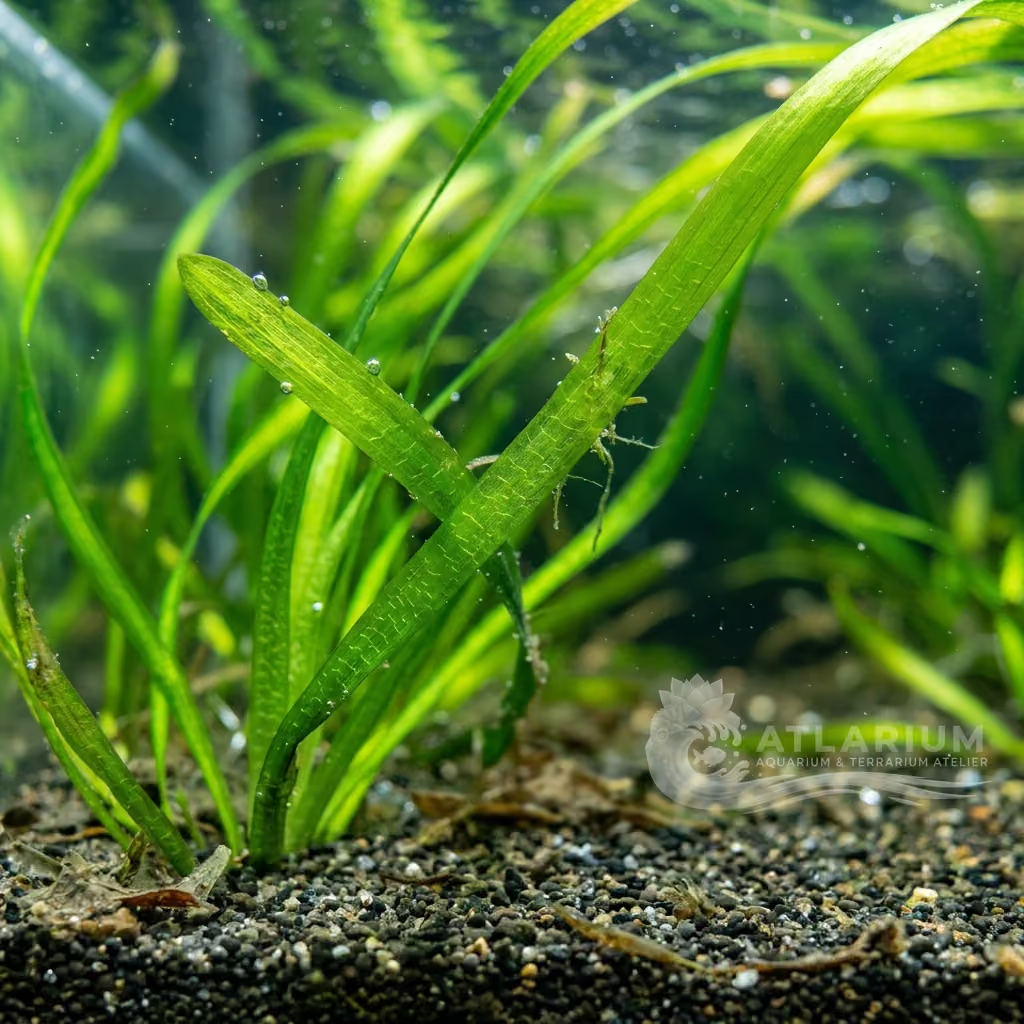
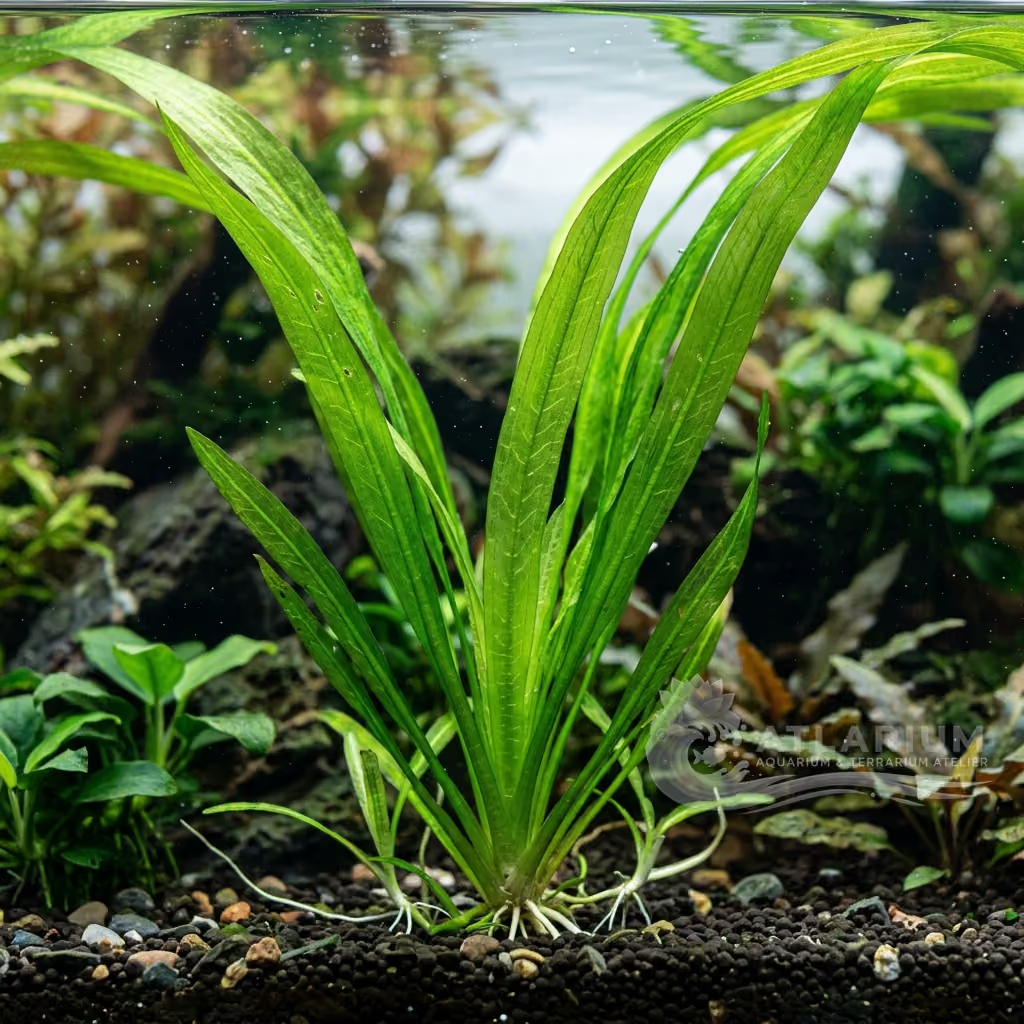
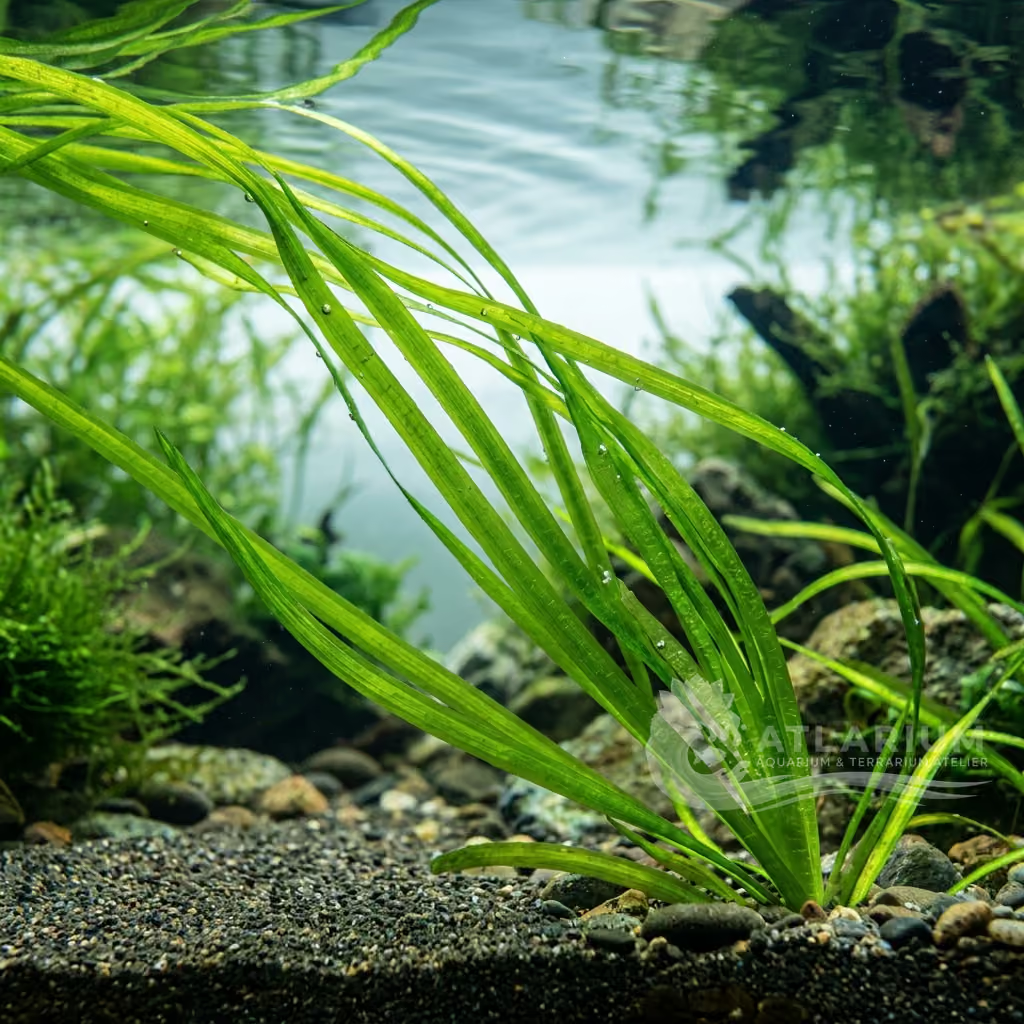
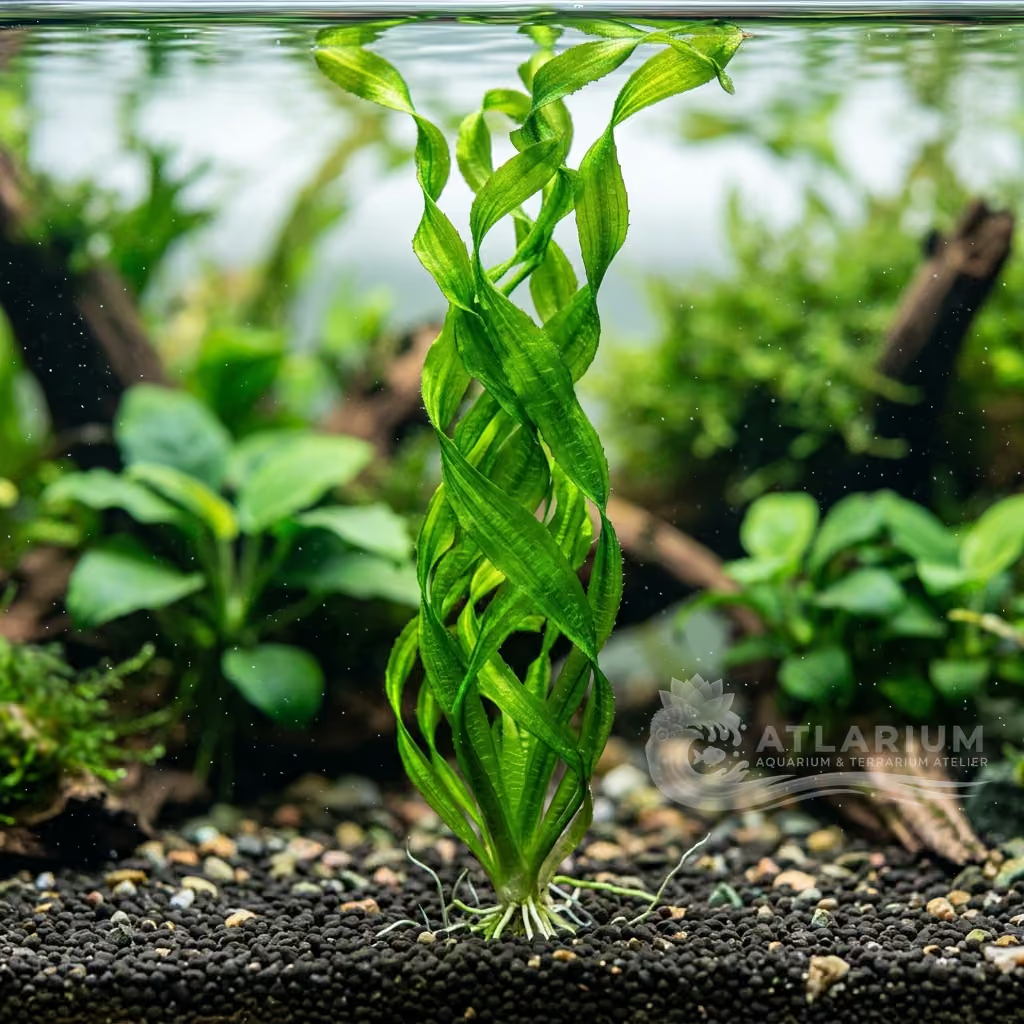
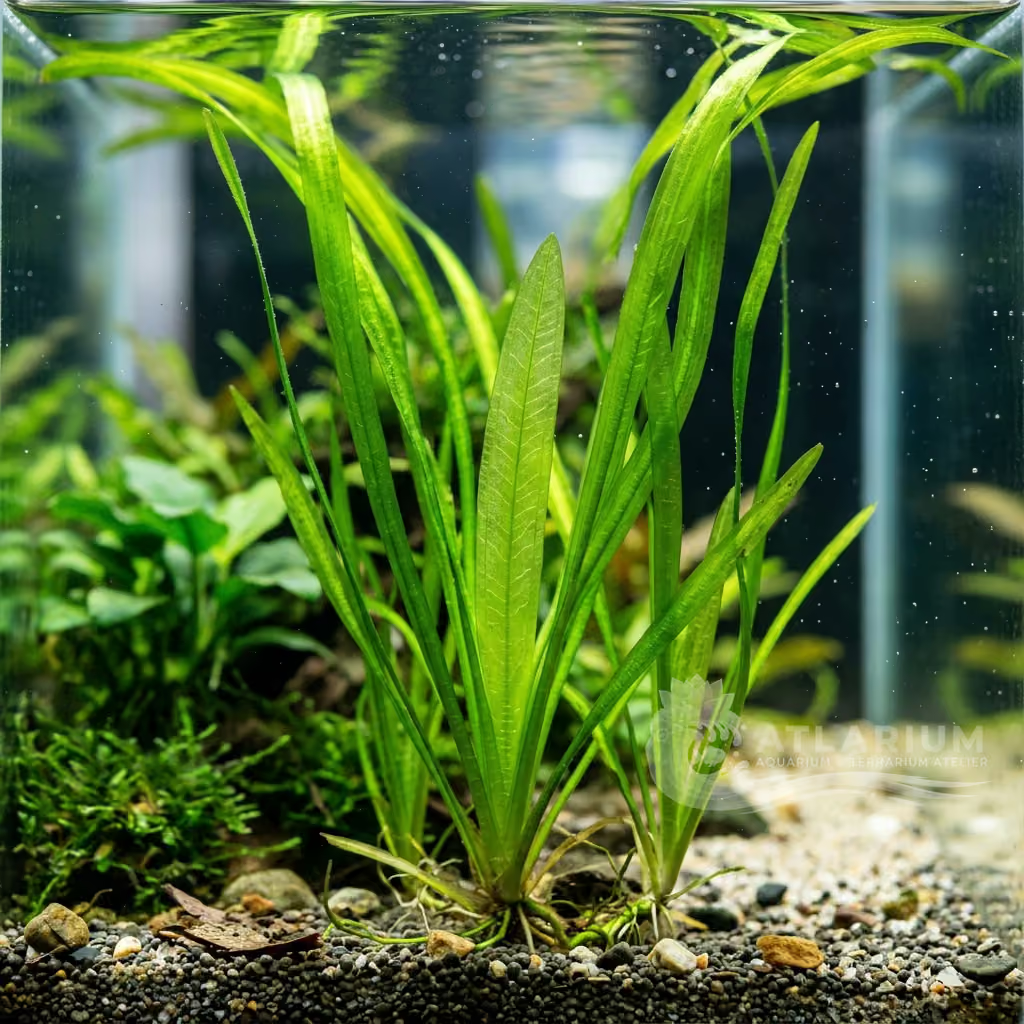
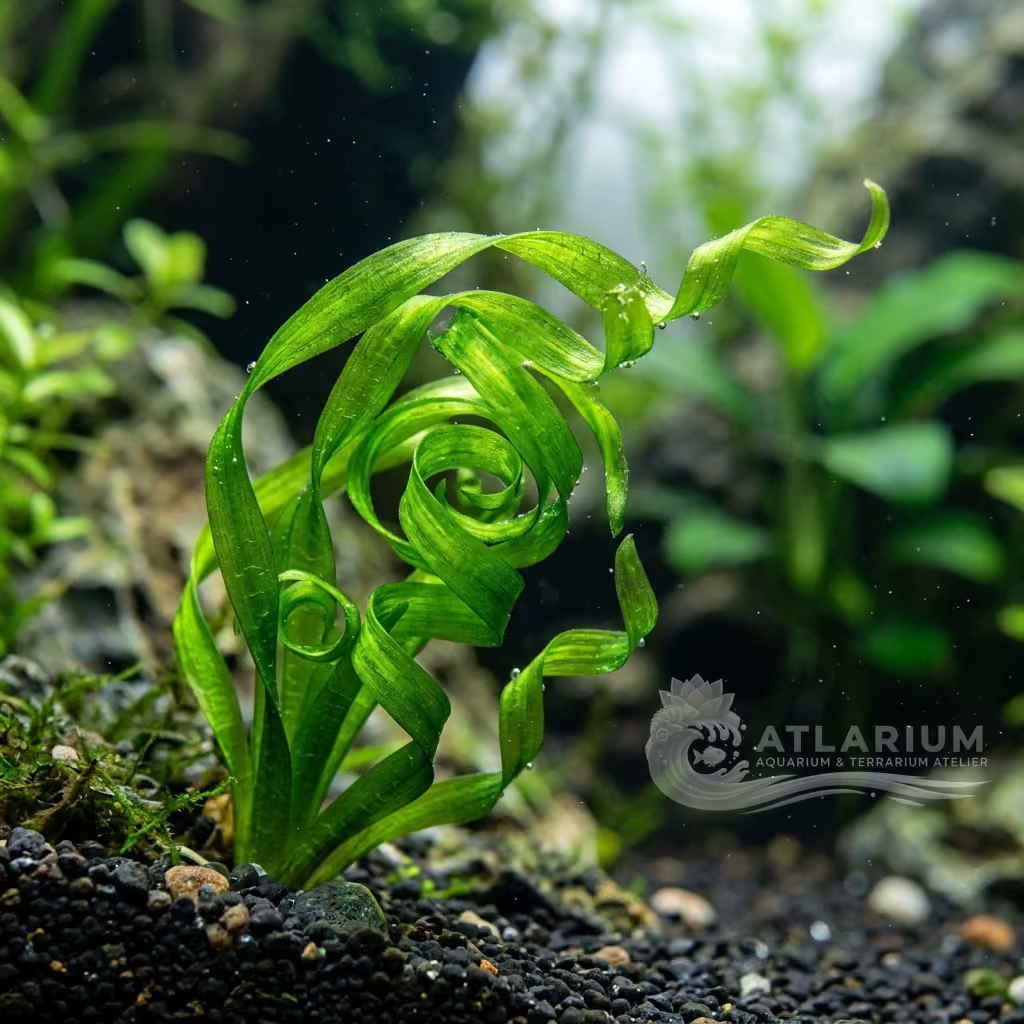
Physical Structure: Characterized by a "grass-like" appearance, Utricularia graminifolia develops delicate, strap-shaped, light green leaves that emerge from subterranean stolons. It lacks a traditional deep root system, instead anchoring itself to the substrate via rhizoids and spreading laterally through these runners, forming a dense mat. Its leaves, though fine, are resilient and contribute to creating a compact carpeting effect.
Color & Texture: The plant showcases a vibrant, almost emerald-green hue that creates a bright focal point in the aquarium foreground. Its texture is fine and delicate, imparting a natural and luxuriant appearance to the aquatic environment, akin to a submerged lawn. When thriving, its leaves stand erect and uniform, producing a dense and visually appealing carpet that enhances the overall aesthetic.

Care, breeding and tankmates
Lighting & CO2: Utricularia graminifolia thrives under medium to high lighting, which is crucial for promoting dense growth and vibrant color. Insufficient light can lead to stunted, leggy growth and faded coloration, compromising the desired carpet effect. Carbon dioxide (CO2) supplementation is almost indispensable for this species; a consistent and adequate supply of CO2 fosters efficient photosynthesis, accelerating growth and enabling the plant to form a compact, healthy carpet.
Nutrition & Substrate: For optimal growth, Utricularia graminifolia requires a nutrient-rich, fine-grained substrate, such as aquasoil, which allows its stolons to anchor and spread effectively. Although it lacks deep roots, it also absorbs nutrients from the
Water Chemistry: This species prefers soft, slightly acidic water, with an ideal pH ranging between 4.5 and 7.5 and carbonate hardness (KH) between 0 and 12. Water parameter stability is of paramount importance to prevent stress and the phenomenon of "melting," where leaves rapidly dissolve. Large fluctuations can severely compromise the plant's health, so it is advisable to monitor values carefully and maintain a routine of regular but not drastic water changes. The ideal temperature range is between 16.0 and 28.0 C.
Space Management & Placement: Utricularia graminifolia is classified as a foreground plant and should be strategically positioned to create a dense carpet. Initially, small portions should be gently planted into the substrate, spaced slightly apart to allow the stolons to expand and connect. As it grows, it will spread laterally, filling the designated space and forming a uniform, lush covering. It is crucial to ensure it is not overshadowed or smothered by larger or fast-growing plants.
Pruning: Regular pruning is essential to maintain the desired carpet shape and to prevent excessive layering, which can suffocate the lower strata. When the carpet becomes too thick, it is advisable to trim the upper sections with sharp scissors, removing excess portions. This operation also stimulates denser, lateral growth, helping to maintain a healthy and compact appearance. Overly drastic pruning might temporarily stress the plant.
Risks & Diseases: Utricularia graminifolia is particularly susceptible to "melting," a phenomenon where leaves rapidly dissolve, often in response to drastic changes in water parameters, CO2 or nutrient deficiencies, or post-transplant stress. It is also sensitive to the presence of algae, which can smother its delicate structure, especially if nutrient or light balance is disturbed. Closely monitoring plant health and maintaining stable conditions are crucial to preventing these issues.

Geographic origin and distribution
Originating from the tropical and subtropical regions of Asia, including countries like India, Thailand, and Myanmar, Utricularia graminifolia is typically found in aquatic or semi-aquatic habitats. It prefers shallow waters, ponds, rice paddies, and the edges of slow-moving streams, where it grows submerged or semi-submerged on damp soil. Its presence in these environments indicates a preference for silty, organic-rich substrates.
Origin
South and Southeast AsiaEast Asia

Plant profile
- Placement
- Foreground
- It is predominantly used as a foreground carpeting plant. Small plugs should be planted into fine-grained aquasoil with tweezers, spacing them an inch apart. It requires intense lighting reaching the substrate; if shaded by taller plants, it will grow vertically instead of creeping along the ground.
- Botanical form
- rhizome or creeping stem
- Unlike its floating relatives, UG forms a terrestrial-like mat of bright green, grass-like leaves. Hidden beneath the soil surface along its delicate runners are tiny translucent bladders used for trapping microfauna. The grass blades are soft, narrow, and curve slightly, giving the carpet a distinct, wavy appearance.
- Growth
- Medium
- Its growth rate is highly variable. The initial transition phase can take weeks where it seems to do nothing or even melts. Once it fully adapts and roots itself, its growth becomes explosive, rapidly sending out runners to form a dense, thick, light-green lawn.
- Substrate
- High
- Utricularia graminifolia is a unique, carpet-forming bladderwort that strongly benefits from a fine, nutrient-rich substrate. Unlike its floating cousins, it develops an extensive network of creeping stolons that securely anchor it into the soil. A fine-grained aquasoil is ideal, as it allows the delicate runners to spread easily and form a dense, uniform lawn. The slightly acidic conditions of a high-quality substrate also foster a healthy population of microorganisms, providing a steady food source for its subterranean traps.
- Column fertilization
- Recommended
- Consistent liquid fertilization is important once the carpet has established. Potassium and trace elements, especially iron, keep the grass blades vividly green. Be cautious with heavy dosing during the initial planting phase, as excessive nutrients in the water column can trigger algae before the UG adapts.
- Root fertilization
- None
- A nutrient-rich, acidic aquasoil is crucial for the success of Utricularia graminifolia. The fine soil allows its delicate runners and bladder traps to penetrate easily. The soil also provides the necessary acidic environment (pH 6.0-6.5) that this plant demands to thrive.
- Trimming
- Occasional
- Regular trimming is absolutely essential once the carpet matures. If allowed to grow too thick, the lower layers will be deprived of light, causing them to rot, which leads to massive sections of the carpet detaching and floating to the surface. Cut horizontally across the top with curved spring scissors, leaving about an inch of growth.
- Propagation
- Cuttings
- Propagation is straightforward via runners. As the plant creeps across the substrate, you can snip the runners and replant the plugs elsewhere to start a new carpet. Tissue culture is the most common and reliable method for initially acquiring and planting it pest-free.
- Sensitivity
- Moderate
- UG is famously sensitive during its initial transition into a new tank, often melting if water parameters are not stable. It strongly prefers soft, acidic water and high CO2 injection. It is also very susceptible to being uprooted by bottom-dwelling fish or strong flow before its root system has firmly anchored.
- Layout role
- group, Foreground, Nano
- It is one of the most highly prized carpeting plants in Iwagumi and nature aquarium layouts. Its bright, almost fluorescent green color provides a stunning contrast to dark rocks like Seiryu or Dragon stone. It creates a lush, rolling meadow effect that few other foreground plants can replicate.

Related species
Recommendations grouped by close relatives, companion choices, and similar care.