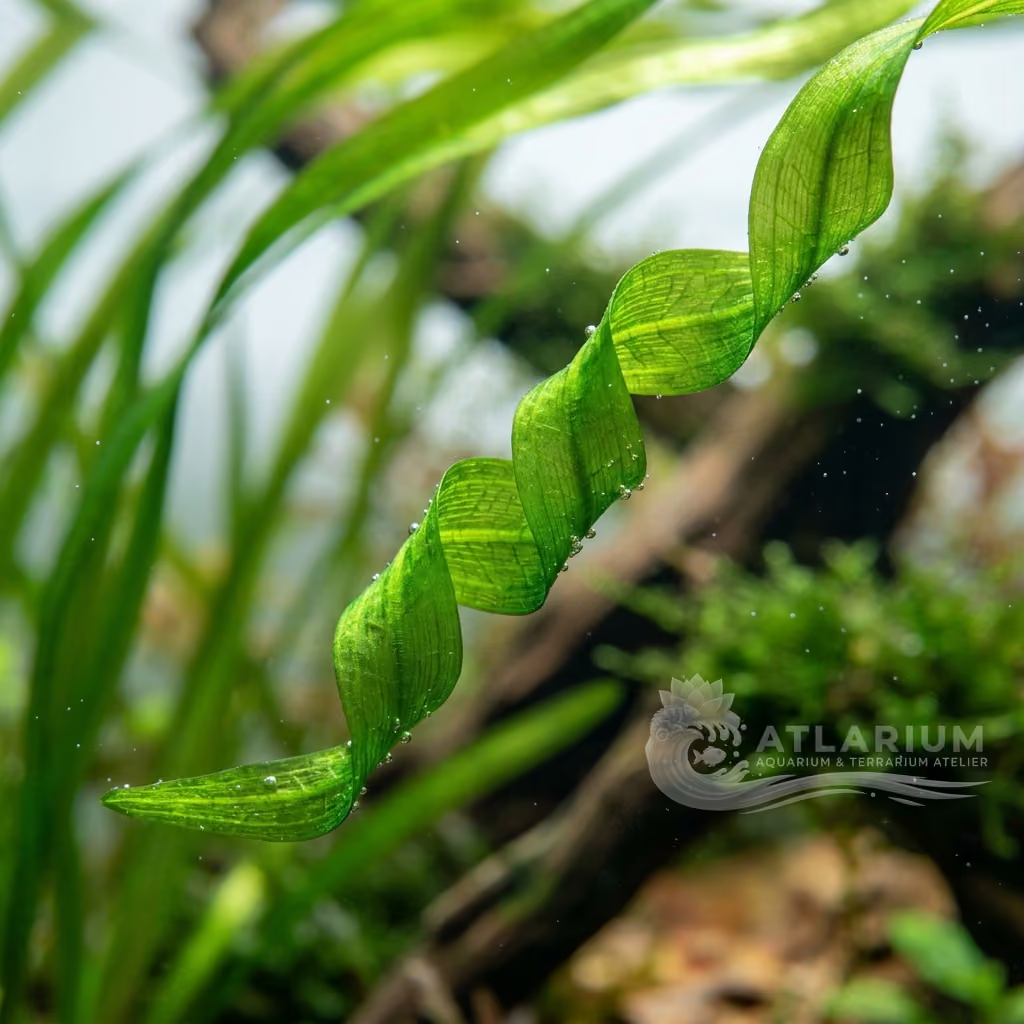
Syngonanthus macrocaulon
Syngonanthus anomalus
Syngonanthus macrocaulon is an ethereal aquatic plant prized for its fine foliage and elegant growth in the midground of an aquarium. It demands specific conditions to thrive, including high lighting and soft, acidic water parameters.
Water Temperature
18 - 29 °C
pH Value
4 - 7
Water type
Freshwater
Light
High
CO2
Low - High
Expected height
20 cm
Expected width
8 cm
KH
0 - 8 dKH

Species description
Geographical Origin and Habitat: Syngonanthus macrocaulon is a species native to the tropical regions of South America, particularly Brazil, where it flourishes in aquatic environments such as clear, acidic, and very soft rivers and streams. It is often found rooted in sandy or gravelly alluvial substrates, in areas exposed to direct sunlight. Its natural habitat is characterized by stable water chemistry but relatively scarce nutrients, leading the plant to adapt efficient nutrient absorption mechanisms.
Taxonomy & Genetics: Belonging to the Eriocaulaceae family, Syngonanthus macrocaulon shares characteristics with other demanding aquatic plants like species from the genus Tonina, with which it is sometimes mistakenly confused, although they are distinct genera. This family is known for its monocots, often featuring a basal rosette or erect stems bearing small, filiform leaves. Precise classification is crucial for understanding its specific cultivation requirements, distinguishing it from plants with similar but not identical needs.
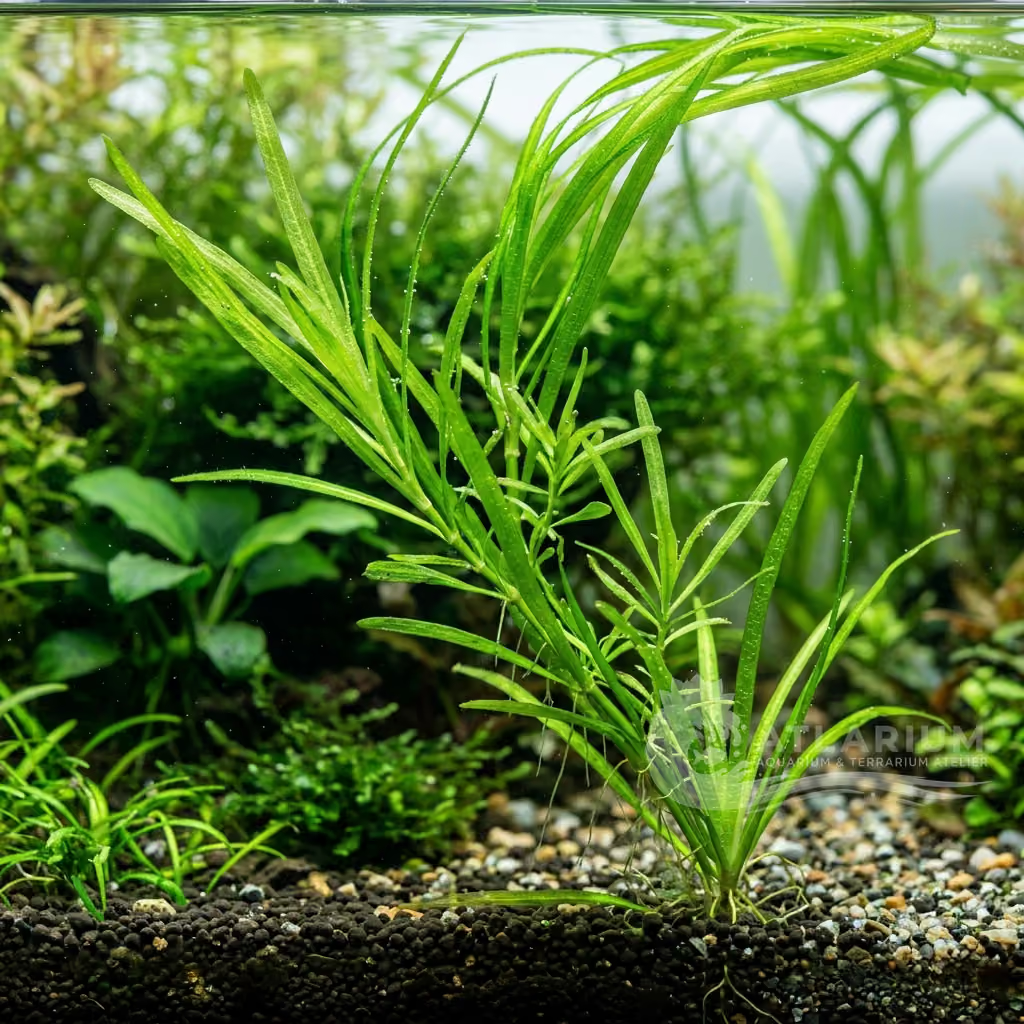
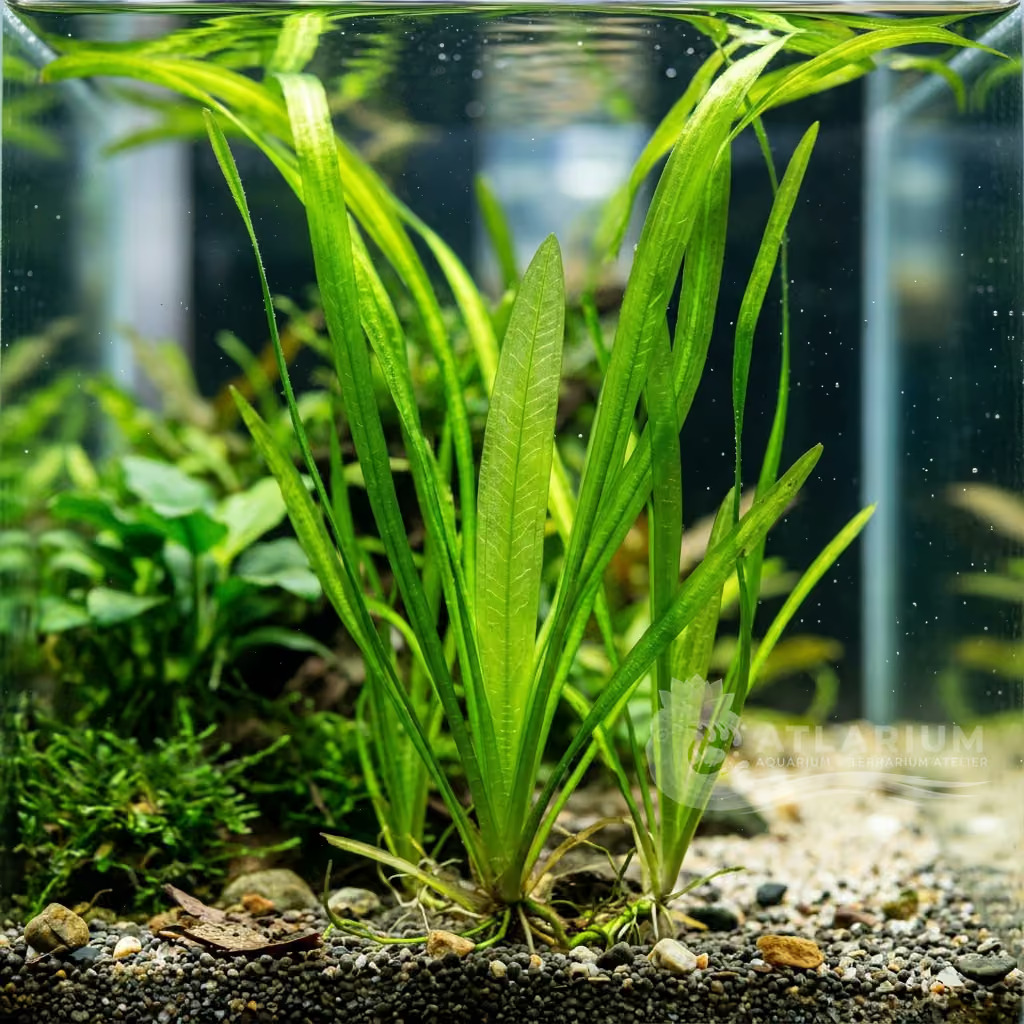
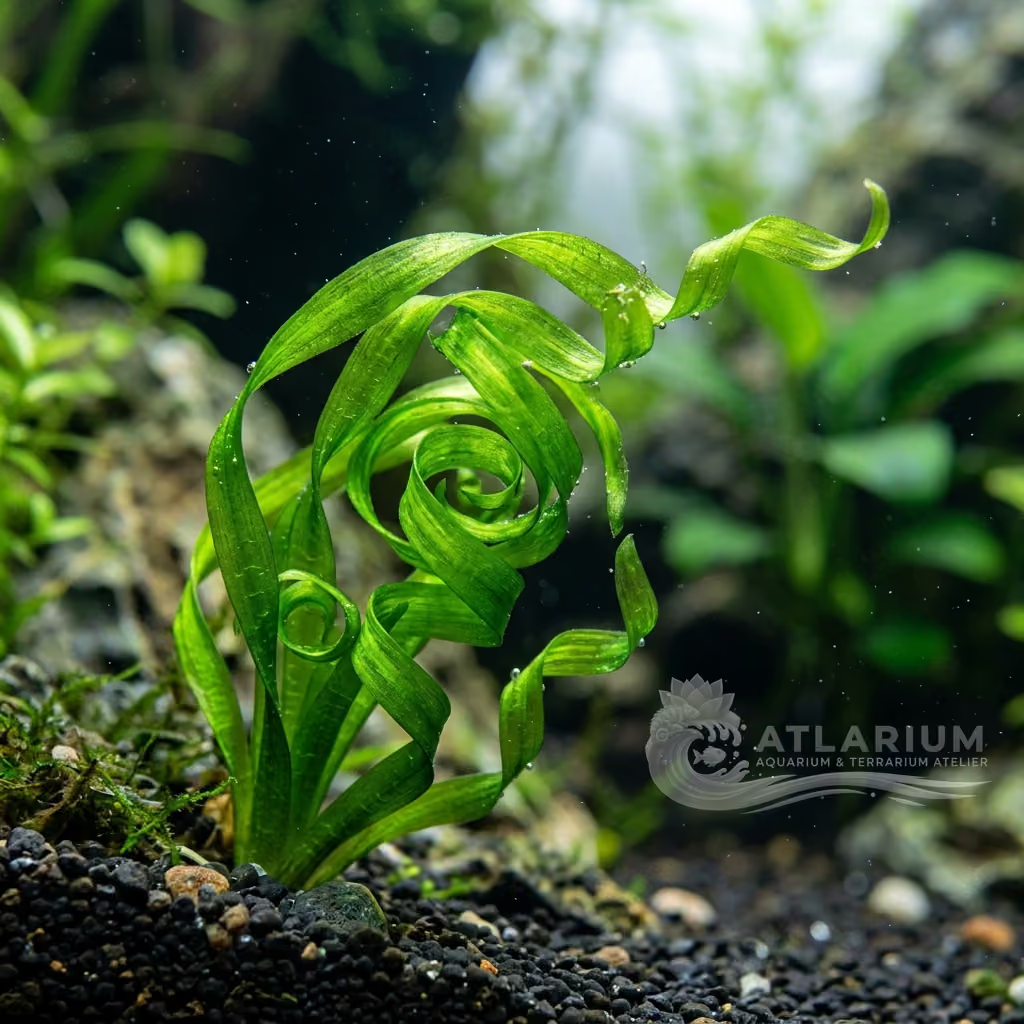
Physical Structure: Syngonanthus macrocaulon features an erect, relatively sturdy stem from which fine, needle-like leaves emerge, arranged in dense spirals or whorls that give the plant a compact and delicate appearance. Each stem can reach considerable heights in an aquarium, forming a column of vibrant green foliage. Its structure is inherently fragile and requires careful handling to prevent mechanical damage to the delicate leaves and stems.
Color & Texture: The predominant color of Syngonanthus macrocaulon is a bright, vibrant green, which can develop reddish or golden hues on the tips of its upper leaves under very intense light conditions and with adequate nutrient supplementation, particularly iron. Its texture is exceptionally fine and almost ethereal, imparting a sense of lightness and sophistication to the aquatic layout. This contrast between the fineness of the leaves and the brilliant green makes it a high-impact visual element.

Care, breeding and tankmates
Lighting & CO2: For Syngonanthus macrocaulon, "High" lighting is not merely recommended but is a fundamental requirement for healthy, vigorous growth, with light intensities exceeding 0.7-1 Watt per liter or PAR values of at least 50-70 µmol/m²/s. Equally crucial is consistent and abundant CO2 supplementation, maintaining levels between 25 and 35 ppm, as its absence or fluctuation can quickly lead to the plant's decline. An adequate photoperiod of 8-10 hours per day is ideal to maximize photosynthesis and prevent undesirable algal growth.
Nutrition & Substrate: This plant greatly benefits from a nutrient-rich substrate composed of clay and essential nutrients, which can support its roots, although primary absorption occurs from the
Water Chemistry: Syngonanthus macrocaulon thrives in soft, acidic water, with an ideal pH range between 4.0 and 7.0 and very low carbonate hardness (KH) from 0.0 to 8.0. The stability of these parameters is vital; sudden fluctuations or high KH and pH values can cause significant stress and leaf melt. Maintaining water temperature between 18.0 and 29.0 °C ensures optimal metabolism, but consistent temperatures within this range are preferable. The use of remineralized reverse osmosis (RO) water is often recommended to achieve and maintain these ideal conditions.
Space Management & Placement: When placed in the midground of the aquarium, Syngonanthus macrocaulon creates a visually striking focal point due to its dense foliage and upright growth. It is advisable to plant it in groups of multiple stems to achieve a fuller, more lush effect, which will contrast beautifully with broader-leaved plants. While it doesn't require excessive horizontal space, its height and the need for good water circulation and light penetration make careful layout planning crucial, avoiding overcrowding that could shade underlying plants and limit their growth.
Pruning: Pruning Syngonanthus macrocaulon is essential to maintain its desired shape, promote bushier growth, and prevent the lower parts of the stems from being shaded and decaying. The upper stems can be topped to encourage lateral branching and create a denser, bushier appearance. This operation also stimulates the plant to produce new shoots, keeping it youthful and vibrant. It is important to use sharp scissors for clean cuts, minimizing stress on the plant and facilitating healing.
Risks & Diseases: This plant is notoriously delicate and sensitive, prone to melting if aquarium conditions are not optimal or stable, particularly due to CO2 deficiencies, insufficient lighting, hard water, or sudden fluctuations in chemical parameters. Nutrient deficiencies manifest rapidly with leaf yellowing (chlorosis) or stunted growth, also making it more vulnerable to algae if it is not healthy. It is also sensitive to certain chemical treatments or medications used in the aquarium, so it is advisable to remove it or proceed with extreme caution during these procedures.

Geographic origin and distribution
Syngonanthus macrocaulon is a species native to the tropical regions of South America, particularly Brazil, where it flourishes in aquatic environments such as clear, acidic, and very soft rivers and streams. It is often found rooted in sandy or gravelly alluvial substrates, in areas exposed to direct sunlight. Its natural habitat is characterized by stable water chemistry but relatively scarce nutrients, leading the plant to adapt efficient nutrient absorption mechanisms.
Origin
Amazon, Orinoco, and Guianas

Plant profile
- Placement
- Midground
- It is a prime candidate for the midground, often planted in small, tight clusters to maximize its visual impact. It requires direct, completely unshaded high-intensity lighting. Ensure it has enough space around it for good water flow.
- Botanical form
- Stem
- This species forms a spectacularly dense, mop-like crown of very fine, slightly curled needle-like leaves atop a relatively thick stem. It appears softer and more rounded (like a pom-pom) compared to the strictly geometric, umbrella-like shape of S. cf. inundatus.
- Growth
- Medium
- When grown in ideal, very soft water conditions with high CO2, its growth rate is moderate, growing steadily towards the surface. It does not grow quickly enough to outcompete algae, making a clean tank essential. Poor conditions halt growth entirely.
- Substrate
- High
- This demanding species heavily relies on a fertile, fine-grained aqua soil with an acidic pH to maintain healthy, robust growth. The plant develops a dense root system that requires an environment rich in substrate-derived nutrients. A deep, loose substrate layer of 5-6 cm is essential to securely anchor the plant and fulfill its high nutritional demands.
- Column fertilization
- Recommended
- Consistent, daily dosing of a high-quality liquid fertilizer is highly recommended to avoid any fluctuations in nutrient availability. It favors a lean macro-nutrient environment coupled with abundant micro-nutrients. This prevents the sensitive needle leaves from blackening.
- Root fertilization
- Optional
- A nutrient-rich, acidic aquasoil is non-negotiable. The plant's root system relies heavily on the buffering capacity of the soil to keep the pH low. A fresh, active substrate provides the optimal foundation for its demanding root requirements.
- Trimming
- Occasional
- Like other Syngonanthus, the best method for trimming is to uproot the plant, cut off the healthy top crown, and replant it. The old, leafless bottom stems rarely regenerate and will generally rot if left in the substrate.
- Propagation
- Cuttings
- Propagation is primarily achieved by replanting the topped crowns. In pristine conditions, a mature plant may occasionally split its crown into two, or develop small lateral shoots near the base that can be separated and planted.
- Sensitivity
- HIGH
- Extremely sensitive and notoriously difficult to keep. It demands a KH close to 0, GH under 4, and an acidic pH. It reacts very poorly to any accumulation of organic detritus or fluctuations in CO2 levels, usually responding by 'melting' overnight.
- Layout role
- Midground
- Its 'pom-pom' crowns provide a highly unusual, exotic texture that instantly draws the eye. It provides a stunning contrast when placed against dark hardscape or dark red/purple plants. It is used exclusively as a high-end focal piece in advanced scapes.

Related species
Recommendations grouped by close relatives, companion choices, and similar care.