Tonina fluviatilis
Paepalanthus fluviatilis
Tonina fluviatilis is a highly sought-after aquatic plant, prized for its delicate texture and vibrant green hues, making it an excellent midground accent in advanced aquascapes. Achieving its full splendor requires stable and specific water parameters, coupled with meticulous care and comprehensive fertilization.
Water Temperature
18 - 29 °C
pH Value
4 - 7
Water type
Freshwater
Light
High
CO2
Low - High
Expected height
30 cm
Expected width
5 cm
KH
0 - 8 dKH

Species description
Geographical Origin and Habitat: Tonina fluviatilis originates from diverse aquatic environments across South America, primarily inhabiting slow-moving rivers, clearwater streams, and seasonally flooded areas within the Amazon basin and surrounding regions. Its natural habitat is typically characterized by soft, acidic water with abundant dissolved organic matter, conditions that are crucial to replicate in an aquarium setting. This species can thrive both fully submerged and in emergent forms along riverbanks, showcasing its adaptability in its native environment. Understanding these specific natural conditions is key to successful cultivation in a planted tank.
Taxonomy & Genetics: Tonina fluviatilis belongs to the family Eriocaulaceae, a group of predominantly monocotyledonous plants known for their unique inflorescences and remarkable adaptation to aquatic and marshy environments. Within this family, Tonina stands out for its distinctive stem structure and leaf arrangement, making it an iconic species in the aquascaping world. While its nomenclature can sometimes be confused with similar-looking plants, Tonina fluviatilis maintains a clear botanical identity, with genotypes occasionally showing slight morphological variations depending on their region of origin. Its classification underscores its uniqueness and specific cultivation requirements.
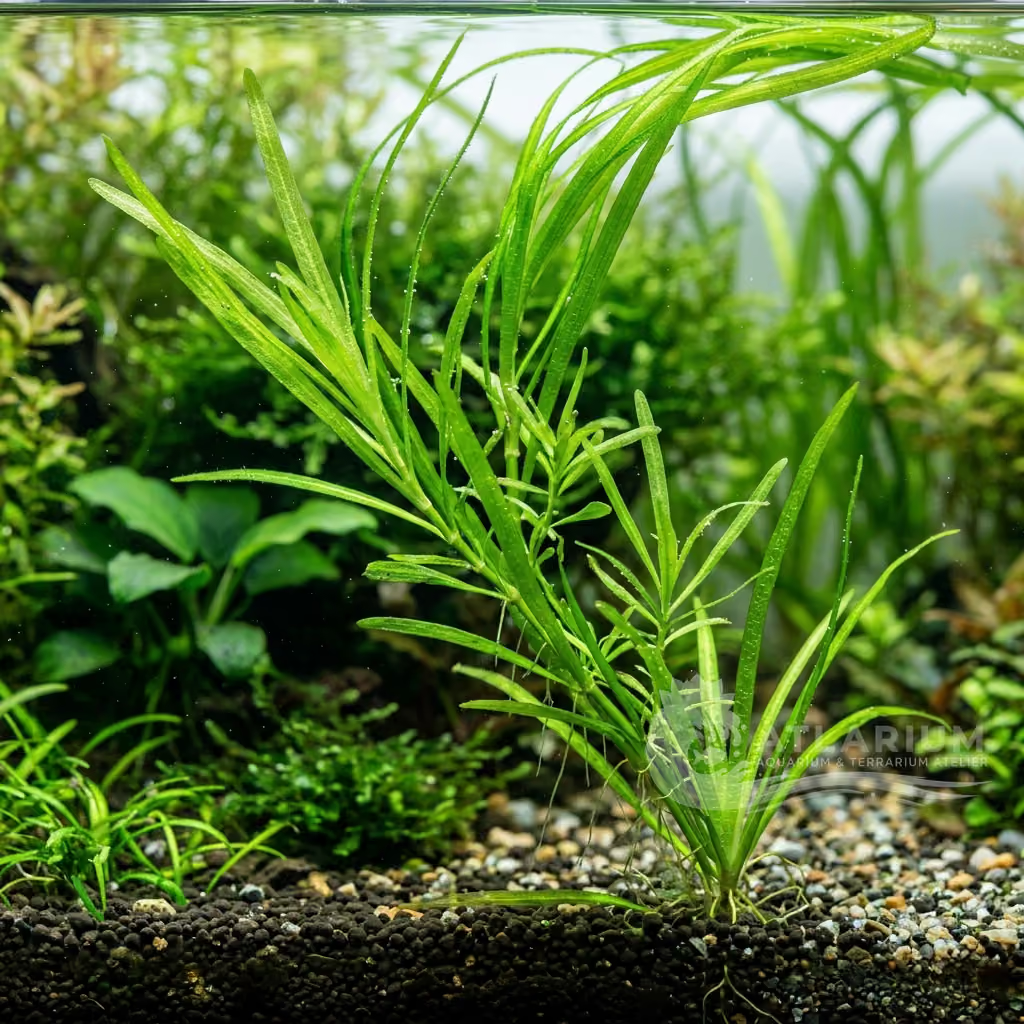
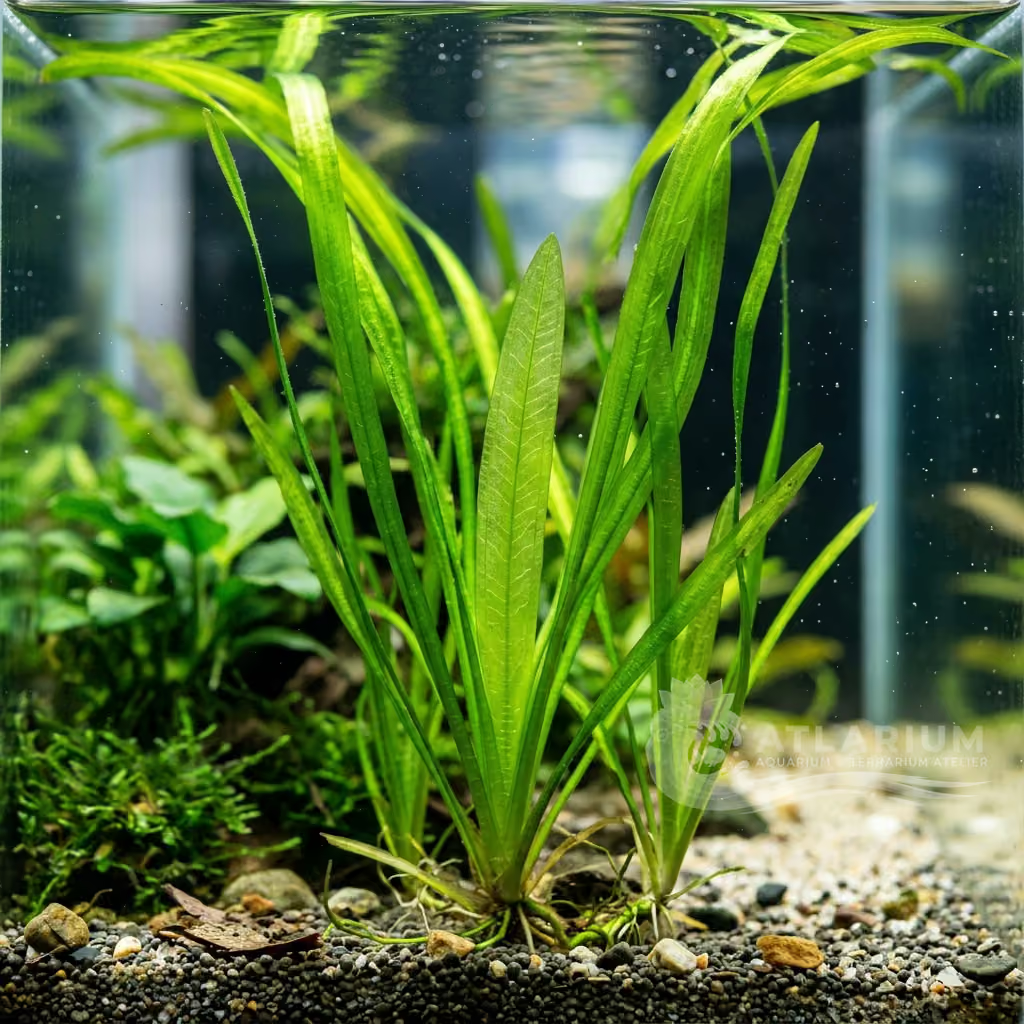
Physical Structure: Tonina fluviatilis exhibits an erect, relatively sturdy yet delicate stem, from which leaves are arranged in dense whorls along its entire length. The leaves are slender, lanceolate or linear, and small in size, giving the plant a feathery appearance and a fine texture. The plant develops a fibrous, shallow root system that anchors it to the substrate, but a significant portion of its nutrients are absorbed directly from the water column. Its growth is predominantly vertical, forming compact columns that can reach considerable heights if not regularly pruned. The density of its leaf whorls serves as a direct indicator of its health and cultivation conditions.
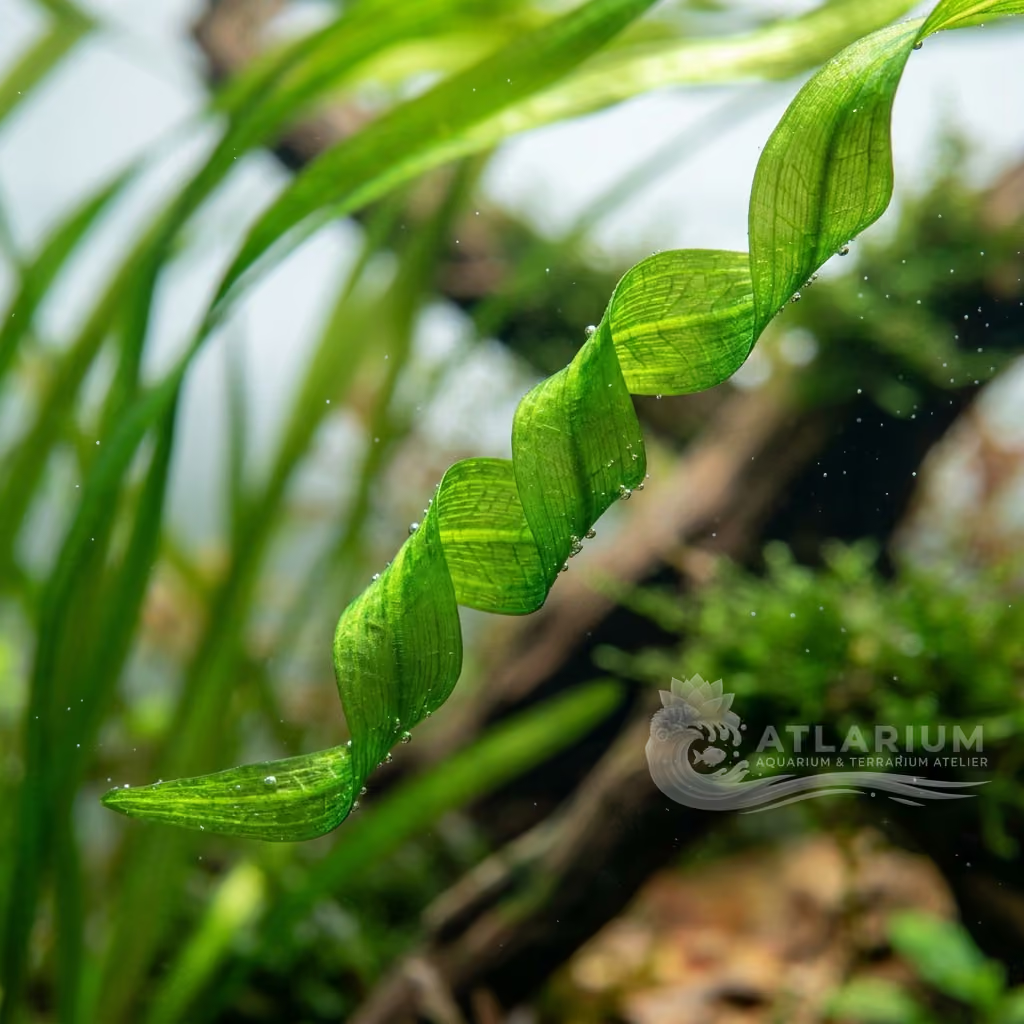
Color & Texture: The predominant color of Tonina fluviatilis is a bright, vibrant green, which can range from light green to yellowish-green depending on light intensity and nutrient availability, particularly iron. The leaf tips or even the entire plant may exhibit reddish or pinkish hues under very intense lighting and optimal fertilization. The texture of its leaves is extremely delicate and soft to the touch, almost translucent, lending the plant an ethereal and refined appearance. This contrast between its delicacy and its ability to form dense patches makes it aesthetically unique and a visually striking element in an aquascape.

Care, breeding and tankmates
Lighting & CO2: Tonina fluviatilis is a plant with a high light demand, requiring intense illumination to grow vigorously and maintain its optimal coloration. Insufficient light intensity can lead to elongated internodes and stunted growth, resulting in sparser and less colorful leaves. Carbon dioxide (CO2) injection is absolutely crucial for its success in an aquarium, serving as the primary fuel for photosynthesis and allowing the plant to efficiently assimilate nutrients. Stable and sufficient CO2 levels (25-35 ppm) are vital for preventing algae formation on the plant and promoting healthy, robust growth.
Nutrition & Substrate: For optimal growth, Tonina fluviatilis benefits from a rich, nutritious substrate, although most of its nutrients are absorbed from the
Water Chemistry: Tonina fluviatilis thrives in specific and stable water conditions, preferring temperatures between 18.0 and 29.0 C, with an ideal range around 24-26 C. Carbonate hardness (KH) should be maintained between 0.0 and 8.0, indicating a preference for soft to very soft water, while the optimal pH range is acidic, between 4.0 and 7.0. These conditions, which mimic its natural South American habitat, are essential for proper nutrient absorption and to prevent melting or deterioration of the plant. Water parameter stability is more critical than absolute values, so avoiding sudden fluctuations is paramount for its health.
Space Management & Placement: Given its upright growth habit and tendency to form dense bushes, Tonina fluviatilis is ideal for midground placement in an aquascape, where it can create a strong visual impact. It is important to ensure adequate space around each plant group to guarantee good water circulation and uniform light penetration. Avoiding overcrowding is crucial, as poor circulation can lead to stagnation and detritus accumulation, resulting in health issues and algae growth. Layout planning must consider its vertical growth and the need for regular
Pruning: Pruning Tonina fluviatilis is an essential operation to maintain its desired shape, promote denser growth, and control its height. By cutting the apical stems, the plant is stimulated to produce new lateral shoots from the sections below, giving it a bushier and fuller appearance. It is important to use sharp pruning tools to avoid damaging the plant's delicate tissues, thereby minimizing stress. The cut apical sections can be easily replanted in the substrate, acting as cuttings to propagate the plant and expand cultivated areas.
Risks & Diseases: Tonina fluviatilis is relatively susceptible to environmental fluctuations and nutrient deficiencies, which can manifest as symptoms like melting or stunted growth. An imbalance between light, CO2, and nutrients can make it an easy target for algae, particularly filamentous or brush algae. It is crucial to closely monitor water parameters and the fertilization schedule to prevent such issues. While not particularly prone to specific diseases, prolonged stress can weaken the plant and make it more vulnerable. Prevention through stable and optimal conditions is the best defense.

Geographic origin and distribution
Tonina fluviatilis originates from diverse aquatic environments across South America, primarily inhabiting slow-moving rivers, clearwater streams, and seasonally flooded areas within the Amazon basin and surrounding regions. Its natural habitat is typically characterized by soft, acidic water with abundant dissolved organic matter, conditions that are crucial to replicate in an aquarium setting. This species can thrive both fully submerged and in emergent forms along riverbanks, showcasing its adaptability in its native environment. Understanding these specific natural conditions is key to successful cultivation in a planted tank.
Origin
Amazon, Orinoco, and Guianas

Plant profile
- Placement
- Midground
- This stem plant looks best when planted in tight groups in the midground or background of the aquarium. Ensure it is placed in an area that receives intense, unobstructed lighting, as lower parts of the stem will quickly deteriorate if shaded. Adequate spacing between stems helps prevent lower leaf loss.
- Botanical form
- Stem
- Tonina fluviatilis features thick, upright stems with slender, alternating leaves that form a distinct star-like or umbrella pattern viewed from above. The leaves are typically a bright, fresh green, adding a striking textural contrast to other aquatic plants. Its rigid structure makes it a standout feature in Dutch-style layouts.
- Growth
- Medium
- Under optimal conditions—high light, abundant CO2, and soft, acidic water—it has a moderate to fast growth rate. The plant grows vertically, producing beautiful umbrella-like whorls of leaves. If its strict parameters are not met, growth will stall completely and the plant will melt.
- Substrate
- Medium
- Tonina fluviatilis thrives best in a nutrient-rich, acidic aqua soil that supports its demanding root system. A deep substrate bed of at least 5 to 7 centimeters is recommended to allow its extensive roots to anchor properly and uptake essential minerals. The soft, porous nature of specialized aquasoil also helps lower the pH, creating the ideal acidic environment this species requires. Regular root fertilization can further enhance its robust growth and vibrant green foliage.
- Column fertilization
- Recommended
- Generous and consistent water column fertilization is critical for this species. It benefits heavily from a comprehensive liquid fertilizer regimen that provides ample potassium, nitrate, phosphate, and especially trace elements. Any deficiency will rapidly show up as stunted growth or pale, yellowing leaves.
- Root fertilization
- Recommended
- While it draws heavily from the water column, a nutrient-rich, acidic substrate is equally important for its long-term success. Specialized aquarium soils (aquasoils) that buffer the pH down and provide root nutrients are highly recommended. Supplemental root tabs can be beneficial in older setups where the substrate is depleted.
- Trimming
- Occasional
- Trimming should be done by cutting the stem at the desired height and replanting the top portion. The rooted bottom part will often sprout new side shoots, creating a bushier appearance. Careful pruning is necessary to ensure light penetrates to the lower sections of the group.
- Propagation
- Cuttings
- Propagation is straightforward and is achieved by taking stem cuttings. Snip a healthy top portion of the plant and gently push it down into the substrate. The cutting will quickly develop its own root system as long as the environmental parameters remain optimal.
- Sensitivity
- Moderate
- This is one of the most sensitive plants in the hobby, demanding very soft water (low KH/GH) and an acidic pH (below 6.5). It reacts poorly to sudden shifts in water parameters, poor lighting, or inadequate CO2 injection. Without these strict conditions, the stems will quickly turn black and rot away.
- Layout role
- Midground
- Due to its unique, geometric leaf structure, it serves as a fantastic focal point or accent plant in the midground to background. Its bright green color contrasts beautifully with red stem plants or dark hardscape. It is a staple in advanced planted tanks and specialized blackwater setups.

Related species
Recommendations grouped by close relatives, companion choices, and similar care.