Syngonanthus sp. 'Manaus'
Syngonanthus sp. 'Manaus'
Syngonanthus sp. 'Manaus' is a captivating midground aquarium plant known for its medium growth rate and delicate, compact structure. It adds an intricate and refined aesthetic to any aquascape, though it demands stable conditions to truly thrive.
Water Temperature
22 - 28 °C
pH Value
6 - 7.5
Water type
Freshwater
Light
Medium - High
CO2
Medium - High
Expected height
15 cm
Expected width
8 cm
KH
2 - 10 dKH

Species description
Geographical Origin and Habitat: Syngonanthus sp. 'Manaus' derives its name from the Manaus region, a biodiverse area in the heart of the Brazilian Amazon rainforest, from where it is believed to originate. This suggests the plant naturally inhabits tropical aquatic environments, likely soft, acidic waters of rivers or streams. Typically, these environmental conditions are characterized by sandy or silty substrates and a consistent availability of filtered light, replicating a blackwater or clearwater biotope.
Taxonomy & Genetics: Belonging to the Eriocaulaceae family, Syngonanthus sp. 'Manaus' is closely related to the genus Tonina, sharing many morphological characteristics and cultivation requirements. The 'sp.' designation indicates that it is an unidentified or undescribed species, yet recognized as a distinct variety due to its unique features. This family is known for its taxonomic complexity and tendency to form dense rosettes with thin, lanceolate leaves, making each member a unique and challenging addition to the aquarium.
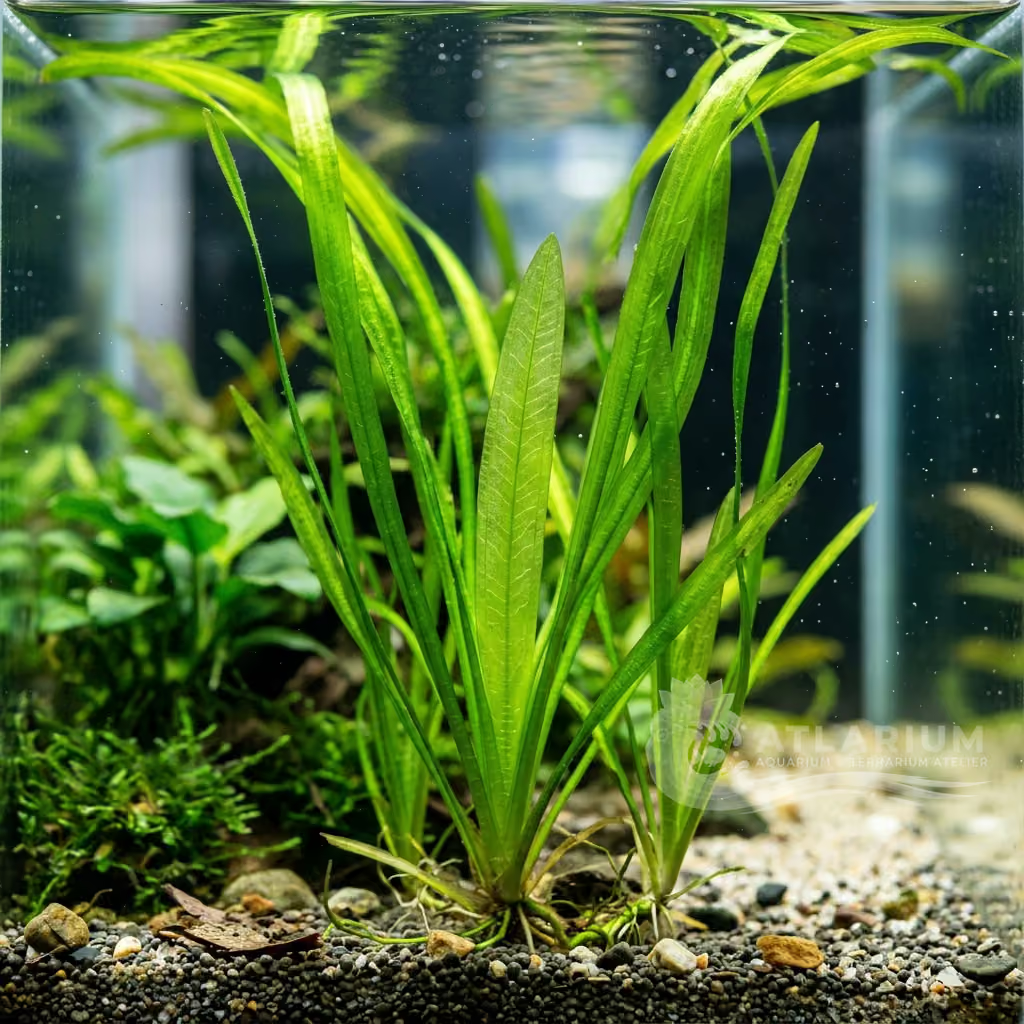
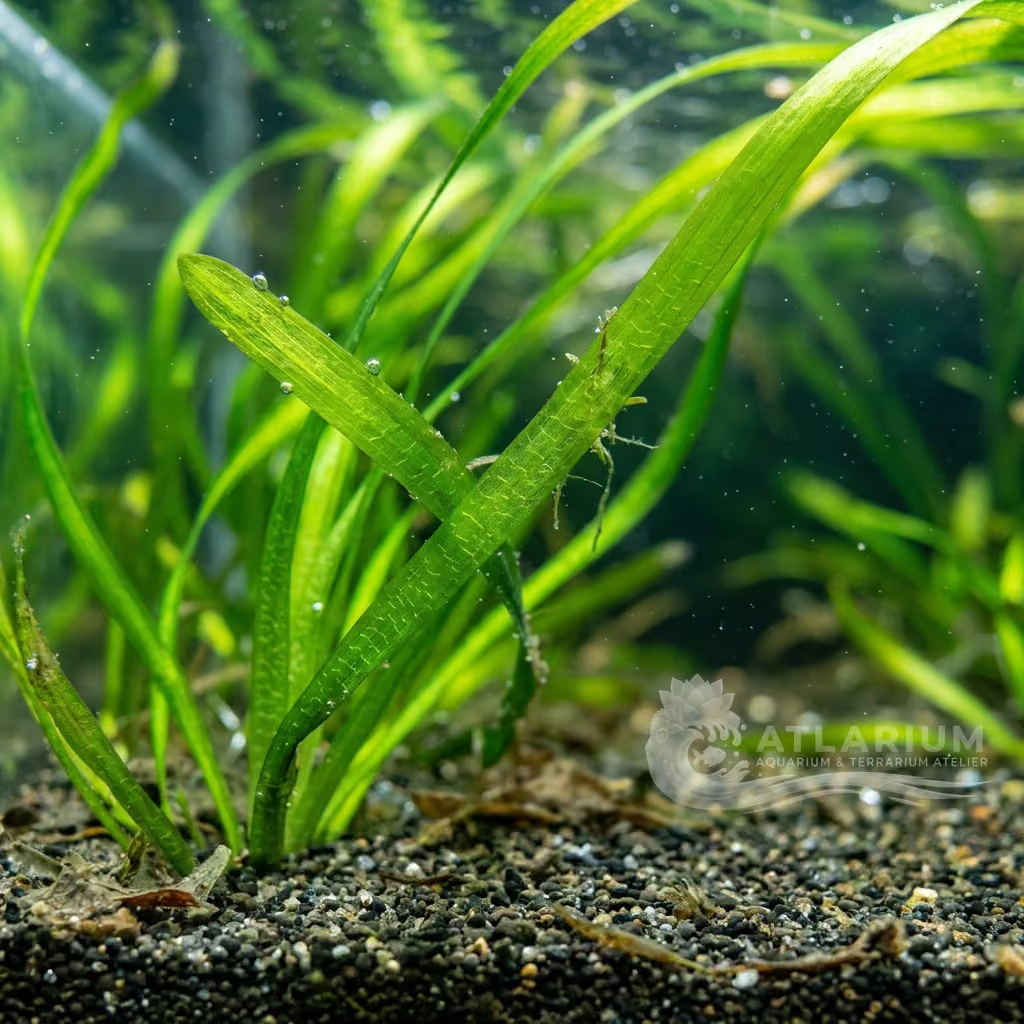
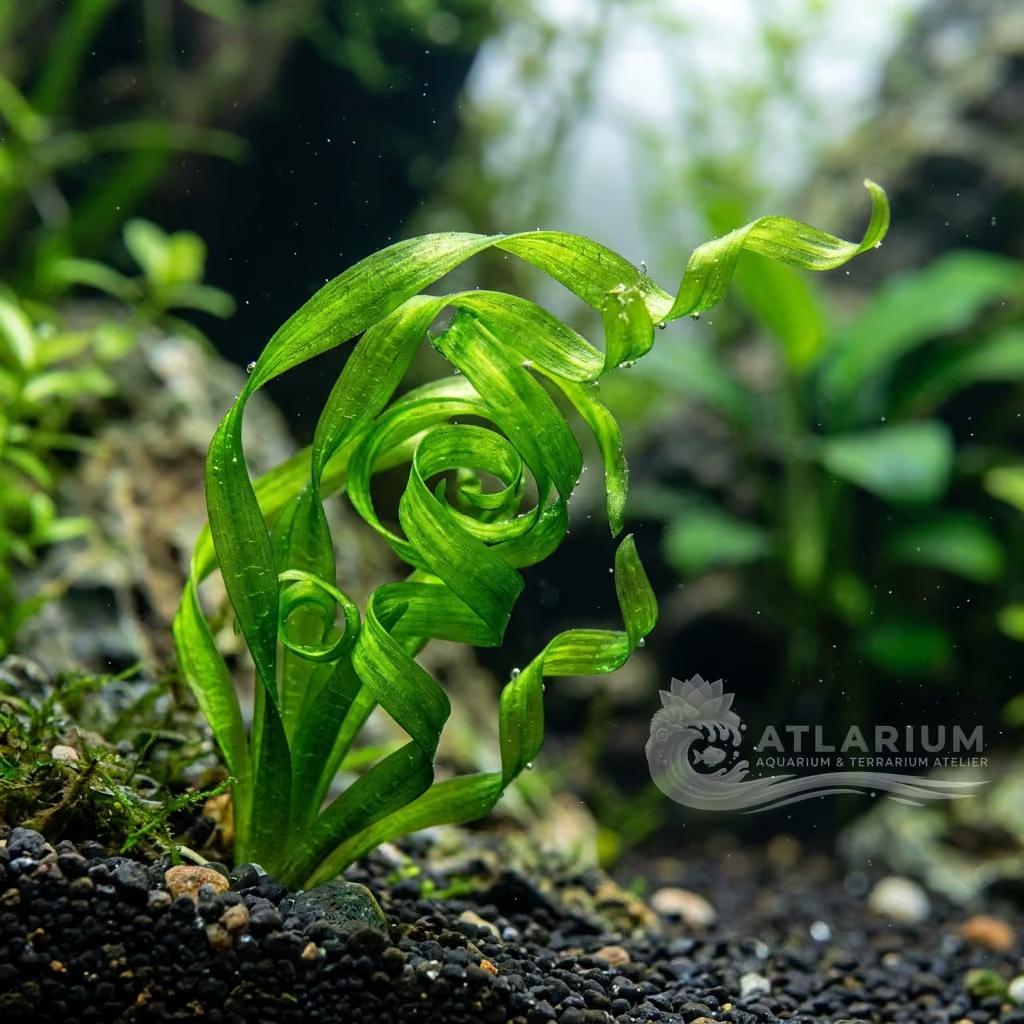
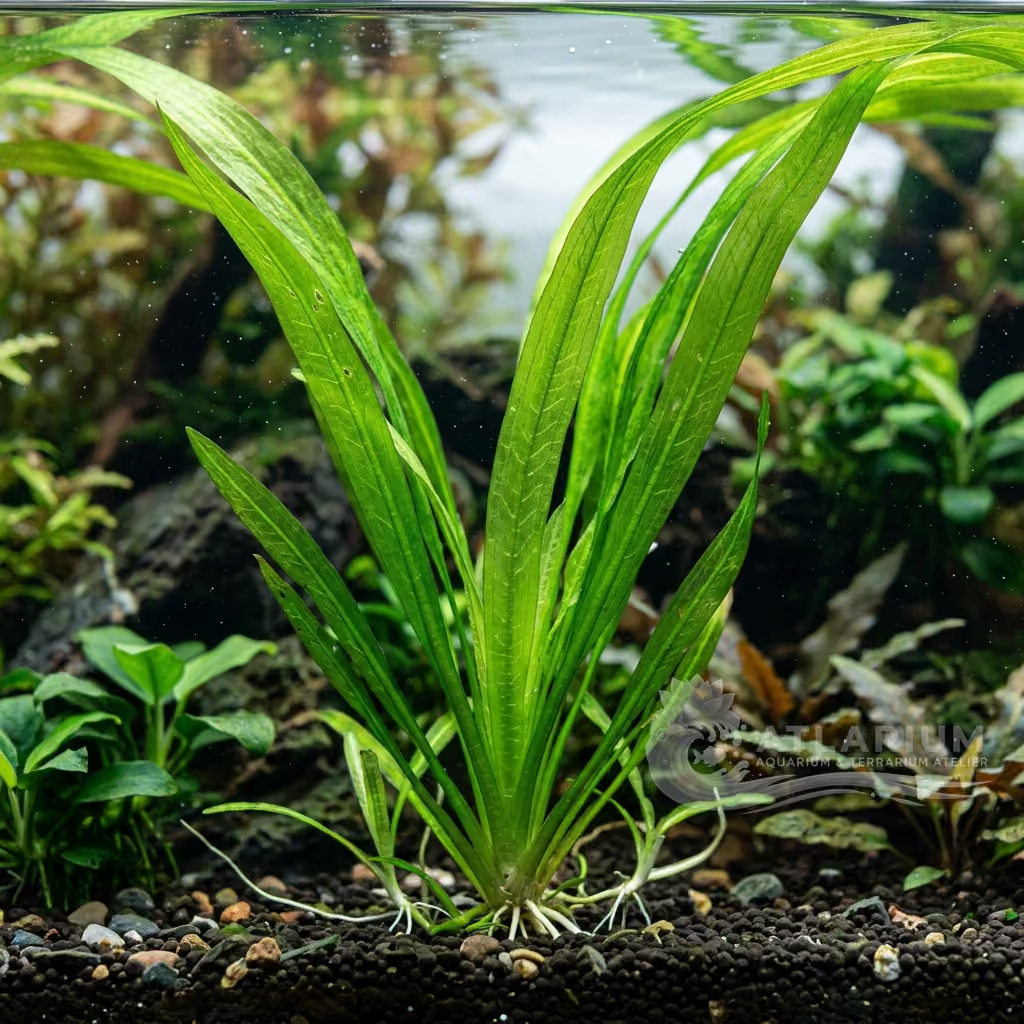
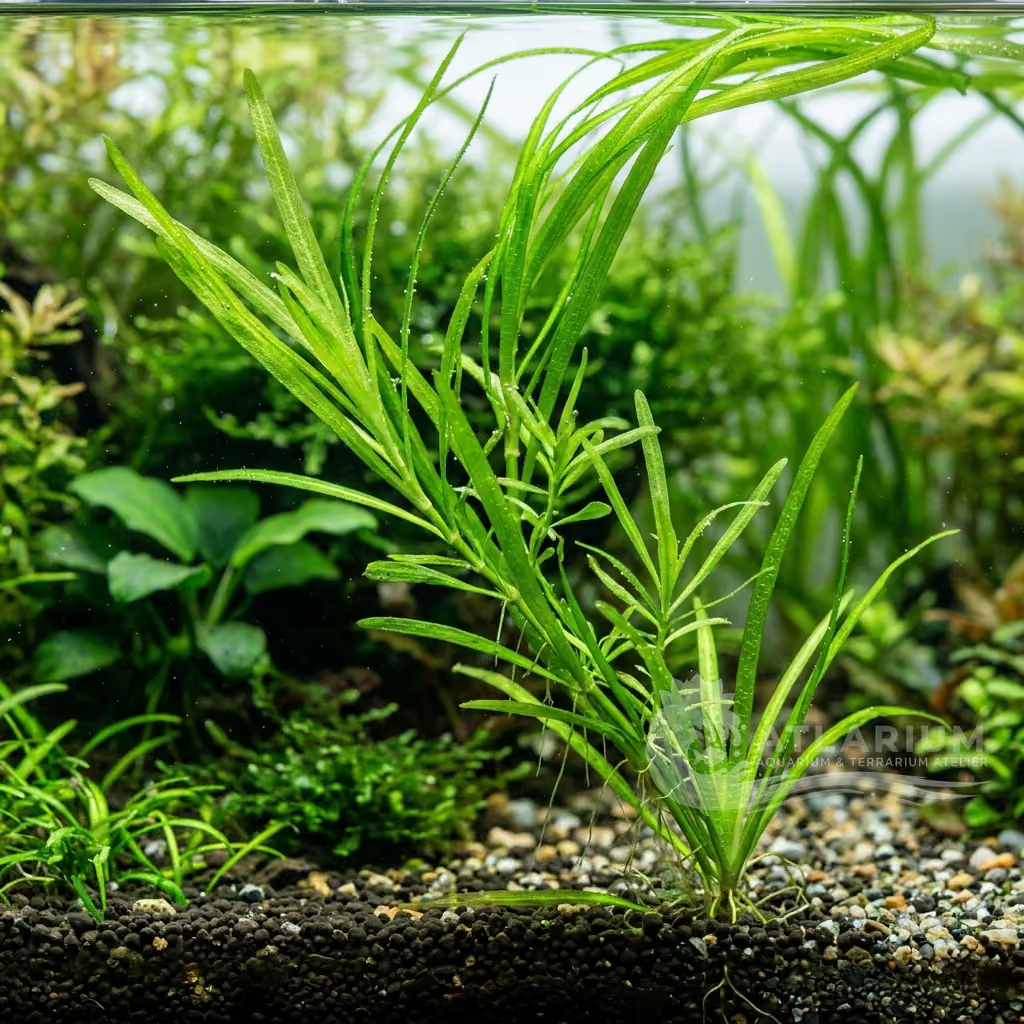
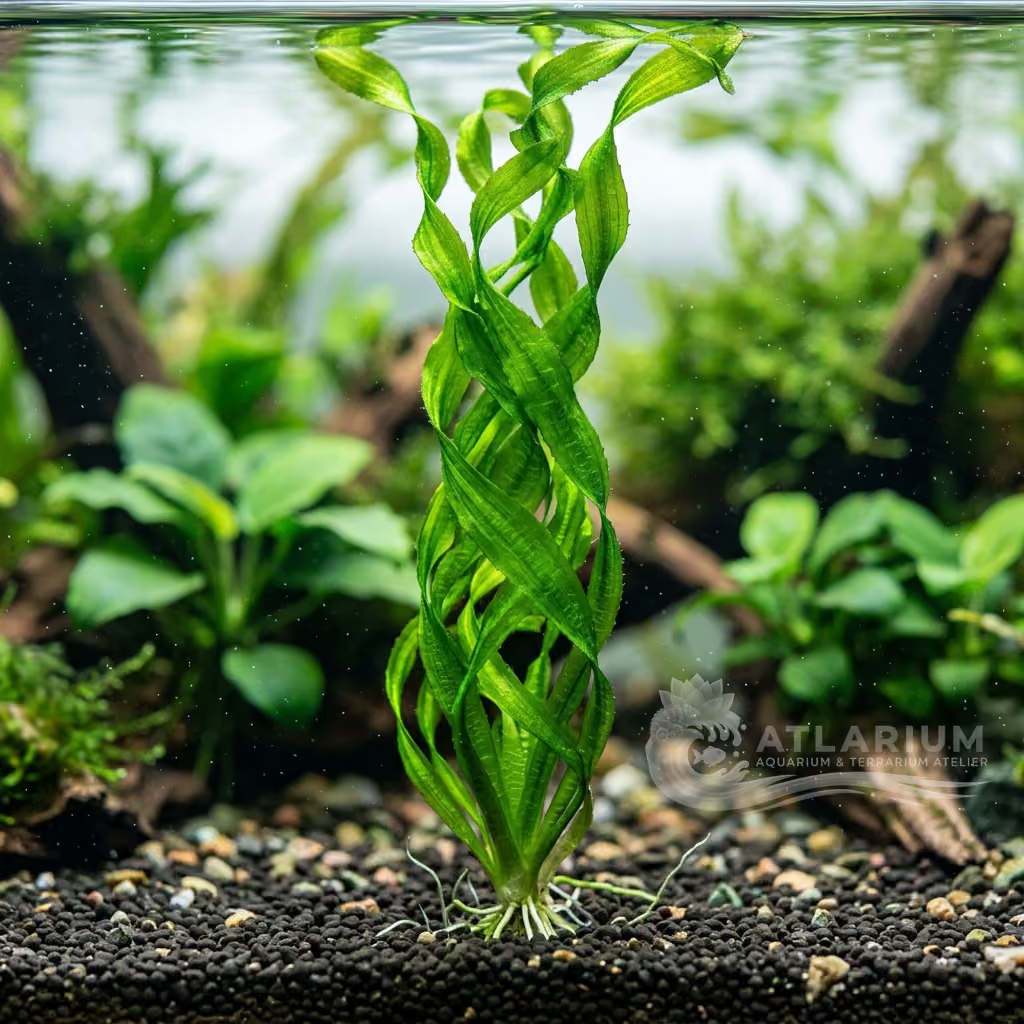
Physical Structure: Syngonanthus sp. 'Manaus' develops an erect main stem from which numerous needle-like leaves emerge, forming a dense and symmetrical rosette. The leaves, exceptionally thin and delicate, are spirally arranged along the stem, giving the plant a compact and bushy appearance. This rosette structure is not only aesthetically pleasing but also contributes to its stability in the substrate, though it requires particular care during planting.
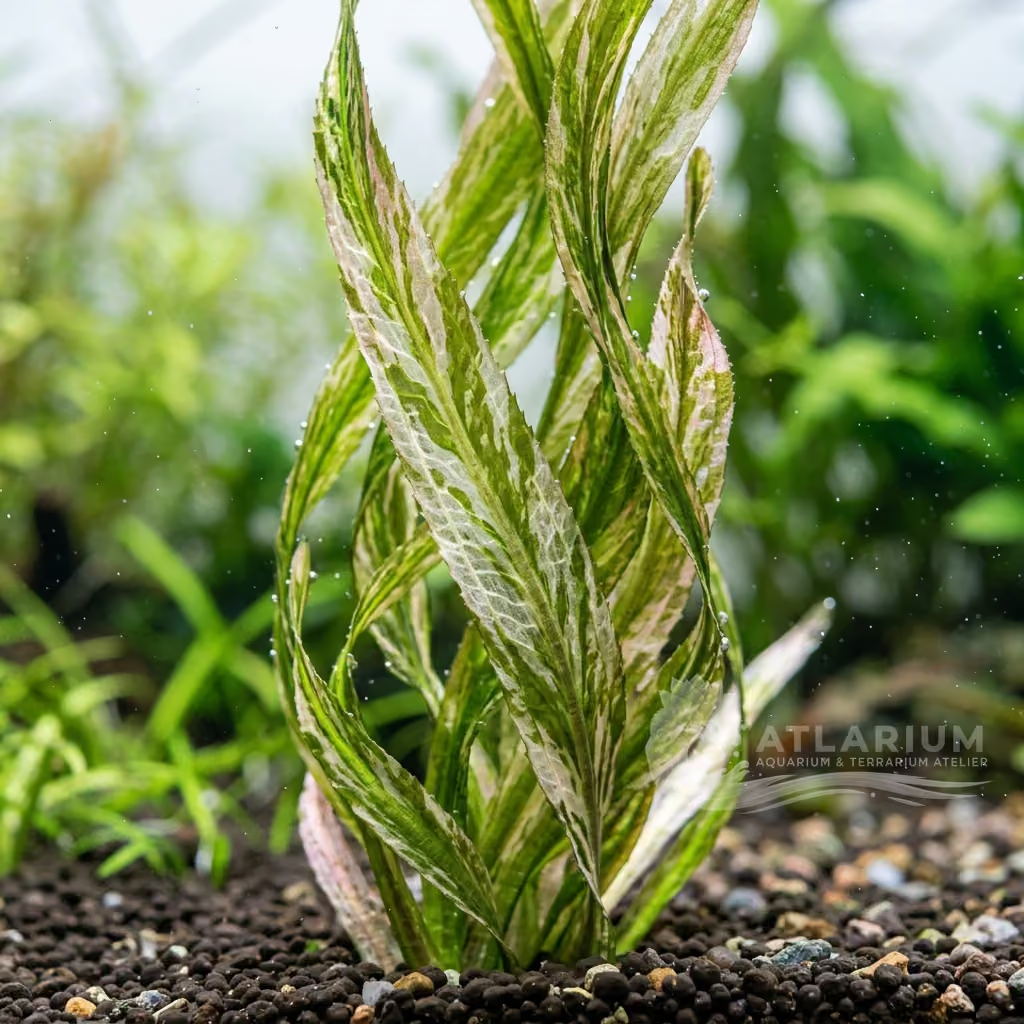
Color & Texture: The predominant color of Syngonanthus sp. 'Manaus' is a vibrant, bright green, which can vary in intensity depending on lighting conditions and nutrient availability. Under intense light and with adequate iron supplementation, the leaf tips may develop reddish or bronze hues, adding a distinctive splash of color. The texture of the leaves is extremely fine and almost silky, lending the plant an ethereal and sophisticated appearance that contrasts beautifully with broader-leaved plants.

Care, breeding and tankmates
Lighting & CO2: For Syngonanthus sp. 'Manaus', medium-intensity lighting is recommended, but it is crucial that it is stable and full-spectrum to support efficient photosynthesis. Adequate lighting prevents etiolation and promotes compact, colorful growth. Carbon dioxide (CO2) supplementation is almost indispensable for this species, allowing for optimal nutrient absorption and stimulating vigorous growth; without CO2, the plant may stunt, exhibit slow growth, and develop deficiencies.
Nutrition & Substrate: Syngonanthus sp. 'Manaus' is a heavy nutrient feeder, absorbing nutrients through both its roots and the
Water Chemistry: Maintaining stable water parameters is vital for Syngonanthus sp. 'Manaus'. It thrives in soft water with a carbonate hardness (KH) between 2 and 12 dKH and a slightly acidic to neutral pH, ranging from 6.0 to 7.5. Water temperature should remain between 20 and 28 °C, with minimal fluctuations to avoid stress. Clean, well-filtered water with regular changes is advisable to keep nitrate and other pollutant concentrations low, ensuring optimal health.
Space Management & Placement: Given its growth habit and medium growth rate, Syngonanthus sp. 'Manaus' is ideal for placement in the midground of the aquarium, where its compact structure can create a strong visual impact. It is beneficial to plant it in small groups to achieve a denser, more natural bushy effect, ensuring sufficient space between individual plants for good water circulation and uniform light penetration. Placement choice should also consider future growth to prevent unwanted shadowing.
Pruning: Regular pruning of Syngonanthus sp. 'Manaus' is essential not only to maintain the desired shape but also to promote denser growth and encourage branching. When the plant reaches excessive heights or becomes too dense, stems can be cut just below a node, using sharp, clean scissors to avoid damage. The trimmed apical sections can be replanted directly into the substrate, serving as cuttings for propagation and the creation of robust new plants.
Risks & Diseases: Syngonanthus sp. 'Manaus' can be susceptible to nutritional deficiencies, manifesting as yellowing leaves (chlorosis) or stunted growth, often indicating a lack of iron or other micronutrients. Algae accumulation on the leaves signals an imbalance between light, CO2, and nutrients, which can smother the plant and inhibit its growth. Furthermore, excessively hard water or too high a pH can stress the plant, making it more vulnerable to general health issues and melting.

Geographic origin and distribution
Syngonanthus sp. 'Manaus' derives its name from the Manaus region, a biodiverse area in the heart of the Brazilian Amazon rainforest, from where it is believed to originate. This suggests the plant naturally inhabits tropical aquatic environments, likely soft, acidic waters of rivers or streams. Typically, these environmental conditions are characterized by sandy or silty substrates and a consistent availability of filtered light, replicating a blackwater or clearwater biotope.
Origin
Amazon, Orinoco, and Guianas

Plant profile
- Placement
- Midground
- Ideal for the midground where its unique crown structure can be fully appreciated without being overshadowed. It should be planted in tight groups to form a cohesive, bright bush. Strong, unobstructed lighting must reach the crown for optimal health. It should be kept away from aggressive, fast-growing foreground plants.
- Botanical form
- Stem
- Develops a distinct star-shaped crown with very fine, hair-like leaves that curl slightly downwards. The overall appearance is highly delicate, often resembling a tiny palm tree or fireworks display. Its coloration is typically a very light, almost translucent green. It is one of the most elegant stem plants available in the hobby.
- Growth
- Medium
- Grows at a moderate pace when its strict requirements for soft water and intense light are met. It may stall completely if environmental parameters drift away from its preferred acidic range. Once acclimatized, it provides steady vertical shoots. The growth is generally vertical, with little horizontal spread unless pruned.
- Substrate
- High
- Syngonanthus sp. 'Manaus' requires a highly fertile and acidic substrate, ideally an active aqua soil, to reach its full potential. Its fine, sensitive roots need a deep substrate bed of around 5 centimeters to anchor properly and access essential minerals. The use of a quality soil ensures the acidic environment necessary for optimal nutrient uptake and robust growth.
- Column fertilization
- Recommended
- Heavily reliant on a well-balanced liquid fertilization regimen tailored for soft water. Consistent dosing of macro and micronutrients is essential to keep the fine foliage looking pristine. It is particularly responsive to regular iron dosing to prevent chlorosis. High nitrates should be avoided as they can encourage algae on the delicate leaves.
- Root fertilization
- Recommended
- A soft, acidic soil substrate is crucial for its delicate root system to establish. While it feeds heavily from the water column, a nutrient-rich base promotes overall vitality and stability. Supplemental root tabs can be used sparingly in mature setups. The root system remains relatively small compared to the size of the plant.
- Trimming
- Occasional
- Should be trimmed with care, preferably by uprooting the stem, cutting the lower portion, and replanting the crown. Cutting the stem midway often results in an unsightly stump that may struggle to produce new shoots. Frequent replanting helps keep the plant looking fresh and compact. Always handle the delicate stems gently to prevent bruising.
- Propagation
- Cuttings
- Naturally produces small side shoots along the stem or at the base of the crown. Once these offshoots have developed their own miniature crowns, they can be carefully snipped and planted. This process can be slow, requiring patience to build a large group. Topping the plant usually results in the lower portion dying off.
- Sensitivity
- HIGH
- Extremely demanding and unforgiving of poor water quality, fluctuating CO2, or inadequate lighting. Algae growth on its fine leaves can be fatal, so maintaining a pristine environment is paramount. It is not suitable for beginner aquarists or low-tech setups. It will melt very quickly if KH or GH levels rise too high.
- Layout role
- Midground
- Acts as a spectacular focal point or delicate accent in advanced aquascapes. Its rare, ethereal appearance contrasts beautifully with dark woods, stones, and deep red plants. It is commonly utilized in highly structured Dutch-style layouts to add unique geometry. It draws the eye immediately due to its striking, star-burst pattern.

Related species
Recommendations grouped by close relatives, companion choices, and similar care.