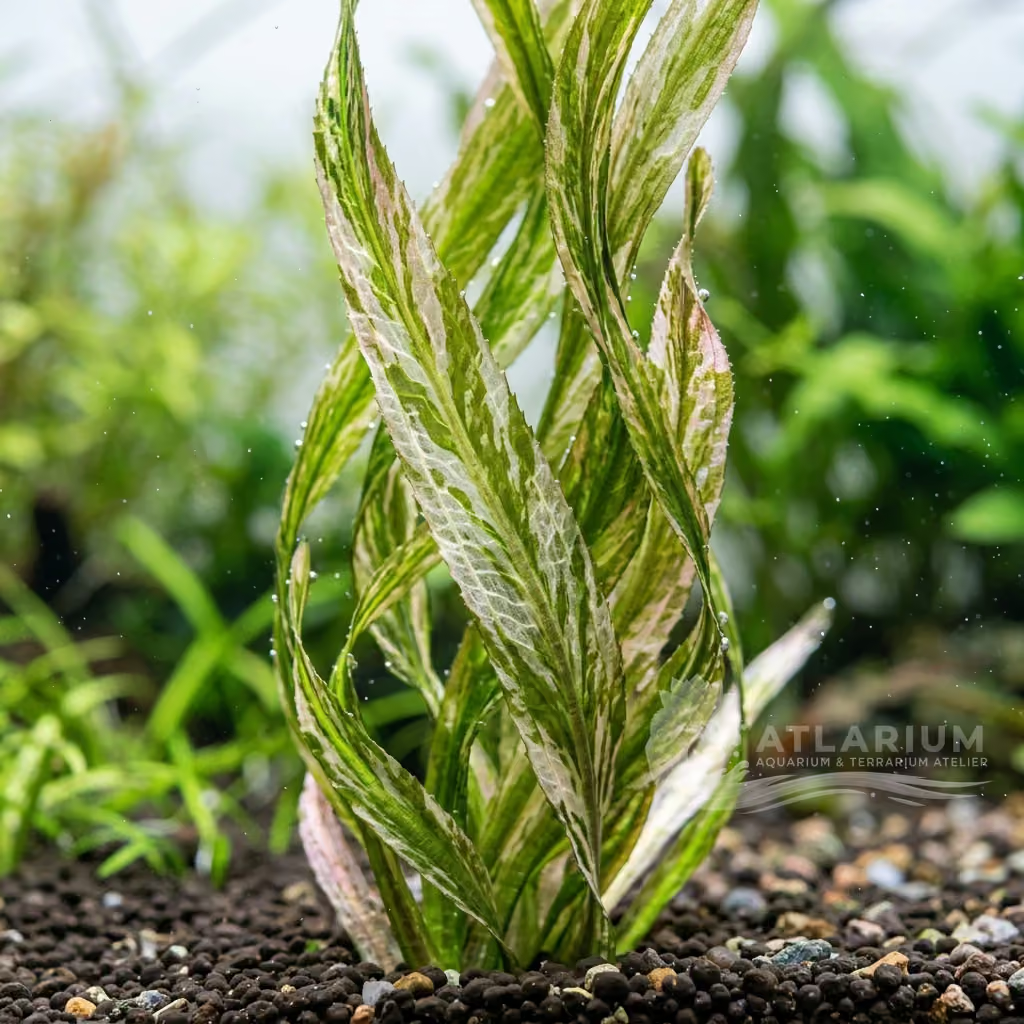
Tonina sp. 'Manaus'
Tonina sp. 'Manaus'
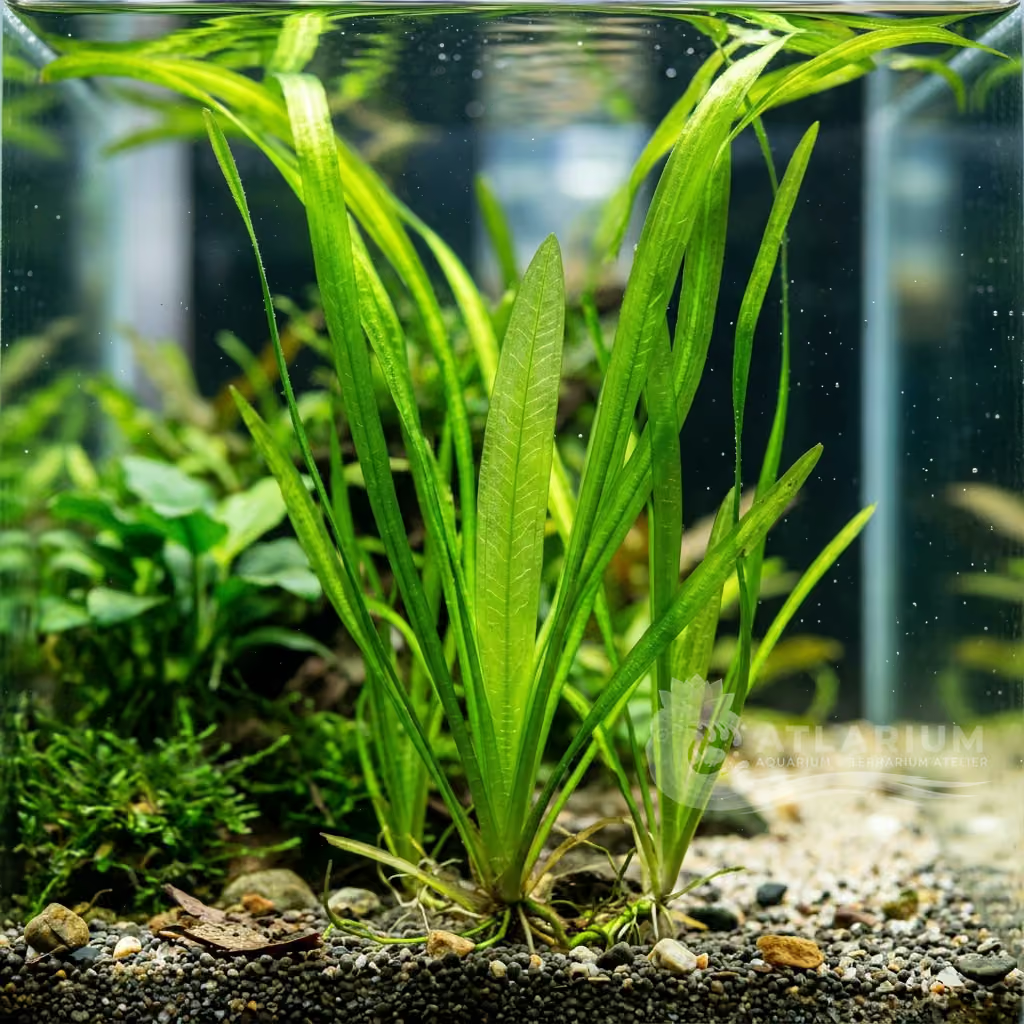
Tonina sp. 'Manaus' is a demanding yet beautiful aquarium plant, perfectly suited for midground placement to create lush, dense focal points. With a medium growth rate, it adds a vibrant green hue, often tinged with reddish tones under optimal conditions, to well-maintained aquascapes.
Water Temperature
22 - 28 °C
pH Value
6 - 7.5
Water type
Freshwater
Light
Medium - High
CO2
Medium - High
Expected height
30 cm
Expected width
7 cm
KH
2 - 10 dKH

Species description
Geographical Origin and Habitat: Tonina sp. 'Manaus' is named after the Manaus region in Brazil, where it is believed to originate or where specific variants were first identified. This species naturally thrives in South American aquatic habitats, particularly in soft, acidic water bodies like slow-moving streams, marshes, or flooded areas. Its natural environment is typically characterized by very low mineral content, high concentrations of humic substances, and often filtered but abundant light, usually over sandy or silty substrates.
Taxonomy & Genetics: Belonging to the Eriocaulaceae family, Tonina sp. 'Manaus' is an aquatic stem plant, with "sp." denoting that it is an undescribed species or a specific variant of a known species. The genus Tonina is well-regarded in aquascaping for its delicate beauty and its somewhat challenging cultivation requirements, making it a rewarding choice for experienced aquarists. Members of the Eriocaulaceae family are generally known for their preference for soft, acidic water conditions, reflecting their specialized adaptation to nutrient-poor, oligotrophic environments.
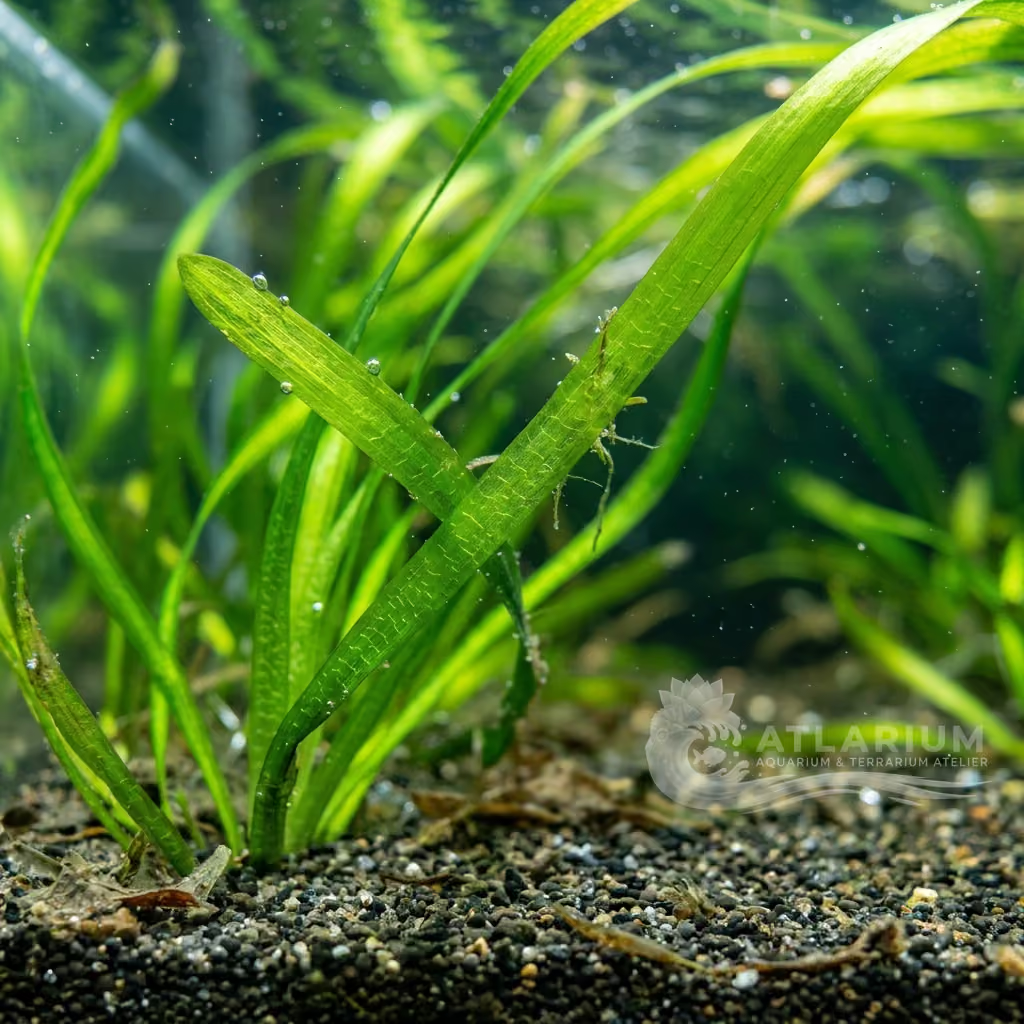
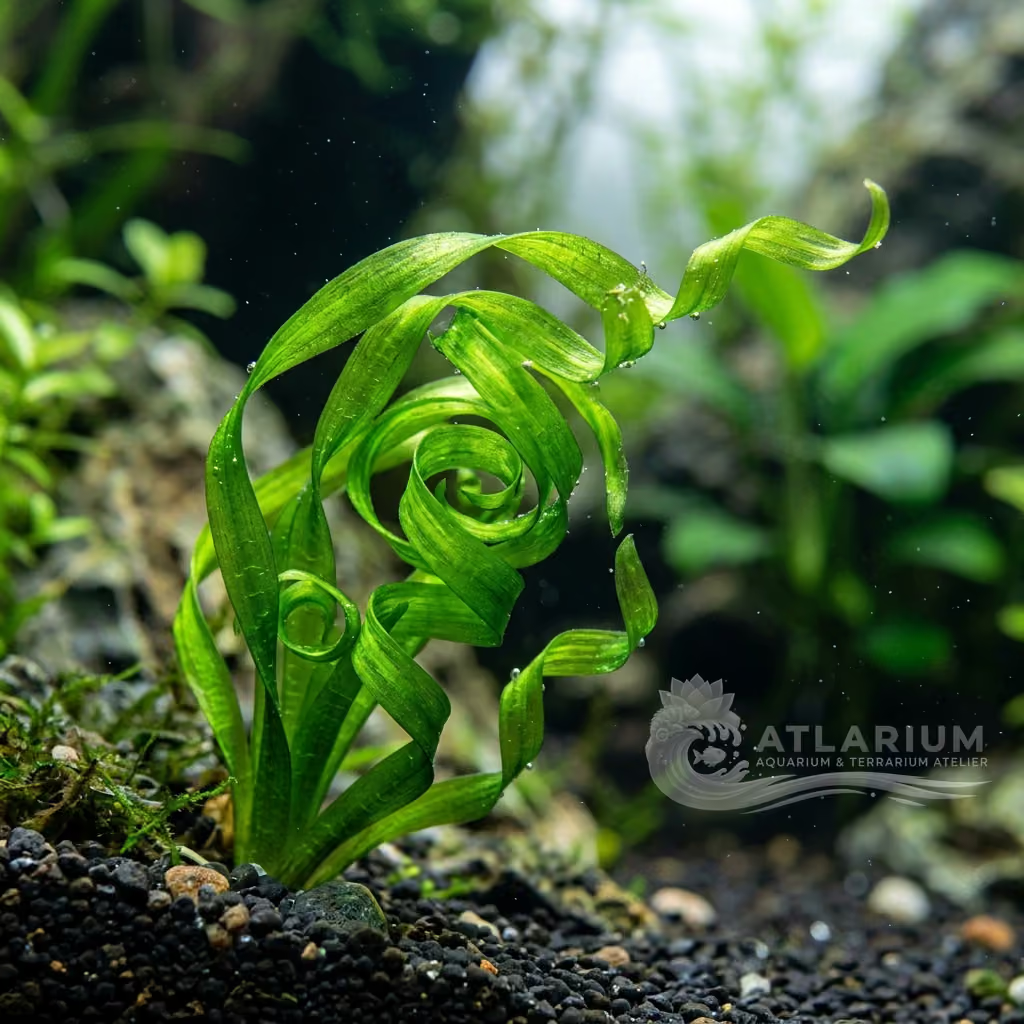
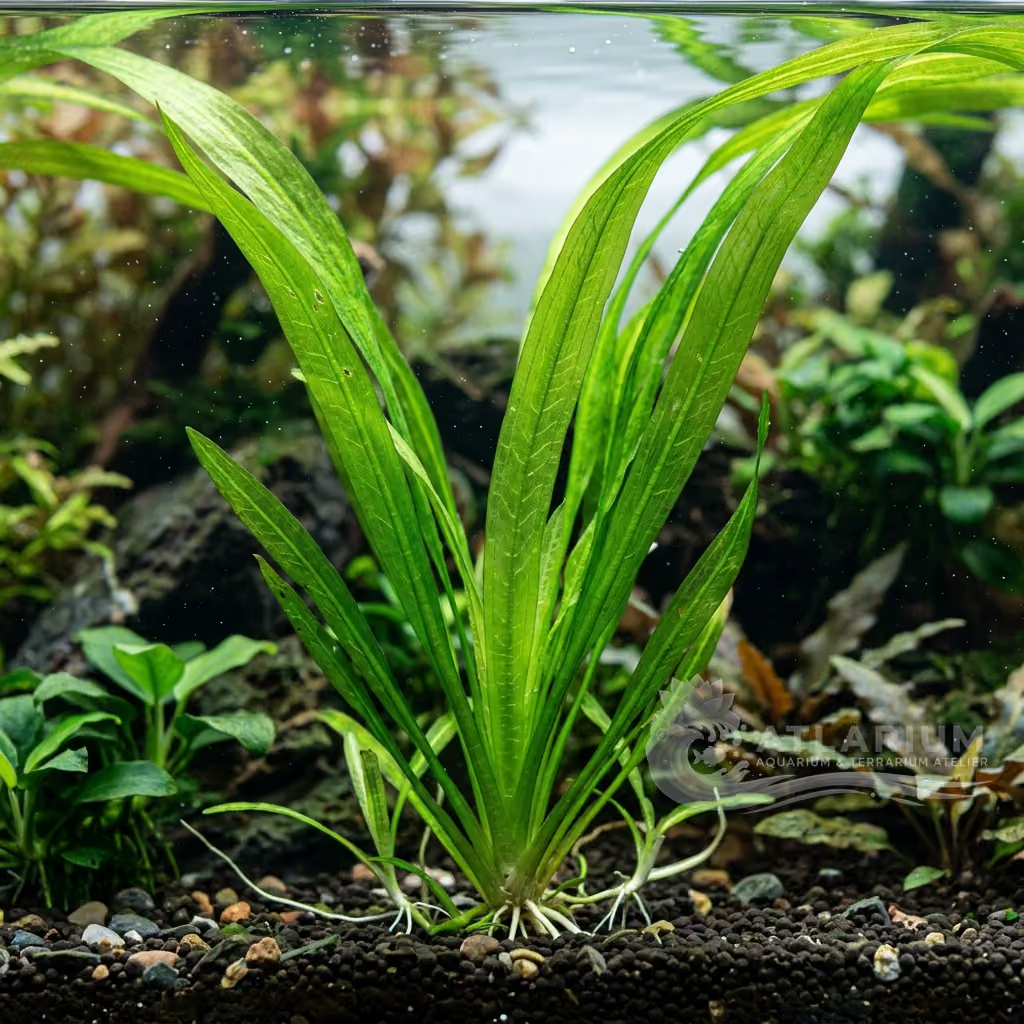
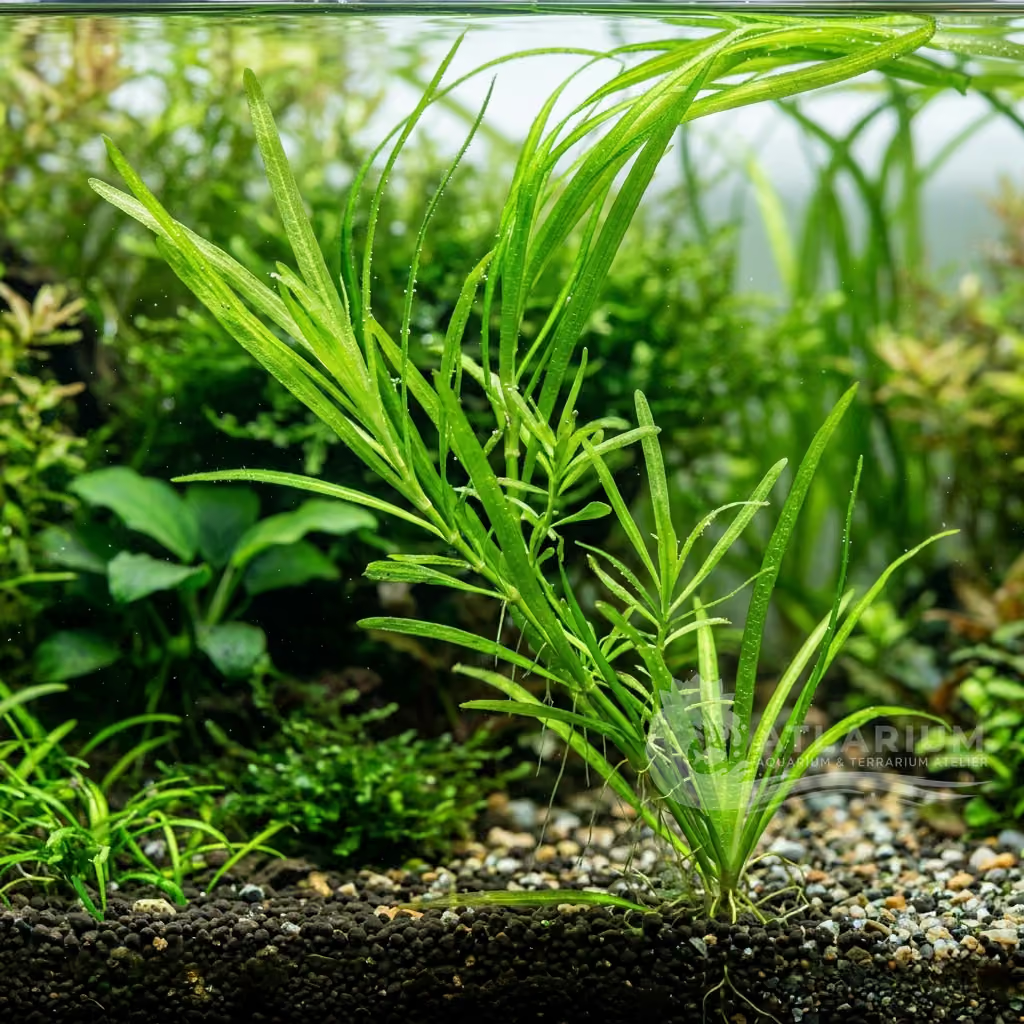
Physical Structure: Tonina sp. 'Manaus' develops sturdy, upright stems that can reach significant heights in an aquarium, forming a dense, bushy mass when properly pruned. Its leaves are typically arranged in a spiral or whorled pattern along the stem, presenting a needle-like or lanceolate shape that tapers to a fine point. The overall structure of the plant is delicate yet resilient, contributing an airy, layered aesthetic that integrates beautifully into naturalistic aquascapes.
Color & Texture: The primary coloration of Tonina sp. 'Manaus' is a vibrant, bright green, which can develop attractive reddish or coppery hues on the stem tips and younger leaves under intense lighting and optimal nutrient conditions. The leaves possess a smooth, slightly succulent texture, lending the plant a velvety and refined appearance. This combination of color and texture makes it a visually striking element, capable of creating compelling contrasts with plants of different shades and forms.

Care, breeding and tankmates
Lighting & CO2: Tonina sp. 'Manaus' demands medium to intense lighting to flourish and display its full vibrant coloration; a PAR value of at least 50 is generally recommended for robust growth and compact form. Consistent carbon dioxide (CO2) injection is absolutely crucial for this plant's health, facilitating efficient photosynthesis and preventing stunted growth or melting. Without an adequate and stable supply of CO2, Tonina sp. 'Manaus' will almost certainly struggle, exhibit signs of stress like leaf deterioration, or even melt entirely, making it a difficult plant to maintain for aquarists without CO2 supplementation.
Nutrition & Substrate: For optimal growth, Tonina sp. 'Manaus' benefits from a nutrient-rich substrate, although it is not as heavy a root feeder as some rosette plants. A comprehensive liquid fertilization regimen is essential, providing both macroelements (nitrogen, phosphorus, potassium) and microelements, with particular emphasis on chelated iron to prevent leaf yellowing and maintain intense coloration. Consistent availability of potassium is vital for strong stems and overall leaf health, directly influencing its resilience and the efficient uptake of other essential nutrients.
Water Chemistry: This species thrives in soft, slightly acidic water, with a pH range of 6.0 to 7.5 and a carbonate hardness (KH) between 2 and 12 dKH. Sudden or significant fluctuations in water parameters can severely stress the plant, leading to leaf deterioration or growth regression. Maintaining a stable water temperature between 20 and 28°C is critical for its metabolic processes and to avoid thermal shock. The consistency of these chemical and physical parameters is often more important than hitting exact target values, as long as they remain within the recommended ranges.
Space Management & Placement: Tonina sp. 'Manaus' is ideally suited for midground placement in the aquarium, where its medium size and dense growth habit can create an attractive focal point or 'bush'. For the best visual impact, it is recommended to plant it in groups rather than as single specimens, allowing the stems to grow closely together and form a compact, lush cluster. Its upright growth pattern makes it excellent for defining intermediate zones of the aquascape, providing natural transitions between foreground carpets and taller background plants.
Pruning: Regular pruning is essential for maintaining the desired shape of Tonina sp. 'Manaus' and encouraging bushier, more ramified growth. By trimming the apical shoots, you stimulate the plant to produce new lateral shoots from the leaf axils below the cut, leading to a denser and more compact cluster. The trimmed sections can be replanted into the substrate to propagate the plant, helping to expand its coverage or replace older, less vigorous stems. It is important to use sharp scissors to make clean cuts, reducing stress on the plant.
Risks & Diseases: Tonina sp. 'Manaus' can be susceptible to nutrient deficiencies, which manifest as yellowing leaves, stunted growth, or pinholes, particularly if iron or potassium levels are insufficient. A common risk is "melting" of leaves or the entire plant, often triggered by sudden changes in water parameters, CO2 deficiency, or inadequate lighting conditions. It is also sensitive to algal attacks if nutrient levels are imbalanced or if aquarium maintenance is poor, indicating an environment that is not optimal for its delicate nature.

Geographic origin and distribution
Tonina sp. 'Manaus' is named after the Manaus region in Brazil, where it is believed to originate or where specific variants were first identified. This species naturally thrives in South American aquatic habitats, particularly in soft, acidic water bodies like slow-moving streams, marshes, or flooded areas. Its natural environment is typically characterized by very low mineral content, high concentrations of humic substances, and often filtered but abundant light, usually over sandy or silty substrates.
Origin
Amazon, Orinoco, and Guianas

Plant profile
- Placement
- Midground
- Planting it in the midground provides the best view of its elegant, feathery crowns. It is crucial to space out the individual stems slightly to allow intense light to penetrate down to the lower leaves. Avoid placing it in the shadow of larger, broad-leafed plants or hardscape elements.
- Botanical form
- Stem
- This species forms very fine, almost needle-like leaves that branch out from a central stem. The crowns have a slightly softer, more feathery appearance compared to the 'Belém' variety. Its light green, delicate texture creates a highly refined aesthetic in the aquarium.
- Growth
- Medium
- When its strict requirements for soft water, high light, and high CO2 are met, it grows at a moderate pace. Its growth pattern is vertically oriented, producing extremely fine, delicate leaves that differentiate it from other Tonina species. Poor conditions lead to an immediate cessation of growth.
- Substrate
- Medium
- Tonina sp. 'Manaus' benefits greatly from a moderately rich, acidic substrate that facilitates strong root development. While it absorbs some nutrients from the water column, an active aquasoil base ensures a steady supply of micronutrients to its roots. A well-aerated soil layer of about 5 centimeters is optimal, preventing root rot while providing a secure anchor. Like other Tonina varieties, it prefers the slight pH reduction offered by specialized planted aquarium soils.
- Column fertilization
- Recommended
- It relies heavily on liquid fertilization. A daily or frequent dosing schedule is recommended to ensure a constant supply of dissolved nutrients. The lack of micronutrients, particularly iron, will quickly result in the new growth becoming stunted and pale.
- Root fertilization
- Optional
- A premium, nutrient-rich aquasoil is required to support its health and lower the pH of the water. The acidic environment created by the soil is necessary for nutrient absorption. Adding root tabs can occasionally help boost growth in established tanks.
- Trimming
- Occasional
- Trim the plant by removing the top portion and replanting it to maintain a fresh look. The rooted lower portion may sprout lateral branches, but this process is often slower than with other stem plants. Always use sharp scissors to avoid crushing its fragile stem.
- Propagation
- Cuttings
- Propagation is performed by snipping a healthy top cutting and planting it deeply enough into the aquasoil to anchor it. Given the right conditions, it will form new roots within a few days. Handling the delicate stems with care during planting is essential.
- Sensitivity
- Moderate
- It is notorious for its sensitivity and will only tolerate very soft, acidic water with low hardness (KH 0-2). It demands high intensity lighting and a substantial injection of CO2. Any deviation from these parameters often leads to the stems rotting at the base.
- Layout role
- Midground, group, accent
- It provides a unique, highly detailed textural contrast when placed among plants with different leaf shapes. The soft, wispy appearance is perfect for softening transitions in an aquascape. It is a prized rarity often used as a delicate focal point in specialized tanks.

Related species
Recommendations grouped by close relatives, companion choices, and similar care.