Syngonanthus cf. inundatus
Syngonanthus cf. inundatus
Syngonanthus cf. inundatus is an alluring midground stem plant that thrives with a medium growth rate and high light requirements. Its delicate appearance and vibrant green hues make it a captivating focal point in a well-maintained aquascape.
Water Temperature
18 - 29 °C
pH Value
4 - 7
Water type
Freshwater
Light
High
CO2
Low - High
Expected height
15 cm
Expected width
8 cm
KH
0 - 8 dKH

Species description
Geographical Origin and Habitat: Syngonanthus cf. inundatus originates from the tropical regions of South America, notably Brazil, where it flourishes in clear, nutrient-rich streams and seasonally flooded areas, often anchored in sandy or detritus-laden substrates. Its natural habitat is characterized by stable aquatic conditions and occasional periods of emersion, indicating its adaptability to both submerged and semi-submerged environments. The "cf." designation, meaning "conferre," suggests a strong resemblance to *Syngonanthus inundatus* but acknowledges potential taxonomic variations, perhaps as a distinct geographical variant or a closely related species awaiting further classification.
Taxonomy & Genetics: As a member of the Eriocaulaceae family, Syngonanthus cf. inundatus shares characteristics common to many tropical marsh and aquatic plants, a family renowned for its diversity and specific cultivation demands. This family is widely distributed across tropical and subtropical zones, with many species highly valued in aquascaping for their unique structural forms and striking
Color & Texture: ation. Although it may bear a superficial resemblance to some *Tonina* species, it belongs to a separate genus, distinguished by its typically globose inflorescences, which are rarely observed in an aquarium setting. The "cf. inundatus" classification highlights ongoing taxonomic scrutiny required to fully ascertain its precise genetic identity and phylogenetic relationships within the *Syngonanthus* genus.
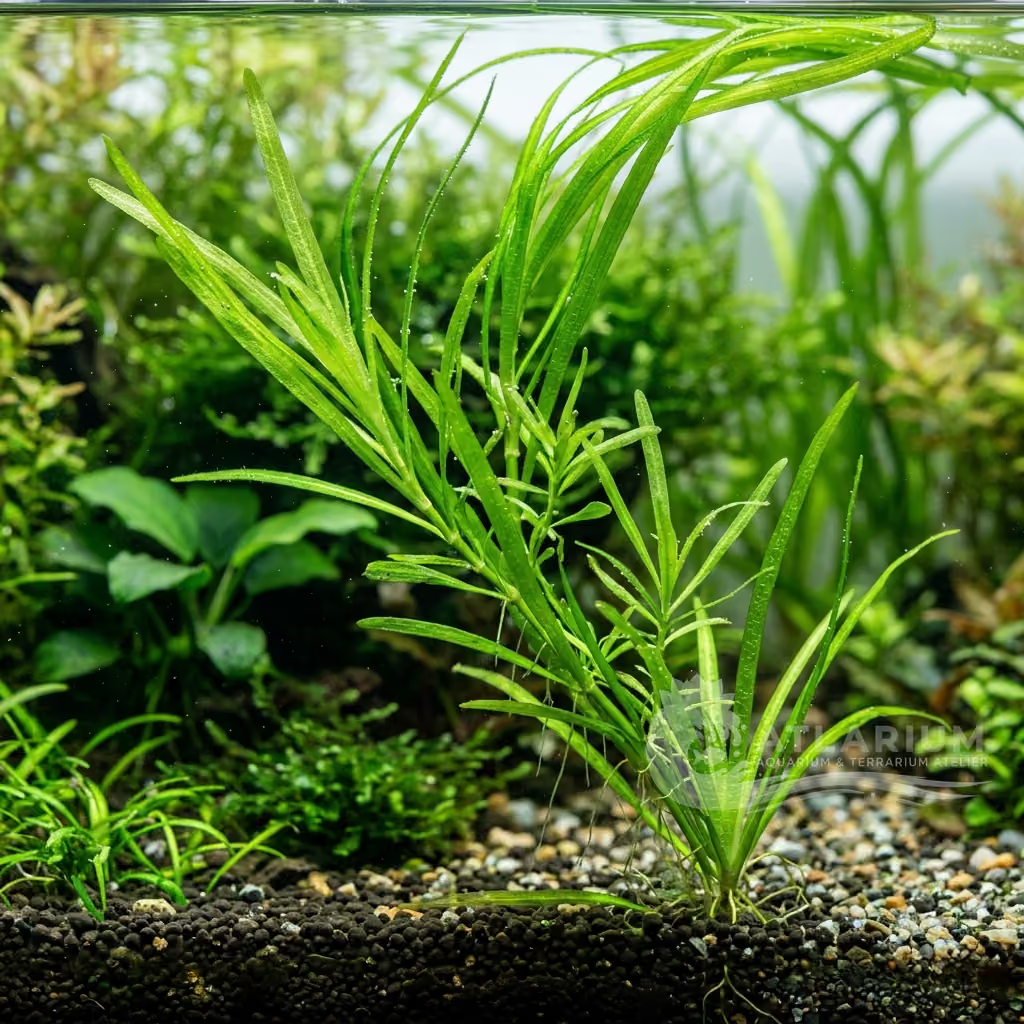
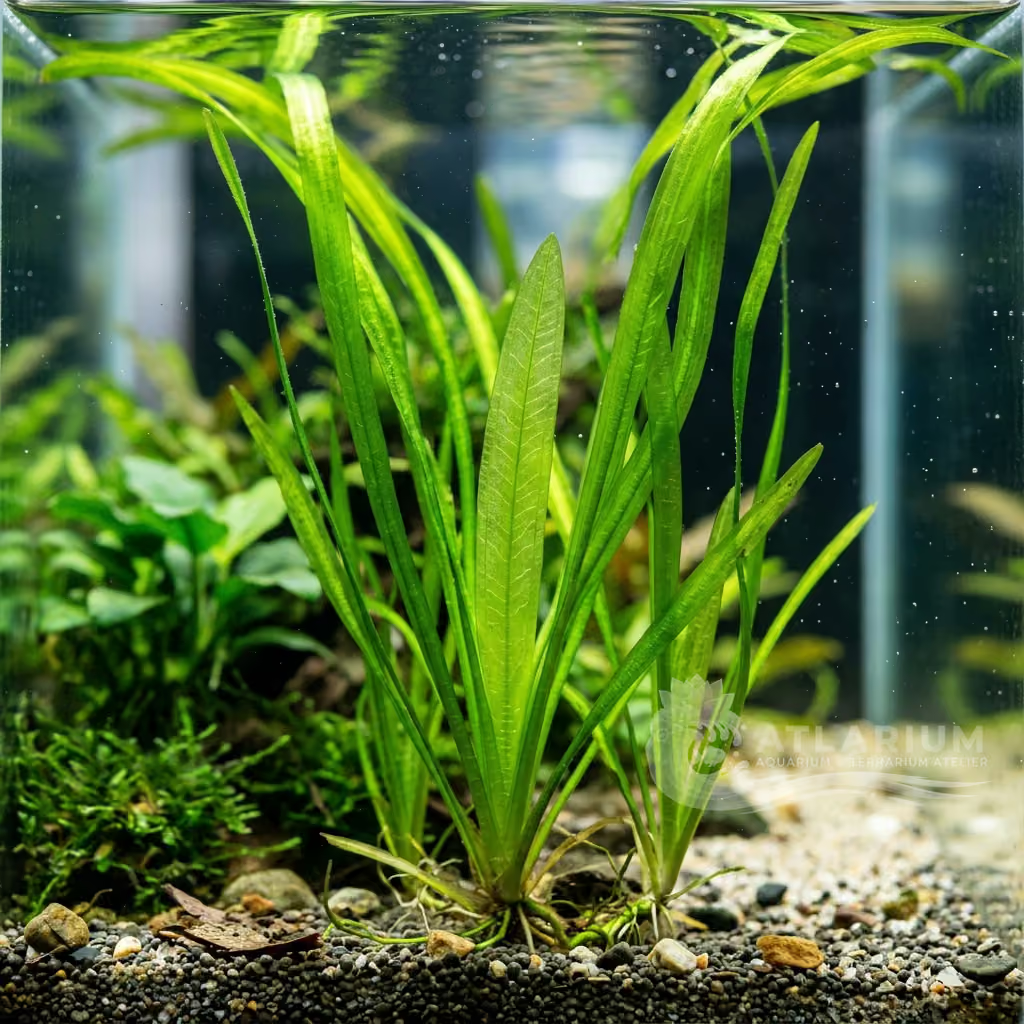
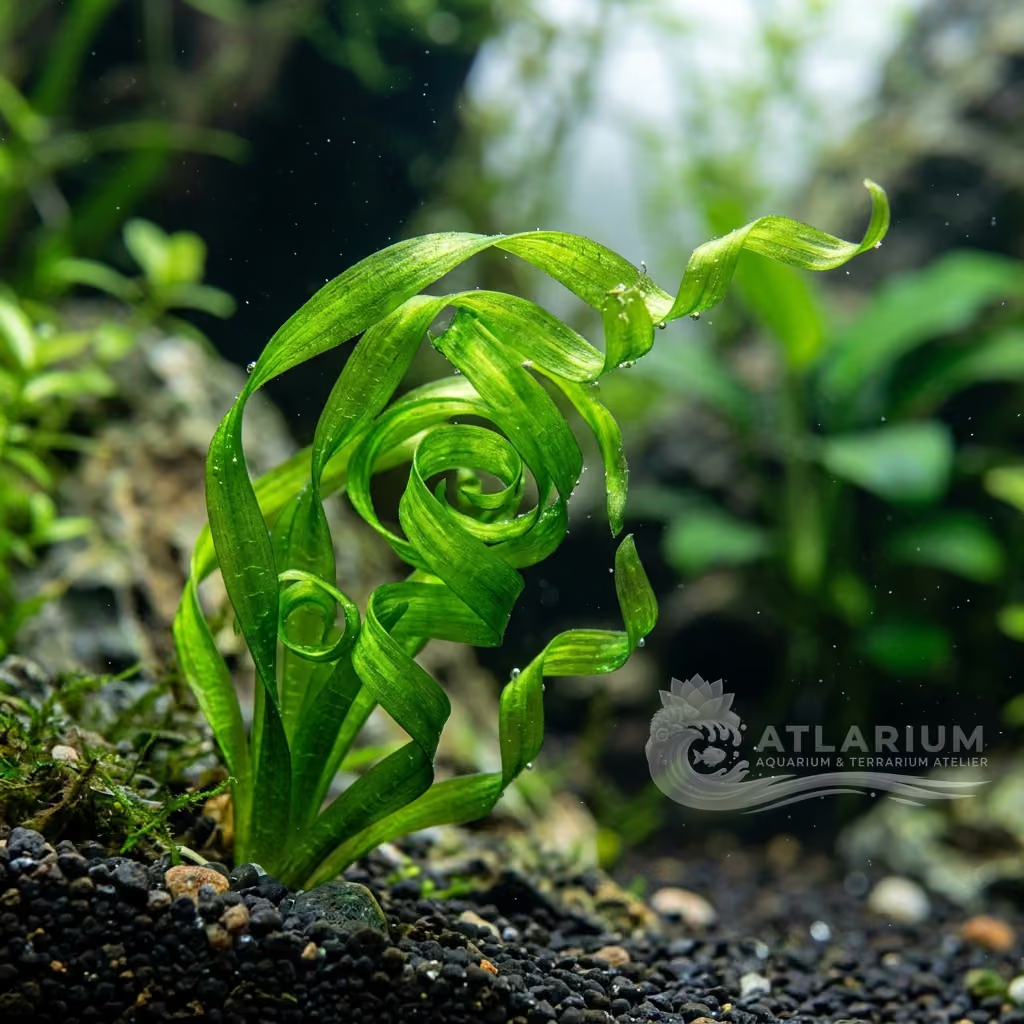
Physical Structure: The physical structure of Syngonanthus cf. inundatus is defined by its slender, upright stems from which delicate, needle-like leaves emerge in dense rosettes along the main axis. These closely packed leaves contribute to a lush, bushy appearance, particularly when the plant is grown in dense clusters. Its growth habit is primarily vertical, with the capacity to branch laterally upon proper pruning, forming a compact and intricate mass. The root system is generally fine and non-invasive, providing adequate anchorage to the substrate while primarily absorbing nutrients from the water column.
Color & Texture: Syngonanthus cf. inundatus is renowned for its brilliant green coloration, which can range from a light lime green to a rich golden-green, influenced significantly by light intensity and nutrient availability. Under very intense illumination and optimal fertilization, the leaf tips may develop attractive reddish or pinkish undertones, adding a captivating visual contrast. The leaf texture is remarkably fine and silky, almost resembling delicate grass blades, imparting an ethereal and airy quality to the plant. This combination of vibrant color and delicate texture establishes it as a compelling focal point in any aquatic display, creating an impression of depth and softness.

Care, breeding and tankmates
Lighting & CO2: For Syngonanthus cf. inundatus, extremely high lighting is paramount for robust growth and optimal coloration; a high PAR value is essential to prevent stem elongation and color fading. Consistent CO2 injection is equally critical, as a generous and steady supply facilitates efficient photosynthesis and prevents stunted growth, thereby maintaining the plant's compact form and vitality. Without adequate light and CO2 levels, the plant will decline, exhibiting deficiency symptoms and becoming highly susceptible to algae outbreaks. It is advisable to maintain photoperiods of 8-10 hours daily to balance healthy growth with algae prevention.
Nutrition & Substrate: While Syngonanthus cf. inundatus can absorb nutrients from the
Water Chemistry: Water chemistry is a critical determinant for the successful cultivation of Syngonanthus cf. inundatus, which thrives in soft, acidic water conditions. Maintaining a pH between 4.0 and 7.0 and a carbonate hardness (KH) between 0 and 8 is essential to mimic its natural habitat and avert osmotic stress. Water that is too hard or alkaline can impede nutrient uptake and induce "melting" or rapid decay of the leaves. It is highly advisable to use remineralized reverse osmosis (RO) water with specific aquatic plant salts to achieve and maintain stable, ideal parameters, thus avoiding sudden fluctuations that can be detrimental to the plant's health.
Space Management & Placement: Syngonanthus cf. inundatus is most effectively utilized as a midground plant in an aquascape, where its height and delicate structure can establish a compelling focal point or provide an intriguing contrast with differently shaped plants. Planting it in dense groups optimally showcases its beauty, creating an effect reminiscent of a lush carpet or a thick bush. It is crucial to ensure that each stem receives ample light and nutrients, preventing overcrowding which can lead to shading and the deterioration of lower foliage. Strategically placing shorter or differently shaped plants in front or behind can help create visual depth and natural transitions within the aquarium layout.
Pruning: Regular pruning is indispensable for maintaining Syngonanthus cf. inundatus in a compact form and stimulating bushier, denser growth, thereby preventing elongation and the loss of lower leaves. When the plant reaches the water surface or becomes excessively tall, the stem tops can be trimmed, encouraging lateral branching from the nodes below. Healthy apical cuttings can then be replanted directly into the substrate to propagate the plant and enhance the density of the existing cluster. It is paramount to use sharp scissors to avoid damaging the delicate stems and ensure healthy regrowth.
Risks & Diseases: Syngonanthus cf. inundatus is notoriously sensitive and can be susceptible to various risks in a suboptimal aquarium environment. Fluctuations in water parameters, nutrient deficiencies (particularly iron and potassium), and insufficient lighting are primary stressors that can lead to yellowing, deterioration, or "melting" of the leaves. It is also vulnerable to algal growth if conditions are not perfectly balanced, especially under high light and CO2 without adequate fertilization. The introduction of heavy metals or the presence of ammonia/nitrites can rapidly compromise its health, making constant monitoring and rigorous maintenance absolutely crucial.

Geographic origin and distribution
Syngonanthus cf. inundatus originates from the tropical regions of South America, notably Brazil, where it flourishes in clear, nutrient-rich streams and seasonally flooded areas, often anchored in sandy or detritus-laden substrates. Its natural habitat is characterized by stable aquatic conditions and occasional periods of emersion, indicating its adaptability to both submerged and semi-submerged environments. The "cf." designation, meaning "conferre," suggests a strong resemblance to *Syngonanthus inundatus* but acknowledges potential taxonomic variations, perhaps as a distinct geographical variant or a closely related species awaiting further classification.
Origin
Amazon, Orinoco, and Guianas

Plant profile
- Placement
- Midground
- It is best used as a striking focal point in the midground of advanced aquascapes. It needs a completely unshaded position directly under strong lighting. Planting it in neat groups maximizes its highly structural, geometric visual impact.
- Botanical form
- Stem
- The plant features a stiff, upright stem topped with a very dense, perfectly geometric umbrella or starburst-shaped crown of fine, needle-like leaves. The vibrant light-green foliage curves slightly downwards, giving it a unique umbrella-like appearance. It looks completely unlike typical stem plants.
- Growth
- Medium
- Growth is moderate, provided that all parameters (very soft water, high CO2, intense light) are met. It grows steadily upright, increasing in height rather than spreading horizontally. If conditions slip, growth will stall completely and the plant will melt.
- Substrate
- Medium
- Syngonanthus cf. inundatus favors an acidic, nutrient-rich aqua soil that closely mimics its native soft-water habitats. Its delicate roots require a soft and fine-grained medium to anchor properly and access necessary elements. Providing a substrate depth of around 4-5 cm is recommended to support its steady development and structural stability.
- Column fertilization
- Recommended
- Liquid fertilization must be exact and consistent. Fluctuations can cause the delicate crown to stunt or blacken. A high-quality, comprehensive liquid fertilizer, heavily leaning on micro-nutrients while keeping nitrates moderate, is essential for its health.
- Root fertilization
- None
- A slightly acidic, nutrient-rich aquasoil is absolutely mandatory. The roots of Syngonanthus species are very delicate and thrive in a soft, mature substrate that buffers the pH down. Root tabs can be carefully used to prolong the life of the soil.
- Trimming
- Occasional
- Trimming requires care; cut the stem below the beautiful crown and replant the top. The remaining bottom portion often struggles to sprout new shoots and may decay, so many aquascapers simply discard the bottoms and continually replant the tops.
- Propagation
- Cuttings
- Propagation is typically done by topping the plant and replanting the crown. Occasionally, a very healthy plant may develop side shoots near the base or on the lower stem, which can be carefully detached and planted once they are large enough.
- Sensitivity
- HIGH
- This is one of the most difficult plants in the hobby. It absolutely requires very soft water (low GH/KH) and an acidic pH (below 6.5). Any buildup of organic waste, lack of CO2, or sudden parameter shifts will lead to rapid melting.
- Layout role
- Midground
- It serves as an exotic, eye-catching jewel in nature or Dutch aquariums. Its strictly geometric, star-shaped tops create a fascinating textural contrast against both broad-leaved plants and typical carpeting species. It is usually the centerpiece of a demanding layout.

Related species
Recommendations grouped by close relatives, companion choices, and similar care.