Leopard Cactus Pleco (L114)
Pseudacanthicus sp. L114
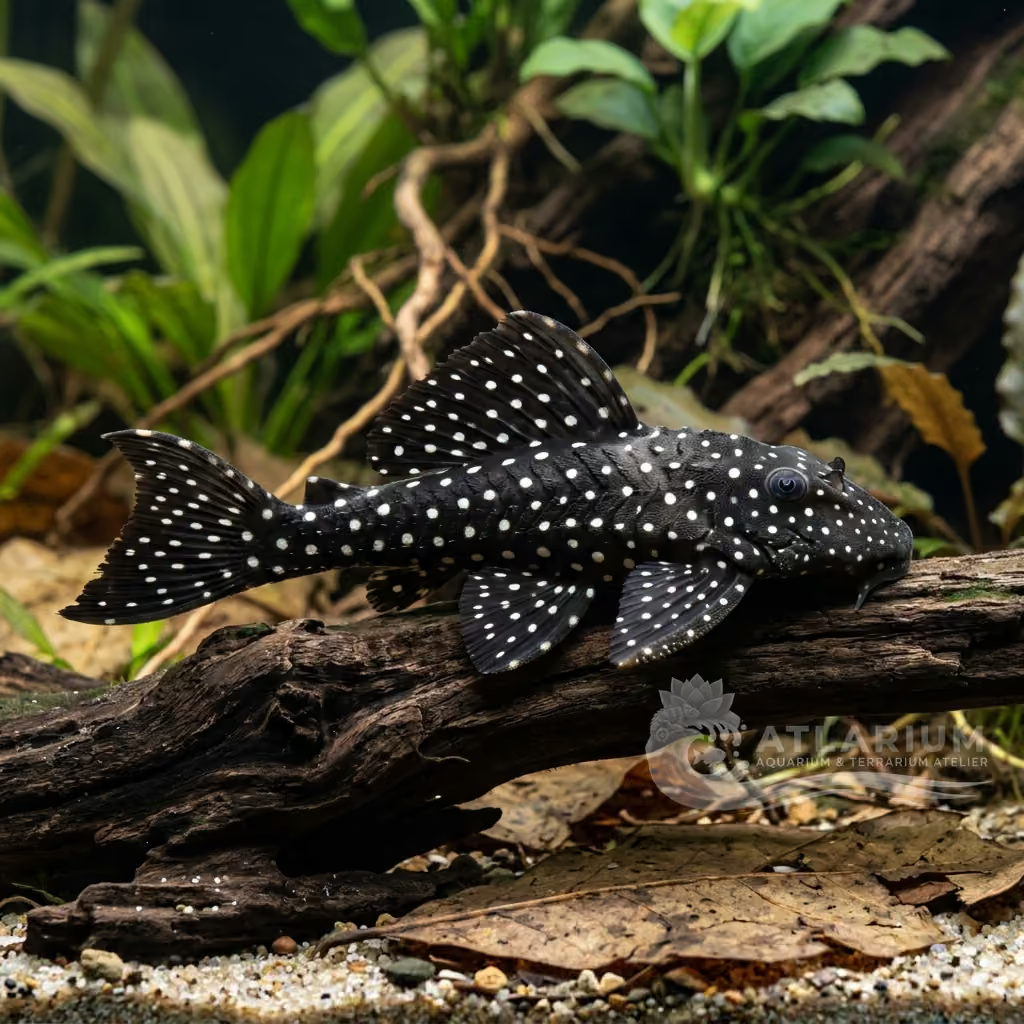
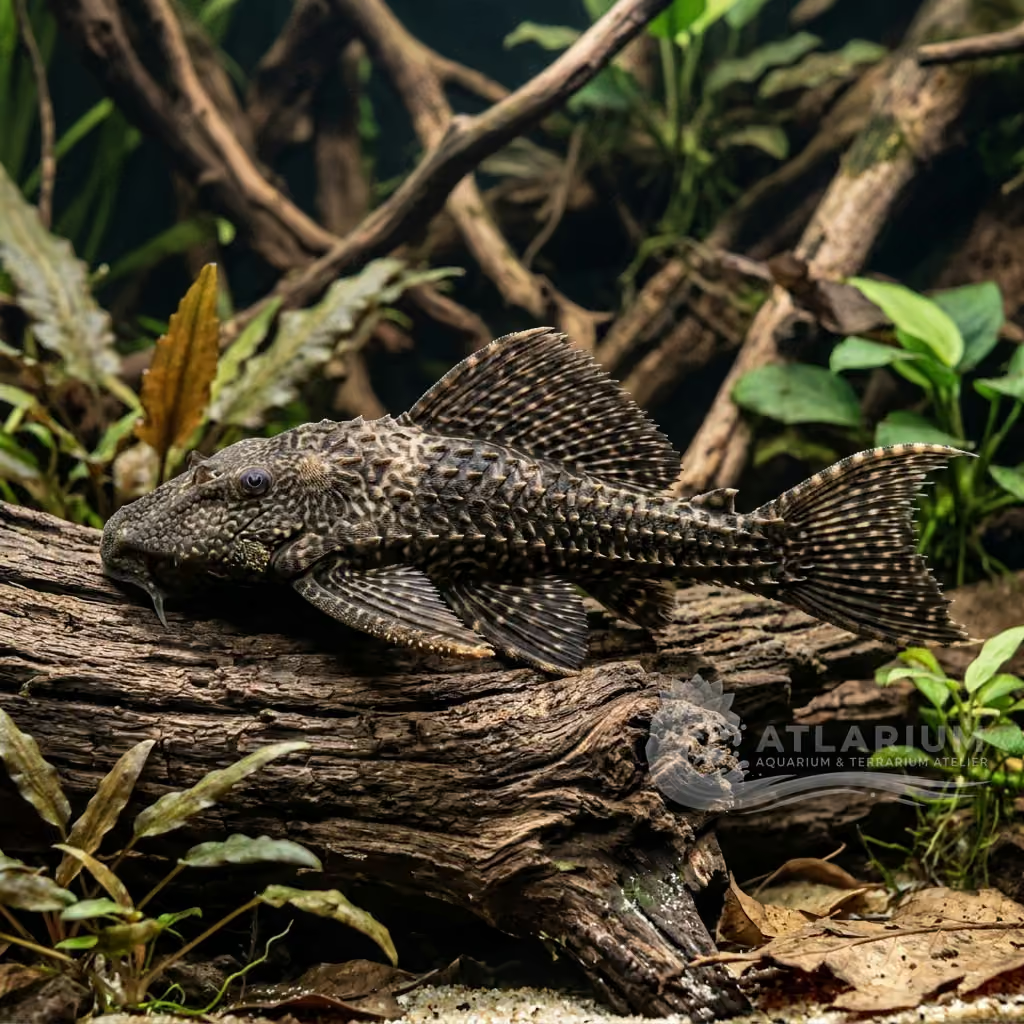
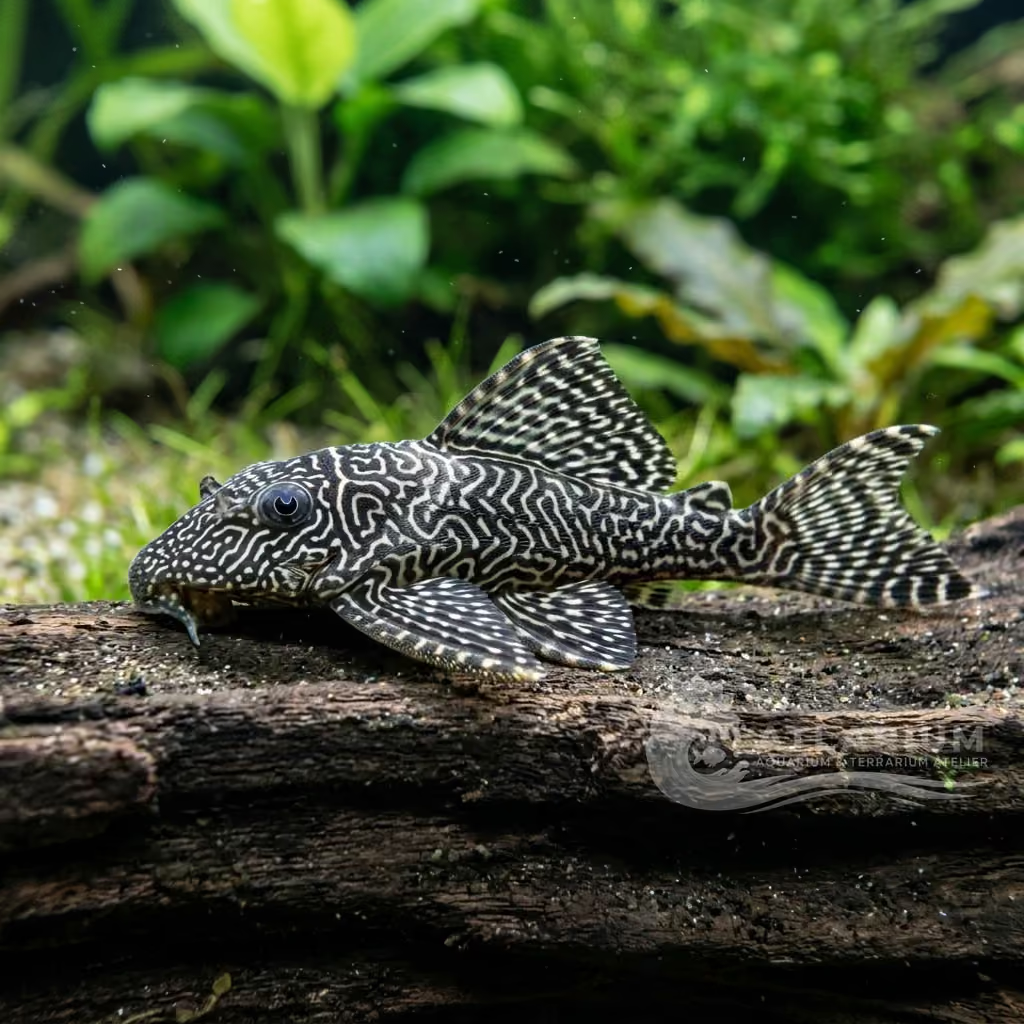
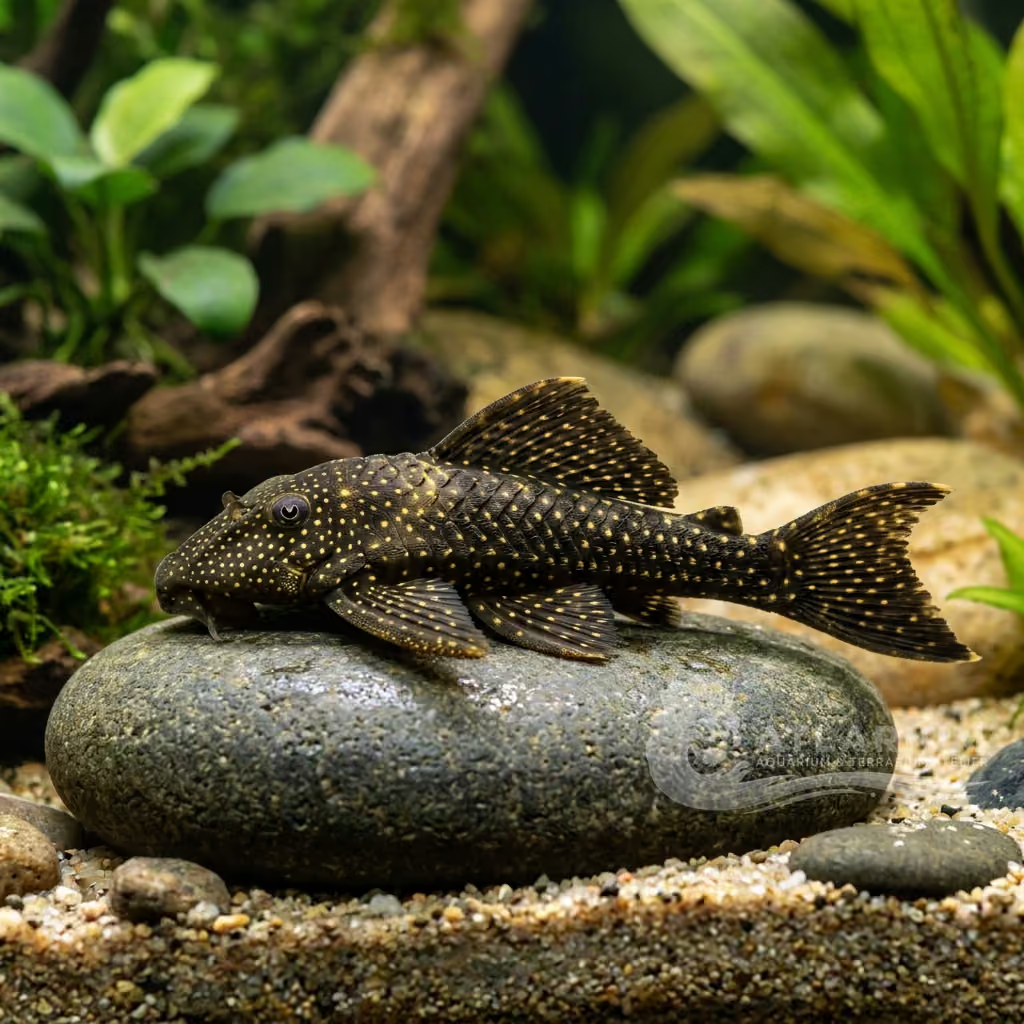
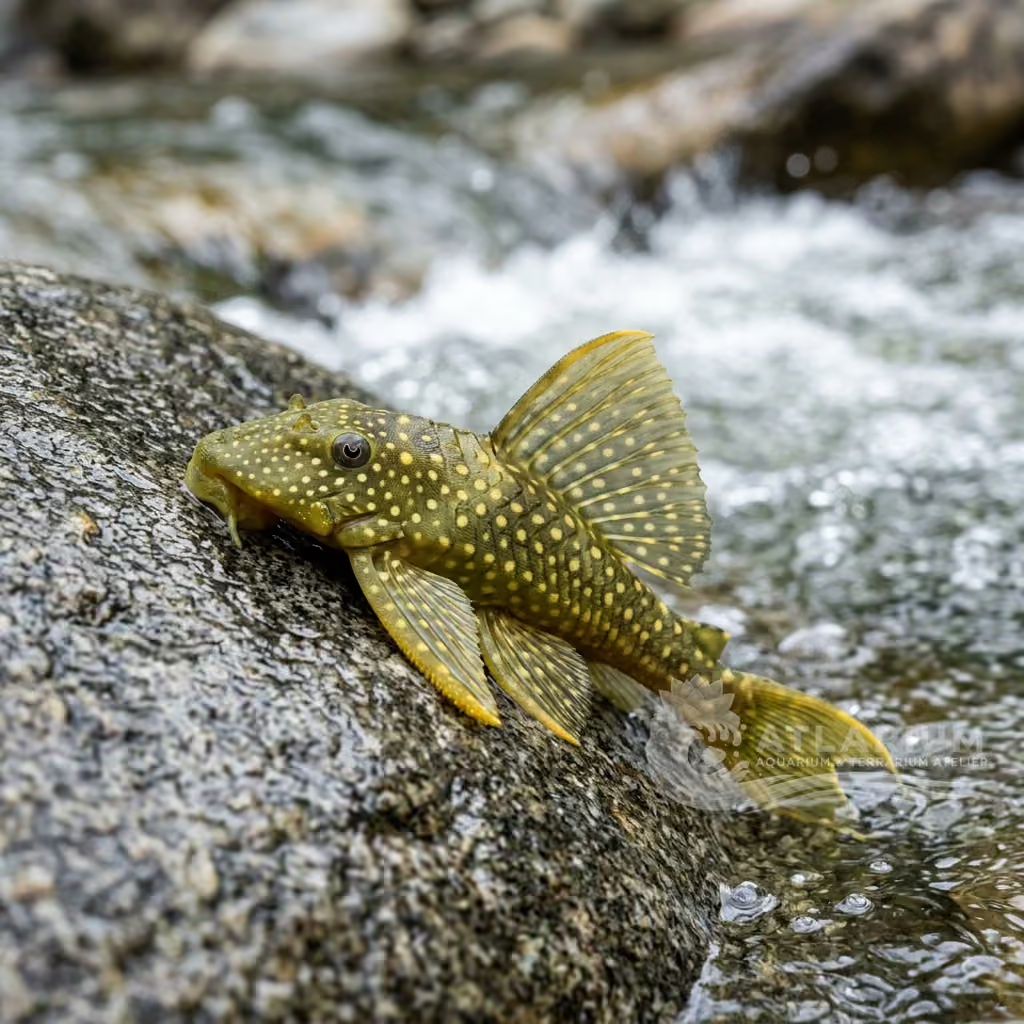
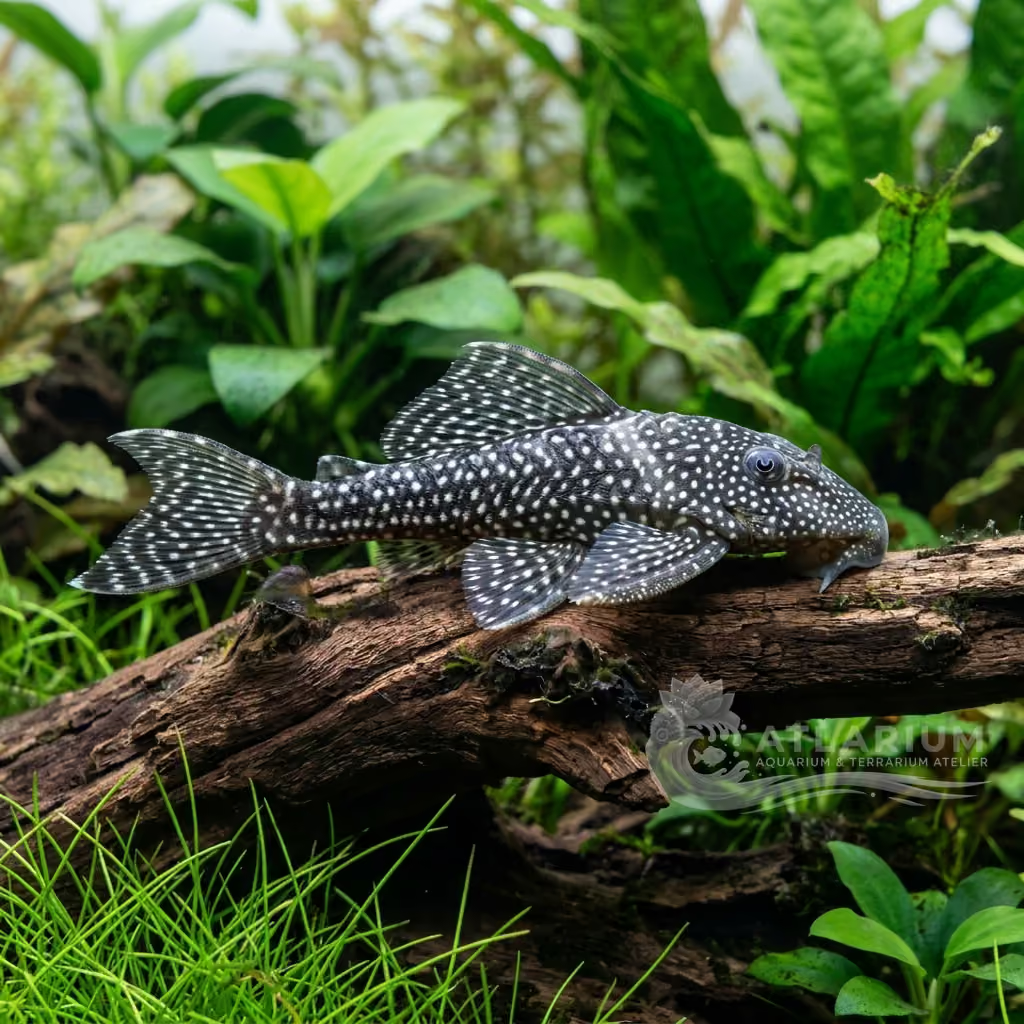
The infamous L114 'Leopard Cactus Pleco'. Imposing and menacing armored South American (30 cm). Carnivorous and highly territorial, covered with dangerous pointed cactus-style beaks, with inflamed bright red-orange fins.
Water Temperature
26 - 30 °C
pH Value
5.5 - 7.2
Water type
Freshwater
Tank level
Bottom
Adult size
25 cm
Minimum tank volume
>= 300 L
Minimum group
>= 1
GH
1 - 12 dGH
KH
1 - 6 dKH
TDS
25 - 240 ppm
Conductivity
39 - 375 uS/cm

Species description
Geographical Origin and Habitat: Elite armored predator extracted solely from the gloomy, mysterious, and acidic depths of the 'Black-waters' (black waters very rich in dark tannins) of the middle basin of the Rio Negro (Brazilian Amazon). It shuns light in flooded forest areas and in extensive crevices among piles of roots, colossal woody wrecks, and very hot, slow but well-oxygenated waters.
Taxonomy and Morphology: Loricariidae family. Celebrated worldwide as L114, it is part of the deadly and armored family of the Pseudacanthicus (False-Acanthicus). It is an anatomical monster: it easily reaches 25-30 cm (10-12 inches) as an adult and weighs like a solid rock. The entire dermis, head, and back are densely armed with lethal, very hard, and short horny hooks and pungent plates that exactly resemble the thorny bark of a cactus or the scales of a tyrannosaurus. Catching it with silk nets is equivalent to tearing off its beaks causing it atrocious agonies (use smooth plastic tubs). Large and sparse teeth: pure chewer of meat and shells.
Social Behavior: Will claim possession of the aquarium bottom like a despotic dictator if annoyed. Being a large omnivore-carnivore, it has a fiercely solitary, irascible, and brutally aggressive nature towards benthic roommates that threaten its territory or meal. If there is a shortage of dark caves (its inviolable den) it will aggressively and severely mutilate other large Plecostomus with very violent blows of its heavy armor armed with hooked spines and deadly caudal peduncle slaps.
Coloration and Sexual Dimorphism: Savage predatory beauty. Background or base of the mighty rocky body is a pale earthy cream, mustard, or light hazelnut. This base is submerged, covered, and entirely tattooed in leopard style by infinite and dense sharp circular asphalt brown / anthracite black spots. The supreme pride, however, lies in the fins (in particular the monstrous caudal fin and the broad sail-like dorsal): they are bordered or massively dyed in a dazzling and bloody neon orange or bright scarlet red (Red-tail). Adult MALES are formidable war machines: frighteningly broader and squarer heads, bristling with massive bristles and an endless proliferation of hairy odontodes and beaks on the gills and flanks; stocky females with a spherical belly but devoid or scarce in supply of long killer spikes.

Care, breeding and tankmates
Aquarium Setup: Pseudacanthicus sp. (L114) is recorded from the Demini River, a tributary of the Negro River in the Amazon, Brazil. ScotCat indicates a size of 40.0 cm.
Feeding and Diet: This recovery makes no source-backed statement about feeding or diet beyond the facts cited above.
Water Quality: ScotCat indicates 25–29 °C and pH 6.0–7.5.
Compatibility and Coexistence: This recovery makes no source-backed statement about compatibility or coexistence beyond the facts cited above.
Aquarium Breeding: This recovery makes no source-backed statement about aquarium breeding beyond the facts cited above.
Risks and Disease: This recovery makes no source-backed claim about risks or disease beyond the facts cited above.

Geographic origin and distribution
Elite armored predator extracted solely from the gloomy, mysterious, and acidic depths of the 'Black-waters' (black waters very rich in dark tannins) of the middle basin of the Rio Negro (Brazilian Amazon). It shuns light in flooded forest areas and in extensive crevices among piles of roots, colossal woody wrecks, and very hot, slow but well-oxygenated waters.
Origin
Amazon, Orinoco, and GuianasNorth AmericaEurope, Mediterranean, and West AsiaEast Asia

Fish profile
- Temperament
- Semi-aggressive
- The Leopard Cactus Pleco is known for its highly boisterous and distinctly aggressive temperament, especially regarding its chosen territory. While they typically ignore fish swimming higher in the water column, they will violently drive away any other bottom-dwellers that encroach on their space. Their heavy armor and sharp spines make them formidable brawlers, and they will not hesitate to use them to establish dominance. Careful planning of the aquarium's footprint and selecting appropriate mid-water tank mates are essential for long-term success.
- Diet
- Omnivore
- Unlike typical algae-eating plecos, the L114 is a specialized carnivore that demands a diet heavily skewed towards meaty foods. Their primary nutrition should come from high-quality sinking carnivore pellets, chopped market shrimp, mussels, and bloodworms. While they may occasionally gnaw on soft driftwood or nibble on vegetables like zucchini, this is insufficient for their dietary needs. Providing a varied, high-protein diet is essential for achieving their striking coloration and ensuring proper adult growth.
- Life expectancy
- 10-15 years
- Adult size
- 25 cm
- Sex ratio
- Harem
- If attempting to house a group, the recommended sex ratio is strictly one male to multiple females to minimize fatal territorial disputes. Males of this species are notoriously combative and will use their extensive bodily armor and sharp odontodes to fight over caves, often to the death. Keeping multiple males is only feasible in incredibly large, public-style aquaria where vast territories can be established and visually separated. For most private aquarists, keeping a single specimen per tank is the most responsible and stress-free approach.
- Feeding frequency
- Twice daily
- Due to their nocturnal nature and substantial dietary requirements, adult Leopard Cactus Plecos should be fed a large, satisfying meal every evening after the aquarium lights go out. Juveniles, being in a rapid growth phase, require more frequent feedings and should be offered smaller meals twice daily. It is critical to monitor their consumption closely and promptly siphon out any uneaten food the following morning to prevent severe water degradation. Despite their constant foraging behavior, overfeeding must be avoided to prevent obesity and internal issues.
- Bioload
- Medium to High
- The Leopard Cactus Pleco generates a massive bioload owing to its substantial size and heavy, protein-rich carnivorous diet. Robust, oversized filtration systems are mandatory to efficiently process the large amount of waste produced and maintain optimal water parameters. Frequent and extensive water changes are critical to keeping nitrate levels low and preventing the accumulation of harmful dissolved organics. Neglecting strict water quality maintenance will rapidly compromise the health and immune system of this impressive fish.
- Flow
- Stagnant
- Hailing from the highly oxygenated, fast-flowing waters of the Rio Demini, they require a tank environment that closely mimics these dynamic riverine conditions. Strong water movement provided by powerheads or wavemakers is essential for their well-being and aids in proper oxygen exchange. Sluggish or stagnant water will quickly cause severe stress, leading to a compromised immune system and increased susceptibility to bacterial infections. A strong current also helps suspend detritus, allowing the mechanical filtration to remove it effectively.
- Jump risk
- Yes
- Like most heavy-bodied plecos, the L114 is not prone to jumping and strongly prefers to stay anchored to the substrate or wedged securely in a crevice. The physical structure of their body is simply not built for leaping out of the water. However, extreme aggression from a tank mate or a sudden, severe deterioration in water quality could trigger a panicked, erratic escape response. Therefore, a secure lid is always recommended as a basic safety precaution, though the actual risk of jumping is exceedingly low.
- Reproduction
- Oviparous
- Breeding the Leopard Cactus Pleco in captivity is a rare and challenging accomplishment that requires a meticulously prepared and extremely large breeding setup. They are obligate cave spawners; the male will select a tight-fitting cave, clean it thoroughly, and trap the female inside until she deposits her eggs. Following spawning, the male becomes highly aggressive, taking on the sole responsibility of fanning and fiercely guarding the clutch until the fry emerge. Raising the fry is equally demanding, requiring pristine water conditions and a constant supply of appropriate, high-protein microscopic foods.
- Compatibility & tankmates
- With caution
- This species is highly territorial and displays intense aggression toward other bottom-dwelling fish, particularly conspecifics and other plecos. They are best housed with large, fast-moving mid-to-top water dwellers like sizeable characins, robust cichlids, or large barbs that will not compete for the same space. Keeping them with delicate, slow, or similarly bottom-oriented species will almost certainly result in severe bullying and injury. In truly massive aquariums, multiple individuals might be kept together, provided there are abundant caves and complex hardscape to break lines of sight.
- Tank level
- Bottom
- As a quintessential benthic species, the L114 spends nearly its entire life occupying the lowest levels of the aquarium, rarely venturing higher than the lower decorations. They are deeply reliant on physical structures and will spend daylight hours tightly wedged under driftwood tangles or within rocky caves. At night, they emerge to actively patrol the substrate in search of food, dominating the bottom tier of the tank. A layout featuring extensive, complex bottom cover is absolutely critical for them to feel secure and exhibit natural behaviors.

Related species
Recommendations grouped by close relatives, companion choices, and similar care.