Snowball Pleco (L142/LDA033)
Baryancistrus sp. L142
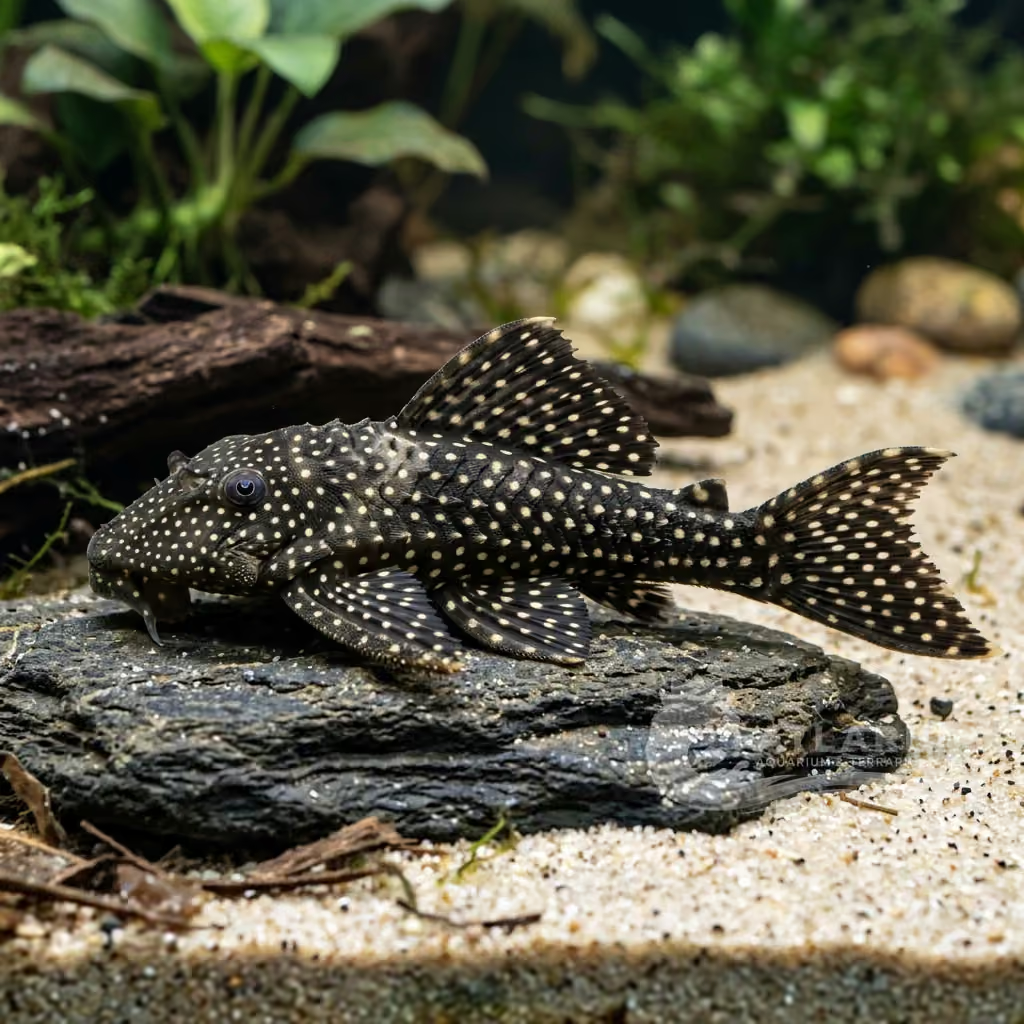
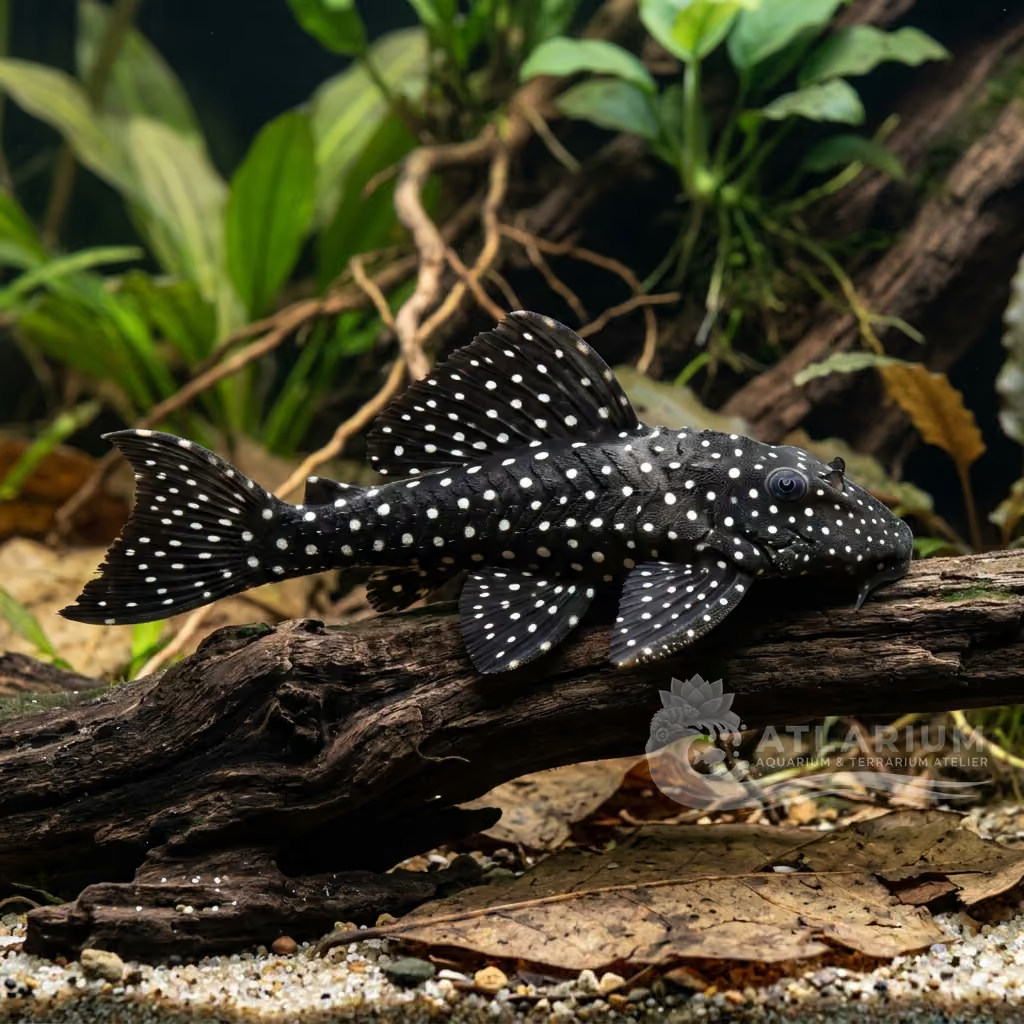
Fascinating Baryancistrus from the Tapajos (also known as LDA33), with huge white polka dots. It is a formidable-sized species, intolerant towards conspecifics.
Water Temperature
25 - 30 °C
pH Value
6 - 7.5
Water type
Freshwater
Tank level
Bottom
Adult size
25 cm
Minimum tank volume
>= 400 L
Minimum group
>= 1
GH
2 - 15 dGH
KH
2 - 8 dKH
TDS
50 - 305 ppm
Conductivity
78 - 477 uS/cm

Species description
Geographical Origin and Habitat: Endemic to the Rio Tapajós in Brazil. Inhabits the very clear and warm waters of the main basin, clinging to granite boulders immersed in tumultuous currents.
Taxonomy and Morphology: Snowball Pleco / Big White Spot (L142 / LDA33). Similar to L026 (niveatus) but sports noticeably larger and more visible spots. Very robust and compressed body, large head with a sail-like dorsal fin completely welded to the adipose fin.
Social Behavior: Solitary and edgy individual. Obsessively claims a cave that it will consider a "fortress", bloodily chasing away other Plecos of the same species or competing Loricariids for crevices (e.g. Ancistrus).
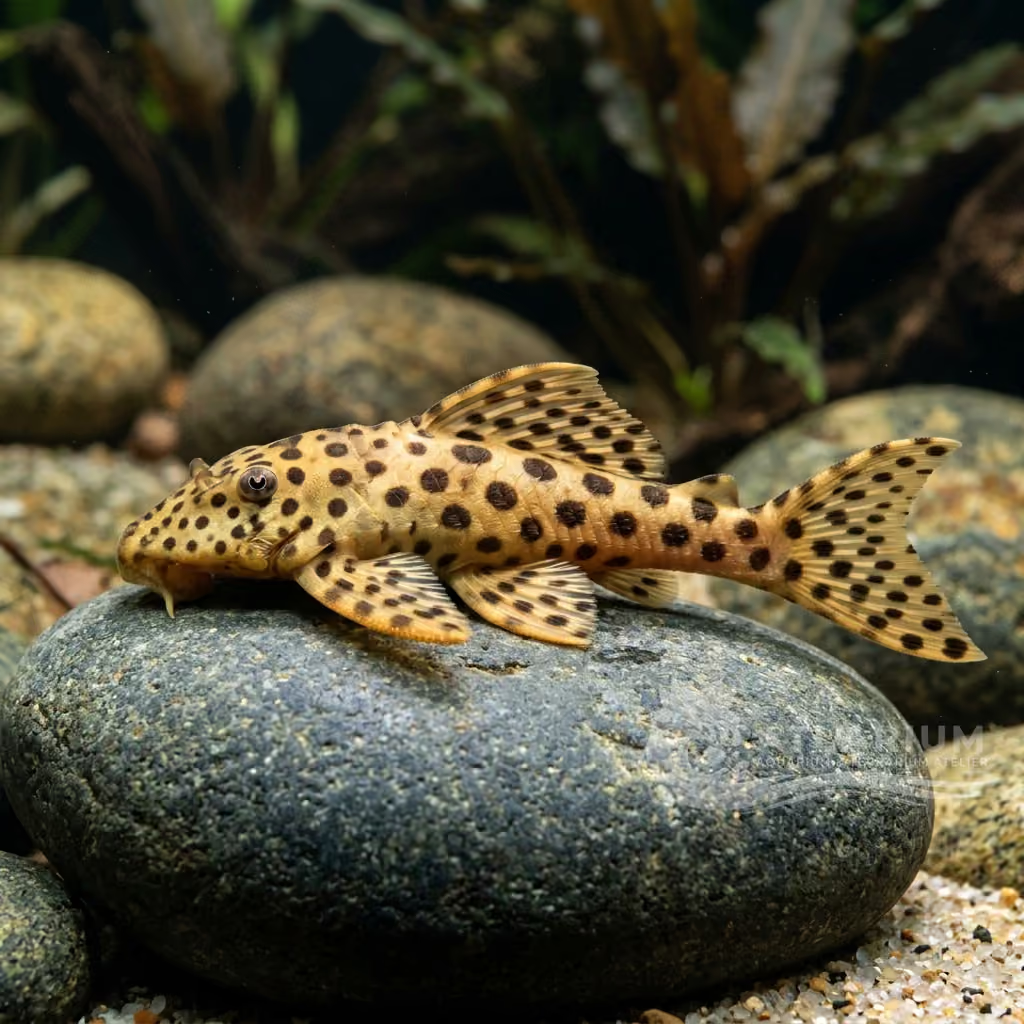
Coloration and Sexual Dimorphism: Raven black background (often turning olive if stressed) covered with large and evident yellow/cream or white dots ("snowballs") that cover fins and body. Males develop lateral spines and a visibly squarer and more muscular head.

Care, breeding and tankmates
Aquarium Setup: A "River Tank" layout (120 cm / 48 inches minimum for adults) is imperative. Huge smooth boulders arranged to create narrow shady tunnels, powerful movement filters. The use of submerged roots provides hiding places and digestive cellulose.
Diet and Feeding: Specialized grazer. Its diet in nature consists of algae (Aufwuchs) and debris encrusted on rocks. Should be fed 90% with sinking vegetables (sweet potatoes, zucchini, cucumbers) and algae-based tablets, with rare protein snacks.
Water Quality: Demands immaculate purity and warmth (26-30°C / 79-86°F). Has a mortal fear of the accumulation of nitrates and rotting debris on the bottom, requiring meticulous weekly siphoning and constant hyper-oxygenation to avoid oxygen deficiencies.
Compatibility and Cohabitation: Wonderful companion for "Geophagus", large schooling Characins or exuberant surface fish. Cohabitation with Plecos with a similar polka dot color pattern or in tanks without enough "refuge-caves" is absolutely not recommended.
Aquarium Breeding: Almost a myth in home captivity. Requires artificial simulations of the rainy season with massive cold osmotic water changes. The male takes care of parental duties by locking the female in the clay nest to fertilize the eggs.
Risks and Diseases: At risk of malnutrition if submissive. The hollowing of the abdomen and eyes are a terminal symptom of intestinal parasitosis mixed with malnutrition. Often requires preventive deworming as soon as inserted in the quarantine tank.

Geographic origin and distribution
Endemic to the Rio Tapajós in Brazil. Inhabits the very clear and warm waters of the main basin, clinging to granite boulders immersed in tumultuous currents.
Origin
Extra-Amazon South AmericaEurope, Mediterranean, and West AsiaEast Asia

Fish profile
- Temperament
- Semi-aggressive
- As juveniles, Snowball Plecos are relatively peaceful, but mature adults become highly territorial and aggressive toward conspecifics and other similarly shaped bottom-dwellers. They will actively defend their preferred caves and feeding territories against intruders, sometimes resulting in physical injury. Toward mid-water and surface-dwelling species, they are completely peaceful and generally ignore them. Providing multiple distinct hiding spots per fish is critical to disperse territorial aggression if keeping multiple plecos.
- Diet
- Omnivore
- The Snowball Pleco is an omnivorous grazer that feeds on algae, biofilm (aufwuchs), and the small invertebrates dwelling within them. In the aquarium, their diet should consist of high-quality algae wafers, sinking pellets, and fresh vegetables like zucchini, cucumber, or sweet potato. Occasional protein sources such as bloodworms, brine shrimp, or commercial carnivore pellets should also be offered, but these should not form the bulk of their diet. Wood grazing is not as crucial for this species as it is for Panaque species, but having driftwood in the tank is still beneficial.
- Life expectancy
- 10-15 years
- Adult size
- 25 cm
- Sex ratio
- Harem
- In a standard home aquarium, it is usually recommended to keep only a single specimen of the Snowball Pleco to avoid severe territorial aggression. If you plan to keep a group, a harem setup with one male and two or three females is preferred, provided the aquarium is extremely large (at least 6 feet in length) and contains numerous caves and visual barriers. In smaller tanks, keeping more than one specimen is highly discouraged due to the risk of lethal fighting. A 1:1 ratio is generally not recommended unless they are a proven breeding pair in a dedicated setup.
- Feeding frequency
- Twice daily
- Juvenile and newly introduced Snowball Plecos should be fed daily, preferably after the aquarium lights are turned off to accommodate their nocturnal feeding patterns. Stable, medium-sized adults can be fed once a day or even every other day, as they will also graze on natural algae and biofilm in the tank. It is important to monitor their body condition to ensure they are receiving enough food, as they have a high metabolic rate in warm waters. Uneaten fresh foods should be removed within 24 hours to prevent water pollution.
- Bioload
- Medium to High
- The Snowball Pleco (L142) has a medium-high biological load due to its adult size of up to 10 inches (25 cm) and high digestive activity typical of large loricariids. They produce a significant amount of waste, which requires a highly efficient filtration system, preferably a canister filter or a sump. Regular weekly water changes of 40% to 50% are necessary to keep organic waste and nitrates at a minimum. An inadequate filtration setup will quickly lead to water quality deterioration, which these fish are highly sensitive to.
- Flow
- Stagnant
- The Rio Tapajós is a fast-flowing river system, and consequently, the Snowball Pleco requires a strong water current in the aquarium. Utilizing powerheads, wavemakers, or heavy-duty canister filter returns is highly recommended to simulate these conditions. High water flow also ensures that the water remains saturated with oxygen, which is vital for this thermophilic species. Adequate filtration and water movement should aim to turnover the tank volume at least 4 to 5 times per hour.
- Jump risk
- No
- Reproduction
- Oviparous
- Breeding the Snowball Pleco in captivity is extremely difficult, and confirmed reports of successful reproduction are very rare. They are cave-spawning fish, where the male coaxes a female into a tight cave, fertilizes the eggs, and then guards them until they hatch. To induce breeding, hobbyists must simulate the rainy season by performing large water changes with cooler, soft water, while maintaining high oxygen levels and strong current. The fry are also challenging to raise, requiring constant access to high-quality biofilm and microscopic foods.
- Compatibility & tankmates
- Peaceful
- The Snowball Pleco is highly compatible with medium to large peaceful fish that inhabit the middle and upper levels of the aquarium. Ideal tank mates include larger tetras, discus, angelfish, geophagine cichlids, and peaceful active shoaling species. However, they should not be housed with other territorial plecos, especially members of the Baryancistrus genus, unless the aquarium is exceptionally large. Small shrimp and tiny delicate bottom-dwellers might also be disturbed or outcompeted for food by this large, active catfish.
- Tank level
- Bottom
- The Snowball Pleco is strictly a bottom-dwelling species that spends almost all of its time on or near the substrate. It favors areas with flat stones, rocky crevices, and breeding caves where it can hide and graze on biofilm. While it may occasionally climb the aquarium glass or driftwood to search for food, its primary activity zone is the lower tier of the tank. Providing plenty of structure in this bottom zone is essential for its sense of security and territorial behavior.

Related species
Recommendations grouped by close relatives, companion choices, and similar care.