Encyclopaedia

FishFreshwaterExpert
©AI Generated·Proprietary

Adonis Pleco

Acanthicus adonis

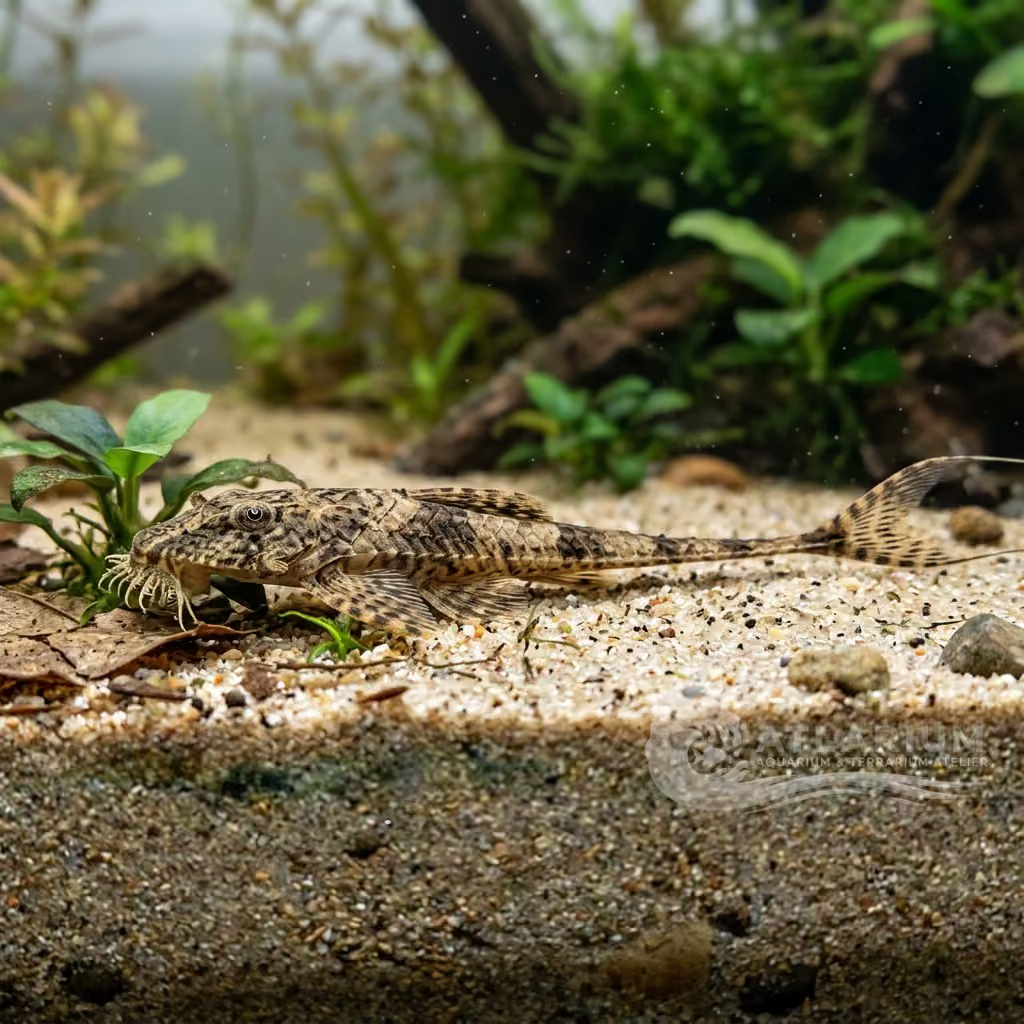
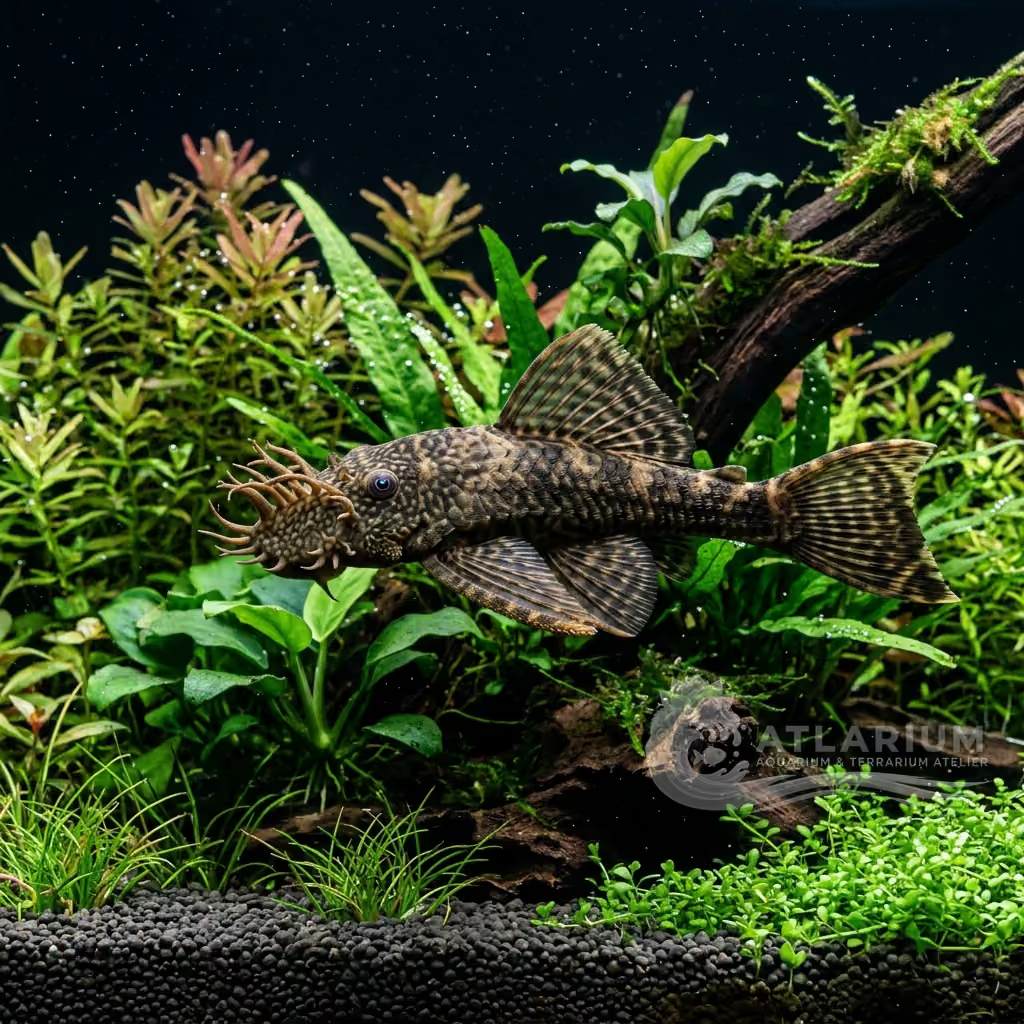
The Adonis Pleco (*Acanthicus adonis*) is one of the largest armored fish in the world, a true aquarium 'Monster Fish'. Often sold very young with an enchanting deep black pattern covered with huge shiny white dots, as it grows it loses the dots to reveal a menacing colossus, armored with spines and equipped with huge lyre-shaped filamentous fins. Reaching (and often exceeding) the incredible length of 100 cm (1 meter / 3 feet), this Leviathan has no place in normal home aquariums and is destined exclusively for giant public tanks or indoor tropical ponds dedicated to river monsters.

Taxonomy
Class:Actinopteri
Order:Siluriformes
Family:Loricariidae
Subfamily:Hypostominae
Genus:Acanthicus
Species:Acanthicus adonis

Share

Check out Adonis Pleco on Atlarium

PracticeRecognition quizzesPhotos, names, origins, and puzzles to review Atlas species.Open quizzes
Water Temperature

23 - 28 °C

pH Value

6 - 7.5

Water type

Freshwater

Tank level

Bottom

Adult size

100 cm

Minimum tank volume

>= 2,000 L

Minimum group

>= 1

GH

4 - 15 dGH

KH

2 - 7 dKH

TDS

80 - 295 ppm

Conductivity

125 - 461 uS/cm

Species description

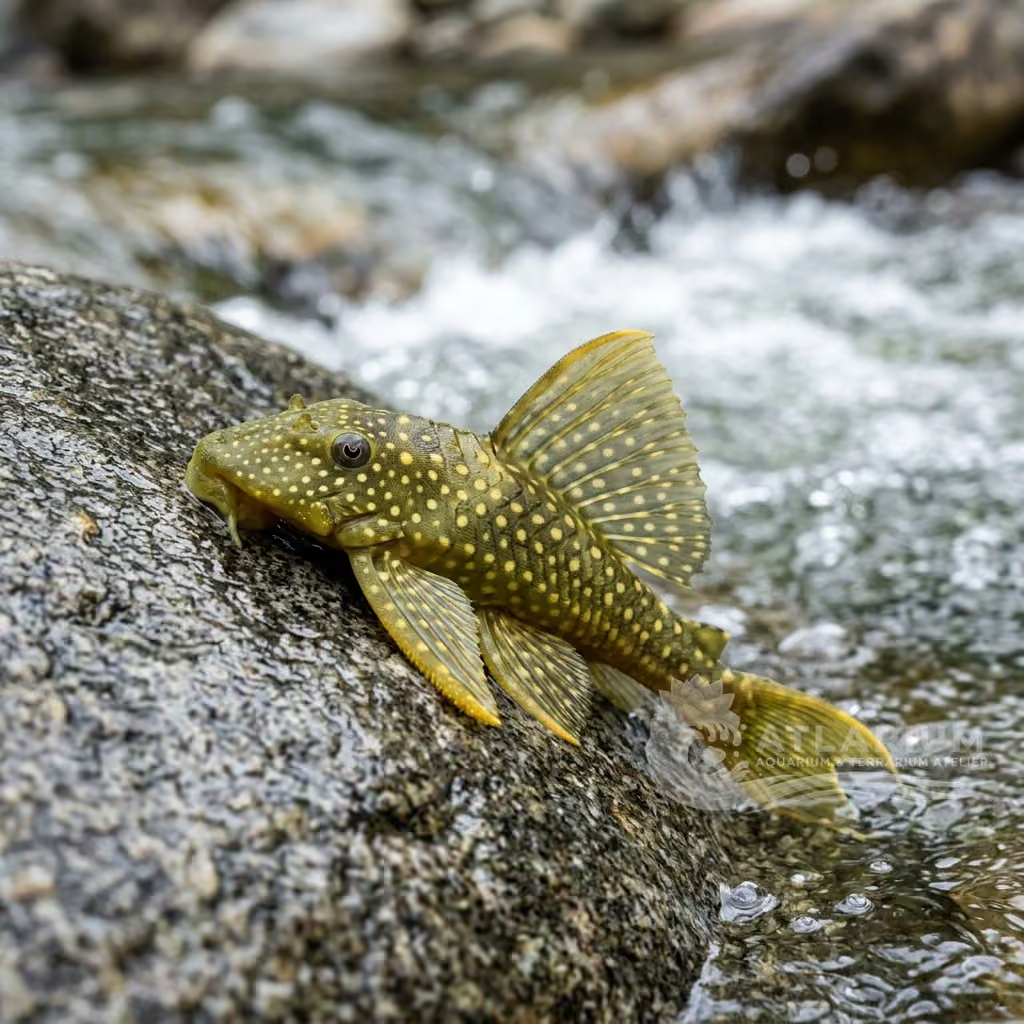
Geographical Origin and Habitat: Widespread in the Rio Tocantins basin in Brazil, a tributary of the lower course of the Amazon River. Frequents majestic rivers and open waters, stationing in the immediate vicinity of rapids or powerful currents, anchoring itself to trunks and surfacing rocks.
Taxonomy and Morphology: Monumental Loricariid. Can reach 100 cm (40 inches) in length in the wild (including caudal filaments). Equipped with a bony armor covered in pointed odontodes (similar to thorns) along the entire body and a gigantic lyre-shaped caudal fin (L-155).
Social Behavior: Strongly asocial, solitary and monstrously territorial as an adult. Even a single specimen will claim the entire square footage of the bottom, engaging in furious and often lethal thorn-hitting fights against any other loricariid that dares to invade its space.
Coloration and Sexual Dimorphism: Juveniles (up to 15-20 cm) show off a magnificent pitch-black mantle studded with flashy white polka dots. However, with advancing age, the livery inevitably fades until it becomes a gloomy dark brown or uniform soot black, losing the spots. The adult male has lethally developed opercular odontodes.

Care, breeding and tankmates

Aquarium Setup: Gargantuan space requirements: an aquarium of at least 250-300 cm (8-10 feet) in length is vital for an adult. Spartan demolition-proof furnishings: polished stone slabs and huge submerged trunks solidly bound. Any rooted plant will be uprooted by its powerful bursts.
Diet and Feeding: Strongly carnivorous omnivorous scavenger. Contrary to common myth, it disdains algae. Needs tons of protein: whole shrimp, mussels, giant earthworms, slices of white fish and large-caliber protein-based bottom tablets (sinking wafers).
Water Quality: Produces a titanic organic load. In addition to warm temperatures (23-28°C / 73-82°F) and neutral/acidic pH, it requires movement pumps for a massive current and the use of professional drum filtrations or immense sumps to avoid rapid chemical collapse due to fecal accumulation.
Compatibility and Cohabitation: Compatible only with medium-high water swimming fish capable of avoiding its bulk and impetuous size (large Characins, Pacus, massive South American Cichlids or Arowanas). Strictly isolate from other benthic catfish.
Aquarium Breeding: Exclusively reserved for huge outdoor tropical ponds or zoological installations; unfeasible in domestic aquariums. The male zealously takes care of protecting and ventilating huge masses of eggs laid in caves or dark ravines.
Risks and Diseases: Many novices buy them young deceived by the beautiful white polka dots, not realizing the monstrous size and adult aggressiveness that will inevitably lead to the need to dispose of the animal or to a slaughter in the tank.

Geographic Origin and Distribution

Widespread in the Rio Tocantins basin in Brazil, a tributary of the lower course of the Amazon River. Frequents majestic rivers and open waters, stationing in the immediate vicinity of rapids or powerful currents, anchoring itself to trunks and surfacing rocks.

Origin

Amazon, Orinoco, and GuianasEast Asia

Fish profile

Temperament
Aggressive
As juveniles, Adonis Plecos can be relatively peaceful, but they become highly aggressive and territorial as they mature. Adult specimens will not tolerate other bottom-dwellers, especially other plecos, and can easily injure or kill tank mates in restricted spaces. They are known to assert dominance violently, using their spiny bodies and odontodes as weapons, which makes them unsuitable for typical community aquariums.
Diet
Omnivore
*Acanthicus adonis* is an opportunistic omnivore with a strong preference for protein-rich foods as it grows. Their diet should consist of high-quality sinking catfish pellets, algae wafers, and fresh or frozen meaty foods like bloodworms, prawns, and mussels. They also benefit from blanched vegetables like zucchini or cucumber, and the presence of natural driftwood is essential for them to rasp on to aid digestion.
Life expectancy
15-20 years
In captivity, *Acanthicus adonis* is a very long-lived species that can survive for 15 to 20 years when provided with optimal care. Achieving this lifespan requires maintaining excellent water parameters, high oxygen levels, and a varied, nutritious diet. Due to their slow growth rate and impressive longevity, purchasing one of these fish represents a significant, long-term commitment for the aquarist.
Sex ratio
Solitary
Due to their highly territorial and aggressive nature, *Acanthicus adonis* is best kept singly in a home aquarium. In massive, public-aquarium-sized setups, they can sometimes be kept in groups, provided there are plenty of visual barriers and caves to define individual territories. Standard sex ratios are difficult to establish or recommend because males are highly bellicose and will actively fight to the death over territory, regardless of sex.
Feeding frequency
Twice daily
To sustain their growth and large mass, Adonis Plecos should be fed once or twice daily. Because they are primarily nocturnal, it is best to feed them shortly before or after the aquarium lights are turned off. Feeding smaller portions multiple times can help ensure they consume all the food, preventing uneaten food from decaying and negatively impacting the water chemistry.
Bioload
Extreme
Due to its massive adult size, which can easily exceed 60 centimeters in captivity, *Acanthicus adonis* produces an extremely large amount of biological waste. Maintaining pristine water conditions requires a highly efficient, oversized filtration system, preferably with sump setups and frequent water changes. Without robust filtration and strict maintenance, the massive bioload will rapidly degrade water quality, causing lethal spikes in ammonia and nitrates.
Flow
Strong
Originating from major river systems in South America, *Acanthicus adonis* has a strong preference for moderate to strong water flow. This current replicates their natural environment and helps keep the water well-oxygenated, which is vital for their respiratory health. Utilizing powerful powerheads or wavemakers is highly recommended to simulate these riverine conditions and keep the fish active and healthy.
Jump risk
Yes
Although *Acanthicus adonis* is a heavy, bottom-dwelling catfish, it still poses a notable jump risk, particularly when startled or during territorial disputes. Their sheer size and power mean that a sudden flight response can lead to them leaping out of an uncovered aquarium or cracking lightweight covers. A heavy, tight-fitting, and secure lid is absolutely mandatory to prevent accidents and ensure the fish remains safely inside the tank.
Reproduction
Oviparous
Breeding *Acanthicus adonis* in captivity is exceptionally difficult and extremely rare in home aquariums due to the massive territory they require. They are cave spawners, with the male selecting and guarding a large cave or crevice where spawning takes place. After the female deposits the eggs, the male takes sole responsibility for guarding and fanning the nest until the fry hatch and become free-swimming.
Compatibility & tankmates
Highly aggressive
Due to its extreme territoriality, the Adonis Pleco is incompatible with other bottom-dwelling fish, including members of its own species and other large catfish. Suitable tank mates are limited to large, robust open-water species like arowanas, large cichlids, or pacus that swim in the upper layers of the water column. Any attempt to house them with smaller or peaceful fish will likely result in the tank mates being severely harassed, injured, or killed.
Tank level
Bottom
The Adonis Pleco is primarily a bottom-dwelling species that spends most of its time grazing on substrates, driftwood, and rocks. They will occasionally climb the aquarium glass or large decorative structures to search for food or establish hiding spots. Because of their size and heavy bodies, they require a vast bottom footprint with plenty of open floor space alongside secure cave structures.

Window to the official scientific data of the species

Data synced on: 06/15/2026

Scientific Parameters & Models

Resilience
Medium (1.4 - 4.4 years)
Phylogenetic uniqueness (PD50)
0.75
Bayesian Length-Weight
a = 0.01549, b = 2.96
VulnerabilityLow vulnerability (15 / 100)

Image gallery

Licensed images linked to the species or, when marked, to the closest representative taxon.

Related species

Recommendations grouped by close relatives, companion choices, and similar care.

Variants and close relatives

Same atlas type, nearby scientific identity, genus, or family.

Lyretail Pleco

Lyretail Pleco

Acanthicus hystrix

View details->
Albino Bristlenose Pleco

Albino Bristlenose Pleco

Ancistrus cf. cirrhosus var. Albino

View details->
Marble Whiptail

Marble Whiptail

Loricaria simillima

View details->
Royal Pleco (L190)

Royal Pleco (L190)

Panaque nigrolineatus

View details->
Vampire Pleco (L029)

Vampire Pleco (L029)

Leporacanthicus galaxias

View details->
Bristlenose Pleco (Ancistrus)

Bristlenose Pleco (Ancistrus)

Ancistrus cirrhosus

View details->
Red Lizard Catfish (L010a)

Red Lizard Catfish (L010a)

Leliella sp.

View details->
Big-Eyed Ancistrus (L144a)

Big-Eyed Ancistrus (L144a)

Ancistrus macrophthalmus

View details->
Magdalena Sand Whiptail

Magdalena Sand Whiptail

Crossoloricaria cephalaspis

View details->
Gold Marble Bristlenose (LDA08)

Gold Marble Bristlenose (LDA08)

Ancistrus claro

View details->
Common Bristlenose Pleco

Common Bristlenose Pleco

Ancistrus cf. cirrhosus

View details->
Tentacle Lasiancistrus

Tentacle Lasiancistrus

Lasiancistrus tentaculatus

View details->
Orinoco Twig Catfish

Orinoco Twig Catfish

Farlowella mariaelenae

View details->
Pitbull pleco

Pitbull pleco

Parotocinclus jumbo

View details->
Twig Catfish

Twig Catfish

Farlowella vittata

View details->
Giant-eye Otocinclus

Giant-eye Otocinclus

Hypoptopoma gulare

View details->

Recommended companions

Compatible cards from coherent ecosystems with matching parameters.

Ammannia sp. 'Bonsai'
Plant

Ammannia sp. 'Bonsai'

Ammannia sp. 'Bonsai'

View details->
Bacopa sp. "Japan"
Plant

Bacopa sp. "Japan"

Bacopa sp. "Japan"

View details->
Bolbitis heteroclita
Plant

Bolbitis heteroclita

Bolbitis heteroclita

View details->
Arrowhead Anubias
Plant

Arrowhead Anubias

Anubias hastifolia

View details->
Bucephalandra motleyana "Braun-rot" ("Serimbu")
Plant

Bucephalandra motleyana "Braun-rot" ("Serimbu")

Bucephalandra motleyana "Braun-rot" ("Serimbu")

View details->
Bucephalandra motleyana "Kapit"
Plant

Bucephalandra motleyana "Kapit"

Bucephalandra motleyana "Kapit"

View details->
Bucephalandra motleyana "Pancuraji"
Plant

Bucephalandra motleyana "Pancuraji"

Bucephalandra motleyana "Pancuraji"

View details->
Bucephalandra sp. "Bukit Kelam / Sintang"
Plant

Bucephalandra sp. "Bukit Kelam / Sintang"

Bucephalandra sp. "Bukit Kelam / Sintang"

View details->
Bucephalandra sp. "Melawi"
Plant

Bucephalandra sp. "Melawi"

Bucephalandra sp. "Melawi"

View details->
Alternanthera reineckii "rosaefolia minor"
Plant

Alternanthera reineckii "rosaefolia minor"

Alternanthera reineckii "rosaefolia minor"

View details->
Ammannia mauritiana
Plant

Ammannia mauritiana

Ammannia mauritiana

View details->
Anubias barteri var. nana 'Round Leaf'
Plant

Anubias barteri var. nana 'Round Leaf'

Anubias barteri var. nana 'Round Leaf'

View details->
Anubias congensis
Plant

Anubias congensis

Anubias congensis

View details->
Anubias gigantea
Plant

Anubias gigantea

Anubias gigantea

View details->
Anubias lanceolata
Plant

Anubias lanceolata

Anubias lanceolata

View details->
Anubias minima
Plant

Anubias minima

Anubias minima

View details->

Similar care

Cards with similar requirements, difficulty, habitat, and husbandry profile.

Common Pleco

Common Pleco

Hypostomus plecostomus

View details->
Hi-Fin Green Phantom Pleco (L200)

Hi-Fin Green Phantom Pleco (L200)

Baryancistrus demantoides

View details->
Snowball Pleco (L142/LDA033)

Snowball Pleco (L142/LDA033)

Baryancistrus sp. L142

View details->
Guahibo Pleco

Guahibo Pleco

Hemiancistrus guahiborum

View details->
Snowball Pleco (L026)

Snowball Pleco (L026)

Baryancistrus niveatus

View details->
Meandrinus Pleco

Meandrinus Pleco

Hemiancistrus

View details->
Green Phantom Pleco

Green Phantom Pleco

Hemiancistrus subviridis

View details->
Para Pleco (L075)

Para Pleco (L075)

Ancistomus

View details->
Sultan Pleco (L264)

Sultan Pleco (L264)

Leporacanthicus joselimai

View details->
Tapajós Royal Pleco (L027)

Tapajós Royal Pleco (L027)

Panaque armbrusteri

View details->
Skunk cory

Skunk cory

Corydoras arcuatus

View details->
Snowball Pleco

Snowball Pleco

Hypancistrus inspector

View details->
Lamontichthys

Lamontichthys

Lamontichthys filamentosus

View details->
Big Spot Pleco (L075)

Big Spot Pleco (L075)

Hemiancistrus sabaji

View details->
Clown Pleco (L104/L162)

Clown Pleco (L104/L162)

Panaqolus maccus

View details->
Leopard Frog Pleco (L134)

Leopard Frog Pleco (L134)

Peckoltia compta

View details->
Last updated: 06/30/2026