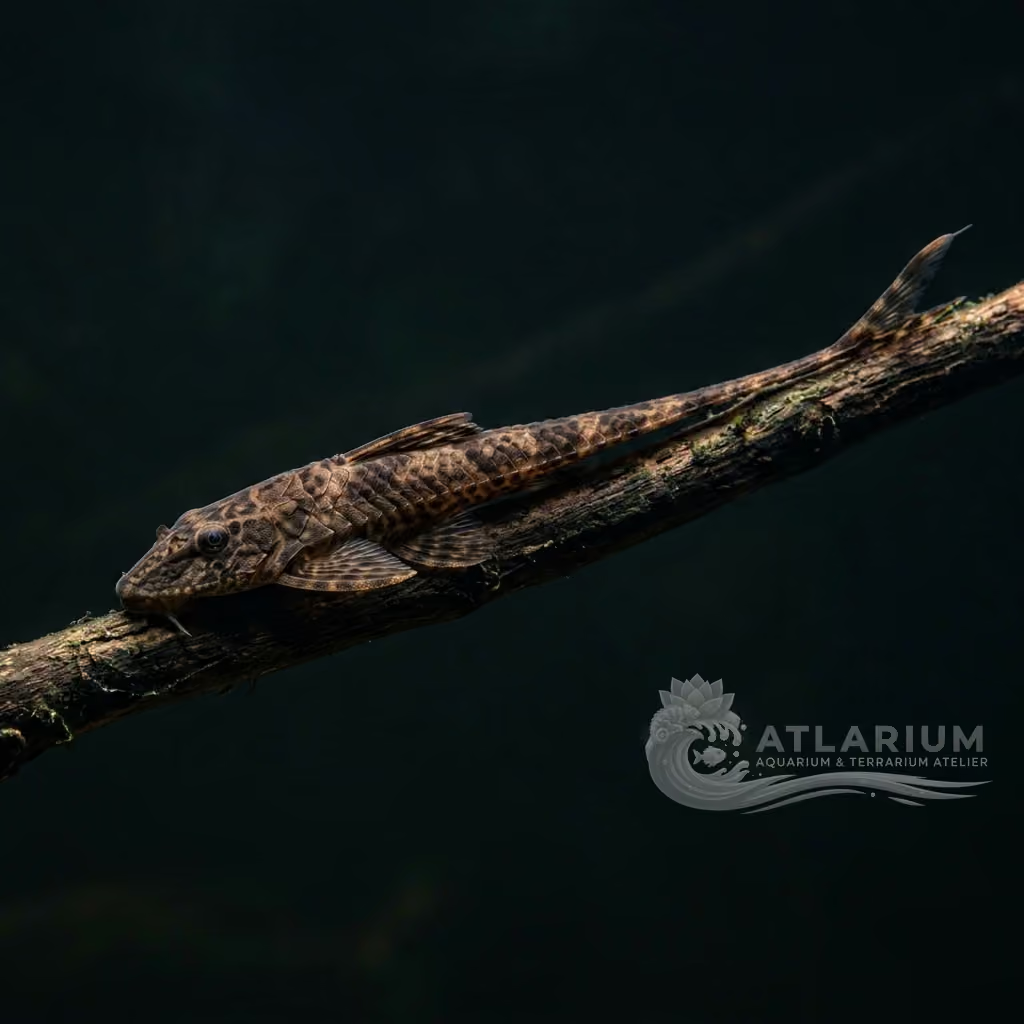
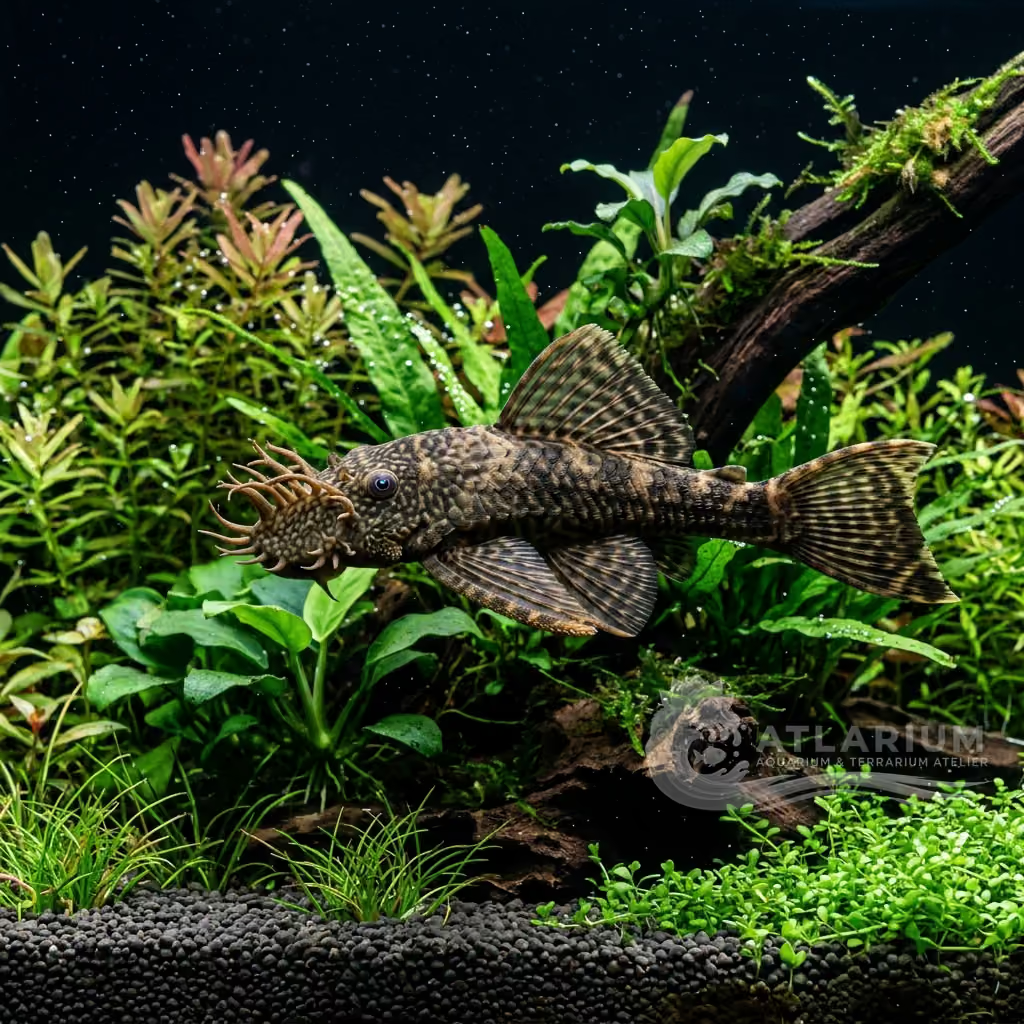
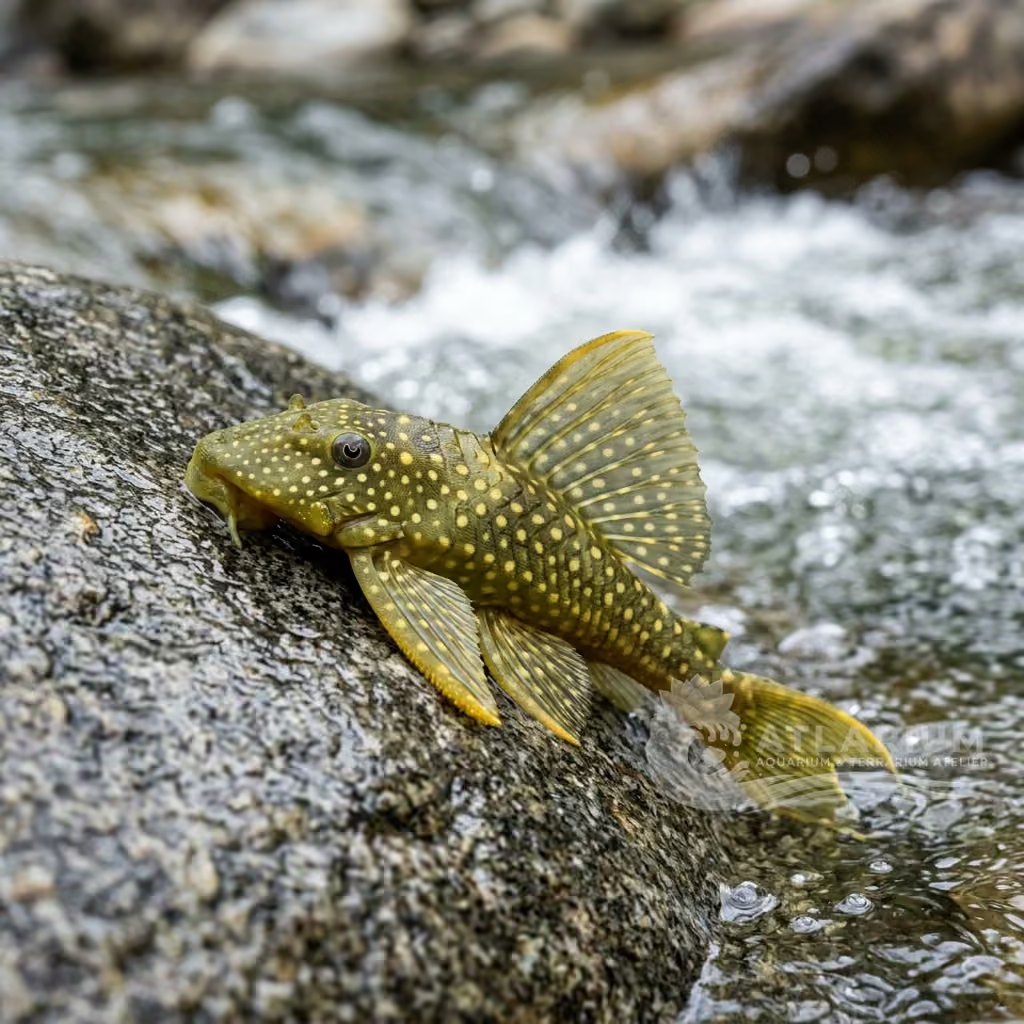
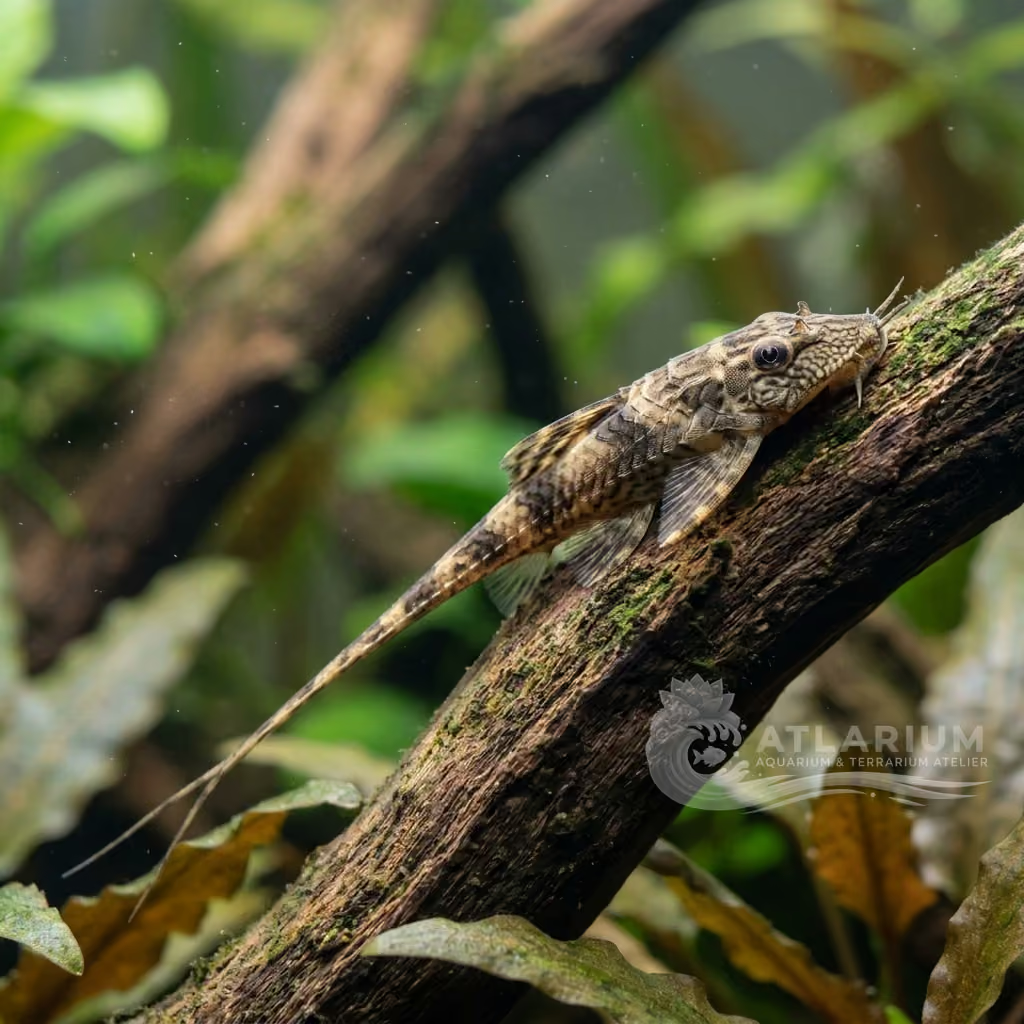
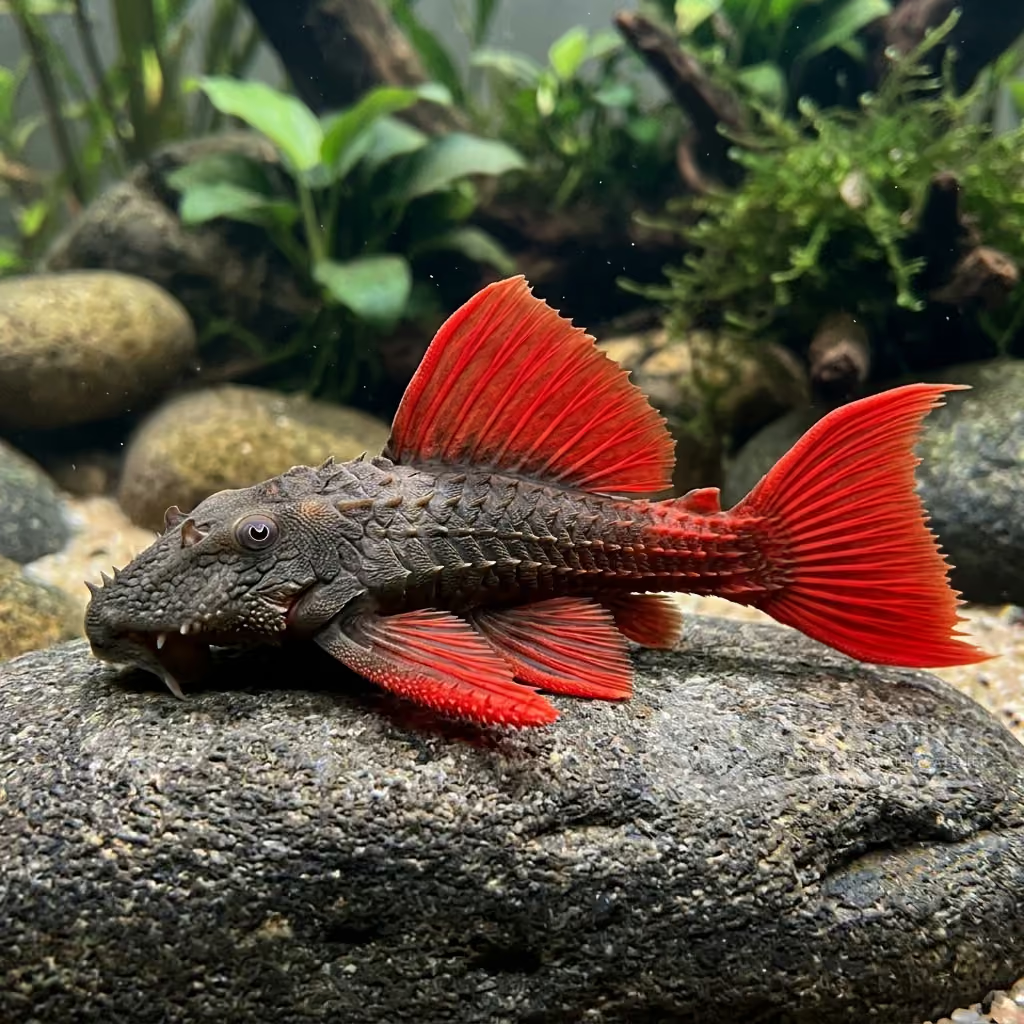
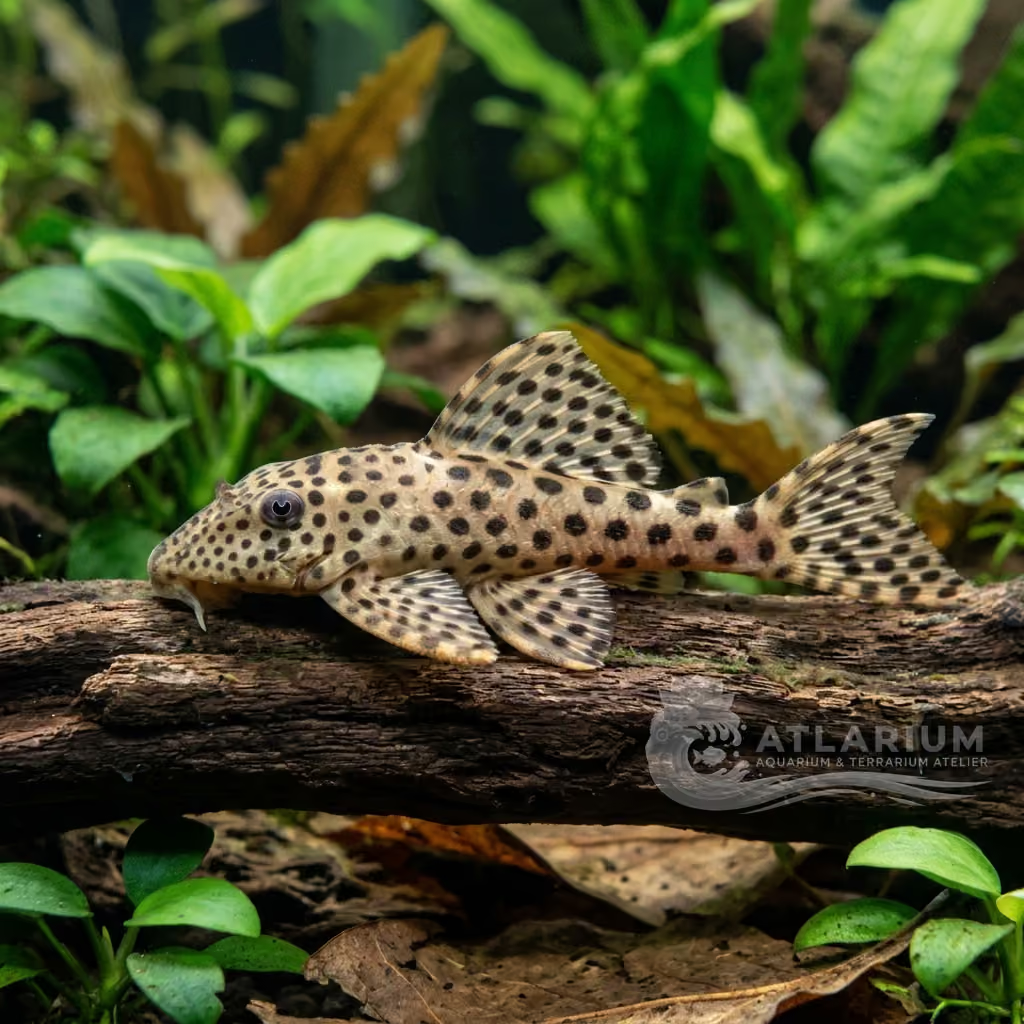
Pitbull pleco
Parotocinclus jumbo
A small Brazilian loricariid catfish (~5–6 cm) with a stocky, robust body and a powerful sucker mouth — the 'pitbull' among nano-plecos. Excellent algae and biofilm eater, similar to Otocinclus but slightly larger and sturdier. Loves burrowing in fine sand when stressed. Mature tank mandatory with established algae and biofilm. Gregarious: 3–6+. Breeding possible in captivity with cool water changes as trigger (rainy season simulation). Rare due to Brazilian export restrictions: prefer captive-bred specimens.
22 - 26 °C
6 - 7.5
Freshwater
Bottom
6 cm
>= 75 L
>= 3
2 - 15 dGH
1 - 7 dKH
40 - 295 ppm
63 - 461 uS/cm

Species description

Care, breeding and tankmates

Geographic origin and distribution
Origin

Fish profile
- Temperament
- Territorial
- The temperament of Parotocinclus jumbo is largely peaceful, especially towards tank mates. While they mind their own business mostly, they may become defensive during specific periods. Providing visual barriers and adequate space mitigates most behavioral issues.
- Diet
- Herbivore
- Parotocinclus jumbo is primarily herbivorous and enjoys a diverse diet. In captivity, they eagerly accept high-quality prepared foods, and appropriate frozen or live foods. Providing a varied menu ensures they receive all necessary nutrients for vibrant colors and health.
- Life expectancy
- 5-8 years
- Adult size
- 6 cm
- Sex ratio
- Group
- Maintaining a proper sex ratio of mixed group is advisable for this species. Males tend to be visually distinct from females in certain aspects, making sexing possible in mature specimens. In breeding setups, close monitoring is essential to prevent excessive harassment.
- Feeding frequency
- Continuous
- It is recommended to feed Parotocinclus jumbo moderate portions twice a day. Only offer an amount they can completely consume within a few minutes to prevent water fouling. Occasional fasting days can also be beneficial for their digestive system.
- Bioload
- Low
- The bioload produced by Parotocinclus jumbo is low due to their small size and metabolic rate. They require robust filtration to keep water parameters stable and pristine. Regular water changes are highly recommended to ensure their optimal health.
- Flow
- Strong
- This fish prefers moderate water currents that mimic its natural habitat. Proper water flow is crucial for maintaining adequate oxygenation levels. Position filter outlets or powerheads carefully to provide both flowing and calmer resting areas.
- Jump risk
- No
- Reproduction
- Oviparous
- Breeding Parotocinclus jumbo in captivity is challenging and requires specific water parameters. They are egg spawners and often exhibit fascinating courtship behaviors. Providing ample suitable structures will significantly increase the survival rate of the fry.
- Compatibility & tankmates
- Community
- This species is generally peaceful and makes a specific addition to a home aquarium. They can be housed with other compatible species that occupy different water levels. Caution should be taken when selecting tank mates to avoid any conflicts.
- Tank level
- Bottom
- These fish predominantly occupy the bottom levels of the aquarium. They enjoy exploring their surroundings and often interact with the tank decor. Ensuring sufficient space in their preferred zone is absolutely important for their well-being.

Scientific Parameters & Models
Window to the official scientific data of the species
- Phylogenetic uniqueness (PD50)
- 0.5
- Bayesian Length-Weight
- a = 0.00977, b = 3.06
- VulnerabilityLow vulnerability (10 / 100)

Related species
Recommendations grouped by close relatives, companion choices, and similar care.