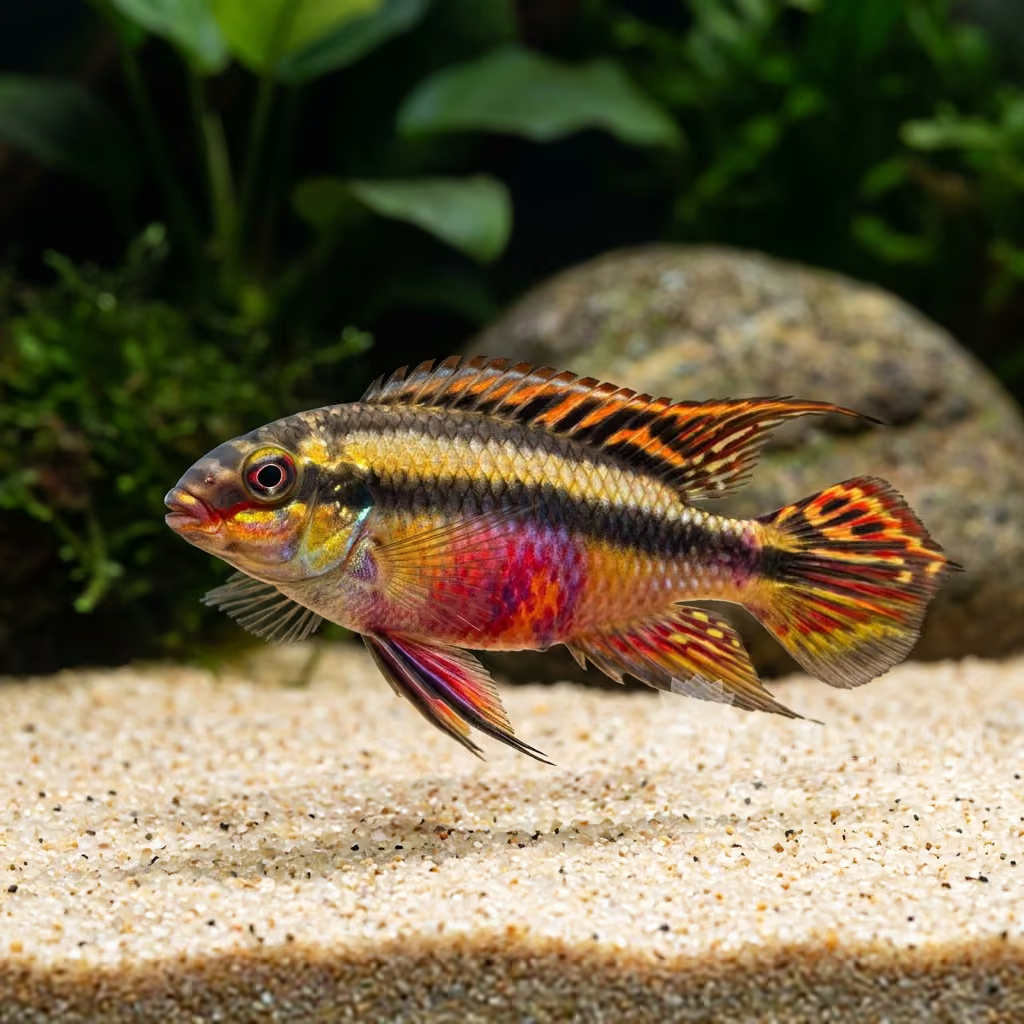
Leopard Frog Pleco (L134)
Peckoltia compta
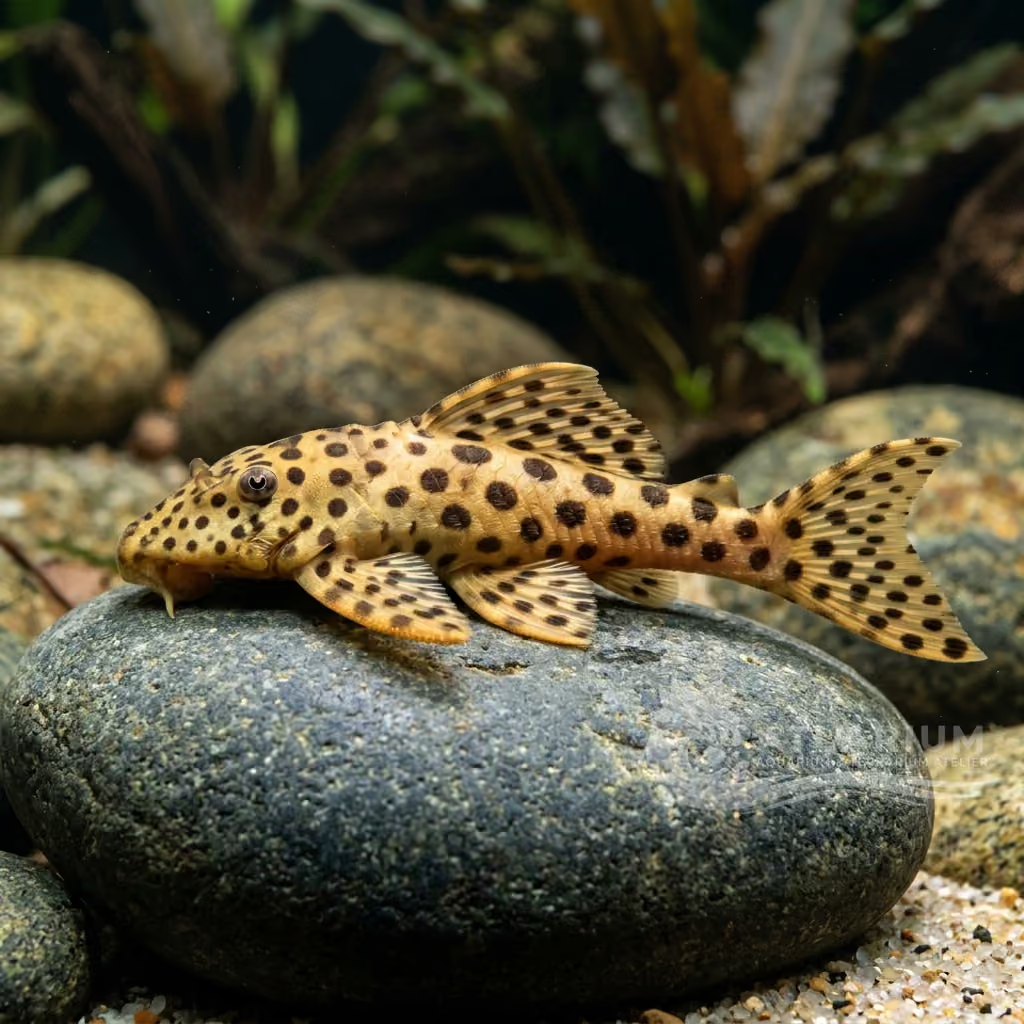
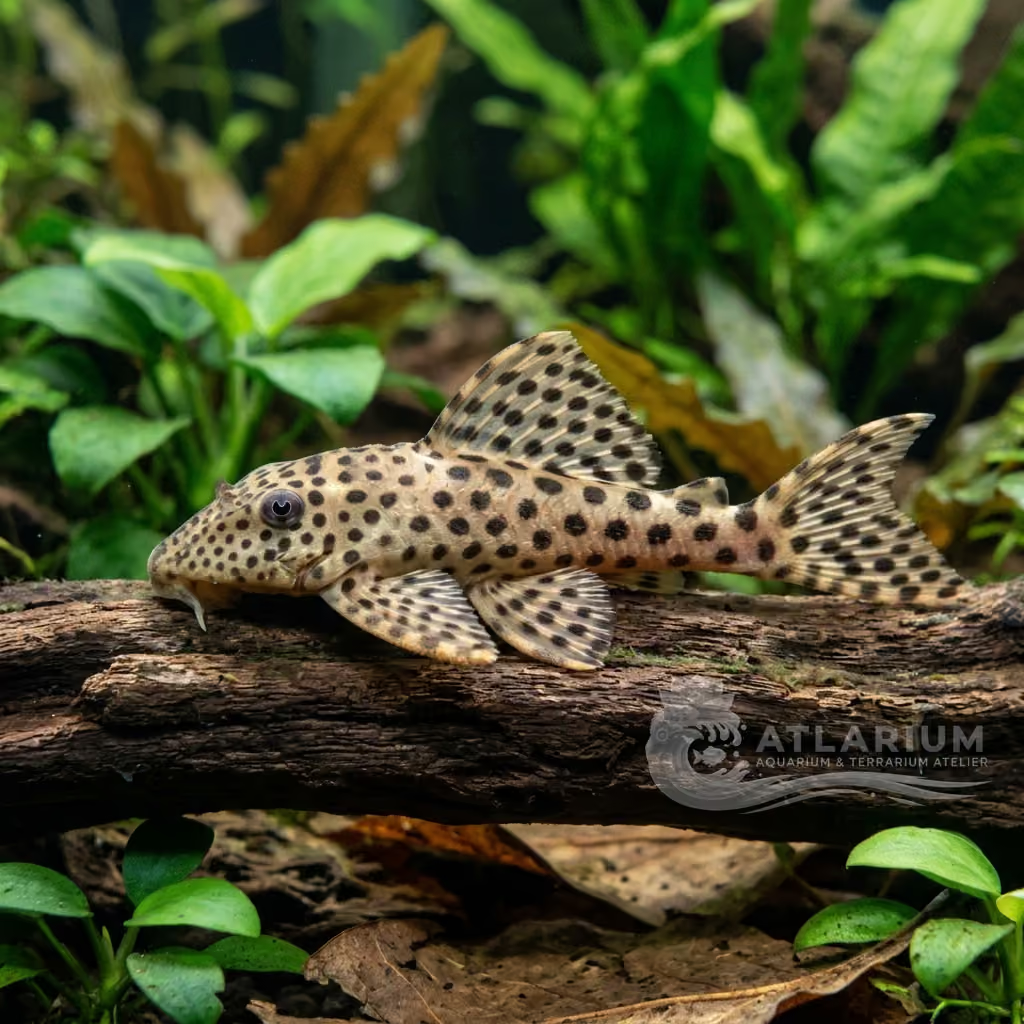
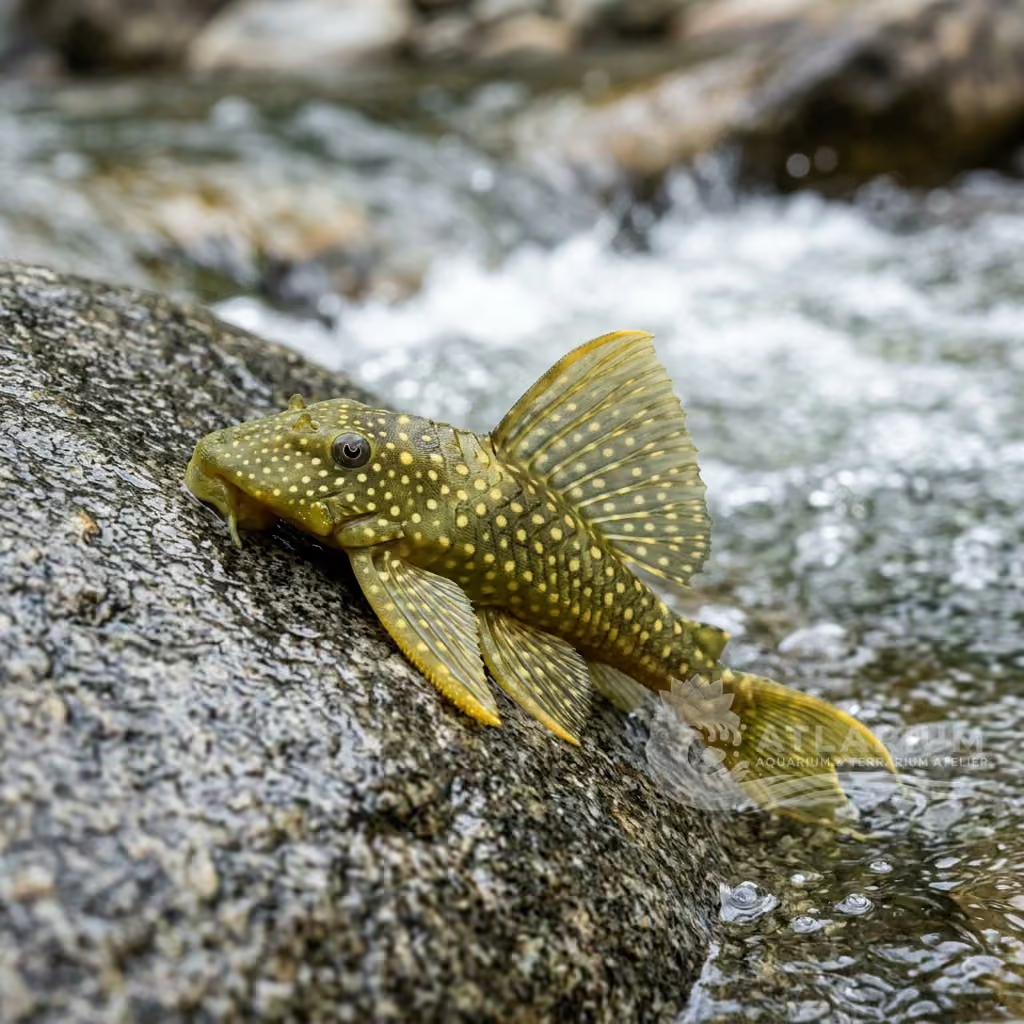
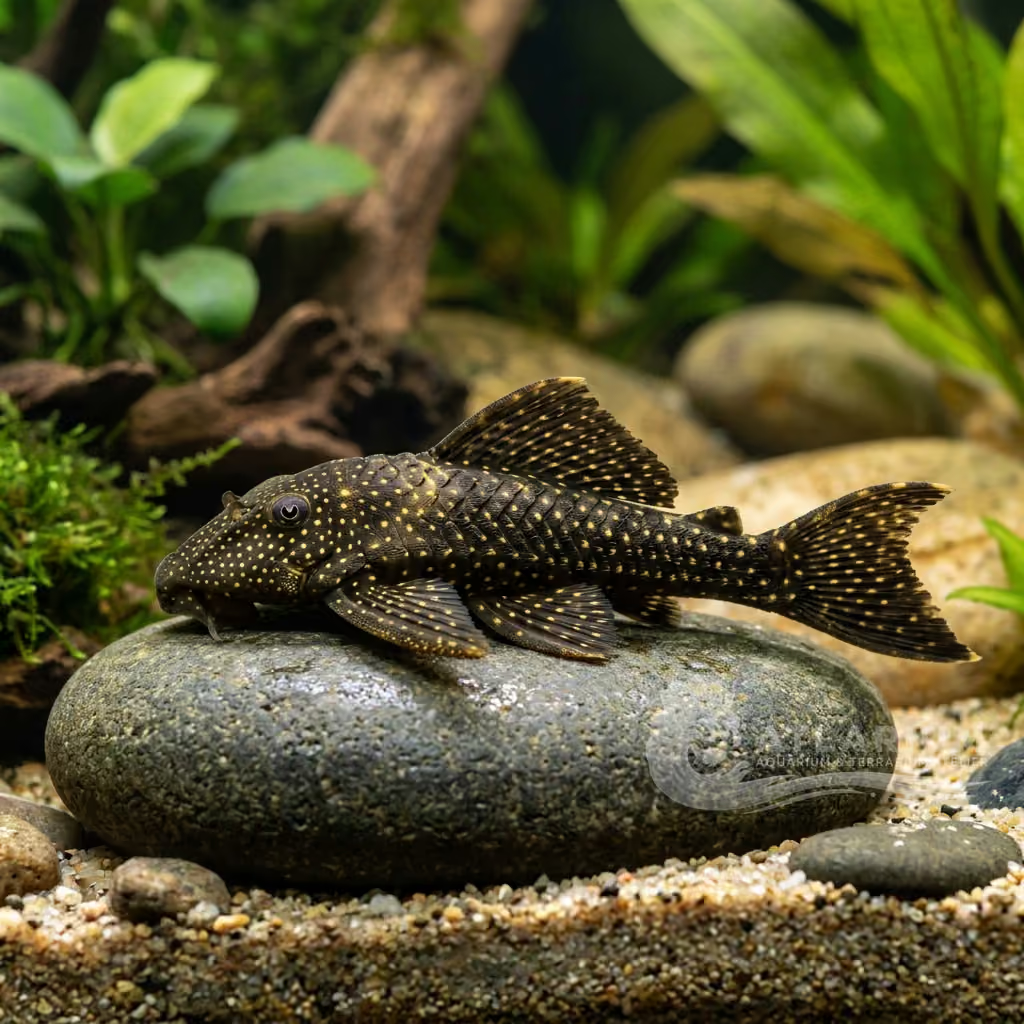
The 'Leopard Frog Pleco' (L134). An authentic masterpiece of nature: flaunts a vibrant saturated yellow base crossed by thick intense asymmetrical black stripes. A carnivorous and shy jewel.
Water Temperature
25 - 29 °C
pH Value
6 - 7.4
Water type
Freshwater
Tank level
Bottom
Adult size
11 cm
Minimum tank volume
>= 100 L
Minimum group
>= 1
GH
2 - 12 dGH
KH
1 - 6 dKH
TDS
40 - 240 ppm
Conductivity
63 - 375 uS/cm

Species description
Geographical Origin and Habitat: Fascinating native jewel of the transparent and impetuous waters of the mighty Rio Tapajós (and its turbid tributary, the Jamanxim) in Brazil. Unlike the black water plecos (Rio Negro), it inhabits deep rock crevices kissed by clear oxygen-rich rivers and scorching tropical sun.
Taxonomy and Morphology: Loricariidae family. Very well known in luxury aquarium keeping with the code L-134. The genus Peckoltia designates plecostomus of contained size, with a massive and compact shape. Fully developed, it settles on an elegant 10-11 cm (3.9-4.3 inches) maximum, a perfect armored dwarf for open and wide planted aquariums. The mouth is equipped with very few teeth, an anatomical symptom of a marked carnivorous/insectivorous diet and disinterest in hard algae.
Social Behavior: Peaceful but extremely nocturnal. Does not like direct exposure to powerful LEDs; its existence passes camouflaged (often upside down) under dark root crevices, going out to patrol the sand only in pitch darkness. Unlike brutal carnivorous plecos, it has a docile nature and does not tear roommates apart, showing nervousness and chasing away with tail slaps only other males of its genus if the aquarium is lacking breeding caves.
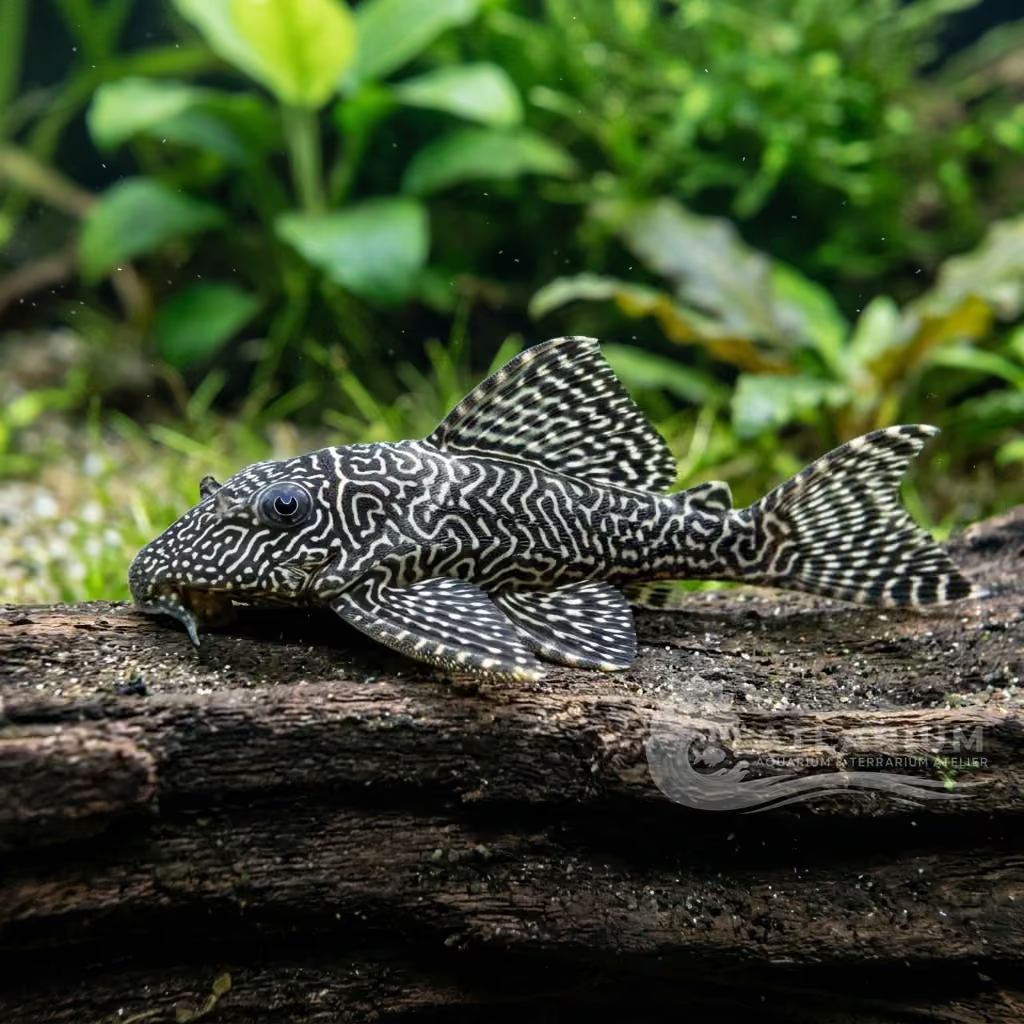
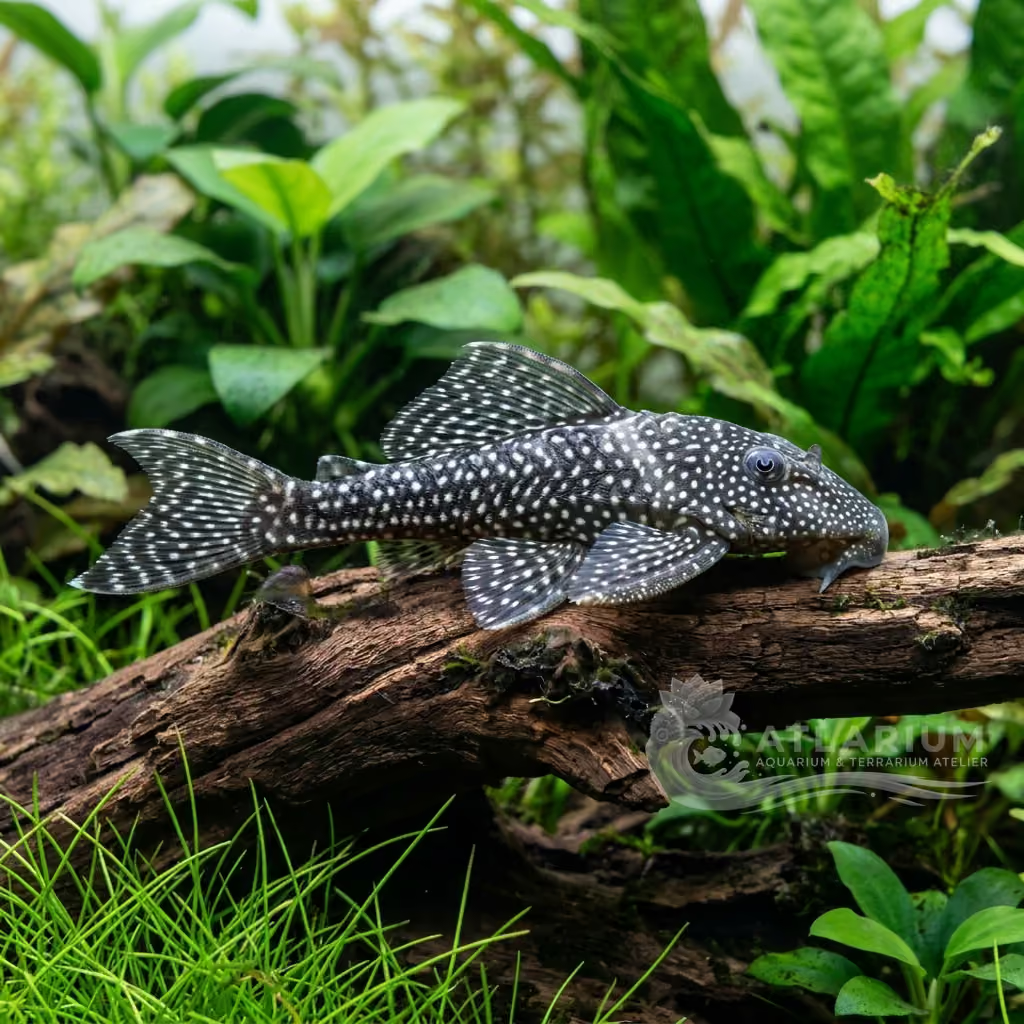
Coloration and Sexual Dimorphism: Sensational livery from which the fascinating nickname 'Leopard Frog' (poison dart frog). The base color is a highly saturated golden yellow, sunny or mustard, shiny as enamel. The body is densely cut into irregular sections, asymmetrical horizontal zebra stripes and dizzying very dense charcoal-black broken stripes. The puppies (fry) are half almost white with only two huge black stripes (like orcas); the design becomes as intricate as a hypnotic painting in the adult. VERY EVIDENT DIMORPHISM IN MATURITY: the ALPHA MALES arm themselves to the teeth. The entire rear half of their body (the sides of the tail) becomes bristly and very hairy (odontodes like metal brushes), and they develop thick, removable spear-pointed mustaches from their cheeks. The female is softly spherical at the belly and hairless (smooth as a stone on the side).

Care, breeding and tankmates
Aquarium Setup: Demands well-furnished home rivers (not bare Iwagumi zen). MANDATORY perfect shady hiding places for its cylindrical bulk: fake bamboo tubes or blind ceramic caves with a single entrance. Highly rippled, clear water on the surface. Appreciates dense tangles of Spiderwood roots in which to slip to rest during the day without being stressed by the powerful lighting required by red aquarium plants.
Diet and Feeding: ZERO ALGAE, ZERO BOILED VEGETABLES! The lethal mistake is treating it as a green scavenger. It is a pure OMNIVORE-CARNIVORE. Must be fattened up at night by feeding it brutally on the basis of heavily red protein bottom tablets for carnivorous fish. Bitterly administer raw and top-notch frozen food in a staggered manner (Mysis, gigantic Daphnia, abundant and delicious washed cubed Chironomus and crushed krill). It will ignore green spirulina tablets, dying of slow and asphyxiating skeletal wasting.
Water Quality: Robustness mitigated only by hatred for frost and asphyxiating pollution. Amazonian biotope WARM DISCUS TYPE (Frighteningly HIGH temperatures: from a minimum of 25°C / 77°F up to the hot scorching summer asphyxiating equatorial threshold in comfort at 29°C / 84°F. If kept at a cheerful 23°C / 73°F European winter it will die constipated with an atrophied liver and cardiac block due to creeping progressive hypothermia and incurable apathetic phobic lethargy). Tolerant waters but which shun excess neutral-acidic calcareous acid (6.0 to max urban very moderate Ph 7.4) at a weak medium South American GH (2 to 12).
Compatibility and Cohabitation: Sublime dark and peaceful asocial totally ignorant golden model for scorching or specialized amateur medium-hot aquariums. It pairs with colossal joy under tall, peaceful floating fish like noble, tame, asphyxiating Discus and Pterophyllum Scalare, or fast, brave hot little fish lovers of fast rivers like asphyxiating Cardinals, round Corydoras (Sterbai, suitable for scorching heat like it), Borrachitos, and magnificent South American weakly demanding shade Ramirezi and slow Dwarf Apistogramma Cichlids. STRICTLY NOT TO BE MIXED with the chaotic violent asphyxiating destroying disaster of the African lakes very hard M'buna or neurotic hyper-frantic frightening very fast Indonesian loach fish and mortal food-stealing raptors.
Aquarium Breeding: Prodigious reproducible species but unexpected flattering amateur peak if raised in sedentary, well-fed, obese groups and chubby females in dense cramped forced ceramic caves. Induced the cool cold rainy diluvial mock leap, the mustachioed bearded macho will wedge himself and furiously block the cave with his backside, forcing the exhausted trembling frightened and fat and pressed female, pushing her to unload the wonderful magic giant pasty amber pale lemon golden clear asphyxiating large scarce clear eggs that he will fan frantic brave assassin guardian besieged with angry blows of the tail and proud spikes without lethal nourishment for very long asphyxiating days, hatching a minuscule exact yellow spotted creeping crawling asphyxiating armored army invisible vulnerable to starvation.
Risks and Diseases: Lethal Rotten Intestinal Occlusion from fake vegetarian poisonous algal spirulina asphyxiating asphyxiating liver occlusive and chronic malnutrition, asphyxiating asphyxiating atrophied inhibitory paralyzed muscular fatal moribund block in cold waters (at 23°C / 73°F the metabolism freezes killing it slowly). Risk of asphyxia heart attack death if forced asphyxiated uncovered illuminated without suitable obscure asphyxiating fictitious caves.

Geographic origin and distribution
Fascinating native jewel of the transparent and impetuous waters of the mighty Rio Tapajós (and its turbid tributary, the Jamanxim) in Brazil. Unlike the black water plecos (Rio Negro), it inhabits deep rock crevices kissed by clear oxygen-rich rivers and scorching tropical sun.
Origin
Tropical oceans and reefsAmazon, Orinoco, and GuianasEast Asia

Fish profile
- Temperament
- Semi-aggressive
- The temperament of Peckoltia compta is largely peaceful, especially towards tank mates. While they mind their own business mostly, they may become defensive during specific periods. Providing visual barriers and adequate space mitigates most behavioral issues.
- Diet
- Omnivore
- Peckoltia compta is primarily omnivorous and enjoys a diverse diet. In captivity, they eagerly accept high-quality prepared foods, and appropriate frozen or live foods. Providing a varied menu ensures they receive all necessary nutrients for vibrant colors and health.
- Life expectancy
- 8-10 years
- Adult size
- 11 cm
- Sex ratio
- Group
- Maintaining a proper sex ratio of mixed group is advisable for this species. Males tend to be visually distinct from females in certain aspects, making sexing possible in mature specimens. In breeding setups, close monitoring is essential to prevent excessive harassment.
- Feeding frequency
- Twice daily
- It is recommended to feed Peckoltia compta moderate portions once a day. Only offer an amount they can completely consume within a few minutes to prevent water fouling. Occasional fasting days can also be beneficial for their digestive system.
- Bioload
- Low to Medium
- The bioload produced by Peckoltia compta is moderate due to their medium size and metabolic rate. They require robust filtration to keep water parameters stable and pristine. Regular water changes are highly recommended to ensure their optimal health.
- Flow
- Stagnant
- This fish prefers moderate water currents that mimic its natural habitat. Proper water flow is crucial for maintaining adequate oxygenation levels. Position filter outlets or powerheads carefully to provide both flowing and calmer resting areas.
- Jump risk
- Yes
- Peckoltia compta poses a low risk of jumping from the aquarium if startled. It is strictly advised to keep a secure, tight-fitting lid on the enclosure at all times. Extra care should be exercised during tank maintenance to prevent unexpected escapes.
- Reproduction
- Oviparous
- Breeding Peckoltia compta in captivity is challenging and requires specific water parameters. They are cave spawners and often exhibit fascinating courtship behaviors. Providing ample suitable structures will significantly increase the survival rate of the fry.
- Compatibility & tankmates
- With caution
- This species is generally peaceful and makes a specific addition to a home aquarium. They can be housed with other compatible species that occupy different water levels. Caution should be taken when selecting tank mates to avoid any conflicts.
- Tank level
- Bottom
- These fish predominantly occupy the bottom levels of the aquarium. They enjoy exploring their surroundings and often interact with the tank decor. Ensuring sufficient space in their preferred zone is absolutely important for their well-being.

Scientific Parameters & Models
FishBase
Window to the official scientific data of the species
FishBase v25.04Data synced on: 06/15/2026
- Phylogenetic uniqueness (PD50)
- 0.5
- Bayesian Length-Weight
- a = 0.01549, b = 2.96
- VulnerabilityLow vulnerability (10 / 100)

Related species
Recommendations grouped by close relatives, companion choices, and similar care.