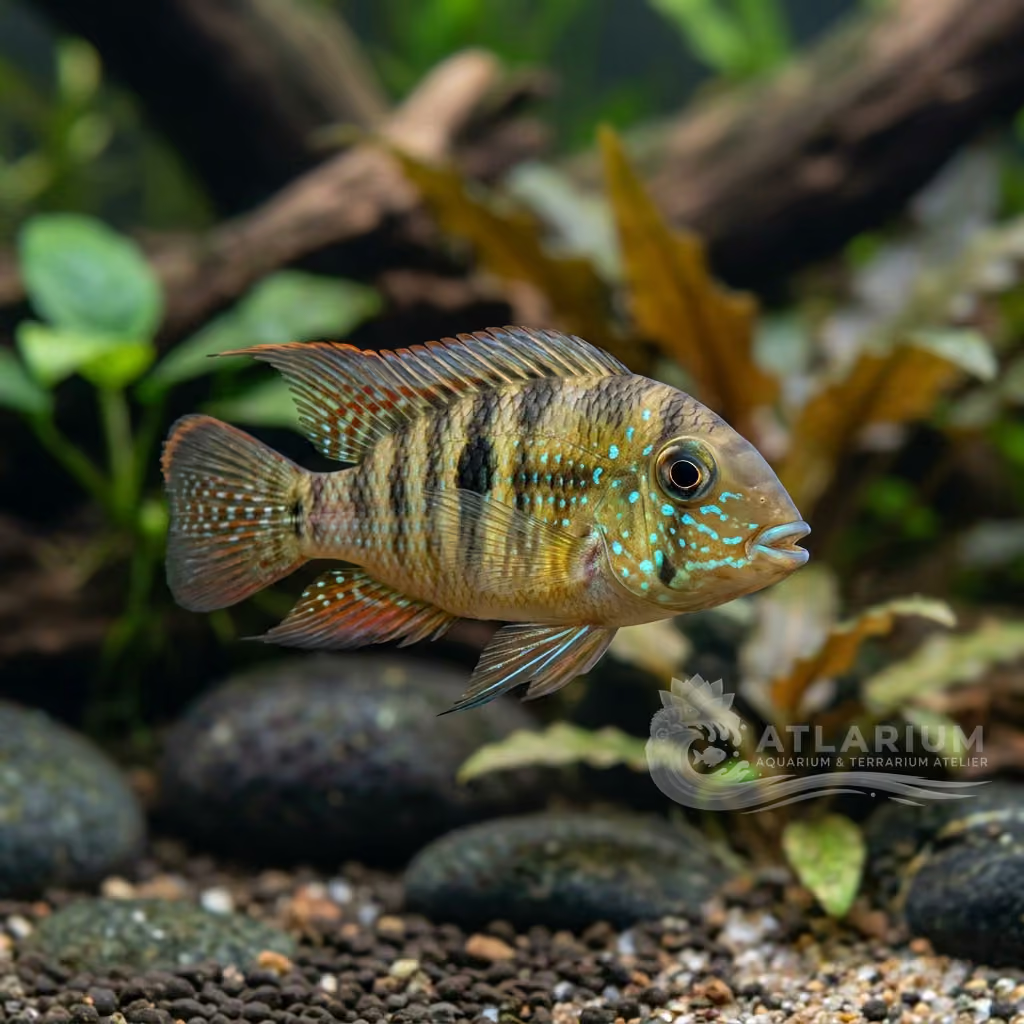
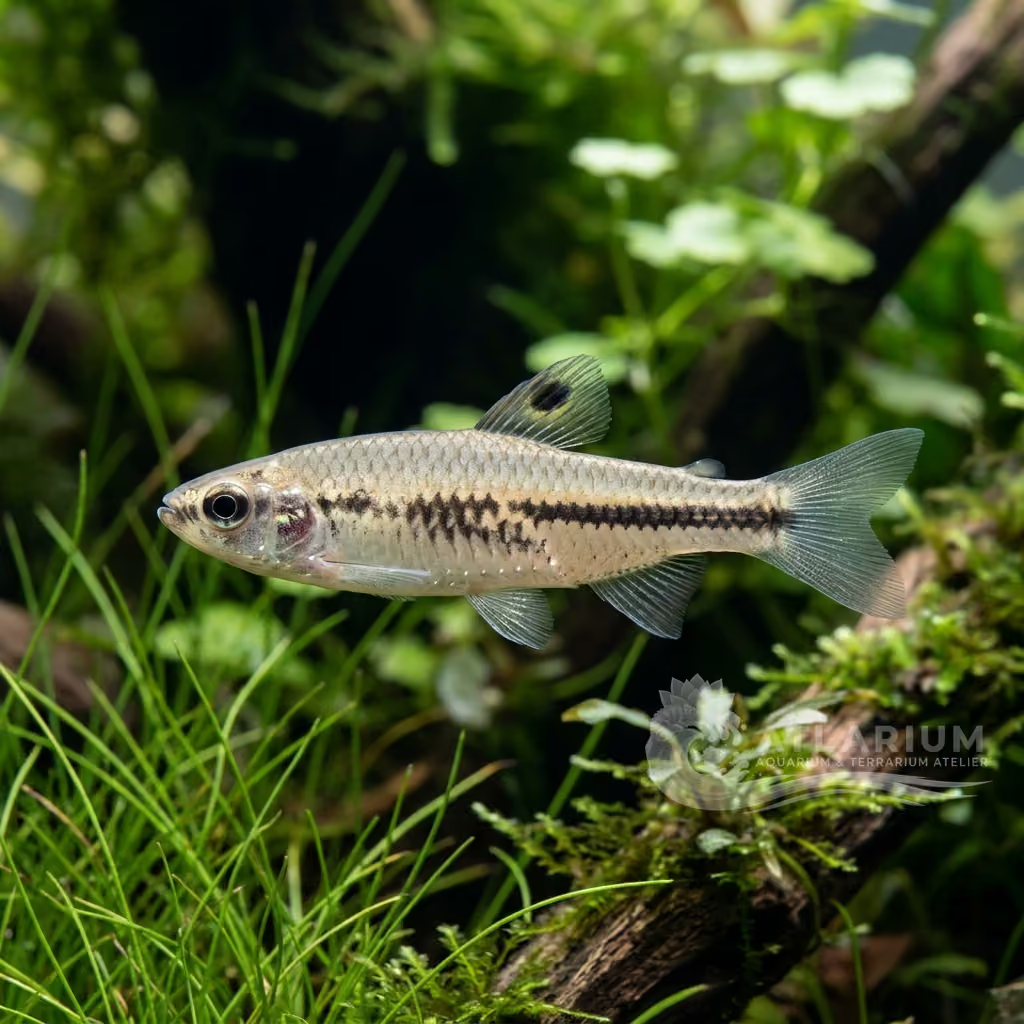
Striped Kribensis
Pelvicachromis taeniatus
The Jungle Jewel of West Africa (7 cm / 3 inches). Vastly different from the brutal, rock-dwelling killer cichlids of the great lakes. It lives in slow-moving, dark jungle streams. The females are the true show-stoppers, flaunting insanely swollen bellies in glowing neon-magenta or deep plum-cherry when mating. They are peaceful, form incredible lifelong bonds, and require acidic, dark, leafy forest setups rather than rocks.
24 - 27 °C
6 - 7
Freshwater
Bottom
8 cm
>= 100 L
>= 1
2 - 10 dGH
1 - 5 dKH
40 - 200 ppm
63 - 313 uS/cm

Species description

Care, breeding and tankmates

Geographic origin and distribution
Origin

Fish profile
- Temperament
- Semi-aggressive
- Peaceful towards different species but moderately aggressive towards conspecifics. They exhibit classic cichlid territorial behavior when defending a breeding site. Otherwise, they are shy and reclusive if sufficient hiding spots are not provided.
- Diet
- Omnivore
- Omnivorous with a preference for benthic invertebrates. Needs a varied diet including high-quality sinking pellets, frozen or live bloodworms, and daphnia. Spirulina or vegetable matter should occasionally be offered for balanced nutrition.
- Life expectancy
- 4-6 years
- Adult size
- 8 cm
- Sex ratio
- Harem
- Best kept as a bonded male and female pair. Keeping multiple males in the same tank can lead to severe aggression unless the aquarium is very large. If keeping a group, a ratio of one male to multiple females is not typically necessary if a strong pair forms.
- Feeding frequency
- Twice daily
- Should be fed small amounts once or twice a day. Provide only what they can consume within a couple of minutes to prevent water fouling. Overfeeding should be strictly avoided to maintain their health.
- Bioload
- Low to Medium
- Modest bioload. Produce a relatively low amount of waste compared to larger cichlids. Requires standard biological and mechanical filtration. Regular water changes are sufficient to maintain water quality.
- Flow
- Stagnant
- Prefers gentle to moderate water flow simulating slow-moving West African rivers. Strong currents can exhaust them, as they spend most of their time hovering near the substrate. Diffused filter outlets or spray bars are ideal.
- Jump risk
- Yes
- Low jump risk, as they are bottom to mid-level dwellers. However, a secure lid is always recommended to prevent accidental escapes. They typically only dart upwards when extremely startled or harassed.
- Reproduction
- Oviparous
- Cave spawners that form strong monogamous pairs. They require small caves or overturned flower pots to lay their eggs. Both parents exhibit excellent brood care, fiercely guarding the fry until they are free-swimming.
- Compatibility & tankmates
- With caution
- Generally peaceful but can become highly territorial during breeding. Best kept in a community tank with robust upper-level dwelling fish. Avoid keeping with other bottom-dwelling cichlids to prevent territorial disputes.
- Tank level
- Bottom
- Primarily inhabit the lower levels of the aquarium. They will frequently explore the substrate, caves, and densely planted areas. They rarely venture to the upper third of the water column unless feeding.

Scientific Parameters & Models
Window to the official scientific data of the species
- Trophic level
- 3.3 ± 0.4 se
- Resilience
- High (less than 15 months)
- Phylogenetic uniqueness (PD50)
- 0.5039
- Bayesian Length-Weight
- a = 0.01445, b = 2.99
- VulnerabilityLow vulnerability (10 / 100)

Image gallery
Licensed images linked to the species or, when marked, to the closest representative taxon.

Related species
Recommendations grouped by close relatives, companion choices, and similar care.