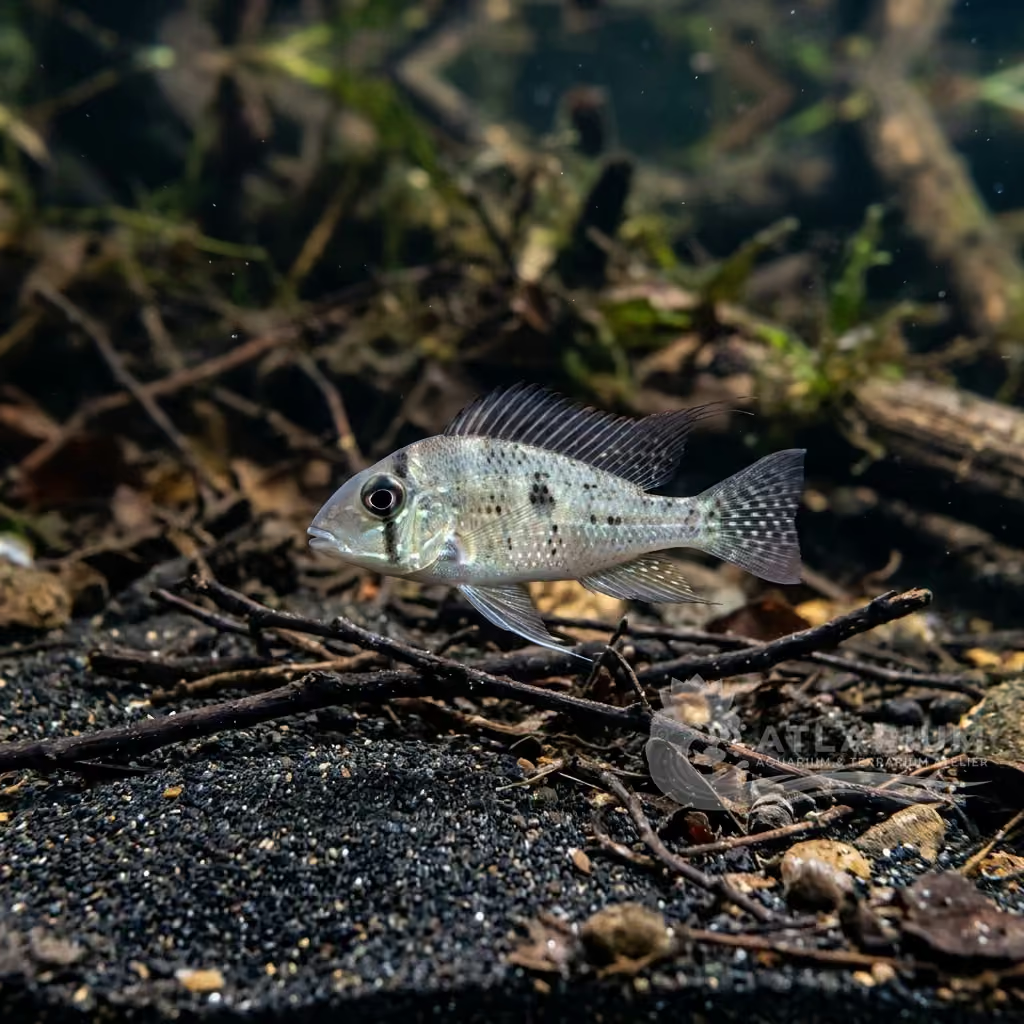
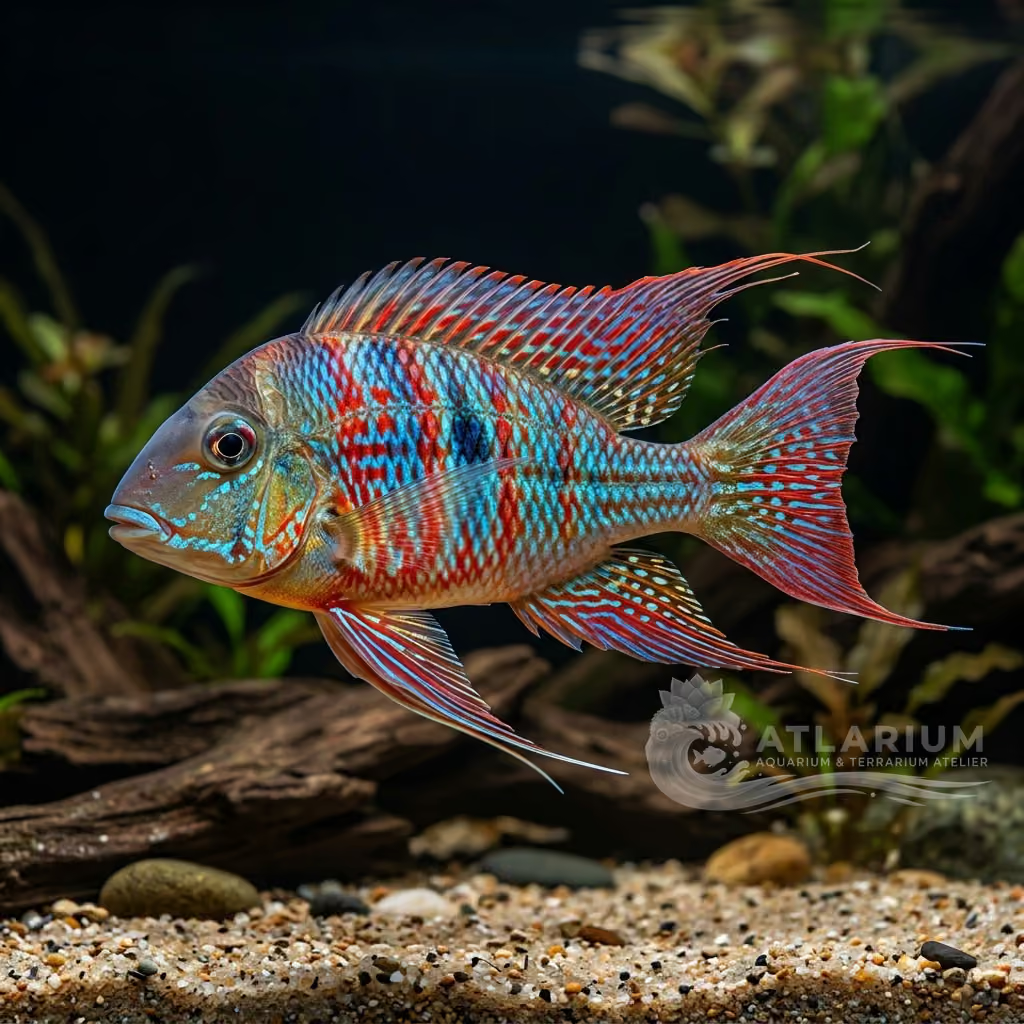
Macmaster's Dwarf Cichlid
Apistogramma macmasteri
The 'Tank' of the Apistogrammas. A chunky, high-bodied dwarf cichlid with brilliant red 'shoulders' and fiery tail rims. Highly tolerant of neutral tap water, making it a perfect first South American dwarf cichlid.
Water Temperature
22 - 28 °C
pH Value
5.5 - 7
Water type
Freshwater
Tank level
Bottom and middle
Adult size
8.5 cm
Minimum tank volume
>= 100 L
Minimum group
>= 1
GH
1 - 10 dGH
KH
1 - 5 dKH
TDS
25 - 200 ppm
Conductivity
39 - 313 uS/cm

Species description
Geographical Origin and Habitat: Native to eastern Colombia (Meta River and Upper Orinoco River basin). Frequents the shaded areas near the banks of savanna streams and calm rivers, taking refuge among fallen trunks and dead leaf litter in clear but dark waters (Blackwater).
Taxonomy and Morphology: Macmaster's Dwarf Cichlid (Apistogramma macmasteri). Lent its name to the homonymous "macmasteri group", characterized by dwarf cichlids that are tall, corpulent and massive compared to the classic Amazonian "torpedo". The male fins are extremely developed, especially the notched dorsal.
Social Behavior: Has a "bully" stage presence but a moderate nature compared to its wild relatives. Males perform powerful "shoulder charges" and fin fanning among themselves (displays) rarely deadly if the tank exceeds one meter, forming a hierarchical territorial harem.
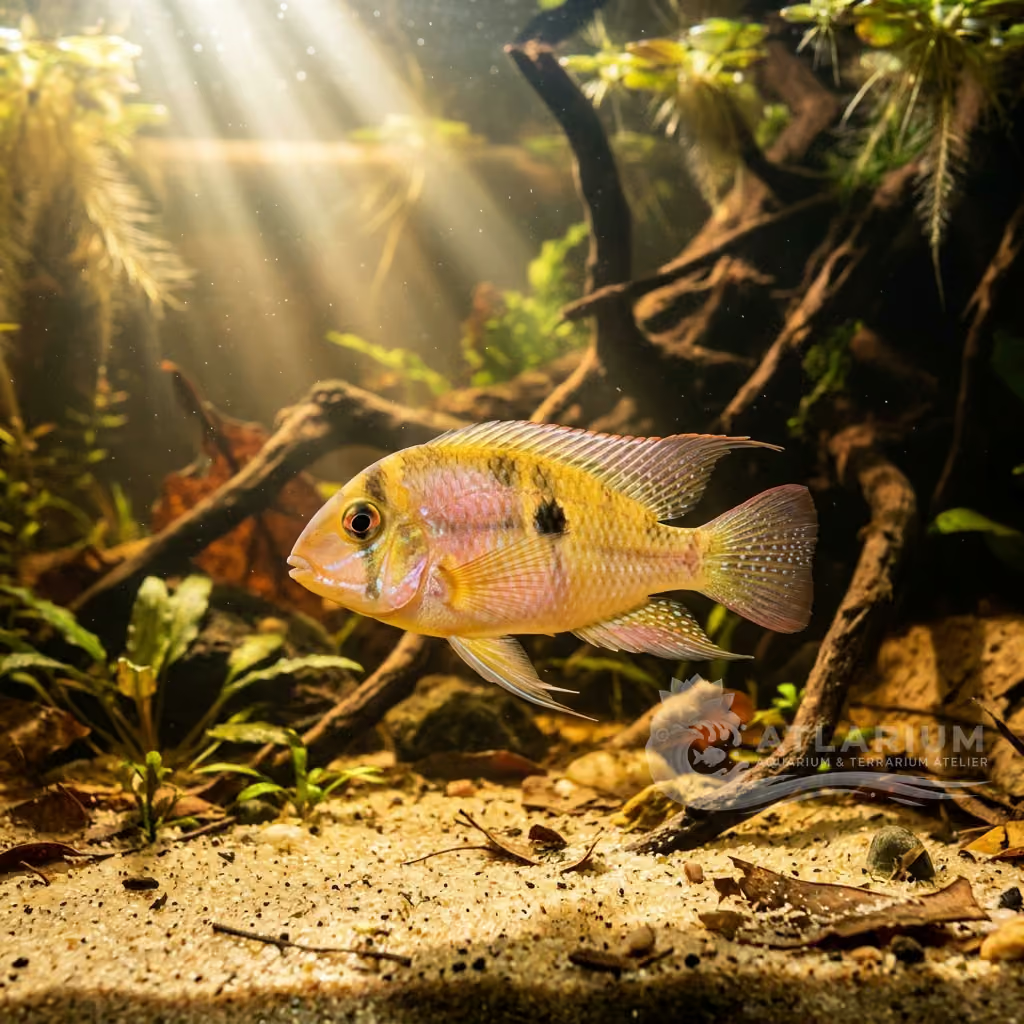
Coloration and Sexual Dimorphism: Corpulent males with hypnotic colors: gray-blue crossed by intense blood-red spots on the cheeks, throat, and fiery red edges along the huge square or round caudal fin. Small females, which flaunt the classic bright lemon yellow coat when spawning.

Care, breeding and tankmates
Aquarium Setup: At least 80-100 cm (32-40 inches). Requires extreme structural complexity on the bottom: intricate thickets of bog roots, fallen branches (Manzanita), half coconuts and thick tufts of Microsorum. Fine sand as a substrate to accommodate uninterrupted chewing.
Diet and Feeding: Benthic predator of macroinvertebrates and insect larvae. Will thrive if fed on alternate days with live/frozen bloodworms and brine shrimp. Can be accustomed to premium sinking carnivorous pellets, but the monotony of dry food fades its formidable red mask.
Water Quality: Appreciates soft and acidic waters. However, it is one of the most tolerant strains in modern domestic aquarium keeping (acceptable pH up to 7.0 and GH hardness < 10). Regular water changes and low organic levels, to which it is very sensitive, are mandatory.
Compatibility and Cohabitation: Splendid "centerpiece" for a South American community aquarium. Blissfully coexists with schools of small and medium Tetras (Cardinals, Rummy Nose) and Hatchetfish. However, pairing with large Corydoras or Apistogramma cacatuoides generates wars of attrition on the bottom.
Aquarium Breeding: Nests in narrow crevices. After the female adheres 60-100 eggs on the smooth ceiling of the cave, she violently chases the male away, setting herself up as the sole and ruthless guardian. The tiny fry need infusoria or nauplii near the refuge.
Risks and Diseases: Often confused in shops (and deliberately hybridized) with Apistogramma viejita, to the point that the pure strain is rare. Suffers acutely from head pore infections (HITH) if the biological filtration in the tank is insufficient or nitrates rise.

Geographic origin and distribution
Native to eastern Colombia (Meta River and Upper Orinoco River basin). Frequents the shaded areas near the banks of savanna streams and calm rivers, taking refuge among fallen trunks and dead leaf litter in clear but dark waters (Blackwater).
Origin
Amazon, Orinoco, and Guianas

Fish profile
- Temperament
- Semi-aggressive
- Apistogramma macmasteri is generally a peaceful cichlid that coexists well with small, non-aggressive species. However, during the breeding season, they show territorial behavior, with females fiercely guarding their caves and fry. Males will also defend their larger territory from other males and potential threats. Providing adequate hiding spaces and visual barriers helps minimize territorial disputes and keeps the overall environment calm.
- Diet
- Omnivore
- As micropredators, Apistogramma macmasteri require a protein-rich diet to mimic their natural feeding habits. Their diet should consist mainly of live or frozen foods such as brine shrimp, daphnia, bloodworms, and tubifex. They can gradually adapt to high-quality dry pellets or flakes, but these should not be the sole food source. Conditioning them with live foods is especially crucial for encouraging successful spawning behavior and enhancing their coloration.
- Life expectancy
- 3-5 years
- Adult size
- 8.5 cm
- Sex ratio
- Harem
- Apistogramma macmasteri is typically kept in pairs or harems, consisting of one male and multiple females. In a harem setup, each female will establish her own small territory, which the male will visit and defend. Keeping multiple males in the same tank is generally discouraged unless the aquarium is exceptionally large with distinct visual barriers. A ratio of one male to two or three females is ideal for reducing aggression and promoting natural spawning behavior.
- Feeding frequency
- Twice daily
- It is recommended to feed Apistogramma macmasteri once or twice daily in small portions. Only feed what they can consume within a few minutes to prevent excess food from decomposing on the substrate. Offering smaller, more frequent meals is ideal for their digestion and mimics their continuous search for food in the wild. If breeding, adult cichlids and their developing fry may require targeted feedings of specialized foods like baby brine shrimp.
- Bioload
- Low to Medium
- Apistogramma macmasteri has a low to moderate biological waste footprint due to its small size. However, like most dwarf cichlids, they are highly sensitive to fluctuations in water quality and organic waste buildup. A well-established filtration system is essential, preferably with a gentle flow, to keep nitrate and ammonia levels at absolute zero. Regular water changes and a properly seasoned tank environment are critical to preventing disease and stress in this species.
- Flow
- Stagnant
- Apistogramma macmasteri prefers weak to moderate water currents, reflecting their slow-moving natural river environments. Strong, turbulent water flow can stress these fish, forcing them to expend excess energy and disrupting their swimming. Using sponge filters or adjustable canister filters with spray bars is excellent for maintaining high water quality without creating heavy currents. It is also important to create quiet resting zones using plants and hardscape decorations.
- Jump risk
- Yes
- Although Apistogramma macmasteri is not classified as a chronic jumper, it can leap out of the water if startled or stressed. Sudden changes in lighting, aggression from tankmates, or poor water quality can trigger this flight response. Therefore, a secure, tight-fitting lid or cover slides are highly recommended to prevent accidental escapes. Providing ample cover, such as floating plants and visual barriers, will also help them feel secure and reduce jumping behavior.
- Reproduction
- Oviparous
- Reproduction in Apistogramma macmasteri is a fascinating process and relatively easy to achieve in a dedicated setup. They are cave spawners, where the female chooses a tight cave, lays her eggs on the ceiling, and guards them closely. The male guards the outer territory, defending it from any potential intruders. To induce breeding, the water should be soft and acidic, with the temperature slightly raised, accompanied by feedings of live food.
- Compatibility & tankmates
- With caution
- This cichlid is highly compatible with small, peaceful dither fish that swim in the upper half of the tank. Excellent choices include tetras, pencilfish, hatchetfish, and small rasboras, which help the cichlids feel secure. You should avoid pairing them with large, aggressive tankmates or other territorial cichlids that could outcompete them. Bottom-dwellers like Corydoras can be kept together, but caution is advised during breeding as the cichlids will defend their nesting territory fiercely.
- Tank level
- Middle/Bottom
- This species is predominantly a bottom to middle-level dweller, spending most of its time near the substrate. They thrive in environments rich in driftwood, leaf litter, and live plants, which mimic their natural riverine habitats. They use caves, coconut shells, and dense vegetation located at the lower section of the tank for nesting and security. Providing a sandy substrate is beneficial as they like to sift through it occasionally in search of food.

Scientific Parameters & Models
FishBase
Window to the official scientific data of the species
FishBase v25.04Data synced on: 06/15/2026
- Trophic level
- 3.3 ± 0.4 se
- Resilience
- Medium (1.4 - 4.4 years)
- Phylogenetic uniqueness (PD50)
- 0.5
- Bayesian Length-Weight
- a = 0.0182, b = 2.99
- VulnerabilityLow vulnerability (10 / 100)

Related species
Recommendations grouped by close relatives, companion choices, and similar care.