Three-Stripe Dwarf Cichlid
Apistogramma trifasciata
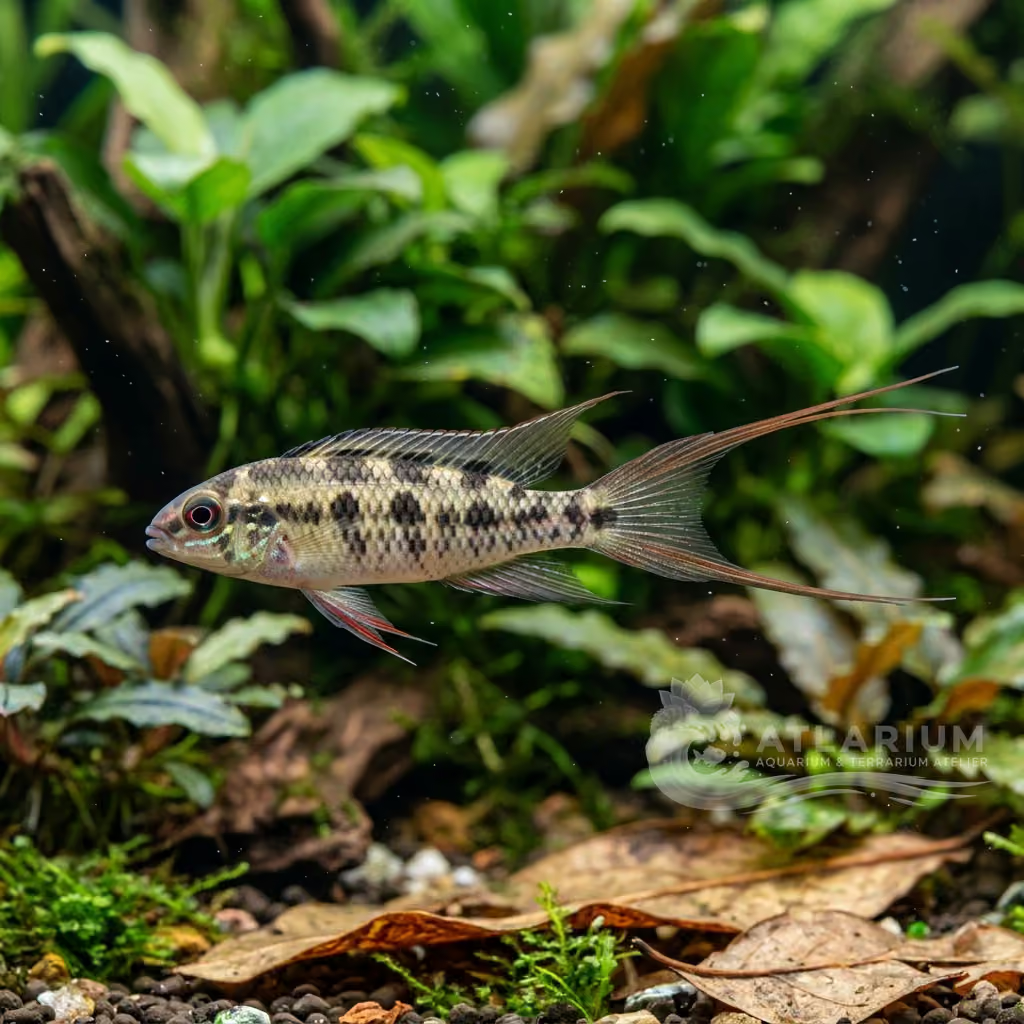
The magnificent 'Three-Stripe Dwarf Cichlid' (4-5 cm). An aquariology gem of temperate South America, it shares with the A. borellii the need for cool waters (or even unheated winter lethargy), proving to be a terrible guest for classic tropical aquariums at 28°C. This dwarf is distinguished by its tiny and elegant body, crossed by the iconic three black bands, and by the astounding male dorsal sail (which when erect exceeds the height of the fish itself) combined with disproportionately long first rays. Undisputed peaceful and tolerant king of the small sub-tropical community aquarium.
20 - 28 °C
6 - 7.5
Freshwater
Bottom and middle
5.5 cm
>= 100 L
>= 1
1 - 10 dGH
1 - 5 dKH
25 - 200 ppm
39 - 313 uS/cm

Species description

Care, breeding and tankmates

Geographic origin and distribution
Origin

Fish profile
- Temperament
- Semi-aggressive
- This dwarf cichlid is generally peaceful and well-behaved, making it an excellent candidate for community aquariums. However, they exhibit territorial behavior, which intensifies significantly during the spawning season when they will aggressively defend their chosen caves. Males can also be aggressive toward each other and toward non-receptive females if space is insufficient. Providing plenty of visual barriers like rocks and driftwood will mitigate territorial disputes.
- Diet
- Omnivore
- Apistogramma trifasciata is primarily carnivorous, requiring a varied diet rich in proteins to maintain health and color. In captivity, they thrive on live and frozen foods such as brine shrimp, daphnia, bloodworms, and mosquito larvae. They will also accept high-quality sinking micro-pellets and flakes designed for cichlids once acclimated. Offering a diverse menu prevents nutritional deficiencies and stimulates natural foraging behaviors.
- Life expectancy
- 3-5 years
- Adult size
- 5.5 cm
- Sex ratio
- Harem
- In the aquarium, this species is best kept in a harem arrangement consisting of one male and two or more females. Males are highly territorial and polygamous, and keeping multiple females helps disperse the male's breeding pressure. If kept in smaller tanks, a single compatible pair (1:1 ratio) can be successful, provided there are enough visual barriers. Keeping multiple males is only recommended in very large tanks with distinct territorial boundaries.
- Feeding frequency
- Twice daily
- It is recommended to feed Apistogramma trifasciata small portions once or twice daily. Providing food that can be consumed within a few minutes ensures they remain healthy without polluting the water. Baby brine shrimp or microworms are excellent additions, especially for conditioning breeding pairs. Fasting them for one day a week can also help clear their digestive tracts and maintain overall vigor.
- Bioload
- Low
- Apistogramma trifasciata has a relatively low biological waste footprint due to its small adult size. However, like most dwarf cichlids, it is highly sensitive to organic pollutants, ammonia, and accumulating nitrates. A robust filtration system, preferably with low flow, combined with weekly partial water changes is essential to maintain the pristine water quality they require. Overfeeding should be avoided to prevent sudden spikes in waste levels that could compromise their health.
- Flow
- Stagnant
- This species naturally inhabits slow-moving or stagnant waters, such as forest creeks and floodplains, and therefore prefers weak water flow in the aquarium. Strong currents can stress these small fish, forcing them to expend excessive energy swimming. Sponge filters or air-driven filtration systems are ideal, as they provide adequate biological filtration without creating disruptive water movement. Gentle water movement also facilitates successful spawning and makes it easier for fry to swim.
- Jump risk
- Yes
- Although they are bottom-dwellers, Apistogramma trifasciata poses a moderate risk of jumping, especially when startled, stressed, or chased during breeding activities. It is highly recommended to secure the aquarium with a tight-fitting lid or cover slides to prevent accidental escapes. Providing ample hiding spots like driftwood, dense plants, and caves helps them feel secure, reducing the likelihood of startle-induced jumping.
- Reproduction
- Oviparous
- Breeding Apistogramma trifasciata is moderately challenging but highly rewarding. They are cave spawners, with the female choosing a secluded spot to lay her eggs and subsequently taking full responsibility for guarding the brood. To trigger spawning, the water should be soft, acidic (pH 5.5–6.0), and slightly warmed to around 28°C. Once the fry hatch, they can be fed freshly hatched brine shrimp nauplii under the watchful eye of the protective mother.
- Compatibility & tankmates
- With caution
- They are highly compatible with small, peaceful dither fish such as tetras, pencilfish, and hatchetfish, which occupy the upper water columns and help reduce shyness. Peaceful bottom-dwellers like Otocinclus catfish also make excellent tank mates. However, keeping them with highly active or aggressive bottom-dwellers like large Corydoras should be avoided in smaller setups, as cichlids may attack them while guarding breeding territories. Avoid housing them with larger, aggressive cichlids that could easily prey on them.
- Tank level
- Middle/Bottom
- Apistogramma trifasciata primarily occupies the bottom and lower-middle zones of the aquarium. They spend most of their time hovering near the substrate, exploring leaf litter, caves, and dense plantings. Feeding also occurs mainly near the bottom, although they will occasionally venture higher to intercept food. Designing the aquascape with low-profile caves and sandy substrate is crucial to support their natural bottom-dwelling behavior.

Scientific Parameters & Models
Window to the official scientific data of the species
- Trophic level
- 3.3 ± 0.4 se
- Resilience
- High (less than 15 months)
- Phylogenetic uniqueness (PD50)
- 0.5
- Bayesian Length-Weight
- a = 0.0182, b = 2.99
- VulnerabilityLow vulnerability (10 / 100)

Related species
Recommendations grouped by close relatives, companion choices, and similar care.