Hongslo's Dwarf Cichlid
Apistogramma hongsloi
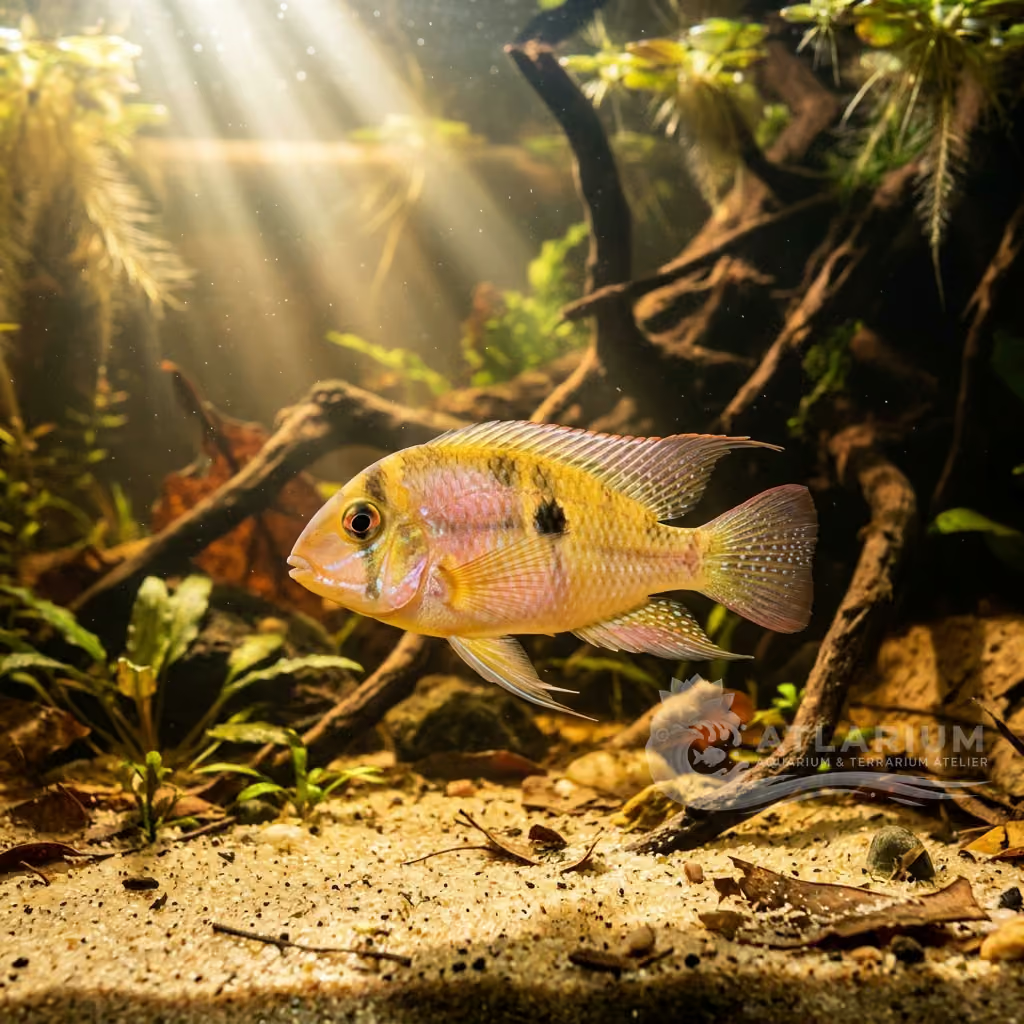
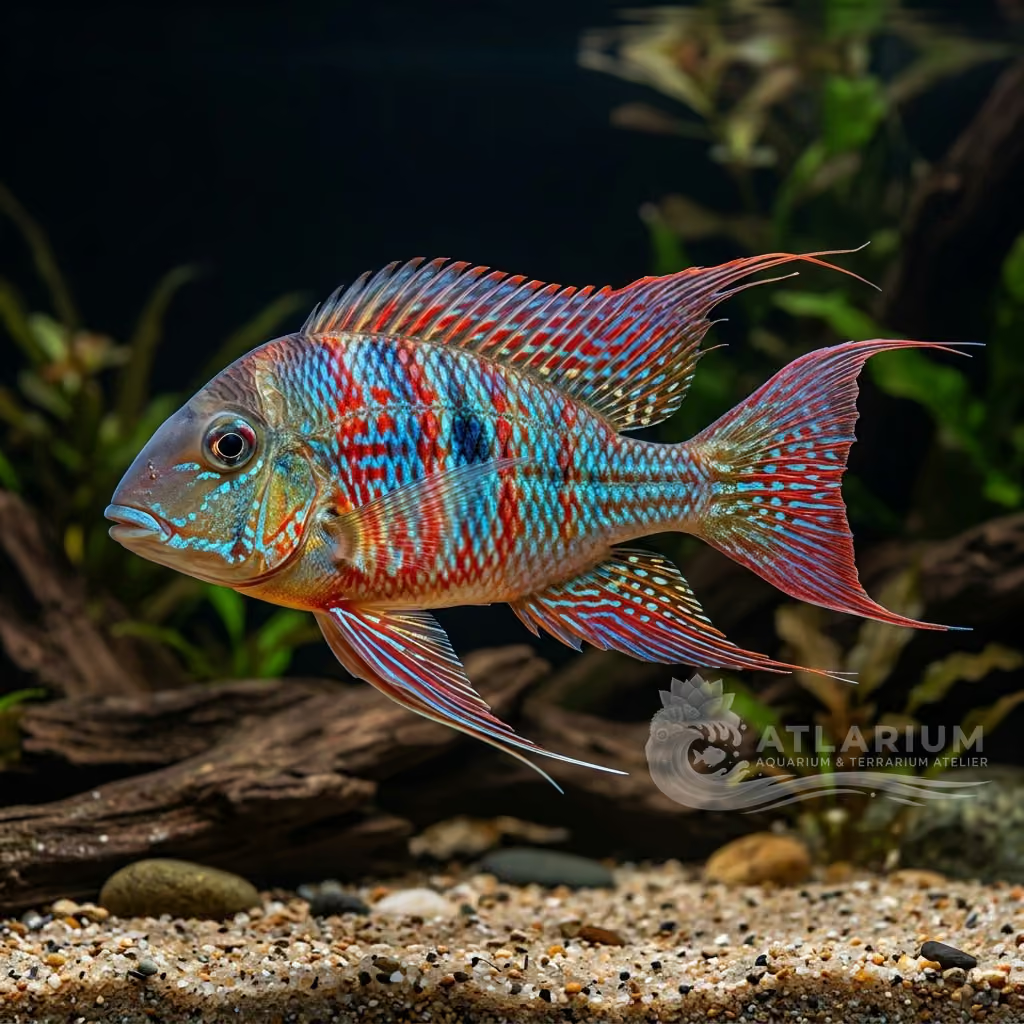
Stunning South American dwarf cichlid. Males display an incredible fire-red and gold belly. Best kept in a harem (1 male, multiple females) in heavily shaded tanks filled with leaf litter.
Water Temperature
23 - 28 °C
pH Value
5 - 7
Water type
Freshwater
Tank level
Bottom and middle
Adult size
7 cm
Minimum tank volume
>= 100 L
Minimum group
>= 1
GH
1 - 10 dGH
KH
1 - 5 dKH
TDS
25 - 200 ppm
Conductivity
39 - 313 uS/cm

Species description
Geographical Origin and Habitat: Originating from the Orinoco basin, in Vichada (Colombia). Populates "morichales" and small savanna rivulets (Llanos) characterized by a bottom carpeted with dry leaves and amber to clear water.
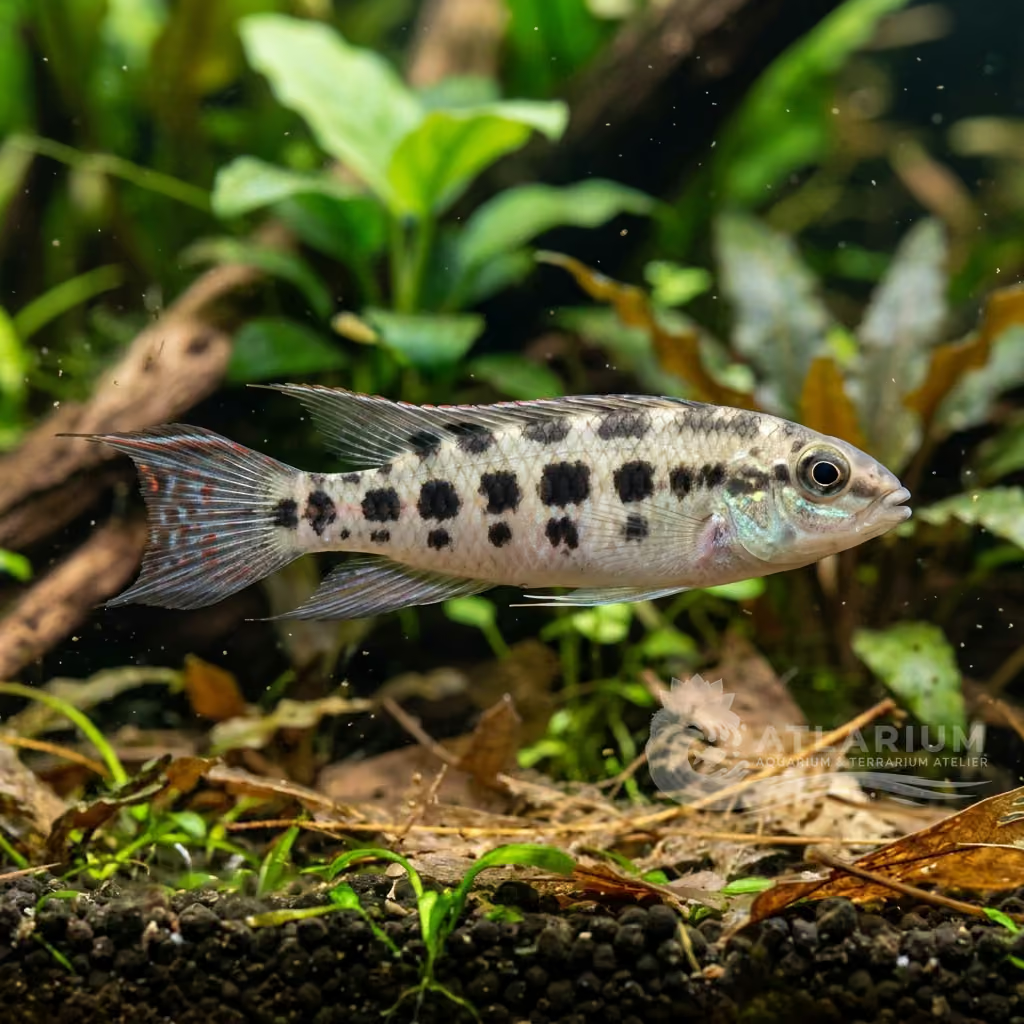
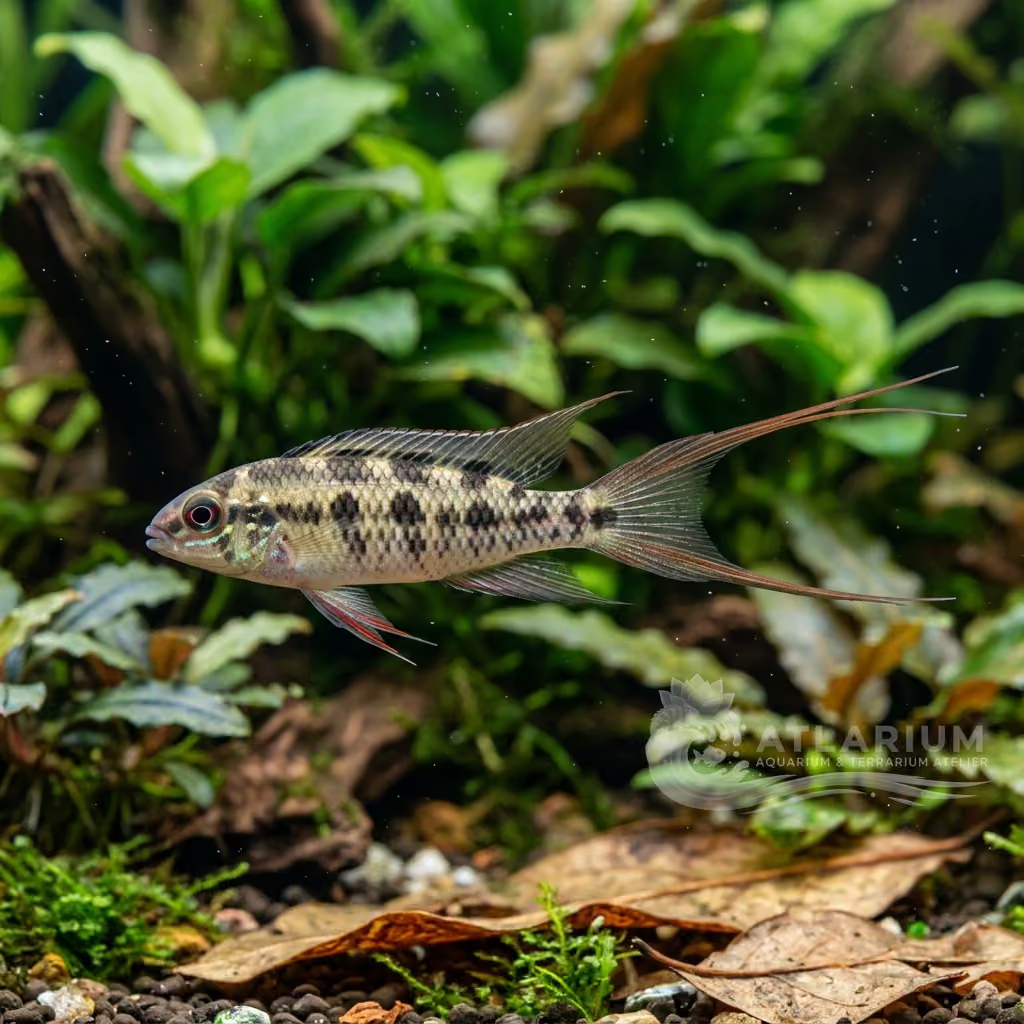
Taxonomy and Morphology: Hongslo's Dwarf Cichlid (Apistogramma hongsloi). Belonging to the "macmasteri" group, it is an Apistogramma with a markedly high and convex back, with stockier features compared to the torpedo-shaped Amazonian cousins.
Social Behavior: Very marked male territoriality but limited to conspecifics; tolerates other species without problems. Very self-confident if provided with "dither fish" on the surface, it will tend to fearlessly explore every area of the tank without hiding.
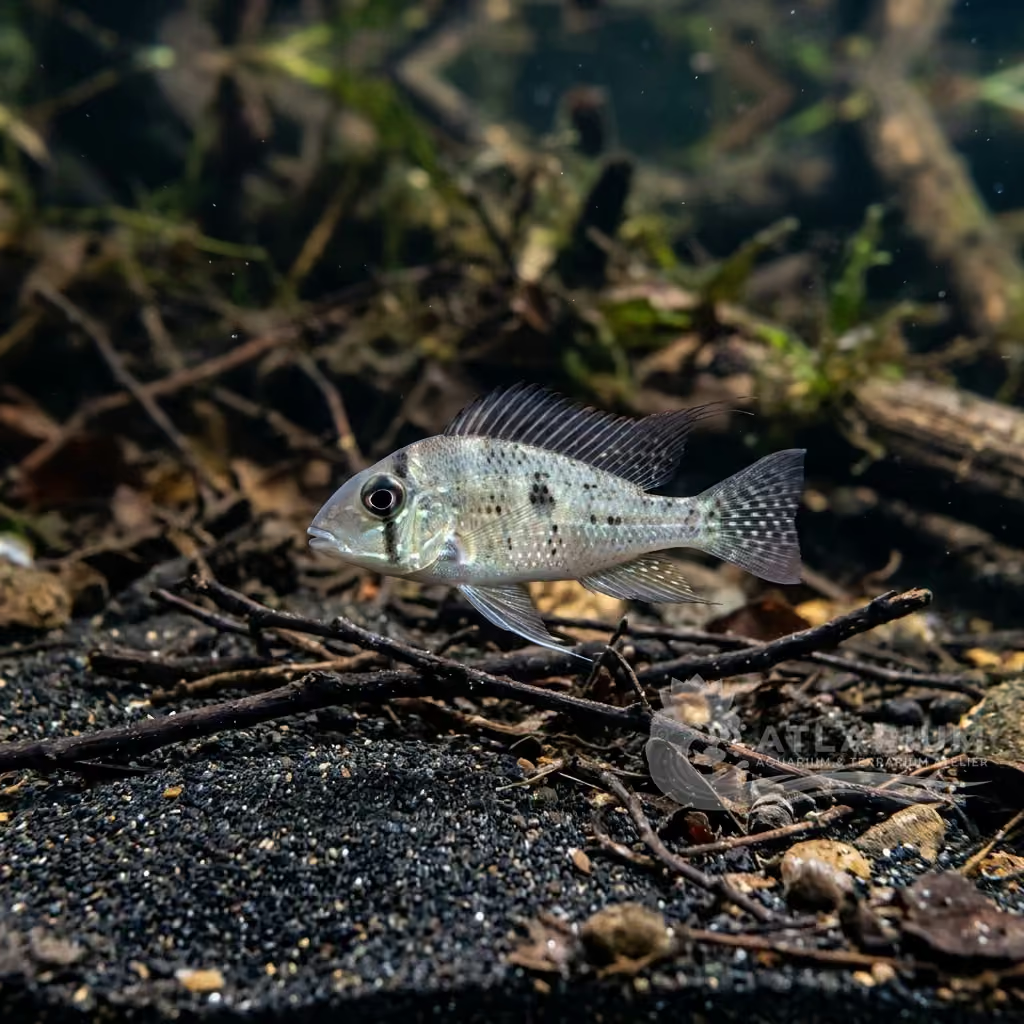
Coloration and Sexual Dimorphism: Selected varieties (such as "Red/Gold") offer extraordinary color: deep yellow/pink base that flows into large blood-ruby red spots on the belly and the base of the tail. Stocky beige females, turning yellow-black when reproducing.

Care, breeding and tankmates
Aquarium Setup: 80-100 cm (32-40 inches) tank for 1 male and 2-3 females. The tank must be rich in curved woods (to delimit territories) and caves (coconuts or miniature terracotta pots). Strictly soft sand to avoid ruining the delicate gill mucous membranes.
Diet and Feeding: Micro-predator. The exaltation of natural red tones is obtained by constantly foraging them with live or frozen carotene-based food: brine shrimp, daphnia and, to a lesser extent, bloodworms. Readily accepts soft granules for Discus.
Water Quality: Although in nature it lives in hyper-acidic waters (pH 5.0), the strains bred in captivity are now extremely adaptable to domestic conditions (pH up to 7.0). However, it requires pristine water, free of organic pollutants, preferably filtered over peat.
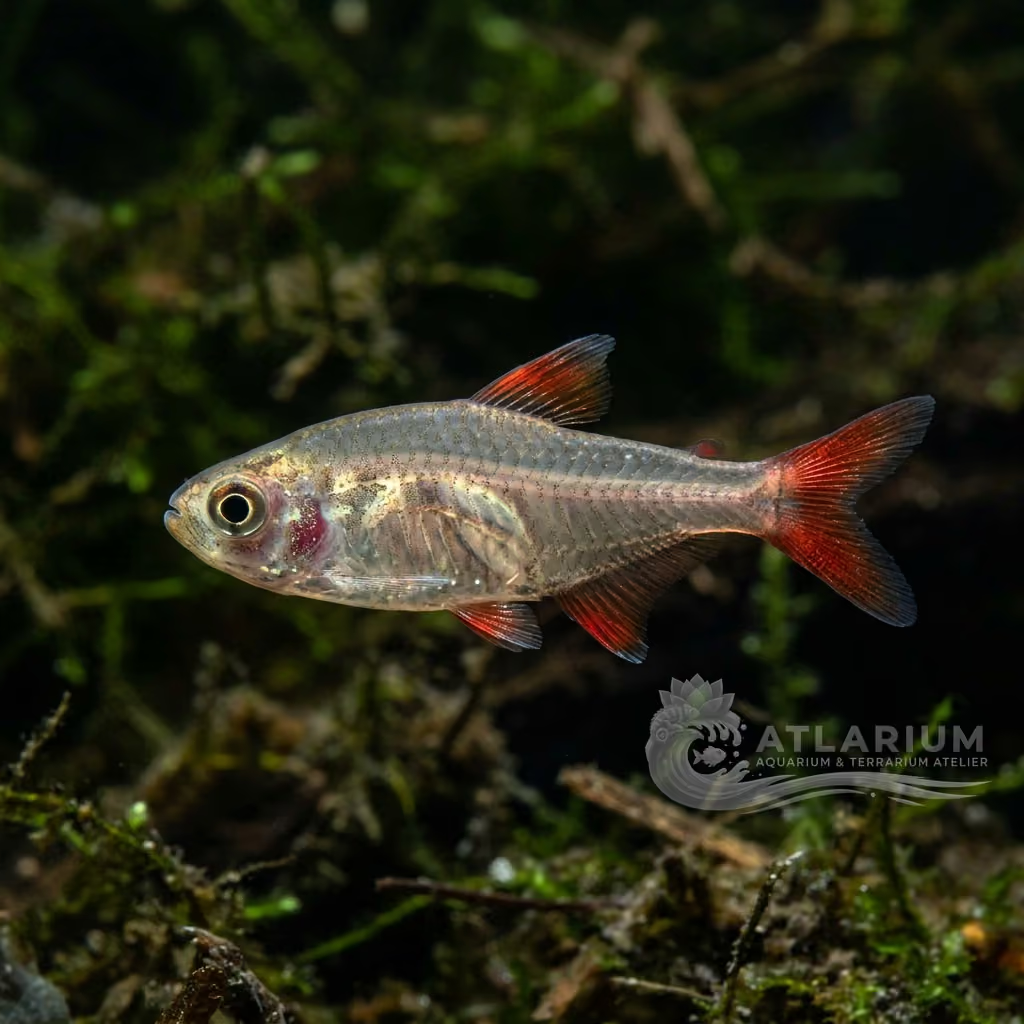
Compatibility and Cohabitation: Excellent inhabitant for a "Peaceful South American Community". Perfect pairings include Rummy-nose tetras (Hemigrammus bleheri), dwarf Corydoras and Otocinclus. Never mix with other dwarf Cichlids to prevent massacres.
Aquarium Breeding: Typical spawning in a cave or dark ravine; the female (now "wasp yellow") hangs the eggs on the roof. Shows very devoted and tenacious parental care: the harem works only if each female has her own private hiding place distant from the others.
Risks and Diseases: Tends worryingly to deformed dwarfism or excessive swelling (Bloat) if fed with unsuitable dry feeds. Highly susceptible to ammonia poisoning: mature filters are the only salvation.

Geographic origin and distribution
Originating from the Orinoco basin, in Vichada (Colombia). Populates "morichales" and small savanna rivulets (Llanos) characterized by a bottom carpeted with dry leaves and amber to clear water.
Origin
Selective breeding and cultivarsAmazon, Orinoco, and GuianasEurope, Mediterranean, and West Asia

Fish profile
- Temperament
- Semi-aggressive
- This dwarf cichlid generally has a peaceful temperament toward non-competitive species, but exhibits marked territorial behavior toward its own kind. Males will vigorously defend their territorial boundaries, while females can become highly aggressive during spawning and brood-care periods. It is essential to structure the aquarium with visual barriers to allow each individual to establish its own safe zone.
- Diet
- Omnivore
- In the wild, they are micropredators feeding on small benthic invertebrates, insect larvae, and tiny crustaceans. In the aquarium, they should be offered a varied diet composed of live and frozen foods such as brine shrimp, daphnia, and bloodworms. They will usually accept high-quality dry granulate foods specifically designed for dwarf cichlids, though flakes are generally less preferred.
- Life expectancy
- 3-5 years
- Adult size
- 7 cm
- Sex ratio
- Harem
- For this species, it is recommended to keep them in a harem ratio of one male to several females if space permits, or as a single bonded pair (1:1) in smaller aquariums. Males are highly territorial and will compete aggressively if forced to share a limited space without visual barriers. Each female needs to establish her own distinct territory, ideally centered around a specific cave or shelter.
- Feeding frequency
- Twice daily
- It is recommended to feed adult specimens once or twice daily with small portions that can be fully consumed within a few minutes. For juvenile fish or during breeding periods, it is preferable to split the daily intake into three or four smaller feedings. Avoiding overfeeding is crucial to prevent compromising the biological stability of the filter and water quality.
- Bioload
- Low to Medium
- Apistogramma hongsloi produce a low-to-medium bioload due to their small size. However, they are highly sensitive to the accumulation of nitrates and organic waste. An efficient filtration system with a gentle water flow is necessary, combined with regular partial water changes to maintain excellent water quality. It is strongly advised not to introduce them into immature or biologically unstable setups.
- Flow
- Stagnant
- This species originates from slow-flowing streams and floodplains, meaning it prefers a weak to very moderate water movement. Excessively strong currents can stress the fish unnecessarily, exhaust them, and make swimming and feeding difficult. The filtration should be highly efficient but set up to distribute flow evenly without creating turbulent currents.
- Jump risk
- Yes
- Although not famous as extreme jumpers, these dwarf cichlids can leap out of the water if startled, chased by tank mates, or during territorial disputes. Therefore, it is essential to equip the aquarium with a tight-fitting lid or cover. Additionally, providing floating plants can help diffuse the light and reduce stress, further minimizing the risk of escape.
- Reproduction
- Oviparous
- They are cave spawners with a moderate level of breeding difficulty. The female deposits her eggs on the ceiling of a cave or coconut shell and assumes sole responsibility for guarding and tending to the eggs and fry, while the male patrols the outer territory. During this period, the female becomes hyper-aggressive, and it may be necessary to remove the male in smaller tanks for his own safety.
- Compatibility & tankmates
- With caution
- They make ideal tank mates for small characins, pencilfish, and other peaceful schooling fish that occupy the upper water column. Pairing them with overly active, aggressive, or very large species that could intimidate them should be avoided. Coexistence with other dwarf cichlids or territorial bottom-dwellers must be carefully planned, ensuring ample space and plenty of visual barriers.
- Tank level
- Middle/Bottom
- Apistogramma hongsloi primarily inhabits and swims in the bottom and lower-middle zones of the aquarium. They spend most of their time exploring the substrate for food or patrolling their territory near plants and low-lying shelters. It is important to provide a fine sandy substrate to prevent damage to their delicate mouths and gills while sifting.

Scientific Parameters & Models
FishBase
Window to the official scientific data of the species
FishBase v25.04Data synced on: 06/15/2026
- Trophic level
- 3.3 ± 0.4 se
- Resilience
- Medium (1.4 - 4.4 years)
- Phylogenetic uniqueness (PD50)
- 0.5
- Bayesian Length-Weight
- a = 0.0182, b = 2.99
- VulnerabilityLow vulnerability (10 / 100)

Related species
Recommendations grouped by close relatives, companion choices, and similar care.