Double-spot Acara
Aequidens pallidus
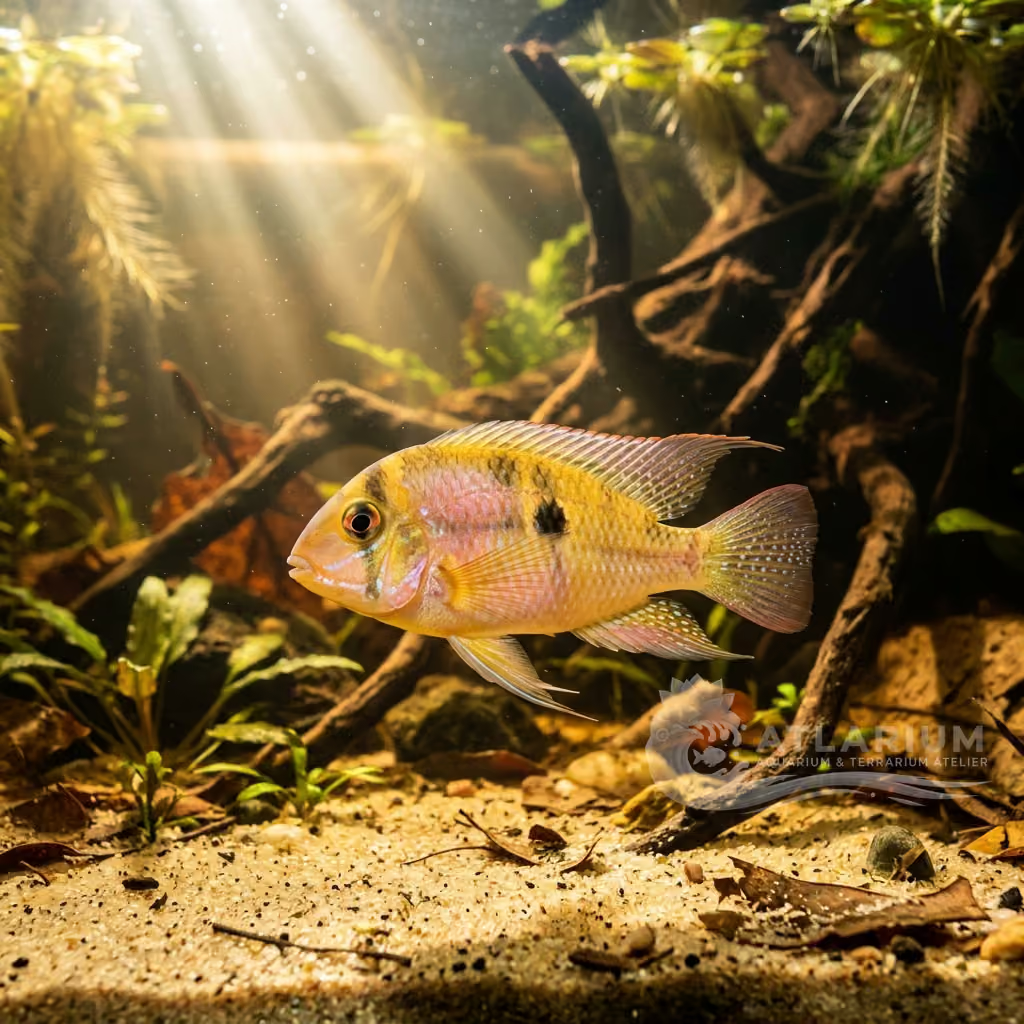
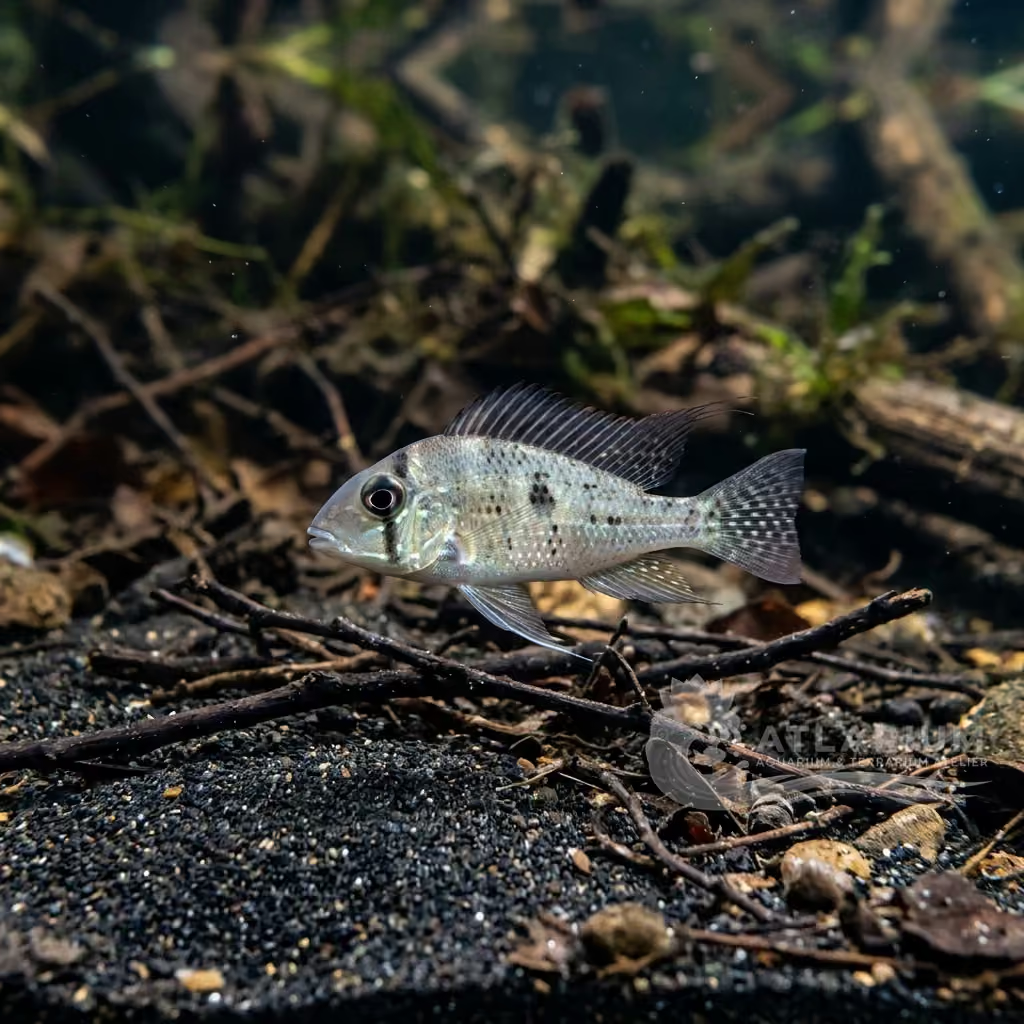
The peculiar and elusive 'Double-spot Acara' (15 cm). An elusive species for enthusiasts of the Aequidens genus. Contrary to the name, the Aequidens pallidus sports a refined silvery-greenish iridescence, broken only by two unmistakable black spots on the flank. It is a moderately tranquil cichlid, ideal for recreating biotopes of the Rio Negro basin without the extreme neuroses of the Symphysodon.
Water Temperature
24 - 28 °C
pH Value
5.5 - 7.2
Water type
Freshwater
Tank level
Bottom and middle
Adult size
16 cm
Minimum tank volume
>= 180 L
Minimum group
>= 1
GH
1 - 12 dGH
KH
1 - 6 dKH
TDS
25 - 240 ppm
Conductivity
39 - 375 uS/cm

Species description
Geographical Origin and Habitat: Widely distributed in the Amazon River Basin (Brazil and Peru) and the upper Rio Negro. Thrives in black and clear water habitats, often taking shelter in slow-flowing marginal areas thick with roots and fallen foliage.
Taxonomy and Morphology: Double-spot Acara (Aequidens pallidus). The name "pallidus" (pale) refers to the neutral background color in stark contrast with its unmistakable two black spots ("Double-spot"), one on the flank and one at the base of the tail.
Social Behavior: Ranked among the most tolerant Acaras. Shows a placid "observer" behavior, moving gracefully. Aggressiveness explodes and strictly narrows only around the nest area during spawning.
Coloration and Sexual Dimorphism: Iridescent gray or beige background adorned with faint horizontal lines and the marked "Double-spot". Fins tinged with blue and pink. Adult males sport classic pointed and filamentous terminations on the dorsal and anal fins, in addition to larger dimensions.

Care, breeding and tankmates
Aquarium Setup: A 100 cm (40 inches) aquarium is sufficient for a pair. They prefer darkened and "naturalistic" layouts with a soft sand bottom (for foraging) and plenty of robust and floating vegetation. Flat horizontal stones are necessary as a potential breeding site.
Diet and Feeding: Accommodating omnivore. Promptly consumes cichlid flakes and microgranules, but its condition flourishes only with a strong intake of mosquito larvae, bloodworms, tubifex and brine shrimp, supplemented by spirulina.
Water Quality: Strongly appreciates dissolved tannins (Catappa leaves or peat extracts) that keep the pH at weakly acidic values (5.5 - 7.2) and the water amber-colored. Water flow preferably gentle or moderate.
Compatibility and Cohabitation: One of the best Cichlids for medium-small sized "South American Communities". Perfect with schools of Rummy-noses, Hatchetfish, and robust bottom fish like Brochis or Ancistrus. Never pair with aggressive digging cichlids.
Aquarium Breeding: Relatively easy if water conditions are immaculate. The female lays eggs (100-200) on smooth stones. Both parents are formidable "biparental" guardians, and parental care lasts for weeks.
Risks and Diseases: Its shy nature makes it an easy target for bullying in overpopulated tanks. It is prone to health deterioration (lethargy and fading of colors) if deprived of vertical hiding places.

Geographic origin and distribution
Widely distributed in the Amazon River Basin (Brazil and Peru) and the upper Rio Negro. Thrives in black and clear water habitats, often taking shelter in slow-flowing marginal areas thick with roots and fallen foliage.
Origin
Amazon, Orinoco, and Guianas

Fish profile
- Temperament
- Semi-aggressive
- Aequidens pallidus exhibits a territorial temperament, which is typical for South American cichlids of its size. While they are generally peaceful toward non-competing tank mates that do not fit in their mouths, they will aggressively defend their designated territories, especially from conspecifics. Their territorial behavior intensifies significantly during pre-spawning and breeding phases, when a pair will actively drive away any intruders. Providing ample visual barriers like rocks and wood helps establish territories and reduces aggression in the community.
- Diet
- Omnivore
- In their natural habitat, Aequidens pallidus is an omnivorous species with a strong carnivorous preference, feeding on insects, larvae, small crustaceans, worms, and small fish. In the home aquarium, they are not fastidious eaters and will readily accept high-quality dry pellets, flakes, and frozen foods like bloodworms, brine shrimp, and Mysis. It is highly beneficial to supplement their diet with occasional vegetable-based foods to ensure balanced nutrition and digestive health. Offering a varied diet helps maintain their vibrant coloration and overall vitality.
- Life expectancy
- 8-10 years
- Adult size
- 16 cm
- Sex ratio
- 1:1 ratio
- Aequidens pallidus is best kept in bonded pairs (a 1:1 ratio of one male and one female) or in small groups when young to let them pair off naturally. Males can be aggressive and highly territorial toward other males of the same species, making a single male-female pair the most stable arrangement in a standard tank setup. If kept in a larger group, a very spacious aquarium with distinct territorial boundaries is required to prevent continuous fighting. Stocking them without a balanced ratio or in overcrowded conditions will lead to severe stress and territorial conflicts.
- Feeding frequency
- Twice daily
- Adult Aequidens pallidus should be fed once or twice a day, providing only what they can consume within a couple of minutes to prevent overfeeding and water pollution. Younger, growing individuals require more frequent feedings, typically two to three times daily in smaller portions to support their rapid development. It is advisable to establish a consistent feeding schedule and occasionally implement a fasting day once a week for adults to clear their digestive systems. Monitoring their feeding behavior closely helps adjust portion sizes and maintain excellent water quality.
- Bioload
- Medium to High
- Aequidens pallidus has a medium-high biological load due to its relatively large adult size, which can reach up to 15 to 20 cm, and its active metabolism. As a result, they generate a significant amount of waste, requiring a robust filtration system, preferably canister-style filters, to maintain low nitrate levels. Regular weekly or bi-weekly water changes of 20% to 30% are essential to prevent the buildup of organic compounds and keep the aquatic environment pristine. Proper tank maintenance ensures these cichlids do not suffer from stress caused by poor water parameters, to which they are highly sensitive.
- Flow
- Stagnant
- Native to both slow-moving forest streams and faster running rivers in the Amazon basin, Aequidens pallidus prefers a weak to moderate water flow in the aquarium. High-velocity torrents can exhaust the fish and cause unnecessary stress, while completely stagnant water can lead to poor oxygenation. The ideal setup involves a filter return that creates a gentle current across the tank, coupled with calmer spots created by decor where the fish can rest. Proper circulation ensures adequate oxygenation and mimics their natural habitat without forcing them to struggle against a harsh flow.
- Jump risk
- Yes
- Although Aequidens pallidus is not considered an active surface jumper, it poses a moderate jump risk, especially when startled, chased by tank mates, or during night-time disturbances. Cichlids of this size are powerful swimmers and can easily leap out of an open-topped aquarium if they panic. Therefore, a secure, tight-fitting lid or cover slides are highly recommended to prevent accidental escapes. Providing floating plants and dense vegetation can also help reduce light intensity, making the fish feel more secure and less prone to jumping.
- Reproduction
- Oviparous
- Reproduction of Aequidens pallidus in captivity is rarely documented and remains a challenge due to their sensitivity and wild-caught nature. They are open substrate spawners, typically choosing a flat rock, leaf, or piece of driftwood that has been meticulously cleaned by both parents. After fertilization, the pair displays highly protective parental care, guarding the eggs and subsequent fry from any potential threats. To encourage spawning, keepers must provide soft, acidic water, stable temperatures, and high-quality live foods. Spawning pairs become highly aggressive towards other tank mates and are best moved to a dedicated breeding tank.
- Compatibility & tankmates
- With caution
- Aequidens pallidus is suitable for community tanks with robust, medium-sized tank mates of similar temperament, such as larger tetras, barbs, Loricariid catfishes, and other peaceful to moderately assertive South American cichlids. Very small or slender fish should be avoided, as they will likely be treated as prey by mature specimens. Slow-moving or overly passive species may be intimidated by the Acara's active and territorial nature. To ensure compatibility, provide a spacious aquarium with plenty of decor to break up lines of sight and establish clear boundaries between territories.
- Tank level
- Middle/Bottom
- This species primarily occupies the bottom and middle zones of the aquarium, where they spend their time foraging and establishing nesting territories. They prefer environments with plenty of structure, such as driftwood, rocks, and leaf litter, which they explore for food. While they may occasionally swim to the upper levels during during feeding, they generally remain near the substrate or mid-water shelters. Ensuring the lower half of the aquarium is well-decorated with hiding places is critical for their security and natural behavior.

Scientific Parameters & Models
FishBase
Window to the official scientific data of the species
FishBase v25.04Data synced on: 06/15/2026
- Trophic level
- 3.2 ± 0.5 se
- Resilience
- Medium (1.4 - 4.4 years)
- Phylogenetic uniqueness (PD50)
- 0.5
- Bayesian Length-Weight
- a = 0.02291, b = 3.17
- VulnerabilityLow vulnerability (10 / 100)

Related species
Recommendations grouped by close relatives, companion choices, and similar care.