Two-Stripe Dwarf Cichlid
Apistogramma bitaeniata
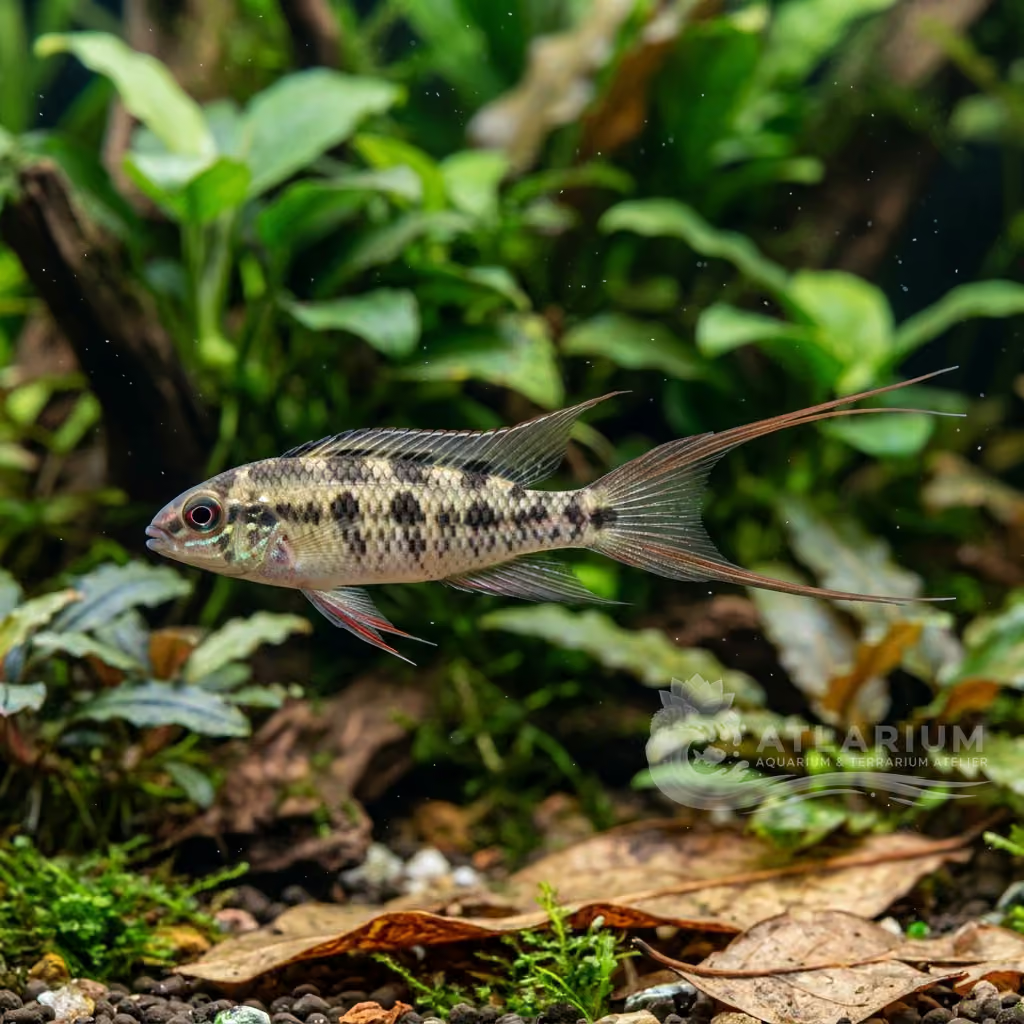
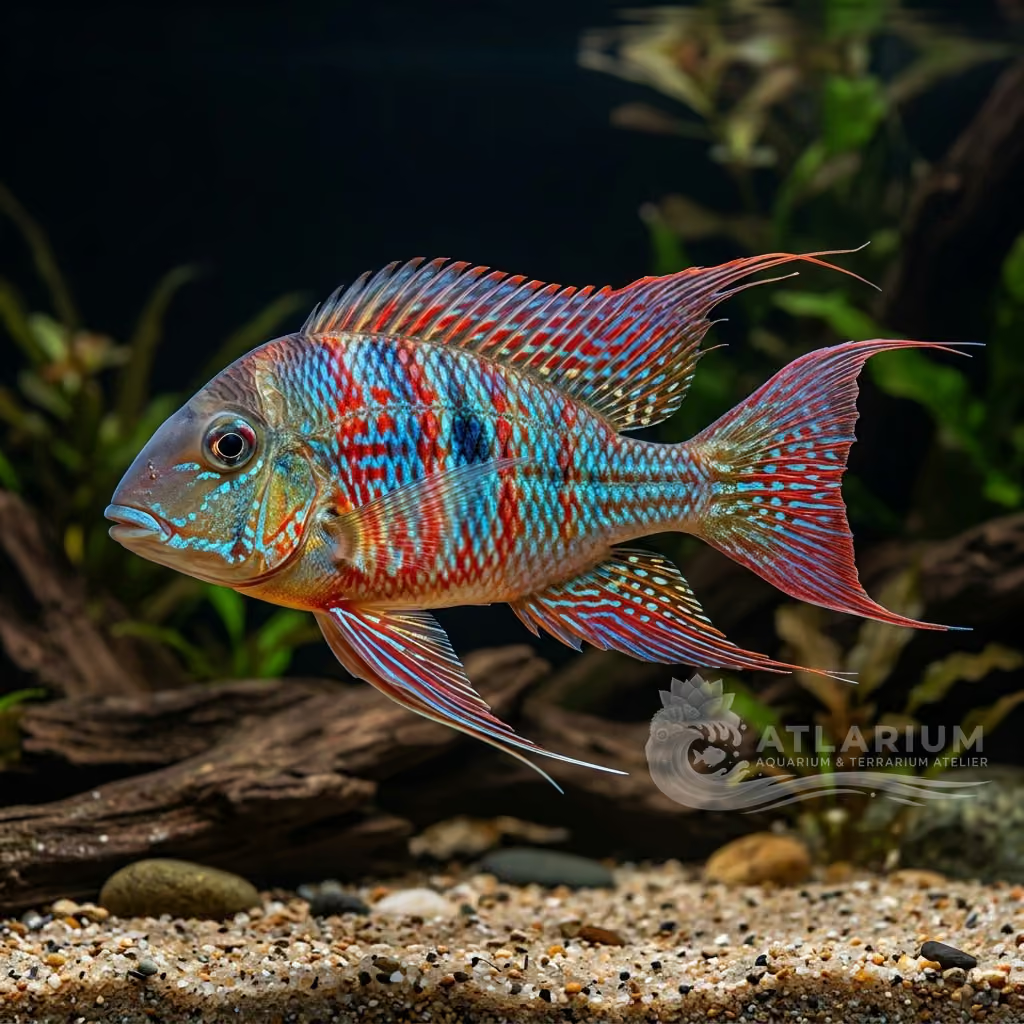
The 'dragon-crested' Apisto. An elongated dwarf cichlid where the male sports a stunning lyre-tail and huge spiky dorsal extensions. Requires a carefully planned harem setup and pristine water to prevent fin rot.
Water Temperature
22 - 28 °C
pH Value
5 - 6.5
Water type
Freshwater
Tank level
Bottom and middle
Adult size
7.5 cm
Minimum tank volume
>= 100 L
Minimum group
>= 1
GH
1 - 8 dGH
KH
1 - 4 dKH
TDS
25 - 160 ppm
Conductivity
39 - 250 uS/cm

Species description
Geographical Origin and Habitat: Widely distributed in the upper Amazon basin (Peru, Colombia, Brazil). Lives almost exclusively in the shallow, calm and dark (Blackwater) margins of forest oxbow lakes clogged with roots and thick layers of leaf litter.
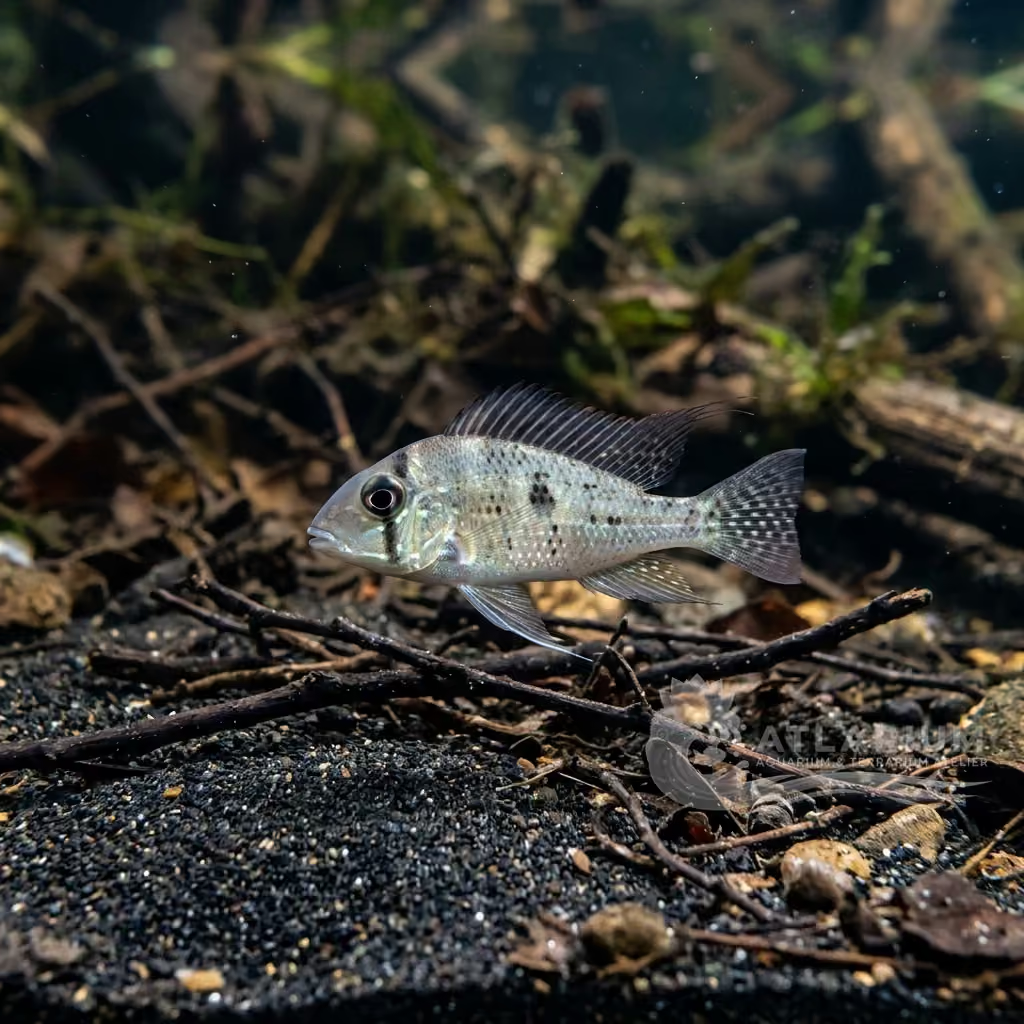
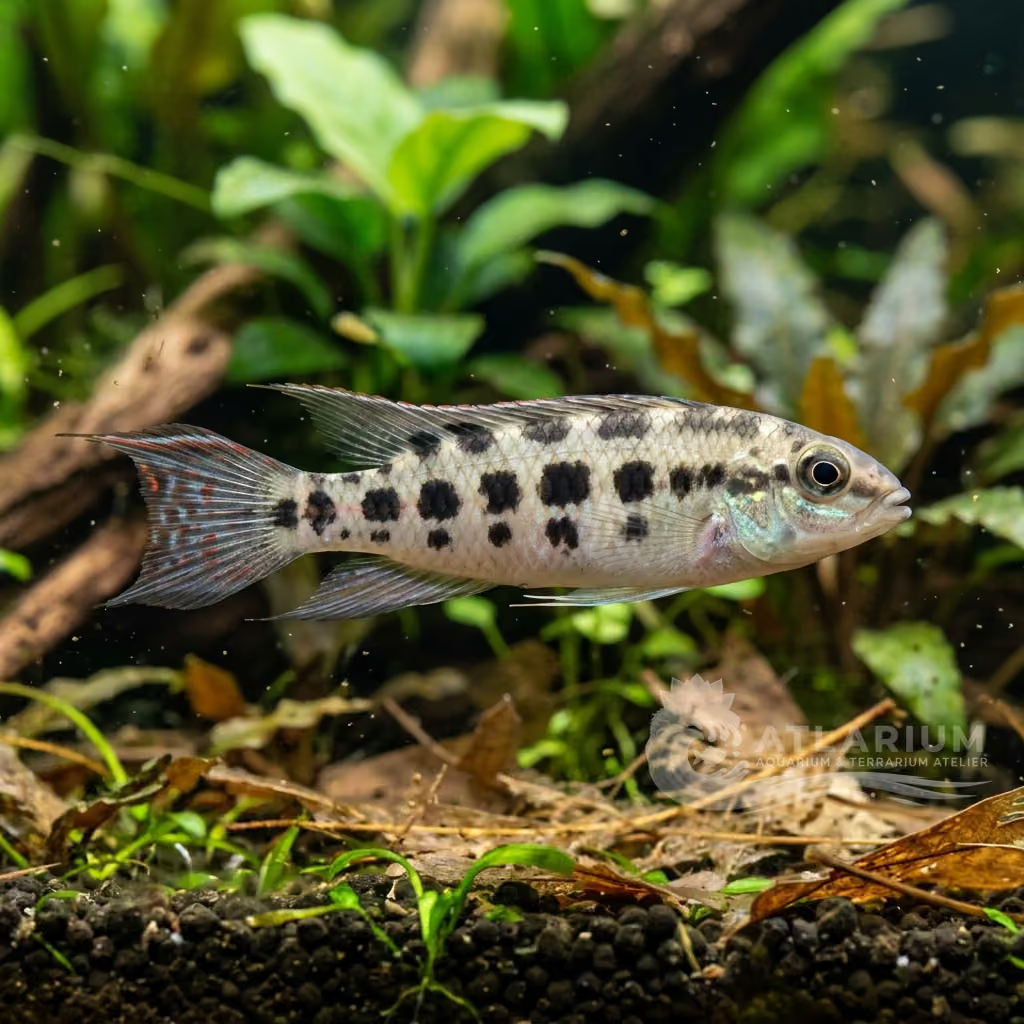
Taxonomy and Morphology: Two-stripe Dwarf Cichlid (Apistogramma bitaeniata). Thin, low and notably elongated silhouette. The male is distinguished by the extended and pointed prolongations of the very first rays of the dorsal fin and a distinctly "lyre" shaped tail.
Social Behavior: Strongly polygamous. The male guards a boundless space, hosting inside it several females in respective sub-territories. In limited tanks it is less bellicose than other apistogramma, but is prone to stress if intimidated.
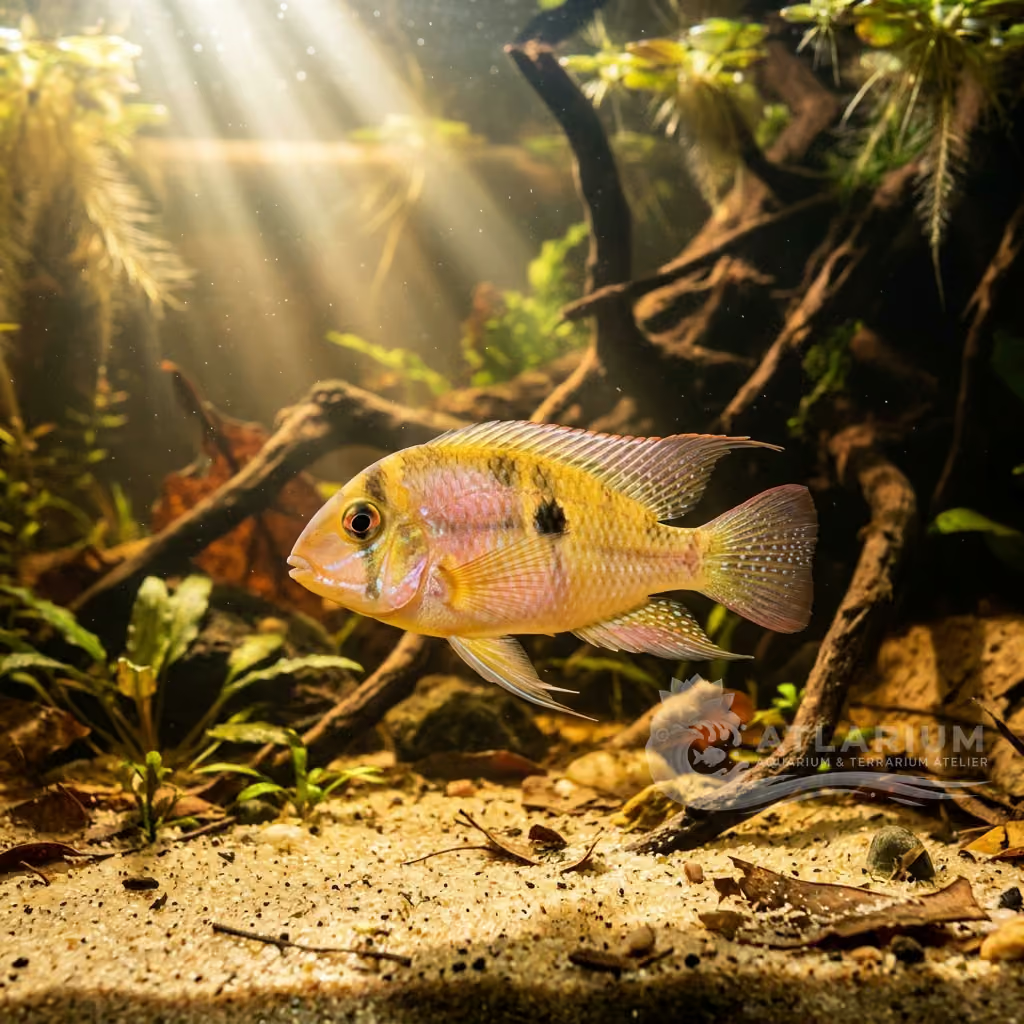
Coloration and Sexual Dimorphism: The male livery (in natural morphs) veers between bright orange, blue and purple, cut by TWO marked and distinctive longitudinal black lines ("bi-taeniata"). The female sports short fins and, under stress or brooding, wears a blinding ocher-yellow dress.

Care, breeding and tankmates
Aquarium Setup: 100 cm (40 inches) tank essential to guarantee a peaceful harem. Amber water through alder cones and peat. Very soft light to simulate the shadows of the jungle, abundance of blind coconut crevices and sandy bottom.
Diet and Feeding: Leaf-litter micro-predator. Tirelessly nibbles the resident microfauna in the decaying leaves. Base tank diet of invertebrates: live daphnia, brine shrimp, moina and red bloodworms. Purely dry diets are to be strictly avoided.
Water Quality: Absolutely uncompromising. Survives decently only in soft (GH 1-5) and distinctly acidic (pH 5.0-6.0) waters. A minimal accumulation of nitrogenous residues rapidly inhibits the immune system, leading to gill ulcerations.
Compatibility and Cohabitation: Needs companions swimming in mid-water or surface, of small size, to give it courage (Carnegiella, Nannostomus). The insertion with robust dwarf cichlids like the Ramirezi would relegate them perennially in a dark corner.
Aquarium Breeding: Complicated. Occurs exclusively in very acidic water hyper-filtered over peat. The female attaches 40-60 upside-down eggs to the roofs of caves; the fry, tiny at birth, require live infusoria or Paramecia for the first 4 days, ignoring brine shrimp nauplii.
Risks and Diseases: Intolerant to alkaline and chlorinated waters: the kidneys collapse in a few weeks in hard tap water (dropsy). The offspring born in waters with pH above 6.5 is formed almost entirely of sterile males.

Geographic origin and distribution
Widely distributed in the upper Amazon basin (Peru, Colombia, Brazil). Lives almost exclusively in the shallow, calm and dark (Blackwater) margins of forest oxbow lakes clogged with roots and thick layers of leaf litter.
Origin
Amazon, Orinoco, and Guianas

Fish profile
- Temperament
- Semi-aggressive
- This dwarf cichlid is generally peaceful and well-behaved, making it suitable for community setups containing small, non-aggressive fish. However, they are territorial by nature, and males will defend their chosen areas against other males of the same species. During the spawning period, their behavior changes significantly as both parents, particularly the female, become highly protective of their eggs. The female can turn hyper-aggressive toward the male and other tankmates while guarding her offspring.
- Diet
- Omnivore
- Apistogramma bitaeniata is primarily carnivorous and feeds mainly on benthic invertebrates in its natural habitat. In captivity, they should be offered a varied diet rich in live and frozen foods such as brine shrimp (Artemia), Daphnia, and bloodworms to maintain optimal health and coloration. While some captive-bred individuals will accept high-quality dry pellets or flakes, wild-caught specimens can be very picky and may refuse dry food initially. Providing high-quality nutrition is essential to stimulate breeding behavior and enhance their natural pigments.
- Life expectancy
- 2-5 years
- Adult size
- 7.5 cm
- Sex ratio
- Harem
- In captivity, Apistogramma bitaeniata can be successfully kept as a single pair or in a harem consisting of one male and several females. If maintaining a harem, the aquarium must be sufficiently large and well-structured with plenty of caves and visual barriers. This setup allows each female to establish her own territory and reduces male harassment. In smaller tanks, keeping a single pair is the safest approach to prevent excessive territorial conflict.
- Feeding frequency
- Twice daily
- It is recommended to feed Apistogramma bitaeniata once or twice daily in small portions that they can consume within a few minutes. Overfeeding should be strictly avoided, as uneaten food will quickly degrade water quality and increase harmful nitrates. Providing multiple small feedings of live or frozen foods is especially beneficial when conditioning them for breeding. Varying the food types throughout the week ensures they receive a balanced intake of nutrients and prevents digestive issues.
- Bioload
- Low to Medium
- Apistogramma bitaeniata has a relatively low physical bioload due to its small size, but it is highly sensitive to organic waste. They require pristine water conditions with low levels of nitrates to thrive, meaning their filtration needs are moderate to high. A robust filtration system combined with weekly water changes of 10-15% is essential to prevent parameter fluctuations. The use of live plants and leaf litter can also help stabilize the tank's biology and support clean water.
- Flow
- Stagnant
- In nature, Apistogramma bitaeniata inhabits slow-moving tributaries, backwaters, and small creeks where water movement is minimal. Consequently, they prefer weak water flow in the aquarium, as strong currents can stress them and exhaust their energy. High flow rates also disrupt the calm zones they need for establishing territories and depositing eggs. Using a sponge filter or adjusting the outflow of a canister filter to create gentle circulation is highly recommended for their well-being.
- Jump risk
- Yes
- Apistogramma bitaeniata carries a moderate risk of jumping, particularly when startled, stressed, or during breeding pursuits. In their natural habitat, they may jump to escape predators in shallow waters, a behavior they retain in captivity. To prevent unfortunate escapes, a tight-fitting cover or lid on the aquarium is highly recommended. Providing ample hiding spots and floating plants will also help the fish feel secure, reducing the likelihood of jump-inducing panic.
- Reproduction
- Oviparous
- Breeding Apistogramma bitaeniata is moderately challenging and requires soft, highly acidic water with a pH between 4.5 and 6.0. They are cave spawners, with the female depositing her eggs on the ceiling of a cave, flowerpot, or under driftwood. After spawning, the female takes full responsibility for guarding the eggs and fry, often displaying extreme aggression. In smaller setups, it is usually necessary to temporarily remove the male to protect him from the female's parental hostility.
- Compatibility & tankmates
- Peaceful
- Captive-bred specimens of Apistogramma bitaeniata are suitable for community aquariums alongside small, peaceful species like neon tetras, pencilfish (Nannostomus), and peaceful bottom-dwellers like Corydoras. However, wild-caught specimens are best kept in a species-specific tank or with very small dither fish. Mixing them with other Apistogramma species should be avoided to prevent aggressive territorial battles and accidental hybridization. Large or aggressive fish should also be excluded, as they will easily stress or prey upon these delicate dwarf cichlids.
- Tank level
- Middle/Bottom
- This species is primarily a bottom-dweller, spending most of its time near the substrate and among low-lying decorations. They frequently explore caves, driftwood crevices, and leaf litter in search of food or shelter. Occasionally, they will venture into the middle levels of the water column, especially during feeding or when interacting with tankmates. However, the upper level of the tank is rarely utilized unless the fish is stressed or searching for oxygen.

Scientific Parameters & Models
FishBase
Window to the official scientific data of the species
FishBase v25.04Data synced on: 06/15/2026
- Trophic level
- 3.3 ± 0.4 se
- Resilience
- Low (4.5 - 14 years)
- Phylogenetic uniqueness (PD50)
- 0.5
- Bayesian Length-Weight
- a = 0.01905, b = 2.95
- VulnerabilityLow vulnerability (10 / 100)

Related species
Recommendations grouped by close relatives, companion choices, and similar care.