Inka Dwarf Cichlid or Inka 50
Apistogramma baenschi
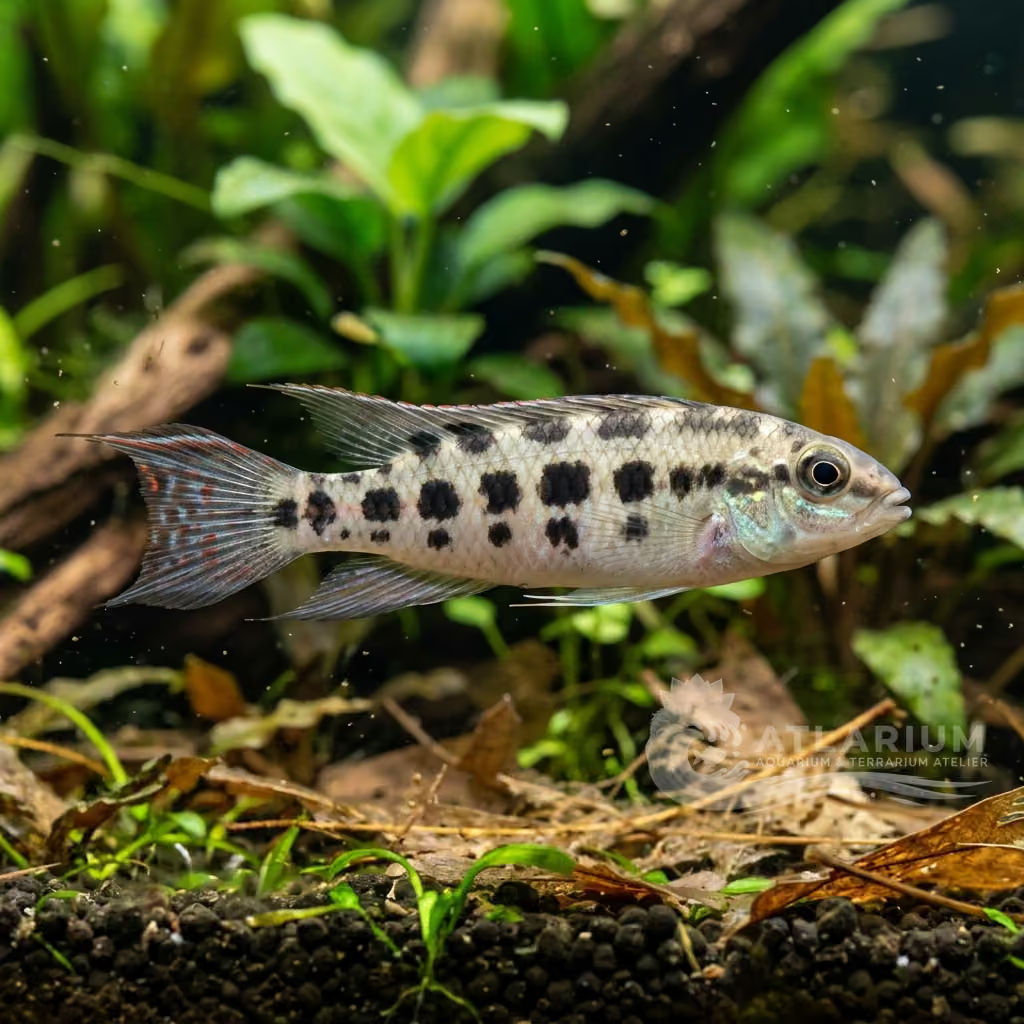
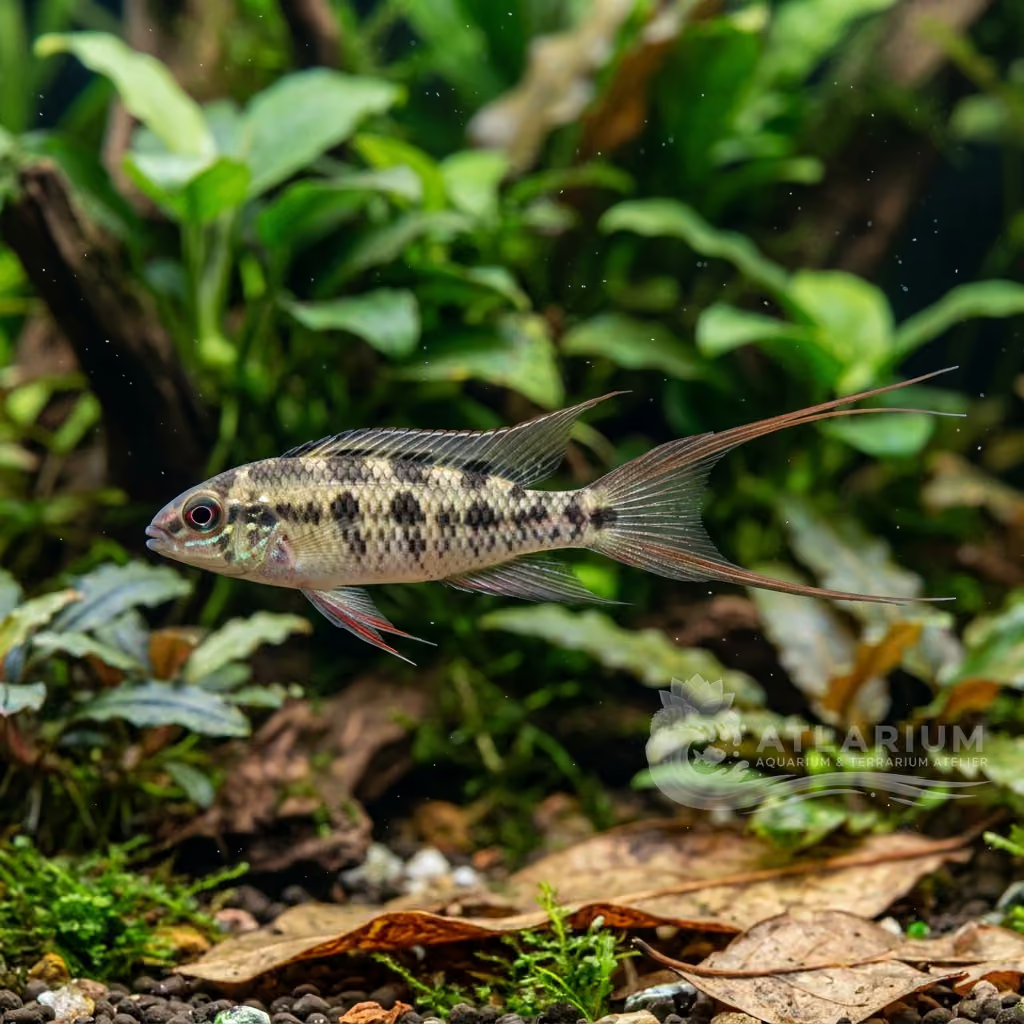
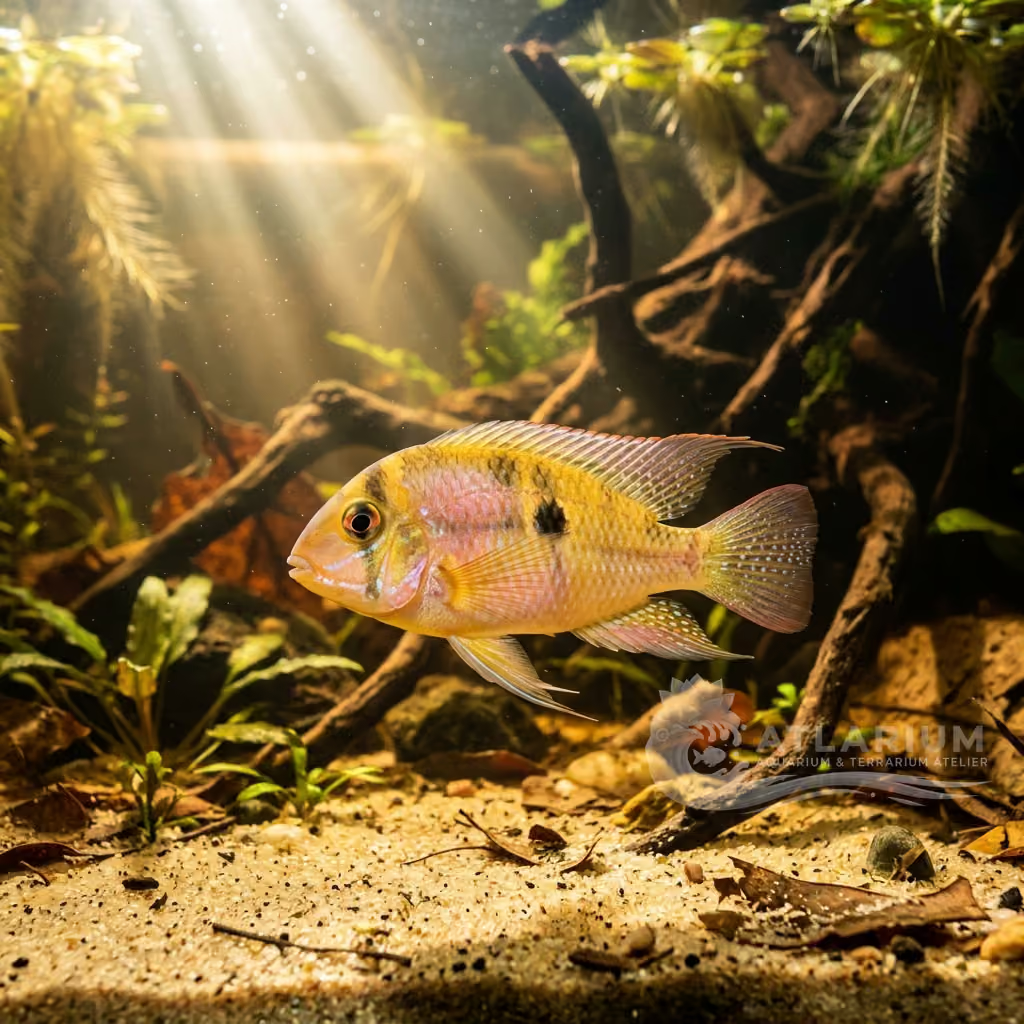
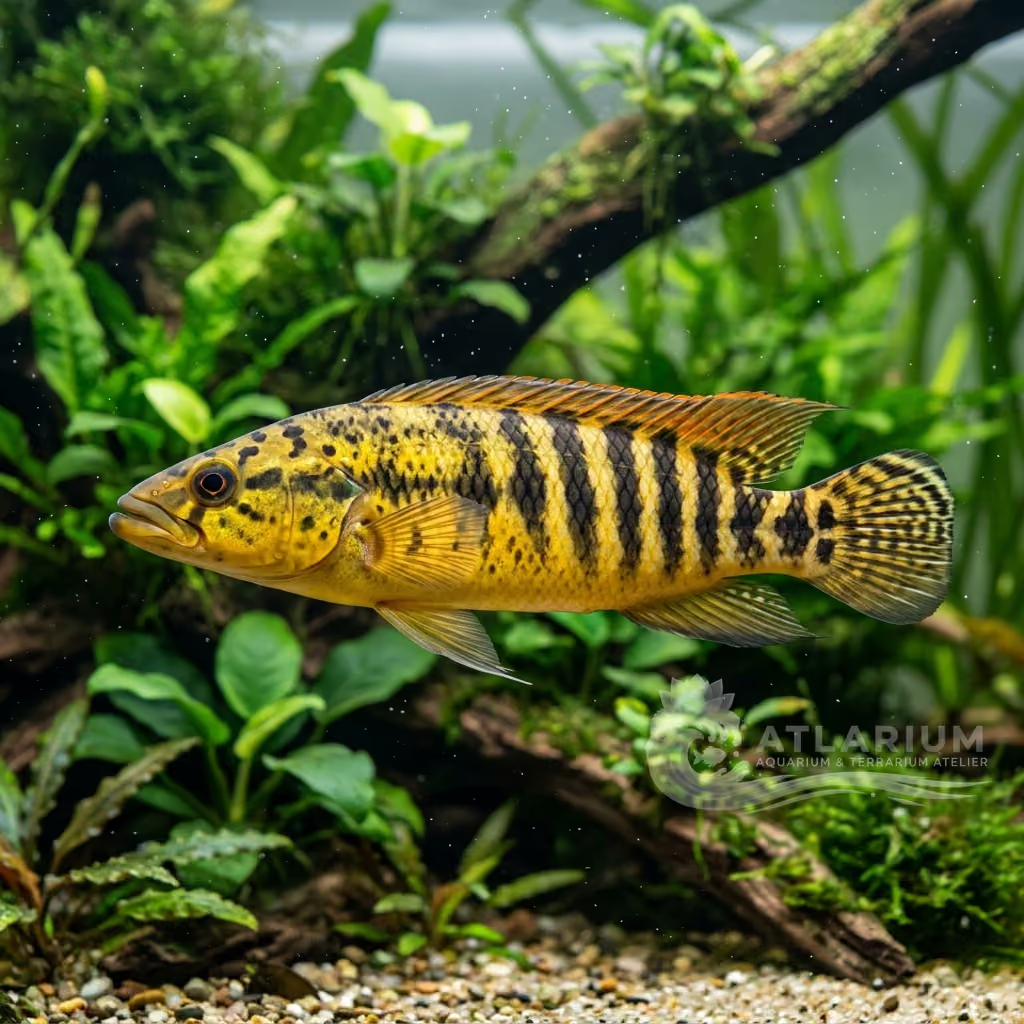
The magnificent 'Inka Cichlid' or 'Inka 50' (5-7 cm). An astounding Peruvian discovery from the early 2000s, the Apistogramma baenschi is one of the most striking dwarfs in the world. It is the perfect (evolutionary) hybrid between the Nijsseni and the Cacatuoides: it shows off a robust and armored bluish build, the frightening and erectile serrated dorsal fin of the Cacatuoides, flaming with orange and blue, and an enormous fan-shaped tail edged in intense crimson red. As in the Nijsseni group, the yellow female shows off the spotted "Panda" pattern. Brawling in a pair and moderately fragile in hard water, it is the Holy Grail of South American acidic clearwater biotopes.
22 - 26 °C
4.5 - 6.5
Freshwater
Bottom and middle
6 cm
>= 100 L
>= 1
1 - 5 dGH
1 - 2 dKH
25 - 95 ppm
39 - 148 uS/cm

Species description

Care, breeding and tankmates

Geographic origin and distribution
Origin

Fish profile
- Temperament
- Semi-aggressive
- Apistogramma baenschi is generally peaceful toward unrelated species but exhibits semi-aggressive, territorial behavior toward conspecifics, particularly during breeding. Males will aggressively defend their territory against rival males, and females become highly protective of their spawning caves. In a well-structured aquarium with clear visual boundaries, territorial aggression is easily managed. They should not be housed with highly aggressive or large fish that may view them as prey, nor with very boisterous tankmates that could stress them.
- Diet
- Omnivore
- As carnivores, Apistogramma baenschi require a protein-rich diet to thrive and display their best colors. In captivity, they eagerly accept high-quality live and frozen foods such as baby brine shrimp, daphnia, bloodworms, and artemia. While some individuals can be trained to accept high-quality dry foods, flakes, or micro-granules, these should not be the sole source of nutrition. Providing a diverse diet is essential for stimulating natural foraging behaviors and preparing them for successful breeding.
- Life expectancy
- 3-5 years
- Adult size
- 6 cm
- Sex ratio
- Harem
- In aquariums, Apistogramma baenschi can be kept successfully in bonded pairs (1:1 ratio) or in harems consisting of one male and multiple females. A harem setup requires a larger aquarium with a generous footprint and distinct physical barriers to allow each female to establish her own territory. For beginners, a single compatible pair in a smaller, dedicated tank is often easier to manage and reduces potential inter-female aggression. If multiple females are kept, providing ample visual barriers and caves is crucial to disperse territorial behavior.
- Feeding frequency
- Twice daily
- It is recommended to feed Apistogramma baenschi once or twice daily in small portions that they can consume within a few minutes. Overfeeding should be strictly avoided, as excess food will quickly degrade the water quality and increase harmful nitrates. For juveniles or breeding pairs, feeding twice a day with nutrient-dense live foods helps support growth and egg development. Regular fasting for one day a week can also be beneficial to help clear their digestive tract and maintain long-term health.
- Bioload
- Low to Medium
- Apistogramma baenschi has a relatively low biological waste output due to its small physical size. However, because this species is highly sensitive to nitrogenous waste such as ammonia, nitrite, and nitrate, their filtration needs are moderate to high. Efficient biological filtration, such as a sponge filter or a Mattenfilter, is highly recommended to maintain pristine water quality. Regular partial water changes are essential to prevent the accumulation of waste and keep the fish healthy.
- Flow
- Stagnant
- Native to slow-moving forest streams and quiet tributaries, Apistogramma baenschi strongly prefers weak to very moderate water flow. Strong currents can easily exhaust these small fish and make it difficult for them to swim and feed comfortably. Using filtration systems that diffuse outflow, such as sponge filters, Mattenfilters, or canister filters with spray bars directed at the glass, is highly beneficial. Creating calm pockets within the aquarium with dense plants and driftwood helps replicate their natural, sheltered environment.
- Jump risk
- Yes
- Although Apistogramma baenschi is not a habitual surface-dwelling jumper, they do possess a moderate risk of jumping, especially when startled or chased during territorial disputes. Sudden movements outside the tank or aggressive interactions with tankmates can cause them to dart upward and leap out of the water. To prevent accidental escapes, a tight-fitting aquarium lid or screen cover is strongly recommended. Additionally, lowering the water level slightly and providing dense floating plants can help minimize the likelihood of them jumping.
- Reproduction
- Oviparous
- Apistogramma baenschi are cave spawners that show highly developed maternal care. To trigger breeding, they require soft, acidic water (pH 5.5–6.5, low hardness) and warm temperatures around 25–28°C (77–82°F), along with conditioning on live foods. The female will deposit her eggs on the ceiling of a chosen cave, turning bright yellow to signal her readiness and defend the site. While the female directly guards the eggs and fry, the male guards the outer territory, though he may need to be removed if the female becomes excessively aggressive toward him.
- Compatibility & tankmates
- With caution
- This dwarf cichlid is highly compatible with small, peaceful dither fish that occupy the upper and middle levels of the tank. Ideal tankmates include small tetras, pencilfish, hatchetfish, and peaceful catfish like Corydoras, though breeding pairs may chase bottom-dwellers away from their territory. They should not be kept with large, aggressive cichlids, nor with tiny ornamental shrimp which will likely be eaten. Providing a spacious, well-decorated tank is key to ensuring that all tankmates can coexist peacefully without territorial conflicts.
- Tank level
- Middle/Bottom
- This dwarf cichlid is predominantly a bottom-dwelling species that spends most of its time exploring the lower levels of the aquarium. They actively search the substrate for food, often sifting through sand and moving between leaf litter and caves. While they may occasionally venture into the middle water column to feed or interact, their primary activity and territory remain close to the bottom. Consequently, providing a sandy substrate and plenty of ground-level cover is vital for their comfort and natural behaviors.

Scientific Parameters & Models
Window to the official scientific data of the species
- Trophic level
- 3.4 ± 0.4 se
- Resilience
- Medium (1.4 - 4.4 years)
- Phylogenetic uniqueness (PD50)
- 0.5
- Bayesian Length-Weight
- a = 0.0182, b = 2.99
- VulnerabilityLow vulnerability (10 / 100)

Related species
Recommendations grouped by close relatives, companion choices, and similar care.