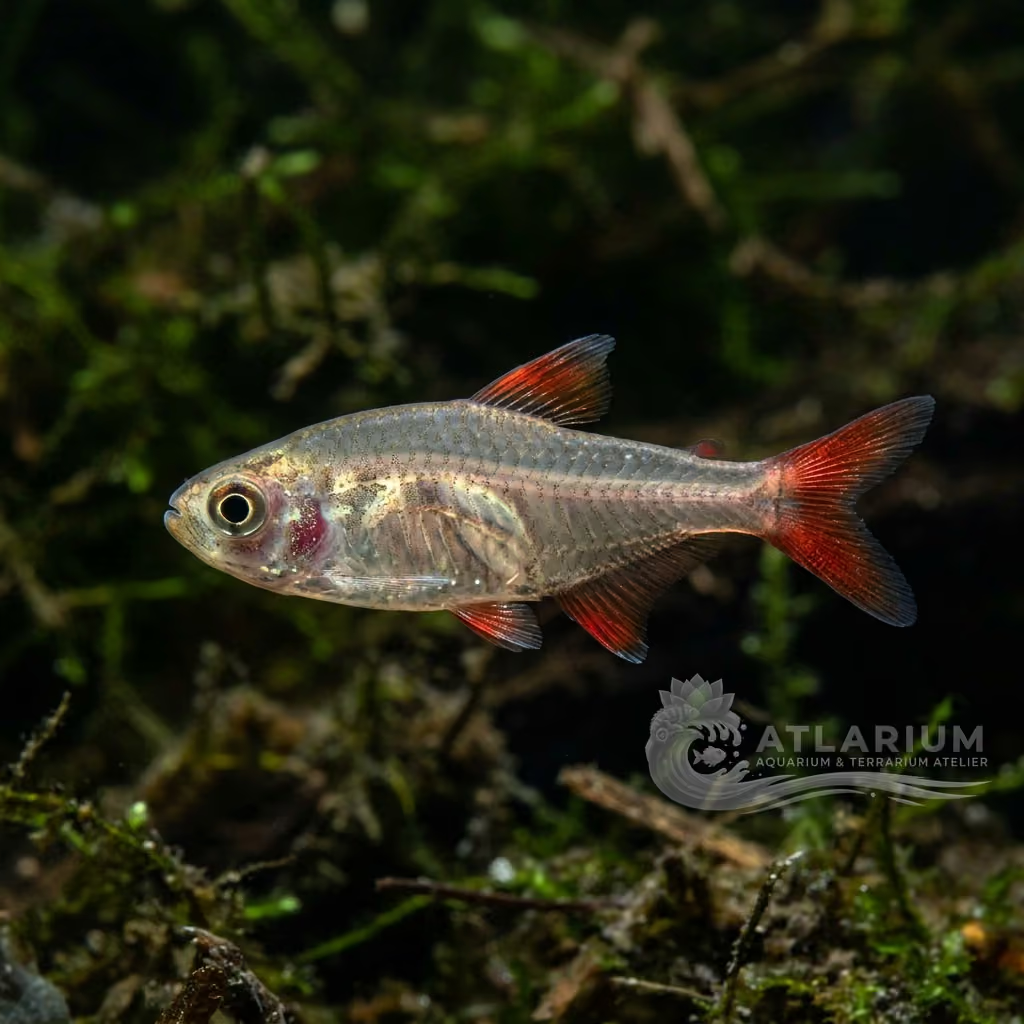
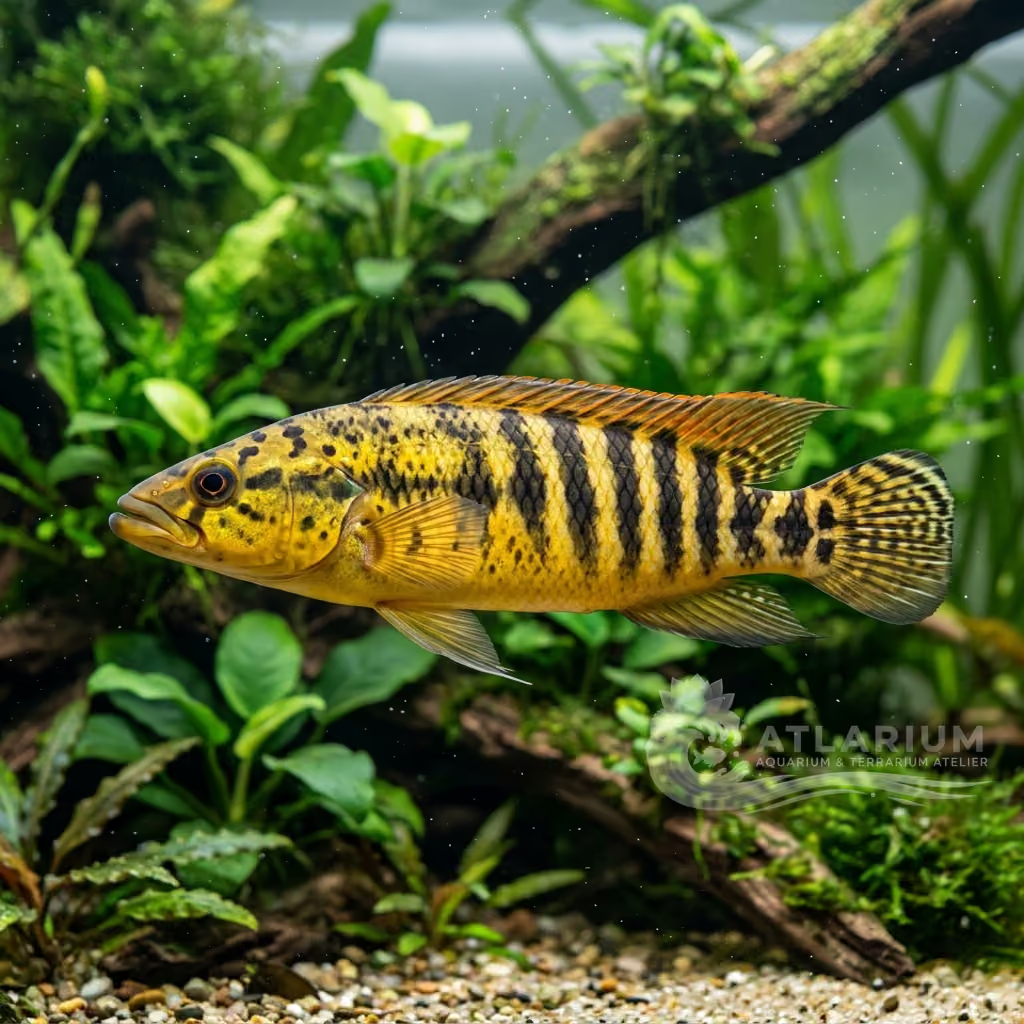
Panduro Dwarf Cichlid
Apistogramma panduro
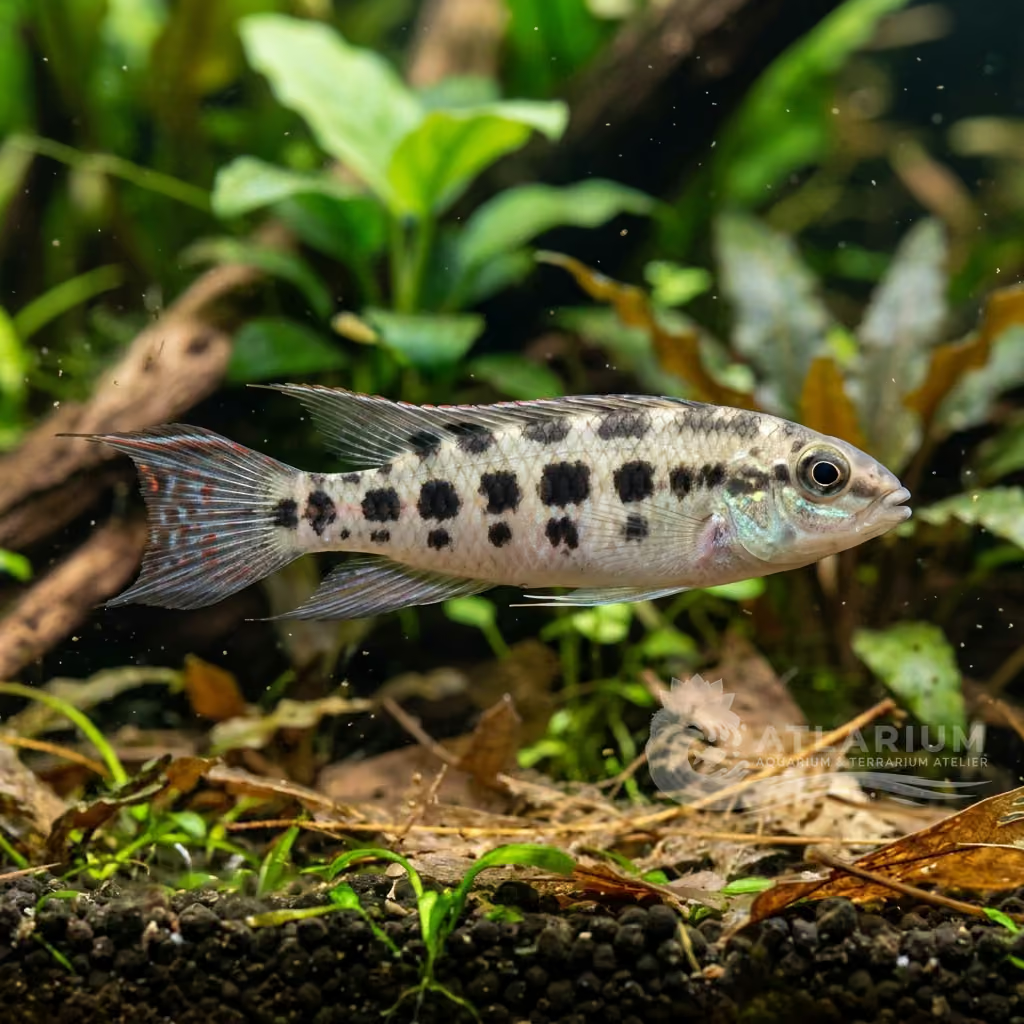
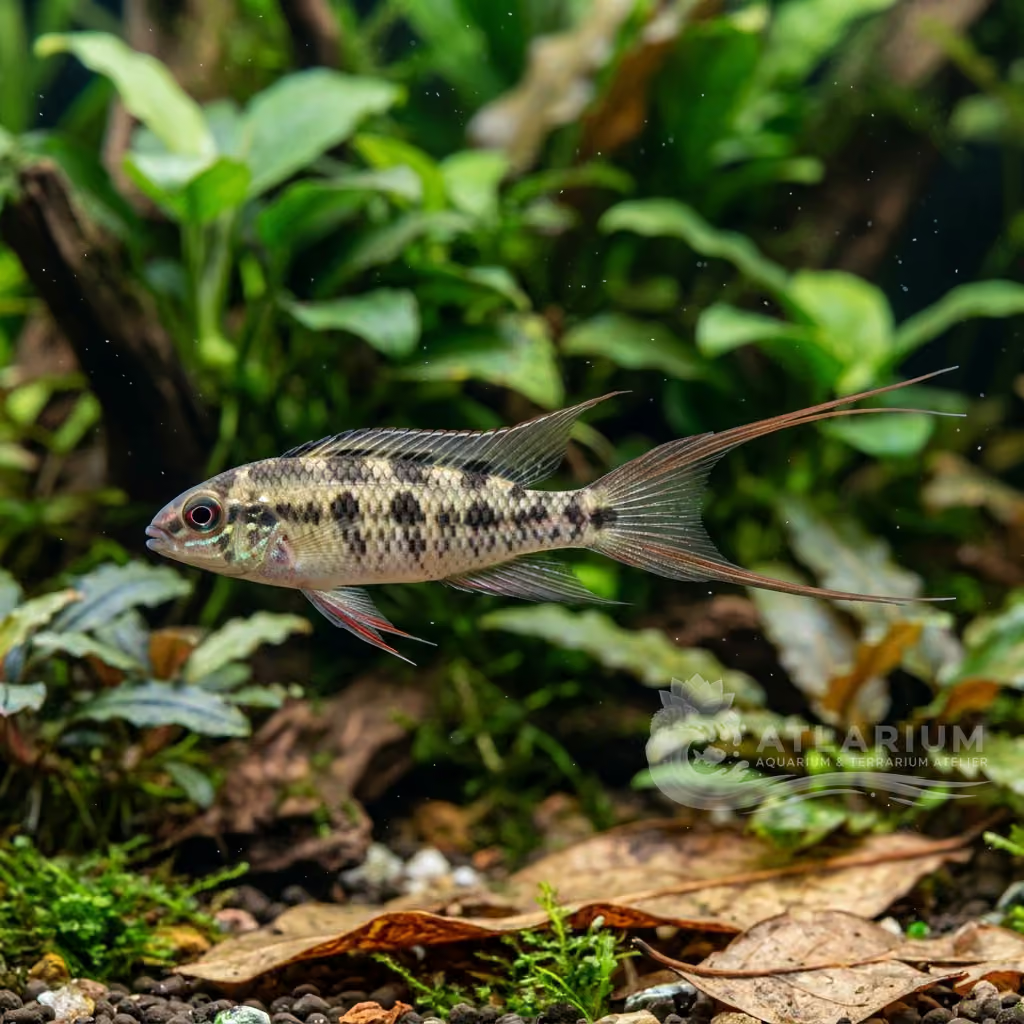
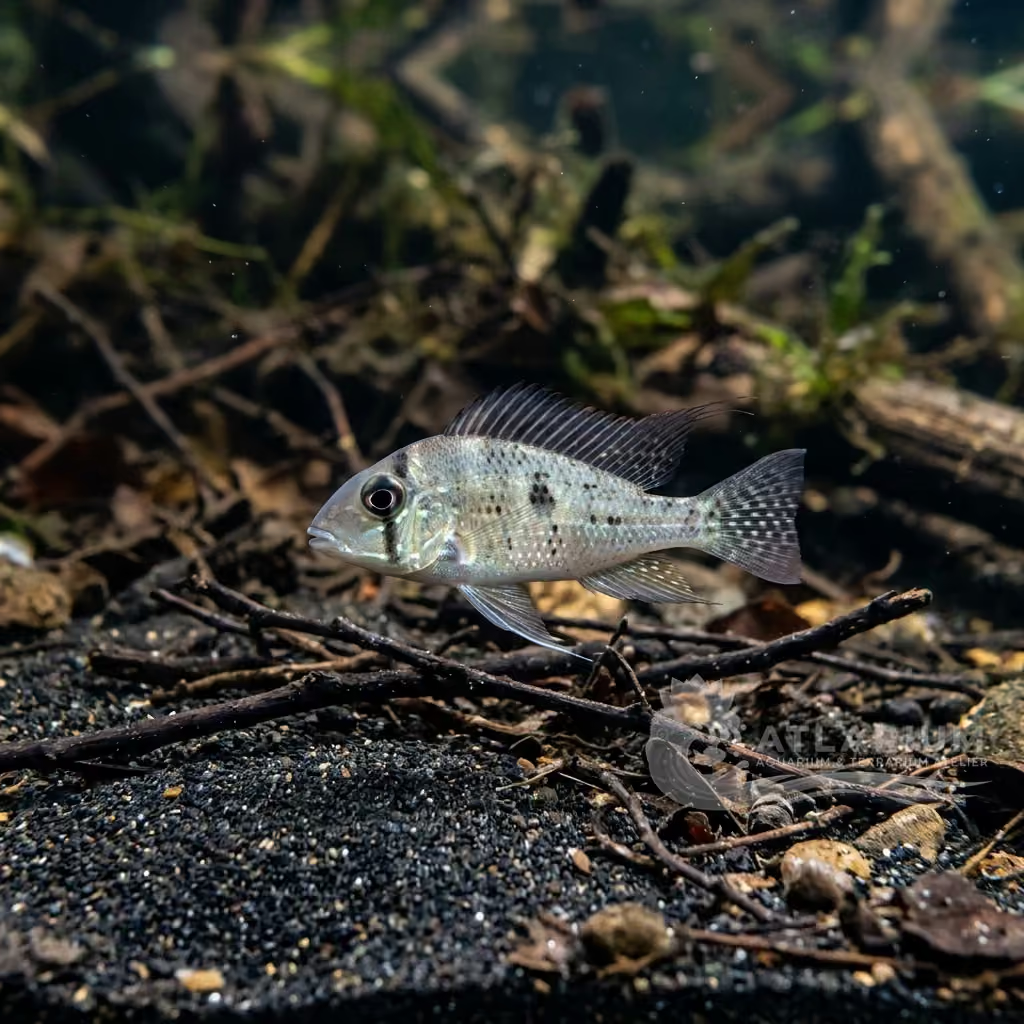
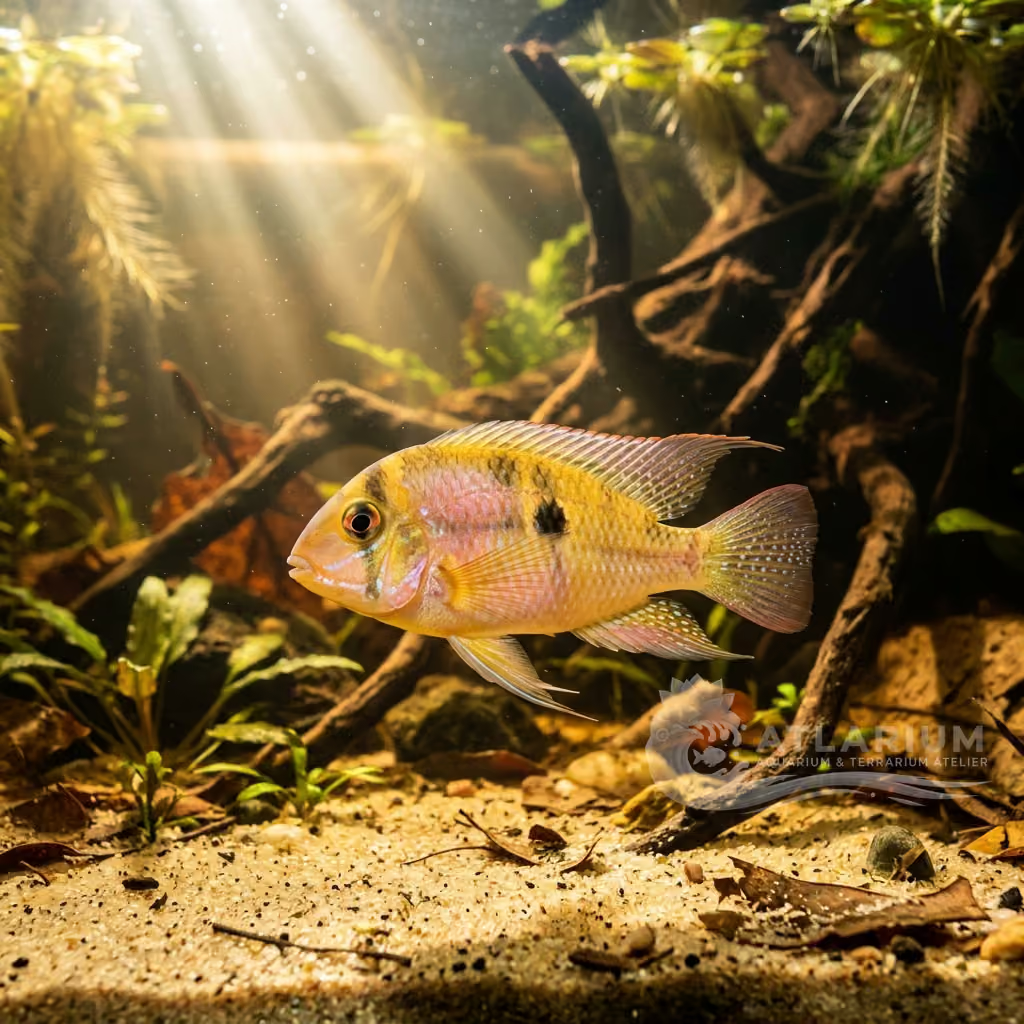
The hypnotic 'Panduro Cichlid' (5-7 cm). One of the most fascinating and widespread descendants of the Nijsseni complex, the Panduro partially corrects the immense chemical fragilities of the A. nijsseni while maintaining its spectacular ethology and structure. Corpulent males show off a superb iridescent light-blue mantle with a vibrating yellow-orange peduncle, edged by the same crimson red band on the tail. The tiny females (spotted Panda) replace the triple stamp of the Nijsseni with enormous asymmetric and irregular black plates. Fierce Peruvian monogamous breeder, it requires darkened tanks and soft waters, but shows greater tolerability to the careful beginner.
22 - 26 °C
5 - 6.5
Freshwater
Bottom and middle
7 cm
>= 100 L
>= 1
1 - 5 dGH
1 - 2 dKH
25 - 95 ppm
39 - 148 uS/cm

Species description

Care, breeding and tankmates

Geographic origin and distribution
Origin

Fish profile
- Temperament
- Semi-aggressive
- Apistogramma panduro is a territorial species that displays moderate aggression, particularly towards conspecifics and similar-looking cichlids. Outside of breeding, they are relatively peaceful toward non-territorial, upper-dwelling community tankmates. However, during spawning, the female becomes exceptionally protective and will aggressively defend her chosen cave and the surrounding area. To manage their territorial nature, it is crucial to divide the aquarium using plants, driftwood, and rocks to break lines of sight.
- Diet
- Omnivore
- In their natural habitat, these dwarf cichlids are chiefly carnivorous and feed on benthic invertebrates, insect larvae, and small crustaceans. In the aquarium, they thrive on a varied diet dominated by live or frozen foods such as brine shrimp, Daphnia, and bloodworms. While they will gradually learn to accept high-quality dry foods like sinking pellets, these should not be the sole basis of their nutrition. Feeding high-quality, protein-rich foods is especially important for conditioning pairs for breeding and maintaining their vibrant coloration.
- Life expectancy
- 2-5 years
- Adult size
- 7 cm
- Sex ratio
- 1:1 ratio
- Unlike many other cichlids in the genus, Apistogramma panduro forms strong, monogamous pair bonds rather than harem structures. For this reason, it is best to stock them in compatible male-female pairs (a 1:1 ratio) rather than keeping one male with multiple females. In smaller setups, keeping multiple females or males will lead to severe territorial conflict and stress. In very large aquariums with abundant hiding spaces, keeping a small group can be attempted, but close observation is necessary to prevent injuries.
- Feeding frequency
- Twice daily
- To replicate their natural foraging habits, Apistogramma panduro should be fed small portions once or twice daily. Providing small, regular meals helps satisfy their high metabolic rate while preventing the digestive issues associated with overfeeding. It is important to feed only what they can consume within a few minutes to avoid polluting the water, as they are sensitive to decaying organic matter. Fasting them for one day a week can also help keep their digestive system healthy.
- Bioload
- Low to Medium
- Apistogramma panduro is a small dwarf cichlid that produces a relatively low biological waste load due to its small physical size. However, they are highly sensitive to organic contaminants, ammonia, and nitrates, meaning their aquarium must be equipped with efficient biological filtration. A gentle filtration setup, such as a sponge filter or a baffled power filter, is ideal to keep the water clean without creating excessive current. Regular weekly water changes of 10% to 15% are highly recommended to prevent any buildup of harmful pollutants.
- Flow
- Stagnant
- Hailing from slow-moving streams, creeks, and backwaters of the Amazon basin, Apistogramma panduro prefers weak to moderate water flow. Strong currents can exhaust these small cichlids, causing chronic stress and making swimming difficult. Aquarists should use filters that distribute flow gently, such as sponge filters, or use spray bars and pre-filter sponges to baffle the outlet of power filters. Quiet, calm water zones created by dense planting and driftwood will give them comfortable resting areas.
- Jump risk
- Yes
- Although Apistogramma panduro typically stays near the bottom layers, they do possess a notable jumping risk when startled, chased by tankmates, or stressed by poor water quality. A tightly fitting lid or cover slides are essential additions to the tank to prevent accidental escapes. Aquarists should also ensure that floating plants and dense vegetation are present, as this natural cover reduces the fish's stress and makes them feel secure enough not to jump.
- Reproduction
- Oviparous
- Apistogramma panduro is a cave-spawning substrate breeder, with the female laying eggs on the ceiling or walls of a chosen cave or crevice. The female takes sole responsibility for the care of the eggs and fry, while the male guards the outer territory. In smaller breeding tanks, the female can become hyper-aggressive toward the male after spawning, often requiring his temporary removal to prevent injury. Successful breeding requires very soft, acidic water (pH 4.0 to 6.0) and a diet rich in live foods to condition the parents.
- Compatibility & tankmates
- With caution
- They are best kept as a single compatible pair or alone rather than with other cichlids or bottom-dwelling competitors. Ideal tankmates include small, peaceful dither fish like pencilfish (Nannostomus spp.) or quiet tetras that inhabit the middle and upper water columns. They should not be housed with aggressive, fast-moving species or large, territorial fish that could easily intimidate them. Combining them with other Apistogramma species is generally not recommended, as it can lead to intense fighting and hybridisation.
- Tank level
- Middle/Bottom
- This species is primarily bottom-oriented and will spend the vast majority of its time in the lower third of the aquarium. They actively explore substrate crevices, forage among leaf litter, and seek shelter in low-lying caves or under driftwood. Occasionally, they will venture into the middle levels of the water column to feed or display, but they rarely visit the surface. Providing a sandy substrate and low-lying decor is essential to accommodate their natural swimming preferences.

Scientific Parameters & Models
Window to the official scientific data of the species
- Trophic level
- 3.3 ± 0.4 se
- Resilience
- Medium (1.4 - 4.4 years)
- Phylogenetic uniqueness (PD50)
- 0.5
- Bayesian Length-Weight
- a = 0.0182, b = 2.99
- VulnerabilityLow vulnerability (10 / 100)

Related species
Recommendations grouped by close relatives, companion choices, and similar care.