Viejita dwarf cichlid
Apistogramma viejita
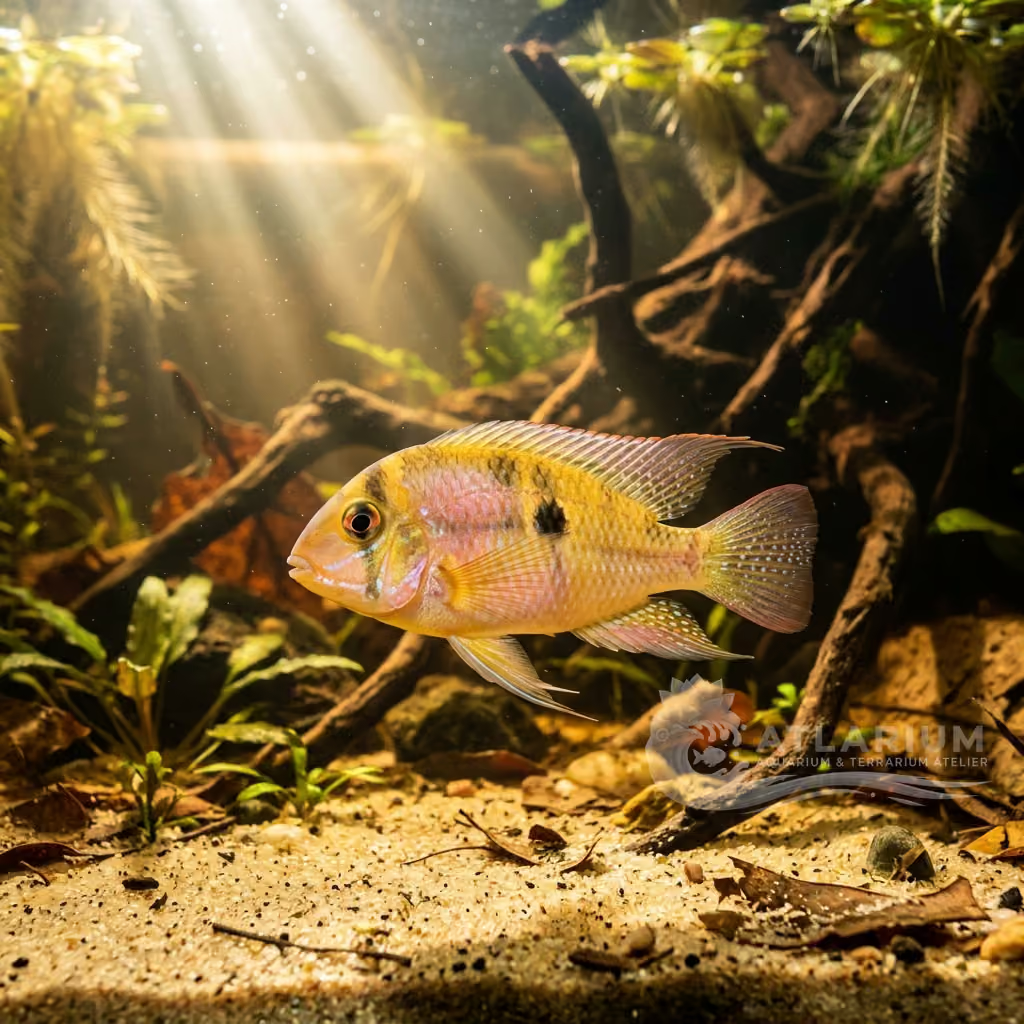
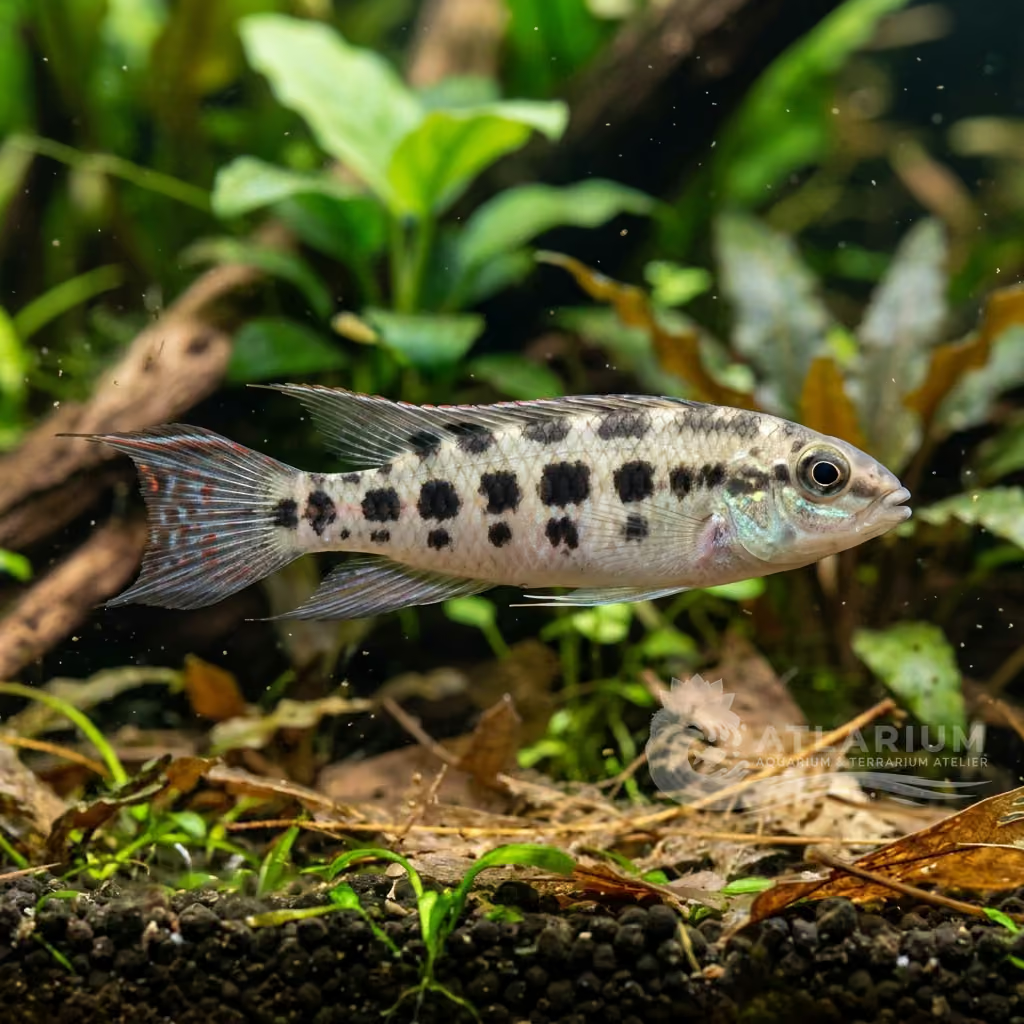
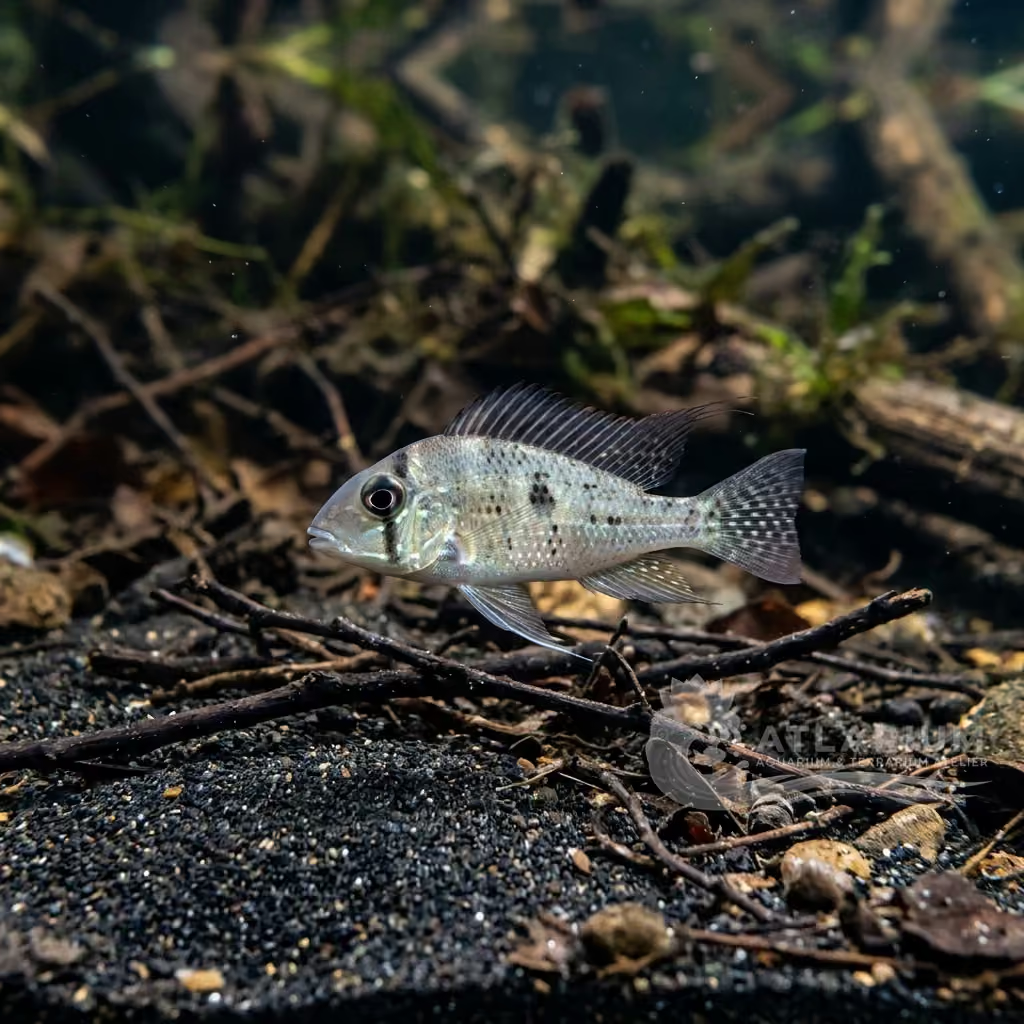
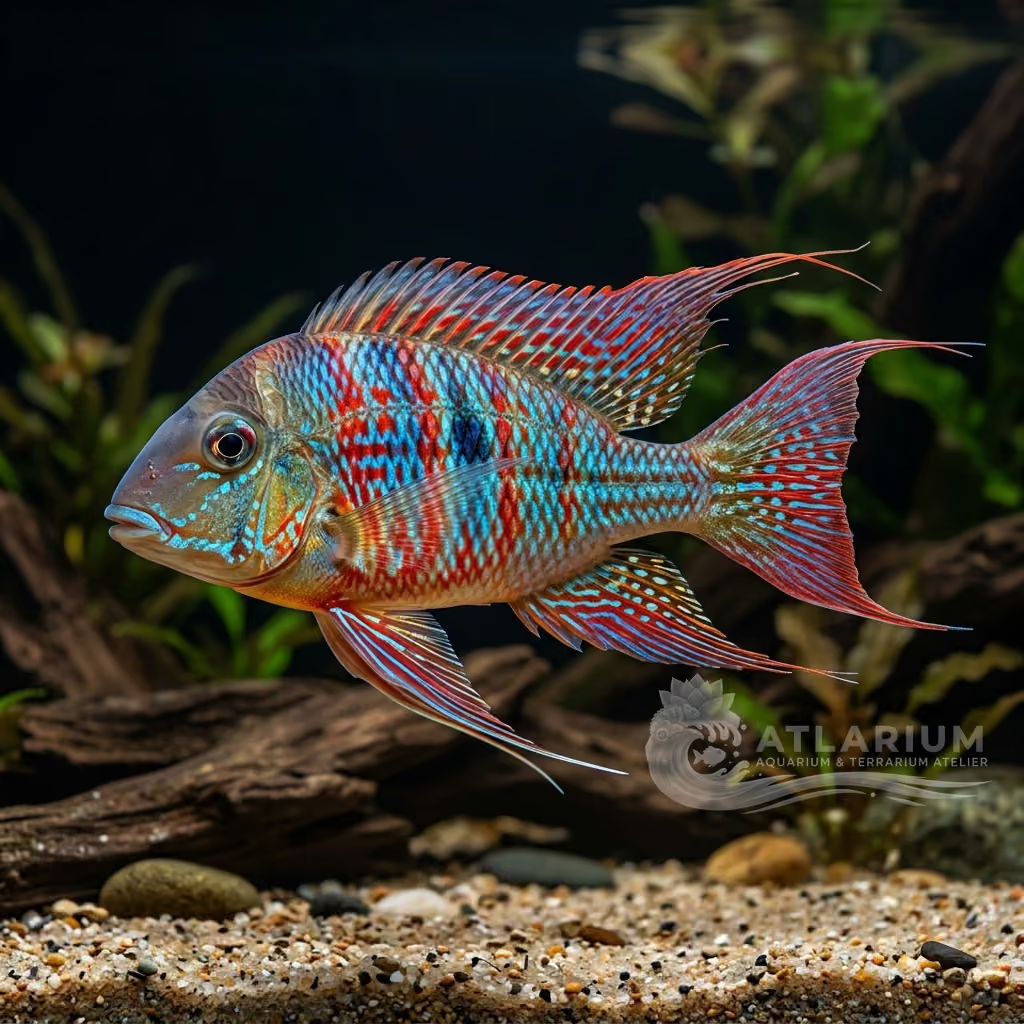
Among the most sought-after Colombian dwarf cichlids, with blue-violet flanks crossed by a dark lateral band and elaborate fins with red and orange hues. Native to Colombia's Orinoco basin, it lives in dark, tannin-rich waters with very acidic pH. Demands softer, more acidic water than its Amazonian cousins, and impeccable water maintenance — very sensitive to nitrogenous waste. In return, it rewards with stunning colors and complex social behavior: the male defends a broad territory while the female fiercely guards the spawning cave.
22 - 28 °C
5.5 - 7
Freshwater
Bottom and middle
7.5 cm
>= 60 L
>= 3
1 - 10 dGH
1 - 5 dKH
25 - 200 ppm
39 - 313 uS/cm

Species description

Care, breeding and tankmates

Geographic origin and distribution
Origin

Fish profile
- Temperament
- Semi-aggressive
- Apistogramma viejita is a peaceful but highly territorial dwarf cichlid, particularly during the spawning season. While they generally ignore top- and mid-water schooling fish, they will aggressively defend their chosen caves and immediate territory against other cichlids and bottom-dwellers. Males will establish hierarchies and can show significant aggression toward subordinate males or unresponsive females. Providing ample visual barriers like driftwood, rocks, and dense plantings is crucial to allow fish to establish territories and avoid constant confrontation.
- Diet
- Omnivore
- In their natural habitat, Apistogramma viejita are carnivorous micro-predators that feed on small aquatic invertebrates, insect larvae, and detritus found in the substrate. In the aquarium, they should be fed a protein-rich diet consisting of high-quality sinking pellets formulated for dwarf cichlids. This base diet must be regularly supplemented with live or frozen foods such as brine shrimp, daphnia, bloodworms, and mosquito larvae to support their immune system and vibrant colors. They are slow feeders that prefer to forage along the bottom, so ensure food reaches the lower levels.
- Life expectancy
- 2-5 years
- Adult size
- 7.5 cm
- Sex ratio
- Harem
- This species exhibits a harem-based social structure where a single dominant male territory overlaps with multiple smaller territories of females. It is highly recommended to stock them in a ratio of one male to three or four females, provided the tank is sufficiently large and structured. If kept in smaller aquariums, maintaining them as a single compatible pair is a safer option to prevent severe female-on-female aggression. A single male should never be kept with only one female in a small, unstructured tank, as his constant advances can stress her to death.
- Feeding frequency
- 2-3 times daily
- It is recommended to feed Apistogramma viejita once or twice daily in small portions that they can completely consume within a few minutes. Providing multiple smaller meals instead of one large feeding helps prevent uneaten food from accumulating on the bottom and degrading water quality. Varying their diet throughout the week by alternating between dry pellets and live or frozen treats will keep them healthy and active. Feeding should ideally occur when the fish are active, avoiding times immediately before lights out.
- Bioload
- Low to Medium
- Apistogramma viejita has a relatively low to medium bioload due to its small size, but it is highly sensitive to organic waste, nitrates, and water quality degradation. To maintain a healthy environment, a well-cycled filter (such as a gentle sponge filter or a baffled power filter) is essential to keep ammonia and nitrite at zero. Regular partial water changes of 10-20% weekly are strongly recommended to keep nitrates low, as high levels can quickly lead to stress and diseases like hole-in-the-head. Accumulation of organic detritus should be minimized by vacuuming the substrate during maintenance.
- Flow
- Strong
- Apistogramma viejita originates from slow-moving streams, pools, and tributaries, meaning they strongly prefer weak to gentle water current. Strong currents can exhaust these small fish, leading to chronic stress and a compromised immune system. Filtration systems should be adjusted, baffled, or designed to output a diffused, slow flow; air-powered sponge filters are highly recommended for this reason. Creating calm zones using dense plantings, driftwood, and rocks allows them to swim naturally and feel secure in their territories.
- Jump risk
- Yes
- Although they are bottom-oriented fish, Apistogramma viejita carries a moderate risk of jumping when startled or during territorial chases. Intense disputes between males or females fleeing a male's courtship can cause them to dart rapidly toward the surface and leap out of the water. To prevent accidental losses, the aquarium must be fitted with a tight-fitting lid or a secure mesh cover. Additionally, introducing floating plants can help diffuse overhead light and make the fish feel secure, reducing the likelihood of sudden panic-induced leaps.
- Reproduction
- Oviparous
- Breeding Apistogramma viejita is moderately difficult but highly rewarding, requiring soft, acidic water (pH 5.5-6.5) and warm temperatures around 26-28°C. They are cave spawners, where the female deposits eggs on the roof of a cave or coconut shell and assumes sole custody of the brood, while the male guards the outer territory. The female becomes extremely aggressive toward all intruders, including the male, once spawning is complete. The fry hatch in a few days and are led by the mother around the tank, feeding on microscopic foods like rotifers and freshly hatched brine shrimp.
- Compatibility & tankmates
- Peaceful
- Apistogramma viejita is compatible with small, peaceful schooling fish that occupy the upper and middle levels of the aquarium, such as tetras, pencilfish, and rasboras. These dither fish help reduce their shyness by signaling that no predators are nearby. They can also coexist with peaceful algae eaters like Otocinclus and dwarf shrimp, though shrimp fry may be eaten. Large, aggressive, or active bottom-dwellers (like large loaches or boisterous catfish) should be avoided as they will compete for territory and stress the cichlids.
- Tank level
- Middle/Bottom
- Apistogramma viejita is primarily a bottom-dwelling and lower-middle zone fish that spends most of its time near the substrate. They will actively patrol caves, driftwood roots, and low-lying vegetation in search of food and shelter. While they may occasionally venture into the upper-middle water column, especially during feeding times, their primary activities remain focused on the substrate level. Consequently, the choice of a soft sandy substrate is crucial to support their natural bottom-foraging behaviors without injuring their delicate mouths.

Scientific Parameters & Models
Window to the official scientific data of the species
- Trophic level
- 3.3 ± 0.4 se
- Resilience
- Medium (1.4 - 4.4 years)
- Phylogenetic uniqueness (PD50)
- 0.5
- Bayesian Length-Weight
- a = 0.0182, b = 2.99
- VulnerabilityLow vulnerability (10 / 100)

Image gallery
Licensed images linked to the species or, when marked, to the closest representative taxon.

Related species
Recommendations grouped by close relatives, companion choices, and similar care.