Mendezi dwarf cichlid
Apistogramma mendezi
Apistogramma mendezi is a sensitive and highly sought-after South American dwarf cichlid from the Rio Negro basin, known for its complex behavior and coloration.
Water Temperature
23 - 29 °C
pH Value
4.5 - 6.5
Water type
Freshwater
Tank level
Bottom
Adult size
6 cm
Minimum tank volume
>= 80 L
Minimum group
>= 2
GH
1 - 5 dGH
KH
0 - 2 dKH
TDS
10 - 50 ppm
Conductivity
20 - 100 uS/cm

Species description
Geographical Origin and Habitat: Apistogramma mendezi is native to the middle and upper Rio Negro basin in Brazil, South America. It inhabits shallow, slow-flowing forest streams (igarapés) and temporary flooded forest zones (igapós). These habitats consist of acidic, soft blackwaters stained dark brown by dissolved humic substances and leaf litter.
Taxonomy and Morphology: Belonging to the family Cichlidae, under the subfamily Geophaginae, it is a classic dwarf cichlid. The species features a moderately slender, laterally compressed body. Adult males reach a maximum length of 6 to 7 centimeters, while females are significantly smaller, typically reaching only 4 to 5 centimeters.
Social Behavior: This species exhibits polygamous and territorial behavior. In their natural habitat, a dominant male defends a territory that encompasses the smaller sub-territories of multiple breeding females. In captivity, they should be kept as a pair or in a harem (one male with several females) with plenty of visual barriers.
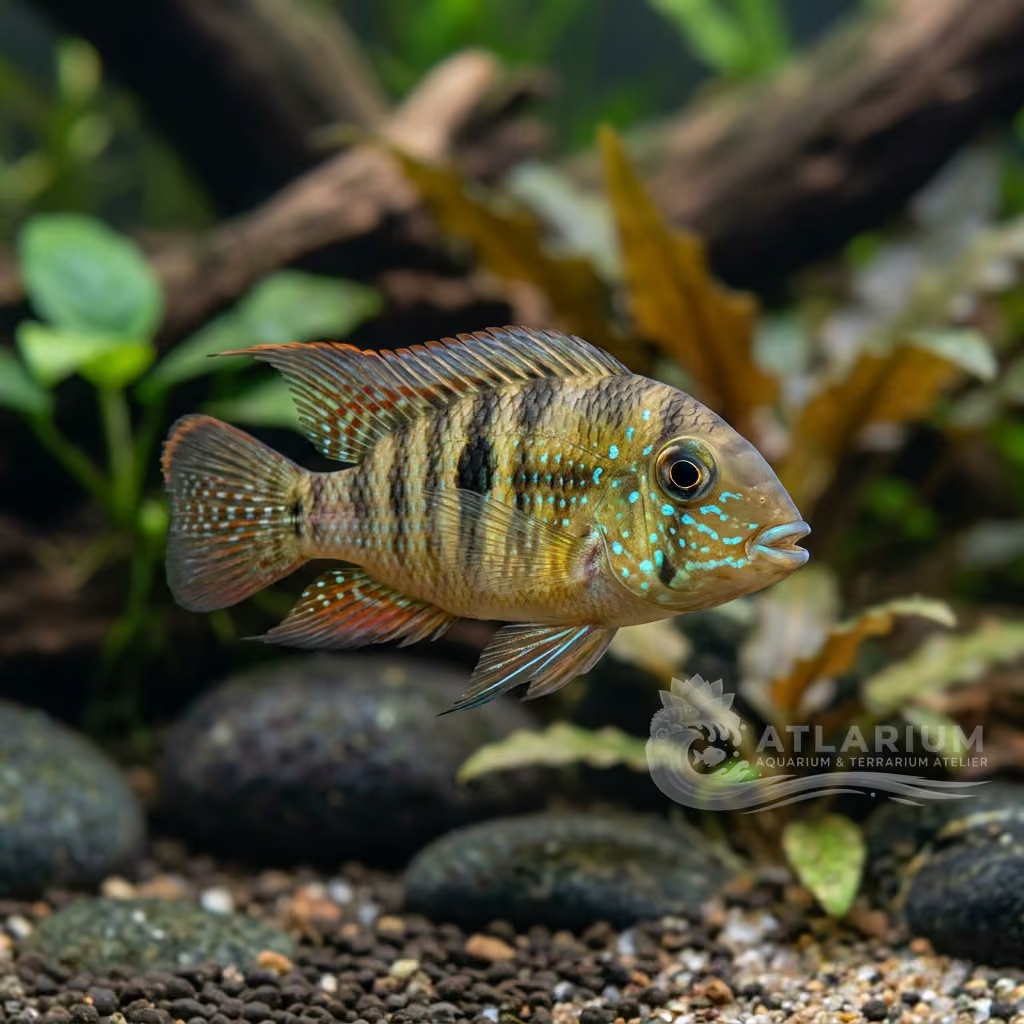
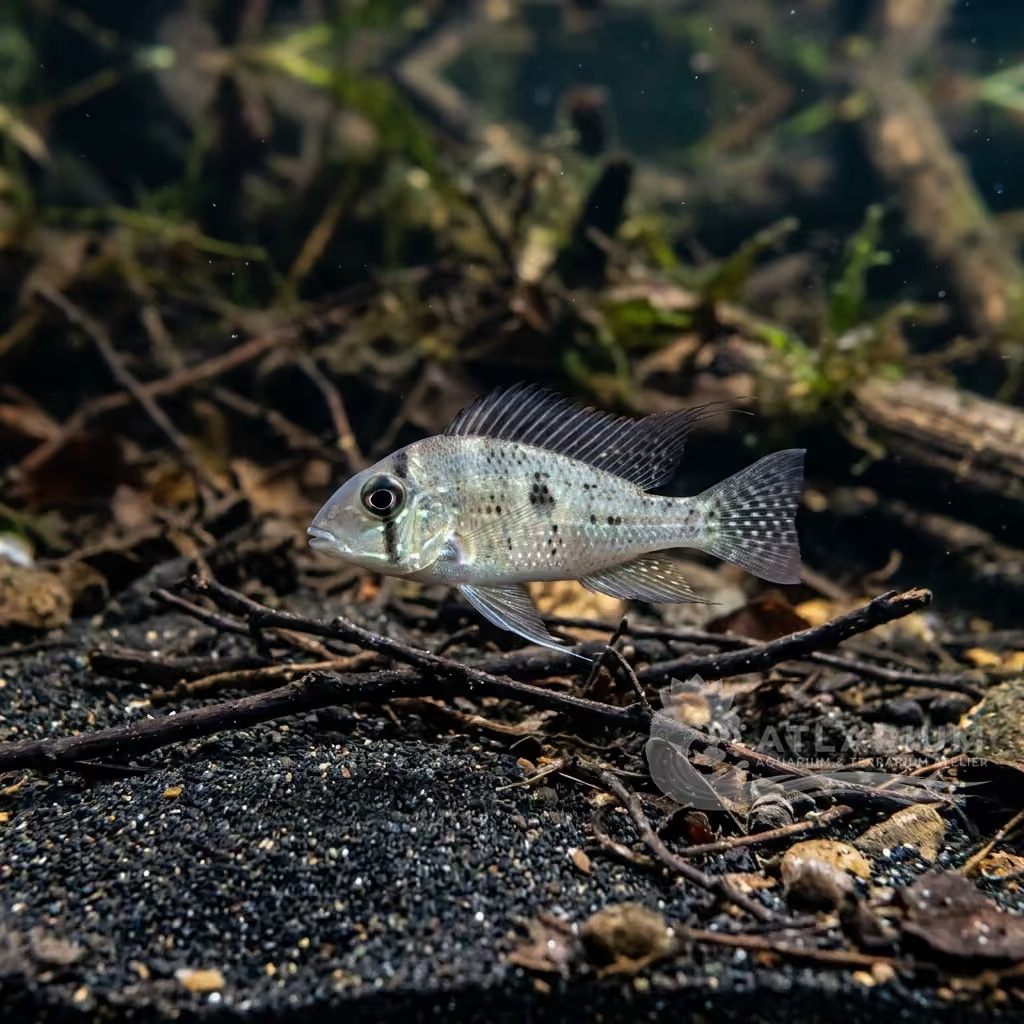
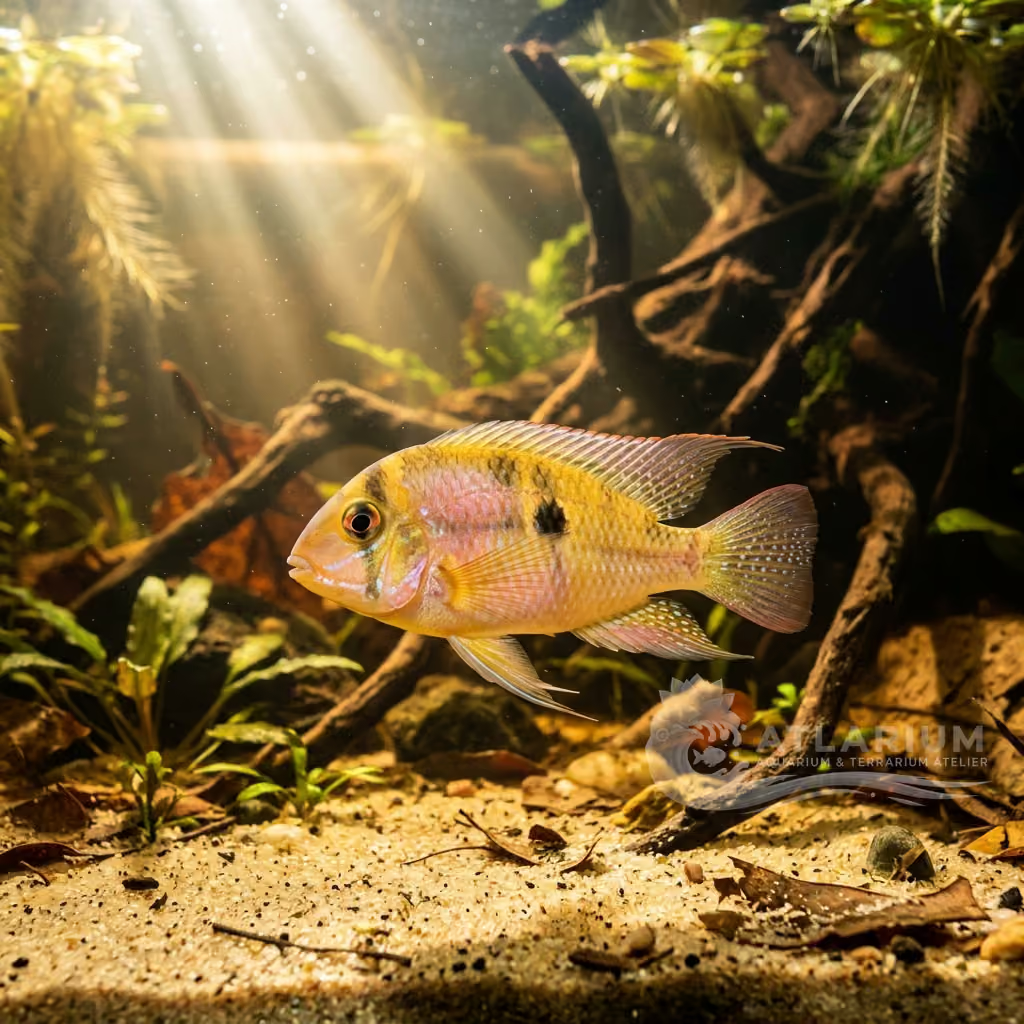
Coloration and Sexual Dimorphism: Sexual dimorphism is highly pronounced. Males are colorful, showing shimmering blue and yellow tones on their flanks, an elongated dorsal fin, and a lanceolate or double-tipped caudal fin. Females are smaller and mostly dull greyish-yellow, but turn bright yellow with high-contrast black markings when breeding or guarding fry.

Care, breeding and tankmates
Aquarium Setup: A minimum tank size of 80 liters for a pair, or 120 liters for a small harem, is required. The substrate must consist of fine, dark sand. Decorate with driftwood, roots, and dried leaves (such as Catappa leaves) to release organic acids and tannins. Provide numerous caves using coconut shells, small clay pots, or dense plant thickets.
Diet and Feeding: Primarily a micro-predator, feeding on small aquatic invertebrates in nature. In aquariums, they may refuse dry foods initially. They thrive on live or frozen foods such as brine shrimp, daphnia, cyclops, and bloodworms. A varied diet is essential for maintaining vibrant colors and inducing spawning behavior.
Water Quality: Extremely sensitive to water parameters. They require soft, highly acidic water with a pH range of 4.5 to 6.0, general hardness (GH) below 3 dGH, and low electrical conductivity. The temperature should be maintained between 24-28°C. Reverse osmosis water filtered through peat moss is highly recommended.
Compatibility and Cohabitation: Best housed with small, peaceful dither fish like pencilfish (Nannostomus spp.) or neon tetras that occupy the upper water column. These dither fish help reduce the cichlids' shyness. Avoid larger or aggressive tankmates, and do not house them with other territorial bottom-dwellers.
Aquarium Breeding: Cave spawners. The female deposits eggs inside a cave or crevice and takes sole responsibility for guarding them, often chasing the male away. Eggs hatch in 2 to 3 days. Once the fry are free-swimming and their yolk sacs are absorbed, they must be fed with freshly hatched brine shrimp nauplii.
Risks and Diseases: Highly susceptible to poor water quality, showing low tolerance to nitrates and dissolved organics. High levels can trigger systemic bacterial infections, head-and-lateral-line erosion (hole-in-the-head), or dropsy. Regular, small water changes are critical, and medication should be dosed with caution.

Geographic origin and distribution
Apistogramma mendezi is native to the middle and upper Rio Negro basin in Brazil, South America. It inhabits shallow, slow-flowing forest streams (igarapés) and temporary flooded forest zones (igapós). These habitats consist of acidic, soft blackwaters stained dark brown by dissolved humic substances and leaf litter.
Origin
Amazon, Orinoco, and Guianas

Fish profile
- Temperament
- Territorial
- While peaceful toward other species, they display intense intraspecific territoriality, particularly during breeding. They are shy and secretive fish that require a heavily structured environment to feel secure. When provided with optimal conditions, their complex social and breeding behaviors are fascinating to observe.
- Diet
- Carnivore
- They are benthic micropredators that sift through the substrate for worms, crustaceans, and insect larvae. In captivity, they rarely accept dry foods initially and should be offered live or frozen blackworms, brine shrimp, and daphnia. Over time, they may be trained to accept high-quality sinking micro-pellets.
- Life expectancy
- 2-3 years
- Adult size
- 6 cm
- Sex ratio
- Pair
- They are best kept in pairs or small harems consisting of one male and multiple females, provided the tank is large enough. Males are highly territorial toward each other and will fight, sometimes to the death, in confined spaces. In a harem setup, each female must have her own distinct cave territory.
- Feeding frequency
- Twice daily
- Feeding small portions once or twice a day is ideal for maintaining their health. Since they are meticulous bottom-feeders, ensure that fast-swimming mid-water fish do not consume all the food before it reaches the substrate. Overfeeding should be avoided to maintain the pristine water quality they demand.
- Bioload
- Low to Medium
- This dwarf cichlid produces a low bioload, making it suitable for smaller, well-maintained aquariums. Despite their low waste output, they are extremely sensitive to deteriorating water conditions and elevated nitrates. Frequent water changes and excellent biological filtration are absolute necessities to keep them healthy.
- Flow
- Strong
- Originating from slow-moving blackwater streams, they strongly prefer a very gentle water flow. High currents will cause them severe stress and prevent them from establishing secure territories. Sponge filters or baffled HOB filters are highly recommended for this sensitive species.
- Jump risk
- No
- Reproduction
- Oviparous
- They are cave spawners with complex maternal care. The female lays eggs on the roof of a secluded cave and vigorously defends the fry once they become free-swimming. Successful breeding requires very soft, highly acidic blackwater conditions and a diet rich in live foods.
- Compatibility & tankmates
- Peaceful
- They are generally peaceful towards other species but require similarly calm, non-aggressive tank mates. Ideal companions include small tetras, pencilfish, and gentle Corydoras. Avoid housing them with large, boisterous fish or aggressive bottom-dwellers that might compete for territory.
- Tank level
- Bottom
- They are strict bottom-dwellers that spend their time hovering over the substrate or exploring caves and leaf litter. They rely on complex structures like driftwood and plants for security and territorial boundaries. They rarely swim into the open middle or upper levels of the water column.

Scientific Parameters & Models
FishBase
Window to the official scientific data of the species
Data synced on: 06/15/2026
- Trophic level
- 3.3 ± 0.4 se
- Resilience
- Medium (1.4 - 4.4 years)
- Phylogenetic uniqueness (PD50)
- 0.5
- Bayesian Length-Weight
- a = 0.0182, b = 2.99
- VulnerabilityLow vulnerability (10 / 100)

Related species
Recommendations grouped by close relatives, companion choices, and similar care.