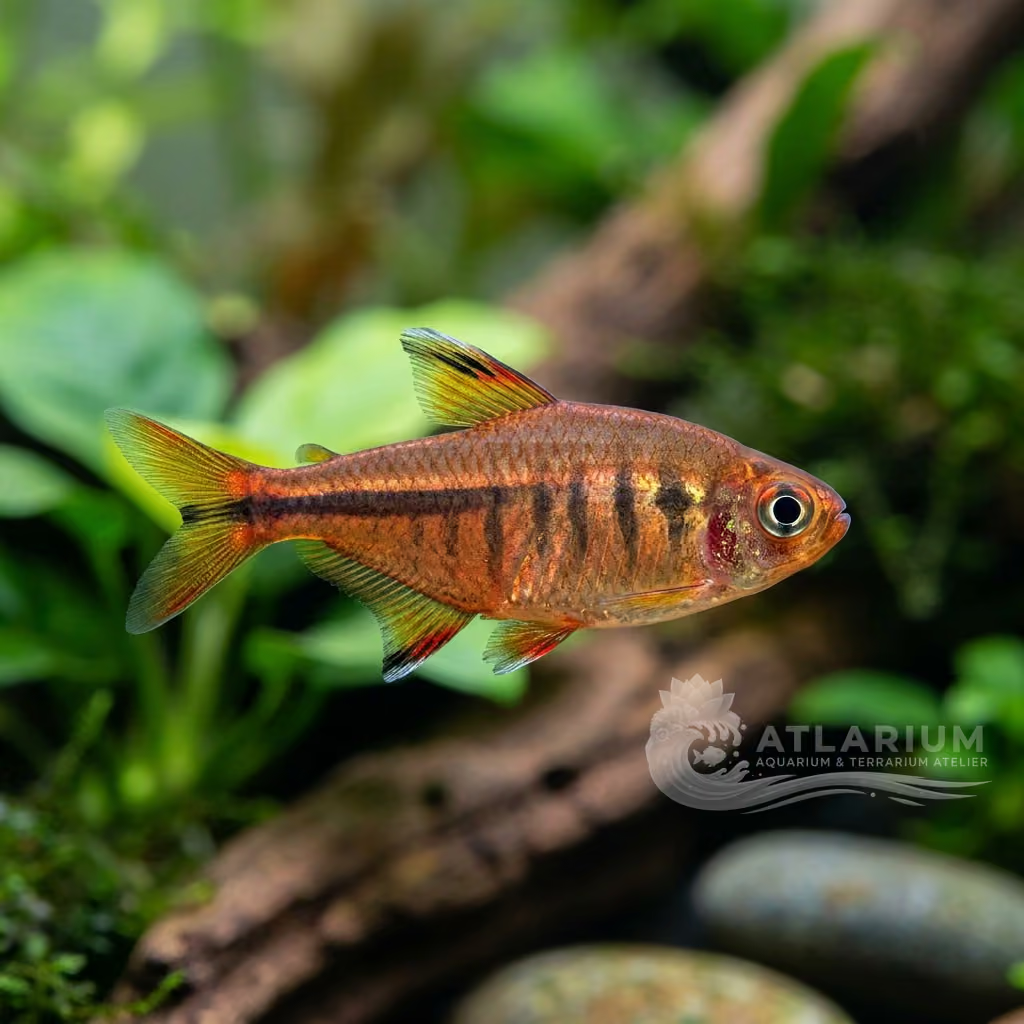
Agulha Tetra
Hyphessobrycon agulha
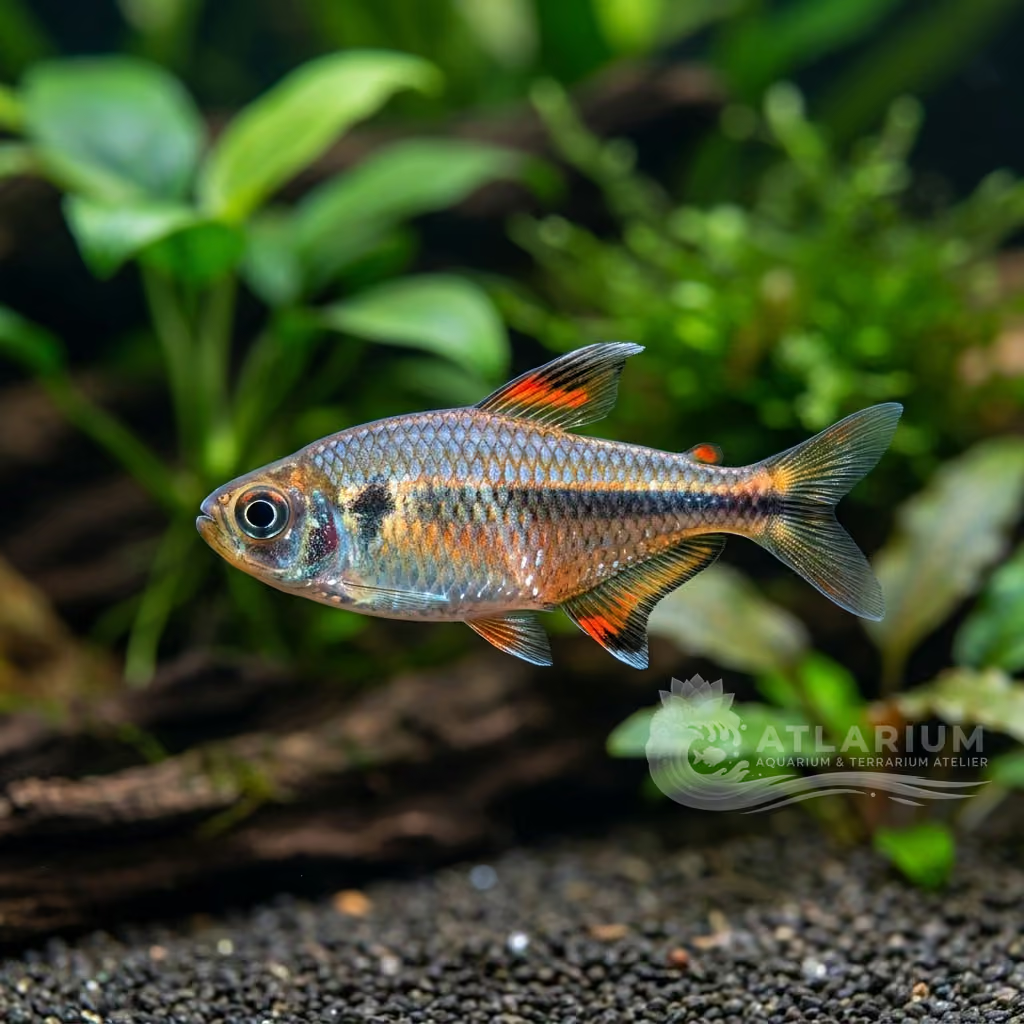
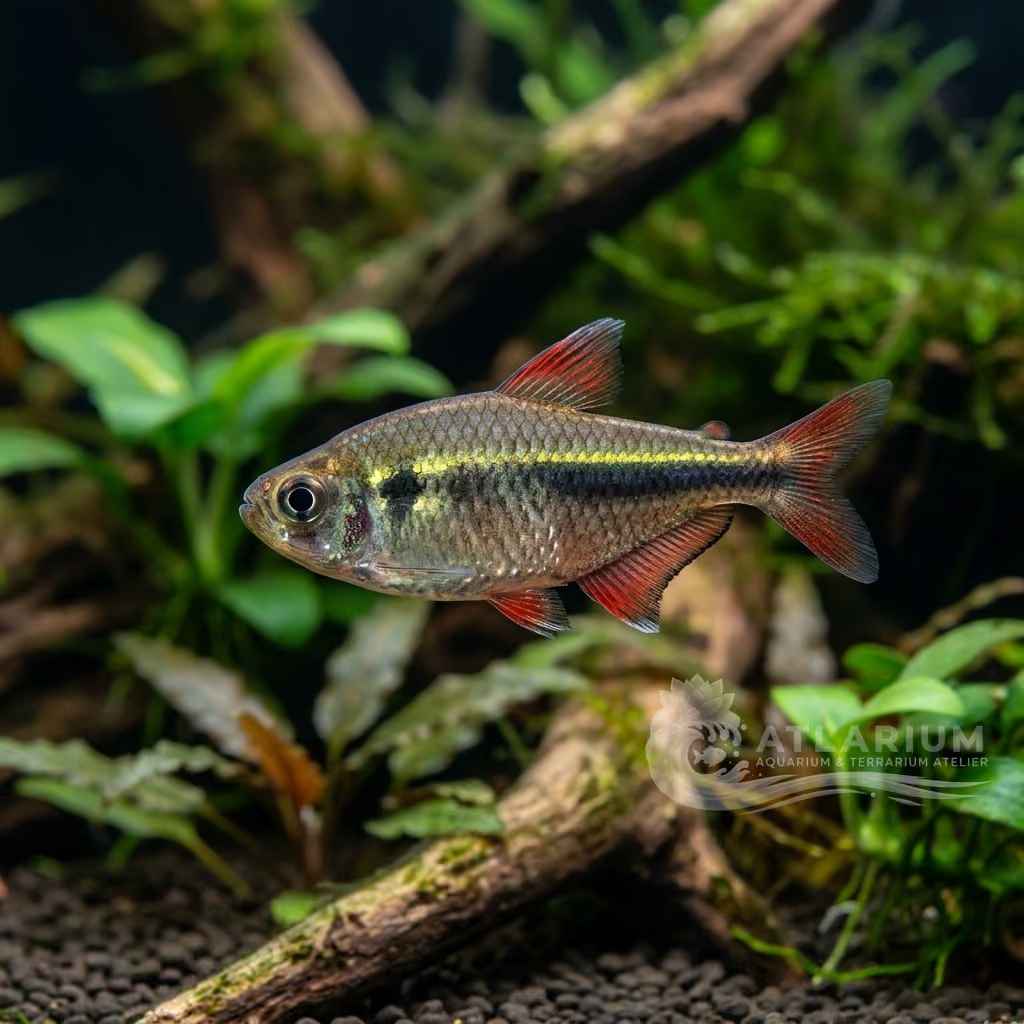
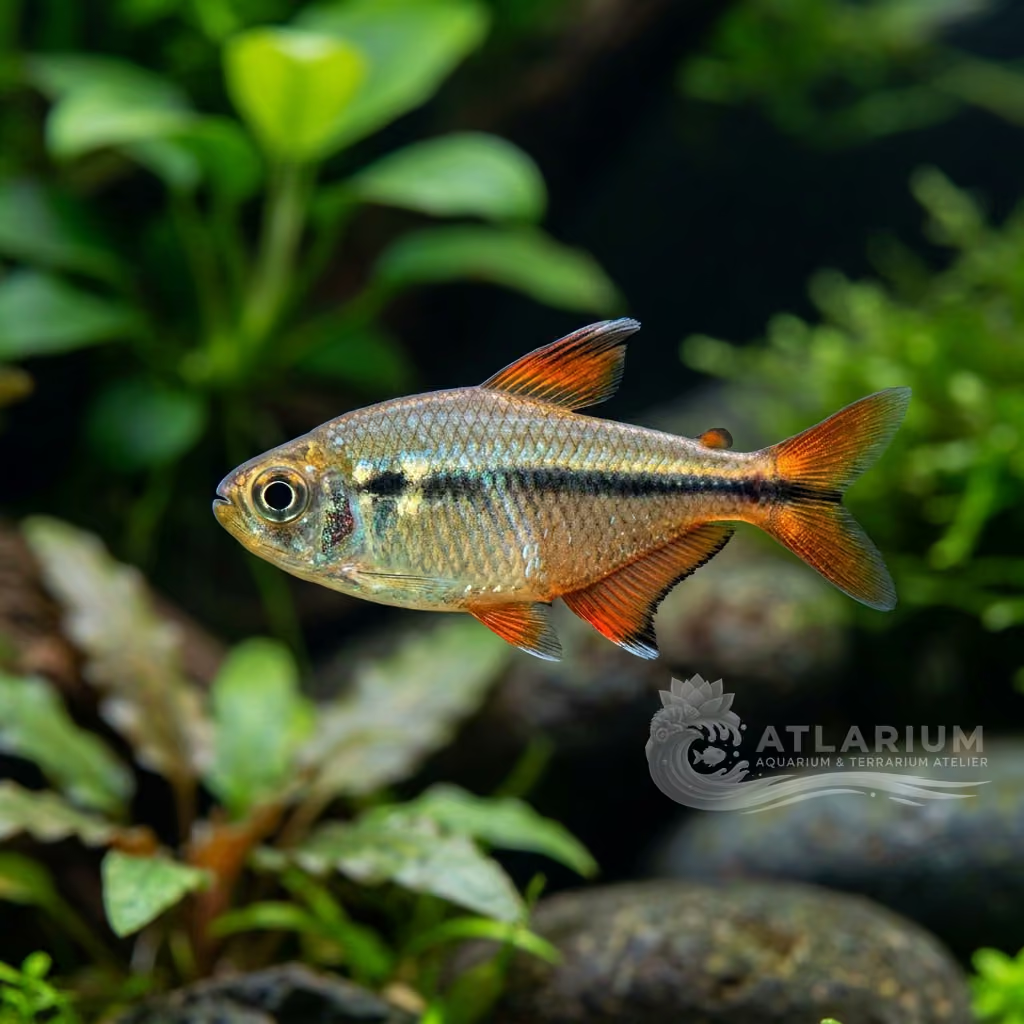
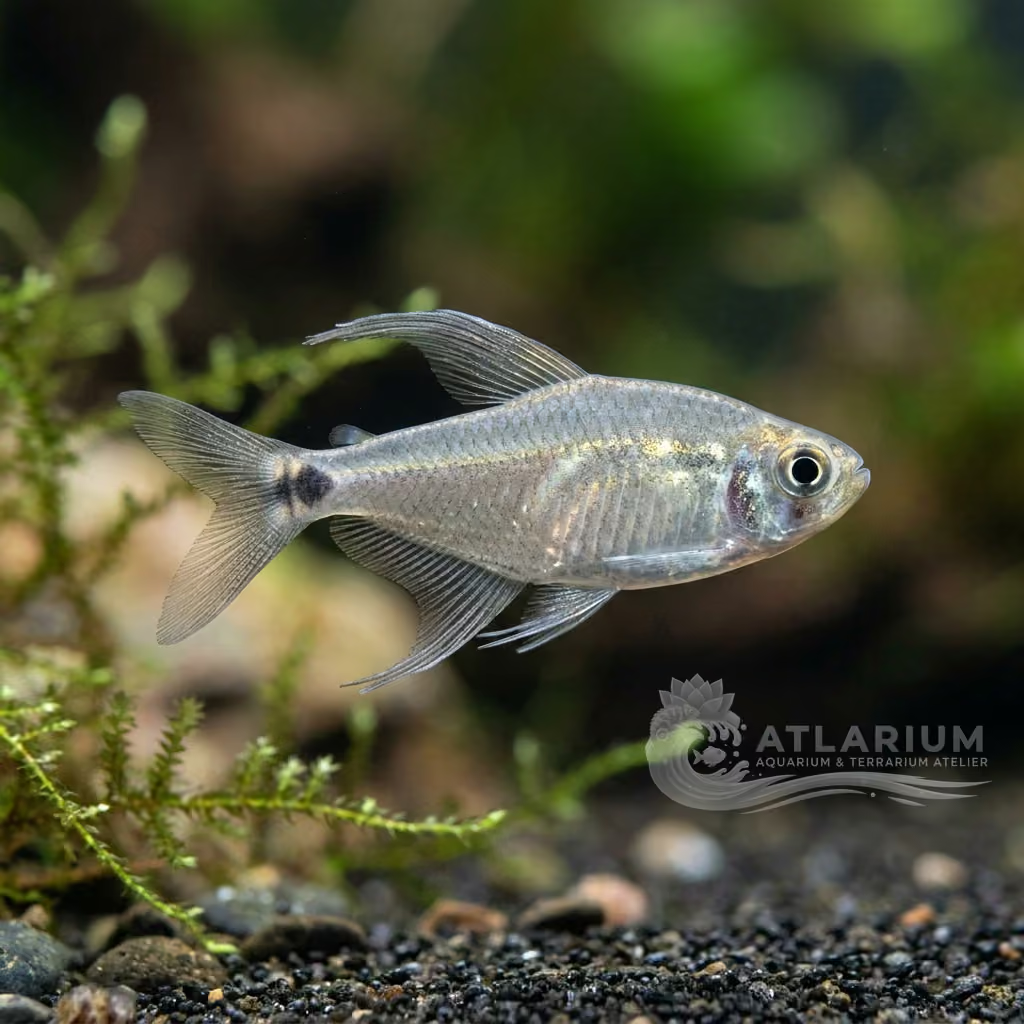
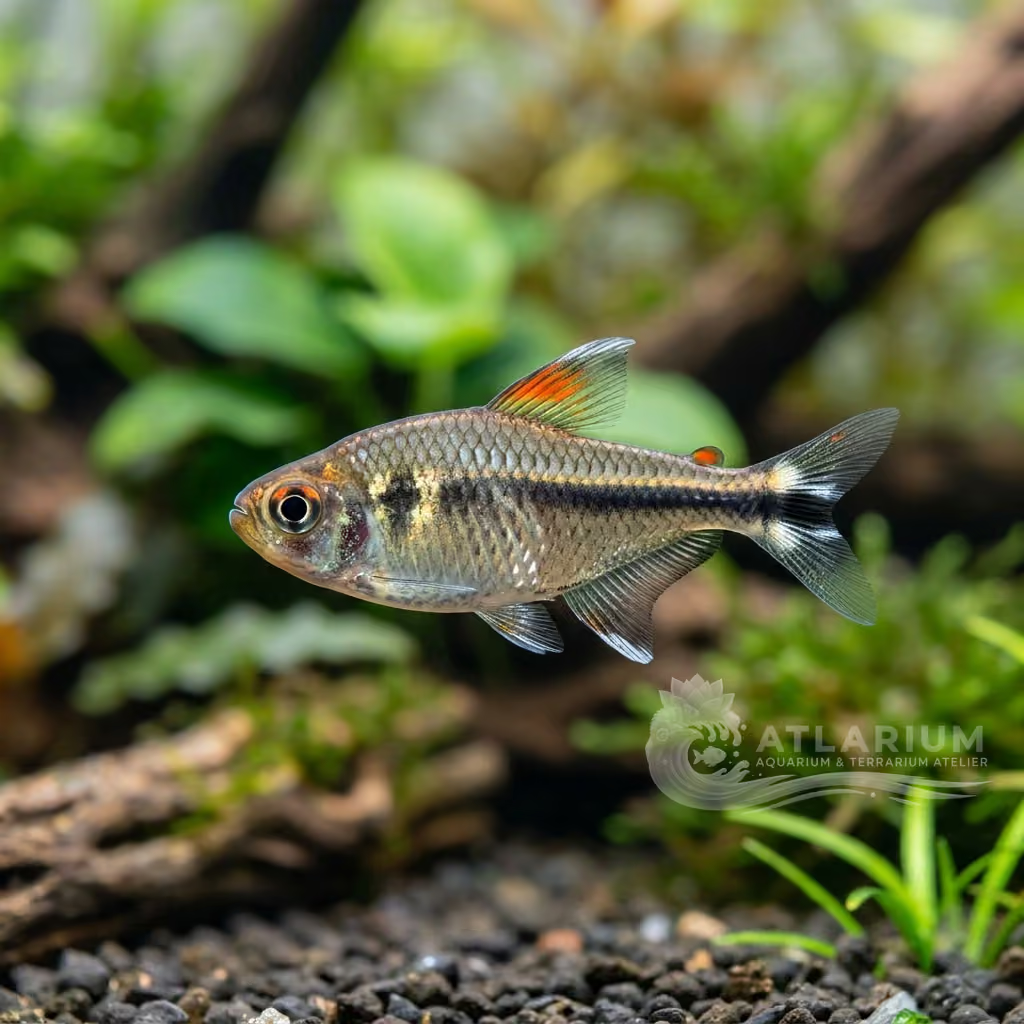
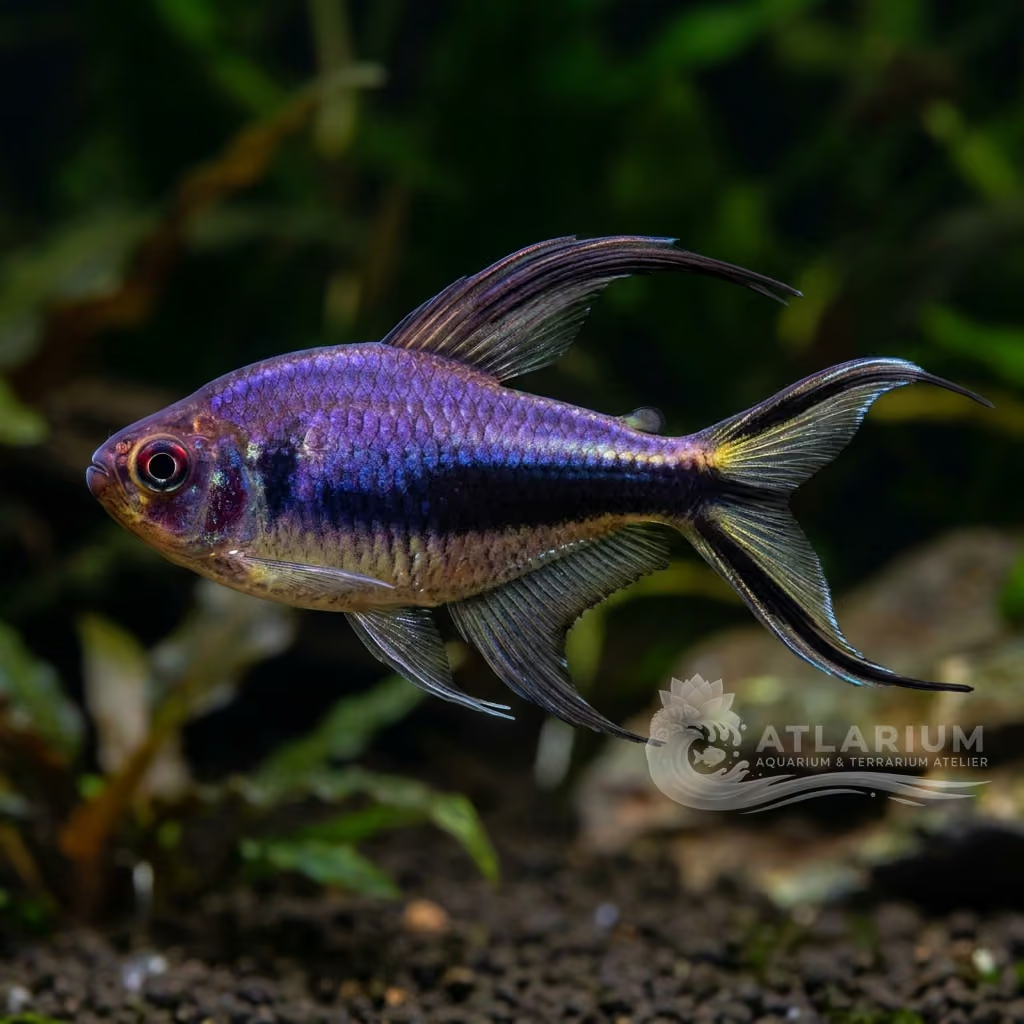
Also known as the 'false penguin', resembles Thayeria because of the oblique dark stripe on the tail and the thick black lateral band flanked by bright gold.
Water Temperature
22 - 27 °C
pH Value
5.5 - 7
Water type
Freshwater
Tank level
Bottom and middle
Adult size
4.5 cm
Minimum tank volume
>= 80 L
Minimum group
8
GH
1 - 10 dGH
KH
1 - 6 dKH
TDS
25 - 210 ppm
Conductivity
39 - 328 uS/cm

Species description
Geographical Origin and Habitat: Originating from the Madeira River basin (Brazil and Bolivia). Frequents shady forest ponds, flooded oxbows, and slow-flowing minor streams, among a dense carpet of dead leaves and amber water.
Taxonomy and Morphology: Agulha Tetra / Red-tailed Tetra (Hyphessobrycon agulha). Discovered by Fowler in 1913. Compact shape, similar to its cousins of the Hyphessobrycon genus, with a small forward-facing mouth, suitable for pelagic micro-predation.
Social Behavior: Peaceful, slightly shy. Needs the security of a group (at least 8 specimens) to actively explore the tank; in small numbers, it nervously holes up among the vegetation on the bottom.
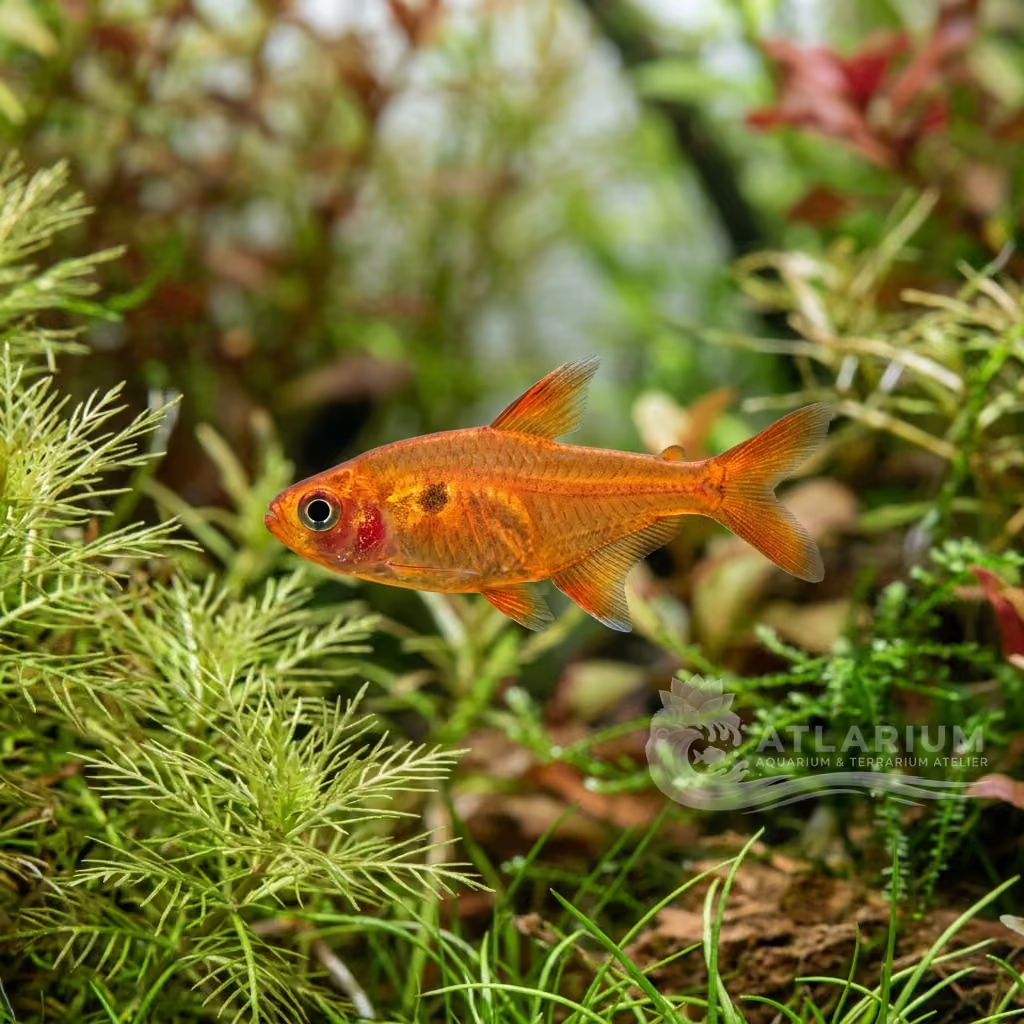
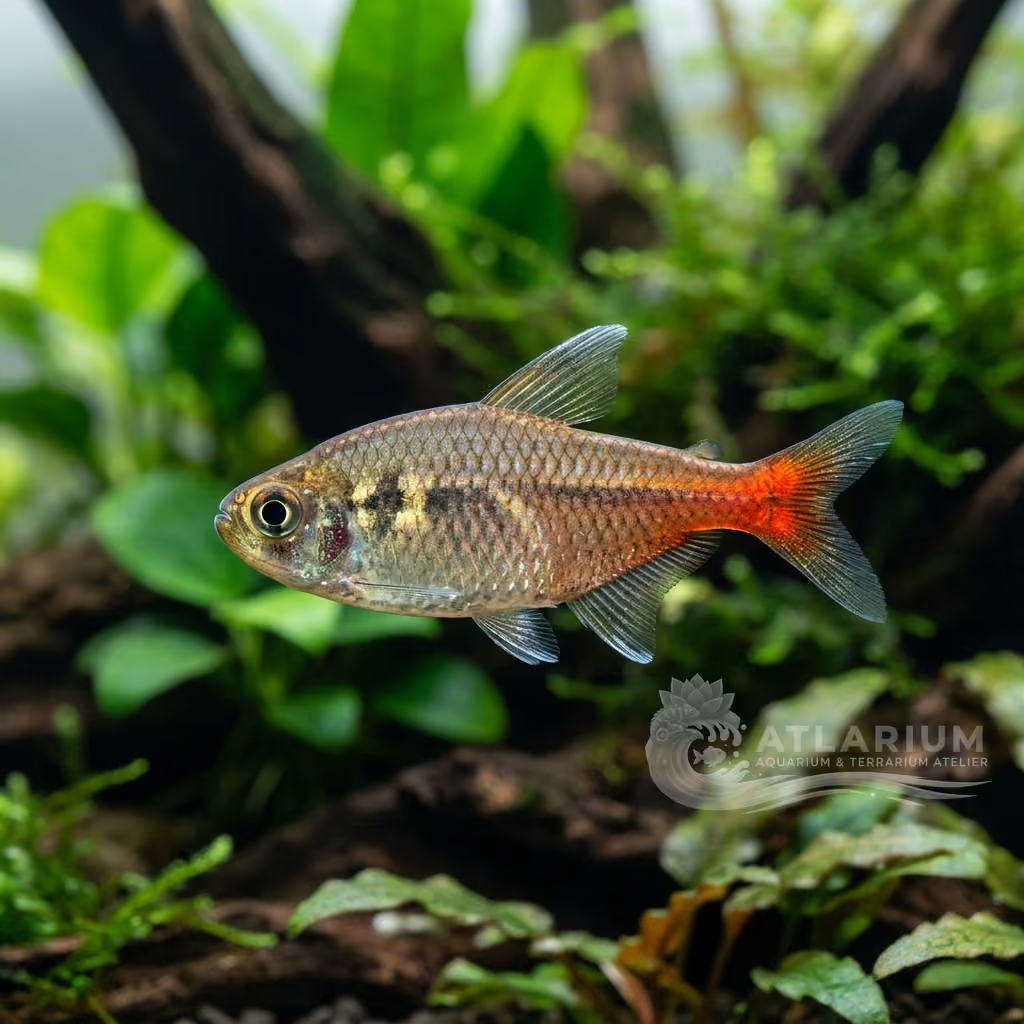
Coloration and Sexual Dimorphism: Very fascinating livery: lower half of the body golden/coppery and upper part silvery. A very distinct horizontal black band runs along the flanks and ends on the caudal peduncle, bordered with bright red. Males are slimmer and more colorful.

Care, breeding and tankmates
Aquarium Setup: 60-80 cm (24-32 inches) aquarium, set up in Amazonian style. Soft light (shielded by Pistia or duckweed), dark sand or soil, lots of Mopani wood and branches. Peat filtration highly suggested.
Diet and Feeding: Omnivore (Micro-predator). Feeds easily. Administer high-quality dry food enriched to enhance red colors, systematically integrating it with live or frozen food (brine shrimp nauplii, daphnia, cyclops).
Water Quality: Prefers soft and moderately acidic waters (pH 5.5-7.0) with GH between 1 and 10. Stable temperature between 22 and 27°C (72-80°F). A high tannin load in the water is appreciated and contributes to its well-being.
Compatibility and Cohabitation: Perfect for peaceful community tanks. Tolerates quiet tankmates: Corydoras, Otocinclus, small dwarf Cichlids (e.g. Dicrossus), and other South American Characidae. Frenetic fish will inhibit it.
Aquarium Breeding: Scatters non-adhesive eggs at dawn among dense tufts of moss. To save the brood from the parents, a dedicated tank with a bottom grid must be used for the eggs to fall through, darkening the glass until hatching.
Risks and Diseases: Deterioration of water values (nitrate accumulation) instantly dims its brilliant colors and makes it subject to bacterial conditions. Regular but small water changes are necessary.

Geographic origin and distribution
Originating from the Madeira River basin (Brazil and Bolivia). Frequents shady forest ponds, flooded oxbows, and slow-flowing minor streams, among a dense carpet of dead leaves and amber water.
Origin
Tropical oceans and reefsExtra-Amazon South AmericaEast Asia

Fish profile
- Temperament
- Semi-aggressive
- They have a very peaceful, somewhat timid, and distinctly schooling temperament, relying on numbers for safety. They must be kept in groups of at least six individuals, though groups of ten or more are highly recommended to reduce stress. When kept in large numbers, they display fascinating shoaling behaviors and their best, most vibrant colors.
- Diet
- Omnivore
- They are undemanding micro-predators that will readily accept a wide variety of small, high-quality aquarium foods. Their diet should consist of crushed high-quality flakes, micro-pellets, and small frozen or live foods like daphnia and baby brine shrimp. Offering a varied diet ensures they maintain their best coloration and optimal health.
- Life expectancy
- 3-5 years
- Adult size
- 4.5 cm
- Sex ratio
- Group
- Females are generally noticeably rounder and slightly larger, especially when they are actively carrying eggs. Males tend to be slimmer, more streamlined, and often display slightly more intense coloration during spawning displays. They should always be kept in a group of at least six, where a natural mix of sexes will occur.
- Feeding frequency
- Twice daily
- Feeding them one to two times daily with small amounts they can consume in a few minutes is ideal. Because they have small stomachs, multiple small feedings are better than one large, heavy feeding. Care must be taken not to overfeed, as uneaten food will quickly foul the water.
- Bioload
- Low
- The Flag Tetra produces a very small bioload due to its diminutive size and relatively light diet. A group of these small fish will barely impact the biofilter of a properly cycled, adequately sized aquarium. Standard, well-maintained biological filtration and regular, modest water changes are perfectly sufficient for their needs.
- Flow
- Stagnant
- They originate from slow-moving streams and flooded forest areas in the Amazon basin, preferring very gentle water flow. Strong currents should be strictly avoided as they will exhaust these small fish and cause severe stress. Gentle filtration, such as from a sponge filter or baffled hang-on-back filter, is highly recommended.
- Jump risk
- Yes
- Like many small, active tetras, they possess a moderate risk of jumping, particularly when startled by sudden movements or lights. While not notorious jumpers, they can easily clear the rim of an open-topped aquarium if frightened. A well-fitting lid or a layer of floating plants is strongly recommended to prevent accidental escapes.
- Reproduction
- Oviparous
- They are egg-scatterers that provide absolutely no parental care to their eggs or newly hatched fry. Breeding requires a separate, dimly lit tank with very soft, acidic water and fine-leaved plants or a spawning mop. The adults will eagerly eat their own eggs and must be removed immediately after a successful spawning event.
- Compatibility & tankmates
- Semi-aggressive
- They are exceedingly peaceful and make superb additions to planted community aquariums featuring other small, calm species. Excellent tank mates include small rasboras, Corydoras catfish, Otocinclus, and peaceful dwarf cichlids. They should never be housed with large, aggressive, or highly active fish that might intimidate or eat them.
- Tank level
- Middle/Bottom
- They are active schooling fish that primarily occupy the middle to upper levels of the water column. They appreciate an aquarium with dense vegetation around the perimeter but plenty of open swimming space in the center. Floating plants are highly beneficial as they provide shade and make these shy fish feel more secure.

Scientific Parameters & Models
FishBase
Window to the official scientific data of the species
FishBase v25.04Data synced on: 06/15/2026
- Trophic level
- 2.9 ± 0.3 se
- Resilience
- High (less than 15 months)
- Phylogenetic uniqueness (PD50)
- 0.5
- Bayesian Length-Weight
- a = 0.00676, b = 3.12
- VulnerabilityLow vulnerability (10 / 100)

Related species
Recommendations grouped by close relatives, companion choices, and similar care.