Epicharis Tetra
Megalamphodus epicharis
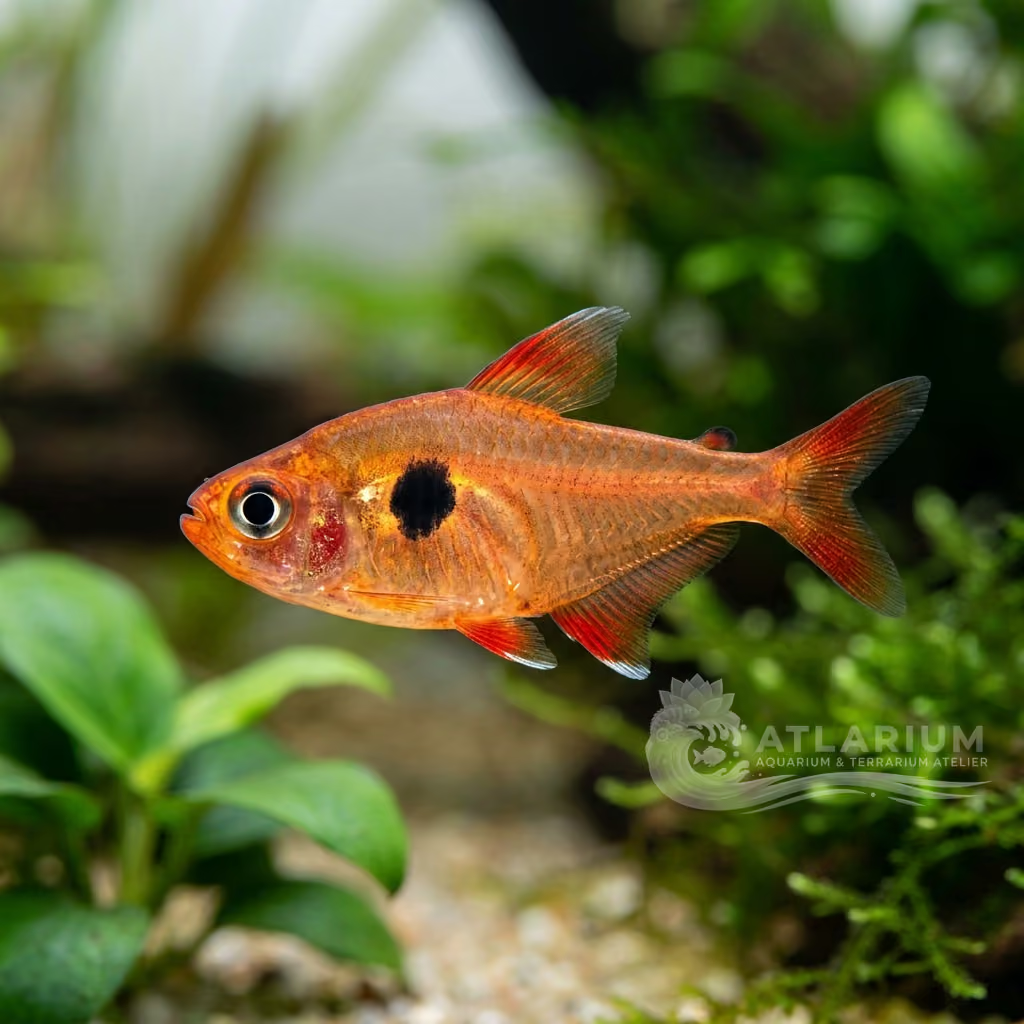
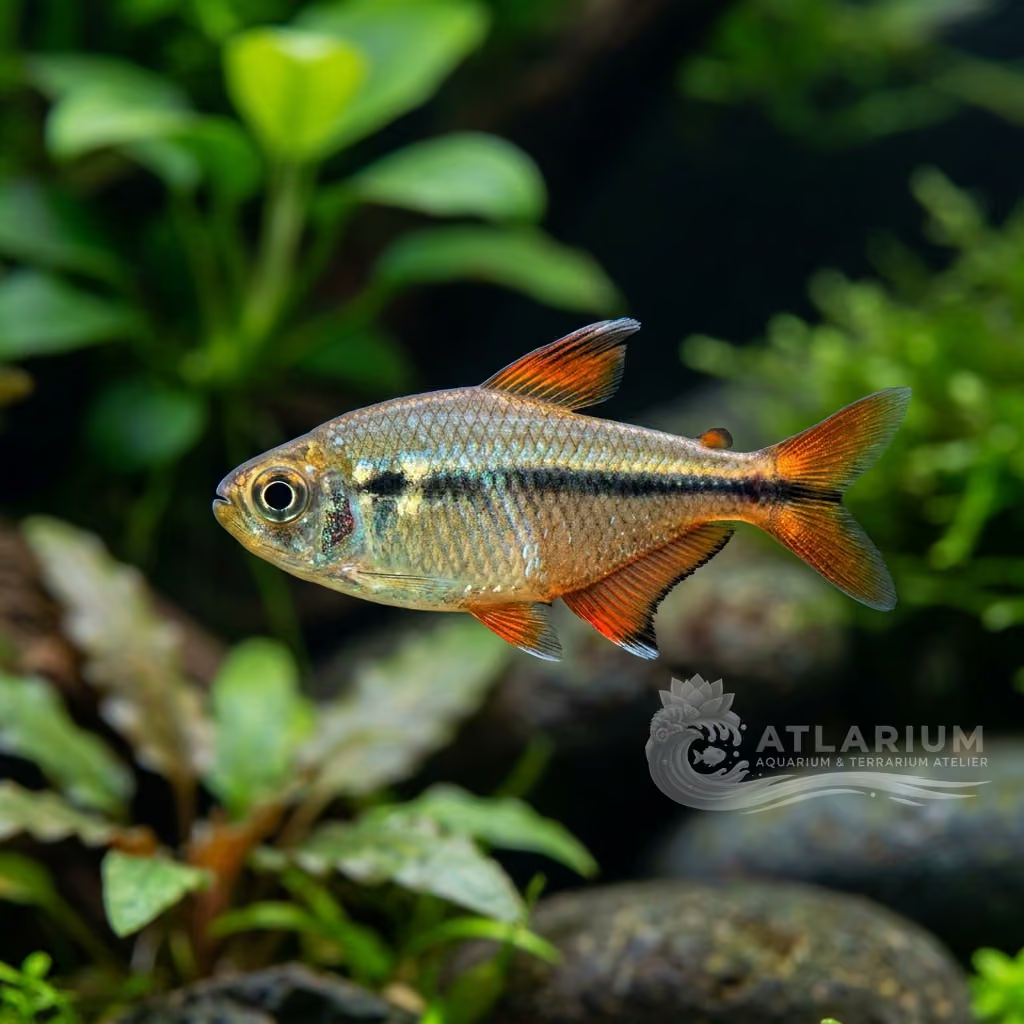
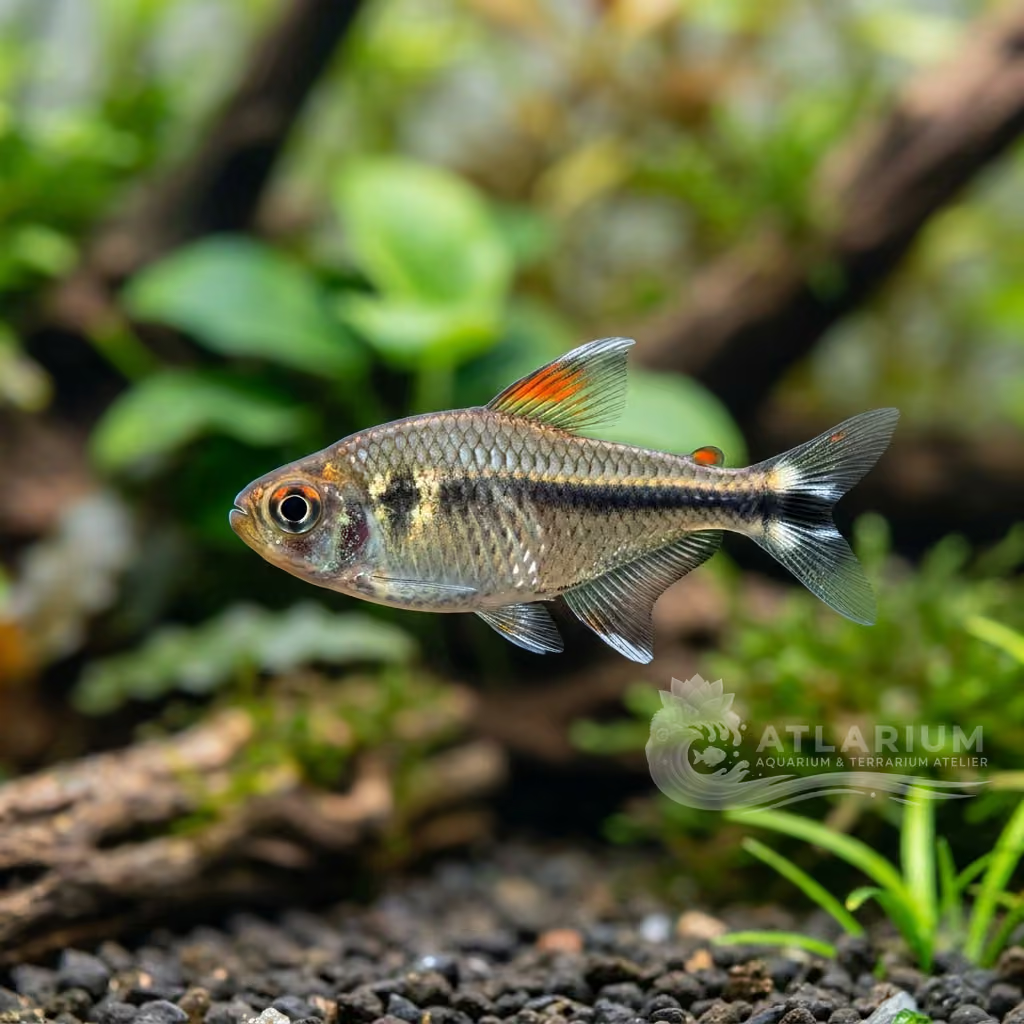
The name 'epicharis' in Greek stands for 'pleasant, enchanting'. Small South American tetra embellished with translucent pink scales and a clear and defined humeral spot behind the gill cover.
Water Temperature
22 - 27 °C
pH Value
5.5 - 7
Water type
Freshwater
Tank level
Middle
Adult size
4.5 cm
Minimum tank volume
>= 80 L
Minimum group
>= 6
GH
1 - 10 dGH
KH
1 - 4 dKH
TDS
25 - 190 ppm
Conductivity
39 - 297 uS/cm

Species description
Geographical Origin and Habitat: Originating from the Baria River basin, a tributary of the Casiquiare River system in Venezuela. Populates forest streams with clear or weakly amber waters, flowing under the dense jungle canopy.
Taxonomy and Morphology: Epicharis Tetra (Megalamphodus epicharis). "Epicharis" in Greek means "graceful" or "pleasing". Possesses a slender body but slightly taller than the tiniest tetras, with the typical adipose fin of the genus.
Social Behavior: Extremely peaceful and gregarious. Like many small Characins, it finds security only within a large school (10+ specimens recommended). Actively swims at mid-depth, exploring the environment without ever attacking.
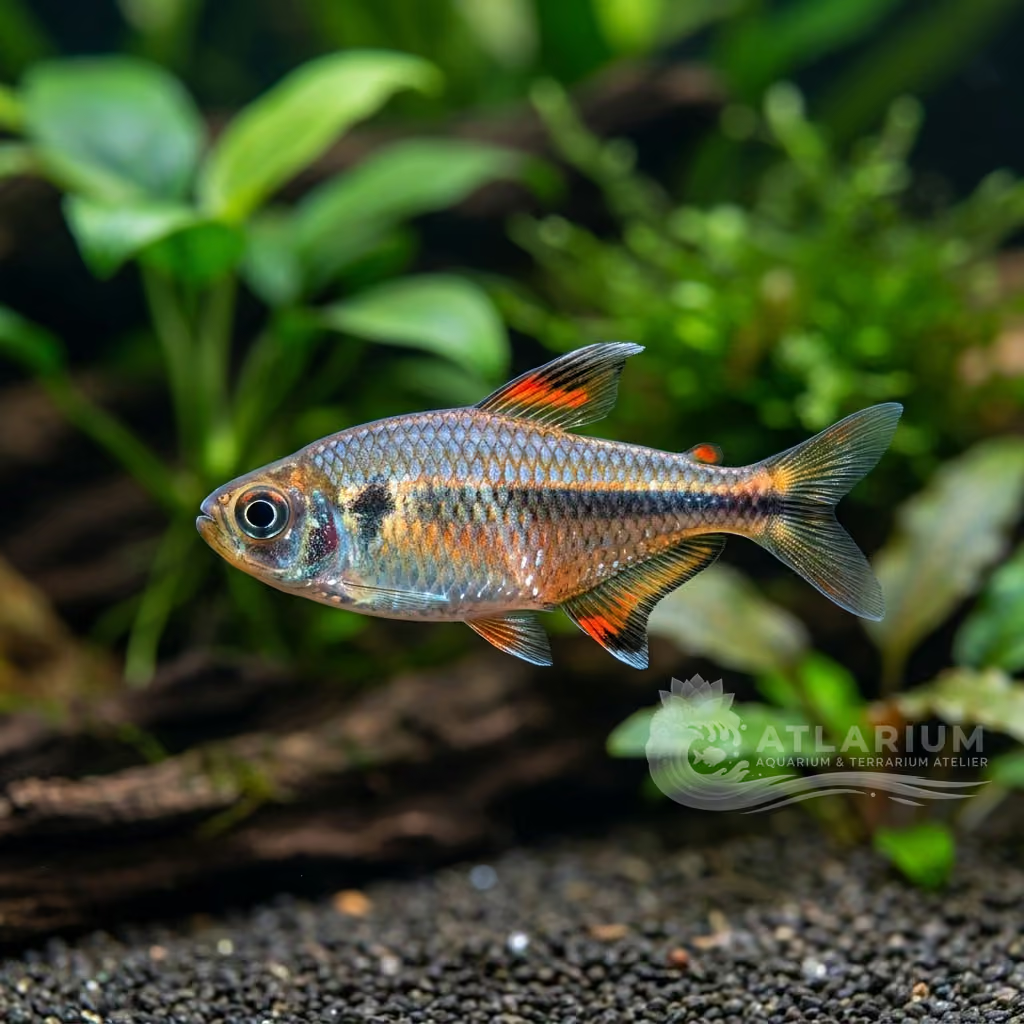
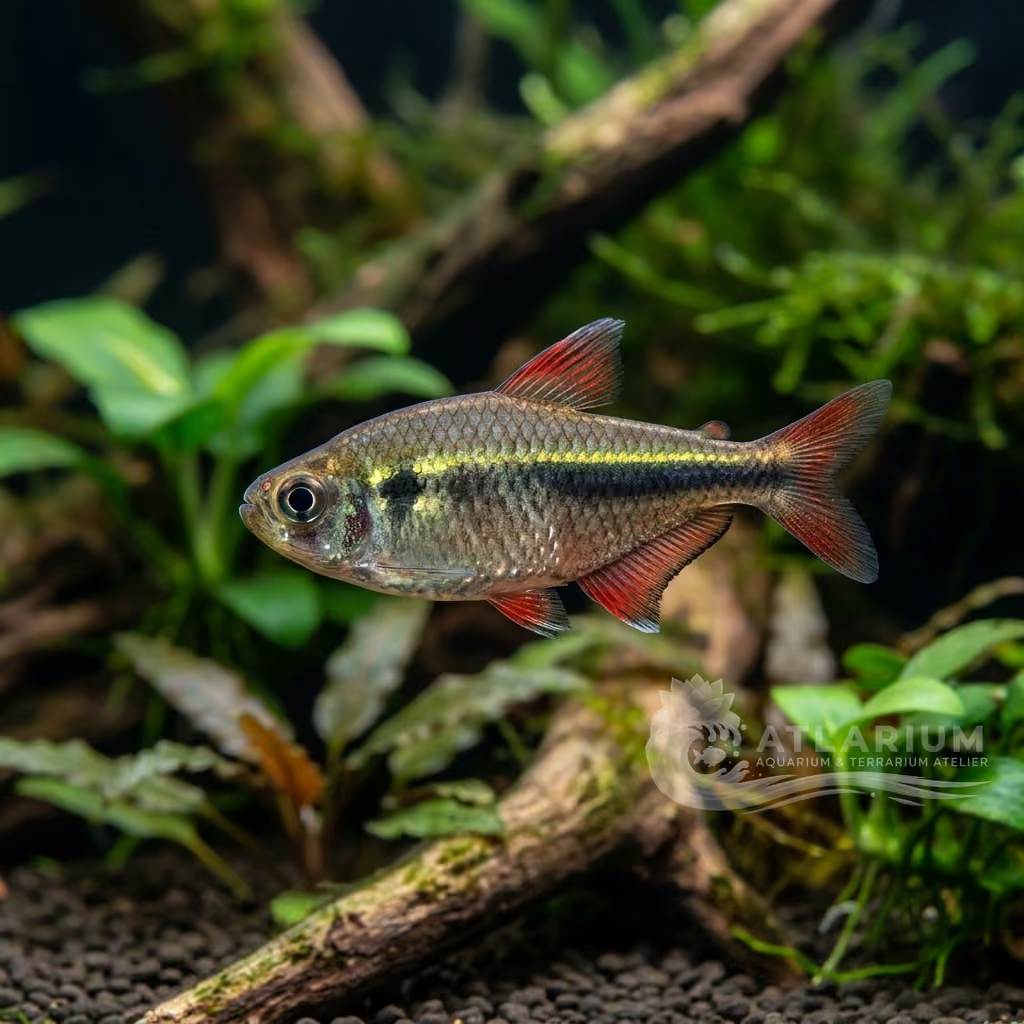
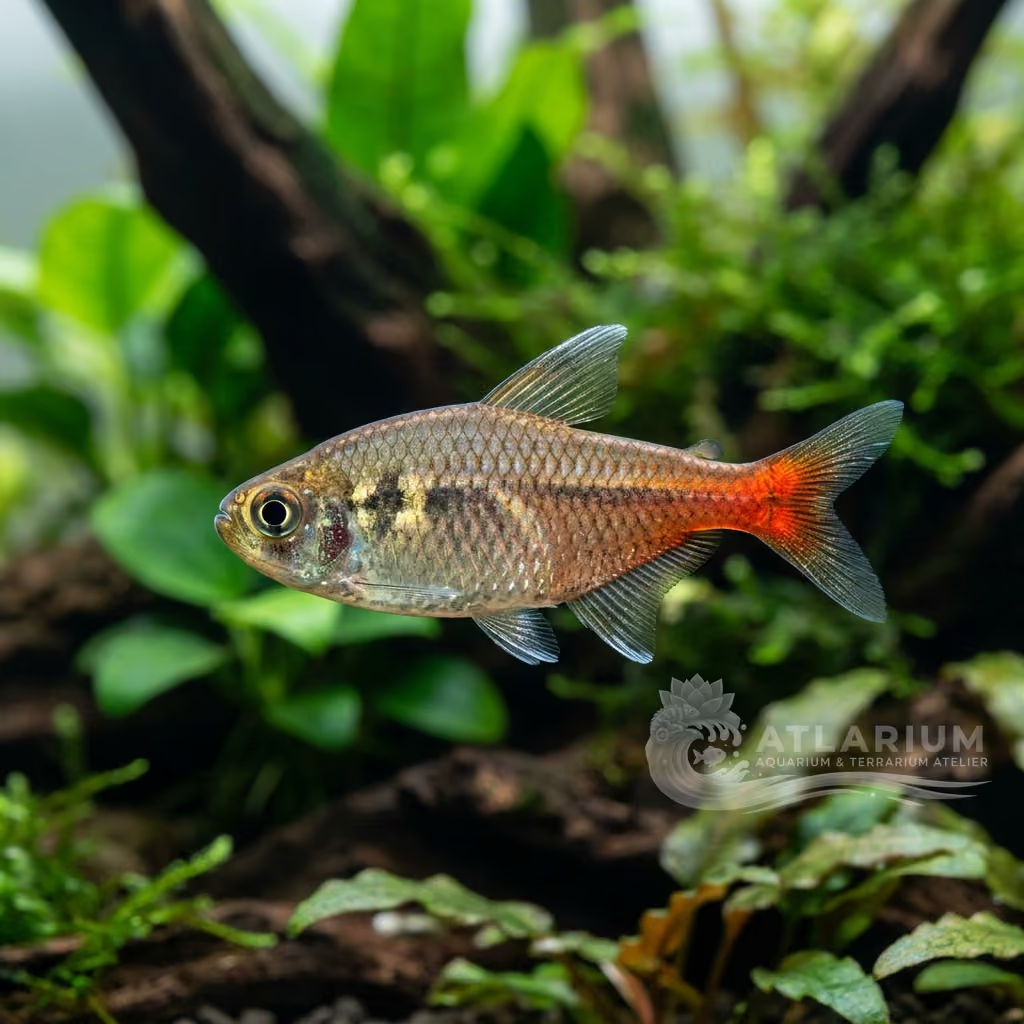
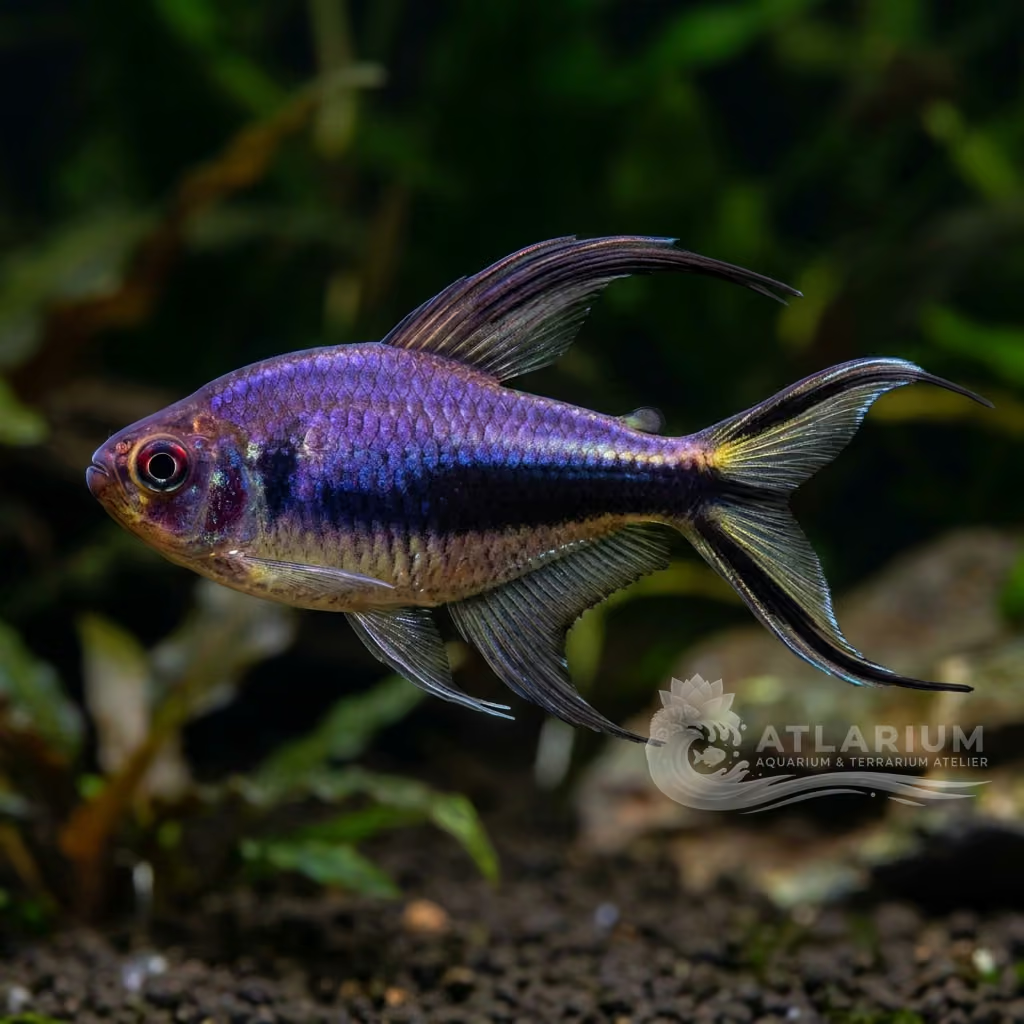
Coloration and Sexual Dimorphism: Silvery/gray background color with a marked teardrop-shaped dark spot behind the brachial operculum (shoulder spot). Dominant males show reddish hues on the fins and are slenderer than the round females.

Care, breeding and tankmates
Aquarium Setup: Minimum 60 cm (24 inches) aquarium, richly planted. A dark sand bottom with some knotty driftwood and oak or catappa leaves will provide ideal tannins and reassure the school.
Diet and Feeding: Easy-to-please micro-predator. In addition to dry flakes or crushed micro-pellets, the administration of brine shrimp nauplii and live daphnia is recommended to stimulate colors and reproductive behaviors.
Water Quality: Requires soft (GH 1-10) and slightly acidic (pH 5.5-7.0) waters. Sensitive to nitrogenous pollutant accumulations: a mature filtration system and weekly 20% partial changes are mandatory.
Compatibility and Cohabitation: Excellent for Amazonian community aquariums. Perfect companion for Apistogramma, Mikrogeophagus ramirezi, Corydoras, and Otocinclus. Not to be paired with excessively large fish (e.g. Angelfish) that might prey on it.
Aquarium Breeding: Egg scatterer. Courtship occurs at dawn; females release eggs among fine vegetation. Promptly remove parents to save the offspring, which will need to be fed with infusoria.
Risks and Diseases: Generally robust if kept in the right parameters. Vulnerable to common bacterial or fungal diseases (e.g. Ichthyophthirius) only if subjected to thermal shocks or prolonged water stress.

Geographic origin and distribution
Originating from the Baria River basin, a tributary of the Casiquiare River system in Venezuela. Populates forest streams with clear or weakly amber waters, flowing under the dense jungle canopy.
Origin
Tropical oceans and reefsExtra-Amazon South America

Fish profile
- Temperament
- Semi-aggressive
- This is a highly peaceful and somewhat shy species that thrives in a calm environment. They are a schooling fish that relies on the presence of conspecifics to feel safe and exhibit their best behavior. When kept in sufficiently large groups, they are active and inquisitive without ever bothering tank mates.
- Diet
- Omnivore
- This species is an opportunistic omnivore that will easily accept a wide variety of aquarium foods. A staple diet of high-quality flakes or pellets should be provided daily. For optimal health and coloration, supplement with frozen or live foods such as bloodworms and brine shrimp.
- Life expectancy
- 3-5 years
- Adult size
- 4.5 cm
- Sex ratio
- School
- Maintaining a proper sex ratio is less critical for this species compared to some others, as they are a schooling fish. Keeping them in groups of at least eight to ten individuals ensures natural behavior and reduces stress. Having a mix of males and females can help diffuse any minor squabbles among displaying males.
- Feeding frequency
- Twice daily
- These active fish benefit from multiple small feedings throughout the day rather than one large meal. Feeding them two to three times daily with amounts they can consume in under two minutes is ideal. This schedule helps prevent bloating and keeps water parameters stable by reducing uneaten food.
- Bioload
- Low
- This species produces a very minimal bioload due to its small physical size. It is highly suitable for smaller aquariums or heavily planted setups. However, standard filtration and regular water changes remain essential.
- Flow
- Stagnant
- Originating from slow-moving tributaries and forested pools, they prefer gentle to moderate water currents. High flow environments can quickly exhaust these fish and cause them significant stress. A sponge filter or a baffled hang-on-back filter provides the perfect amount of water movement.
- Jump risk
- No
- Reproduction
- Oviparous
- They are egg scatterers that do not provide any parental care to their offspring after spawning. To encourage breeding, a separate tank with soft, slightly acidic water and fine-leaved plants is required. Once eggs are laid and fertilized, the adult fish must be removed promptly to prevent them from eating the eggs.
- Compatibility & tankmates
- Peaceful
- This species is exceptionally peaceful and does well in community tanks with other small, non-aggressive fish. They should never be kept with large or boisterous species that might view them as food. Ideal tank mates include small rasboras, Corydoras catfish, and peaceful dwarf cichlids.
- Tank level
- Middle
- This species primarily occupies the middle region of the aquarium water column during normal activities. They are active swimmers that appreciate ample open swimming space in the center of the tank. They will frequently dart in and out of plant thickets or hardscape for cover when resting.

Scientific Parameters & Models
FishBase
Window to the official scientific data of the species
FishBase v25.04Data synced on: 06/15/2026
- Trophic level
- 3.1 ± 0.4 se
- Resilience
- High (less than 15 months)
- Phylogenetic uniqueness (PD50)
- 0.5002
- Bayesian Length-Weight
- a = 0.01122, b = 3.07
- VulnerabilityLow vulnerability (10 / 100)

Related species
Recommendations grouped by close relatives, companion choices, and similar care.