

Encyclopaedia
Diancema Tetra
Hyphessobrycon
A characin with robust and elevated shapes originating from Bolivia, adorned with a faint blackish longitudinal band and light reddish shades on the odd fins.
Share
Check out Diancema Tetra on Atlarium
22 - 28 °C
5.5 - 7
Freshwater
Middle
4.5 cm
>= 80 L
>= 6
1 - 12 dGH
2 - 8 dKH
35 - 260 ppm
55 - 406 uS/cm
Species description
Care, breeding and tankmates
Geographic Origin and Distribution
Origin
Fish profile
- Temperament
- Semi-aggressive
- Diet
- Omnivore
- Sex ratio
- School
- Feeding frequency
- Twice daily
- Bioload
- As a moderately sized fish, this species produces an average bioload in the aquarium. Proper filtration is necessary to process the waste it generates efficiently. Routine maintenance and regular water changes will ensure a healthy environment.
- Flow
- Stagnant
- Reproduction
- Oviparous
- Compatibility & tankmates
- This species is exceptionally peaceful and does well in community tanks with other small, non-aggressive fish. They should never be kept with large or boisterous species that might view them as food. Ideal tank mates include small rasboras, Corydoras catfish, and peaceful dwarf cichlids.
- Tank level
- Middle
Image gallery
Licensed images linked to the species or, when marked, to the closest representative taxon.
Related species
Recommendations grouped by close relatives, companion choices, and similar care.
Variants and close relatives
Same atlas type, nearby scientific identity, genus, or family.
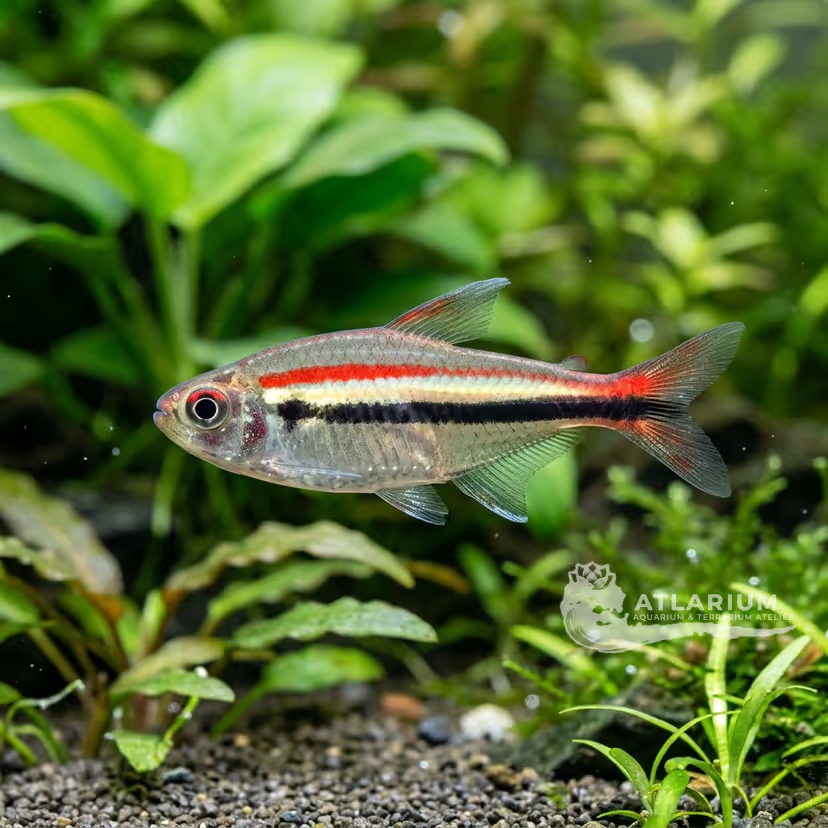
Flag Tetra
Hyphessobrycon heterorhabdus
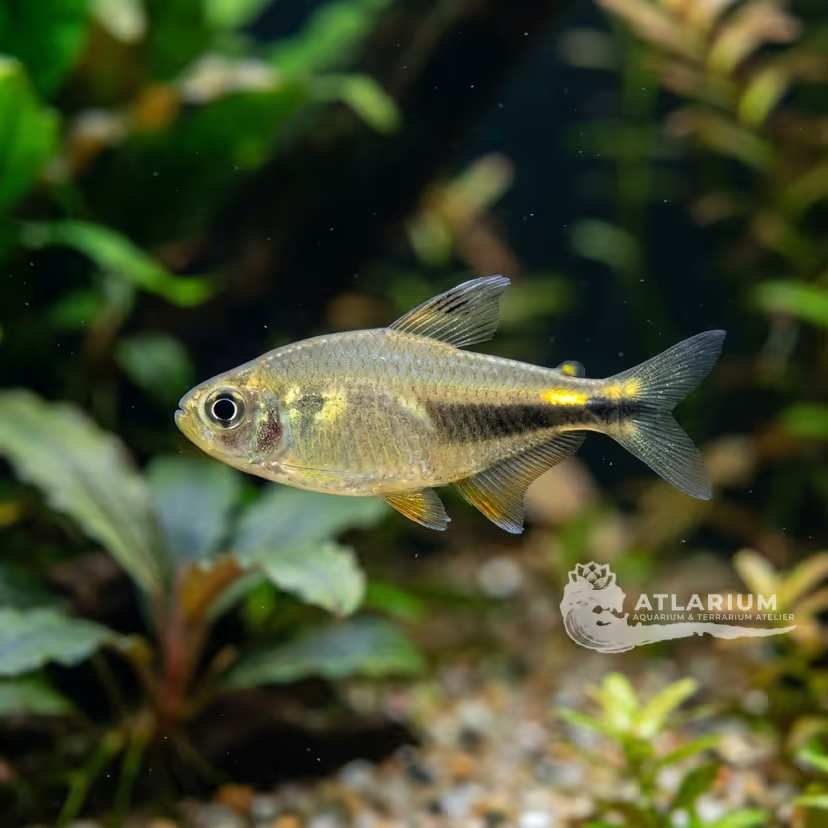
Meta Tetra
Hyphessobrycon metae
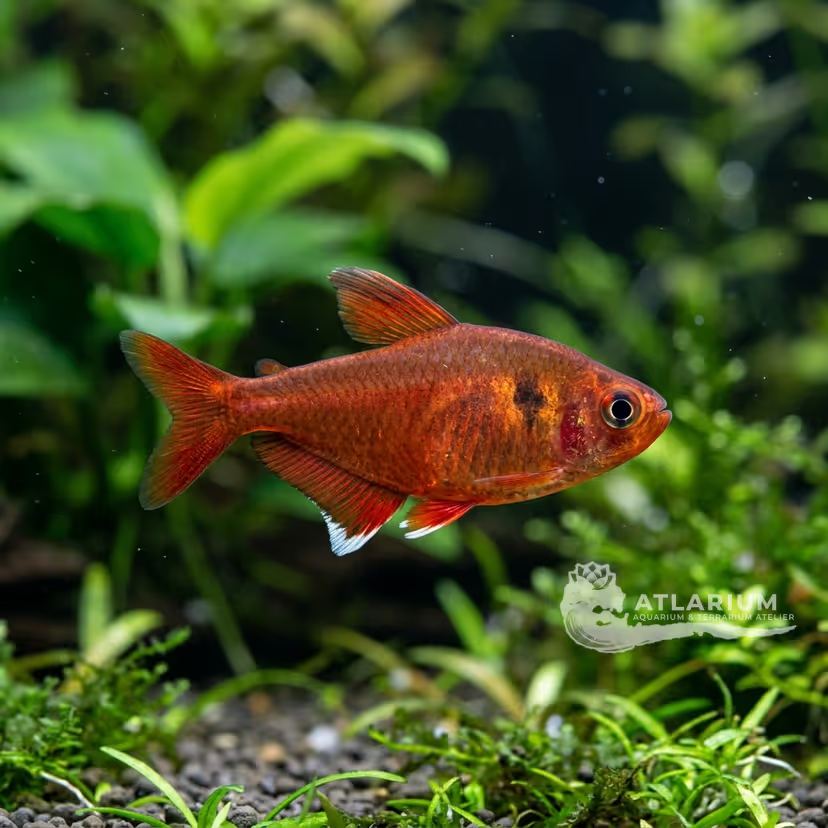
Copeland's Tetra
Hyphessobrycon copelandi
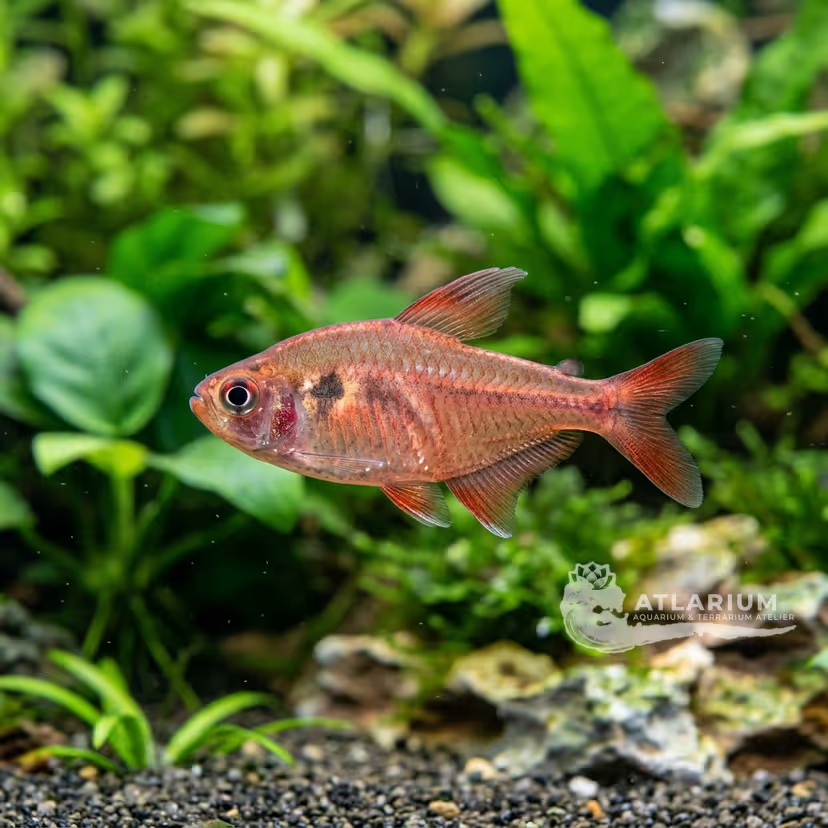
Georgette's Tetra
Hyphessobrycon georgettae
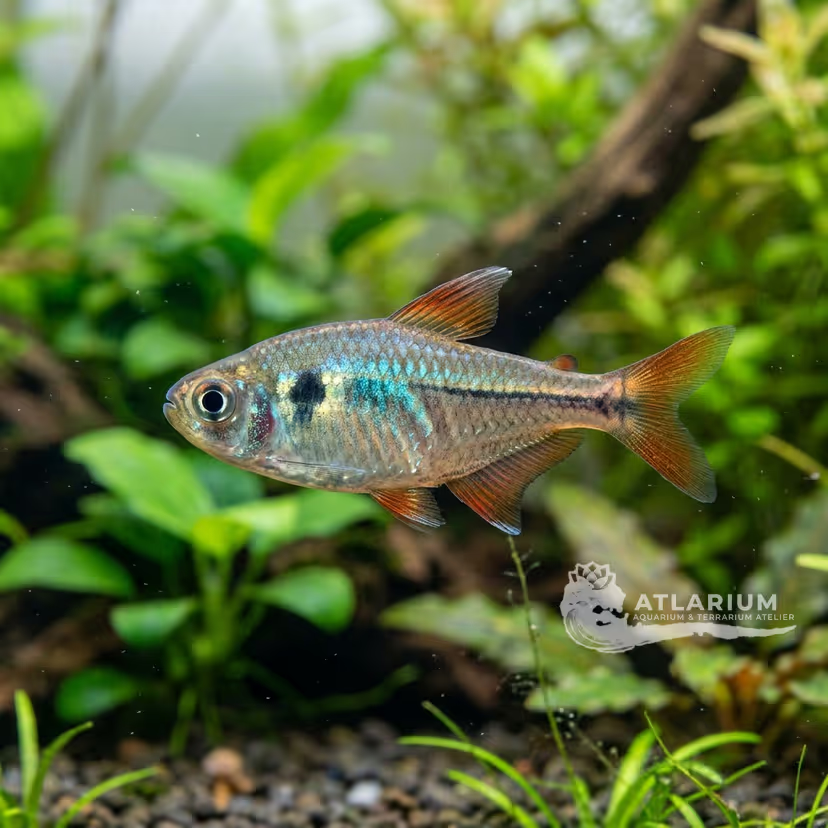
Mutabilis Tetra
Hyphessobrycon mutabilis
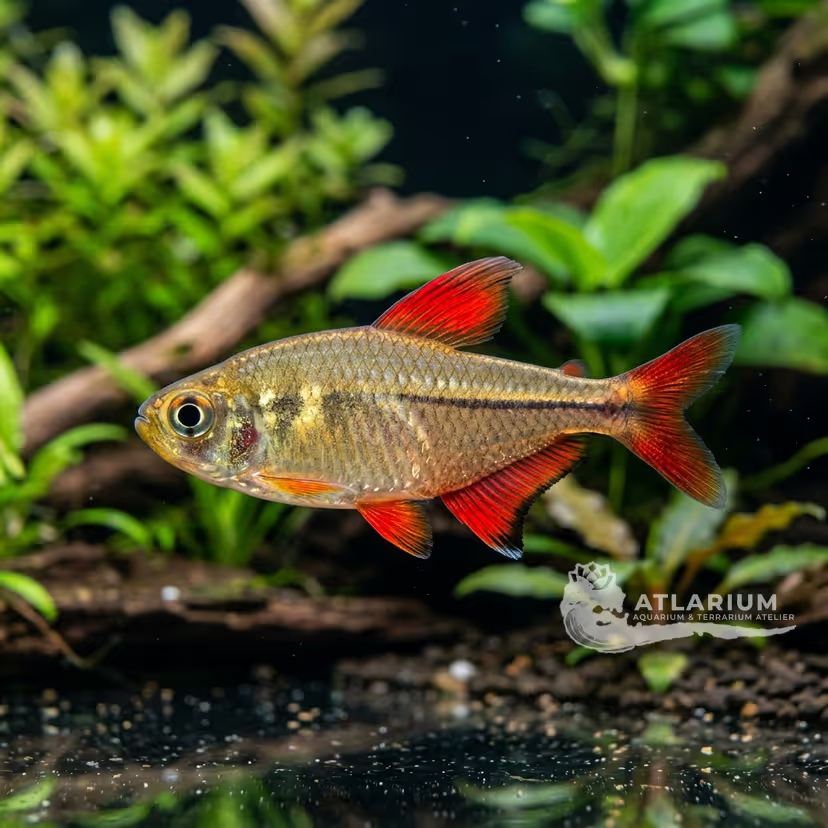
Franke's Tetra
Hyphessobrycon frankei

Vilma's Tetra
Hyphessobrycon vilmae
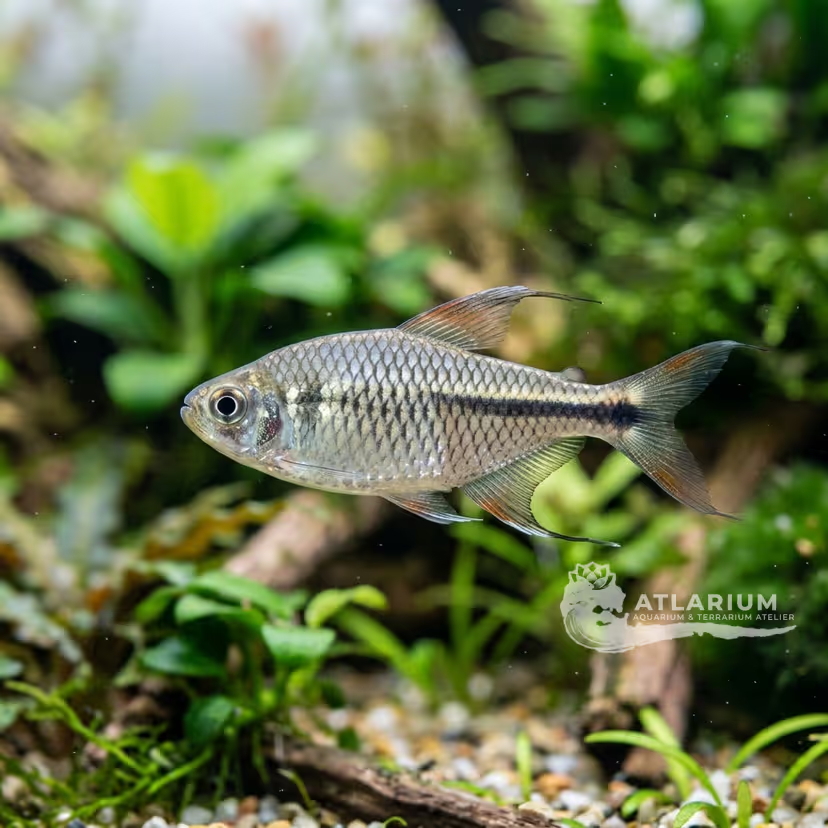
Reticulated Tetra
Hyphessobrycon reticulatus

Agulha Tetra
Hyphessobrycon agulha

Blueberry Tetra
Hyphessobrycon wadai

Flame tetra
Hyphessobrycon flammeus

Serpae Tetra (Red Minor Tetra)
Hyphessobrycon eques

Epicharis Tetra
Hyphessobrycon epicharis
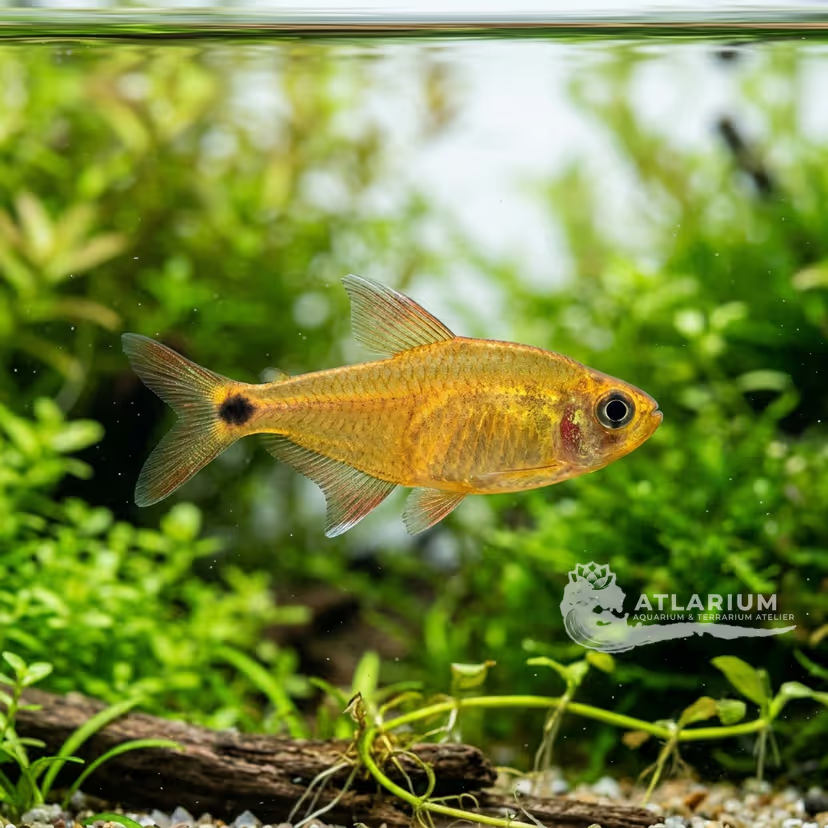
Dawn Tetra
Hyphessobrycon eos
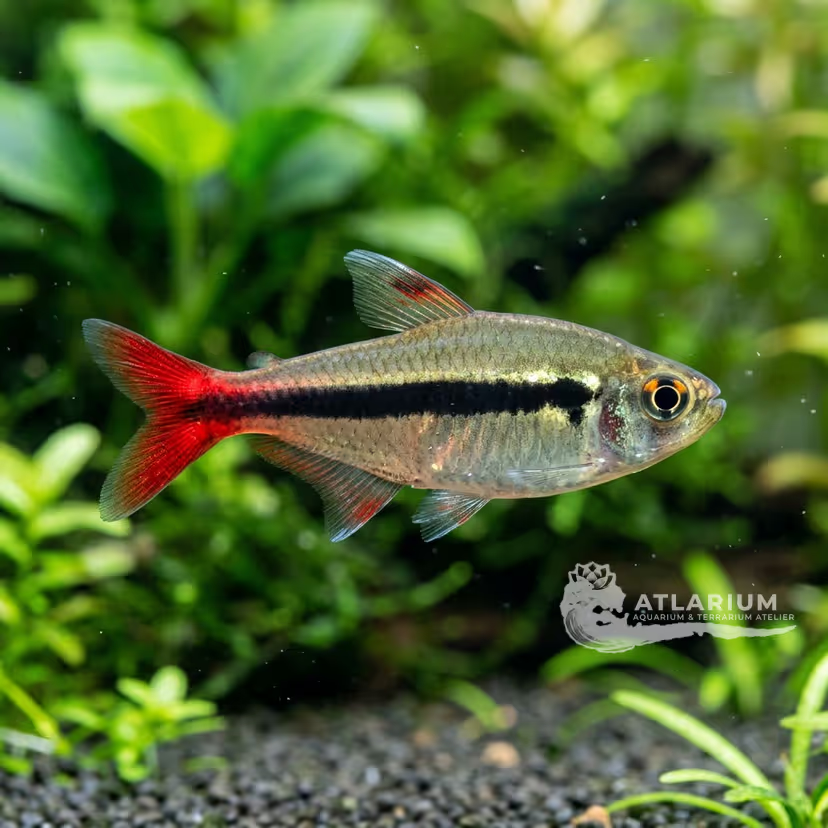
Loreto Tetra
Hyphessobrycon loretoensis

Coffee-bean Tetra
Hyphessobrycon takasei
Recommended companions
Compatible cards from coherent ecosystems with matching parameters.

Blyxa alternifolia
Blyxa alternifolia

Blyxa cf. vietii
Blyxa cf. vietii

Alternanthera reineckii "rosaefolia minor"
Alternanthera reineckii "rosaefolia minor"

Ammannia mauritiana
Ammannia mauritiana

Ammannia sp. 'Bonsai'
Ammannia sp. 'Bonsai'

Ammannia latifolia
Ammannia latifolia

Arrowhead Anubias
Anubias hastifolia

Bacopa sp. "Japan"
Bacopa sp. "Japan"

Bolbitis heteroclita
Bolbitis heteroclita
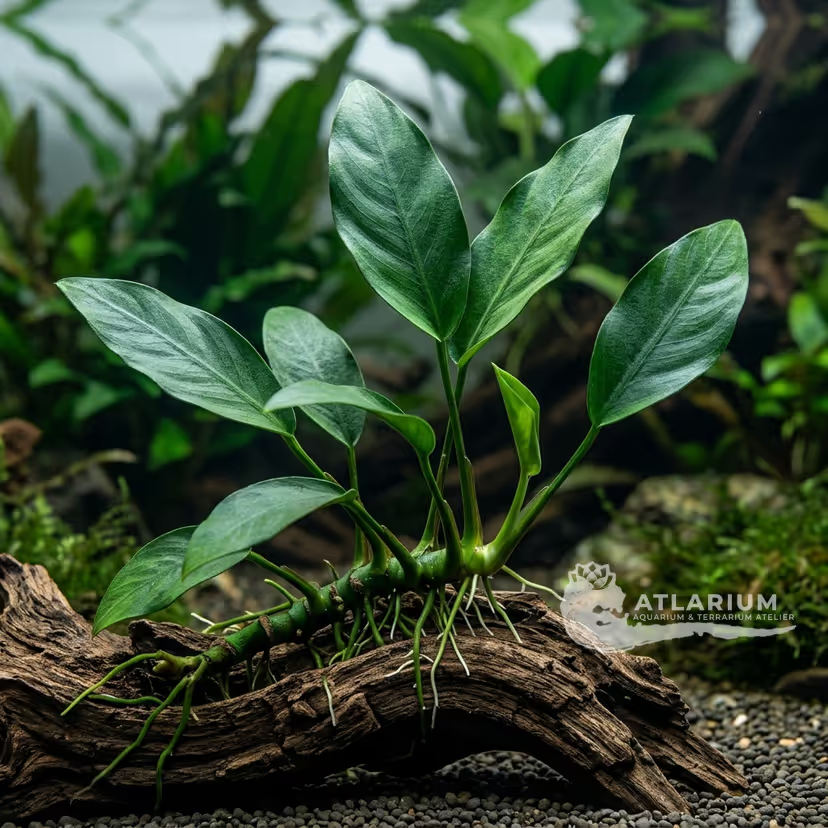
Anubias
Anubias barteri

Anubias nana
Anubias barteri var. nana

Bucephalandra motleyana "Braun-rot" ("Serimbu")
Bucephalandra motleyana "Braun-rot" ("Serimbu")

Bucephalandra motleyana "Kapit"
Bucephalandra motleyana "Kapit"

Bucephalandra motleyana "Pancuraji"
Bucephalandra motleyana "Pancuraji"

Bucephalandra sp. "Bukit Kelam / Sintang"
Bucephalandra sp. "Bukit Kelam / Sintang"

Bucephalandra sp. "Melawi"
Bucephalandra sp. "Melawi"
Similar care
Cards with similar requirements, difficulty, habitat, and husbandry profile.
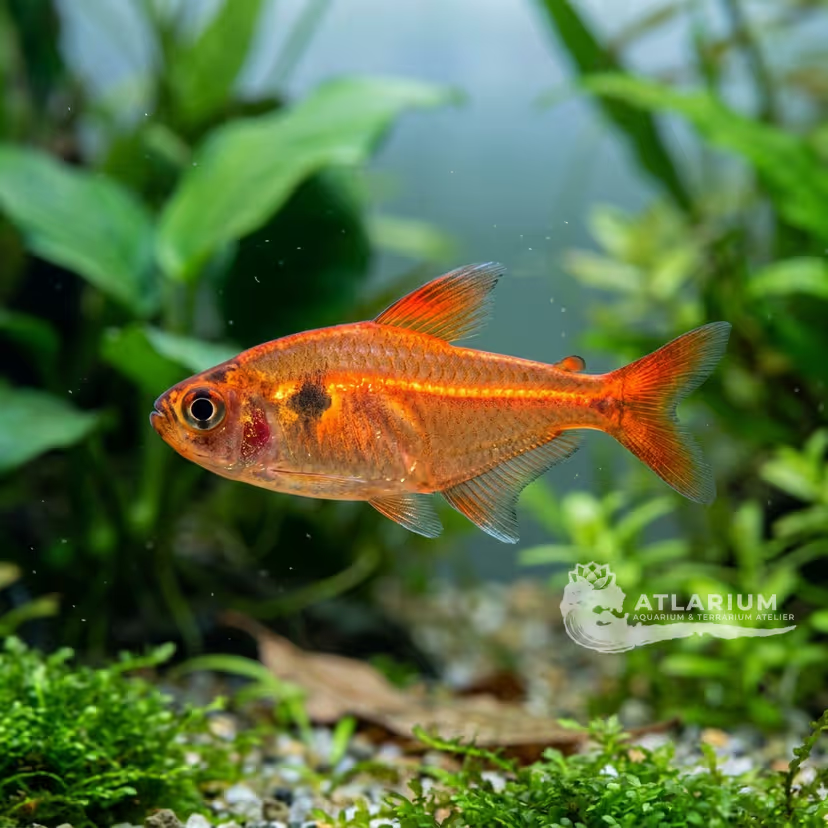
Socolof's Tetra
Hyphessobrycon socolofi
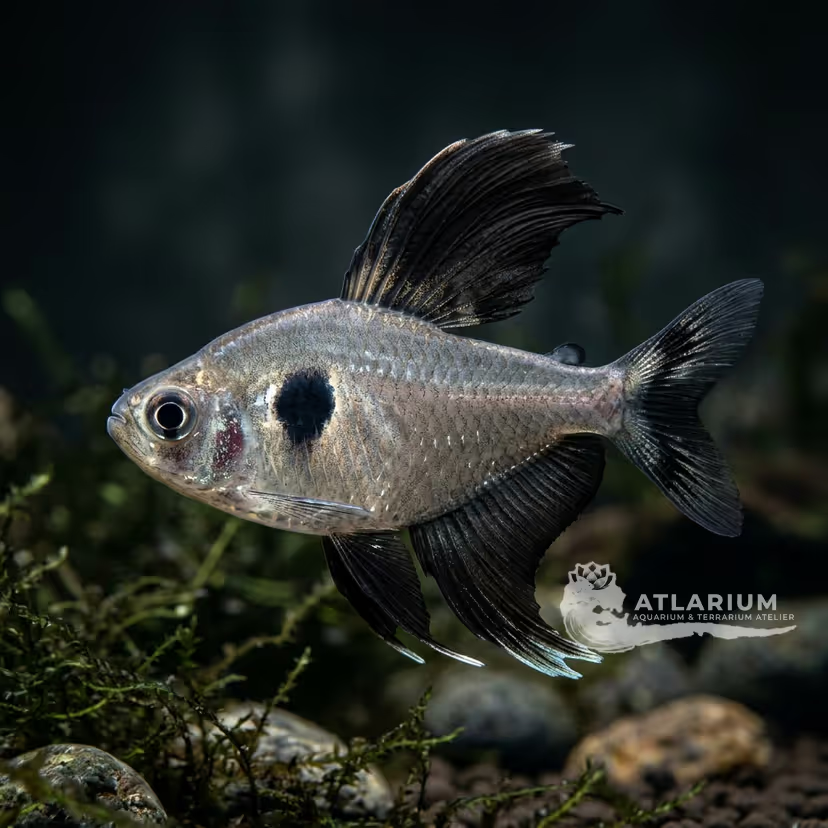
Black Phantom Tetra
Hyphessobrycon megalopterus
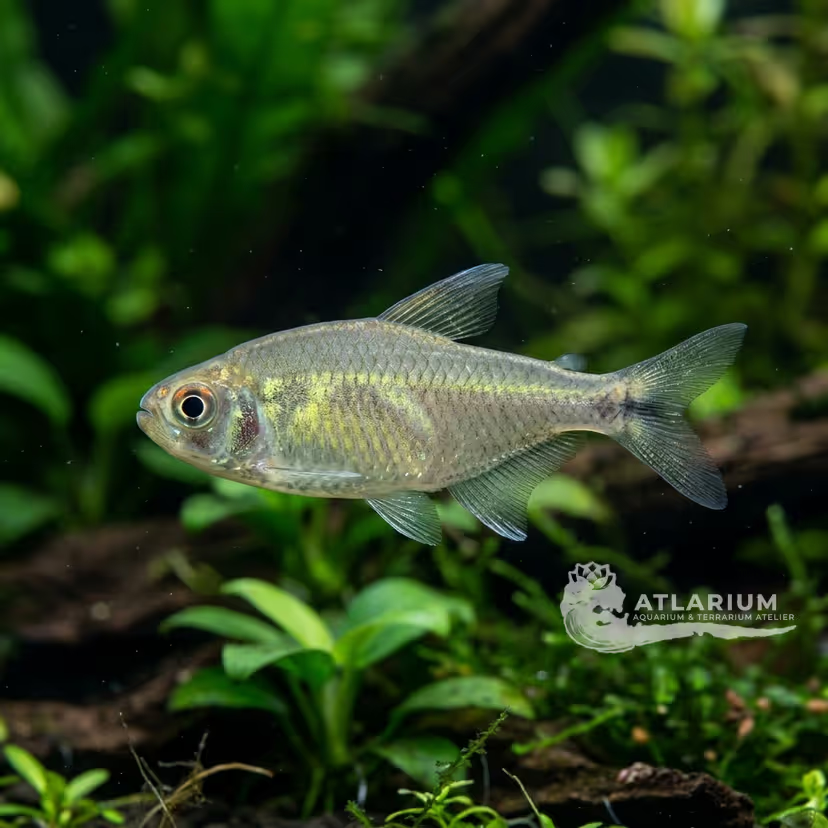
Balbus Tetra
Hyphessobrycon balbus
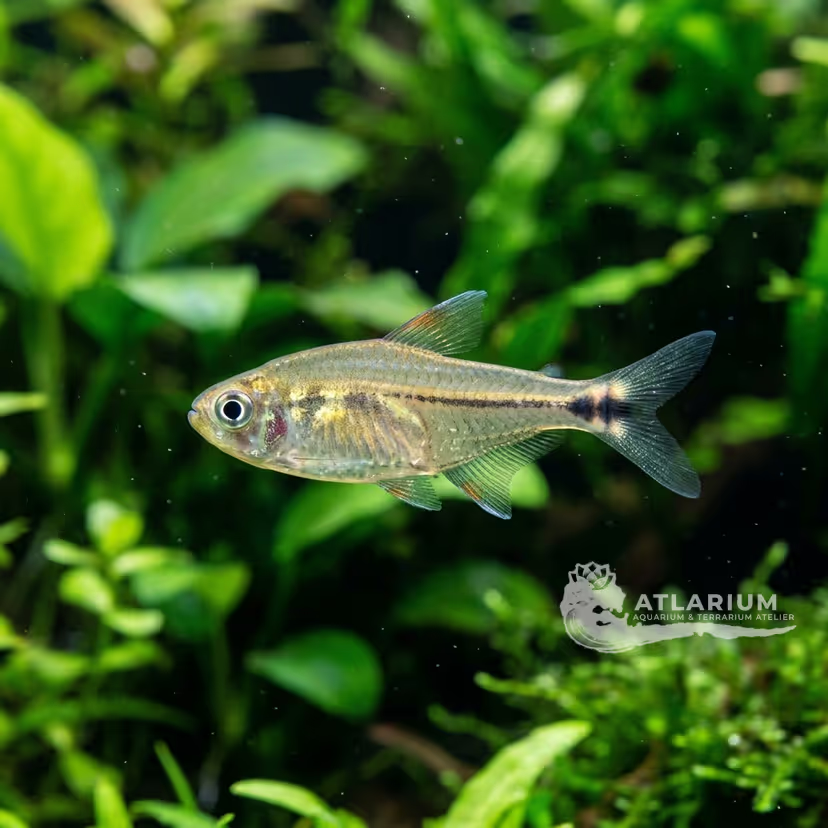
Dash-dot Tetra
Hemigrammus bellottii

Bleeding Heart Tetra
Hyphessobrycon erythrostigma

Bass Tetra
Hemigrammus marginatus
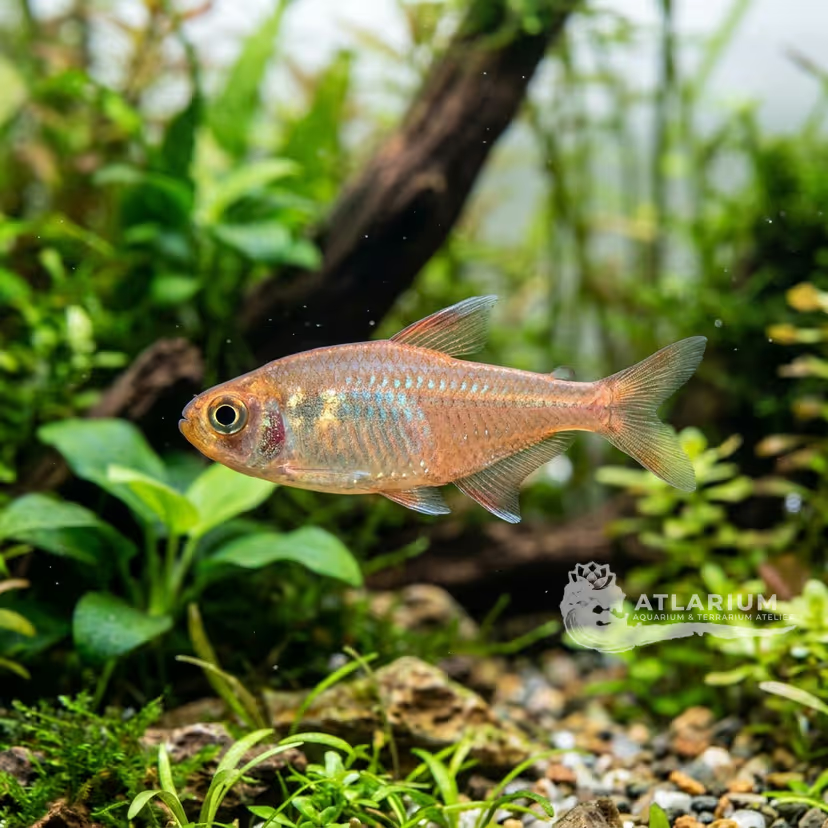
Vorderwinkler's Tetra
Hemigrammus vorderwinkleri

Flameback bleeding heart tetra
Hyphessobrycon pyrrhonotus
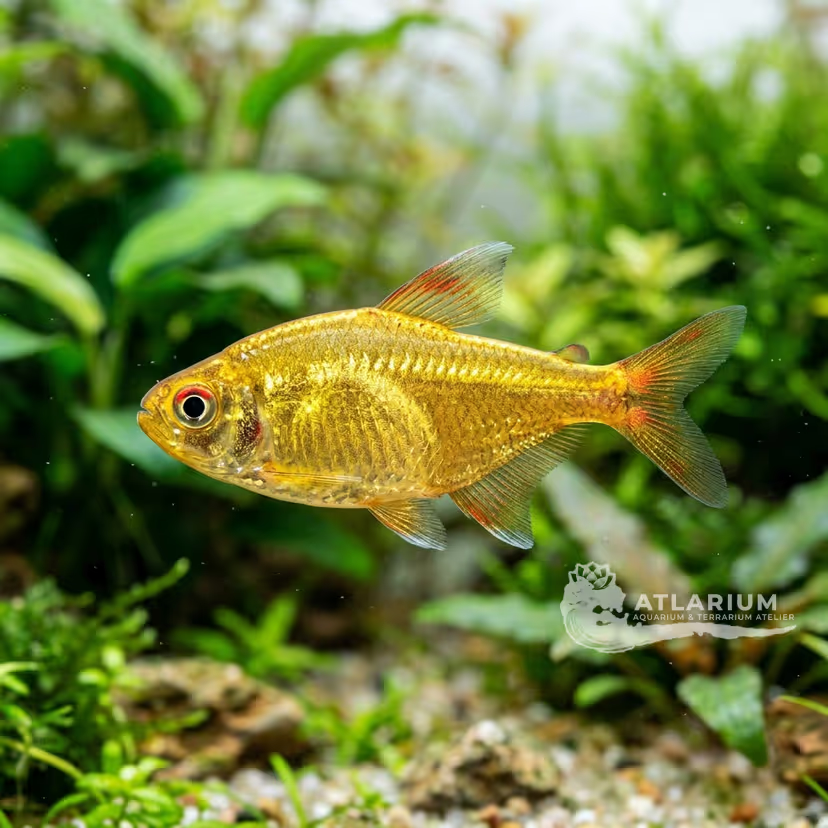
Golden Tetra
Hemigrammus levis
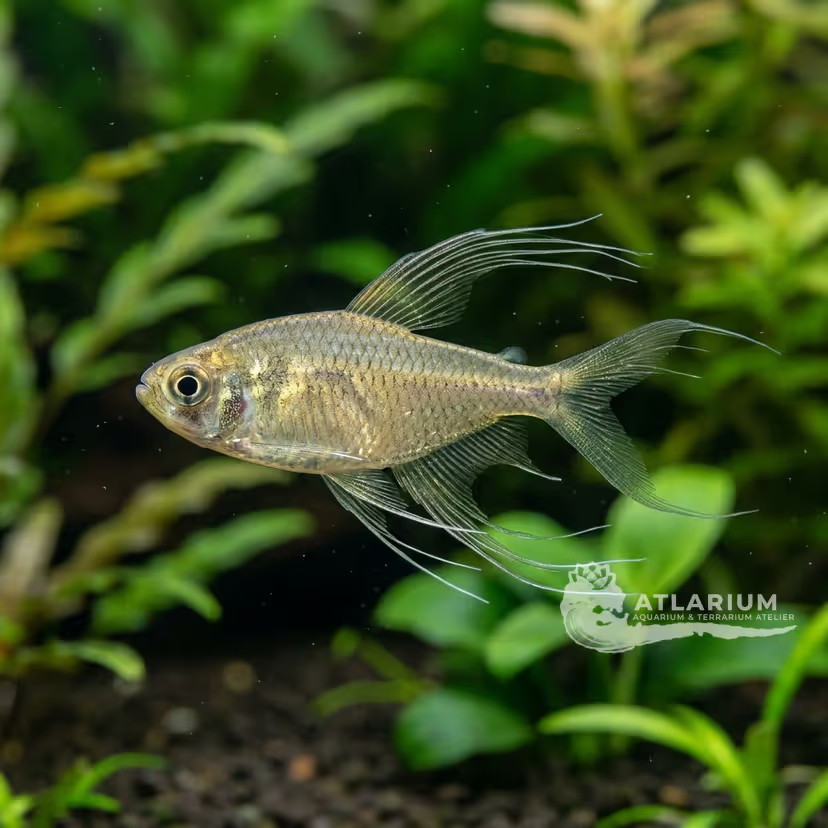
Phoenix Tetra
Hemigrammus filamentosus
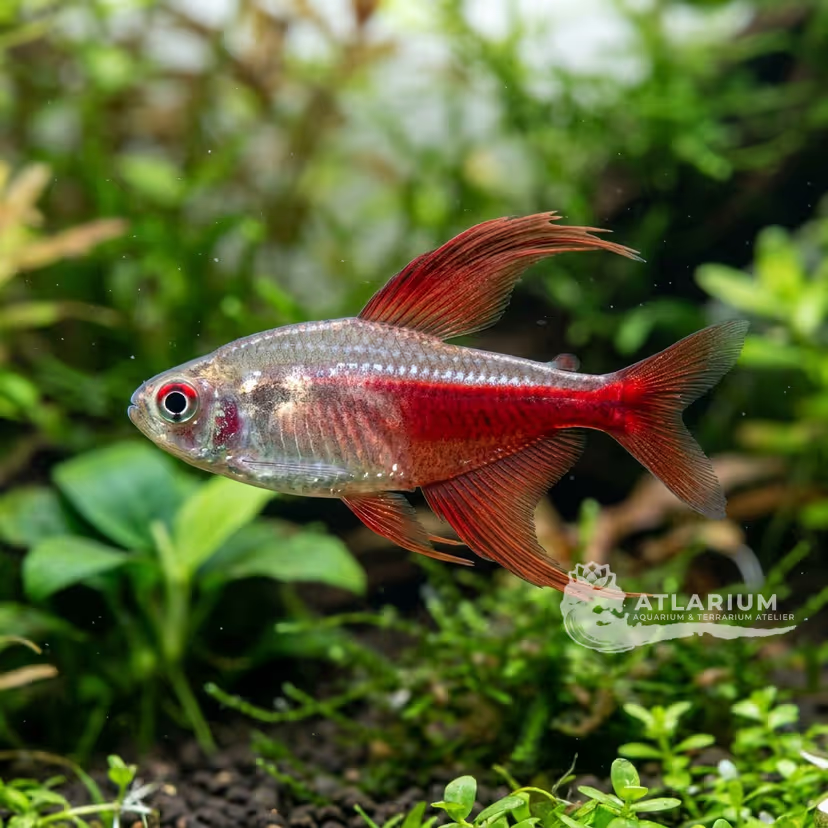
Red Sailfin Tetra
Hemigrammus coeruleus
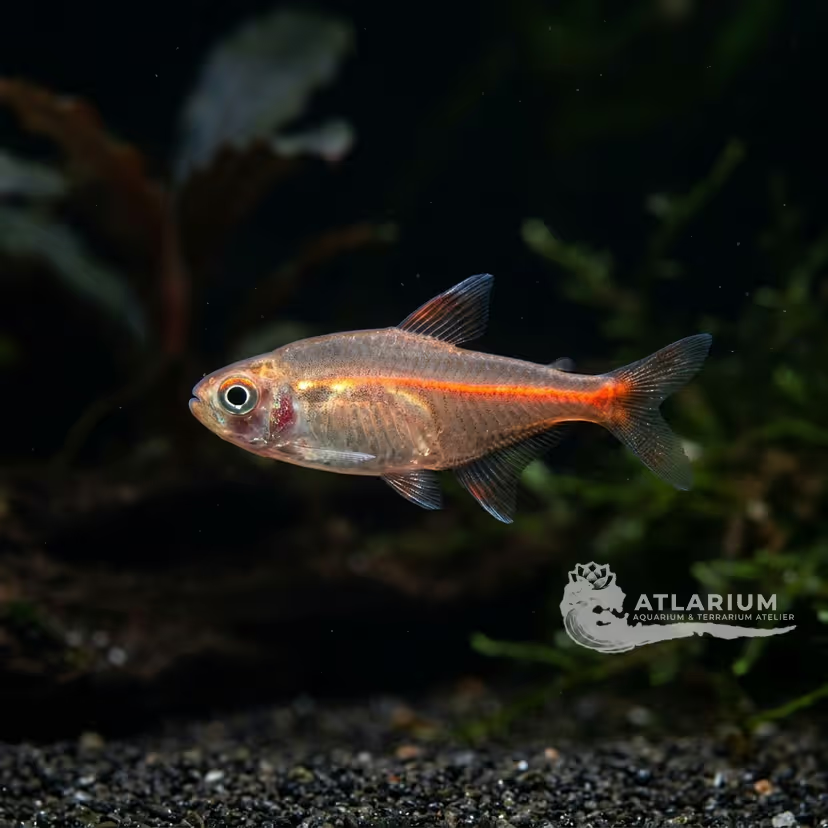
Glowlight tetra
Hemigrammus erythrozonus
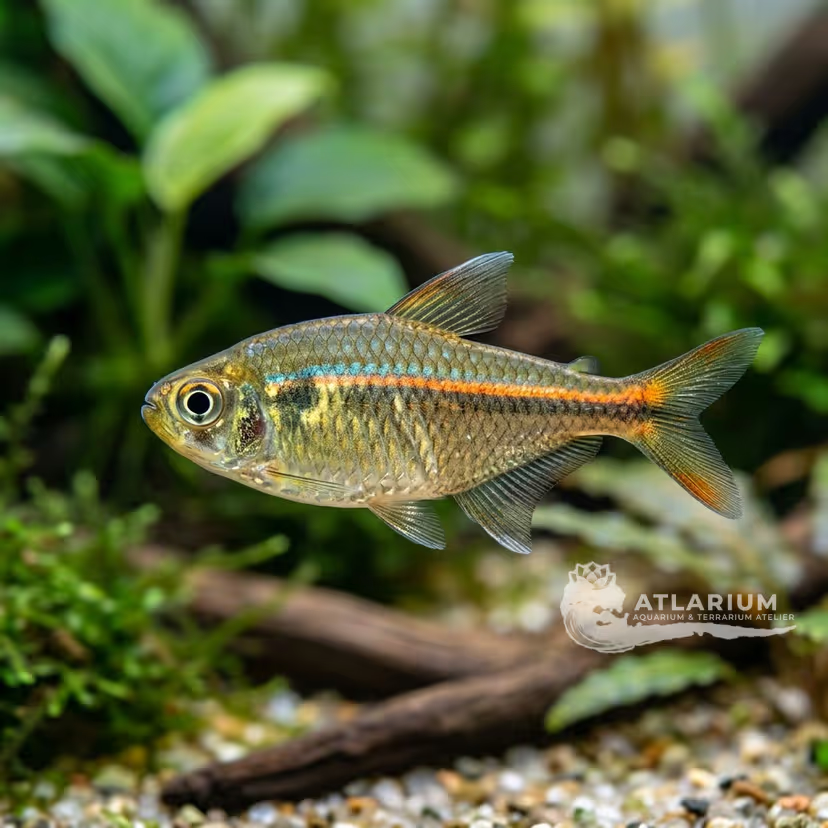
Pretty tetra
Hemigrammus pulcher

Brilliant Rummy-Nose Tetra (Bleheri)
Hemigrammus bleheri

Amapá tetra
Hyphessobrycon amapaensis

Black neon tetra
Hyphessobrycon herbertaxelrodi