

Encyclopaedia
Mutabilis Tetra
Hyphessobrycon mutabilis
The Mutabilis Tetra is native to heavily sheltered slow waters of central-western Brazil. It prefers an aquarium with fine or dark sand, multiple visual barriers of roots, and floating plants.
Share
Check out Mutabilis Tetra on Atlarium
22 - 27 °C
5.5 - 7
Freshwater
Middle
4.5 cm
>= 80 L
>= 6
1 - 12 dGH
1 - 6 dKH
25 - 240 ppm
39 - 375 uS/cm
Species description
Care, breeding and tankmates
Geographic Origin and Distribution
Origin
Fish profile
- Temperament
- Semi-aggressive
- Diet
- Omnivore
- Sex ratio
- School
- Feeding frequency
- Twice daily
- Bioload
- The Hyphessobrycon mutabilis contributes a very low bioload to the aquarium ecosystem due to its small size. This makes them highly suitable for densely planted nano tanks and community setups alike. Despite their low waste production, maintaining a strict schedule of weekly water changes is highly recommended. A standard, high-quality biological filtration system will easily process the minimal waste generated by a healthy school.
- Flow
- Stagnant
- Reproduction
- Oviparous
- Compatibility & tankmates
- As a peaceful schooling species, the Hyphessobrycon mutabilis thrives when kept in a vibrant community aquarium. They require the security of a group, so maintaining them in schools of at least eight individuals is essential. Excellent tank mates include small rasboras, Corydoras catfish, and other equally peaceful characins. Aggressive, large, or excessively boisterous fish should be strictly avoided to prevent them from becoming stressed or preyed upon.
- Tank level
- Middle
Window to the official scientific data of the species
Scientific Parameters & Models
- Trophic level
- 3 ± 0.3 se
- Resilience
- High (less than 15 months)
- Phylogenetic uniqueness (PD50)
- 0.5
- Bayesian Length-Weight
- a = 0.00676, b = 3.12
Image gallery
Licensed images linked to the species or, when marked, to the closest representative taxon.
Related species
Recommendations grouped by close relatives, companion choices, and similar care.
Variants and close relatives
Same atlas type, nearby scientific identity, genus, or family.

Agulha Tetra
Hyphessobrycon agulha
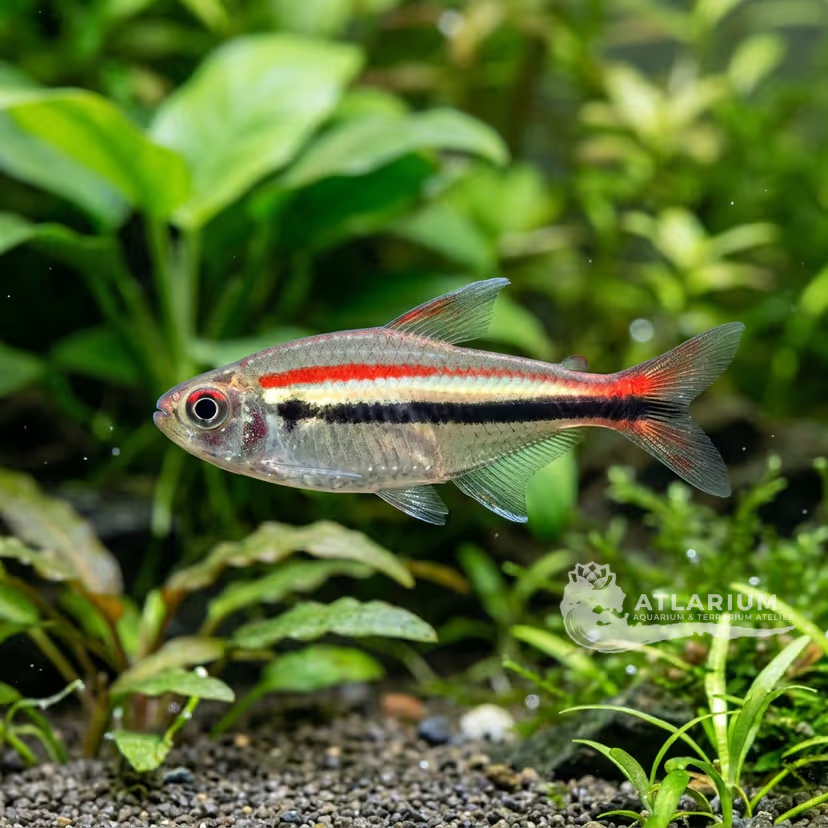
Flag Tetra
Hyphessobrycon heterorhabdus
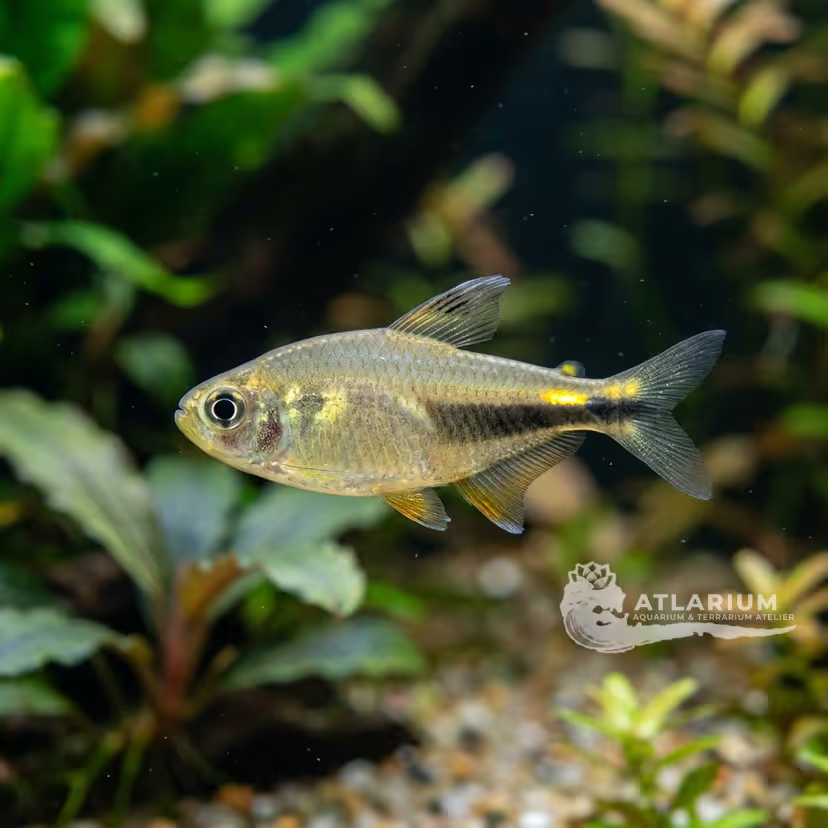
Meta Tetra
Hyphessobrycon metae
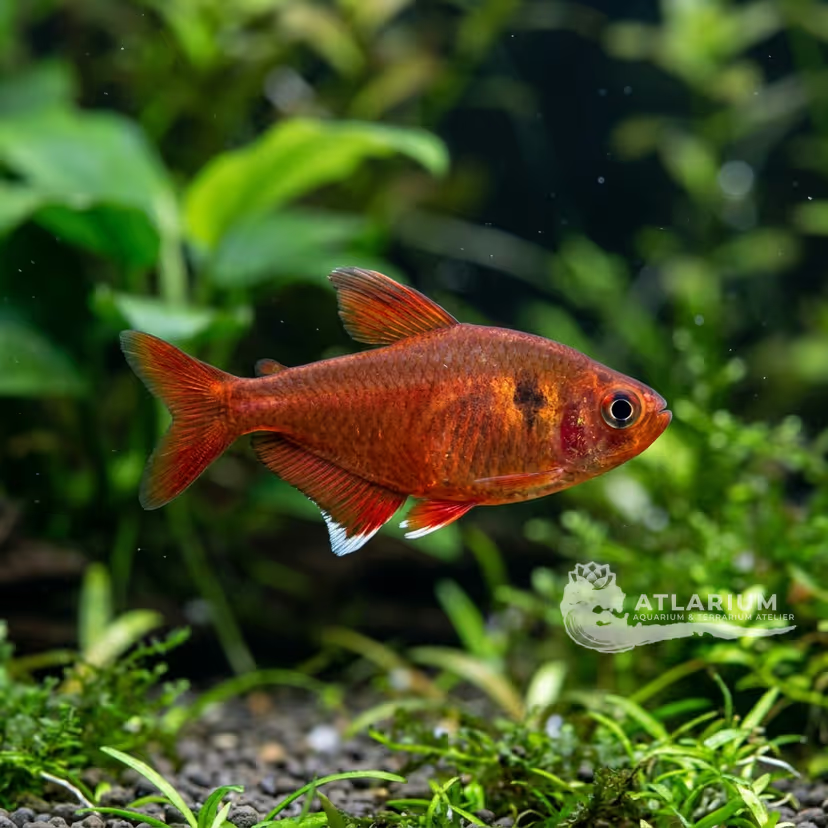
Copeland's Tetra
Hyphessobrycon copelandi
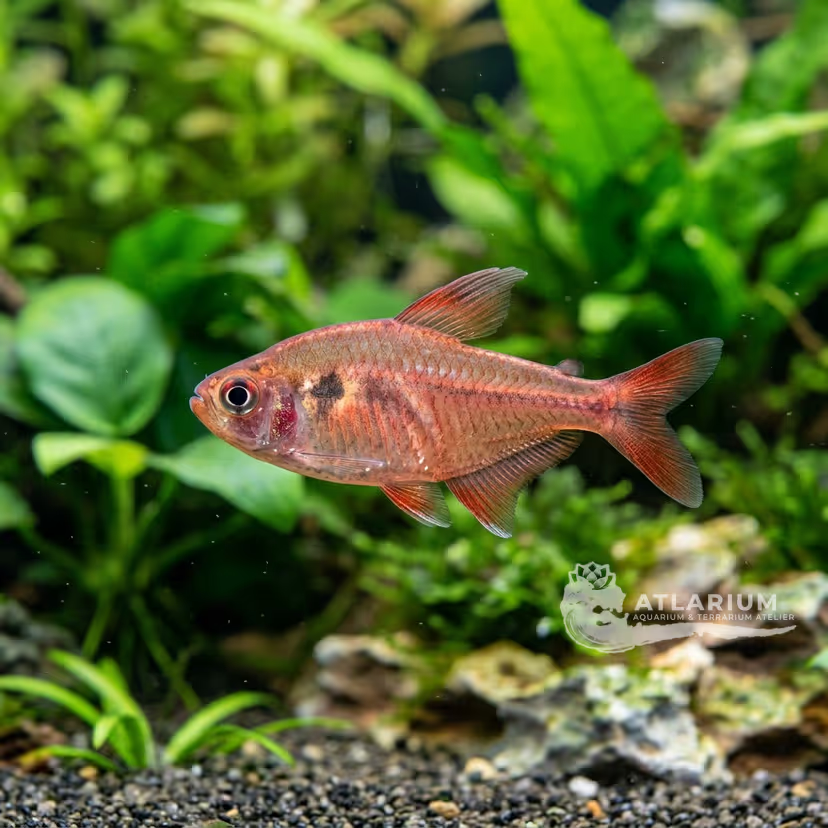
Georgette's Tetra
Hyphessobrycon georgettae
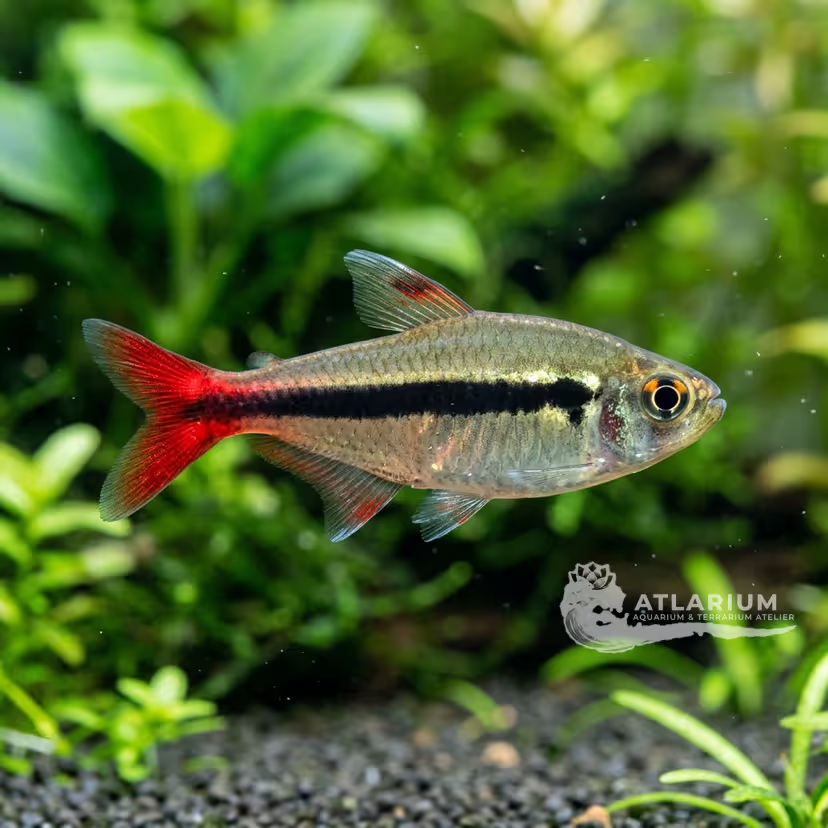
Loreto Tetra
Hyphessobrycon loretoensis

Epicharis Tetra
Hyphessobrycon epicharis
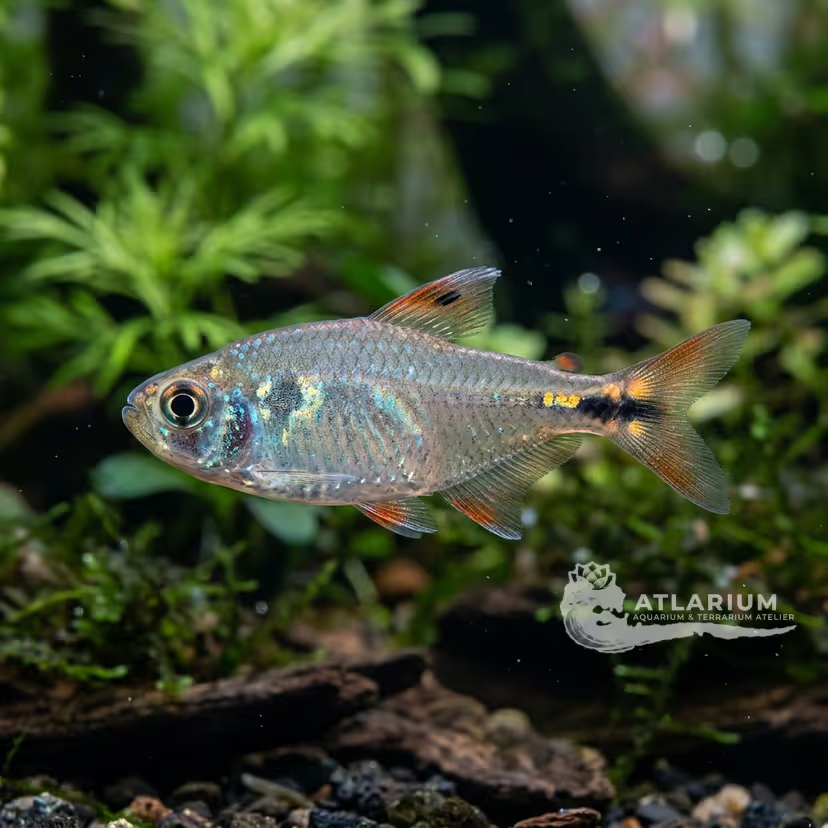
Diancema Tetra
Hyphessobrycon
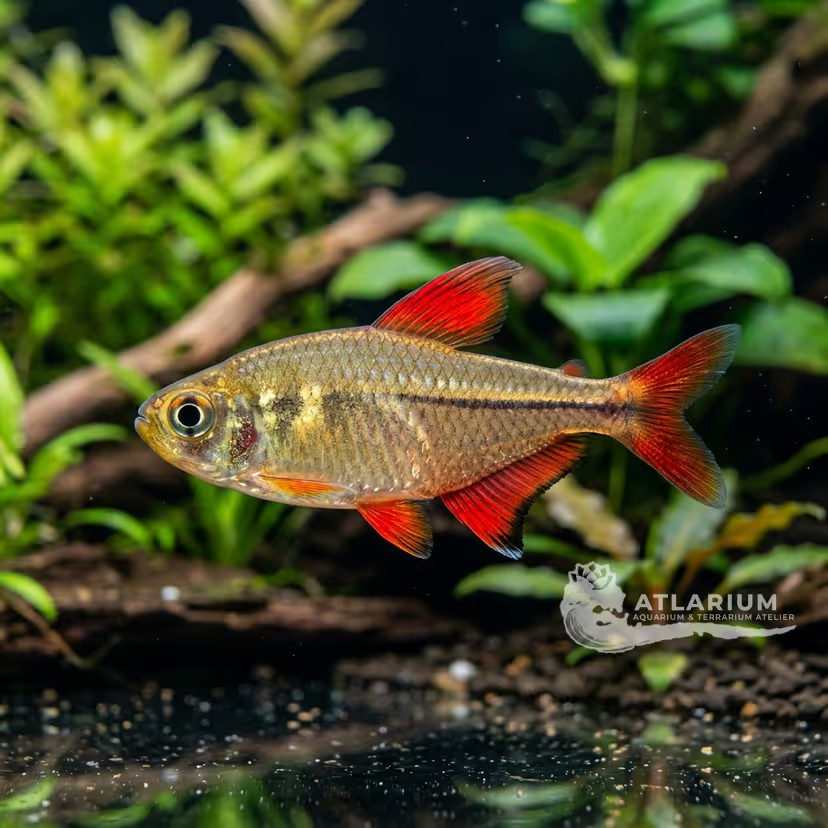
Franke's Tetra
Hyphessobrycon frankei

Vilma's Tetra
Hyphessobrycon vilmae

Blueberry Tetra
Hyphessobrycon wadai

Coffee-bean Tetra
Hyphessobrycon takasei
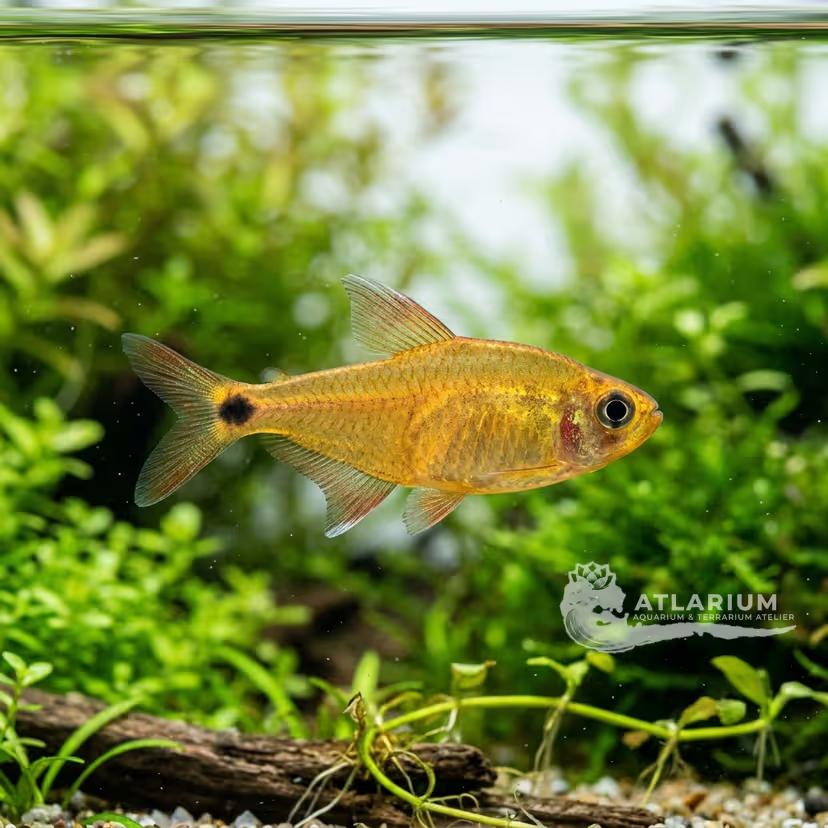
Dawn Tetra
Hyphessobrycon eos

Black neon tetra
Hyphessobrycon herbertaxelrodi

Flame tetra
Hyphessobrycon flammeus

Serpae Tetra (Red Minor Tetra)
Hyphessobrycon eques
Recommended companions
Compatible cards from coherent ecosystems with matching parameters.

Blyxa alternifolia
Blyxa alternifolia

Blyxa cf. vietii
Blyxa cf. vietii

Alternanthera reineckii "rosaefolia minor"
Alternanthera reineckii "rosaefolia minor"

Ammannia mauritiana
Ammannia mauritiana

Ammannia latifolia
Ammannia latifolia

Ammannia sp. 'Bonsai'
Ammannia sp. 'Bonsai'

Arrowhead Anubias
Anubias hastifolia
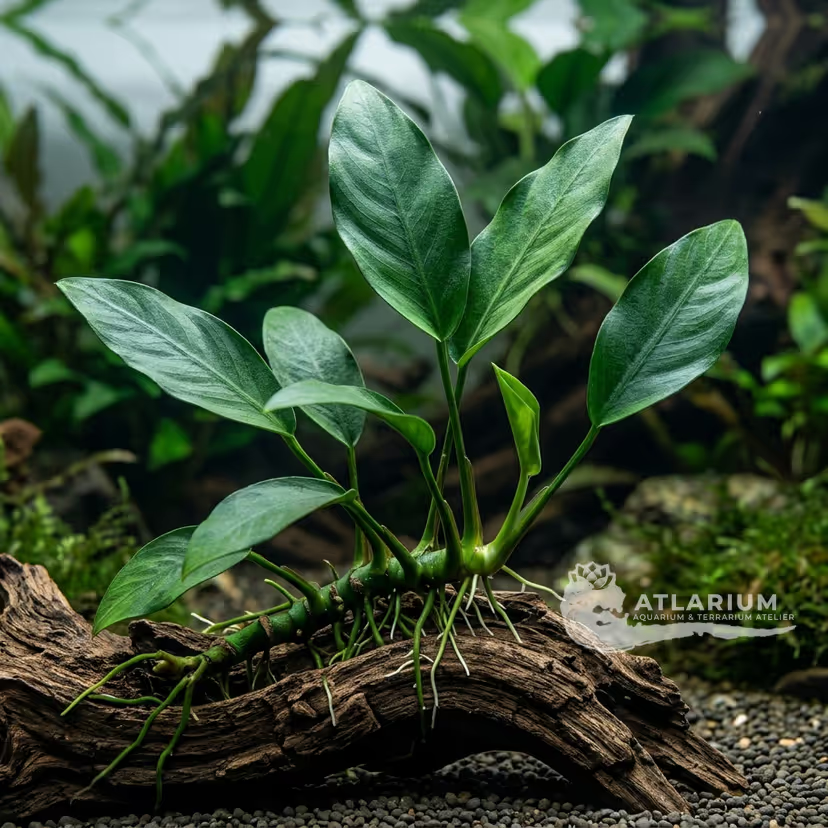
Anubias
Anubias barteri

Anubias nana
Anubias barteri var. nana

Amblystegiaceae sp. "Manaus"
Amblystegiaceae sp. "Manaus"

Bacopa sp. "Japan"
Bacopa sp. "Japan"

Bolbitis heteroclita
Bolbitis heteroclita

Bacopa crenata
Bacopa crenata

Bucephalandra motleyana "Braun-rot narrow"
Bucephalandra motleyana "Braun-rot narrow"

Bucephalandra motleyana "Riam Macam"
Bucephalandra motleyana "Riam Macam"

Anubias barteri var. nana 'Round Leaf'
Anubias barteri var. nana 'Round Leaf'
Similar care
Cards with similar requirements, difficulty, habitat, and husbandry profile.
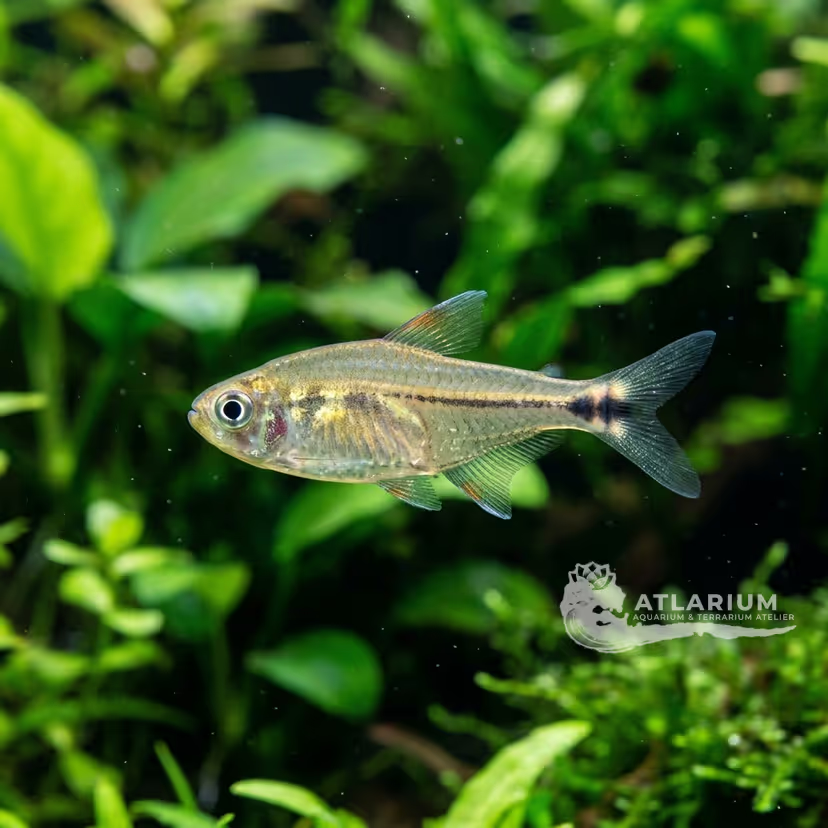
Dash-dot Tetra
Hemigrammus bellottii
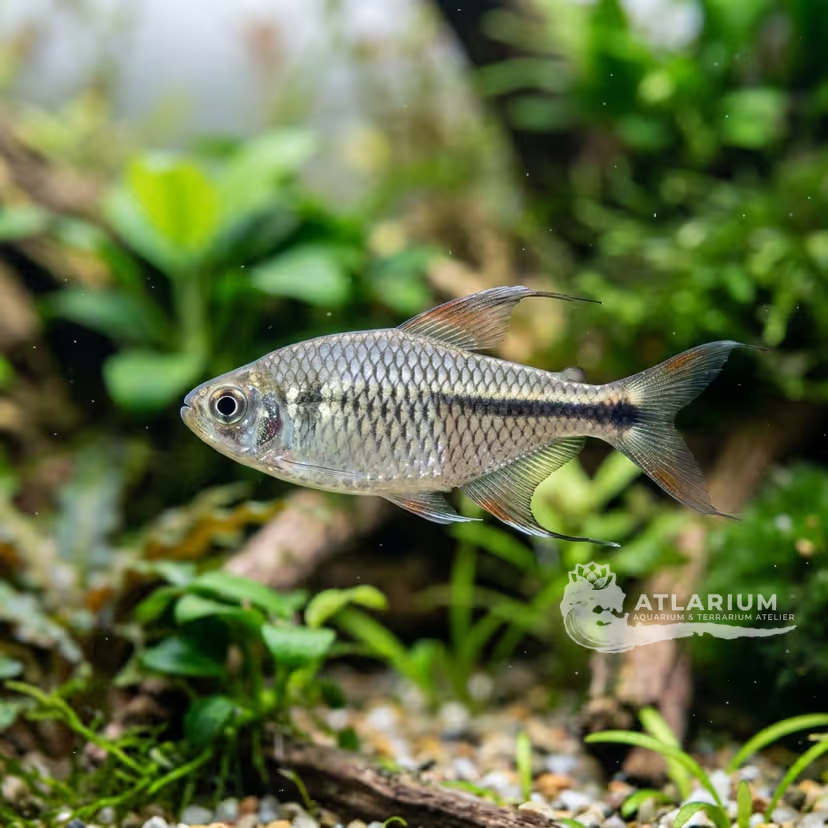
Reticulated Tetra
Hyphessobrycon reticulatus
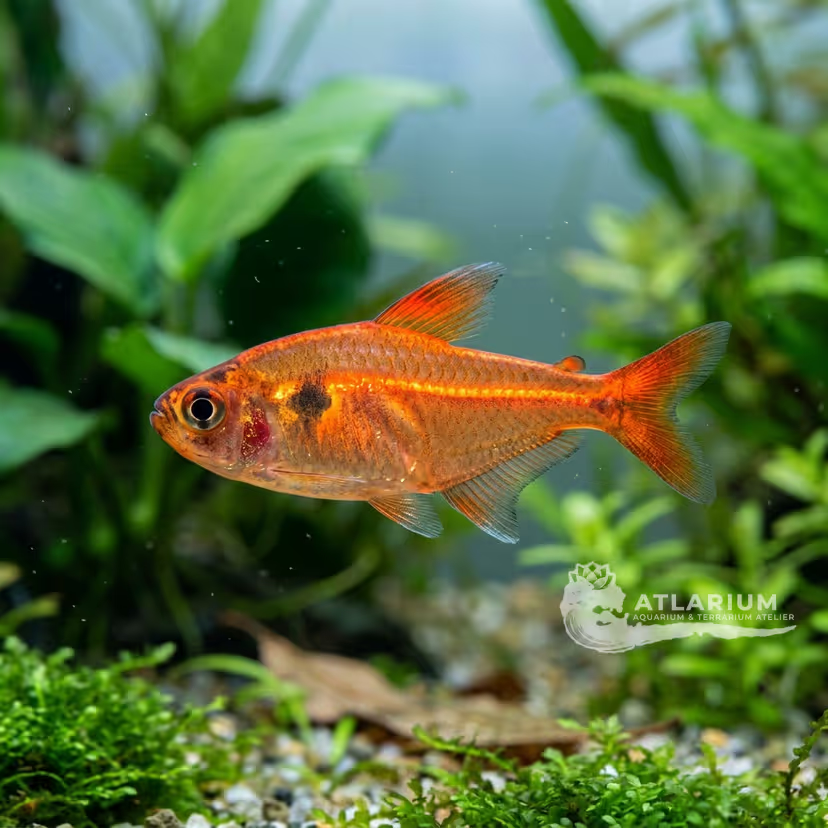
Socolof's Tetra
Hyphessobrycon socolofi
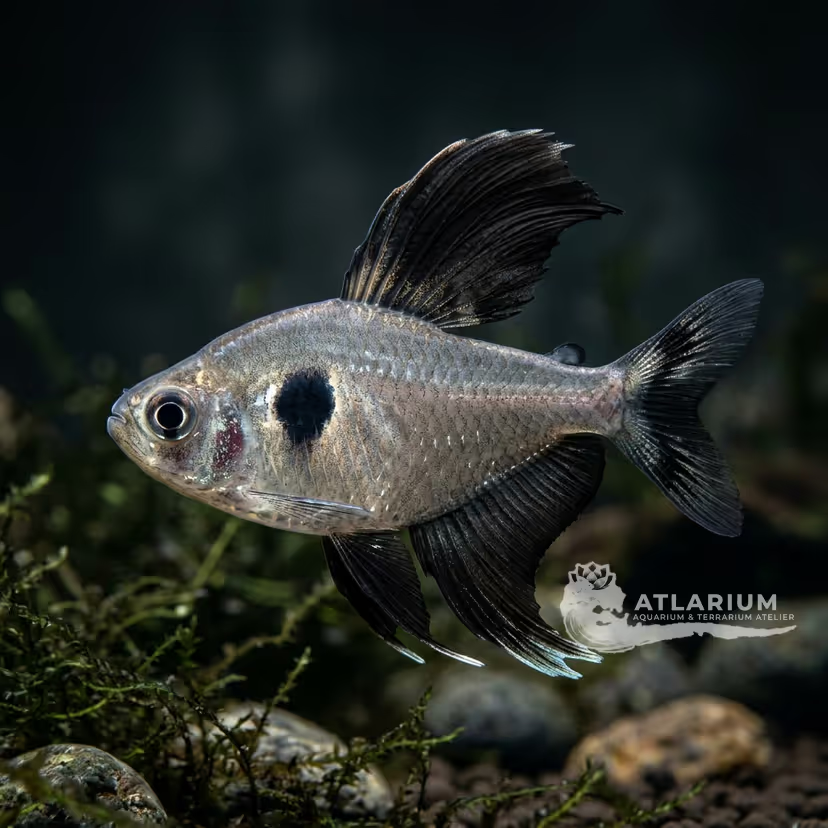
Black Phantom Tetra
Hyphessobrycon megalopterus

Bleeding Heart Tetra
Hyphessobrycon erythrostigma
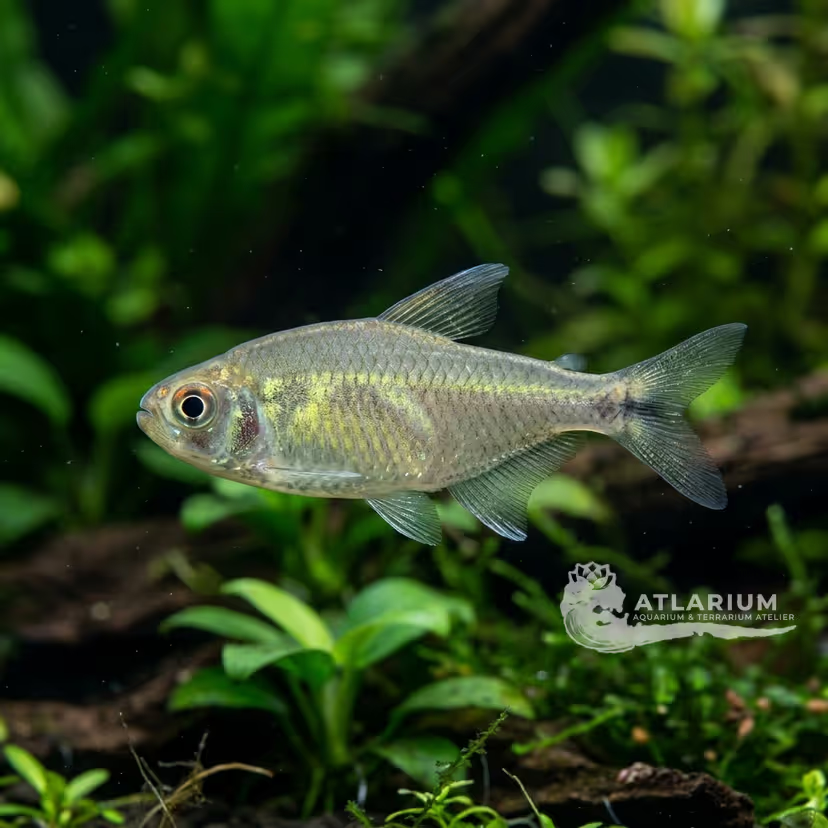
Balbus Tetra
Hyphessobrycon balbus
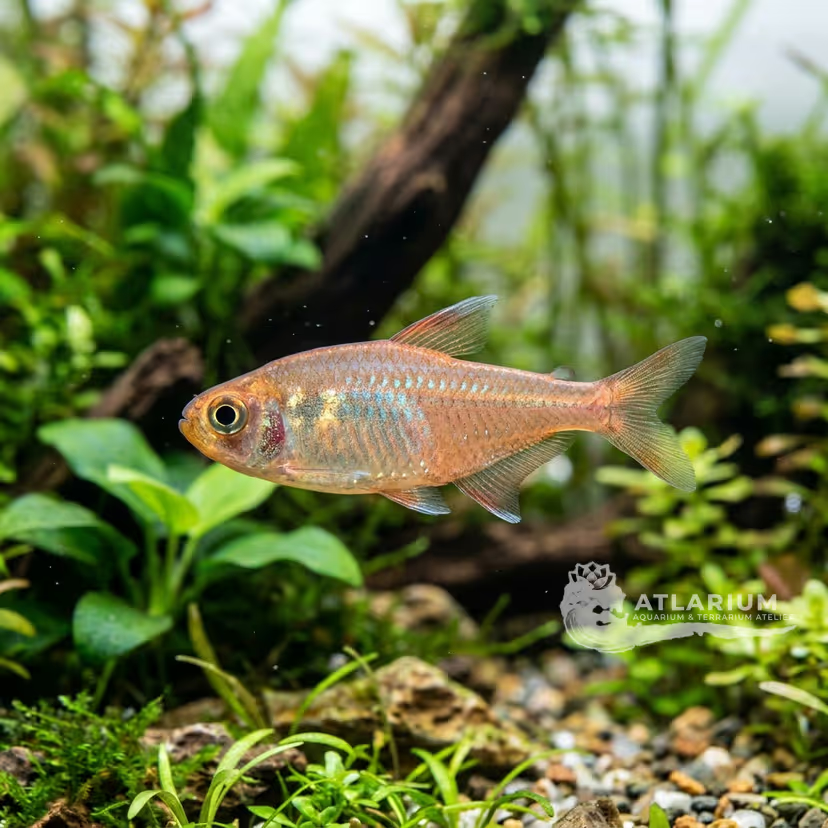
Vorderwinkler's Tetra
Hemigrammus vorderwinkleri
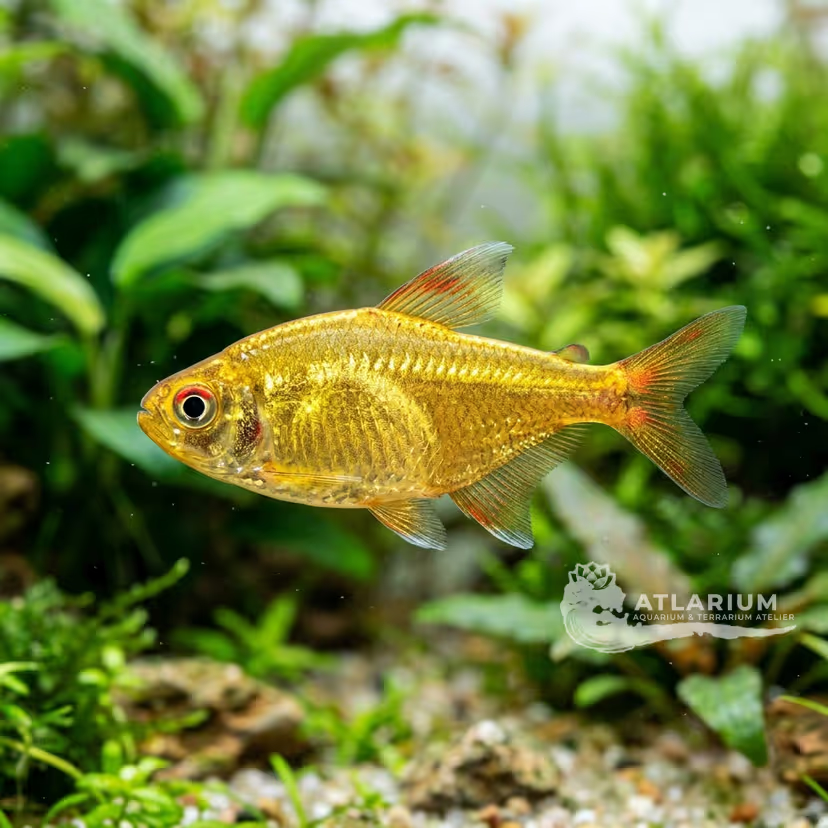
Golden Tetra
Hemigrammus levis

Flameback bleeding heart tetra
Hyphessobrycon pyrrhonotus

Bass Tetra
Hemigrammus marginatus
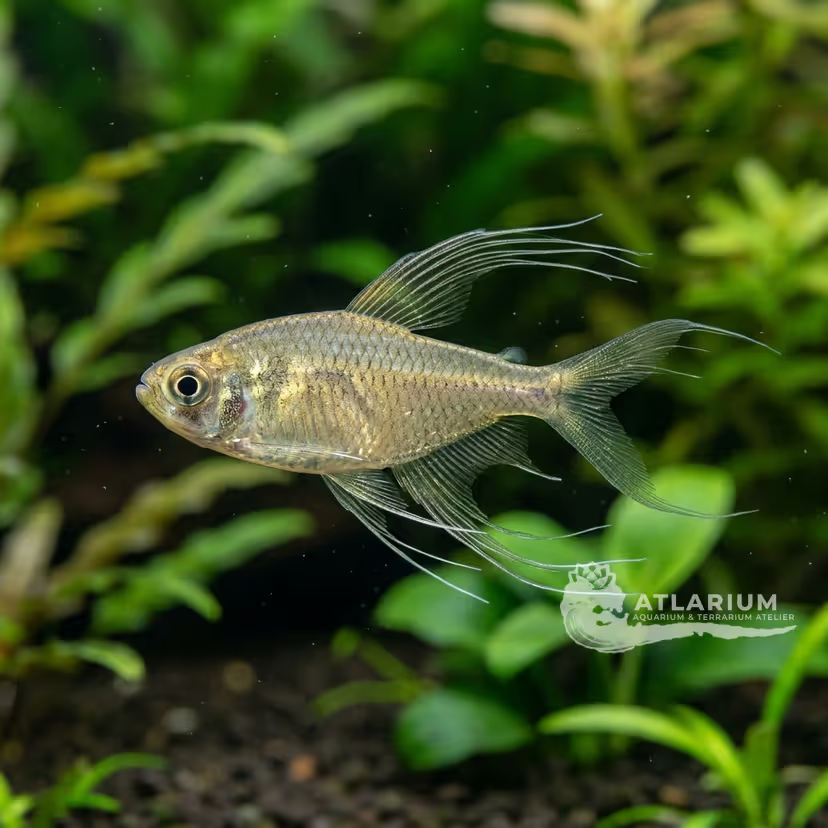
Phoenix Tetra
Hemigrammus filamentosus
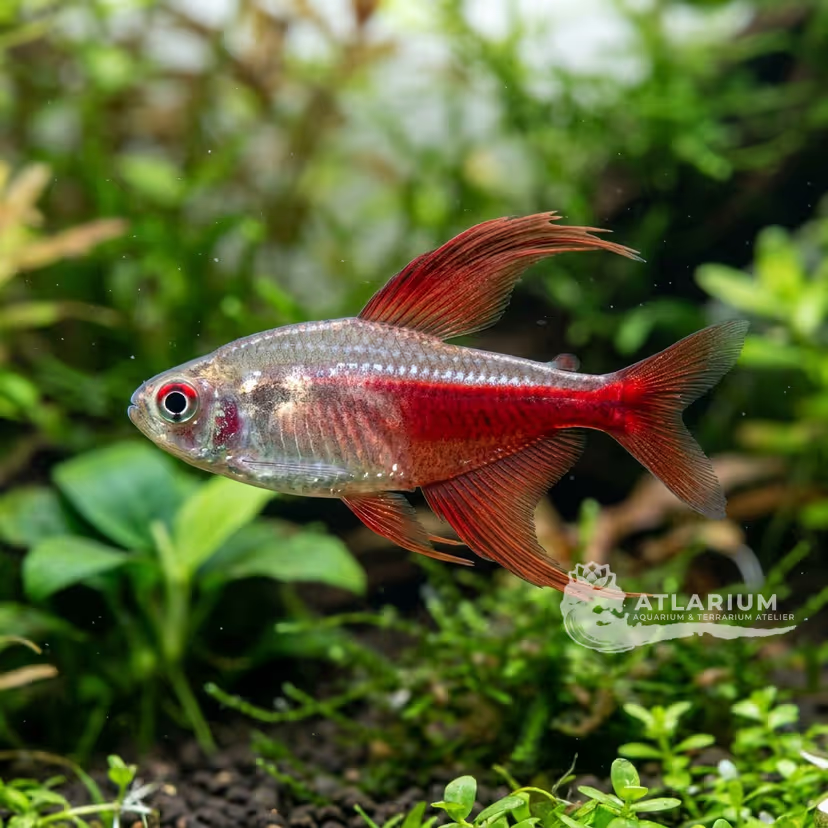
Red Sailfin Tetra
Hemigrammus coeruleus

Brilliant Rummy-Nose Tetra (Bleheri)
Hemigrammus bleheri
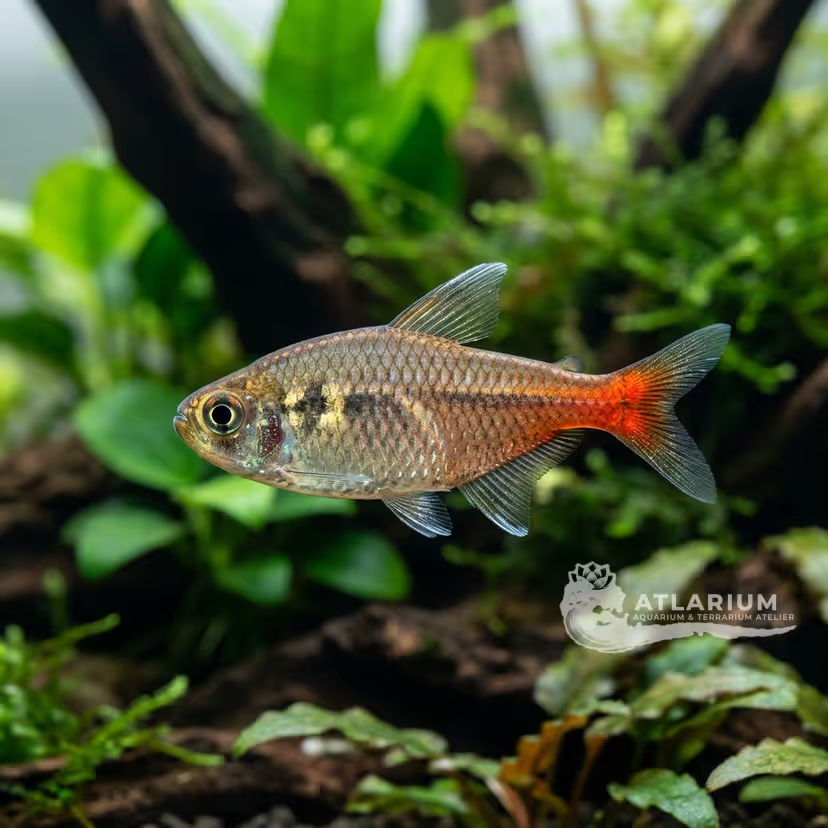
Red spot tetra
Hemigrammus stictus

Diamond Tetra
Moenkhausia pittieri

Amapá tetra
Hyphessobrycon amapaensis