Reticulated Tetra
Hyphessobrycon reticulatus
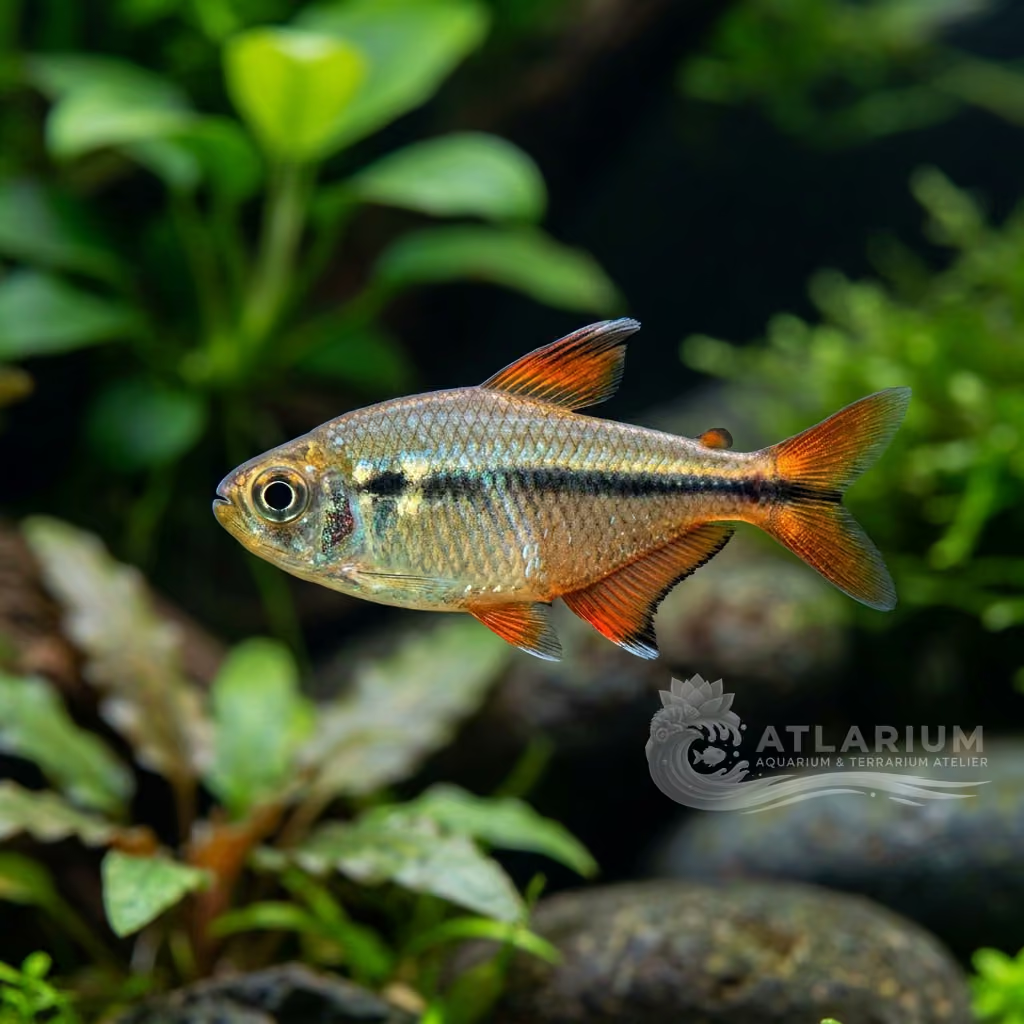
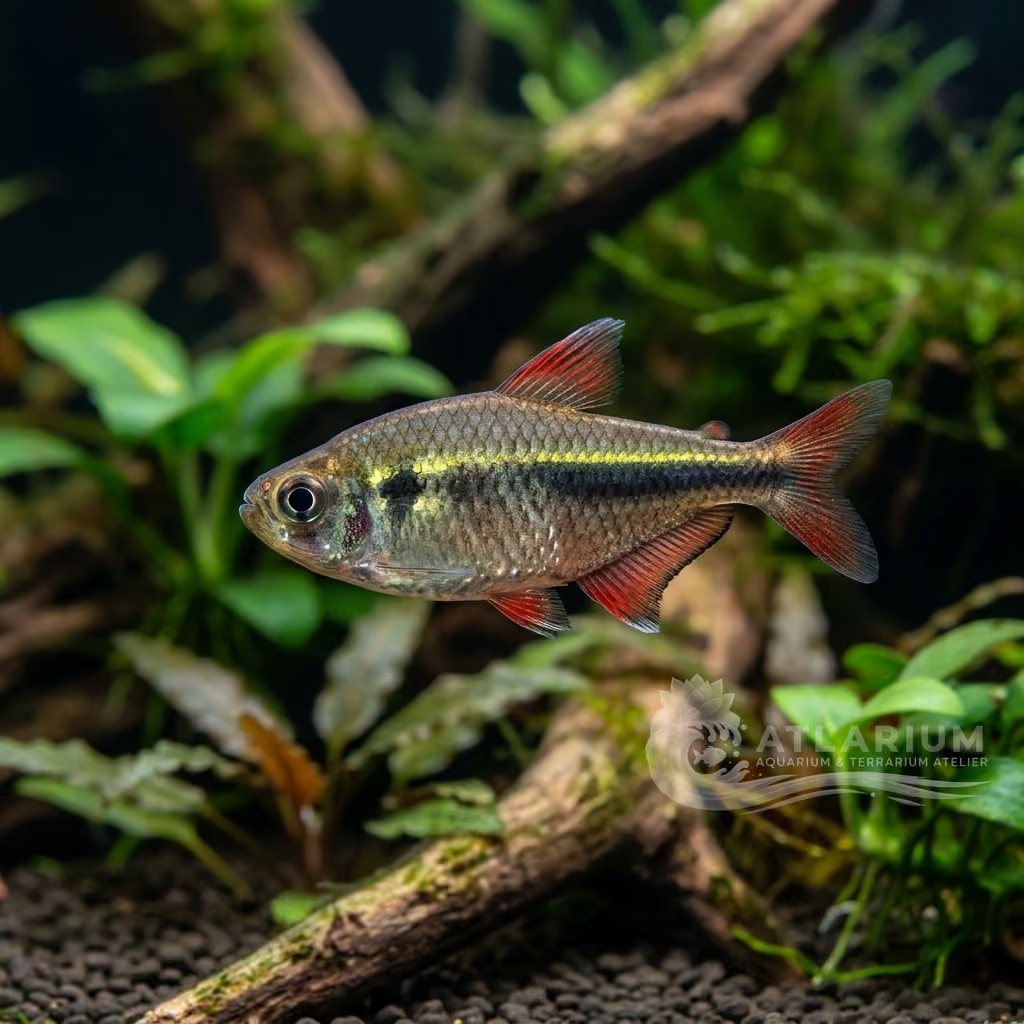
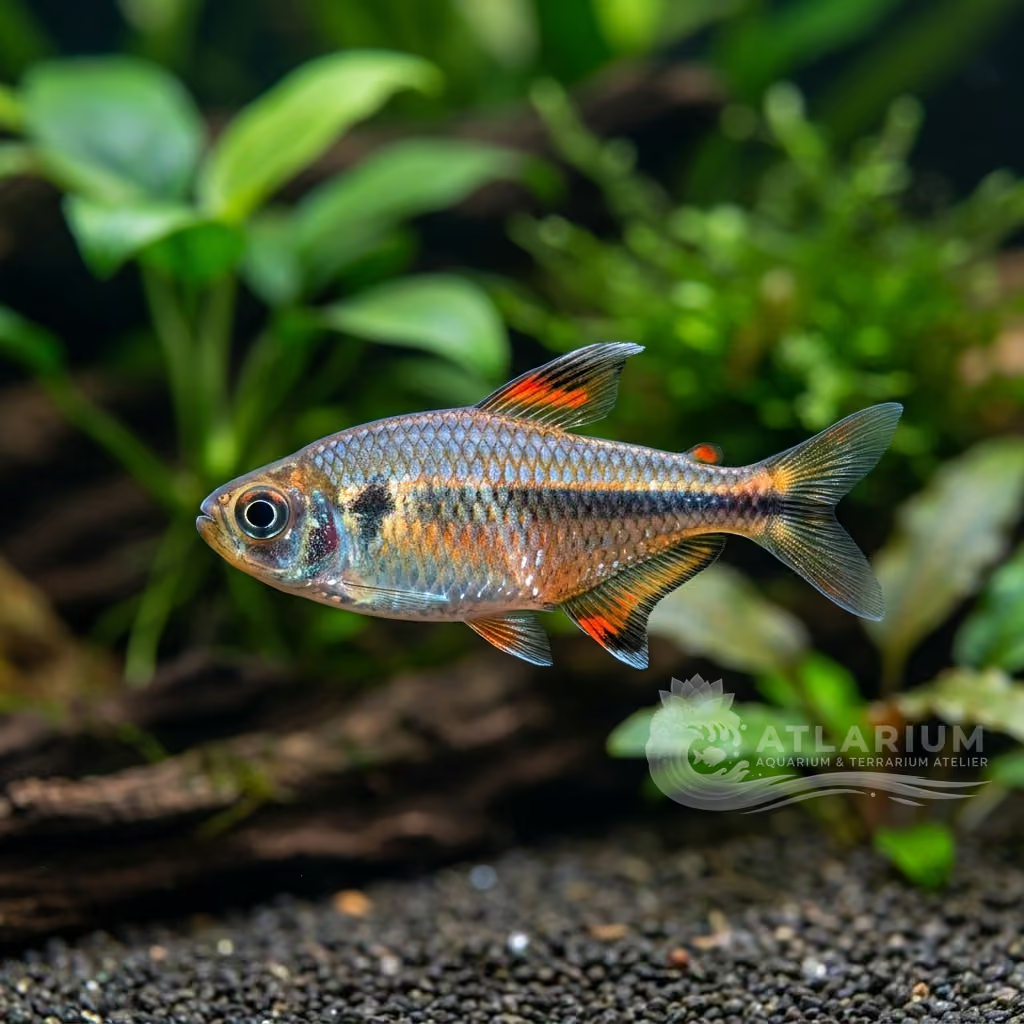
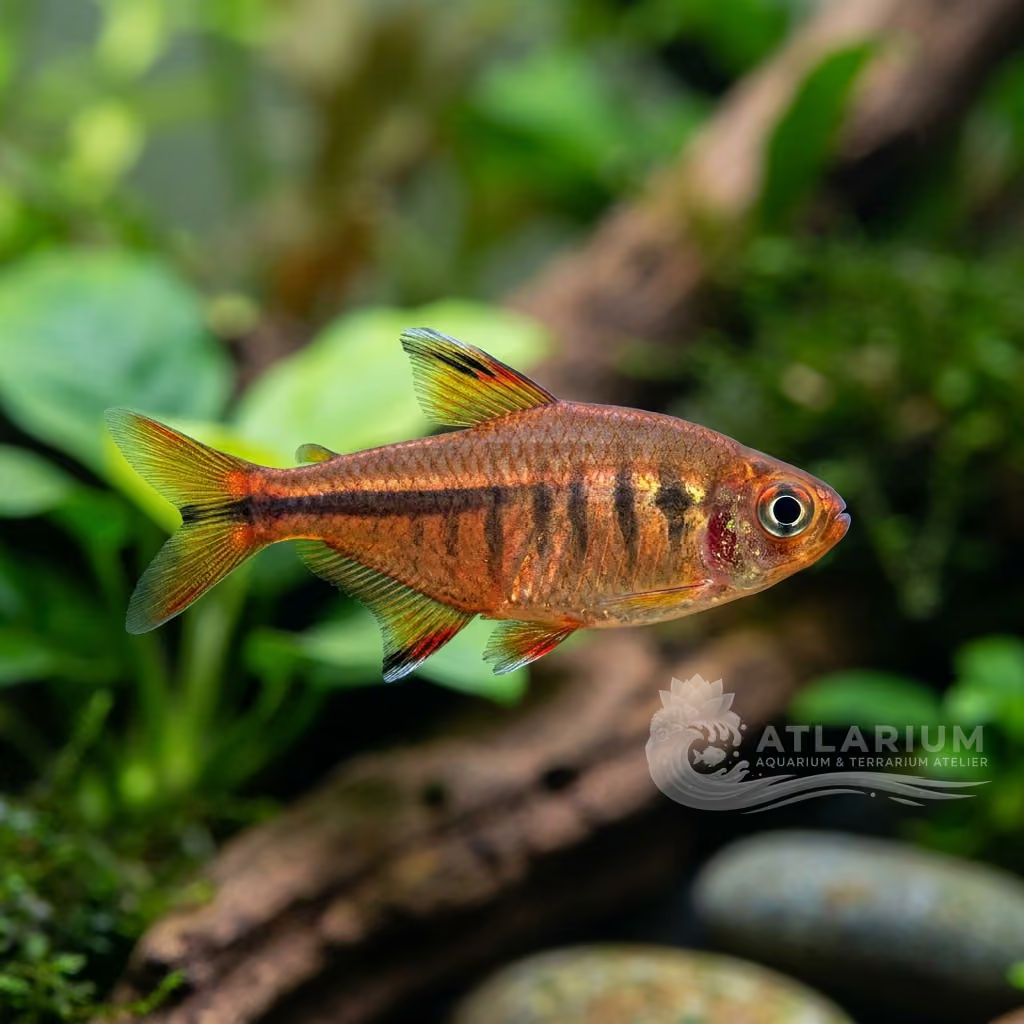
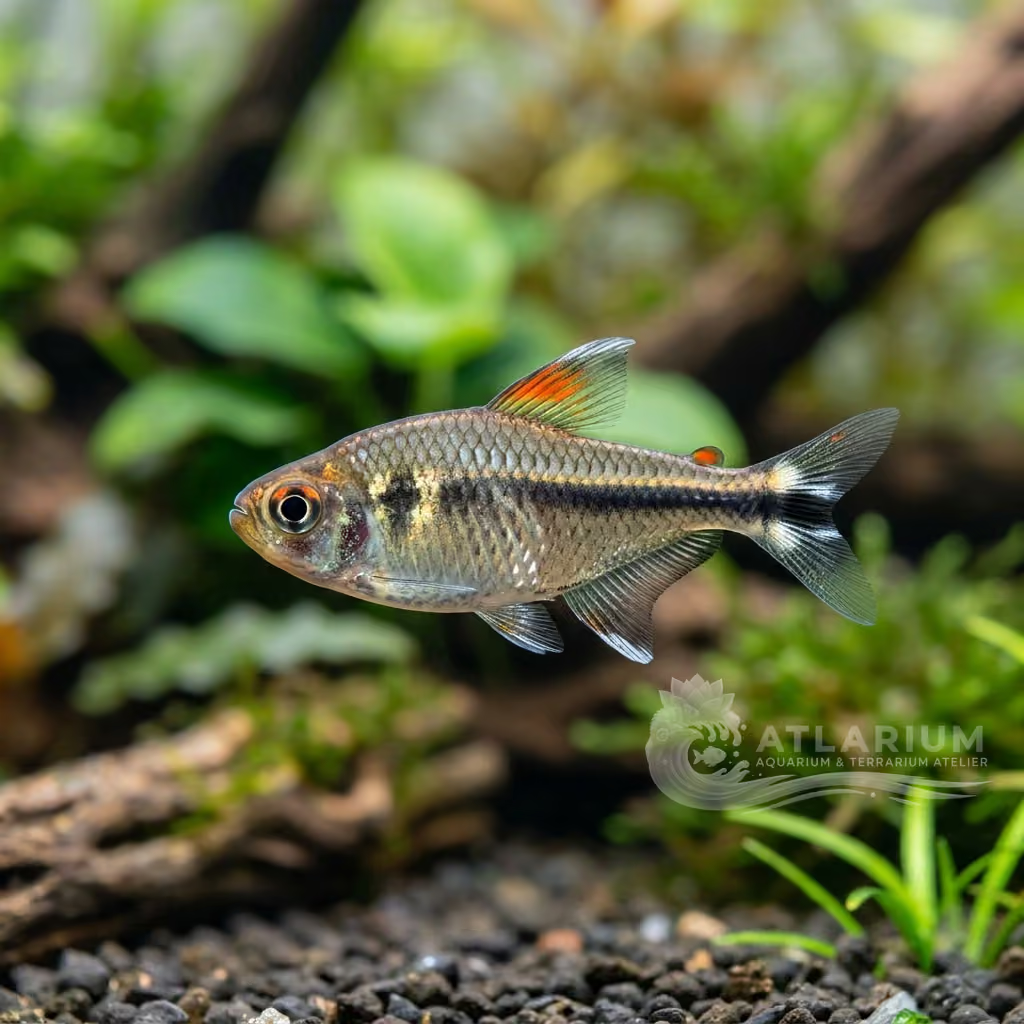
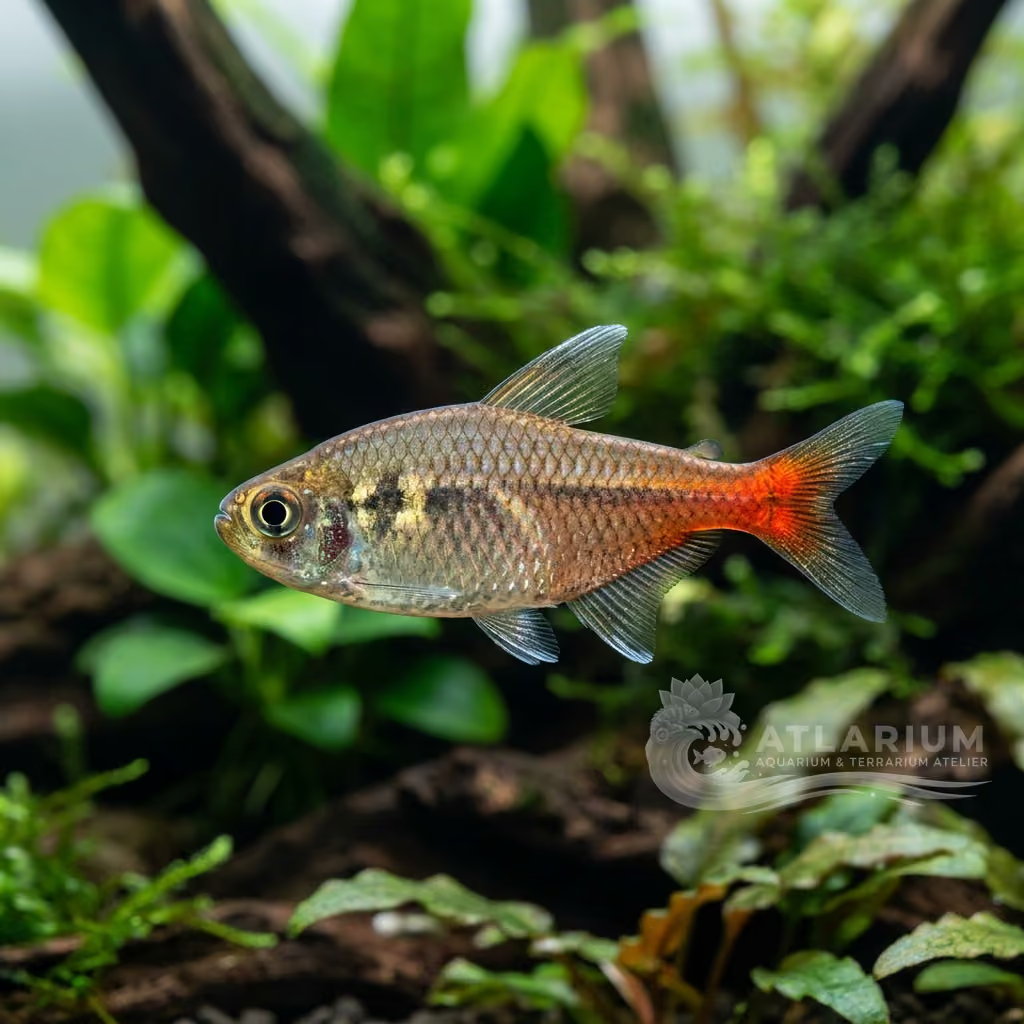
Species that possesses very thick brown margins on every single silvery-gray scale, giving the fish the peculiar three-dimensional 'net' ('reticulatus') appearance.
Water Temperature
23 - 28 °C
pH Value
5.5 - 7.2
Water type
Freshwater
Tank level
Middle
Adult size
5 cm
Minimum tank volume
>= 80 L
Minimum group
>= 6
GH
1 - 10 dGH
KH
2 - 10 dKH
TDS
35 - 250 ppm
Conductivity
55 - 391 uS/cm

Species description
Geographical Origin and Habitat: Widespread in various South American basins, including the Amazon River (Brazil). Swims in slow-flowing rivers rich in humic matter or in flooded forest pools sheltered by aquatic plants and tree canopies.
Taxonomy and Morphology: Reticulate Tetra (Hyphessobrycon reticulatus). Named after the "net-like" pattern visible on the scales, where the dark edge of each creates a reticulated effect. Compact and slightly ovoid body morphology.
Social Behavior: Peaceful gregarious fish. Extremely active at dawn and dusk. Must be kept in dense schools (minimum 8 specimens) in which dominant males will interact visually by waving their fins to establish small, harmless hierarchies.
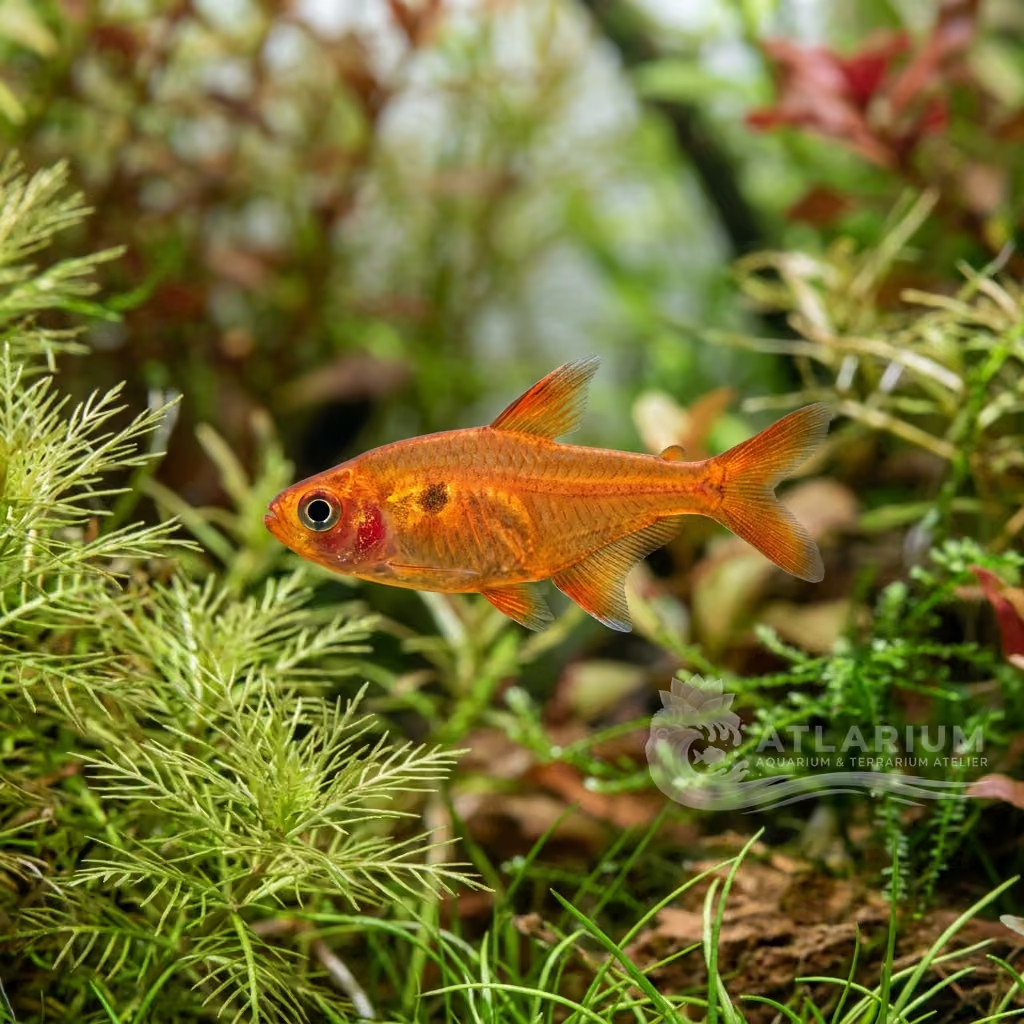
Coloration and Sexual Dimorphism: Silvery-golden base color, dominated by the pronounced dark mesh pattern on the scales (reticulum). Presence of a visible humeral spot. Males can be recognized by slightly more pointed fins and more amber nuances.

Care, breeding and tankmates
Aquarium Setup: Moderate aquarium (70-80 cm / 28-32 inches), preferably set up as a forest biotope: sandy or dark fine gravel bottom, thick rear vegetation, and branching roots. Avoid excessively glaring LED lights.
Diet and Feeding: Accommodating omnivore. Readily accepts commercial foods, but requires protein supplements two or three times a week with frozen foods (bloodworms, daphnia, mysis) to thrive and shine.
Water Quality: Hardy compared to other small Amazonian tetras. Fairly tolerates medium hardness and neutral pH water, but will show optimal colors and vigor in sub-acidic conditions (pH 6.5) filtered through alder cones.
Compatibility and Cohabitation: An excellent guest. Perfect in quiet communities with Otocinclus, Farlowella, dwarf Corydoras, and small shy Cichlids. A decent swimmer, it does not bother tankmates and minds its own business.
Aquarium Breeding: Typical egg-scatterer without parental care. Often, in mature and heavily planted aquariums, some fry miraculously survive and suddenly appear in the tank. Massive breeding requires sterile tanks with a grid.
Risks and Diseases: Very resilient species. Pathologies only trigger if subjected to dietary deficiencies or neglected aquarium hygiene. It is best not to skip partial water changes.

Geographic origin and distribution
Widespread in various South American basins, including the Amazon River (Brazil). Swims in slow-flowing rivers rich in humic matter or in flooded forest pools sheltered by aquatic plants and tree canopies.
Origin
Tropical oceans and reefsAmazon, Orinoco, and GuianasEurope, Mediterranean, and West Asia

Fish profile
- Temperament
- Semi-aggressive
- The Hyphessobrycon reticulatus is renowned for its peaceful, albeit somewhat shy and timid, temperament. They are highly social fish that absolutely depend on the presence of a sizable school for their confidence and well-being. When kept in sufficient numbers, they exhibit a lively and inquisitive nature, gracefully exploring the aquarium. However, if kept alone or in very small groups, they will likely become withdrawn, pale, and prone to hiding constantly.
- Diet
- Omnivore
- In its natural habitat, the Hyphessobrycon reticulatus is a micro-predator that primarily feeds on tiny invertebrates and zooplankton. In captivity, they eagerly accept a staple diet of high-quality crushed flakes and micro-pellets. To support their overall health and promote optimal development—such as their distinctive reticulated or web-like pattern on the scales—their diet should be frequently supplemented with live or frozen foods like Daphnia and cyclops. A diverse nutritional profile is crucial for maintaining a robust immune system.
- Life expectancy
- 5 years
- Adult size
- 5 cm
- Sex ratio
- School
- When establishing a school of Hyphessobrycon reticulatus, maintaining a relatively balanced mix of males and females is beneficial. Males generally exhibit a slimmer profile and often display their characteristic silver body with dark scale edges more intensely compared to the plumper females. Having slightly more females than males can help dissipate any minor intra-species sparring when males display for dominance. Ultimately, keeping a large enough overall group size is more critical than the exact sex ratio.
- Feeding frequency
- Twice daily
- For optimal health, the Hyphessobrycon reticulatus should be fed small portions two to three times a day. Only offer an amount of food that the school can completely consume within two minutes to prevent water fouling. Overfeeding is a common issue with small characins, so strict portion control must be maintained. This frequent, small-meal approach closely mimics their continuous foraging behavior in the wild.
- Bioload
- Low to Medium
- The Hyphessobrycon reticulatus contributes a very low bioload to the aquarium ecosystem due to its small size. This makes them highly suitable for densely planted nano tanks and community setups alike. Despite their low waste production, maintaining a strict schedule of weekly water changes is highly recommended. A standard, high-quality biological filtration system will easily process the minimal waste generated by a healthy school.
- Flow
- Stagnant
- The Hyphessobrycon reticulatus naturally inhabits slow-moving streams and flooded forest areas, meaning they prefer gentle water flow in the aquarium. Strong currents from overpowered filters can quickly exhaust these small fish and cause chronic stress. A sponge filter or a baffled hang-on-back filter is usually the most appropriate choice to provide oxygenation without turbulent flow. Providing dense clusters of aquatic plants will also give them tranquil resting spots.
- Jump risk
- Yes
- Like many similarly sized characins, the Hyphessobrycon reticulatus presents a moderate jumping risk, especially when initially introduced or startled. A secure, tight-fitting aquarium lid or a glass canopy is absolutely essential to prevent accidental losses. Employing floating plants such as Salvinia or Amazon Frogbit can provide overhead cover, which significantly reduces their skittishness. Stable water parameters and a peaceful environment will also minimize this leaping behavior.
- Reproduction
- Oviparous
- Breeding the Hyphessobrycon reticulatus requires a separate, dimly lit breeding tank equipped with soft, slightly acidic water. They are typical egg-scatterers that exhibit no parental care whatsoever, and they will readily consume their own eggs if left in the breeding tank. Spawning typically occurs among fine-leaved plants, after which the adults must be immediately removed. The microscopic fry require infusoria or specialized liquid foods until they are large enough to eat freshly hatched brine shrimp.
- Compatibility & tankmates
- Peaceful
- As a peaceful schooling species, the Hyphessobrycon reticulatus thrives when kept in a vibrant community aquarium. They require the security of a group, so maintaining them in schools of at least eight individuals is essential. Excellent tank mates include small rasboras, Corydoras catfish, and other equally peaceful characins. Aggressive, large, or excessively boisterous fish should be strictly avoided to prevent them from becoming stressed or preyed upon.
- Tank level
- Middle
- The Hyphessobrycon reticulatus is an active swimmer that primarily occupies the mid to upper levels of the aquarium water column. They deeply appreciate having a large, open swimming space in the center of the tank to school properly. They will often dart around the middle strata during the day, occasionally diving to the substrate during feeding times. Tall background plants and floating vegetation help them feel secure in these preferred swimming zones.

Scientific Parameters & Models
FishBase
Window to the official scientific data of the species
FishBase v25.04Data synced on: 06/15/2026
- Trophic level
- 2.9 ± 0.3 se
- Resilience
- High (less than 15 months)
- Phylogenetic uniqueness (PD50)
- 0.5
- Bayesian Length-Weight
- a = 0.01995, b = 3.01
- VulnerabilityLow vulnerability (10 / 100)

Related species
Recommendations grouped by close relatives, companion choices, and similar care.