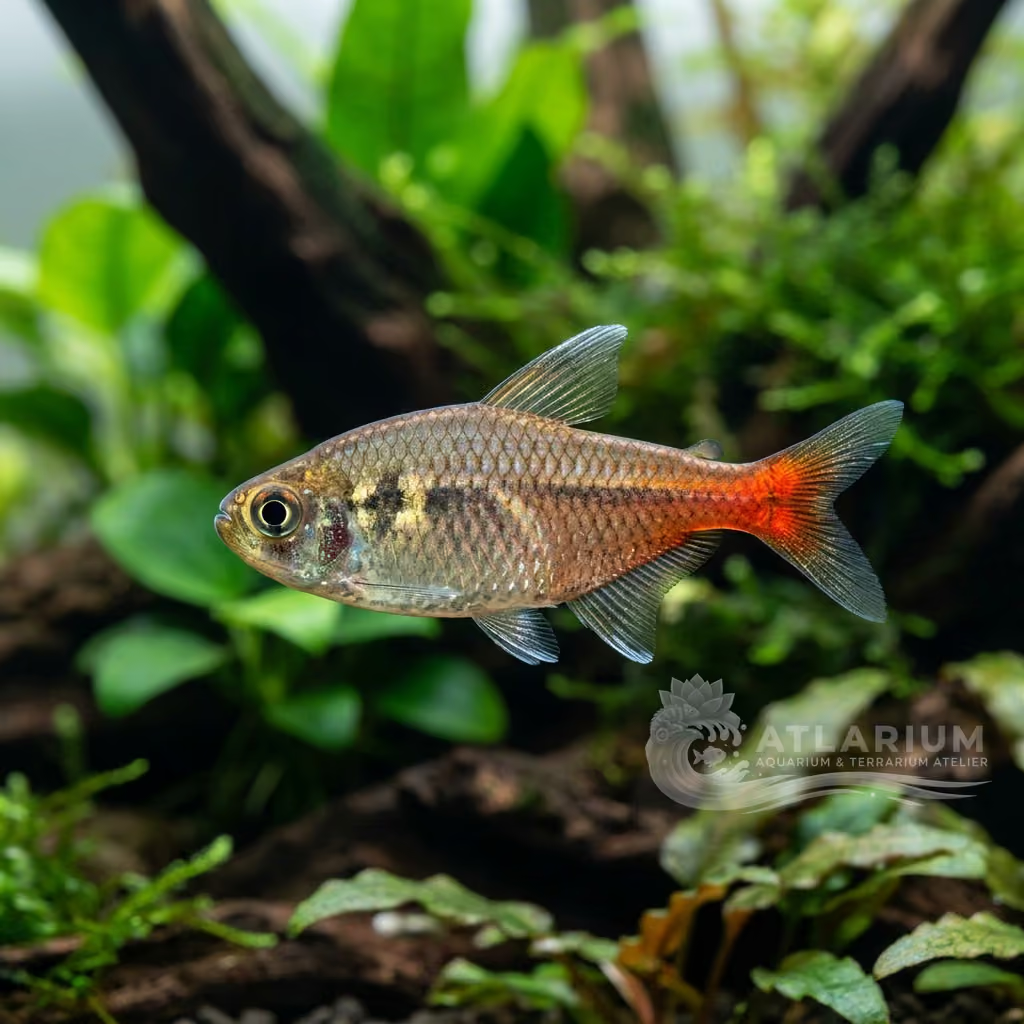
Vilma's Tetra
Hyphessobrycon vilmae
Vilma's Tetra is endemic to shaded forest streams in the Tapajós River basin. Best kept in a flooded forest biotope, it requires low lighting, intricate roots, and Catappa leaves to tint the water.
Water Temperature
23 - 27 °C
pH Value
5.5 - 7
Water type
Freshwater
Tank level
Middle
Adult size
3.5 cm
Minimum tank volume
>= 80 L
Minimum group
>= 6
GH
1 - 10 dGH
KH
2 - 8 dKH
TDS
35 - 230 ppm
Conductivity
55 - 359 uS/cm

Species description
Geographical Origin and Habitat: Endemic to the upper Tapajós River basin (Mato Grosso, Brazil). Inhabits small shaded forest tributaries, where the water flows slowly and cleanly over a bed of soft sand and abundant dry leaf litter.
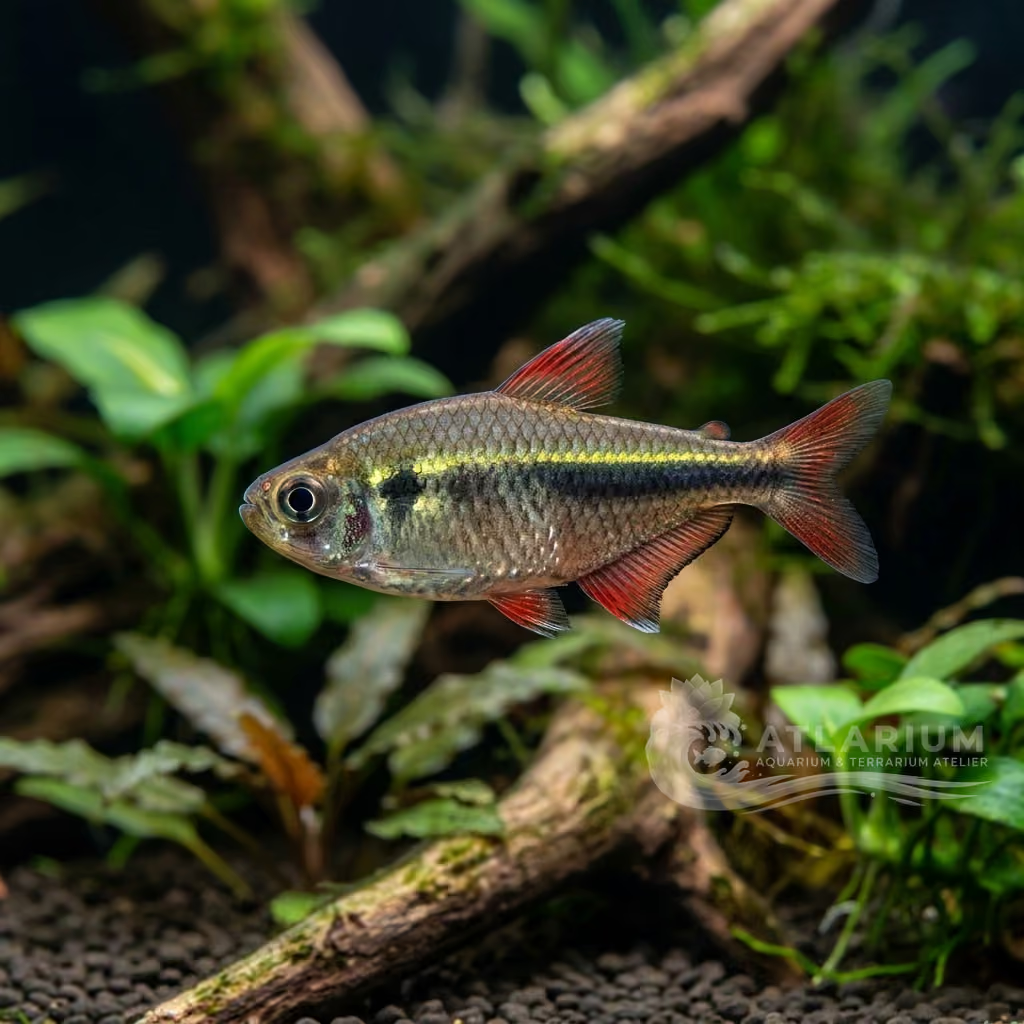
Taxonomy and Morphology: Hyphessobrycon vilmae. Dedicated to Vilma Géry (wife of ichthyologist Jacques Géry). Small tapered and compact characin, related to the H. agulha group, distinguishable by the possession of a sharp lateral dark line contrast.
Social Behavior: Very peaceful and social. Absolutely requires being kept in schools of at least 8-10 individuals to temper the natural propensity to hide in the presence of threats or in new environments.
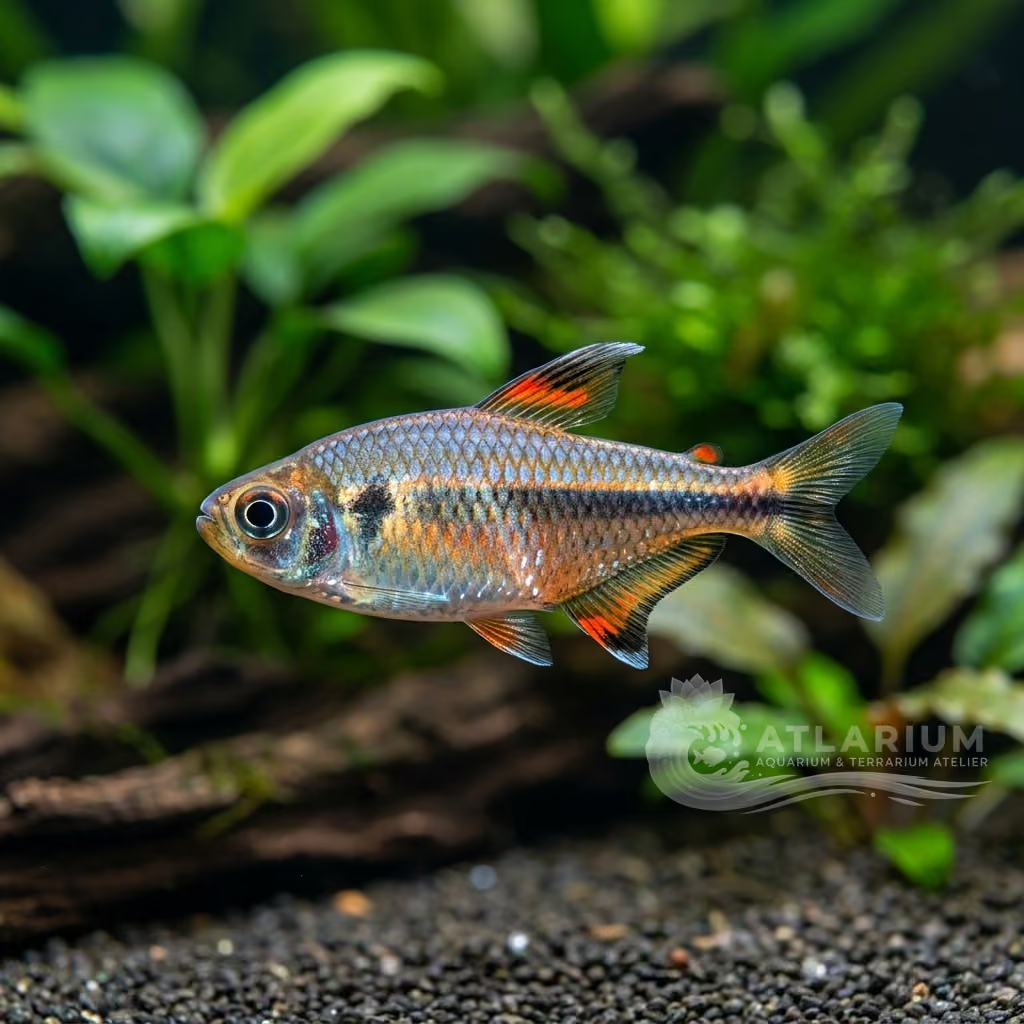
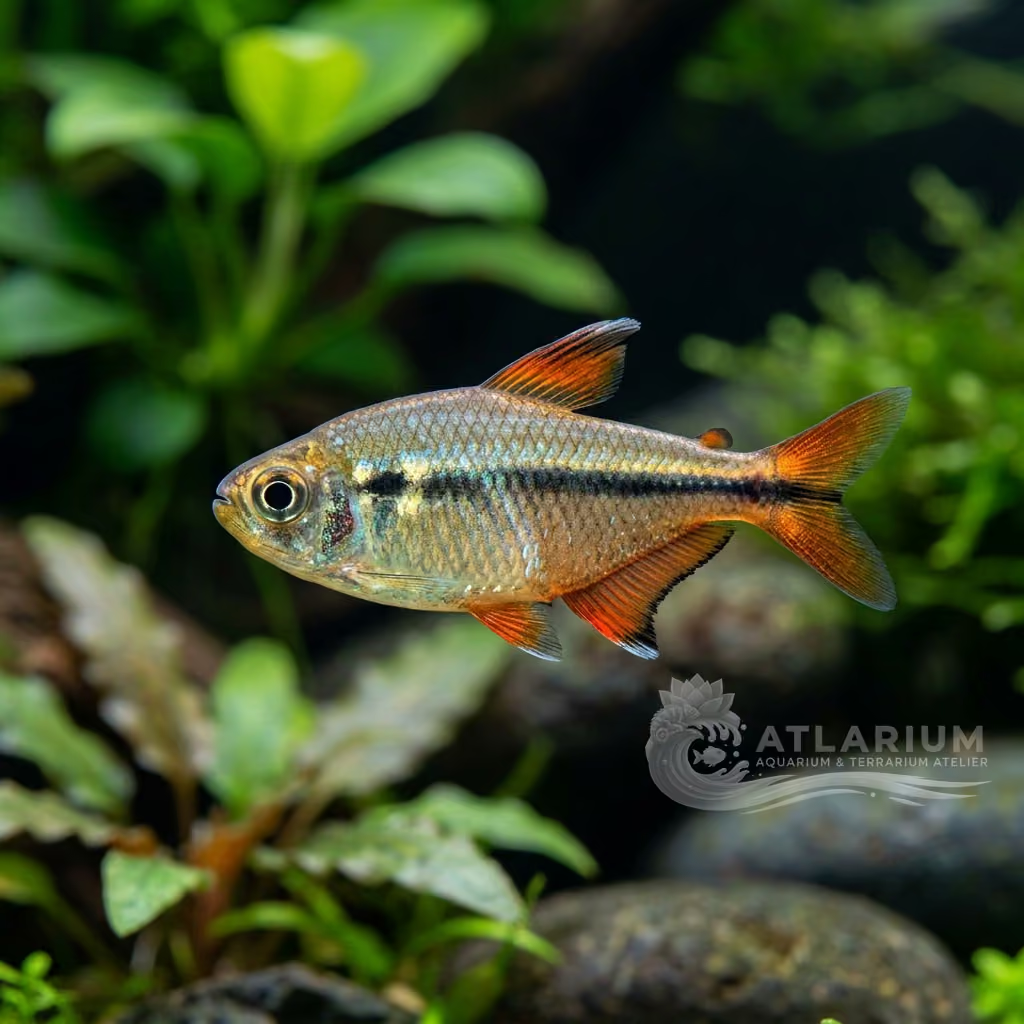
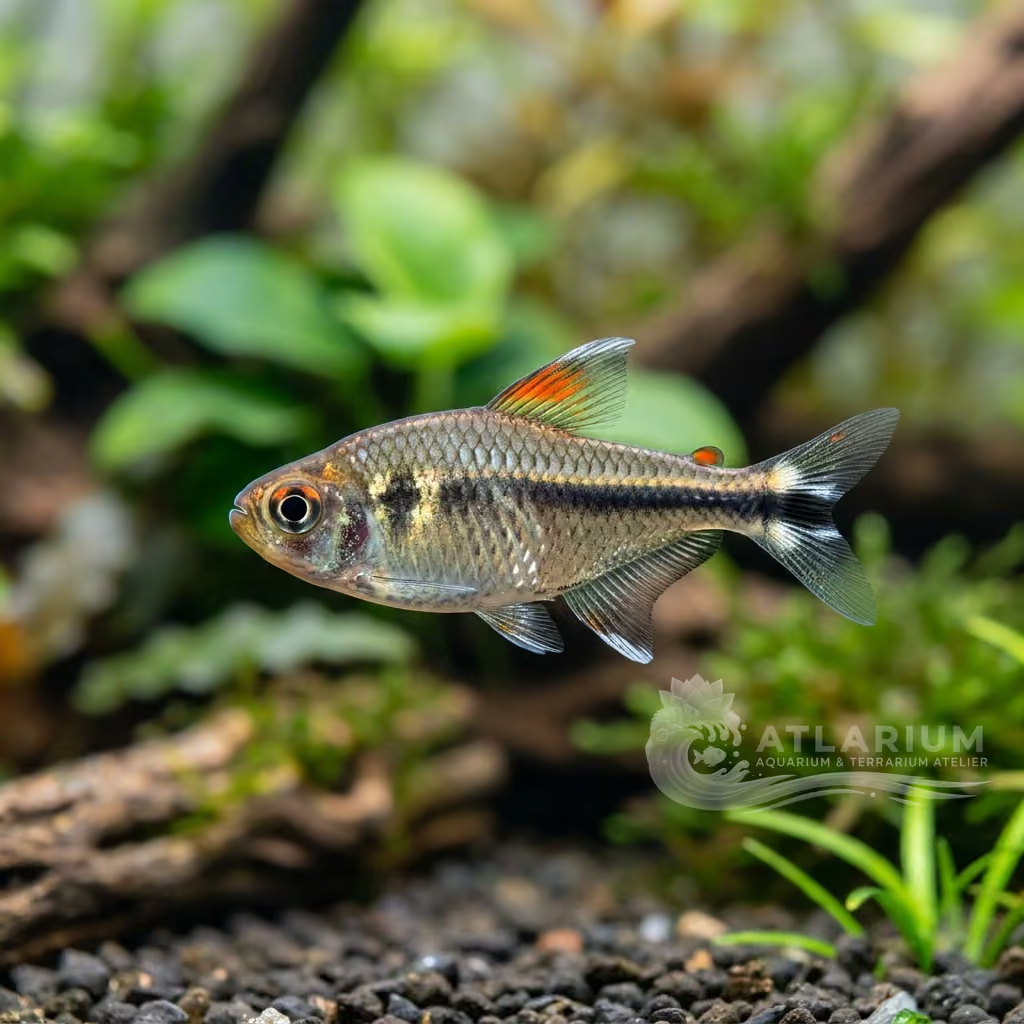
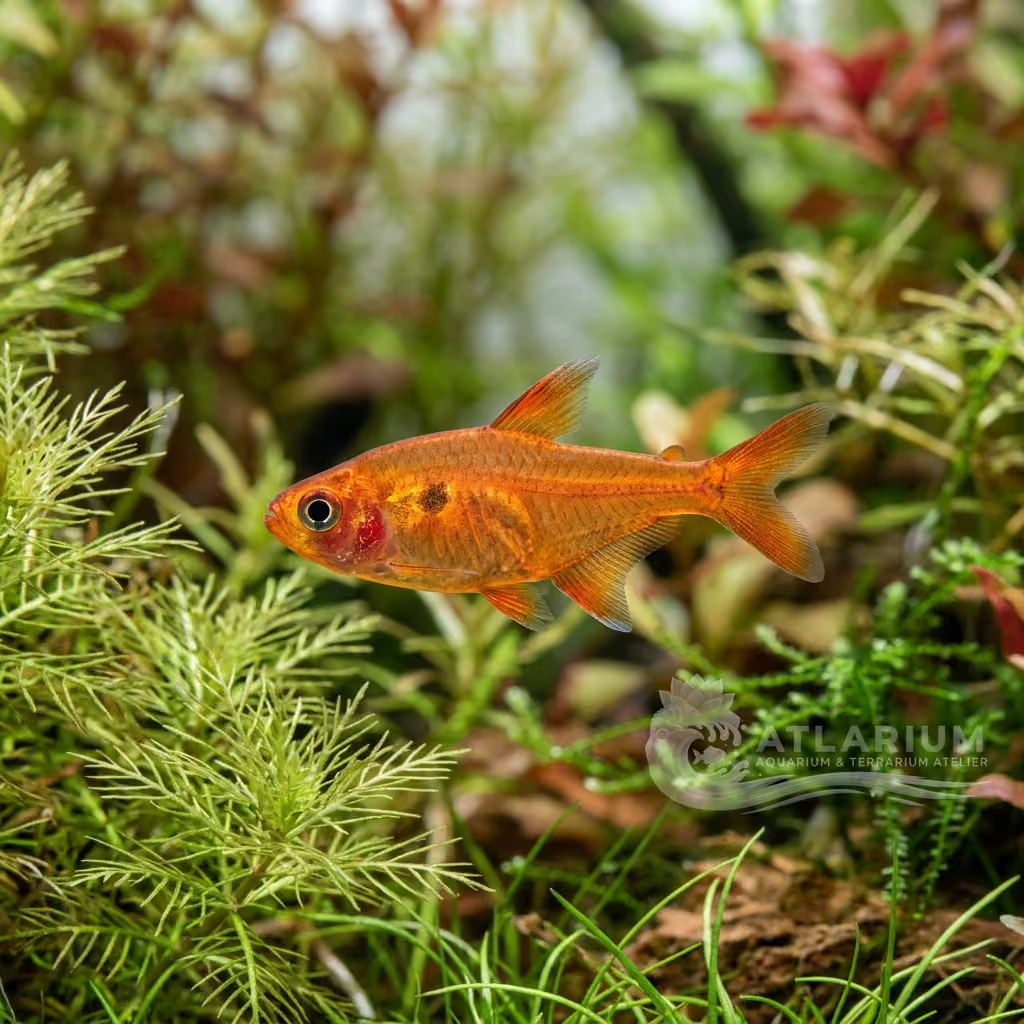
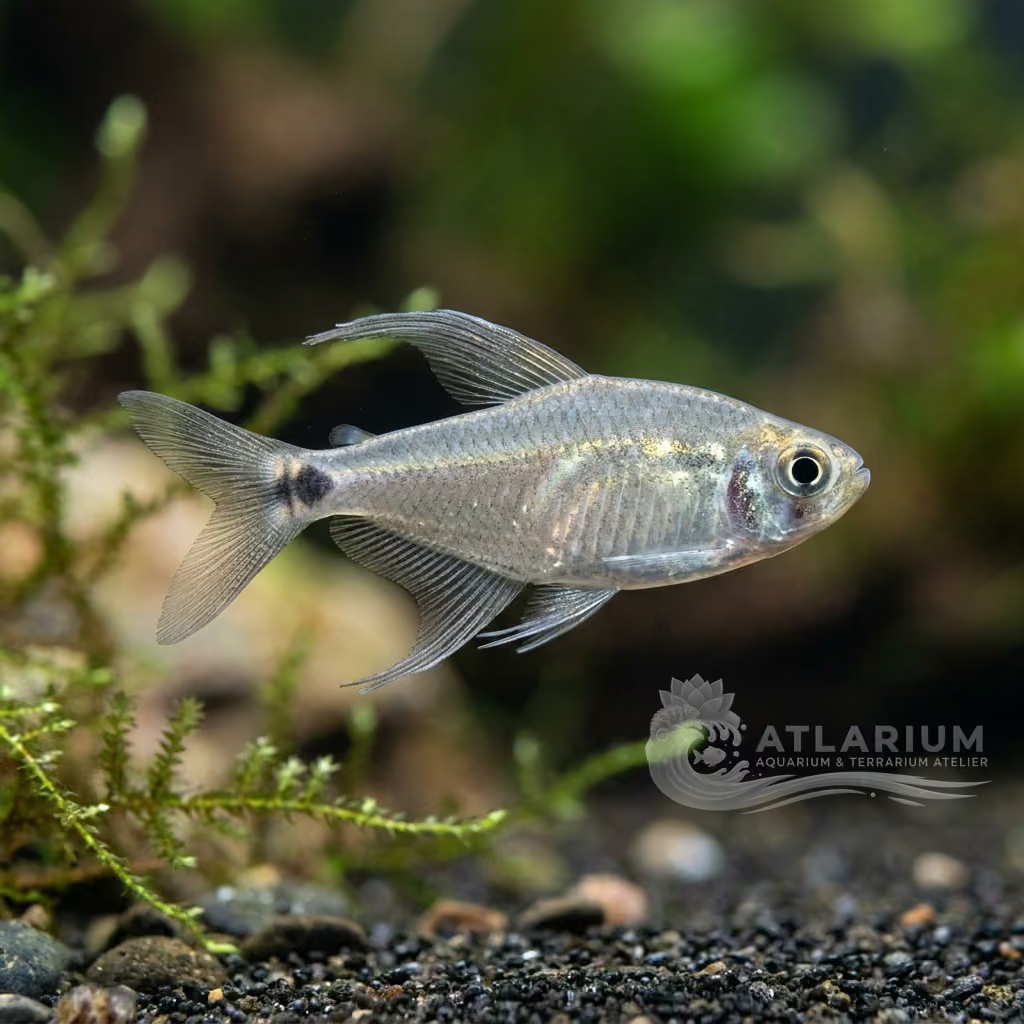
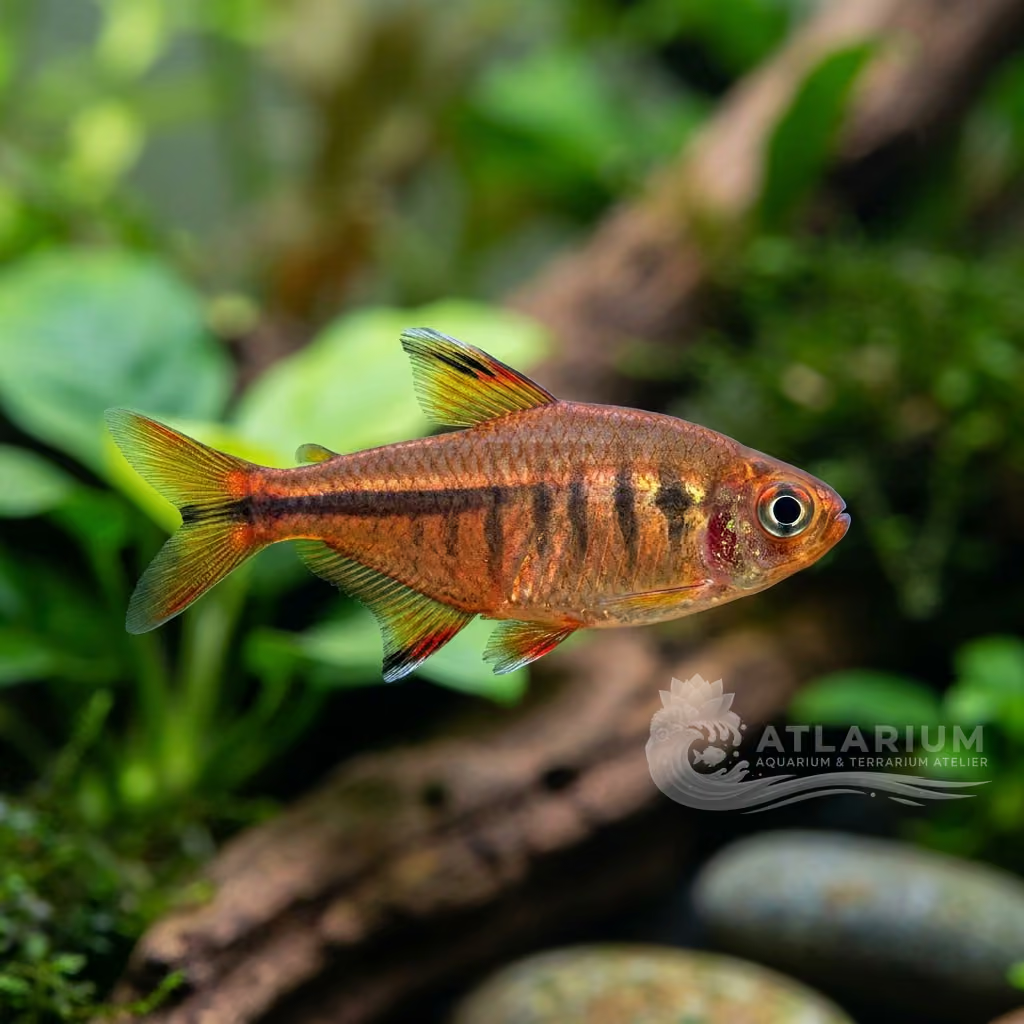
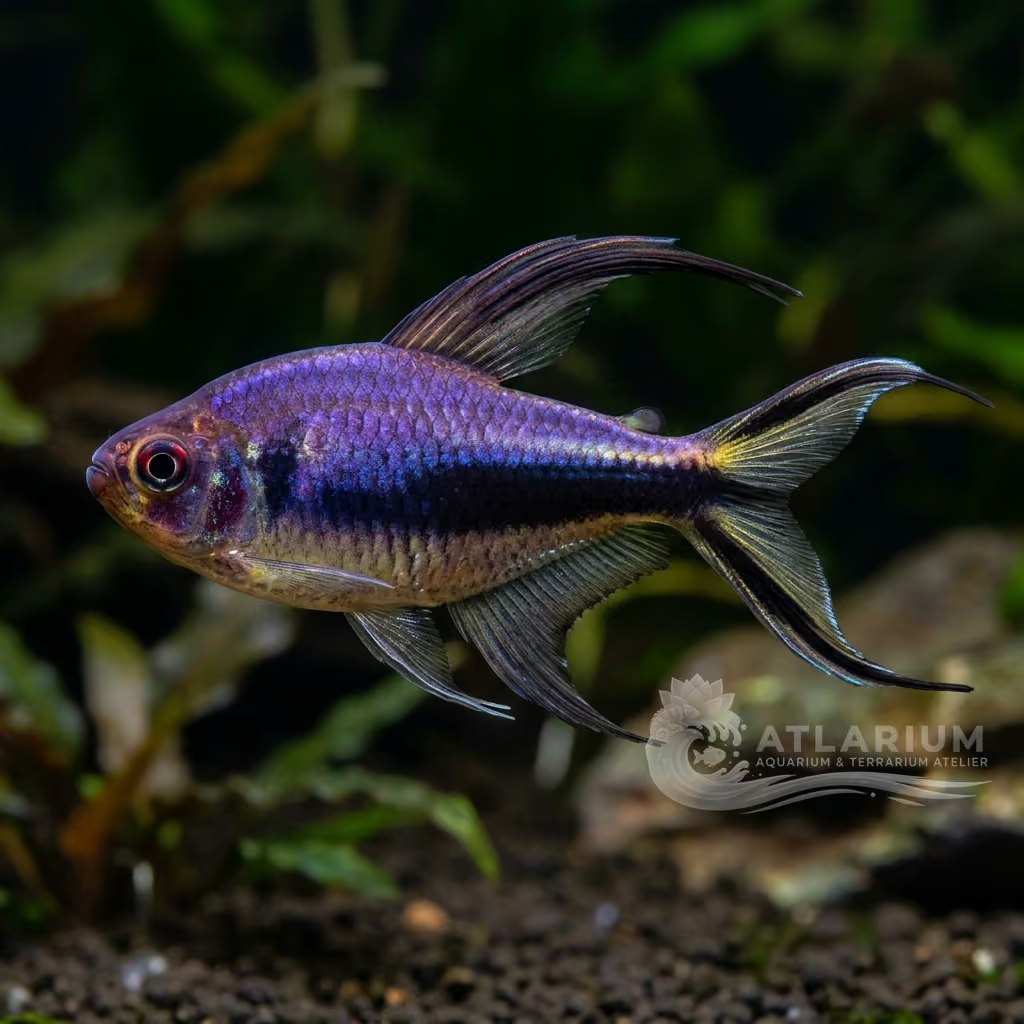
Coloration and Sexual Dimorphism: Bright silvery background coloration with bluish reflections. The flank is marked by a marked horizontal black band topped by a thin iridescent golden stripe. Females have a more pronounced belly compared to the slender males.

Care, breeding and tankmates
Aquarium Setup: Min. 60 cm (24 inches) aquarium. Ideal a flooded forest biotope: low lighting filtered by floating plants (e.g. Phyllanthus fluitans), intricate roots, and a layer of Catappa leaves on the bottom to slightly amber the water.
Diet and Feeding: Insectivorous micro-predator. Adapts to flake food but given the tiny mouth it is necessary to frequently administer brine shrimp nauplii, micro-worms, and small daphnia to condition it in health.
Water Quality: Sensitive to nitrogen accumulations. Requires very soft (GH < 10) and acidic (pH around 6.0) water. The constant release of humic substances and tannins helps it prevent skin bacterial pathologies.
Compatibility and Cohabitation: Vulnerable towards medium-large fish. Perfect tenant of nano community aquariums: pairs beautifully with small Corydoras (hastatus or pygmaeus), Otocinclus, and reassures small dwarf Cichlids (Apistogramma).
Aquarium Breeding: Occurs by egg scattering at dawn among fine mosses or roots. The parents, if not removed promptly, will consume the entire brood in a short time. Fry require infusoria and pristine water.
Risks and Diseases: Very hardy if kept in the right parameters. Decidedly susceptible to immune stress if kept in solitude or in excessively alkaline and oxygen-poor waters.

Geographic origin and distribution
Endemic to the upper Tapajós River basin (Mato Grosso, Brazil). Inhabits small shaded forest tributaries, where the water flows slowly and cleanly over a bed of soft sand and abundant dry leaf litter.
Origin
Tropical oceans and reefsExtra-Amazon South America

Fish profile
- Temperament
- Semi-aggressive
- They possess a timid and schooling temperament, requiring a group of at least six individuals to feel secure. In insufficient numbers, they will become stressed and hide constantly. When kept properly, they are active and peacefully explore the tank.
- Diet
- Omnivore
- They are omnivorous and readily accept a variety of high-quality dry, frozen, and live foods. Providing a balanced diet of flakes, daphnia, and brine shrimp will ensure optimal health. Variety is key to maintaining their vibrant colors.
- Life expectancy
- 3-5 years
- Adult size
- 3.5 cm
- Sex ratio
- School
- It is best to keep them in groups with an equal mix of males and females. A balanced ratio minimizes intra-species aggression and encourages natural shoaling behavior. Males display more intense coloration when competing for female attention.
- Feeding frequency
- Twice daily
- Adults should be fed small portions one to two times daily. Ensure they only receive what they can consume within a couple of minutes. Overfeeding can quickly degrade water quality in the aquarium.
- Bioload
- Low
- This species has a relatively low bioload due to its small size and efficient metabolism. It produces minimal organic waste, making water quality easier to maintain. Standard filtration and regular water changes are usually sufficient.
- Flow
- Stagnant
- They prefer gentle to moderate water flow that mimics their slow-moving natural habitat. Harsh currents should be avoided to prevent them from becoming exhausted. Using sponge filters or baffled returns works very well.
- Jump risk
- Yes
- Like many tetras, they have a moderate risk of jumping when startled or introduced to a new environment. A tight-fitting lid or cover glass is highly recommended. Floating plants can also help them feel secure and reduce jumping.
- Reproduction
- Oviparous
- Breeding requires a separate setup with soft, slightly acidic water and dim lighting. They are egg-scatterers and do not exhibit any parental care after spawning. Parents must be removed promptly to prevent them from eating the eggs.
- Compatibility & tankmates
- Semi-aggressive
- This tetra is highly peaceful and excellent for community aquariums. It should be kept with other similarly sized and peaceful species. Avoid housing it with large or aggressive fish that might consider it food.
- Tank level
- Middle
- They primarily occupy the middle and lower levels of the aquarium water column. Providing ample swimming space in these zones is crucial for their well-being. They also appreciate densely planted areas for shelter.

Scientific Parameters & Models
FishBase
Window to the official scientific data of the species
FishBase v25.04Data synced on: 06/15/2026
- Trophic level
- 2.9 ± 0.3 se
- Resilience
- High (less than 15 months)
- Phylogenetic uniqueness (PD50)
- 0.5
- Bayesian Length-Weight
- a = 0.01202, b = 3.09
- VulnerabilityLow vulnerability (10 / 100)

Related species
Recommendations grouped by close relatives, companion choices, and similar care.