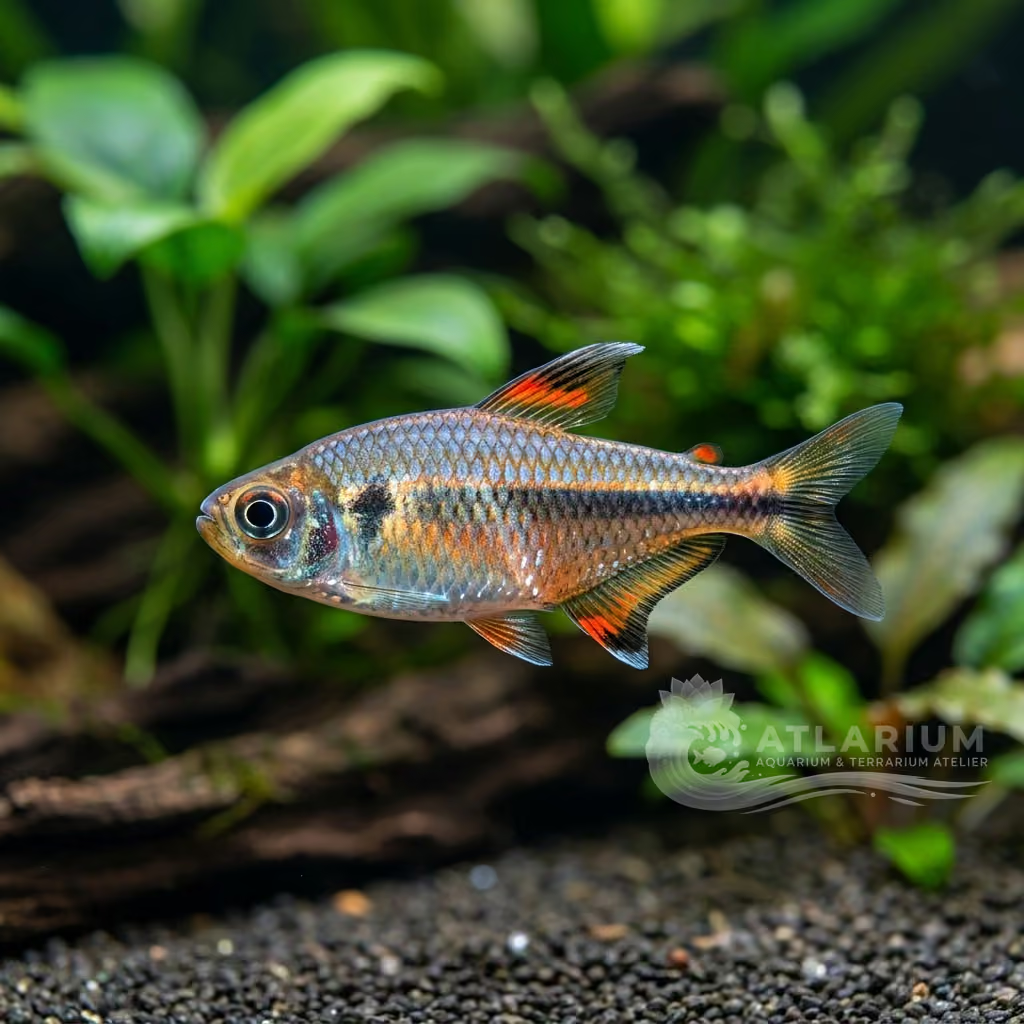
Red Sailfin Tetra
Hemigrammus coeruleus
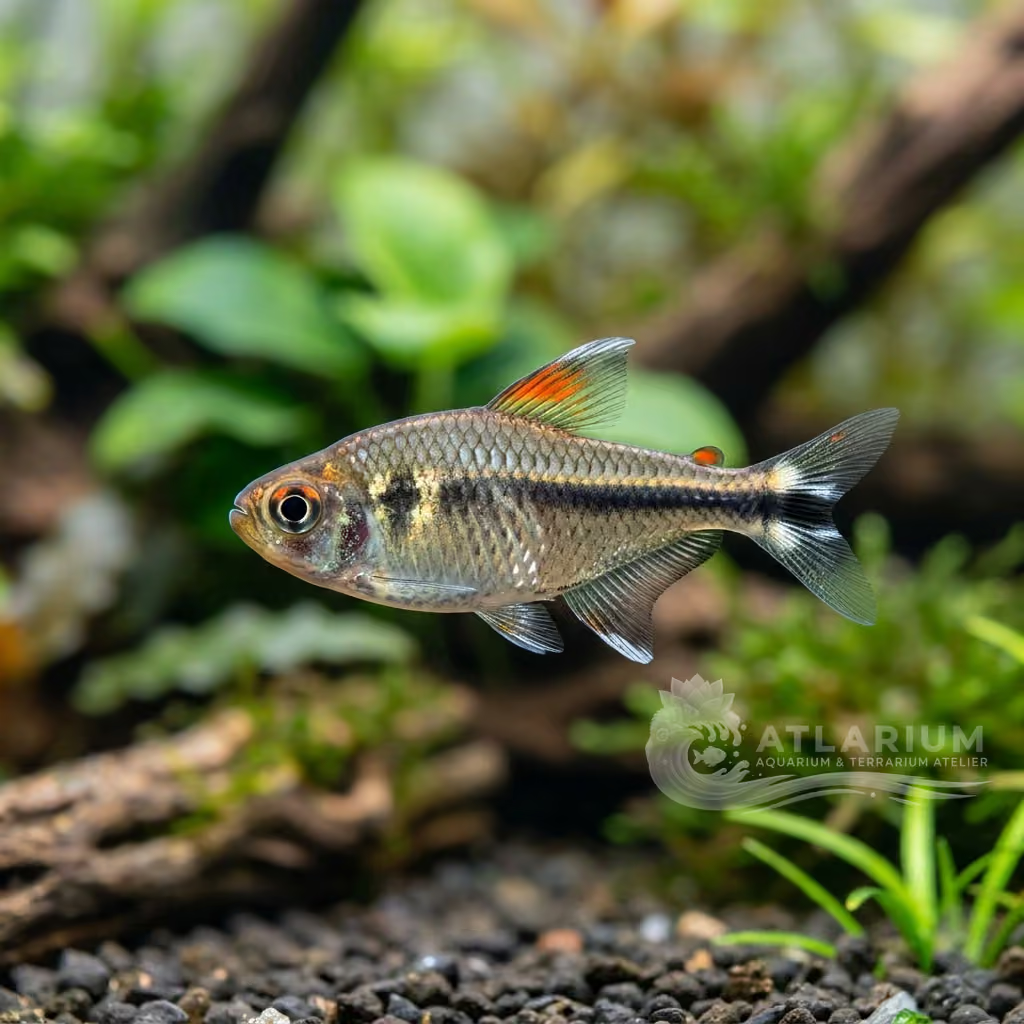
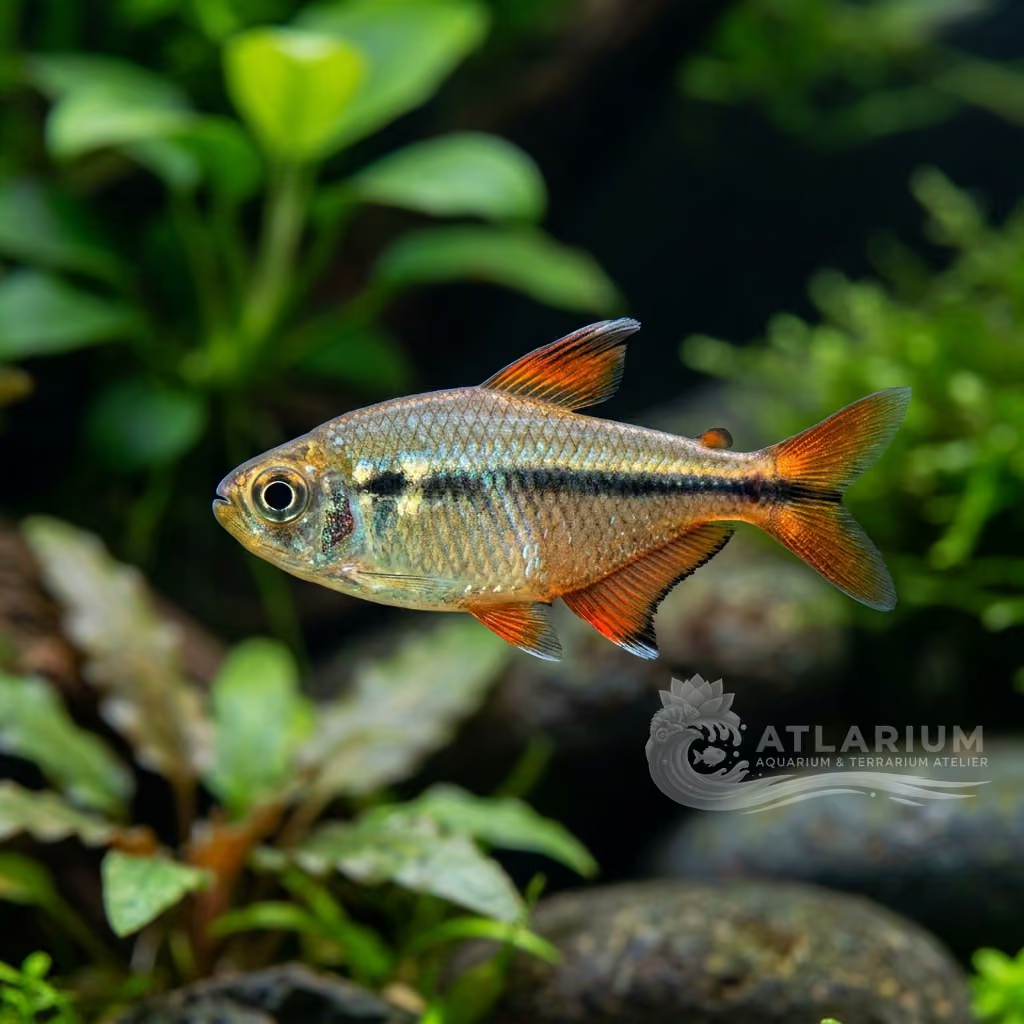
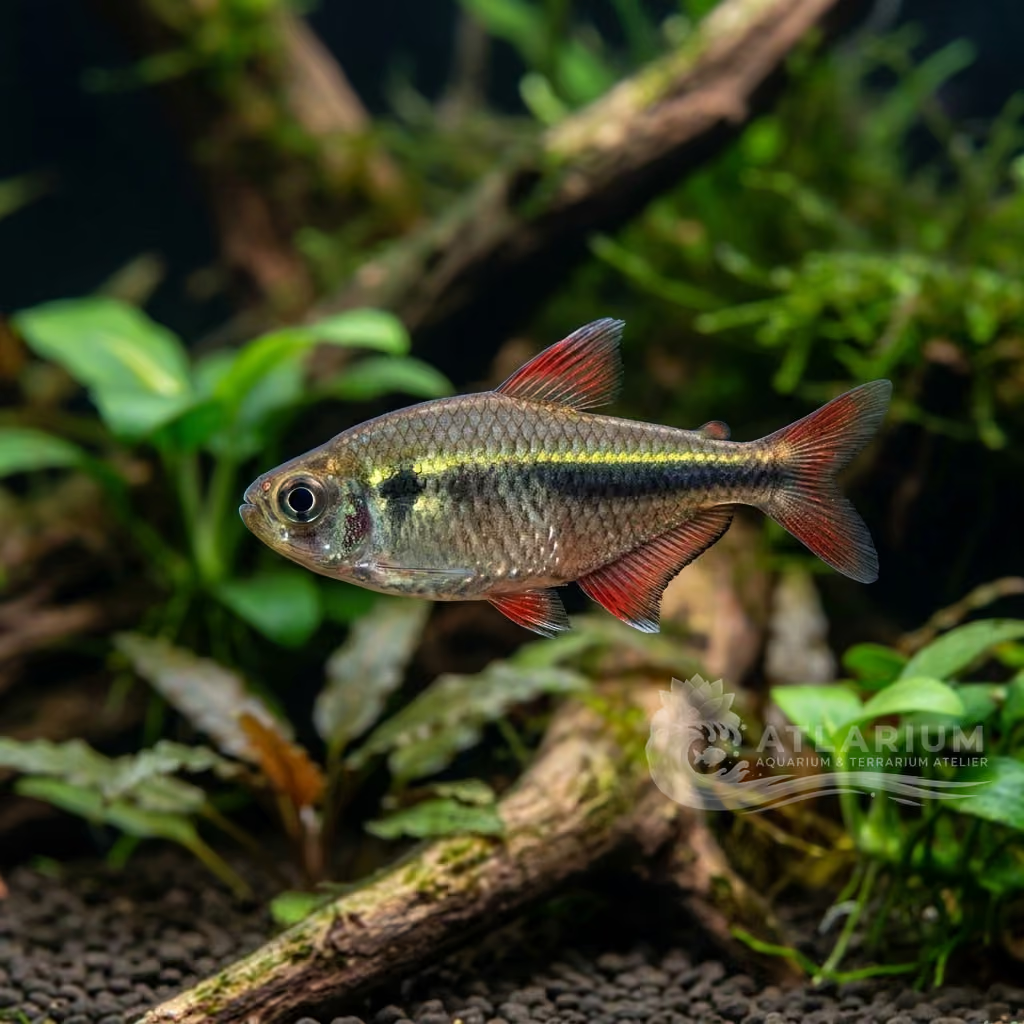
An exception of very rare beauty: mature males lose their gray color to literally flare up with scarlet red and develop a showy and huge flag dorsal fin.
Water Temperature
24 - 28 °C
pH Value
5 - 7
Water type
Freshwater
Tank level
Middle
Adult size
5 cm
Minimum tank volume
>= 100 L
Minimum group
>= 6
GH
1 - 10 dGH
KH
1 - 4 dKH
TDS
25 - 190 ppm
Conductivity
39 - 297 uS/cm

Species description
Geographical Origin and Habitat: Populates tributaries of the lower Amazon River. Its ideal habitat consists of very slow streams immersed in the hygrophilous forest, with amber waters extremely poor in minerals and substrates covered with rotten branches.
Taxonomy and Morphology: Red-base Tetra (Hemigrammus coeruleus). Robust Characin and slightly taller than the genus average. Features a strong jaw and the typical dorsal adipose fin. The livery makes it unmistakable once settled.
Social Behavior: Peaceful, but hierarchical within the school. Males exhibit continuous, bloodless threat displays ("sparring") by fully spreading their fins to establish dominance. The group should never be less than 8 units.
Coloration and Sexual Dimorphism: Spectacular. The body has grayish-cerulean hues. Dominant males develop a brilliant fire red/cherry belly and a distinct black lateral band. Females are less red and have a more ovoid shape.

Care, breeding and tankmates
Aquarium Setup: 80 cm (32 inches) aquarium. The extraordinary colors of the males fade in tanks that are too bright or bare. Provide peat in the filter, wood to release tannins, and tall plants (e.g. Echinodorus or Vallisneria) to create visual barriers.
Diet and Feeding: Micro-predator. The intensity of the red depends entirely on the diet: essential to provide live/frozen food rich in carotenoids (Artemia, red Daphnia, Cyclops) alongside color-enhancing pellets.
Water Quality: Extremely susceptible to water hardness. Vibrant colors and spawning only occur in acidic (pH 5.0-6.5) and soft waters (GH < 8). Needs excellent filtration and moderate current.
Compatibility and Cohabitation: Perfect companion for non-excessively aggressive South American Cichlids (Geophagus, Mesonauta) and Corydoras. Due to the "sparring" behavior of the males, overly shy tankmates might hide.
Aquarium Breeding: Possible by drastically lowering hardness (using reverse osmosis). Exhibitionist spawning at dawn among fine-leaved plants. Breeders must be removed immediately to prevent them from preying on the entire brood.
Risks and Diseases: If the water is too hard or alkaline (pH > 7.5), the immune system collapses, they completely lose their red coloration, and become exposed to fin rot and dropsy.

Geographic origin and distribution
Populates tributaries of the lower Amazon River. Its ideal habitat consists of very slow streams immersed in the hygrophilous forest, with amber waters extremely poor in minerals and substrates covered with rotten branches.
Origin
Tropical oceans and reefsAmazon, Orinoco, and Guianas

Fish profile
- Temperament
- Semi-aggressive
- They are exceptionally peaceful and somewhat shy, requiring a large school of at least six individuals to feel secure. When kept in smaller numbers, they may become stressed, lose their vibrant colors, and hide continuously. A proper schooling environment encourages their natural, confident behaviors and tight grouping dynamics.
- Diet
- Omnivore
- In the wild, they are micro-predators feeding on small insects, worms, and crustaceans. In the aquarium, they readily accept high-quality crushed flakes, micro-pellets, and freeze-dried foods. Supplementing their diet with live or frozen foods like daphnia, baby brine shrimp, and bloodworms will enhance their coloration and vitality.
- Life expectancy
- 3-5 years
- Adult size
- 5 cm
- Sex ratio
- School
- Keeping a balanced ratio or a slight majority of females is generally recommended to prevent males from constantly harassing a single female. In a large enough school, the sex ratio becomes less critical as aggression is dispersed. A larger group naturally forms a healthy hierarchy, minimizing any stress related to breeding behavior.
- Feeding frequency
- Twice daily
- It is highly recommended to feed them two to three small meals a day rather than one large one. Offering only what they can consume within a couple of minutes ensures minimal food waste and prevents water quality degradation. Frequent, small feedings closely mimic their natural foraging behavior in the wild.
- Bioload
- Low to Medium
- These small tetras produce a minimal bioload, making them excellent candidates for smaller or heavily planted aquariums. They do not generate significant amounts of waste compared to larger species, reducing the burden on the filtration system. However, keeping them in large schools will naturally increase the overall waste output, requiring adequate biological filtration.
- Flow
- Stagnant
- They prefer a moderate to low water flow that simulates the slow-moving tributaries and flooded forest regions of their natural habitat. Strong currents can exhaust these small fish and cause them significant stress over time. Providing areas of still water, particularly near dense vegetation, allows them places to rest comfortably.
- Jump risk
- Yes
- Like many tetras, they are capable of jumping, particularly when startled by sudden movements or lighting changes. A secure, well-fitting aquarium lid is strongly recommended to prevent any accidental escapes. Floating plants can also help make them feel more secure and reduce their instinct to jump.
- Reproduction
- Oviparous
- Breeding these tetras can be challenging as they are egg-scatterers that provide no parental care. They require soft, acidic water and dim lighting to trigger spawning behavior successfully. A separate breeding tank with fine-leaved plants or a spawning mop is necessary, and parents must be removed immediately after laying eggs to prevent predation.
- Compatibility & tankmates
- Semi-aggressive
- This species is incredibly peaceful and thrives in a community setup with other similarly sized, non-aggressive fish. Excellent tank mates include small rasboras, Corydoras catfish, and peaceful dwarf cichlids. They should never be kept with large or aggressive species that might view them as prey or cause them undue stress.
- Tank level
- Middle
- These fish primarily occupy the middle to upper levels of the water column in the aquarium. They are active swimmers that appreciate ample open swimming space combined with areas of dense planting. While they occasionally dart to the surface for food or explore the bottom, they will spend most of their time cruising the midwater.

Scientific Parameters & Models
FishBase
Window to the official scientific data of the species
FishBase v25.04Data synced on: 06/15/2026
- Trophic level
- 3.3 ± 0.4 se
- Resilience
- High (less than 15 months)
- Phylogenetic uniqueness (PD50)
- 0.5
- Bayesian Length-Weight
- a = 0.01259, b = 3.05
- VulnerabilityLow vulnerability (10 / 100)

Related species
Recommendations grouped by close relatives, companion choices, and similar care.