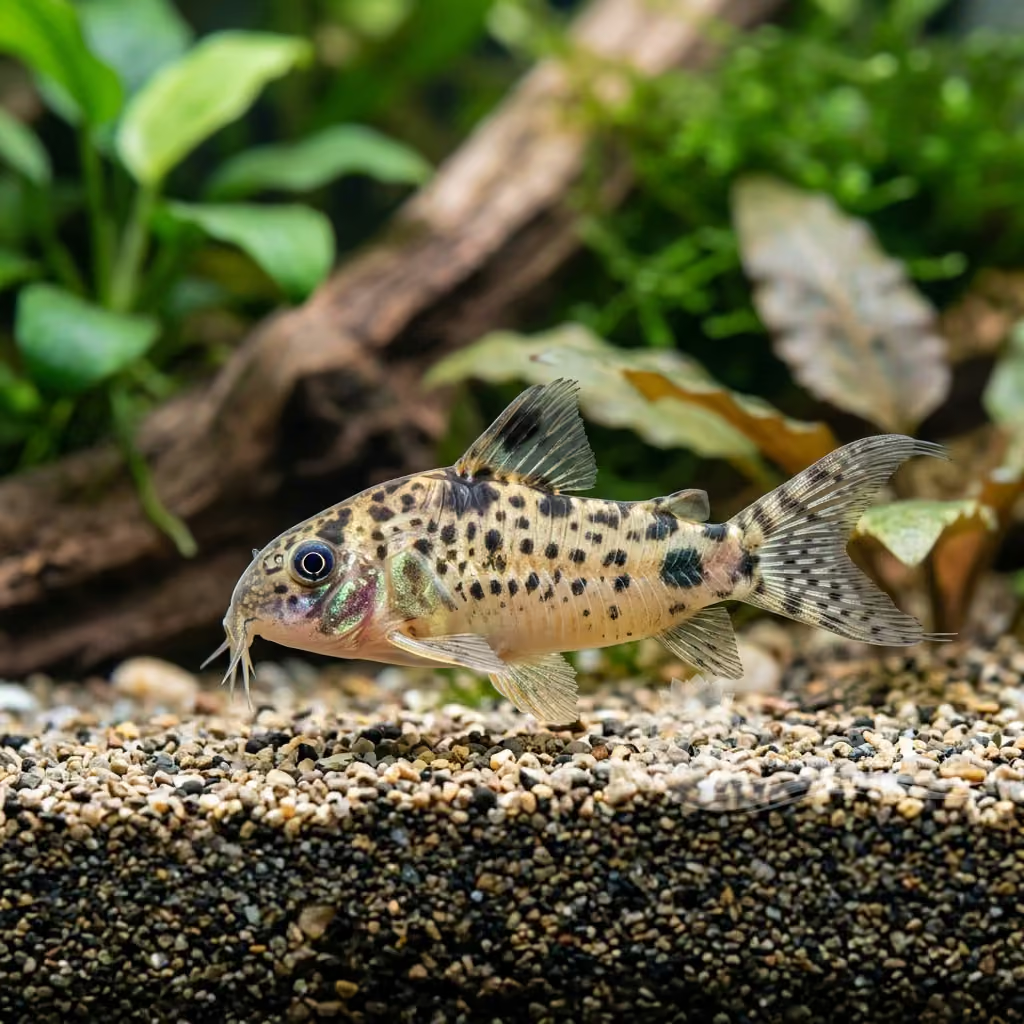
Head-and-tail Light Tetra
Holopristis ocellifera
Widely distributed in northern South America, including the Amazon and Orinoco basins, and rivers of Guiana. Found in slow-flowing, vegetated streams.
Water Temperature
22 - 28 °C
pH Value
6 - 7.5
Water type
Freshwater
Tank level
Bottom and middle
Adult size
4.5 cm
Minimum tank volume
>= 60 L
Minimum group
>= 6
GH
5 - 15 dGH
KH
2 - 8 dKH
TDS
95 - 305 ppm
Conductivity
148 - 477 uS/cm

Species description
Geographical Origin and Habitat: Native to northern South America, widely distributed throughout the Amazon and Orinoco River basins, as well as the coastal river systems of the Guianas. It inhabits slow-flowing forest streams, tributaries, and flooded swampy areas rich in submerged vegetation, fallen leaves, and tree roots.
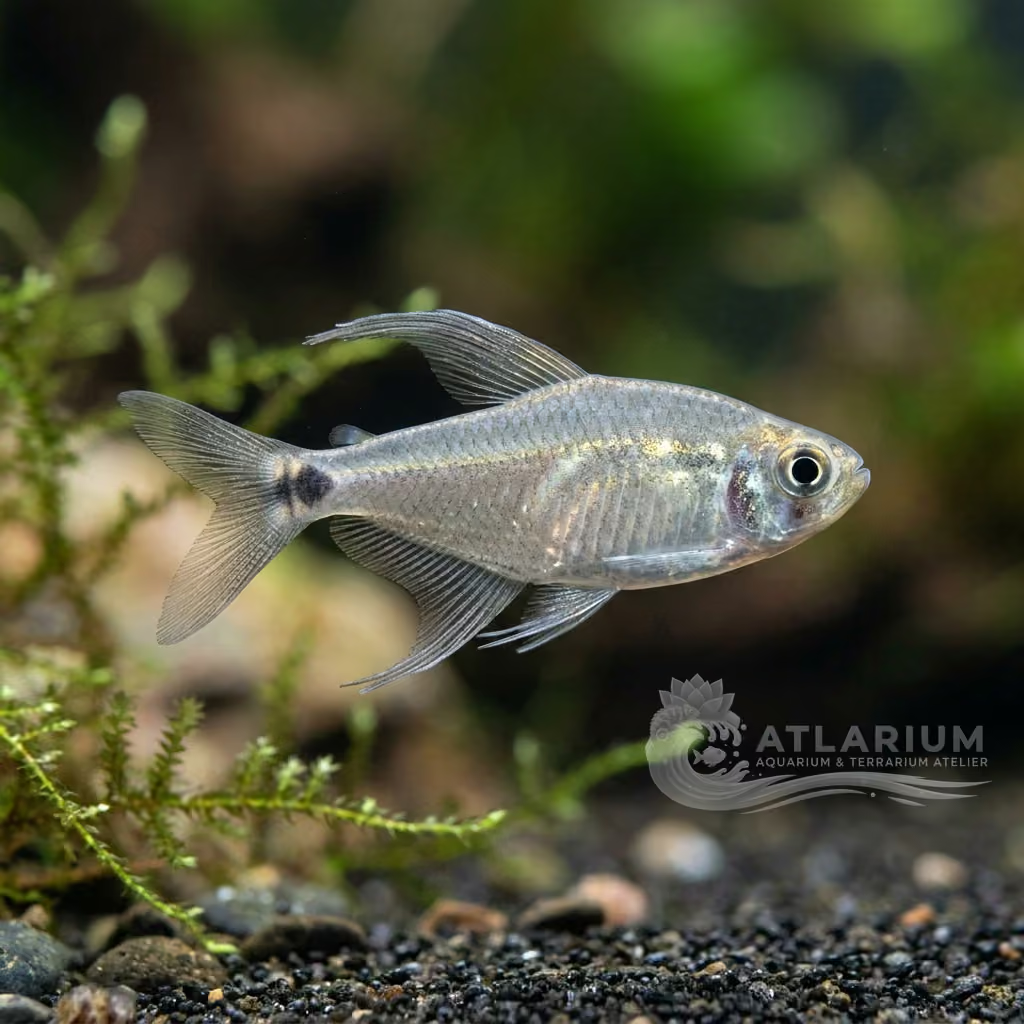
Taxonomy and Morphology: Member of the family Characidae and the genus Hemigrammus. It features a moderately elongated, semi-translucent, and laterally compressed body shape. It possesses a small adipose fin behind the dorsal fin. Adults grow to a maximum length of approximately 4.5 centimeters.
Social Behavior: Highly gregarious, peaceful, and social species. It must be kept in a school of at least 6-8 individuals to encourage natural schooling behavior, minimize stress, and reduce shyness. It occupies the middle section of the water column and is non-aggressive toward tankmates.
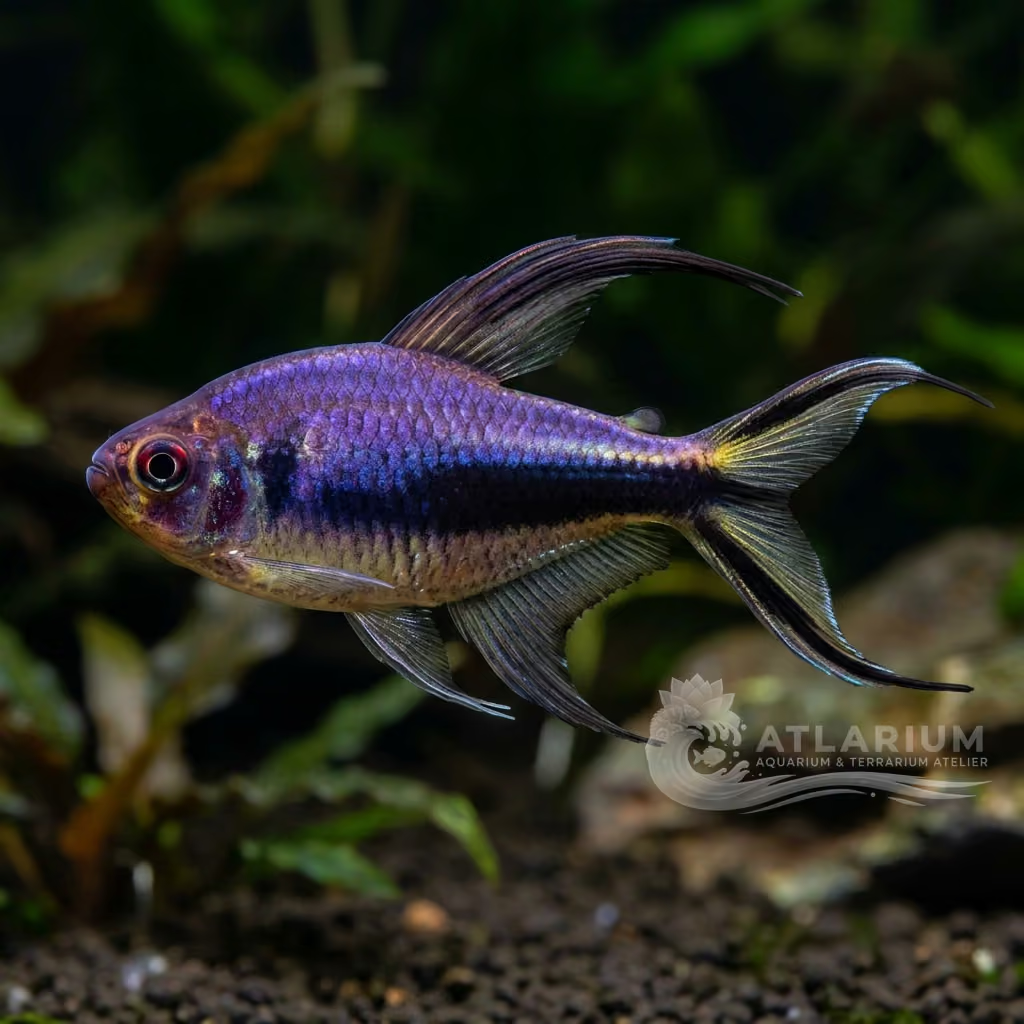
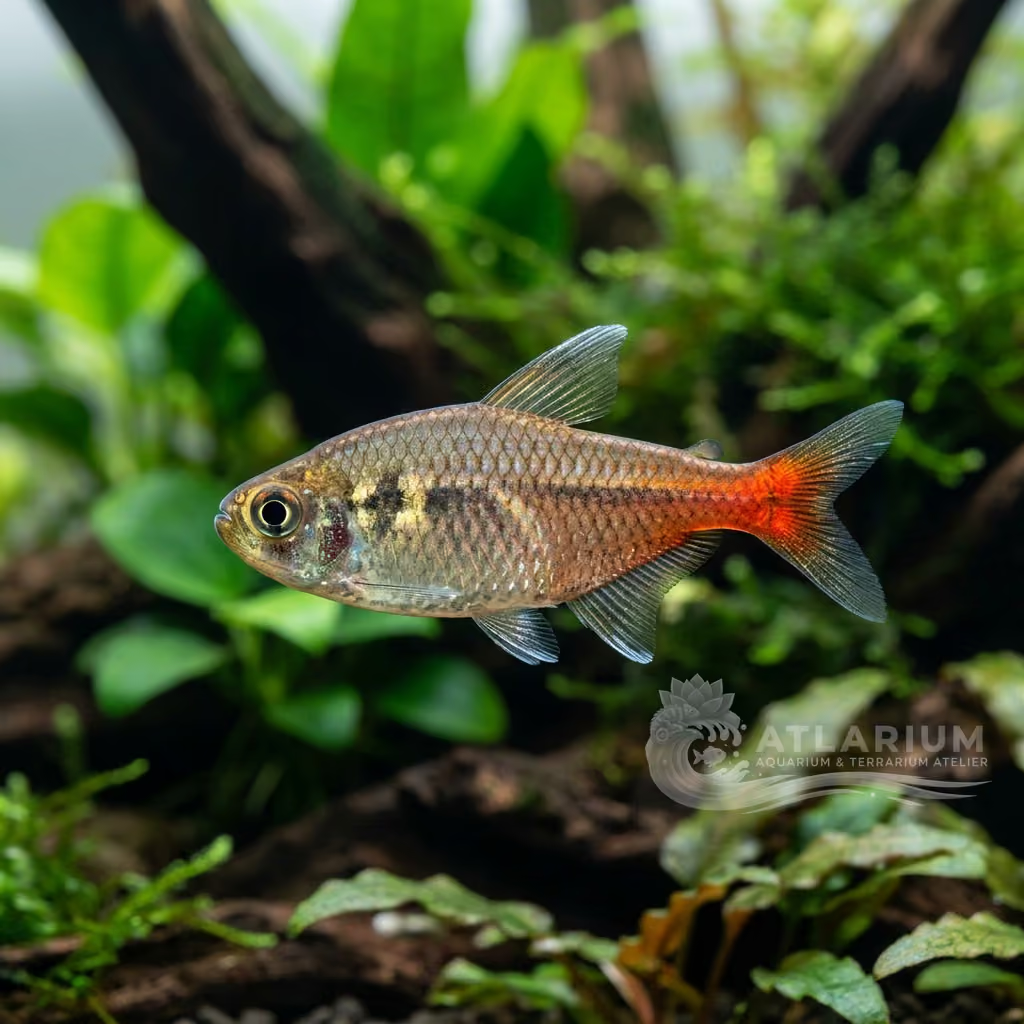
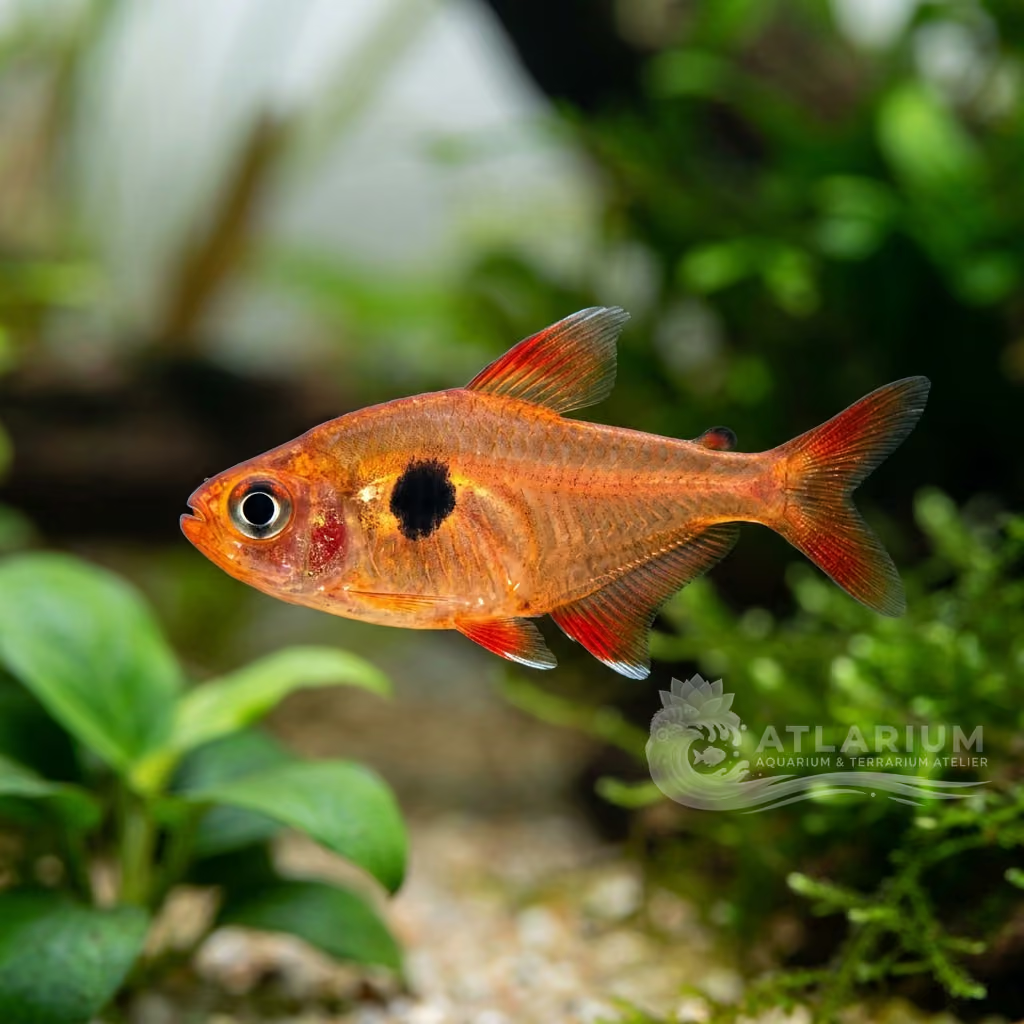
Coloration and Sexual Dimorphism: The body is semi-translucent and silvery. It is commonly known as the Head-and-tail Light Tetra due to two copper-orange reflective spots that shine under light: one on the upper iris of the eye and another on the caudal peduncle. Mature females have a rounder body profile than males.

Care, breeding and tankmates
Aquarium Setup: Requires a freshwater aquarium of at least 60 liters (15 gallons) for a small school. The tank should be decorated with dense aquatic plants along the back and sides, leaving the center open for swimming. Use driftwood, roots, and dried leaf litter to create a natural-looking habitat.
Diet and Feeding: Omnivorous and easy to feed. Accepts high-quality flake foods, micro-granules, and freeze-dried foods. To enhance their health and coloration, supplement their diet with live or frozen foods such as daphnia, artemia, and small bloodworms. Feed once or twice daily.
Water Quality: Hardy and adaptable to a range of water conditions. The ideal parameters are a water temperature of 22-28°C, pH between 6.0 and 7.5, and a general hardness of 5-15 dGH. Regular partial water changes (15-20% weekly) are recommended to maintain water quality.
Compatibility and Cohabitation: An excellent community fish that is compatible with most other small, peaceful species. It coexists well with other tetras, rasboras, Corydoras catfish, guppies, platies, and peaceful dwarf cichlids. Do not house with large, predatory fish that will eat them.
Aquarium Breeding: Spawning is relatively easy. Set up a separate breeding tank with soft, slightly acidic water and fine-leaved plants (e.g., Java moss) where they can deposit adhesive eggs. Remove the parent fish immediately after spawning to prevent egg cannibalism.
Risks and Diseases: Susceptible to ich (white spot disease) if exposed to sudden drops in temperature or poor water conditions. A lid or tight cover is required for the aquarium, as this species is an active swimmer and can jump when startled.

Geographic origin and distribution
Native to northern South America, widely distributed throughout the Amazon and Orinoco River basins, as well as the coastal river systems of the Guianas. It inhabits slow-flowing forest streams, tributaries, and flooded swampy areas rich in submerged vegetation, fallen leaves, and tree roots.
Origin
Tropical oceans and reefsAmazon, Orinoco, and Guianas

Fish profile
- Temperament
- Territorial
- This tetra possesses an easy-going, peaceful temperament that makes it a staple in community setups. They are naturally gregarious and rely on the presence of conspecifics to feel confident and secure. A single individual or a pair will become highly stressed, timid, and prone to disease.
- Diet
- Omnivore
- They are highly adaptable omnivores that forage for small insects, worms, and crustaceans in their natural environment. In the aquarium, they eagerly accept high-quality flakes, micro-granules, and freeze-dried tubifex. Regular offerings of live or frozen bloodworms and daphnia are highly recommended to condition them for breeding.
- Life expectancy
- 3-5 years
- Adult size
- 4.5 cm
- Sex ratio
- School
- A standard mixed group of males and females is perfectly fine, though providing more females can reduce male harassment. Males may sporadically chase females, but a larger school size helps dissipate this attention. In groups of six or more, aggressive interactions are virtually non-existent.
- Feeding frequency
- Twice daily
- Providing two small meals daily is the best approach for keeping these tetras healthy and active. Careful feeding ensures all food is eaten quickly, preventing leftover food from decaying on the substrate. This frequent, modest feeding mimics their natural, constant foraging behaviors in the wild.
- Bioload
- Low
- The Head and Taillight Tetra produces a modest bioload that is easily managed in well-established aquariums. Due to their schooling nature, keeping a group requires adequate filtration to process their combined waste. Consistent tank maintenance prevents nitrate buildup and ensures their vibrant health.
- Flow
- Strong
- They originate from slow-moving streams and tributaries, making them prefer gentle to moderate water flow. High-velocity currents can cause them significant stress and fatigue. Strategically placing decor or plants to break up filter output creates the perfect serene environment they desire.
- Jump risk
- Yes
- These fish have a moderate tendency to jump, particularly during the initial acclimation period or when startled. Securing the tank with a completely enclosed hood or mesh screen is an essential precaution. Ensuring stable water parameters also minimizes erratic behaviors that lead to jumping.
- Reproduction
- Oviparous
- Breeding the Head and Taillight Tetra is relatively straightforward as they are prolific egg-scatterers. A dimly lit breeding tank with soft, acidic water and dense thickets of Java moss yields the best results. Adult fish must be removed immediately post-spawning to safeguard the eggs from being cannibalized.
- Compatibility & tankmates
- Peaceful
- This is an extremely peaceful community fish that thrives alongside other similarly sized, mild-mannered species. Excellent companions include small danios, livebearers, other tetras, and peaceful bottom dwellers like Otocinclus. They should never be housed with large cichlids or boisterous fish that could harass them.
- Tank level
- Middle/Bottom
- They spend the vast majority of their time in the middle levels of the water column. They enjoy darting in and out of plant thickets while remaining visible in the open swimming spaces. They rarely venture to the extreme top or bottom unless actively chasing a piece of food.

Scientific Parameters & Models
FishBase
Window to the official scientific data of the species
FishBase v25.04Data synced on: 06/15/2026
- Trophic level
- 3.2 ± 0.41 se
- Resilience
- High (less than 15 months)
- Phylogenetic uniqueness (PD50)
- 0.502
- Bayesian Length-Weight
- a = 0.01096, b = 3.08
- VulnerabilityLow vulnerability (10 / 100)

Related species
Recommendations grouped by close relatives, companion choices, and similar care.