

Encyclopaedia
Black skirt tetra
Gymnocorymbus ternetzi
A robust, long-lived tetra with the characteristic black anal fin shaped like a skirt that fades toward the tail — hence the common name. The tall, compressed body with black-silver gradient makes it instantly recognizable. One of the most beginner-friendly tetras: tolerant, active and with a 3–5 year life expectancy. In schools of 6+ the fin-nipping tendency decreases drastically. Available in selected variants (long-fin) and unfortunately also in artificially dyed variants — the latter to be avoided for ethical and health reasons. Breeding moderately easy with a dedicated tank.
Share
Check out Black skirt tetra on Atlarium
22 - 26 °C
6 - 7.5
Freshwater
Middle
7.5 cm
>= 60 L
>= 6
3 - 15 dGH
1 - 7 dKH
55 - 295 ppm
86 - 461 uS/cm
Species description
Care, breeding and tankmates
Geographic Origin and Distribution
Origin
Fish profile
- Temperament
- Peaceful
- Diet
- Omnivore
- Sex ratio
- School
- Feeding frequency
- Twice daily
- Bioload
- Low to Medium
- Flow
- Strong
- Jump risk
- No
- Reproduction
- Oviparous
- Compatibility & tankmates
- Peaceful
- Tank level
- Middle
Window to the official scientific data of the species
Scientific Parameters & Models
- Trophic level
- 3.1 ± 0.32 se
- Resilience
- High (less than 15 months)
- Phylogenetic uniqueness (PD50)
- 0.5625
- Bayesian Length-Weight
- a = 0.01995, b = 2.97
Image gallery
Licensed images linked to the species or, when marked, to the closest representative taxon.
Related species
Recommendations grouped by close relatives, companion choices, and similar care.
Variants and close relatives
Same atlas type, nearby scientific identity, genus, or family.

Black skirt tetra
Gymnocorymbus ternetzi
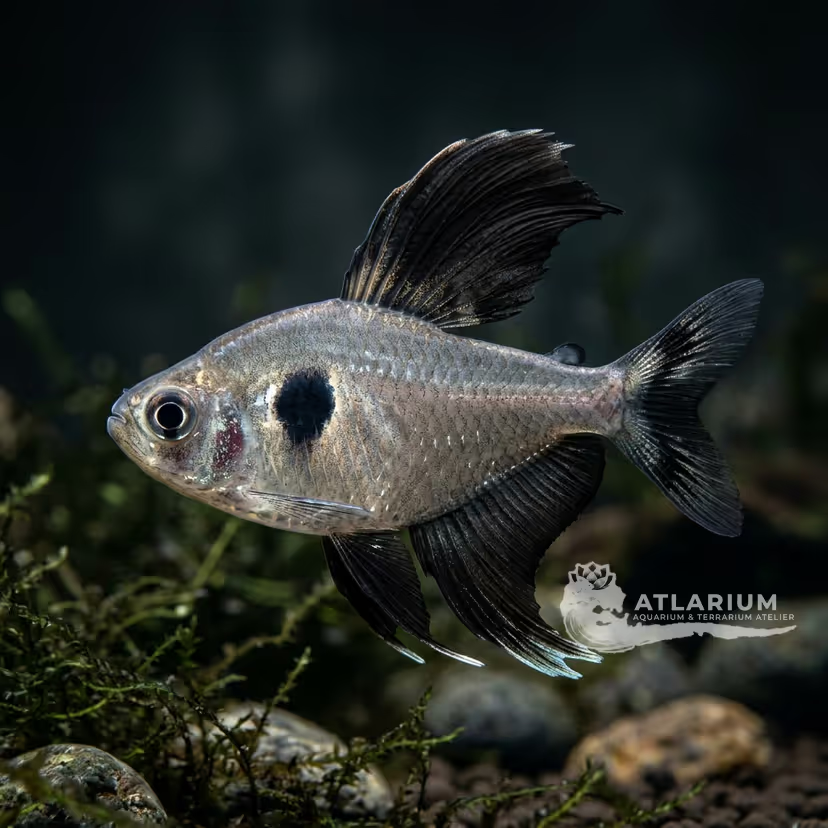
Black Phantom Tetra
Hyphessobrycon megalopterus
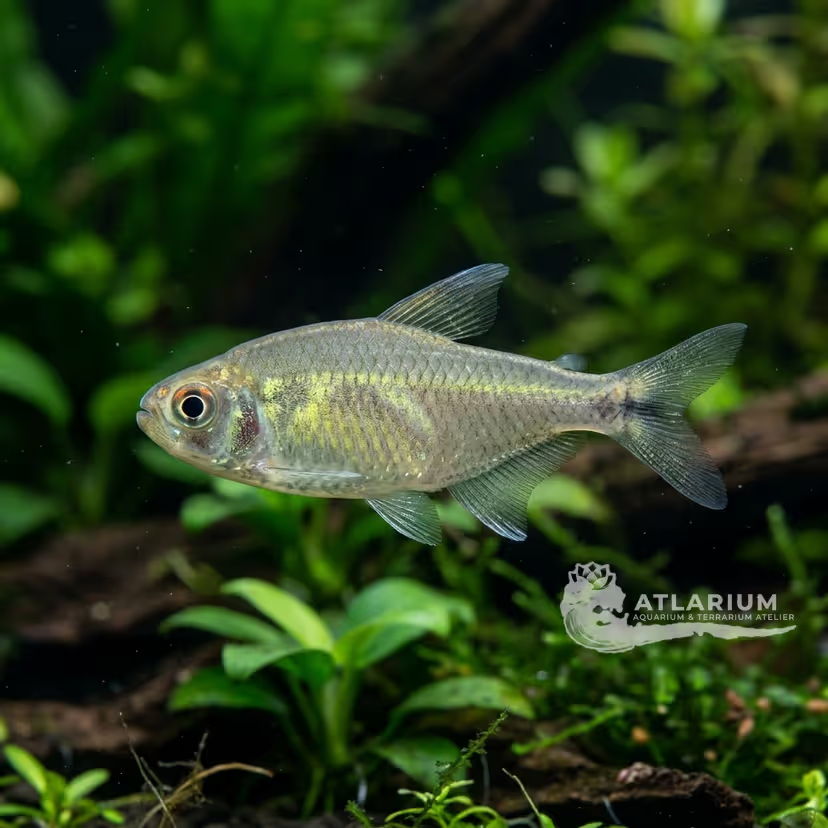
Balbus Tetra
Hyphessobrycon balbus
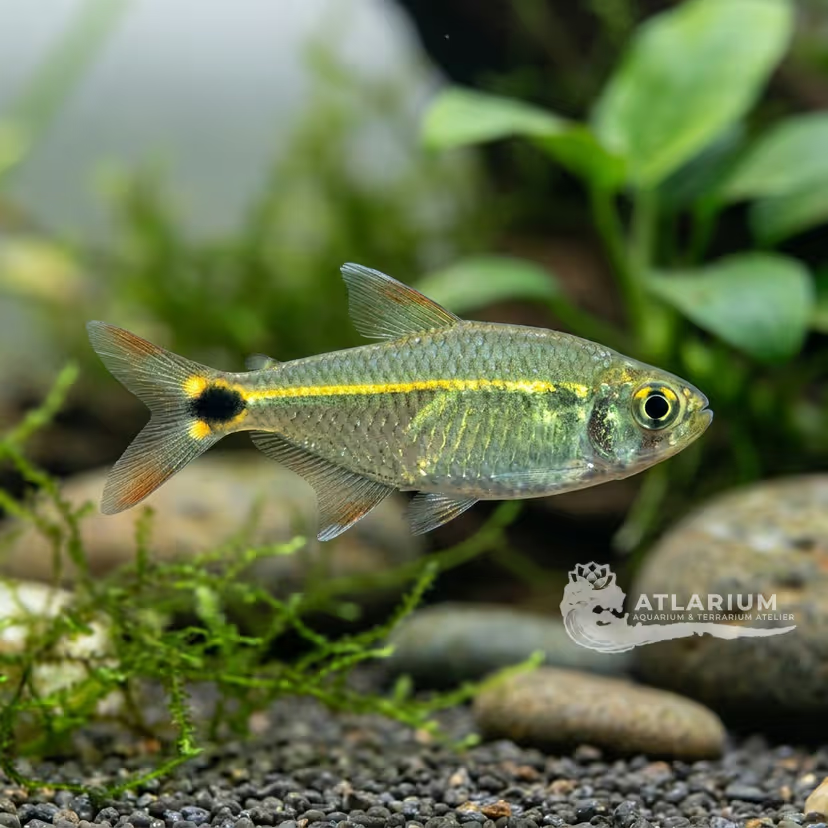
January tetra
Hemigrammus hyanuary
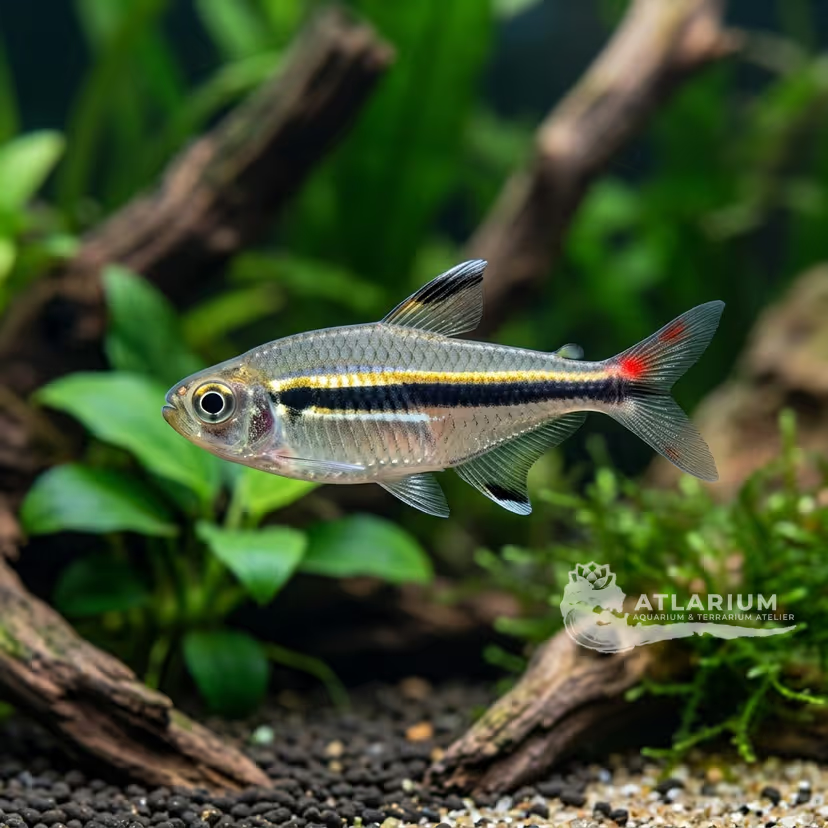
Ulrey's tetra
Hemigrammus ulreyi
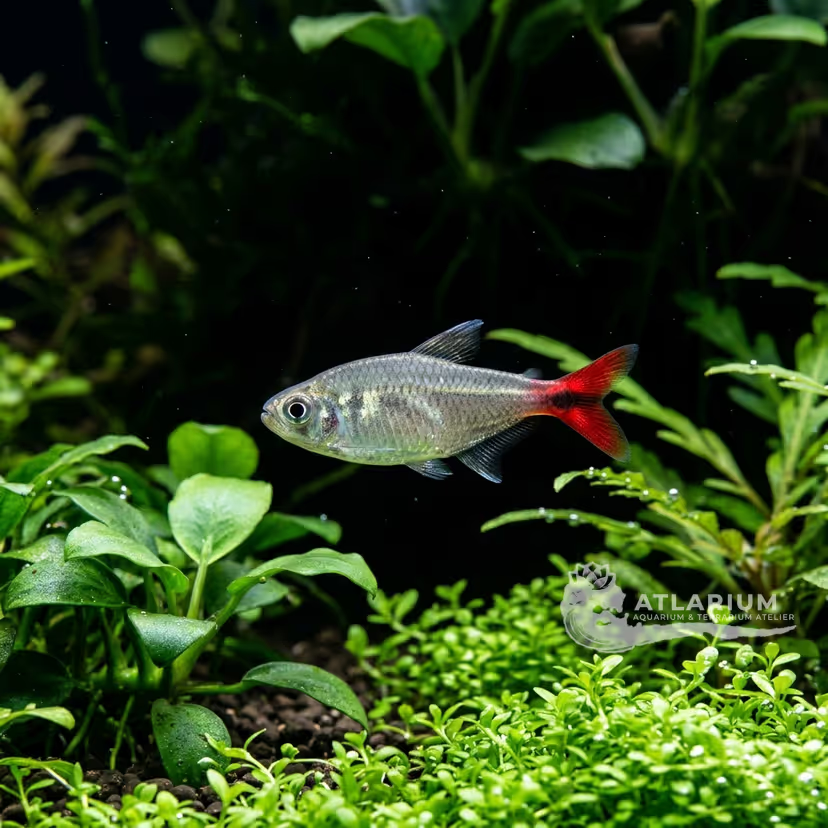
Amazon red-tail tetra
Aphyocharax dentatus

Silvertip tetra
Hasemania nana

Mayan Tetra
Hyphessobrycon compressus
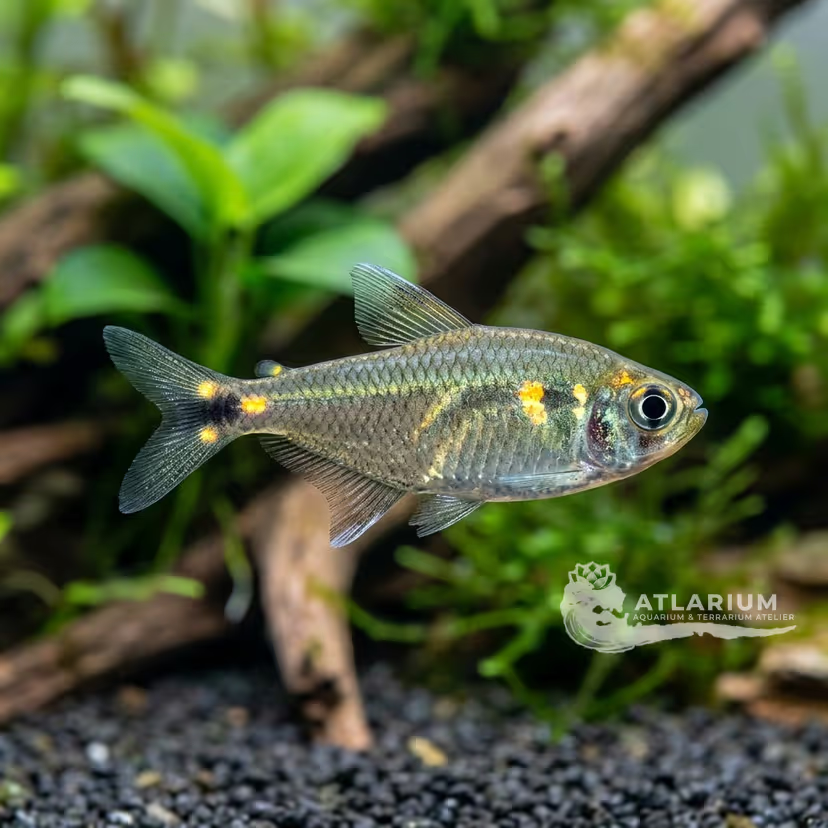
Head-and-tail Light Tetra
Hemigrammus ocellifer
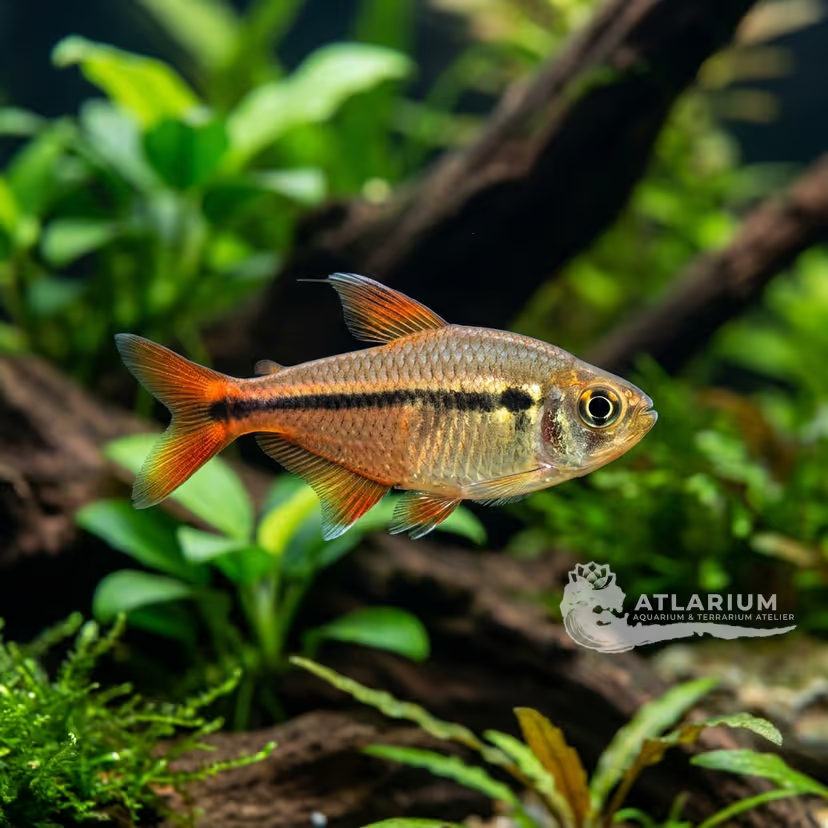
Langean's Tetra
Hyphessobrycon langeanii

Dawn tetra
Aphyocharax nattereri

Pink-tailed Chalceus
Chalceus macrolepidotus

Bass Tetra
Hemigrammus marginatus

Ecuador tetra
Hyphessobrycon ecuadoriensis

Flame tetra
Hyphessobrycon flammeus
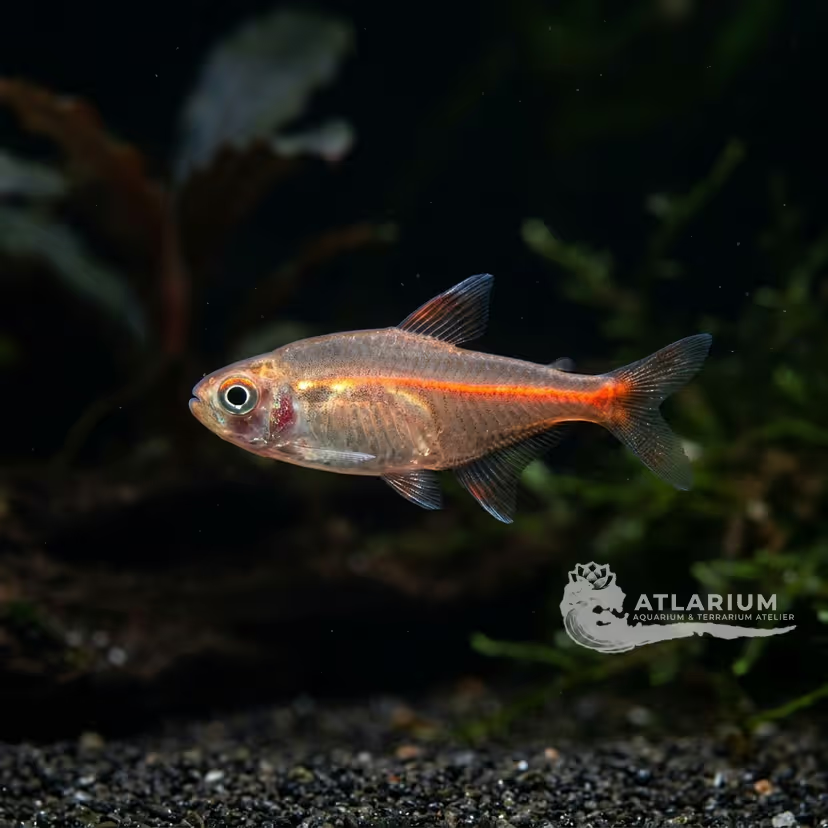
Glowlight tetra
Hemigrammus erythrozonus
Recommended companions
Compatible cards from coherent ecosystems with matching parameters.
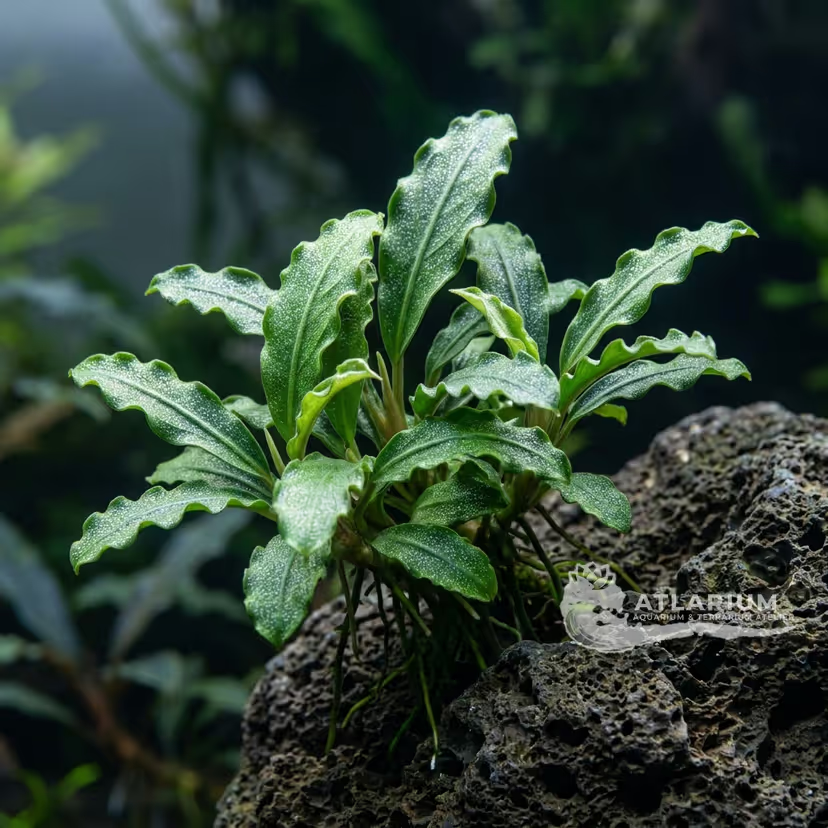
Bucephalandra pygmaea "Bukit Kelam / Sintang"
Bucephalandra pygmaea "Bukit Kelam / Sintang"
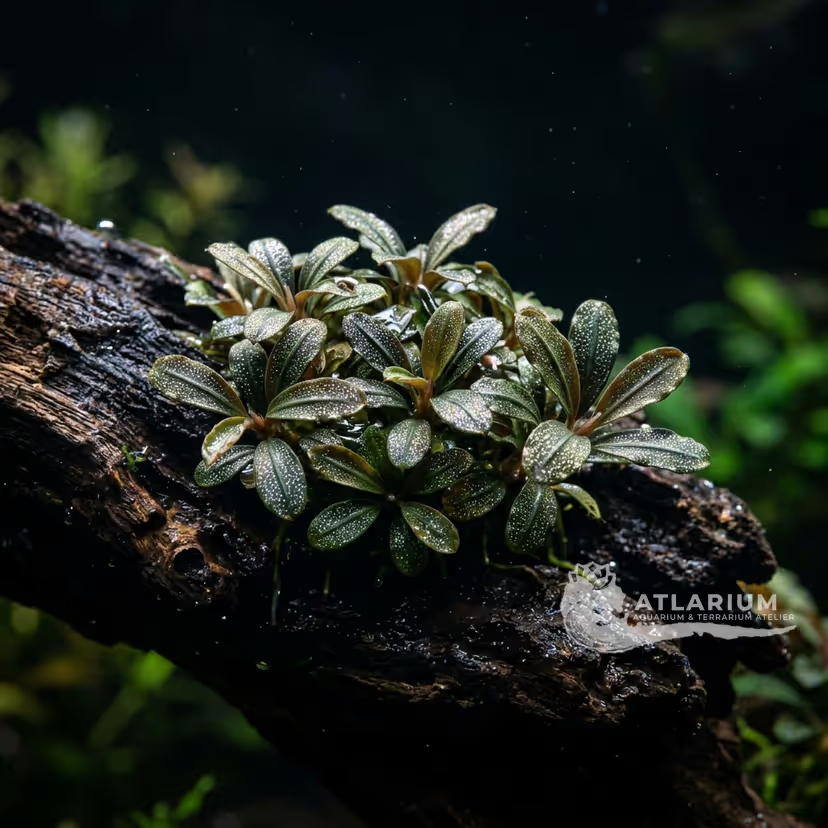
Bucephalandra pygmaea "Kapit"
Bucephalandra pygmaea "Kapit"
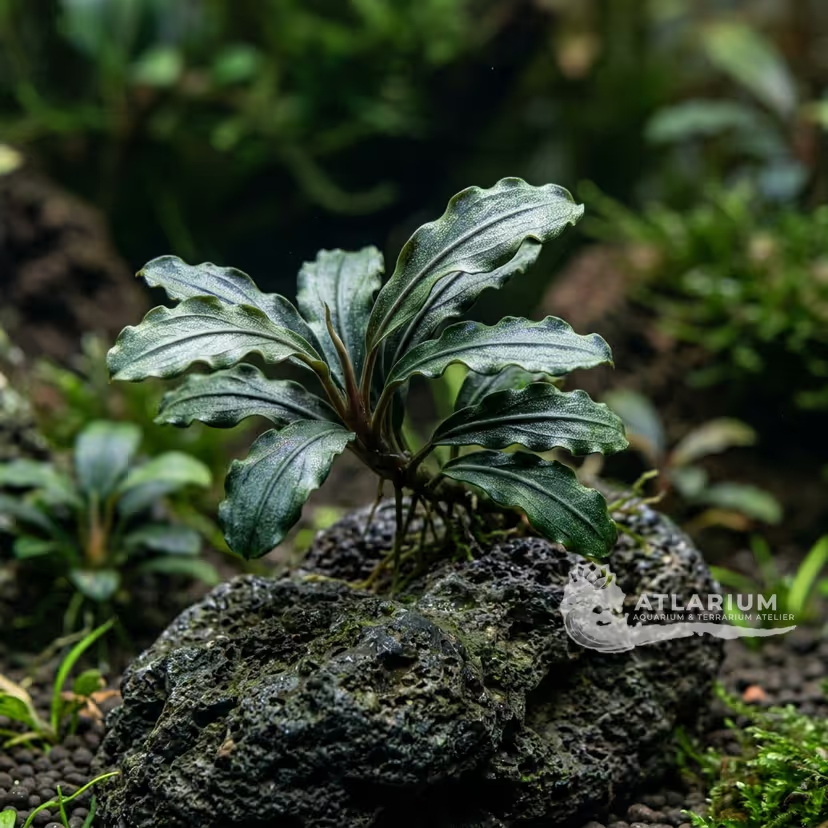
Bucephalandra sordidula
Bucephalandra sordidula
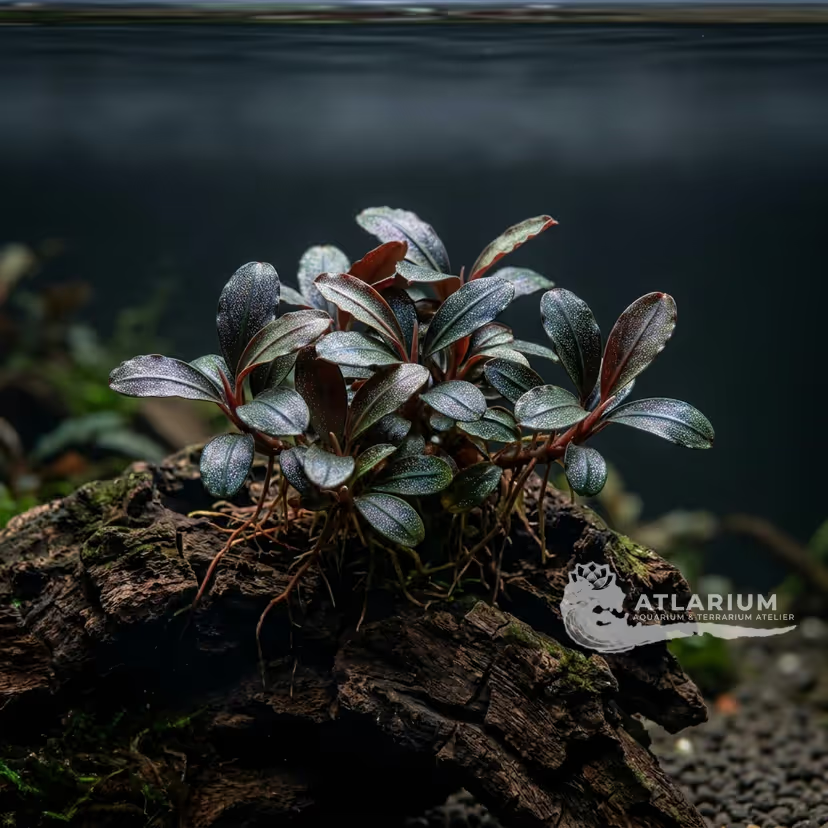
Bucephalandra sp. "Bodok"
Bucephalandra sp. "Bodok"

Bucephalandra sp. "Braun-rot narrow"
Bucephalandra sp. "Braun-rot narrow"
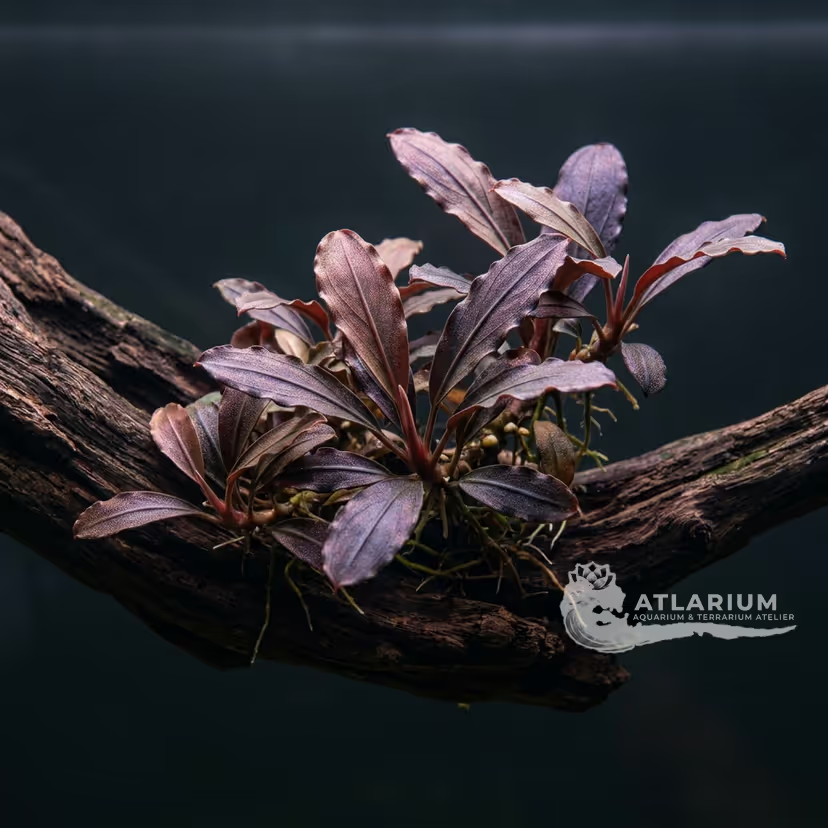
Bucephalandra sp. "Braun-rot" ("Serimbu")
Bucephalandra sp. "Braun-rot"
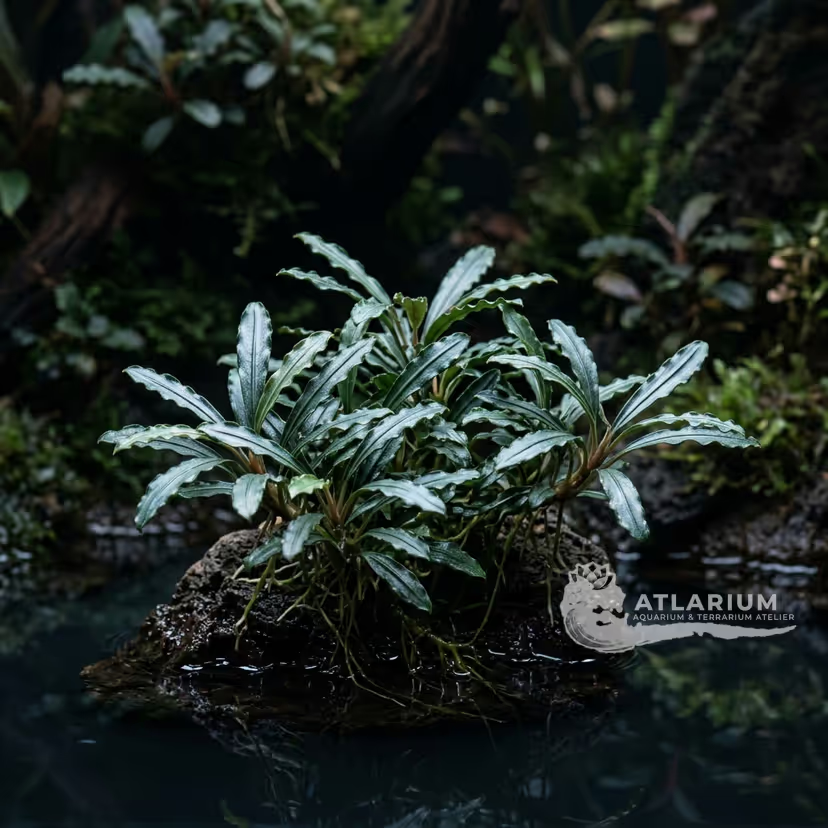
Bucephalandra sp. "Gunung Sumpit"
Bucephalandra sp. "Gunung Sumpit"
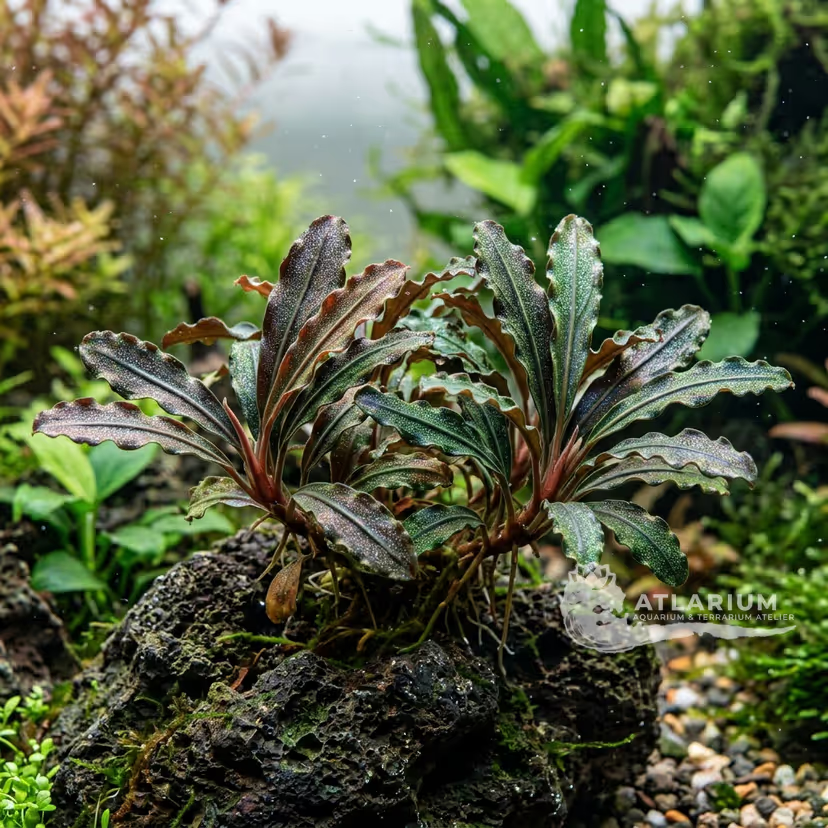
Bucephalandra sp. "Kedagang"
Bucephalandra sp. "Kedagang"

Ammannia sp. 'Bonsai'
Ammannia sp. 'Bonsai'

Bacopa sp. "Japan"
Bacopa sp. "Japan"

Bolbitis heteroclita
Bolbitis heteroclita

Alternanthera reineckii "rosaefolia minor"
Alternanthera reineckii "rosaefolia minor"

Arrowhead Anubias
Anubias hastifolia

Smudge Spot Cory
Corydoras similis
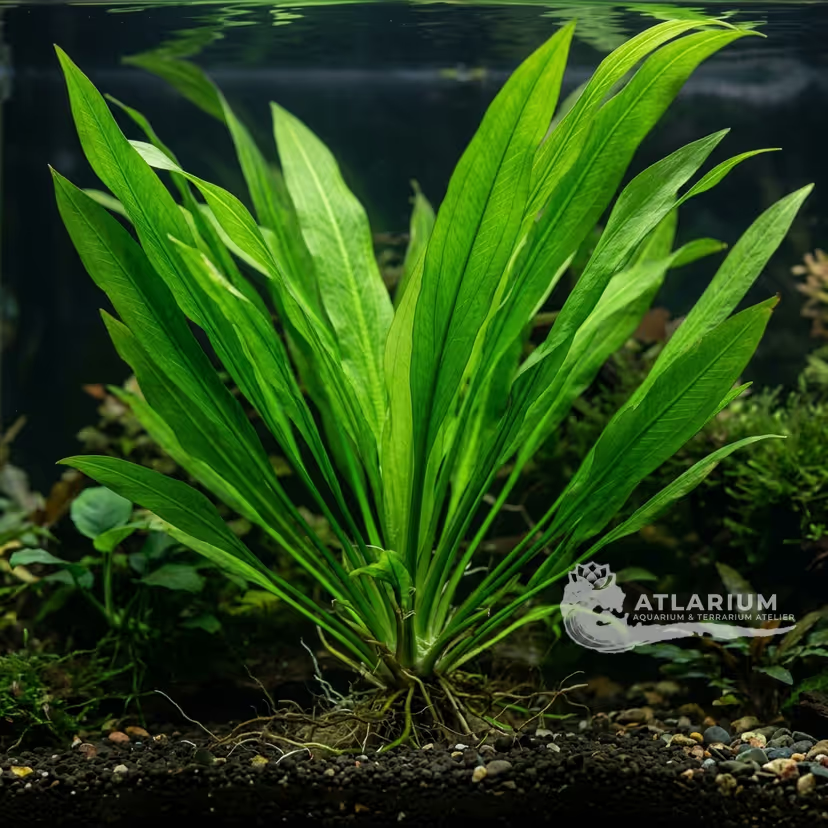
Amazon Sword
Aquarius grisebachii

Bucephalandra motleyana "Braun-rot narrow"
Bucephalandra motleyana "Braun-rot narrow"
Similar care
Cards with similar requirements, difficulty, habitat, and husbandry profile.

Flameback bleeding heart tetra
Hyphessobrycon pyrrhonotus

Blackline Tetra
Hyphessobrycon scholzei

Skunk cory
Corydoras arcuatus
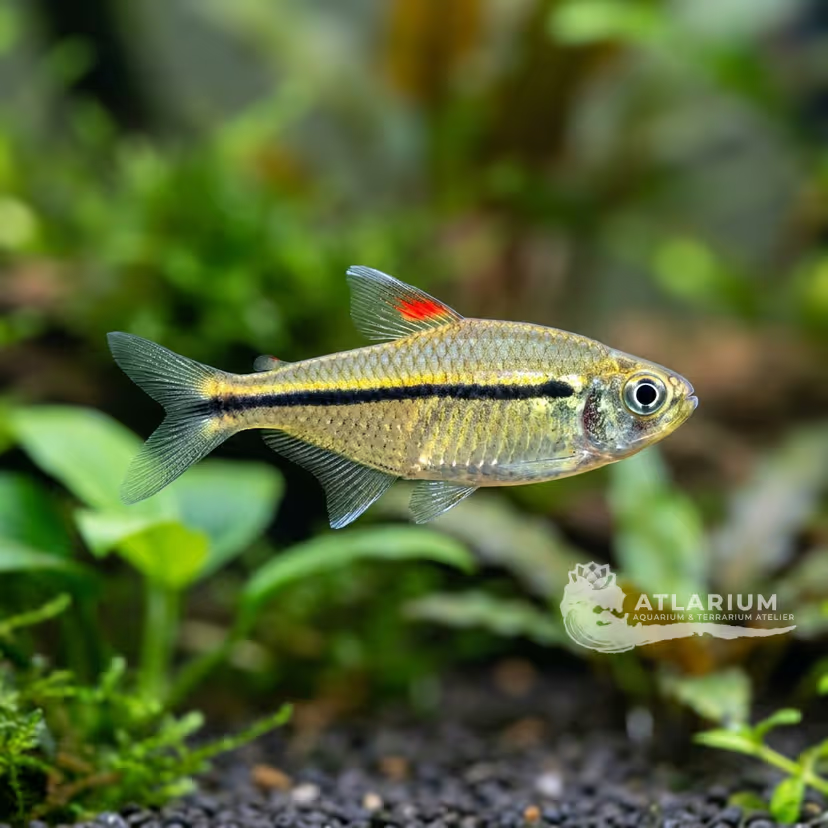
One-line Tetra
Hemigrammus unilineatus
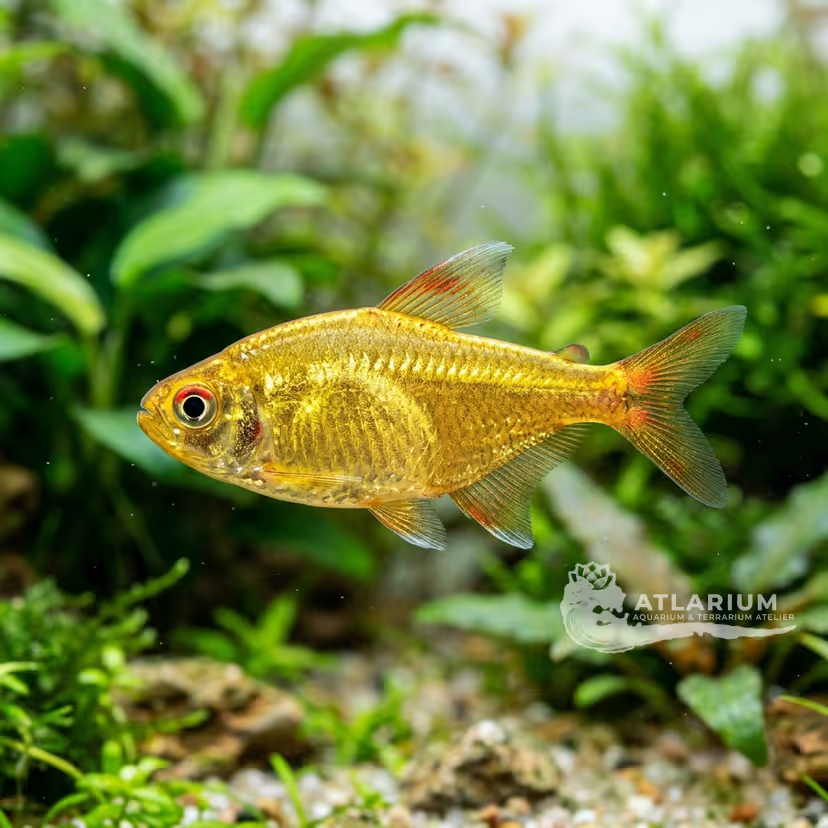
Golden Tetra
Hemigrammus levis

Serpae Tetra (Red Minor Tetra)
Hyphessobrycon eques

Amapá tetra
Hyphessobrycon amapaensis

Checker Barb
Oliotius oligolepis

Schwartz's Corydoras
Corydoras schwartzi

Desana Corydoras
Corydoras desana
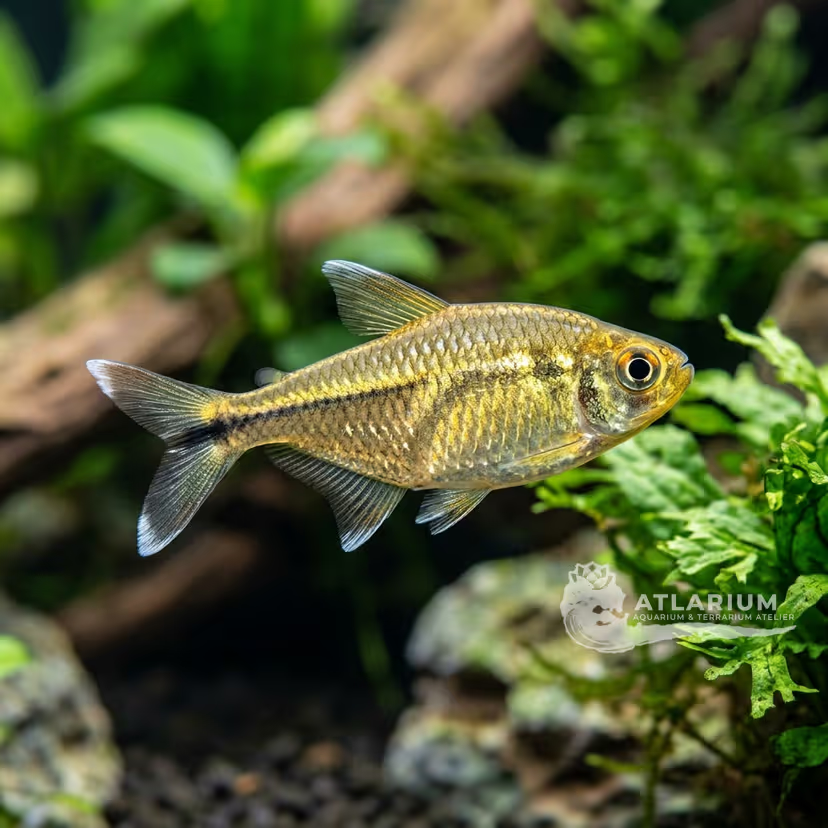
Gold Tetra
Hemigrammus rodwayi

Chocolate Talking Catfish
Acanthodoras cataphractus

Flag Acara (Smiling Cichlid)
Laetacara curviceps
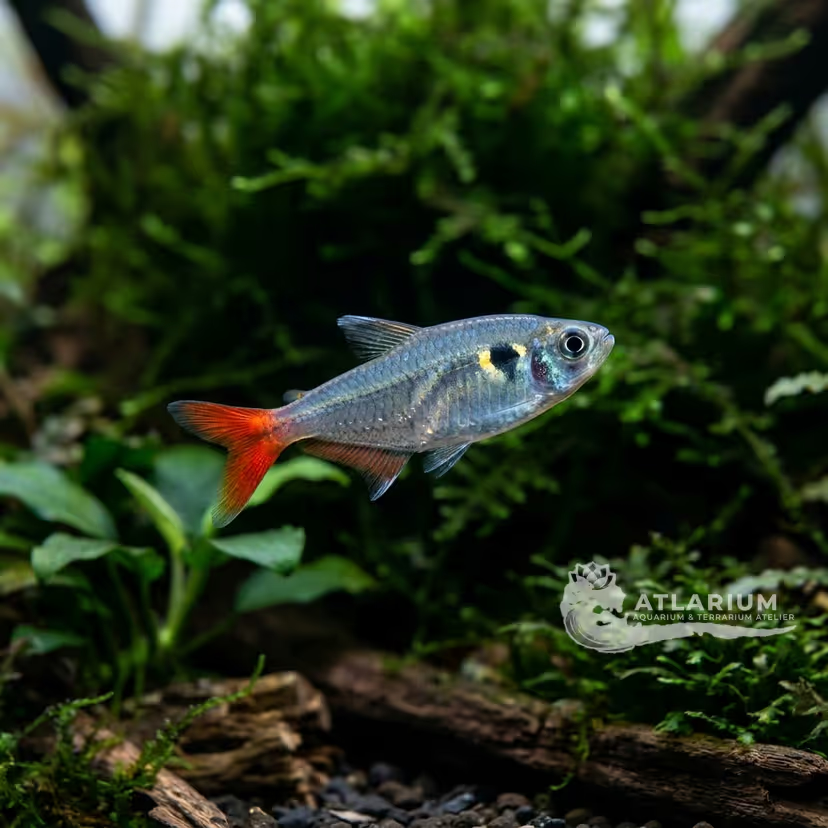
Goldencrown tetra
Aphyocharax alburnus
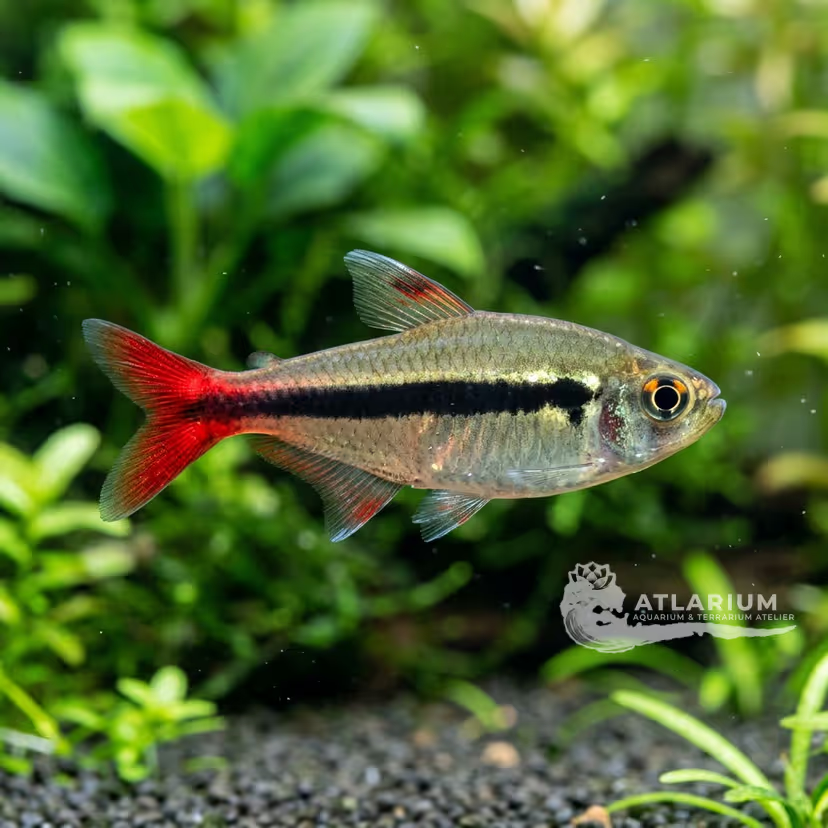
Loreto Tetra
Hyphessobrycon loretoensis

Luetken's Tetra
Hyphessobrycon luetkenii