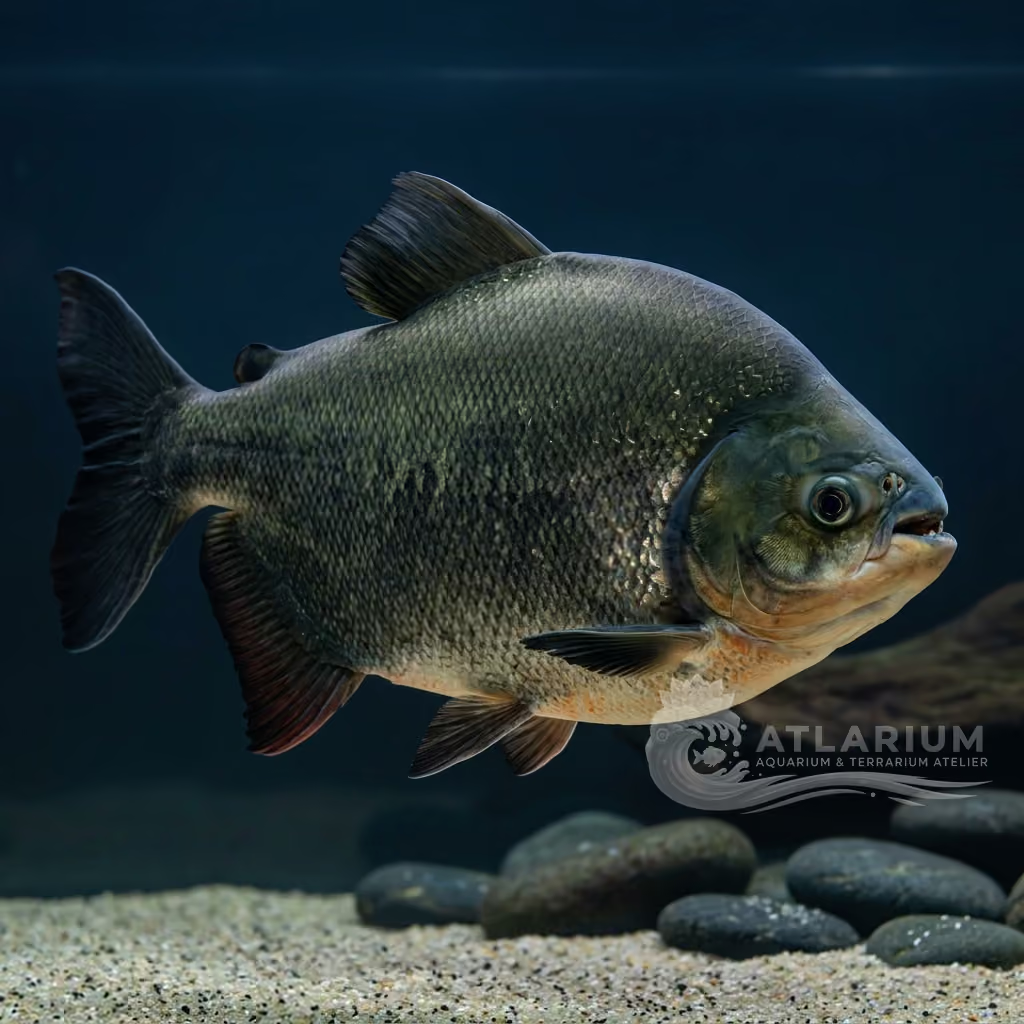
Pink-tailed Chalceus
Chalceus macrolepidotus
The Pink-tailed Chalceus (Chalceus macrolepidotus) is an elegant and explosive surface predator. Reaching 25 cm (10 inches), this large characin sports huge silvery scales with blinding metallic reflections and, as the name suggests, a conspicuous shocking pink or fiery red caudal fin. Unlike most predators that patrol the bottom, the Chalceus is a missile designed to live exclusively in the top few inches of water, where it hunts falling insects with lightning-fast jumps. Its speed and size make it a spectacular resident for the upper levels of large Amazonian aquariums.
23 - 28 °C
6 - 7.5
Freshwater
Surface
25 cm
>= 350 L
>= 6
5 - 15 dGH
2 - 7 dKH
95 - 295 ppm
148 - 461 uS/cm

Species description

Care, breeding and tankmates

Geographic origin and distribution
Origin

Fish profile
- Temperament
- Peaceful
- These fish possess a somewhat complex temperament that mixes predatory instincts with a generally peaceful demeanor towards larger tankmates. They are highly predatory towards any fish small enough to fit into their moderately sized mouths. However, they are usually completely peaceful and indifferent when housed with similarly sized or larger species. Among themselves, they can display significant territorial aggression if the group size is too small to properly establish a stable pecking order.
- Diet
- Carnivore
- In their natural riverine habitats, they are primarily insectivores and opportunistic predators that feed heavily on surface-dwelling invertebrates. In the home aquarium, they readily accept a varied diet based on high-quality floating pellets and sticks. Their nutrition should be frequently supplemented with meaty foods such as freeze-dried krill, crickets, mealworms, and large bloodworms. Offering a diverse array of foods is critical to maintaining their striking pink tail coloration and overall robust health.
- Life expectancy
- 10-15 years
- Adult size
- 25 cm
- Sex ratio
- Group
- Determining the exact sex of this species is quite difficult as there is very little visible sexual dimorphism. They are best kept in small shoals of at least six individuals to properly disperse any conspecific aggression. Keeping them in smaller groups often leads to severe bullying of the weakest fish by dominant individuals. If a suitably massive aquarium is not available for a group, housing a single specimen is a viable alternative.
- Feeding frequency
- Twice daily
- Juvenile specimens should be offered appropriately sized meals two to three times a day to support their rapid growth rates. As they mature into adulthood, their feeding schedule can be safely reduced to one or two substantial meals daily. It is important to only offer as much food as they can vigorously consume within a few minutes. Overfeeding should be strictly avoided to prevent unnecessary strain on the biological filtration system.
- Bioload
- Medium to High
- The Pink-tailed Chalceus is a large and highly active predatory species that produces a significant amount of biological waste. Maintaining excellent water quality is absolutely essential for their long-term health and vitality. Aquarists must invest in oversized, high-capacity filtration systems to handle their heavy bioload effectively. Frequent and substantial water changes are also required to prevent the accumulation of harmful nitrogenous compounds.
- Flow
- Strong
- Originating from highly oxygenated rivers and streams in South America, this species greatly appreciates moderate to strong water currents. Incorporating powerheads or strong filter returns will help simulate the dynamic flow of their natural environment. The added current encourages their natural swimming behaviors and provides them with much-needed physical exercise. Excellent surface agitation is also required to ensure maximum oxygen exchange for these highly active fish.
- Jump risk
- Yes
- The Pink-tailed Chalceus is notoriously skittish and possesses a highly evolved jumping ability to escape predators in the wild. They will easily launch themselves out of an uncovered aquarium when startled by sudden movements or lighting changes. A heavy, tight-fitting lid with absolutely no gaps is a strict requirement for housing this species. Extra care should be taken during tank maintenance to ensure they do not leap out while the cover is temporarily removed.
- Reproduction
- Oviparous
- Successful captive breeding of the Pink-tailed Chalceus is an exceedingly rare event that is seldom documented in the home aquarium. They are pelagic egg scatterers that require massive volumes of water to trigger their natural spawning behaviors. Commercial breeding operations typically rely on massive outdoor ponds or the use of hormonal injections to induce reproduction. The fry are reportedly quite large upon hatching and require immediate access to small live foods to survive.
- Compatibility & tankmates
- Peaceful
- Choosing appropriate tankmates requires careful consideration of their highly predatory nature and substantial adult size. They are excellent companions for medium to large South American cichlids, robust characins, and sizable bottom-dwelling catfish. Any fish slender or small enough to be swallowed, such as small tetras or rasboras, will inevitably be viewed as a food source. It is also wise to avoid overly aggressive top-dwelling species that might compete for the same swimming space and cause undue stress.
- Tank level
- Top
- This species is an obligate surface dweller that spends the vast majority of its time patrolling the upper layers of the water column. They constantly cruise just beneath the water surface while keeping a keen eye out for falling prey. Providing plenty of open swimming space at the top of the aquarium is crucial for their well-being. Floating plants can be added to provide them with a sense of security without significantly obstructing their swimming paths.

Scientific Parameters & Models
Window to the official scientific data of the species
- Trophic level
- 3.4 ± 0.47 se
- Phylogenetic uniqueness (PD50)
- 0.5156
- Bayesian Length-Weight
- a = 0.00871, b = 3.21
- VulnerabilityLow vulnerability (21 / 100)

Related species
Recommendations grouped by close relatives, companion choices, and similar care.