Amapá tetra
Hyphessobrycon amapaensis
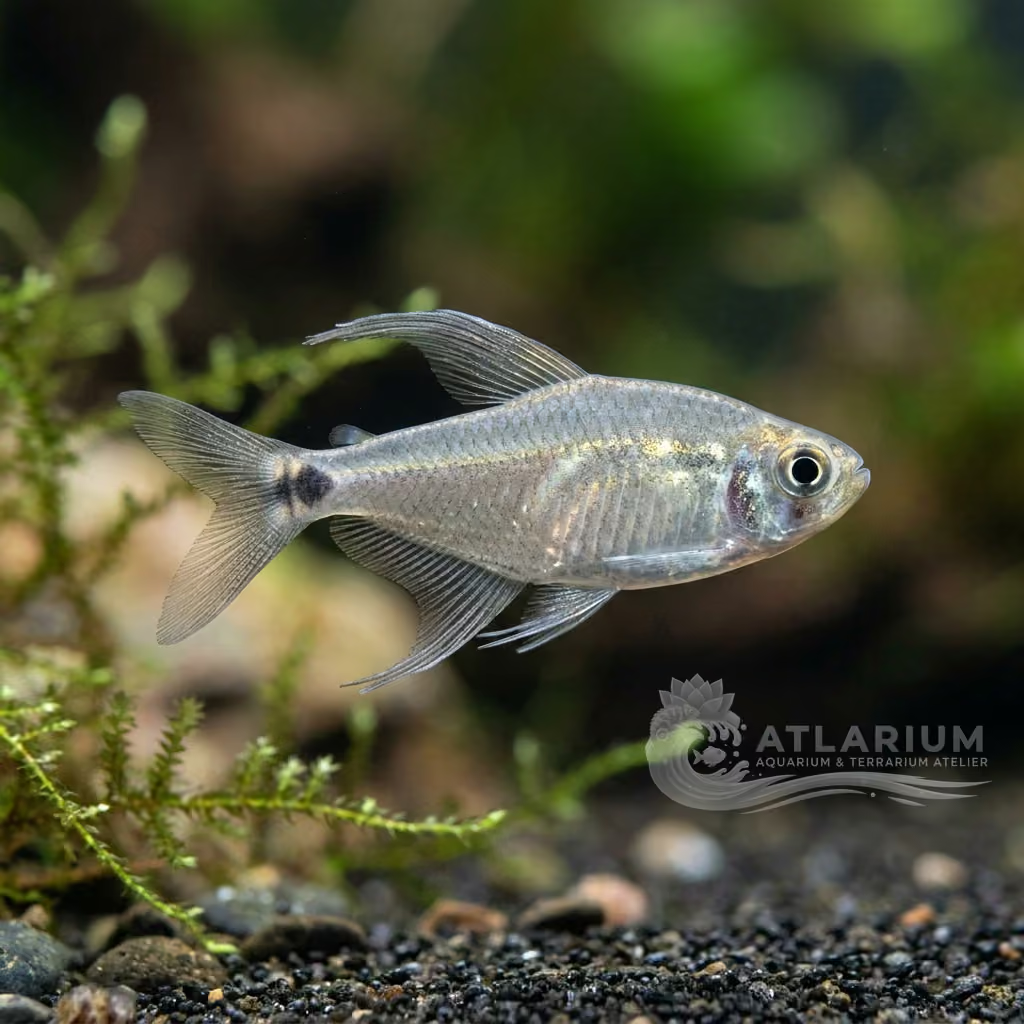
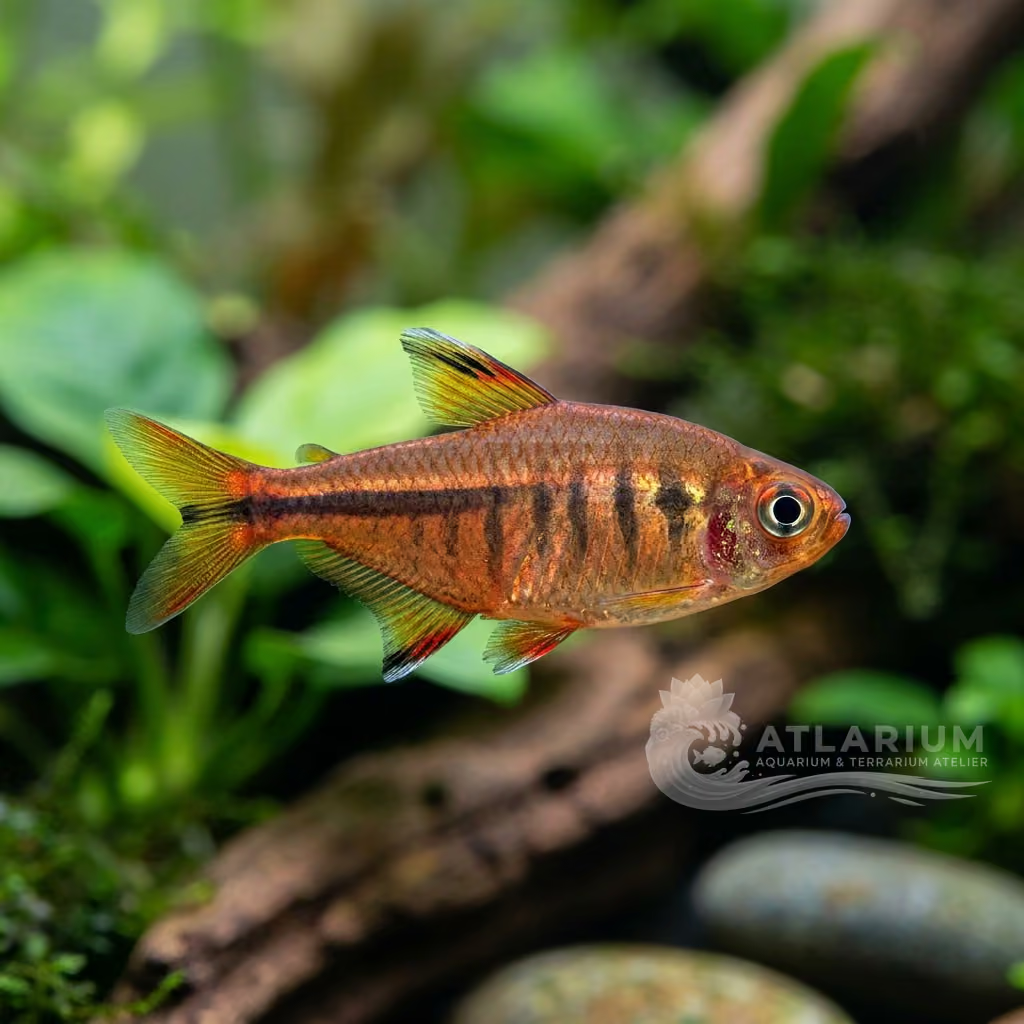
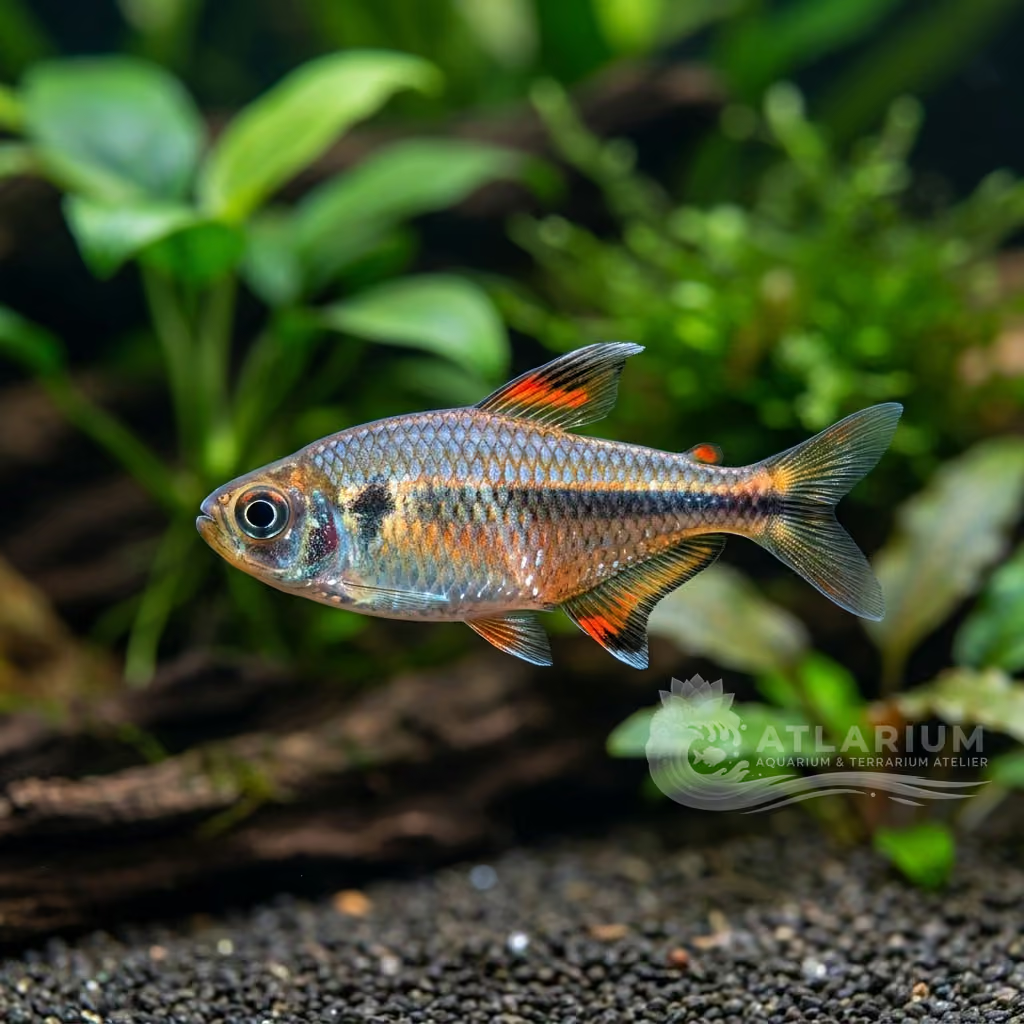
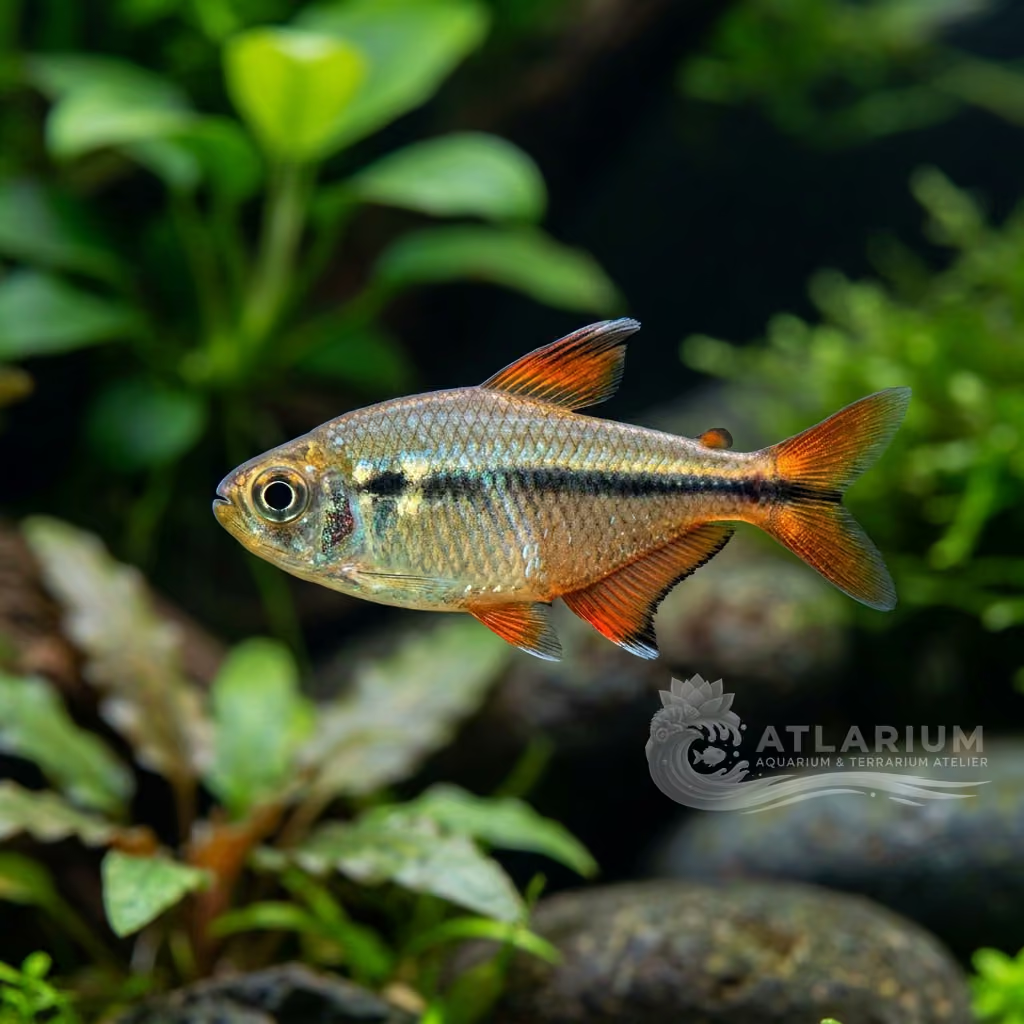
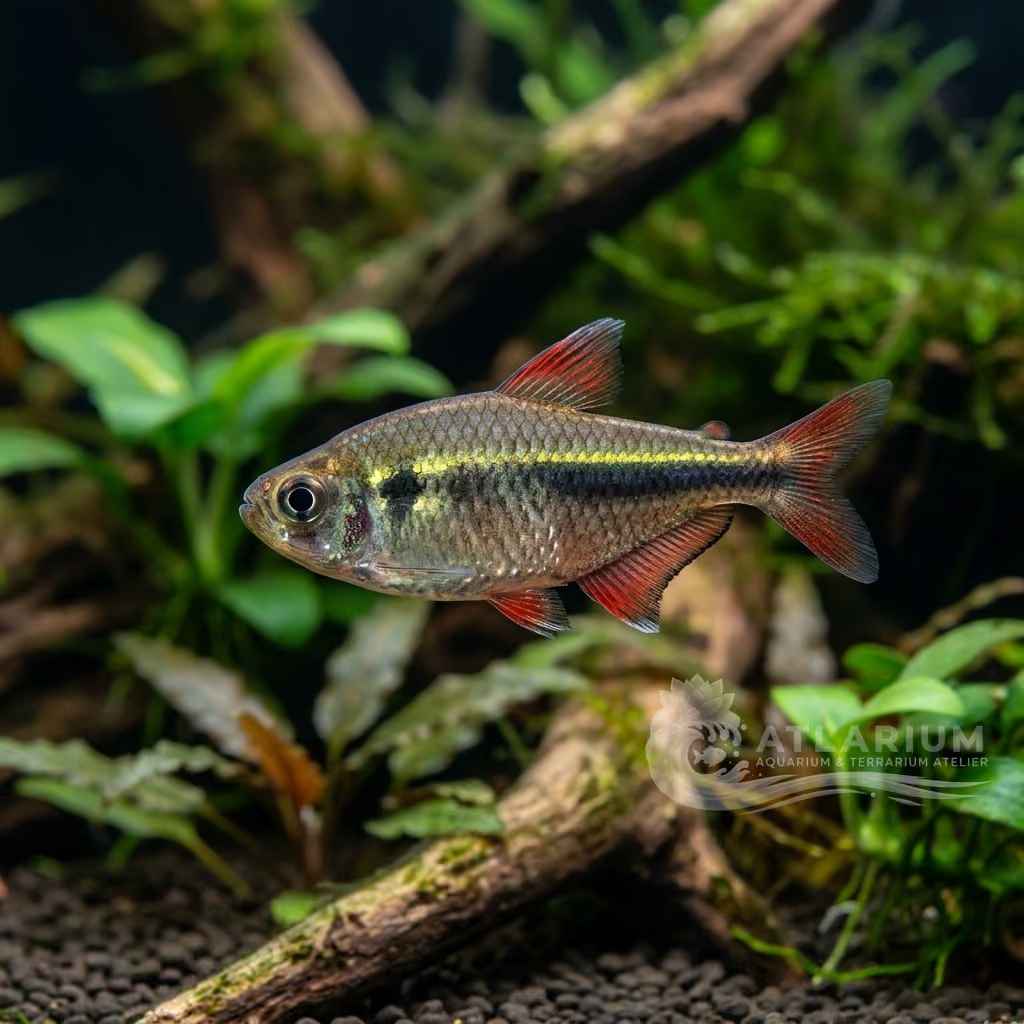
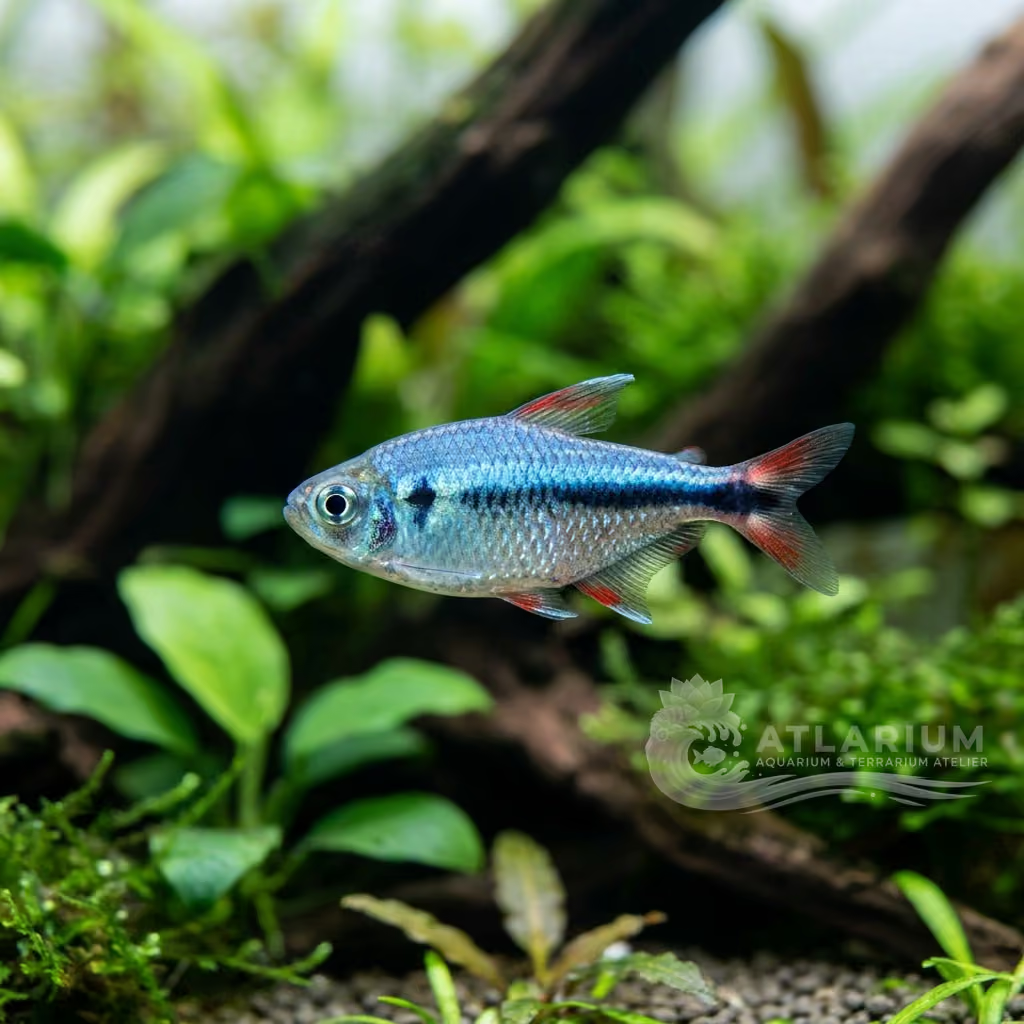
A small Brazilian tetra with a scarlet red line along the flank contrasting with the silver-gold body — an elegant, refined chromatic effect. Native to savanna streams in Amapá state in northeastern Brazil. Less known than more famous cousins but with a subtle charm and remarkable longevity (about 5 years). Prefers acidic, very soft water with moderate lighting. In schools of 6+ on dark substrate with dense vegetation, the red line stands out like a brushstroke.
Water Temperature
21 - 30 °C
pH Value
5 - 8
Water type
Freshwater
Tank level
Middle
Adult size
3 cm
Minimum tank volume
>= 60 L
Minimum group
>= 6
GH
0 - 14 dGH
KH
1 - 7 dKH
TDS
10 - 280 ppm
Conductivity
16 - 438 uS/cm

Species description
Geographical Origin and Habitat: Endemic exclusively to the state of Amapá in northern Brazil, specifically localized within the savannah drainages and slow-moving, shallow creeks. Hyphessobrycon amapaensis (the Amapa Tetra or Red-line Tetra) naturally colonizes clearwater streams rather than deep blackwater. These highly specific micro-habitats feature sandy substrates, patchy aquatic vegetation, and intense tropical sunlight filtering through sparse savannah shrubs.
Taxonomy and Morphology: Scientifically classified within the Characidae family, it belongs to the incredibly diverse Hyphessobrycon genus. Taxonomically, its specific name "amapaensis" denotes its exclusive geographic origin in the Brazilian state of Amapá. Morphologically, it possesses a sleek, torpedo-like, laterally compressed body, very similar in profile to the famous Glowlight Tetra, equipped with the characteristic characin adipose fin and an upward-facing mouth.
Social Behavior: They are peaceful, active, and strictly obligate schooling fish. Due to their small size, their entire social structure relies on the safety of a massive group. A minimum school of 10-12 individuals is absolutely mandatory; keeping fewer will induce chronic stress, lethargy, and a complete loss of their vibrant coloration. When kept in a large school, they will shoal tightly together in the mid-water column, constantly engaging in harmless hierarchical sparring.
Coloration and Sexual Dimorphism: Sexual dimorphism is extremely subtle; fully mature females are noticeably deeper-bodied and plumper, especially when viewed from above or when carrying eggs. The coloration is stunning and heavily contrasted. The upper half of the body is a warm, translucent olive-brown, while the belly is a stark, silvery-white. The defining feature is a brilliant, blazing, fiery-red lateral stripe running continuously from the gill cover to the base of the tail.

Care, breeding and tankmates
Aquarium Setup: The aquarium architecture must replicate a clearwater Brazilian savannah creek. A minimum 60-liter tank is required for a school. The tank should feature moderate lighting (not the pitch-black required by deep blackwater species). The layout MUST include dense thickets of fine-leaved background plants and extensive driftwood structures to provide hiding places, while leaving the entire central water column open for active swimming. The substrate should be soft sand.
Diet and Feeding: In their natural clearwater streams, they are highly effective micro-predators, hunting tiny zooplankton, aquatic insect larvae, and microscopic worms. In captivity, they are unfussy, mid-water feeders that eagerly accept all standard high-quality dry foods. To maintain their spectacular blazing red stripe, their diet MUST be heavily supplemented with color-enhancing live or frozen foods, particularly Daphnia, Cyclops, and bloodworms.
Water Quality: Originating from the pristine Amapá drainages, they are specialized clearwater fish. They demand warm tropical temperatures (24-28°C) and strictly require very soft, slightly acidic to neutral water (pH 6.0 - 7.0) to thrive and display their true colors. They will survive in slightly harder water, but their fiery red stripe will severely fade. Because they inhabit slow-moving creeks, filter flow must be gentle to moderate, avoiding strong, exhausting currents.
Compatibility and Cohabitation: They are the absolute ultimate, peaceful community fish. Due to their entirely non-aggressive nature, they can be housed with virtually any tiny, peaceful species. Excellent tankmates include other small, soft-water characins (Neon Tetras, Lemon Tetras), dwarf cichlids (Apistogramma, Rams), and small bottom-dwellers (Corydoras, Otocinclus). You MUST avoid large, aggressive fish (like Angelfish or large Cichlids) which will easily swallow them whole.
Aquarium Breeding: Breeding is relatively easy but requires strict water parameters. They are egg-scatterers. To breed, condition a pair and move them to a separate, dimly lit breeding tank containing extremely soft, acidic water and large clumps of Java Moss. Following a high-speed courtship, they will scatter hundreds of non-adhesive eggs. The parents are ravenous egg-eaters and MUST be removed immediately. The fry are microscopic and require infusoria immediately upon hatching.
Risks and Diseases: Physically, they are relatively hardy if kept in large groups. The absolute greatest physical risk is being eaten by larger community fish; they are the perfect bite-size for an Angelfish. Medically, they are highly susceptible to standard freshwater diseases like Ich (white spot) if subjected to sudden temperature fluctuations or if kept in hard, highly alkaline water that stresses their osmoregulatory system.

Geographic origin and distribution
Endemic exclusively to the state of Amapá in northern Brazil, specifically localized within the savannah drainages and slow-moving, shallow creeks. Hyphessobrycon amapaensis (the Amapa Tetra or Red-line Tetra) naturally colonizes clearwater streams rather than deep blackwater. These highly specific micro-habitats feature sandy substrates, patchy aquatic vegetation, and intense tropical sunlight filtering through sparse savannah shrubs.
Origin
Amazon, Orinoco, and GuianasNorth AmericaEurope, Mediterranean, and West Asia

Fish profile
- Temperament
- Peaceful
- This is a highly peaceful and somewhat shy species that thrives in a calm environment. They are a schooling fish that relies on the presence of conspecifics to feel safe and exhibit their best behavior. When kept in sufficiently large groups, they are active and inquisitive without ever bothering tank mates.
- Diet
- Omnivore
- These are omnivorous micro-predators in the wild, feeding on tiny invertebrates and zooplankton. In the aquarium, they readily accept crushed high-quality flake foods and micro-pellets. Supplementing their diet with live or frozen foods like Daphnia will enhance their coloration.
- Life expectancy
- 3-5 years
- Adult size
- 3 cm
- Sex ratio
- School
- Maintaining a proper sex ratio is less critical for this species compared to some others, as they are a schooling fish. Keeping them in groups of at least eight to ten individuals ensures natural behavior and reduces stress. Having a mix of males and females can help diffuse any minor squabbles among displaying males.
- Feeding frequency
- Twice daily
- These active fish benefit from multiple small feedings throughout the day rather than one large meal. Feeding them two to three times daily with amounts they can consume in under two minutes is ideal. This schedule helps prevent bloating and keeps water parameters stable by reducing uneaten food.
- Bioload
- Low
- This species produces a very minimal bioload due to its small physical size. It is highly suitable for smaller aquariums or heavily planted setups. However, standard filtration and regular water changes remain essential.
- Flow
- Moderate
- Originating from slow-moving tributaries and forested pools, they prefer gentle to moderate water currents. High flow environments can quickly exhaust these fish and cause them significant stress. A sponge filter or a baffled hang-on-back filter provides the perfect amount of water movement.
- Jump risk
- No
- Reproduction
- Oviparous
- They are egg scatterers that do not provide any parental care to their offspring after spawning. To encourage breeding, a separate tank with soft, slightly acidic water and fine-leaved plants is required. Once eggs are laid and fertilized, the adult fish must be removed promptly to prevent them from eating the eggs.
- Compatibility & tankmates
- Peaceful
- This species is exceptionally peaceful and does well in community tanks with other small, non-aggressive fish. They should never be kept with large or boisterous species that might view them as food. Ideal tank mates include small rasboras, Corydoras catfish, and peaceful dwarf cichlids.
- Tank level
- Middle
- This species primarily occupies the middle region of the aquarium water column during normal activities. They are active swimmers that appreciate ample open swimming space in the center of the tank. They will frequently dart in and out of plant thickets or hardscape for cover when resting.

Scientific Parameters & Models
FishBase
Window to the official scientific data of the species
FishBase v25.04Data synced on: 06/15/2026
- Trophic level
- 2.9 ± 0.3 se
- Resilience
- High (less than 15 months)
- Phylogenetic uniqueness (PD50)
- 0.5
- Bayesian Length-Weight
- a = 0.01202, b = 3.09
- VulnerabilityLow vulnerability (10 / 100)

Related species
Recommendations grouped by close relatives, companion choices, and similar care.