Hexastichos tetra
Hyphessobrycon hexastichos
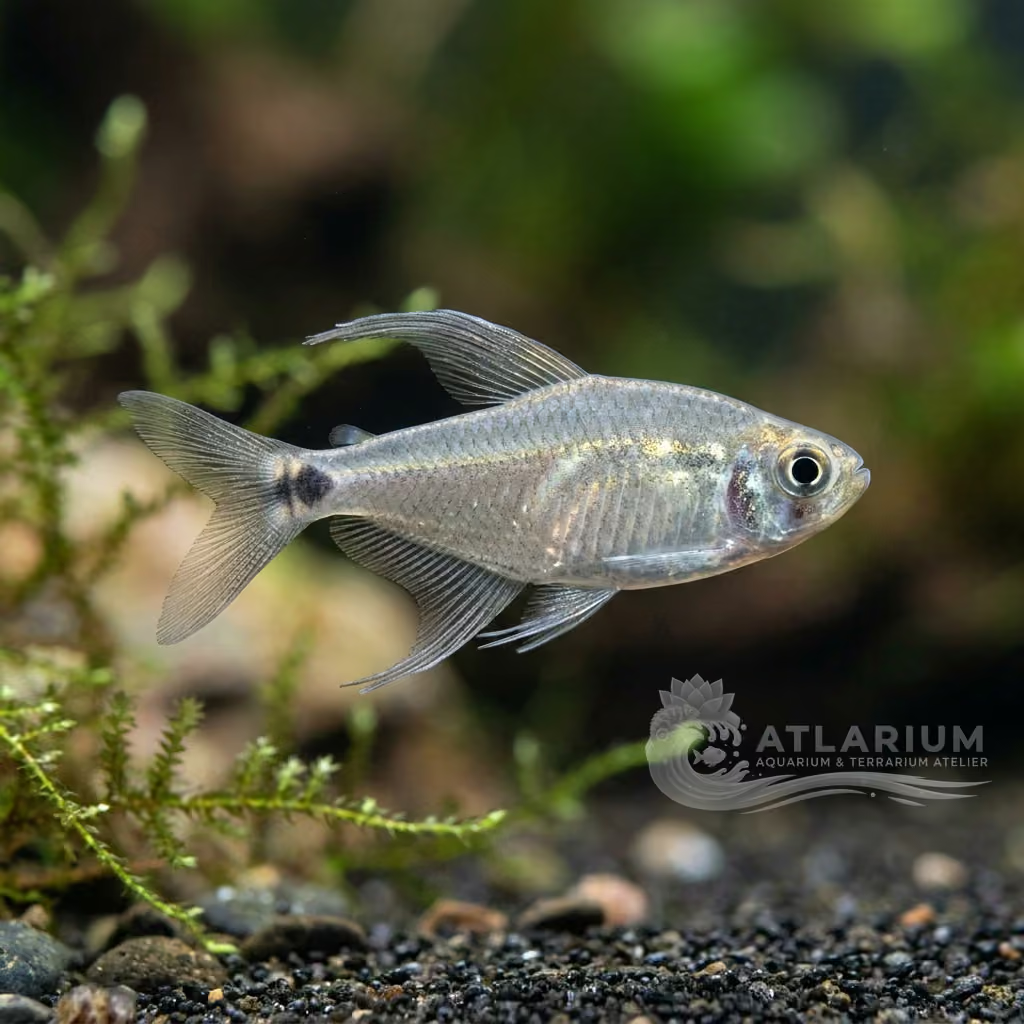
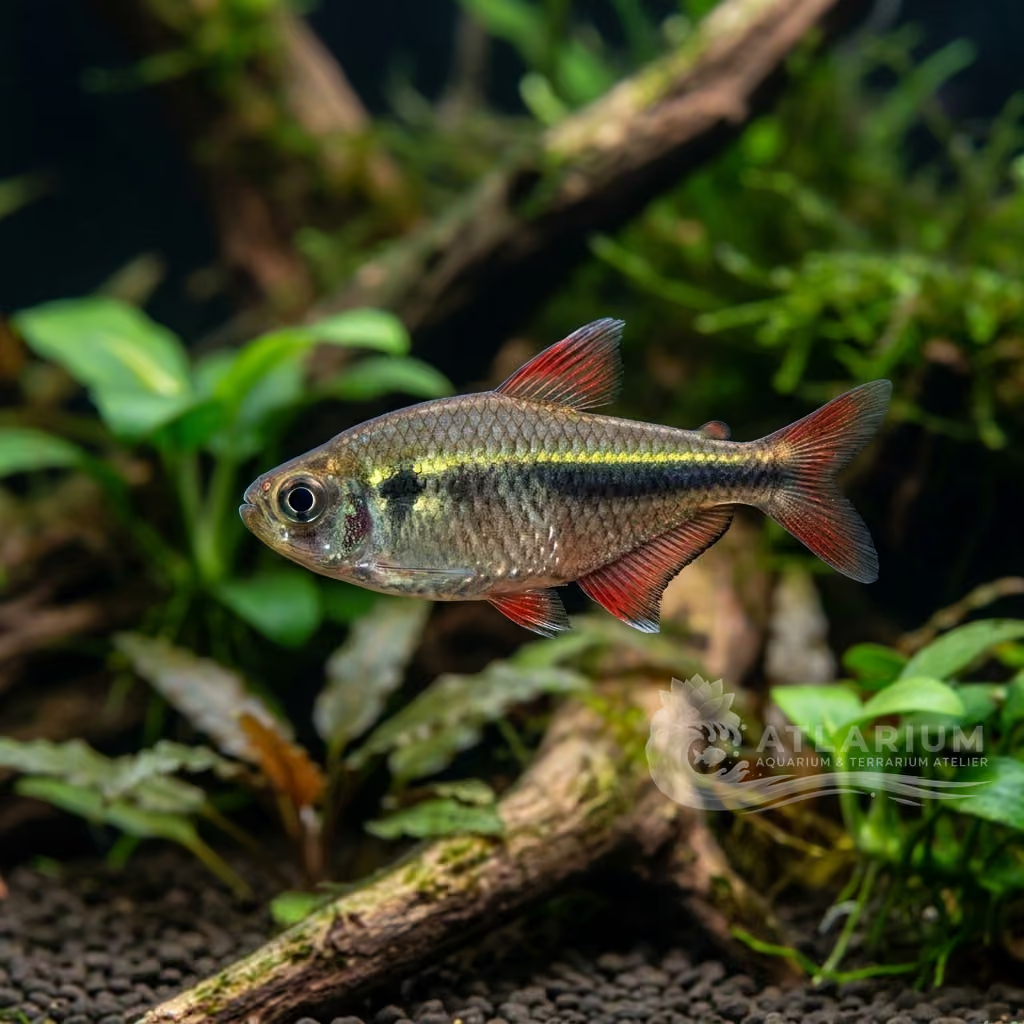
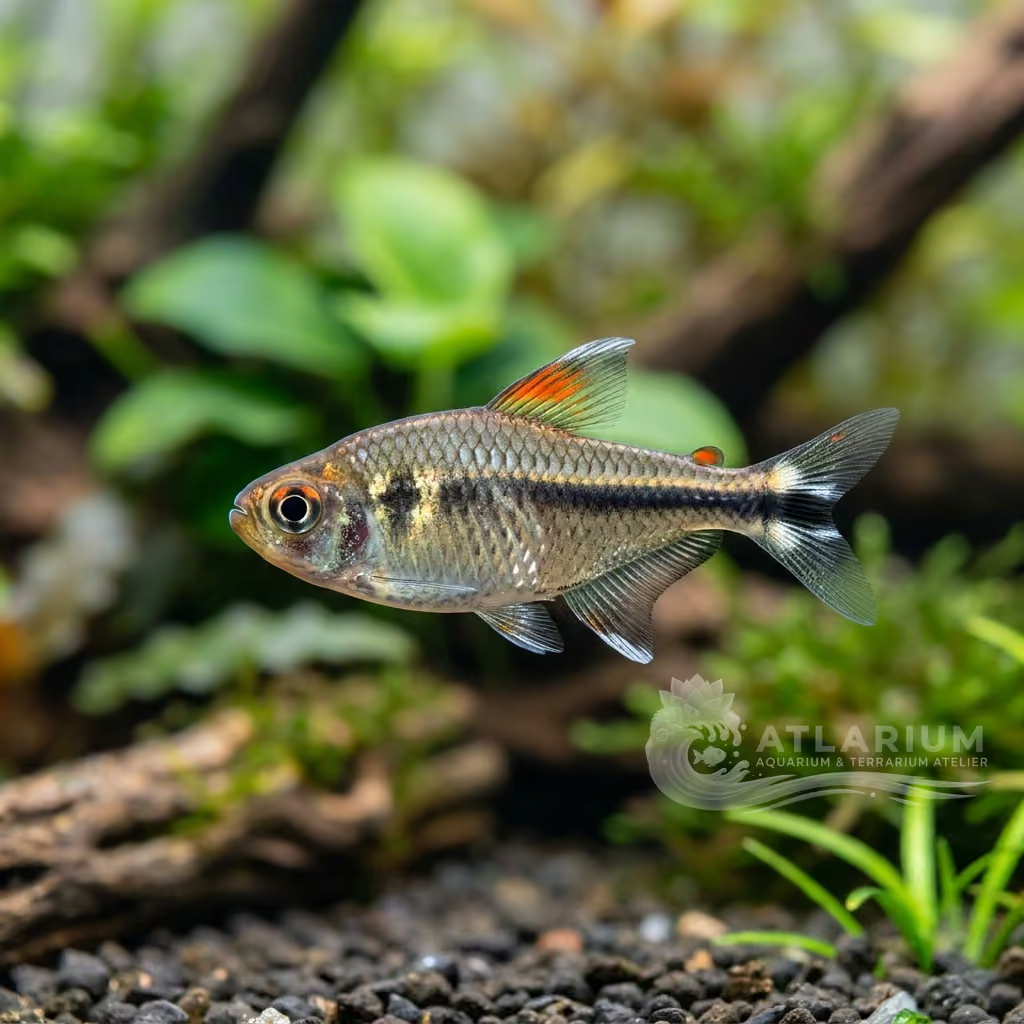
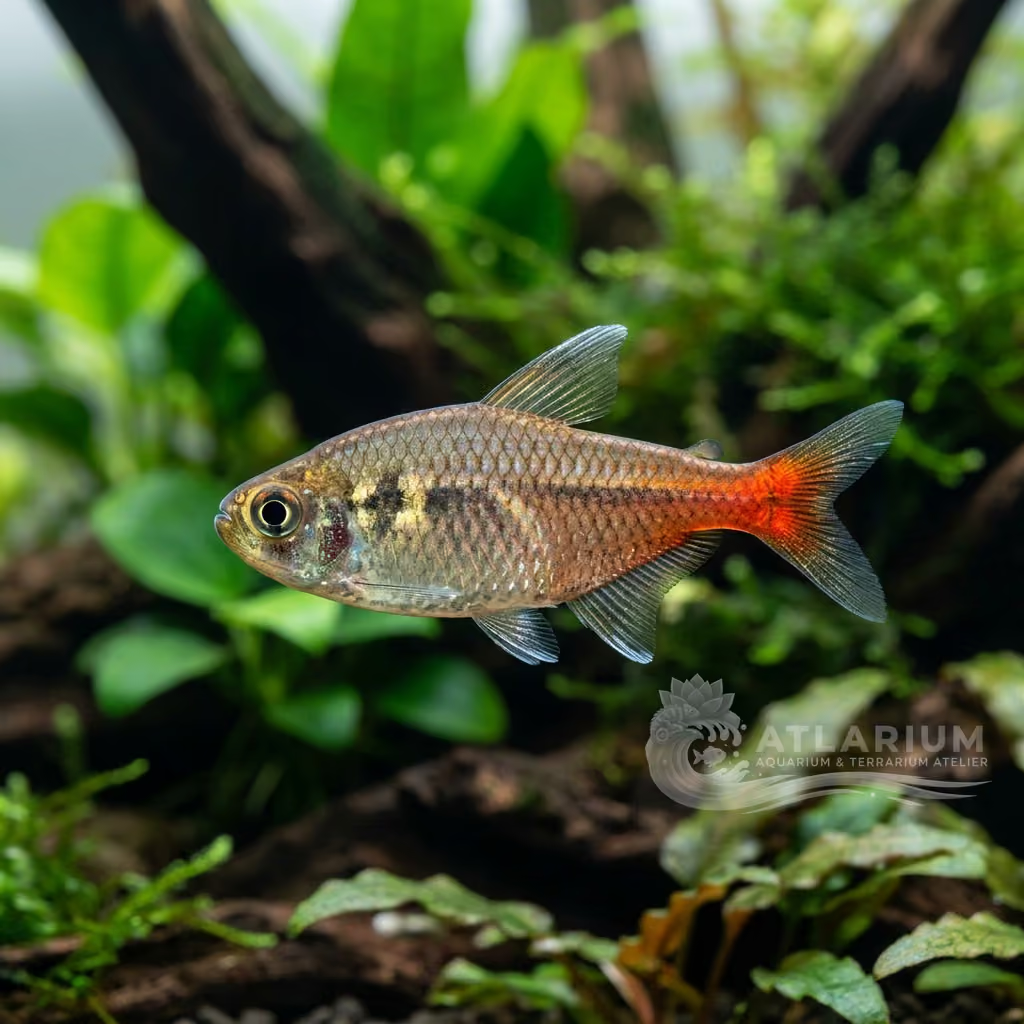
An uncommon freshwater characin, distinguished by six dark lines running along its flanks. Its rarity and fascinating striped pattern make it a prized addition for dedicated hobbyists.
Water Temperature
24 - 28 °C
pH Value
6 - 7.5
Water type
Freshwater
Tank level
Bottom and middle
Adult size
5 cm
Minimum tank volume
>= 80 L
Minimum group
>= 6
GH
2 - 12 dGH
KH
1 - 6 dKH
TDS
40 - 240 ppm
Conductivity
63 - 375 uS/cm

Species description
Geographical Origin and Habitat:
This fish is native to central Brazil, particularly the upper Tapajós River basin. It inhabits clear waters with moderate to slow currents and overhanging riparian vegetation.
Taxonomy and Morphology:
Belongs to the Characidae family. It features a deep, rhomboid-shaped, laterally compressed body. Adults reach about 4.5-5.5 cm in maximum length.
Social Behavior:
A peaceful and active schooling species. It must be housed in groups of at least 8-10 individuals to promote group stability and reduce stress. Coexists well with other tetras.
Coloration and Sexual Dimorphism:
The body is silver with golden reflections. It displays six dark longitudinal lines formed by pigments on the scale rows. Females are rounder than the slender males.

Care, breeding and tankmates
Aquarium Setup:
Requires an aquarium of at least 80-100 liters. Set up with dark sandy substrate, bogwood roots, and plenty of live plants along the sides to create shaded zones and natural refuges.
Diet and Feeding:
Omnivorous species. In the aquarium, it readily accepts dry foods in flakes or granules. Supplement the diet regularly with live or frozen foods like brine shrimp and daphnia.
Water Quality:
Maintain stable water parameters: temperature 23-27 °C, pH 6.0-7.2, and hardness GH 3-12 dGH. Conduct regular partial water changes.
Compatibility and Cohabitation:
Highly compatible with peaceful, similar-sized fish like other tetras, corydoras, small loricariids, and South American dwarf cichlids. Avoid large tankmates.
Aquarium Breeding:
Egg-scatterers. Requires a dedicated tank with soft, acidic water and fine-leaved plants for spawning. Remove parents immediately after spawning.
Risks and Diseases:
Generally robust, but susceptible to white spot disease from temperature shock or stress. A mature biological filtration keeps the environment healthy and free from bacterial diseases.

Geographic origin and distribution
This fish is native to central Brazil, particularly the upper Tapajós River basin. It inhabits clear waters with moderate to slow currents and overhanging riparian vegetation.
Origin
Extra-Amazon South AmericaEast Asia

Fish profile
- Temperament
- Peaceful
- The temperament of Hyphessobrycon hexastichos is overwhelmingly peaceful, making them an exemplary model of a docile community fish. They are not prone to fin-nipping or aggressive territorial disputes, provided they are kept in appropriately sized schools that allow them to establish a natural hierarchy. While males may occasionally engage in harmless sparring displays to establish dominance or impress females, actual physical damage is exceedingly rare. Their gentle nature ensures they will not harass slower-moving tank mates, fostering a tranquil and harmonious aquatic environment.
- Diet
- Omnivore
- In their natural habitat, Hyphessobrycon hexastichos are micro-predators and foragers that feed on tiny insects, crustaceans, and various zooplankton. Within the aquarium environment, they readily accept high-quality dry foods such as micro pellets and crushed flakes designed for small tropical fish. To ensure their best coloration and overall health, their diet should be regularly supplemented with live or frozen foods like Daphnia, newly hatched brine shrimp, and bloodworms. A varied diet prevents nutritional deficiencies and mimics their diverse natural foraging behavior.
- Life expectancy
- 3-5 years
- Adult size
- 5 cm
- Sex ratio
- School
- While Hyphessobrycon hexastichos does not strictly require a specific male-to-female ratio, keeping a mixed group with a slight majority of females is generally recommended. Having more females helps distribute any amorous or territorial chasing behavior from the males, preventing individual females from becoming overly stressed. In larger schools of ten or more, the sex ratio becomes less critical as aggression and attention are widely dispersed throughout the group. Observing a healthy mix of both sexes also allows aquarists to enjoy the more intense, vibrant coloration that males display when showing off to the females.
- Feeding frequency
- Twice daily
- To maintain optimal health and vitality, Hyphessobrycon hexastichos should ideally be fed small portions one to two times per day. It is important to only offer an amount of food that the entire school can completely consume within two to three minutes. Overfeeding can lead to poor water quality, algae outbreaks, and potential health issues for these small fish. Providing a fasting day once a week can also be beneficial to clear their digestive tracts and replicate natural food scarcity.
- Bioload
- Low
- The bioload produced by Hyphessobrycon hexastichos is generally considered to be quite low due to their small adult size and active metabolism. These tiny fish do not generate significant amounts of waste, making them excellent candidates for densely planted setups or nano aquariums when kept in appropriate numbers. However, a proper filtration system and regular water changes are still essential to maintain optimal water quality. If kept in very large schools, their cumulative bioload can increase slightly, but it rarely overwhelms a standard, cycled aquarium filter.
- Flow
- Stagnant
- Coming from environments ranging from sluggish tributaries to moderately flowing streams, Hyphessobrycon hexastichos appreciates a gentle to moderate water flow in the aquarium. They are not built to constantly battle strong, torrential currents, which would quickly exhaust them and induce significant stress. Employing a spray bar or directing the filter outflow towards the tank glass can help diffuse the water movement effectively. Providing calmer resting areas among dense vegetation allows them to retreat and conserve energy whenever needed.
- Jump risk
- Yes
- Like many small, active species, Hyphessobrycon hexastichos possesses a moderate risk of jumping out of the aquarium, especially when startled or during the initial acclimation period. Sudden changes in lighting, aggressive tank mates, or sudden movements outside the tank can easily spook them into a leaping reflex. It is highly recommended to keep the aquarium securely covered with a tight-fitting lid or a specialized mesh screen. Floating plants can also be added to the surface to help them feel more secure and deter jumping behaviors.
- Reproduction
- Oviparous
- Hyphessobrycon hexastichos belongs to the category of egg-scattering fish, meaning they broadcast their eggs freely without providing any subsequent parental care. In a dedicated breeding setup, dim lighting, very soft, acidic water, and an abundance of fine-leaved plants or spawning mops are required to encourage spawning. The adult fish are notorious egg-eaters and must be removed from the breeding tank immediately after the spawning event concludes. Once hatched, the microscopic fry require infusoria or specialized liquid fry food until they are large enough to accept baby brine shrimp.
- Compatibility & tankmates
- Peaceful
- Hyphessobrycon hexastichos is an incredibly peaceful and sociable schooling fish that makes a fantastic addition to most community aquariums. They thrive when kept alongside similarly sized, non-aggressive species such as Corydoras catfish, small rasboras, and other docile tetras. It is crucial to avoid housing them with large or predatory fish that might view them as a quick snack, such as larger cichlids. Maintaining them in a group of at least six individuals will help them feel secure, significantly reducing any potential stress or shyness.
- Tank level
- Middle/Bottom
- In the aquarium, Hyphessobrycon hexastichos primarily inhabits the middle to upper levels of the water column, rarely venturing completely to the bottom unless searching for fallen food. They are enthusiastic swimmers that appreciate plenty of open swimming space in the center of the tank to dart around in their schooling formations. Providing tall background plants or floating vegetation will give them the upper-level cover they desire without encroaching on their preferred swimming zones. Their mid-water presence makes them an excellent choice for adding active, colorful movement to the central focal point of a planted setup.

Scientific Parameters & Models
FishBase
Window to the official scientific data of the species
Data synced on: 06/15/2026
- Trophic level
- 2.9 ± 0.3 se
- Resilience
- High (less than 15 months)
- Phylogenetic uniqueness (PD50)
- 0.5
- Bayesian Length-Weight
- a = 0.00676, b = 3.12
- VulnerabilityLow vulnerability (10 / 100)

Related species
Recommendations grouped by close relatives, companion choices, and similar care.