Kitty tetra
Hyphessobrycon heliacus
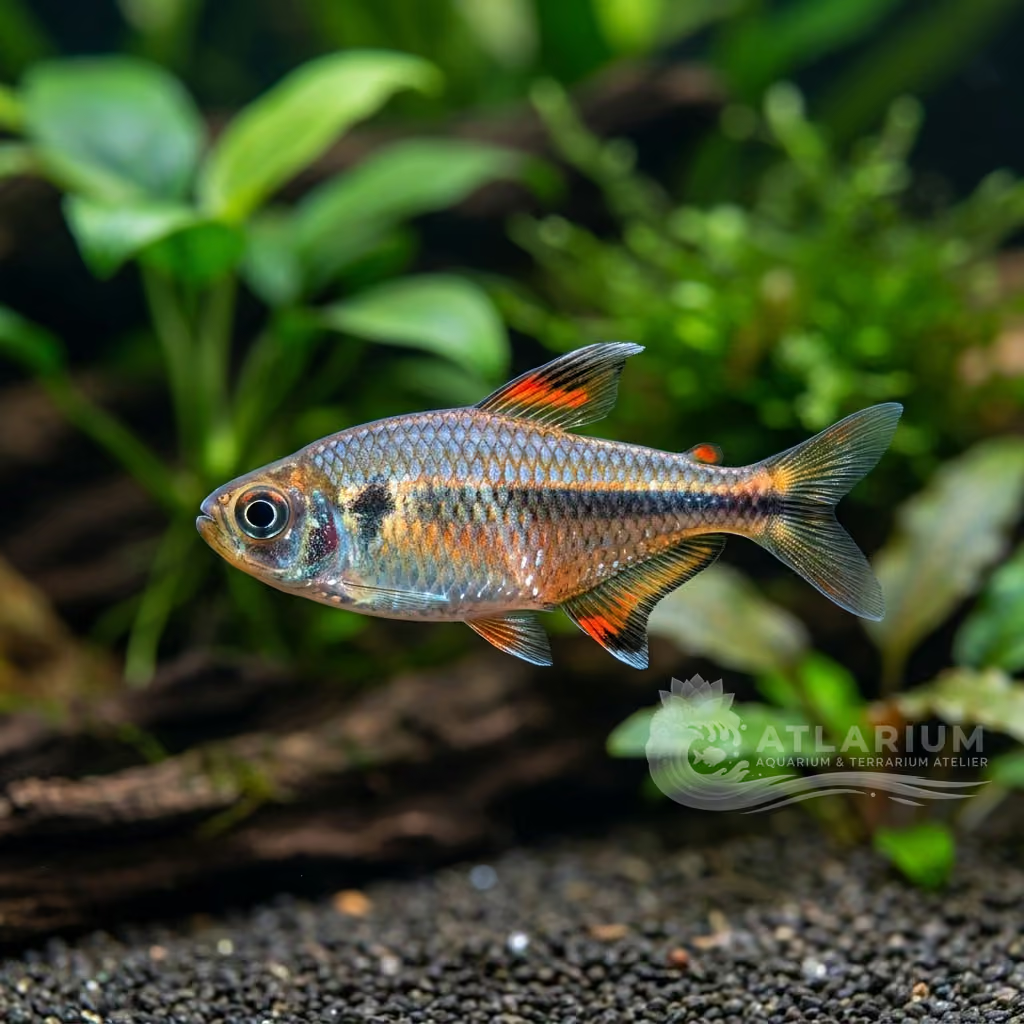
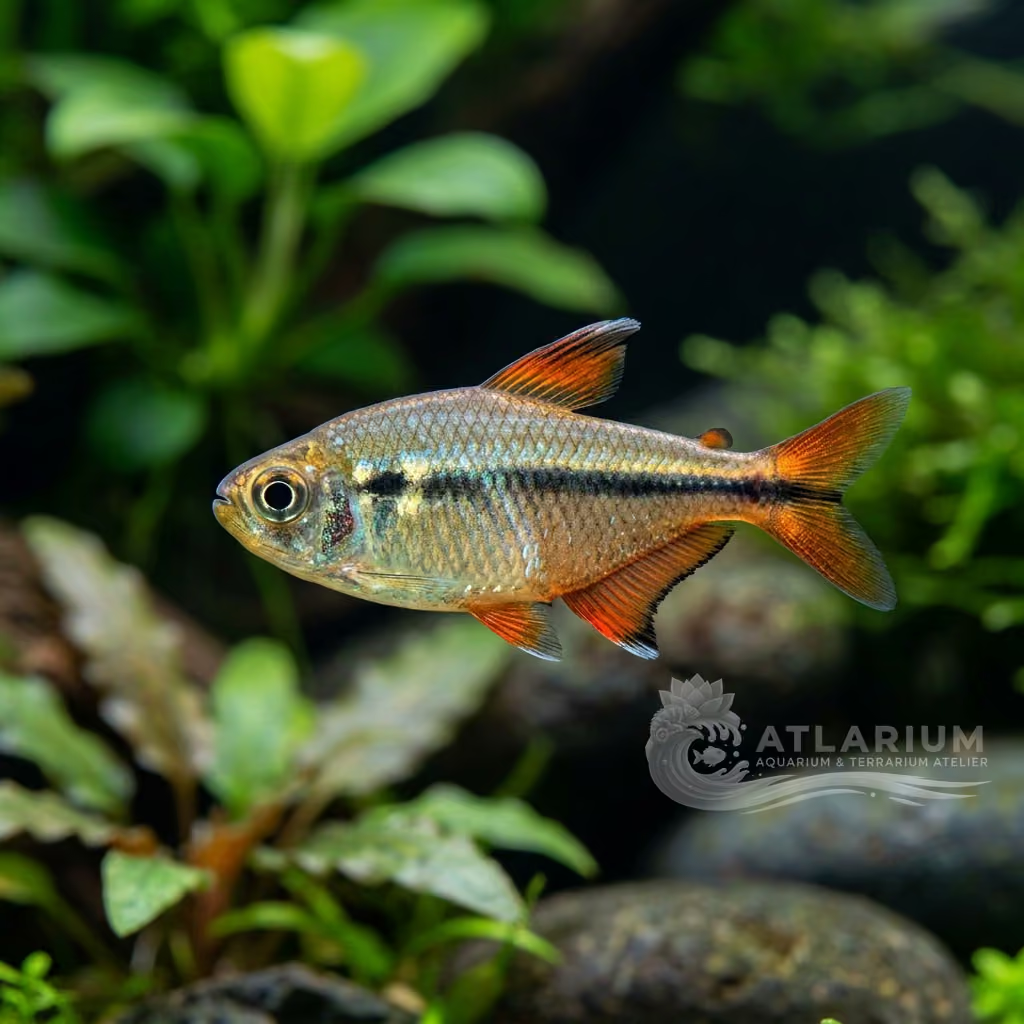
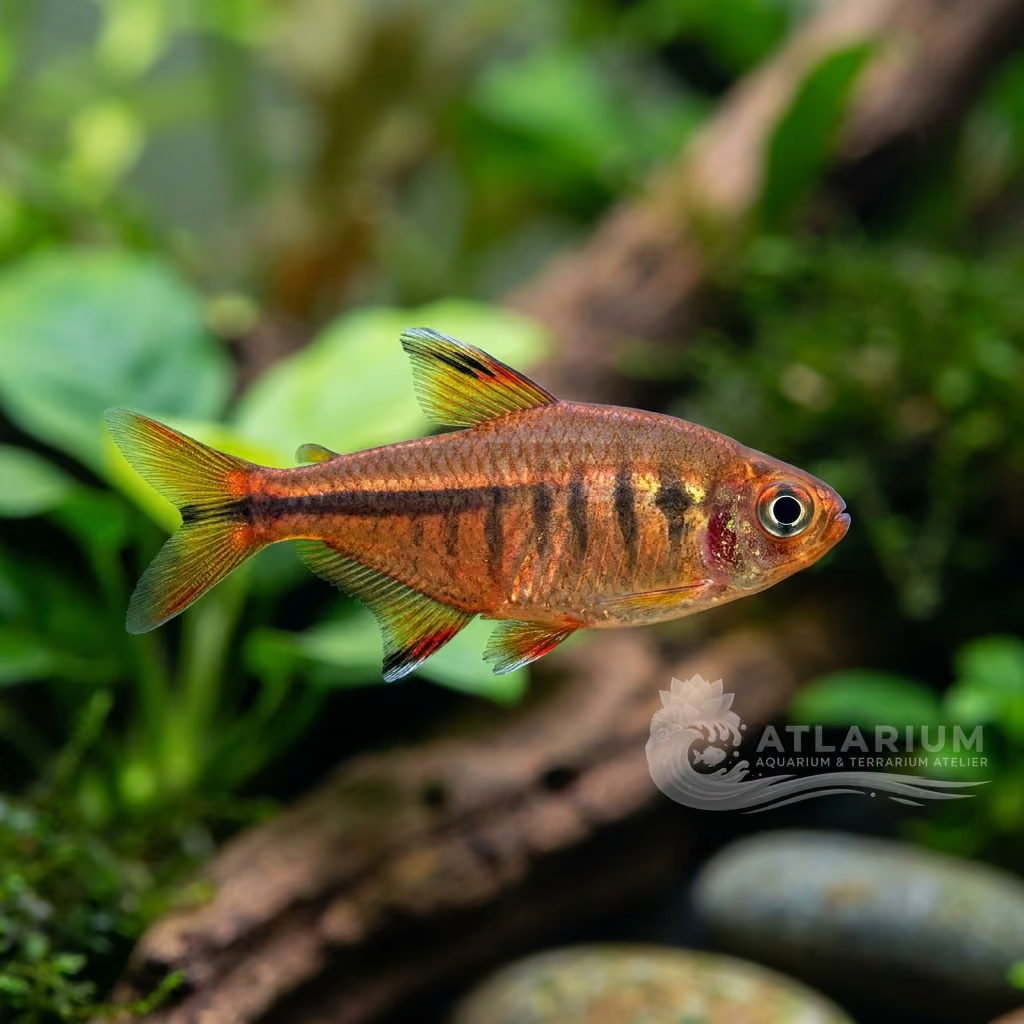
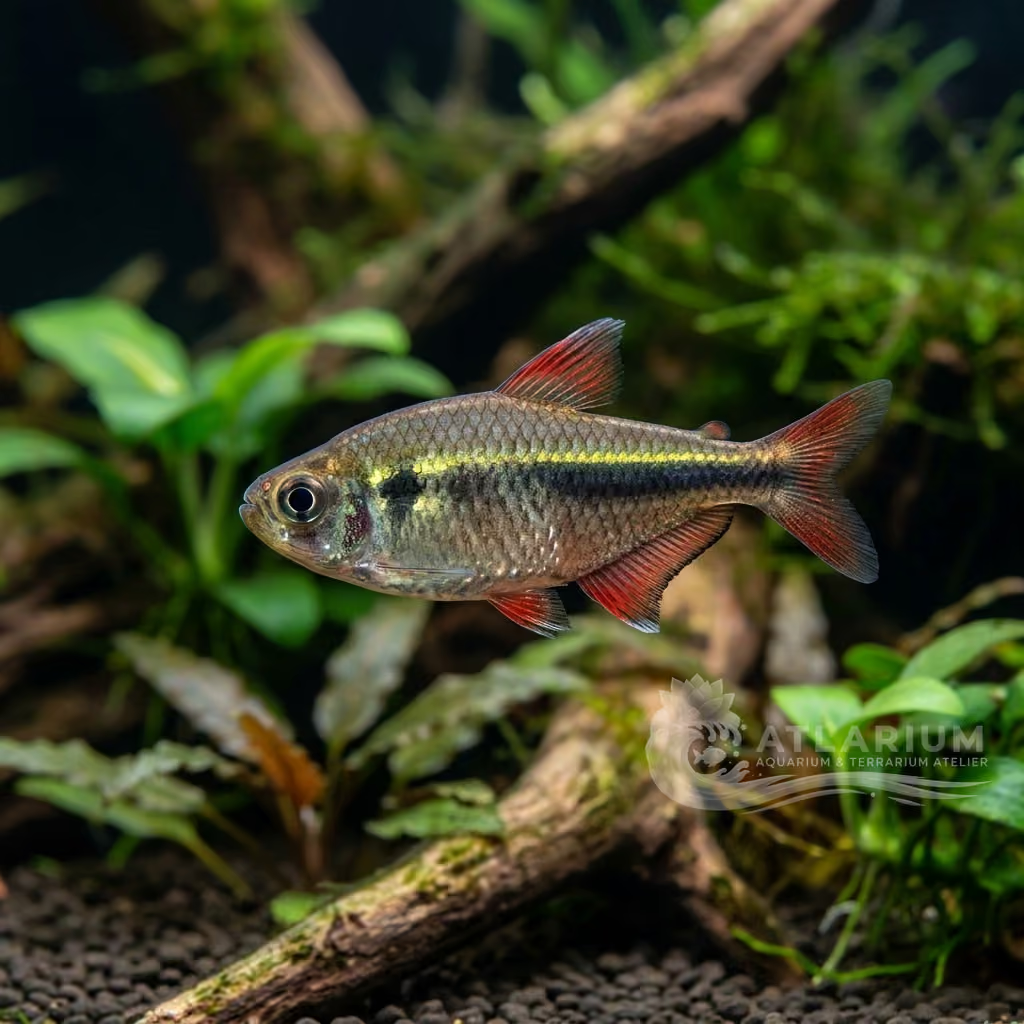
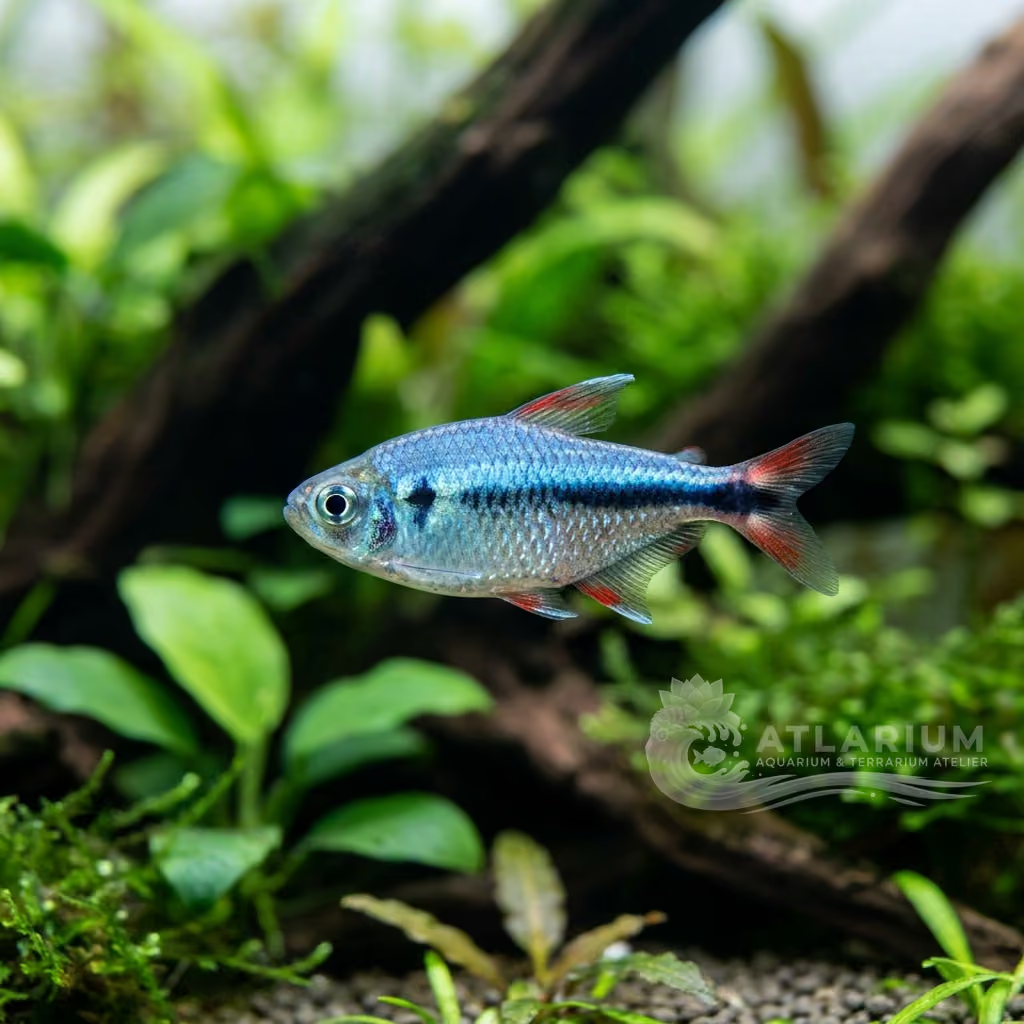
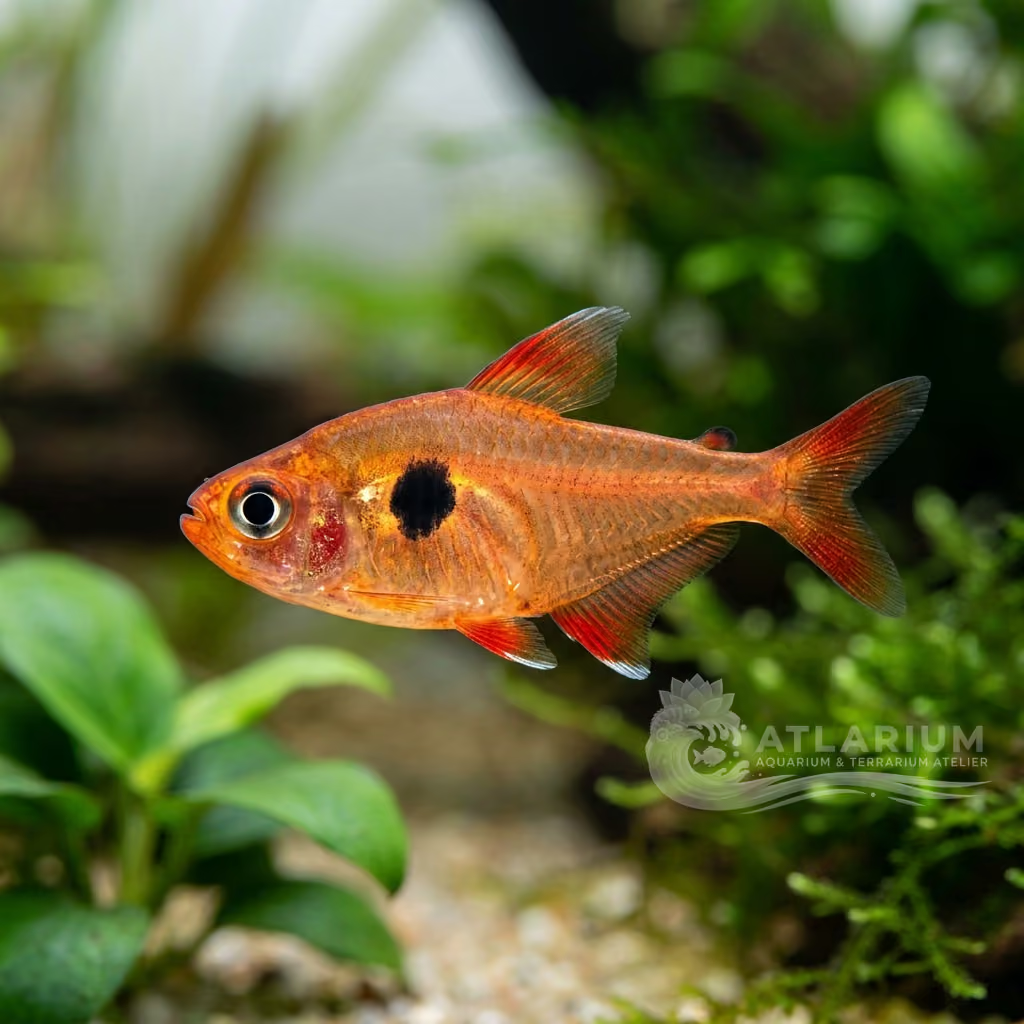
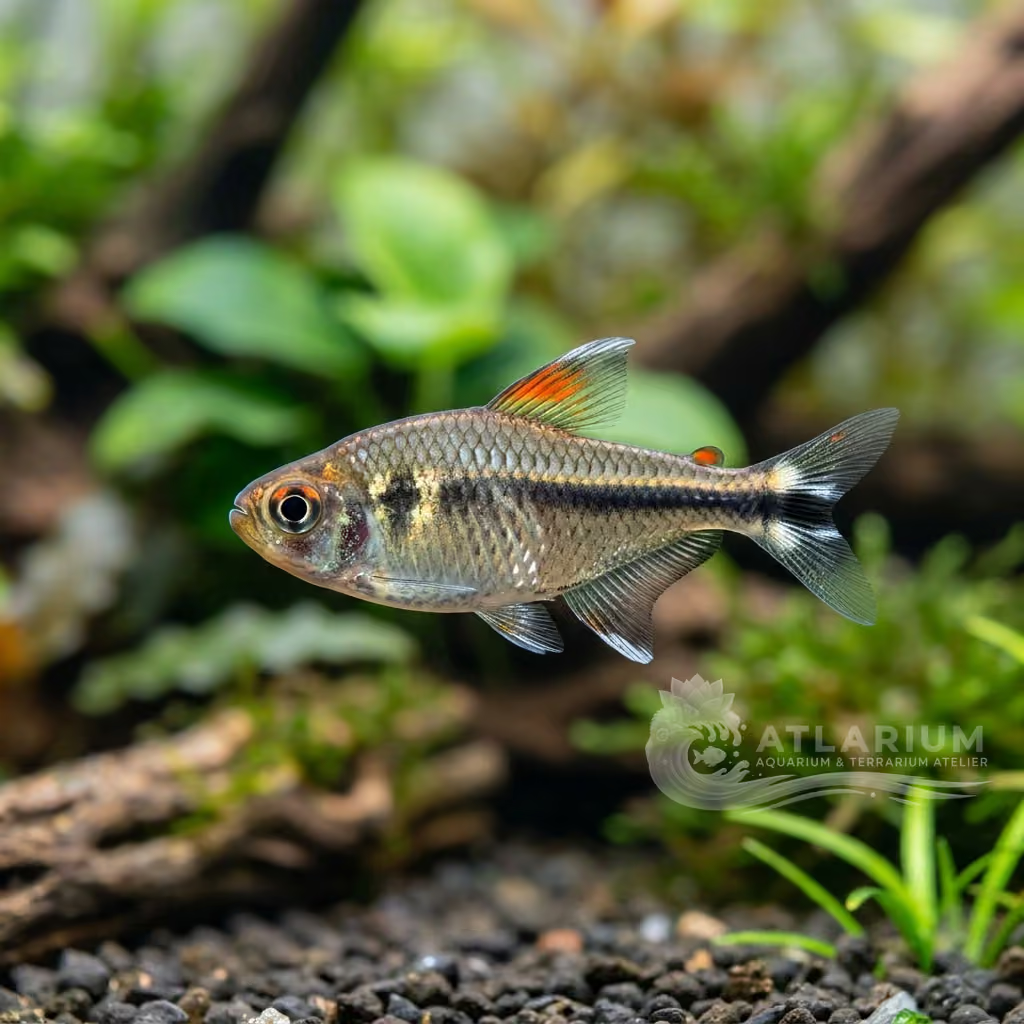
A small tetra with a radiant golden-yellow color that shines like a sunbeam in the tank — a rare chromatic effect among characids. Native to the upper Tapajós basin in Brazil (often confused with H. elachys from Paraguay, a different species). In planted tanks with dark substrate and dim lighting, the golden color intensifies notably. Gregarious and confident in groups of 6–8+, shy and hidden in groups that are too small. Small mouth: requires proportional food.
Water Temperature
21 - 30 °C
pH Value
5.5 - 7.8
Water type
Freshwater
Tank level
Middle
Adult size
2.8 cm
Minimum tank volume
>= 40 L
Minimum group
>= 6
GH
0 - 21 dGH
KH
1 - 10 dKH
TDS
10 - 415 ppm
Conductivity
16 - 648 uS/cm

Species description
Geographical Origin and Habitat: Endemic exclusively to the pristine, fast-flowing, highly oxygenated upper reaches of the Teles Pires River basin, a major tributary of the massive Tapajós River in the state of Mato Grosso, central Brazil. Hyphessobrycon heliacus (commonly known as the Kitty Tetra) natively colonizes exceptionally clear, sun-drenched, shallow river margins. These specialized habitats are characterized by strong currents, rocky or sandy substrates, and are largely devoid of the dense aquatic vegetation and decomposing leaf litter found in sluggish Amazonian blackwater swamps.
Taxonomy and Morphology: Scientifically classified within the Characidae family, it is an incredibly unique, breathtaking, and relatively rare micro-predator in the aquarium hobby. Morphologically, fully mature adults reach roughly 3.0 to 4.0 centimeters (1.2-1.6 inches) in length. It possesses a surprisingly deep, heavily compressed, stocky body profile compared to most slender Tetras. Its absolute defining anatomical feature is an astronomically oversized, sail-like dorsal fin and an incredibly elongated anal fin, both of which are primarily exhibited by the males during spectacular displays.
Social Behavior: They are exceptionally peaceful, highly active, and strictly obligate shoaling fish. They absolutely MUST be kept in a sizable group (minimum 6, but 10-15+ is required to witness their incredible social dynamics). While generally peaceful toward other species, males are intensely competitive amongst themselves. They spend their entire day engaging in spectacular, relentless, but entirely non-lethal lateral sparring displays. A male will fiercely erect his massive, sail-like dorsal fin and flare his anal fin, shivering violently to establish dominance and impress females.
Coloration and Sexual Dimorphism: Sexual dimorphism is spectacular and impossible to miss. Mature males are the undisputed stars: their base body color is a glowing, intensely reflective metallic golden-yellow or bright brassy-orange. The upper half of their eye is a brilliant fiery red. The male's defining features are his massively extended, sail-like dorsal fin and sweeping anal fin, which are heavily flushed with glowing red and orange. Females, by stark contrast, possess significantly shorter fins, a plumper belly, and a vastly duller, pale silvery-yellow body coloration.

Care, breeding and tankmates
Aquarium Setup: The aquarium architecture MUST flawlessly replicate the fast-flowing, clear waters of the upper Tapajós basin. A minimum 80-liter (20-gallon) tank (at least 60 cm long) is required. The absolute most critical requirement is significant open swimming space and excellent oxygenation. Unlike blackwater Tetras, they do NOT require dense, overwhelming jungle vegetation. The tank should feature smooth river stones, scattered driftwood, and robust background plants (like Echinodorus or Vallisneria), leaving the entire center of the tank completely open for the males to perform their spectacular sparring displays.
Diet and Feeding: They are highly active, voracious micro-predators (omnivores) that forage aggressively in the mid-water column and surface. They possess a robust appetite and will eagerly consume almost anything offered. You MUST feed them a varied, high-quality diet to maintain their intense golden coloration and fuel their high energy levels. Daily offerings of high-quality floating flakes or micro-pellets are mandatory. This MUST be heavily supplemented several times a week with live or frozen meaty foods: bloodworms, Daphnia, Artemia (brine shrimp), and mosquito larvae.
Water Quality: Originating from the clear, fast-flowing tributaries of the Tapajós, they strictly demand pristine, highly oxygenated water with moderate to strong currents. They thrive in warm tropical temperatures (24-28°C / 75-82°F). Crucially, they require soft to moderately hard water (GH 2-12) and a slightly acidic to neutral pH (6.0 - 7.5). They possess absolute zero tolerance for dissolved organic waste; rigorous weekly water changes and excellent filtration are absolutely mandatory. A dedicated wavemaker or strong filter outflow is highly recommended to simulate their native river current.
Compatibility and Cohabitation: Compatibility is excellent, provided tankmates are peaceful, similarly sized, and appreciate moderate water flow. They are the perfect, highly active centerpiece schooling fish for a clearwater South American community. Excellent companions include fast-swimming Tetras (like Rummy-nose or Lemon Tetras), peaceful bottom-dwelling Corydoras, Otocinclus, and peaceful Dwarf Cichlids (like Apistogramma). They MUST NEVER be housed with large, aggressive predators (like Angelfish or massive Cichlids) that will easily view them as prey, or with notorious fin-nippers that will shred the males' spectacular fins.
Aquarium Breeding: Breeding is moderately difficult and requires a dedicated, heavily planted spawning tank. They are prolific egg-scatterers that provide zero parental care. Breeding is triggered by heavy conditioning with live foods and a cool water change simulating a rainstorm. The spectacular, fully flared male will relentlessly drive the plump female into dense fine-leaved mosses or spawning mops, where they scatter hundreds of non-adhesive eggs. The adults are ravenous egg-eaters; the parents MUST be completely removed immediately after spawning to save the fry, which require infusoria.
Risks and Diseases: The absolute greatest physical risk is severe fin damage and subsequent lethal bacterial infection caused by housing them with aggressive fin-nipping species (like Tiger Barbs or Serpae Tetras); their massive, sail-like fins are an irresistible target. The second major risk is severe stress and lethargy caused by housing them in a stagnant, un-oxygenated tank; they are clearwater river fish that demand moderate flow. Finally, keeping them in groups smaller than 6 will result in males relentlessly harassing a single female to death.

Geographic origin and distribution
Endemic exclusively to the pristine, fast-flowing, highly oxygenated upper reaches of the Teles Pires River basin, a major tributary of the massive Tapajós River in the state of Mato Grosso, central Brazil. Hyphessobrycon heliacus (commonly known as the Kitty Tetra) natively colonizes exceptionally clear, sun-drenched, shallow river margins. These specialized habitats are characterized by strong currents, rocky or sandy substrates, and are largely devoid of the dense aquatic vegetation and decomposing leaf litter found in sluggish Amazonian blackwater swamps.
Origin
Amazon, Orinoco, and Guianas

Fish profile
- Temperament
- Peaceful
- The Hyphessobrycon heliacus is renowned for its peaceful, albeit somewhat shy and timid, temperament. They are highly social fish that absolutely depend on the presence of a sizable school for their confidence and well-being. When kept in sufficient numbers, they exhibit a lively and inquisitive nature, gracefully exploring the aquarium. However, if kept alone or in very small groups, they will likely become withdrawn, pale, and prone to hiding constantly.
- Diet
- Omnivore
- In its natural habitat, the Hyphessobrycon heliacus is a micro-predator that primarily feeds on tiny invertebrates and zooplankton. In captivity, they eagerly accept a staple diet of high-quality crushed flakes and micro-pellets. To support their overall health and promote optimal development—such as the extended dorsal and anal fins in mature males—their diet should be frequently supplemented with live or frozen foods like Daphnia and cyclops. A diverse nutritional profile is crucial for maintaining a robust immune system.
- Life expectancy
- 3-5 years
- Adult size
- 2.8 cm
- Sex ratio
- School
- When establishing a school of Hyphessobrycon heliacus, maintaining a relatively balanced mix of males and females is beneficial. Males generally exhibit a slimmer profile and often display their characteristic golden-yellow body more intensely compared to the plumper females. Having slightly more females than males can help dissipate any minor intra-species sparring when males display for dominance. Ultimately, keeping a large enough overall group size is more critical than the exact sex ratio.
- Feeding frequency
- Twice daily
- For optimal health, the Hyphessobrycon heliacus should be fed small portions two to three times a day. Only offer an amount of food that the school can completely consume within two minutes to prevent water fouling. Overfeeding is a common issue with small characins, so strict portion control must be maintained. This frequent, small-meal approach closely mimics their continuous foraging behavior in the wild.
- Bioload
- Low
- The Hyphessobrycon heliacus contributes a very low bioload to the aquarium ecosystem due to its small size. This makes them highly suitable for densely planted nano tanks and community setups alike. Despite their low waste production, maintaining a strict schedule of weekly water changes is highly recommended. A standard, high-quality biological filtration system will easily process the minimal waste generated by a healthy school.
- Flow
- Strong
- The Hyphessobrycon heliacus naturally inhabits slow-moving streams and flooded forest areas, meaning they prefer gentle water flow in the aquarium. Strong currents from overpowered filters can quickly exhaust these small fish and cause chronic stress. A sponge filter or a baffled hang-on-back filter is usually the most appropriate choice to provide oxygenation without turbulent flow. Providing dense clusters of aquatic plants will also give them tranquil resting spots.
- Jump risk
- No
- Reproduction
- Oviparous
- Breeding the Hyphessobrycon heliacus requires a separate, dimly lit breeding tank equipped with soft, slightly acidic water. They are typical egg-scatterers that exhibit no parental care whatsoever, and they will readily consume their own eggs if left in the breeding tank. Spawning typically occurs among fine-leaved plants, after which the adults must be immediately removed. The microscopic fry require infusoria or specialized liquid foods until they are large enough to eat freshly hatched brine shrimp.
- Compatibility & tankmates
- Peaceful
- As a peaceful schooling species, the Hyphessobrycon heliacus thrives when kept in a vibrant community aquarium. They require the security of a group, so maintaining them in schools of at least eight individuals is essential. Excellent tank mates include small rasboras, Corydoras catfish, and other equally peaceful characins. Aggressive, large, or excessively boisterous fish should be strictly avoided to prevent them from becoming stressed or preyed upon.
- Tank level
- Middle
- The Hyphessobrycon heliacus is an active swimmer that primarily occupies the mid to upper levels of the aquarium water column. They deeply appreciate having a large, open swimming space in the center of the tank to school properly. They will often dart around the middle strata during the day, occasionally diving to the substrate during feeding times. Tall background plants and floating vegetation help them feel secure in these preferred swimming zones.

Scientific Parameters & Models
FishBase
Window to the official scientific data of the species
FishBase v25.04Data synced on: 06/15/2026
- Trophic level
- 2.9 ± 0.3 se
- Resilience
- High (less than 15 months)
- Phylogenetic uniqueness (PD50)
- 0.5
- Bayesian Length-Weight
- a = 0.01202, b = 3.09
- VulnerabilityLow vulnerability (10 / 100)

Related species
Recommendations grouped by close relatives, companion choices, and similar care.